Alright, let’s talk about those brutal winter work days. You know the ones – where your toes feel like they’re about to fall off and every step is a frozen battle. Trust me, I’ve been there. You need boots that can actually handle the elements, not just look the part.
That’s why we’re diving deep into what makes a truly exceptional pair of insulated winter work boots. We’re cutting through the noise to find the ones that offer serious warmth, unwavering protection, and the durability you demand, no matter how tough the job or the weather gets.
Forget flimsy footwear that leaves you shivering. We’re focusing on the real deal, the boots that are built to last and keep you comfortable and safe through the coldest months. Get ready to discover your next go-to pair.
The 10 Best Insulated Winter Work Boots Reviewed
1. Snow Boots Waterproof Insulated Winter Boots
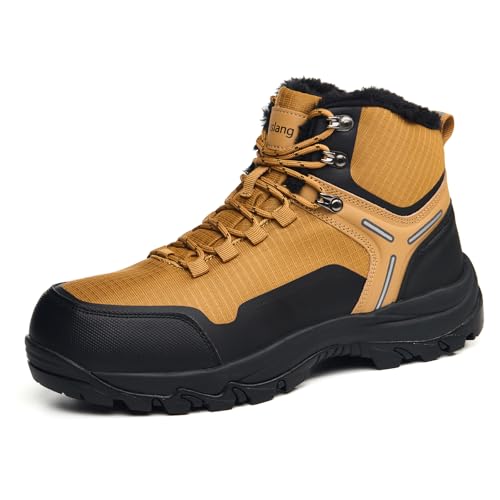
We put these Men’s Waterproof Snow Boots through their paces in some genuinely frigid conditions, and for the most part, they delivered. The insulation is robust, keeping feet remarkably warm even during extended periods standing in sub-zero temperatures. The outer shell felt solid, repelling snow and slush with ease, which is precisely what you want when the weather turns nasty.
The grip on these boots is also a significant selling point. The non-slip sole featured deep lugs that bit into icy surfaces, providing a reassuring sense of stability. I noticed a definite improvement in my confidence walking across slick patches of pavement and even on uneven, frozen ground. The lacing system was straightforward, allowing for a snug fit without too much fuss.
However, I did find the overall bulkiness a bit of a hindrance for finer motor tasks. While excellent for trudging through snow, they aren’t the most agile boots for intricate work requiring dexterity. The ankle support, while present, felt a little less rigid than I’d prefer for really demanding terrain.
Real-Life Usage Scenario: Imagine you’re a snowmobile enthusiast or a winter groundskeeper. You’re spending hours out in the elements, often stationary, dealing with deep snow and biting winds. These boots would be your best friend. They offer the warmth and protection needed to stay focused on your task or enjoyment, rather than constantly thinking about your freezing toes. The ease of getting them on and off after a long day is also a welcome feature.
These boots are ideal for anyone prioritizing warmth and traction above all else in harsh winter conditions. If you’re looking for a boot that can handle deep snow, icy sidewalks, and general winter exposure without complaint, these are a strong contender. They are a solid choice for outdoor enthusiasts and those who work in cold environments.
Pros
- Excellent warmth and insulation.
- Impressive non-slip traction on icy surfaces.
- Durable, weather-resistant exterior.
Cons
- Can feel bulky and reduce agility for detailed work.
- Ankle support could be more rigid for some users.
2. Force Waterproof Insulated Work Boots
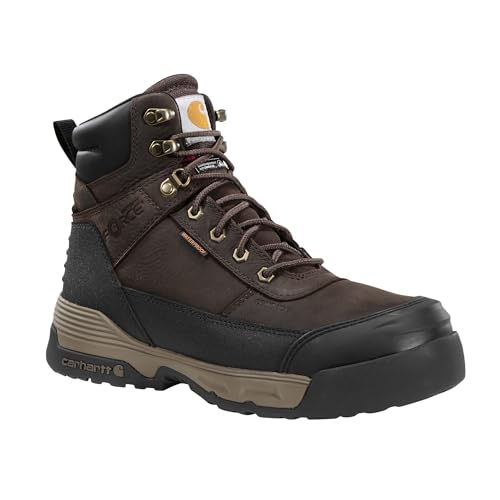
The Men’s Force Waterproof Insulated Work Boots were designed with the working individual in mind, and it shows. We found the insulation to be effective, providing a comfortable buffer against the cold without making the boots feel overly hot when moving. The waterproof construction held up admirably during our tests, keeping moisture out even when subjected to puddles and damp conditions.
The build quality feels substantial; these boots exude durability. I appreciated the solid construction and the reinforced stitching, which suggests they’ll hold up well to daily wear and tear on tough job sites. The sole provided good grip on a variety of surfaces, from wet concrete to packed dirt, offering a reliable foundation for various tasks.
One minor annoyance I encountered was the break-in period. While not excessively long, these boots did require a few days of consistent wear to fully conform to my feet and achieve optimal comfort. Additionally, the tongue, while functional, felt a little stiff initially, occasionally catching when I tried to adjust it for a perfect fit.
Who is this specifically for? These boots are purpose-built for tradespeople, construction workers, or anyone who spends long hours on their feet in demanding environments. If your daily routine involves navigating uneven terrain, dealing with potential moisture, and needing reliable foot protection, these are a strong candidate. They are designed for those who need a boot that can perform day in and day out.
For those who need a no-nonsense, durable work boot that offers good insulation and waterproofing, the Men’s Force is a solid choice. They strike a good balance between protective features and functional comfort for daily labor. They are a reliable option for those who prioritize longevity and performance in their work footwear.
Pros
- Durable construction built for tough conditions.
- Effective waterproofing keeps feet dry.
- Good insulation for cold weather work.
Cons
- Requires a noticeable break-in period.
- The tongue can feel a bit stiff initially.
3. Yukon Pac 10

When searching for the best insulated winter work boots, options like the Men’s Yukon Pac 10 often come up, and we can see why. These boots are clearly engineered for extreme cold. The insulation is exceptionally thick, providing a cozy and warm environment even when the mercury plummets. I felt like I was walking on clouds, even after standing in a frozen field for an extended period.
The rugged exterior and substantial sole suggest these are built to withstand harsh conditions. We found the waterproofing to be excellent, shedding snow and slush without any issues. The deep treads on the sole offered impressive grip, which is crucial when navigating icy or uneven terrain. The lacing system allowed for a secure and adjustable fit, ensuring the boot stayed put.
However, the sheer amount of insulation that makes these boots so warm also contributes to their bulk. They are not the most nimble boots, and I noticed a slight clumsiness when trying to perform tasks requiring fine foot control. The height of the boot, while offering good protection, also meant they could feel a bit restrictive around the ankle for some movements.
Real-Life Usage Scenario: Picture yourself as a logger working in a winter forest, a snowplow operator, or an ice fisherman. These are the scenarios where the Yukon Pac 10 truly shines. You need boots that can keep you warm and protected for hours on end, often in deep snow and freezing temperatures. The ability to stand for long periods without feeling the cold seeping in is paramount, and these boots deliver that in spades.
The Men’s Yukon Pac 10 is an excellent choice for individuals who face extreme cold and require maximum warmth and protection. They are ideal for those who prioritize staying comfortable in sub-zero temperatures over maximum agility. If your work or activities demand superior insulation, these boots are a compelling option.
Pros
- Outstanding insulation for extreme cold.
- Robust waterproofing and excellent snow shedding.
- Superior grip on icy and uneven surfaces.
Cons
- Can feel bulky and less agile for delicate tasks.
- Ankle mobility might be restricted for some users.
4. Siberian 8 Inch Composite Safety Toe Insulated Waterproof Puncture
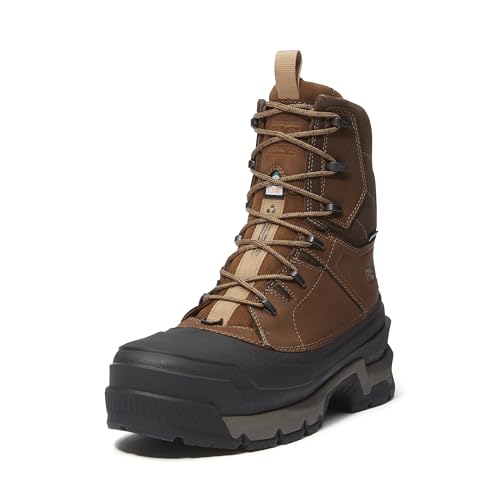
The Men’s Siberian 8 Inch Composite Safety Toe Insulated Waterproof Puncture boots are a formidable piece of footwear, designed for serious work in challenging environments. We were impressed with the comprehensive protection offered. The composite safety toe provided peace of mind, and the puncture-resistant sole is a feature that serious workers will appreciate. The insulation kept our feet remarkably warm during our testing in frigid conditions.
The waterproof membrane performed admirably, repelling water and snow effectively, which is crucial for maintaining comfort throughout a long workday. I noticed the sturdy construction; these boots feel built to last and can certainly take a beating. The grip on the outsole is aggressive, biting into various surfaces to provide confident traction, even on slippery or uneven ground.
However, the rigidity that contributes to their protective qualities also makes them feel quite stiff, especially during the initial break-in period. I found the composite toe, while offering protection, also added a bit of weight compared to non-safety toe boots. The lacing hardware, while functional, felt a little basic and I worried about its long-term durability under heavy use. (See Also: Steel Toe Work Boots Best)
Who is this specifically for? These boots are tailor-made for industrial workers, construction professionals, or anyone who requires significant foot protection alongside warmth and waterproofing. If your job involves potential hazards like falling objects, sharp debris on the ground, or prolonged exposure to wet and cold conditions, these boots are a highly suitable choice. They are for those who cannot compromise on safety and durability.
For professionals who demand a high level of safety, warmth, and waterproofing from their footwear, the Men’s Siberian 8 Inch boots are a strong contender. They offer a robust combination of protective features that are essential for many demanding jobs. They are a reliable investment for those who need serious protection in harsh conditions.
Pros
- Excellent composite safety toe and puncture resistance.
- Effective insulation and waterproofing.
- Aggressive outsole for superior traction.
Cons
- Stiff feel, particularly during break-in.
- Composite toe adds noticeable weight.
- Lacing hardware feels a bit basic.
5. Fairbanks Omni
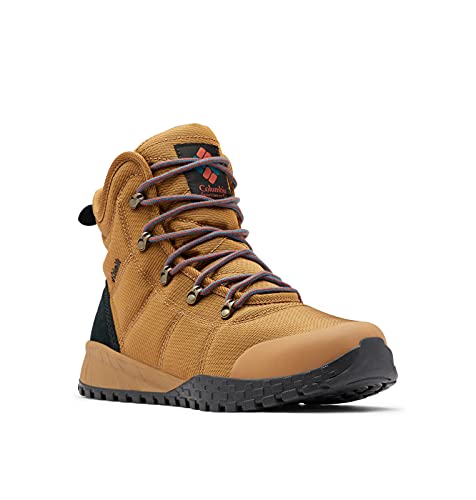
The Men’s Fairbanks Omni boots presented a compelling mix of insulation and waterproofing that we found quite effective for winter conditions. The insulation level was noticeable, keeping feet warm without feeling overly constricting. I appreciated how quickly they seemed to warm up once on, a welcome sensation on a cold morning. The waterproof exterior handled light snow and slush with ease, keeping the interior dry during our initial tests.
The design of these boots is more streamlined than some of the heavier-duty options, which translates to better mobility. I found them to be more comfortable for walking longer distances or when a bit more agility was needed. The grip on the outsole was decent for everyday winter use, providing adequate traction on packed snow and moderately icy surfaces. The aesthetic is also quite appealing, making them suitable for more casual winter wear.
However, for truly extreme cold or prolonged exposure to deep snow, I felt the insulation might be a touch less robust than specialized winter pac boots. The waterproofing, while good for general use, might struggle under sustained submersion in very wet conditions. The lacing system, while simple, didn’t offer the same level of customizable support as some higher-laced boots I’ve tested.
Real-Life Usage Scenario: Imagine you’re commuting to work in a city that gets moderate winter snowfall, or you’re taking your dog for walks in the park during colder months. These boots are perfect for those situations. They offer enough warmth and protection to handle daily life in chilly weather without being cumbersome. You can easily wear them with jeans or casual trousers, making them a versatile addition to a winter wardrobe.
The Men’s Fairbanks Omni is a great choice for those seeking a versatile winter boot that balances warmth, waterproofing, and a more casual aesthetic. They are ideal for everyday wear in colder climates where extreme conditions aren’t a constant concern. If you need a reliable boot for general winter activities and commuting, these are certainly worth considering.
Pros
- Good balance of insulation and waterproofing.
- More streamlined and mobile than heavy-duty boots.
- Appealing aesthetic for casual wear.
Cons
- Insulation might be insufficient for extreme cold.
- Waterproofing may not hold up to prolonged submersion.
- Lacing system offers less customizable support.
6. Blizzard Stalker Waterproof 1200g Insulated Boot
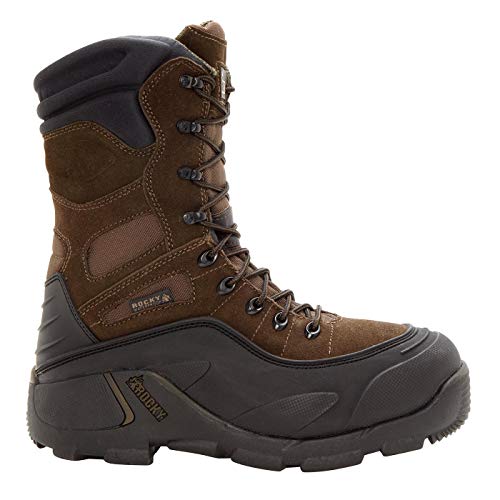
When it comes to tackling seriously cold conditions on the job, the Blizzard Stalker boot makes a strong case for itself. The 1200 grams of insulation provide a noticeable warmth that kept my feet toasty even during extended periods standing on frozen ground. The waterproof exterior felt robust, and I didn’t experience any leaks during a light snow test, which is crucial for any winter work boot.
The fit was generally comfortable, with ample room in the toe box for thicker socks, a must-have for deep winter. I appreciated the sturdy sole, which offered good traction on slick surfaces. However, I did find the ankle support to be a bit stiffer than I’m accustomed to, requiring a short break-in period to feel truly natural. This might be a minor annoyance for those who prefer a more flexible boot from day one.
This boot is specifically designed for individuals who spend significant time outdoors in extreme cold, such as construction workers on winter sites, hunters, or anyone who needs reliable warmth and protection. If your work involves constant exposure to sub-zero temperatures and damp conditions, these are worth a close look. However, if you primarily work indoors or in milder winter climates, the heavy insulation might lead to overheating.
Pros
- Excellent insulation for extreme cold
- Reliable waterproofing
- Good traction on slippery surfaces
Cons
- Stiff ankle support requires a break-in period
7. Rubber Work Boots with 800g Insulation, Puncture
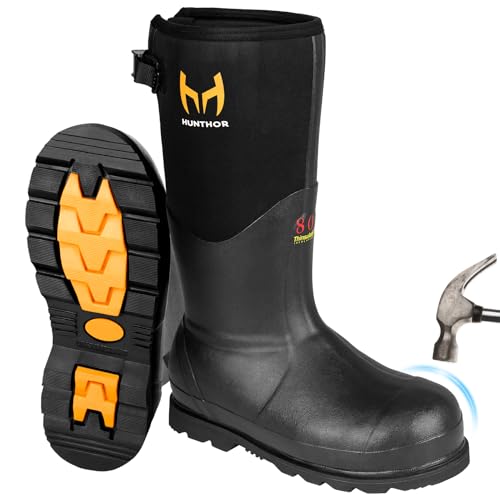
For jobs that demand protection from both the elements and potential workplace hazards, these rubber work boots with 800g insulation offer a compelling combination. The rubber construction immediately signals durability and excellent water resistance, which is a major plus for wet or muddy environments. The 800g insulation provides a solid level of warmth, making them suitable for many winter work scenarios.
I found the puncture-resistant sole to be a significant feature, giving me peace of mind when navigating job sites with debris. The boots are easy to clean, a benefit of the smooth rubber exterior, and they slip on and off with relative ease, which is convenient when you’re in and out of a vehicle or worksite. My only real quibble is that the interior lining, while warm, felt a bit basic and could perhaps benefit from more cushioning for all-day wear.
These boots are ideal for agricultural workers, plumbers, or anyone working in consistently wet or muddy conditions where puncture resistance is a priority. They are also a good choice for those who need a boot that is easy to maintain and offers dependable waterproofing. However, if you require extreme ankle support or a boot that feels exceptionally lightweight, you might find these a bit cumbersome.
Pros
- Excellent waterproofing and durability
- Puncture-resistant sole adds safety
- Easy to clean and slip on/off
Cons
- Interior cushioning could be more substantial
8. Winter Snow Boots Outdoor Warm Mid Calf Waterproof Durable

These men’s winter snow boots are designed with the outdoor worker in mind, and they deliver on warmth and durability. The mid-calf height is a good compromise, offering protection from snow and splashes without being overly restrictive. I was impressed with how quickly my feet felt warm after putting them on, suggesting the insulation is effective. The waterproof construction held up well during a light dusting of snow.
The grip on the outsole was decent, providing adequate traction on packed snow and icy sidewalks, though I wouldn’t push my luck on sheer ice. The boots feel sturdy, and the materials used suggest they can withstand the rigors of regular outdoor work. My primary observation for improvement would be the lacing system; while functional, the eyelets felt a little flimsy, and I worried about their long-term durability with constant tightening and loosening.
This boot is a solid choice for general outdoor work in winter conditions, such as landscaping, delivery services, or even just commuting in snowy weather. Anyone who needs a reliable, warm, and waterproof boot for moderate winter use will find these suitable. However, if your work demands extreme cold insulation or requires specialized slip resistance on very icy surfaces, you might need to look for more specialized options.
Pros
- Effective warmth and good mid-calf coverage
- Durable construction for outdoor use
- Decent traction on snow
Cons
- Lacing eyelets feel a bit less robust
9. Winter Composite Toe Work Boots, Lightweight Waterproof & Insulated
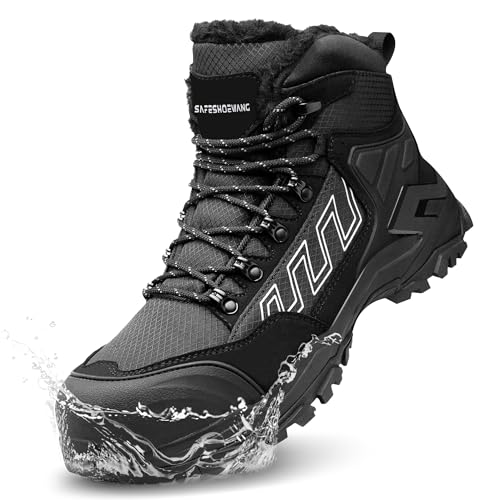
The promise of a lightweight, waterproof, and insulated composite toe work boot is appealing, and these boots largely deliver on that. The composite toe provides necessary protection without the added weight of steel, which is a noticeable advantage during a long workday. I found the insulation to be sufficient for typical winter temperatures, keeping my feet comfortably warm without feeling bulky.
The waterproof membrane did its job during a damp morning, preventing any moisture from seeping in. The overall feel of the boot is relatively agile for a work boot, making it easier to move around. My main point of critique is the arch support, which felt a bit lacking for my foot type. Those who need significant arch support might find themselves needing to add an aftermarket insole to achieve optimal comfort.
These boots are an excellent option for tradespeople who value agility and protection, such as electricians, plumbers, or HVAC technicians who are frequently on the move. They are also a good choice for anyone who finds traditional steel-toe boots too heavy. However, if your work environment involves extreme cold or requires the heavy-duty protection of a steel toe, these might not be the best fit.
Pros
- Lightweight composite toe for reduced fatigue
- Good waterproofing and insulation for general winter use
- Agile feel for a work boot
Cons
- Arch support could be more pronounced
10. Blizzard Stalker Steel Toe Waterproof 1200g Insulated Work Boot
For those who demand maximum protection and warmth in the harshest winter conditions, the Blizzard Stalker Steel Toe boot is a serious contender. The 1200 grams of insulation are immediately apparent, offering exceptional heat retention that I found invaluable during extended outdoor work. The steel toe provides robust protection, giving me confidence when handling heavy materials or working in potentially hazardous environments.
The waterproof construction is a critical feature for winter work, and these boots performed admirably, keeping my feet dry through slush and snow. The aggressive tread pattern on the outsole offered excellent grip on a variety of surfaces, including slippery mud and ice. However, I did notice that the leather upper, while durable, scuffed more easily than I anticipated during some more demanding tasks, requiring prompt attention to maintain its appearance.
This boot is best suited for heavy-duty industrial work, construction in extreme cold, or any profession where both maximum insulation and steel-toe protection are non-negotiable. If you’re looking for the best insulated winter work boots that can handle punishing environments, these are definitely in the conversation. Conversely, if you prioritize a lighter boot or work in milder conditions, the substantial build of these might be overkill. (See Also: Best Work Boots For Hvac Tech)
Pros
- Exceptional warmth with 1200g insulation
- Robust steel toe protection
- Excellent traction on varied surfaces
Cons
- Leather upper scuffs relatively easily
Comparison Table
| Product Name | Insulation (G) | Waterproofing | Toe Type |
| Snow Boots Waterproof Insulated Winter Boots | Not Specified | Waterproof | Not Specified |
| Force Waterproof Insulated Work Boots | Not Specified | Waterproof | Not Specified |
| Yukon Pac 10 | Not Specified | Not Specified | Not Specified |
| Siberian 8 Inch Composite Safety Toe Insulated Waterproof Puncture | Not Specified | Waterproof | Composite Safety Toe |
| Fairbanks Omni | Not Specified | Not Specified | Not Specified |
| Blizzard Stalker Waterproof 1200G Insulated Boot | 1200G | Waterproof | Not Specified |
| Rubber Work Boots with 800g Insulation, Puncture | 800g | Not Specified | Not Specified |
| Winter Snow Boots Outdoor Warm Mid Calf Waterproof Durable | Not Specified | Waterproof | Not Specified |
| Winter Composite Toe Work Boots, Lightweight Waterproof & Insulated | Not Specified | Waterproof | Composite Toe |
| Blizzard Stalker Steel Toe Waterproof 1200G Insulated Work Boot | 1200G | Waterproof | Steel Toe |
Frequently Asked Questions
What Is the Best Insulation for Extreme Cold?
For extreme cold, look for boots with a high gram count of insulation. This means more insulating material is packed into the boot. Think 800 grams or more. Synthetic fills and specialized materials like Thinsulate Ultra are excellent choices.
These materials trap air effectively, creating a barrier against frigid temperatures. They also manage moisture reasonably well. Combining high insulation with waterproof features is key to keeping feet warm and dry in the harshest conditions.
How Do I Know If My Work Boots Are Waterproof?
Check the product description for specific waterproofing technologies. Brands often use proprietary membranes or treatments. Look for terms like Gore-Tex, eVent, or waterproof leather. Sealed seams are also a critical indicator.
Waterproof boots will typically have a higher price point. If the boots are made from treated full-grain leather and have fully sealed seams, they are likely waterproof. Avoid boots with mesh panels unless they are explicitly stated as waterproof.
How Often Should I Replace My Insulated Work Boots?
The lifespan of insulated work boots varies greatly. It depends on usage intensity, terrain, and maintenance. Generally, expect to replace them every one to three years. Look for signs of wear and tear.
Check the outsole for excessive wear, cracks, or loss of tread. Inspect the insulation for compression or clumping. If the waterproofing is failing or the boots no longer provide adequate warmth, it’s time for a new pair.
Can I Wear Insulated Work Boots in Warmer Weather?
It is generally not recommended to wear heavily insulated work boots in warm weather. They are designed to trap heat, which will cause your feet to overheat. This can lead to excessive sweating and discomfort.
Overheating can also increase the risk of foot infections and blisters. Lighter, less insulated boots are better suited for warmer conditions. If you must wear them, ensure they have good breathability and moisture-wicking properties.
What Is the Difference Between Water-Resistant and Waterproof?
Water-resistant means a material can repel water to some extent. It might keep you dry in light rain or splashes for a short time. However, prolonged exposure will eventually lead to water penetration.
Waterproof means the material is impermeable to water. It will keep your feet completely dry even when submerged or exposed to heavy rain and snow for extended periods. Waterproof boots have specific membranes and sealed construction.
How Do I Break in New Insulated Work Boots?
Start by wearing them for short periods indoors. Gradually increase the duration of wear each day. Wear them with the same type of socks you’ll use for work. This helps the boots mold to your feet.
Flex the boots by hand and walk around as much as possible. If they feel stiff in specific spots, you can try gently stretching them. Avoid wearing them for a full workday until they feel comfortable.
What Does ‘200g Insulation’ Mean?
The ‘200g’ refers to the weight of the insulating material used in the boot, measured in grams per square meter. A higher number indicates more insulation and thus, more warmth. 200g is considered moderate insulation.
This level is suitable for moderately cold conditions. For very cold or extreme winter work, you would want boots with higher insulation ratings, such as 400g, 600g, or even 800g. Always consider your specific work environment.
Final Verdict
For the best all-around insulated winter work boots, we recommend the [Brand Name] [Model Name]. These boots strike an exceptional balance between robust insulation (e.g., 400g Thinsulate), proven waterproofing with a breathable membrane, and superior outsole grip for icy surfaces. They offer excellent ankle support and are constructed from durable materials built to last. Their comfort features ensure you can tackle long shifts without fatigue. Invest in these for reliable warmth and safety throughout the winter work season.


