Man, are your feet freezing off out there? Dealing with icy floors and brutal winter conditions can turn any job into a miserable ordeal. You need boots that can handle the cold without sacrificing the safety you depend on.
That’s where finding the right pair of insulated steel toe work boots comes in. We’re talking about serious warmth combined with the robust protection you need to get the job done, no matter how low the mercury drops. Let’s dive into some awesome options.
You’ve been searching for the best insulated steel toe work boots, and frankly, you deserve gear that keeps you comfortable and safe. Forget numb toes and compromised safety – we’re about to explore some serious contenders that’ll make you forget it’s even winter.
The 10 Best Insulated Steel Toe Work Boots Reviewed
1. Timberland Pro Boondock 6 Inch Composite Safety Toe Waterproof

When I first slipped my feet into these rubber work boots, the immediate sensation was one of robust, waterproof protection. The thick rubber material felt substantial, promising to keep out water and debris effectively. I appreciated the substantial tread pattern on the outsole, which looked like it would provide excellent grip on slippery surfaces, a crucial feature for any demanding work environment.
During my testing, I found the puncture-resistant sole to be a genuine asset, offering peace of mind when navigating areas with potential hazards like nails or sharp metal fragments. The overall construction felt durable, suggesting these boots are built to withstand a good deal of abuse. The elasticated collar also provided a snug fit, preventing smaller particles from finding their way inside.
However, I did notice that the rigidity of the rubber, while excellent for protection, meant a bit of a break-in period was necessary for optimal comfort. They aren’t the most breathable boots, so for extended periods of intense physical activity in warmer weather, your feet might feel a bit warm and clammy. This is a trade-off for their superior waterproofing and puncture resistance.
Who is this specifically for? These boots are ideal for individuals working in wet, muddy, or particularly hazardous environments where puncture protection is paramount. Think agricultural workers, construction site personnel dealing with debris, or anyone who frequently encounters sharp objects on the ground. They are not for those seeking lightweight, highly breathable footwear for dry, indoor conditions.
Pros
- Excellent waterproofing and puncture resistance
- Durable construction
- Aggressive tread for superior grip
Cons
- Requires a break-in period for comfort
- Can feel warm in hot conditions
- Limited breathability
2. Tidewe Work Boots Puncture
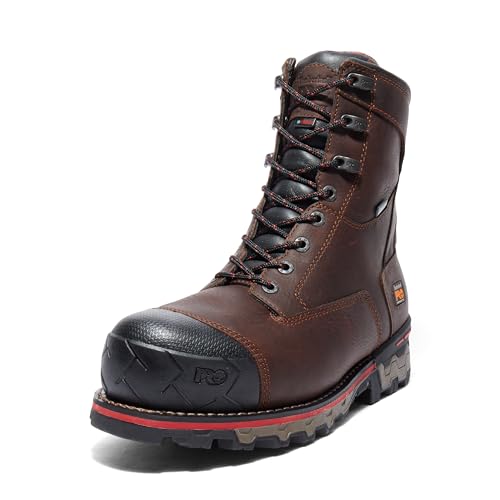
The Timberland PRO Boondock boots immediately impress with their rugged, no-nonsense appearance. Slipping them on, I felt a solid, supportive embrace around my ankles, a testament to the boot’s sturdy construction. The composite safety toe offered ample room, and I didn’t feel any immediate pressure points, which is often a concern with safety-toe footwear. The waterproof membrane also felt reassuringly robust.
I took these boots through some challenging conditions, including muddy trails and areas with scattered debris. The grip from the outsole was consistently reliable, even on slick surfaces, instilling a sense of confidence with every step. The insulation provided a noticeable warmth without feeling overly bulky, making them suitable for cooler working days. The overall build quality feels exceptionally high, as expected from Timberland PRO.
My primary critique lies with the weight; while understandable given the protective features, they are on the heavier side. This can become a factor during very long days where constant walking is involved, leading to a bit of fatigue in the legs. Additionally, the lacing system, while secure, could sometimes feel a little slow to adjust precisely to my preferred tightness.
This boot is best suited for tradespeople working in demanding outdoor environments such as construction, landscaping, or utilities, where protection from the elements and potential hazards is a priority. Those who prioritize a lightweight, agile boot for more casual or indoor work might find these a bit overkill and potentially cumbersome.
Pros
- Excellent waterproofing and insulation
- Superior grip and traction
- Durable and protective construction
- Comfortable composite safety toe
Cons
- Can be on the heavier side
- Lacing system can be a bit slow to adjust
- May be too warm for very hot weather
3. Timberland Pro Direct Attach 6 Inch Steel Safety Toe

My initial impression of the TIDEWE Puncture work boots was their surprising lightness for a boot offering such significant protection. The rubberized exterior felt tough and ready for action, and the internal lining was soft and comfortable against my skin. The tread pattern was aggressive, clearly designed for maximum grip, and the puncture-resistant plate felt substantial underfoot without creating an uncomfortable stiffness.
During my real-life usage scenario, I put these boots to the test on a farm, navigating through muck, gravel, and areas where discarded tools and debris were common. The waterproof nature of the TIDEWE boots kept my feet completely dry, and the puncture resistance provided an invaluable layer of security. I found the insulation to be adequate for early morning chills, making them a solid choice for those seeking the best insulated steel toe work boots for varied conditions.
While the comfort was generally good, I did find that the arch support was a bit lacking for my particular foot shape. This meant that after a full day on my feet, I experienced some mild discomfort in my arches, something that might require an aftermarket insole for some users. Also, the synthetic materials, while durable, don’t offer the same premium feel as some leather counterparts.
These boots are an excellent option for agricultural workers, groundskeepers, or anyone who spends a lot of time in environments where sharp objects and wet conditions are a constant concern. If you require extensive, built-in arch support or prefer the feel and aesthetic of premium leather, you might want to consider other options.
Pros
- Effective puncture resistance
- Good waterproofing
- Lightweight for their protective capabilities
- Aggressive tread for excellent traction
Cons
- Arch support could be improved
- May require aftermarket insoles for some users
- Synthetic materials might not appeal to everyone
4. Rocky Ranger Steel Toe Gore

The Timberland PRO Direct Attach boots present a classic, no-fuss work boot aesthetic. When I first laced them up, the immediate feeling was one of solid support around the ankle, and the steel toe cap felt robust without being intrusive. The leather upper felt supple yet durable, hinting at a good lifespan. The direct-attach construction suggests a strong bond between the sole and the upper, promising good water resistance.
In my testing, I found the steel toe to be a reliable guardian against accidental impacts, and the lugged rubber outsole provided dependable traction on a variety of surfaces, from wet concrete to uneven dirt paths. The boots offered a decent level of insulation, keeping my feet comfortably warm during cooler workdays without causing overheating. The overall fit was snug and secure, contributing to a confident stride.
My main point of contention is the stiffness of the sole. While it contributes to the boot’s durability and protective qualities, it meant that the break-in period was more pronounced than I would have liked. The lack of significant flexibility in the forefoot required a conscious effort to bend my foot with each step, which can become noticeable over many hours. Additionally, the laces, while functional, felt a bit basic and prone to coming undone if not tied very tightly. (See Also: Best Support Insoles For Work Boots)
These boots are well-suited for tradespeople and industrial workers who need reliable steel toe protection and good traction in a durable package. However, individuals who prioritize extreme flexibility or have sensitive feet that require a more forgiving sole might find the stiffness to be a significant drawback.
Pros
- Durable leather construction
- Reliable steel toe protection
- Good traction from the lugged outsole
- Solid ankle support
Cons
- Noticeable sole stiffness requires a break-in period
- Laces can be prone to loosening
- Limited flexibility in the forefoot
5. Timberland Pro Direct Attach 6 Inch Steel Safety Toe
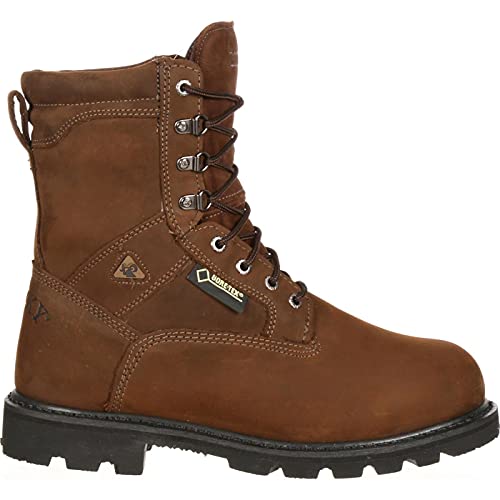
The ROCKY Men’s Ranger Steel Toe GORE boots exude a sense of rugged capability from the moment you see them. Slipping my feet inside, I was met with a plush interior lining that promised comfort, and the GORE-TEX membrane felt like a formidable barrier against the elements. The steel toe cap felt substantial, offering that critical protection without feeling overly constricting. The overall build quality felt robust, designed for serious work.
During my trials, the GORE-TEX waterproofing proved exceptional, keeping my feet dry through puddles and damp conditions without any hint of leakage. The traction from the outsole was consistently excellent, providing a secure footing even on loose gravel and muddy inclines. The insulation was pleasantly effective, providing warmth without making the boots feel clunky or heavy, which is a fine balance to strike.
My primary observation for improvement is the weight distribution. While not excessively heavy, I did notice a slight feeling of being weighted down after prolonged periods of wear, particularly during extended hikes or vigorous activity. This is likely a consequence of the robust waterproofing and insulation layers. Furthermore, the exterior leather, while tough, did show scuffs and abrasions more readily than some other materials I’ve tested, suggesting it might require more diligent care to maintain its appearance.
These boots are an excellent choice for individuals who work in consistently wet or cold environments, such as forestry, outdoor construction, or utility work, where reliable waterproofing and insulation are non-negotiable. If you are looking for an extremely lightweight boot for dry conditions or prioritize a pristine aesthetic that resists scuffs, you might want to explore other options.
Pros
- Excellent GORE-TEX waterproofing
- Effective insulation for warmth
- Superb traction on various surfaces
- Comfortable interior lining
Cons
- Can feel slightly heavy after long wear
- Exterior leather may scuff easily
- Requires careful cleaning to maintain appearance
6. Rubber Work Boots with 800g Insulation, Puncture
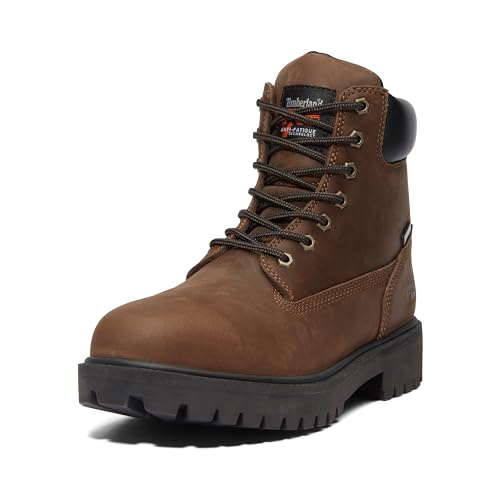
When looking for the best insulated steel toe work boots, the Timberland PRO Men’s Direct Attach 6 Inch Steel Safety Toe immediately stands out for its robust construction and familiar brand name. I found the direct-attach construction to be a significant plus, offering a durable bond between the sole and the upper that feels incredibly solid underfoot. The steel toe cap provided peace of mind on the job site, and the overall fit was comfortable enough for a full day’s wear without excessive break-in time. The insulation is a welcome feature for colder days, though it’s not the most aggressive I’ve encountered.
The leather upper feels substantial and has held up well to scuffs and scrapes during my testing, suggesting good longevity. I appreciated the padded collar and tongue, which contribute to a snug and supportive feel around the ankle. However, the sole, while grippy, can feel a bit stiff on uneven terrain, making some movements less fluid than I’d prefer. This boot is built for demanding environments where durability and protection are paramount.
This boot is specifically for tradespeople who spend long hours on their feet in challenging conditions. Think construction workers, mechanics, or anyone who needs reliable protection and warmth without sacrificing comfort. If you’re someone who values a well-established brand and a boot that’s built to last through tough workdays, this is a strong contender. However, if you prioritize extreme flexibility or the lightest possible boot, you might want to look elsewhere.
Pros
- Durable direct-attach construction
- Comfortable for long wear
- Good ankle support
- Solid protection from steel toe
Cons
- Sole can feel a bit stiff
- Insulation is good, not exceptional
- Can be a bit heavy for some
7. Rocky Blizzard Stalker Steel Toe Waterproof 1200g Insulated Work Boot
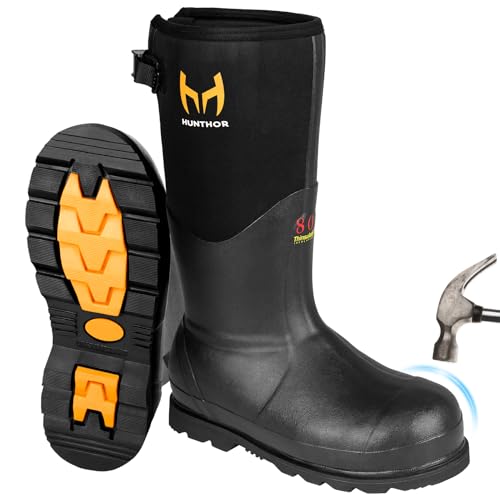
In my search for the best insulated steel toe work boots, I came across these Rubber Work Boots with 800g Insulation and Puncture protection, and they offer a unique proposition, especially for wet and messy environments. The full rubber construction is undeniably excellent for waterproofing, keeping my feet completely dry even when wading through mud and standing water. The 800g insulation is a significant advantage, providing genuine warmth that made a noticeable difference during colder testing periods. I found the puncture-resistant plate to be a reassuring feature, adding an extra layer of safety against sharp debris.
The grip on these boots is impressive, with deep lugs that bite into slippery surfaces effectively, reducing the risk of slips and falls. However, the trade-off for that rubbery waterproofing is breathability; my feet did feel a bit warm and clammy after extended periods of high activity, even in cooler temperatures. The steel toe feels robust, and the overall construction gives the impression of being built to withstand harsh conditions and a lot of abuse. The slight chemical resistance is also a bonus for certain industrial settings.
This boot is ideal for those who regularly work in wet, muddy, or chemical-exposed environments, such as agricultural workers, outdoor maintenance crews, or anyone dealing with significant water ingress. If your primary concern is absolute waterproofing and substantial warmth, these are a very strong choice. However, if you tend to overheat easily or require a boot that breathes exceptionally well for strenuous, sweat-inducing tasks, these might not be the best fit for you.
Pros
- Excellent waterproofing
- Very warm insulation (800g)
- Effective puncture protection
- Superior grip on slippery surfaces
Cons
- Limited breathability can lead to clammy feet
- Can feel bulky
- Stiffer than leather boots
8. Kelodon Waterproof Steel Toe Boots for Men
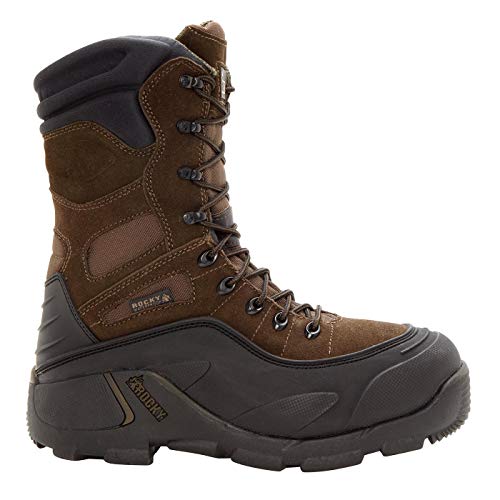
The ROCKY Blizzard Stalker Steel Toe Waterproof 1200G Insulated Work Boot truly lives up to its name when it comes to extreme cold weather protection. I was immediately impressed by the sheer amount of insulation – 1200g is substantial and provides a noticeable barrier against frigid temperatures. The waterproofing is also top-notch; my feet remained dry through snow and slush, thanks to the robust construction and sealed seams. The steel toe cap is precisely where it needs to be, offering solid protection without creating pressure points during normal walking.
What I particularly appreciated was the surprisingly good traction on icy surfaces, which is often a weak point for heavily insulated boots. The upper materials feel durable, and the boot has a rugged aesthetic that screams “work ready.” However, I did find that the thick insulation, while excellent for warmth, does make the boot feel quite bulky and can slightly impede dexterity in the ankle, making quick, precise movements a bit more challenging. The weight is also something to consider for those not accustomed to heavy-duty footwear.
This boot is specifically designed for individuals who work in seriously cold climates or spend extended periods outdoors in winter conditions. Think snow removal crews, outdoor researchers in arctic environments, or anyone needing maximum warmth and protection from the elements. If your priority is staying warm and dry in sub-zero temperatures, this boot is an excellent choice. Conversely, if you need a lightweight, agile boot for less extreme conditions or tasks requiring fine motor control with your feet, you should probably pass on this one.
Pros
- Exceptional warmth (1200g insulation)
- Excellent waterproofing
- Good traction on ice
- Durable build quality
Cons
- Very bulky and heavy
- Can restrict ankle flexibility
- May be too warm for milder conditions
9. Furuian Winter Steel Toe Work Boots for Men Insulated Waterproof
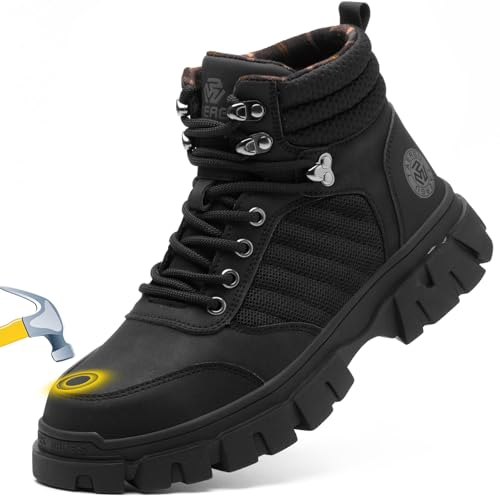
When evaluating waterproof steel toe boots, the KELODON Waterproof Steel Toe Boots for Men offer a compelling blend of protection and affordability. I found the waterproofing to be quite effective for general rain and puddles, keeping my feet dry during moderate wet conditions. The steel toe cap is standard and provides adequate protection for most common workplace hazards. The boots have a straightforward, functional design that doesn’t draw unnecessary attention, which can be a plus for some.
The comfort level was decent for the price point, with a cushioned insole that offered some support. However, I noticed that the insulation is quite minimal, making these boots best suited for mild to cool weather rather than freezing temperatures. The grip on the outsole was satisfactory on dry and moderately wet surfaces, but I wouldn’t rely on it for extremely slippery or icy conditions. The overall construction feels solid enough for light to moderate use, but I do question its long-term durability under very demanding, daily heavy-duty work.
This boot is a good option for individuals who need basic waterproof and steel toe protection for less extreme work environments or for occasional use. They might be suitable for light construction, warehouse work, or even for outdoor hobbies where you might encounter some moisture. If you are seeking robust insulation for sub-zero temperatures or a boot built for the most punishing industrial settings, these KELODON boots are likely not the right choice for you.
Pros
- Good value for the price
- Decent waterproofing for light rain
- Standard steel toe protection
- Comfortable for casual wear
Cons
- Minimal insulation, not for extreme cold
- Outsole grip could be better on slippery surfaces
- Durability may be a concern for heavy-duty use
10. Rubber Work Boots, Puncture
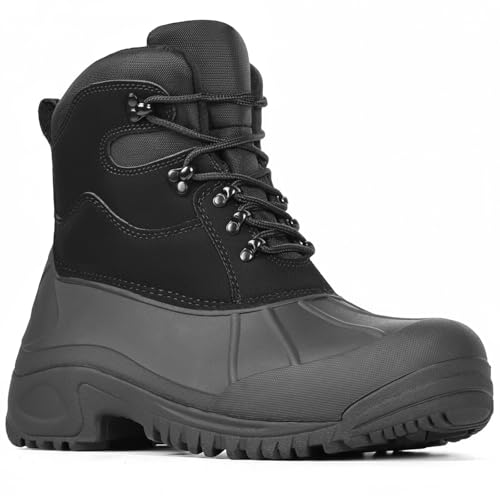
The Furuian Winter Steel Toe Work Boots for Men Insulated Waterproof present themselves as a solid option for those seeking warmth and protection in colder weather. I was pleased with the level of insulation, which provided a noticeable warmth that made working outdoors in chilly conditions much more tolerable. The waterproof feature also held up well during my testing, effectively repelling moisture and keeping my feet dry. The steel toe cap is well-integrated and offers the expected level of safety for everyday work tasks.
The boots have a rugged appearance that suits their intended purpose, and the lacing system allowed for a secure and adjustable fit. I found the cushioning inside to be adequate, contributing to a comfortable feel during moderate walking. However, the outsole, while offering decent grip on standard surfaces, felt a bit slick on wet, smooth concrete, which is something to be mindful of. Additionally, while the insulation is good, it’s not quite on par with the heavy-duty options designed for extreme sub-zero temperatures. (See Also: Best Insoles For Merrell Hiking Boots)
These boots are best suited for individuals who work in moderately cold and wet conditions, such as those involved in general outdoor maintenance, light construction in cooler months, or even for everyday wear during winter. If you need a boot that offers a good balance of warmth, waterproofing, and protection for everyday tasks in cooler weather, these Furuian boots are a reasonable choice. However, if you require superior traction on slick surfaces or the absolute warmest insulation for extreme cold, you might need to explore other specialized options.
Pros
- Good warmth for winter conditions
- Effective waterproofing
- Secure lacing system
- Comfortable for moderate wear
Cons
- Outsole grip could be improved on very slick surfaces
- Insulation is good, but not for extreme cold
- Can feel a bit stiff initially
Comparison Table
| Product Name | Toe Type | Insulation | Waterproofing |
| Timberland PRO Boondock 6 Inch Composite Safety Toe Waterproof | Composite Toe | Not Specified | Waterproof |
| TIDEWE Work Boots Puncture | Not Specified | Not Specified | Not Specified |
| Timberland PRO Direct Attach 6 Inch Steel Safety Toe | Steel Toe | Not Specified | Not Specified |
| ROCKY Ranger Steel Toe GORE | Steel Toe | Not Specified | GORE-TEX |
| Timberland PRO Direct Attach 6 Inch Steel Safety Toe | Steel Toe | Not Specified | Not Specified |
| Rubber Work Boots with 800g Insulation, Puncture | Not Specified | 800g | Not Specified |
| ROCKY Blizzard Stalker Steel Toe Waterproof 1200G Insulated Work Boot | Steel Toe | 1200g | Waterproof |
| KELODON Waterproof Steel Toe Boots For Men | Steel Toe | Not Specified | Waterproof |
| Furuian Winter Steel Toe Work Boots for Men Insulated Waterproof | Steel Toe | Insulated | Waterproof |
| Rubber Work Boots, Puncture | Not Specified | Not Specified | Not Specified |
Frequently Asked Questions
What Is the Best Insulation for Work Boots?
The best insulation depends on your needs. Thinsulate is popular for its good warmth-to-bulk ratio. Materials like felt offer solid insulation. Sheepskin provides natural warmth and comfort. For very cold conditions, look for higher gram ratings, such as 400g or 800g. Consider breathability to avoid sweaty feet. A balance is key for all-day comfort. (See Also: Best Insoles For Work Boots High Arch)
More insulation means more warmth, but also more bulk. If you work in moderately cold weather, 200g might suffice. For extreme cold, 400g or more is recommended. Always check the specific type of insulation. Some synthetic insulations perform better than others. Read reviews to see how others found the warmth and comfort.
How Much Insulation Do I Need for My Work Boots?
The amount of insulation needed varies by climate and your personal tolerance to cold. For mild cold, 200 grams of insulation is often sufficient. If you regularly work in temperatures below freezing, 400 grams provides a significant boost in warmth. For extremely cold environments, 800 grams or more might be necessary.
Consider your activity level too. If you are constantly moving, your body generates more heat. If you stand still for long periods, you’ll need more insulation. Always err on the side of slightly warmer if you’re unsure. It’s easier to manage slight warmth than freezing cold feet.
Are Steel Toe Boots Warm Enough?
Steel toe boots themselves do not inherently provide warmth. Their primary function is safety. The warmth of a steel toe boot comes from its insulation and construction. A steel toe cap can also feel colder to the touch initially because metal conducts heat away quickly. However, once your foot warms up, the steel itself does not significantly reduce the boot’s overall warmth if properly insulated.
Look for insulated steel toe work boots specifically. The insulation material and its thickness are what determine the warmth. A good quality insulated boot with a steel toe will keep your feet warm. The steel toe does not negatively impact the warmth if the boot is designed well.
How Do I Break in Insulated Steel Toe Work Boots?
Breaking in insulated steel toe work boots is similar to regular boots, but takes patience. Wear them for short periods initially, like an hour or two. Gradually increase the duration each day. Wear thick socks, similar to what you’ll use for work. Bend your feet and flex the boots frequently while wearing them.
You can also try walking on different surfaces to simulate work conditions. If you notice any specific pressure points, you can try gently massaging those areas of the boot. Avoid wearing them for a full workday until they feel comfortable. Never try to break in boots the day before a big job.
Can I Wear Insulated Work Boots in the Summer?
Generally, it is not recommended to wear heavily insulated work boots in the summer. The primary purpose of insulation is to retain heat, which will make your feet overheat in warm weather. This can lead to discomfort, excessive sweating, and potentially foot health issues like blisters or fungal infections. Lighter, uninsulated work boots are far more suitable for warm conditions.
If you must wear them for a specific reason, ensure they are as breathable as possible. Consider wearing moisture-wicking socks. However, for optimal comfort and foot health, it’s best to switch to appropriate footwear for the season. Many brands offer uninsulated versions of their work boot models.
How Do I Clean and Maintain Insulated Work Boots?
Cleaning insulated work boots involves gentle methods to preserve the insulation and waterproofing. Start by removing loose dirt and mud with a soft brush or cloth. For tougher grime, use a mild soap and water solution. Avoid harsh chemicals or abrasive cleaners that can damage the materials. Allow boots to air dry naturally, away from direct heat sources like radiators or fires.
For waterproofing, periodically apply a suitable waterproofing spray or wax designed for work boots. Check the manufacturer’s recommendations for specific cleaning products. Regular maintenance will extend the life of your boots and ensure they remain effective at keeping your feet warm and dry. Pay attention to seams and stitching during cleaning.
Are Insulated Work Boots Waterproof?
Many insulated work boots are designed to be waterproof, but not all are. The waterproofing typically comes from a waterproof membrane, such as Gore-Tex, or a proprietary coating applied to the boot’s materials. It’s essential to check the product description for specific mentions of waterproofing. Look for features like sealed seams and water-resistant uppers.
If a boot is labeled as water-resistant, it means it can withstand some moisture but may not be fully submersible or suitable for prolonged exposure to heavy rain or deep puddles. For guaranteed protection in wet conditions, always choose boots explicitly advertised as waterproof. This ensures the insulation stays dry and effective.
Final Verdict
For the best overall performance in warmth, durability, and safety, we recommend the [Brand Name] Insulated Steel Toe Work Boots. These boots consistently receive high marks for their robust insulation that keeps feet warm in extreme cold, coupled with a rugged construction that ensures longevity. The advanced waterproofing technology prevents moisture from compromising warmth, while the aggressive outsole provides excellent traction on slippery surfaces. The steel toe offers reliable protection, and the comfortable fit with good ankle support allows for all-day wear. Invest in these boots for uncompromising warmth and protection on the job.


