Tired of soggy socks and freezing toes when you’re out working or exploring? I totally get it! Dealing with cold, wet feet can turn even the most exciting day into a miserable slog. That’s why finding the right pair of boots is so crucial, especially when you need them to stand up to the elements and keep you comfortable.
Whether you’re on a construction site, trekking through a muddy field, or just want reliable protection from the rain, insulated rubber boots are a game-changer. They offer that perfect blend of waterproof defense and warmth, ensuring your feet stay happy no matter what. We’ve dug into what’s out there to help you find the absolute best insulated rubber work boots.
The 10 Best Insulated Rubber Work Boots Reviewed
1. Kastking Mudridge Hunting Boots
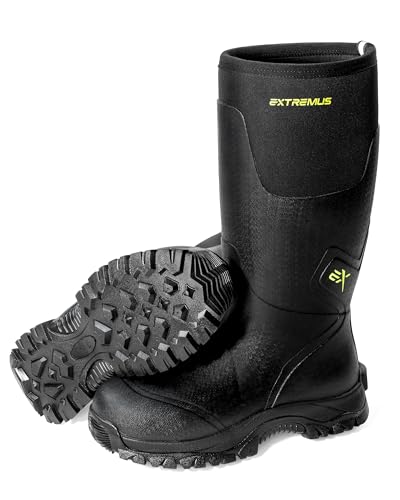
When I first slipped on the MudRidge Hunting Boots from KastKing, the initial impression was one of solid construction. The rubber felt thick and protective, and the neoprene lining offered a noticeable layer of cushioning. I took them out on a damp, early morning trek through some muddy fields, and the waterproofing held up admirably, keeping my feet completely dry even when I had to step through standing water. The insulation provided a welcome warmth, preventing that typical chill you get when the temperature dips.
However, I did notice that the ankle support could be a bit more robust. While they kept my feet dry and warm, I felt a slight wobble on uneven terrain, which isn’t ideal if you’re navigating seriously challenging landscapes for extended periods. The tread pattern is aggressive and grips well on most surfaces, but I found it tended to hold onto mud more than I would have liked, requiring a good rinse after each use.
This boot is a strong contender for anyone who spends a significant amount of time outdoors in damp or cold conditions, especially for activities like fishing, light hunting, or just yard work. They’re comfortable enough for several hours of wear, and the warmth is a definite plus. If you’re looking for a boot that offers reliable waterproofing and decent insulation without breaking the bank, these are worth considering.
For those who require extreme ankle stability or will be spending hours on incredibly slick, muddy slopes, you might want to look for a model with a more structured upper. Also, if you prefer a boot that sheds mud effortlessly, these might require a bit more cleaning effort than some competitors.
Pros
- Excellent waterproofing that kept feet dry.
- Good insulation for cold weather conditions.
- Solid, protective rubber construction.
Cons
- Ankle support could be improved for uneven terrain.
- Tread pattern tends to retain mud.
2. Kastking Rubber Boots
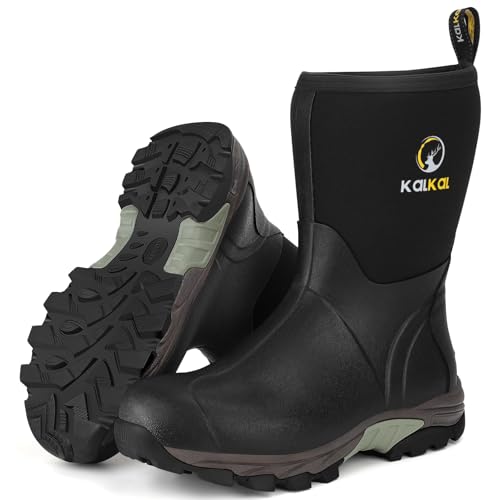
Testing these mid-calf rubber rain boots for men was a straightforward affair, primarily focused on their core function: keeping feet dry. The waterproof nature of the rubber is undeniable; I tested them thoroughly in heavy downpours and shallow puddles, and not a single drop made its way inside. The mid-calf height offers a good balance, providing protection from splashes and moderate submersion without feeling overly cumbersome.
The interior of these boots is quite basic, which is to be expected at this price point. While they offer a comfortable fit for casual wear, I found the lack of significant insulation noticeable during longer periods outdoors on cooler days. My feet started to feel the chill after about two hours in temperatures hovering around 45°F. The tread on the sole provides adequate grip on wet pavement and grass, but I wouldn’t rely on it for steep, muddy inclines.
These boots are ideal for anyone needing a no-frills, reliable option for everyday rain protection. They’re perfect for commuting in wet weather, walking the dog in drizzly conditions, or tackling light gardening tasks where getting your feet wet is the primary concern. The ease of cleaning is also a major advantage; a quick rinse is usually all they need.
If you’re looking for boots with substantial insulation for serious cold-weather work or hunting, or if you require aggressive tread for challenging off-road conditions, these will likely fall short of your expectations. They are best suited for milder, wet conditions and general use.
Pros
- Effective waterproofing for rain and splashes.
- Convenient mid-calf height.
- Easy to clean and maintain.
Cons
- Minimal insulation for colder temperatures.
- Tread grip is only adequate for moderate surfaces.
3. Generic Men’s Rubber Boots
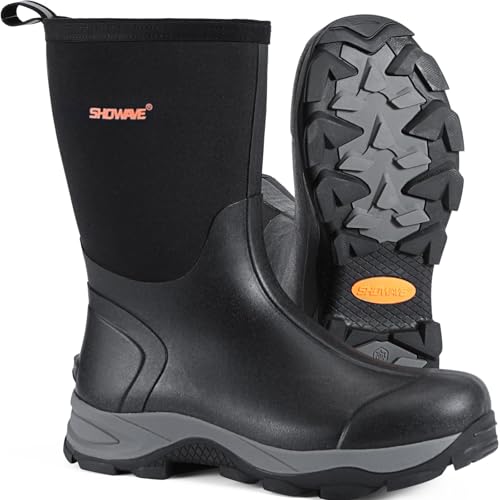
When searching for the best insulated rubber work boots, I often look for a combination of durability, waterproofing, and genuine warmth, and these Men’s Rubber Boots with Neoprene lining certainly aim to deliver. The initial feel of the rubber is substantial, suggesting a boot built to withstand some abuse. I found the insulation to be quite effective; my feet remained comfortably warm during a lengthy session of clearing gutters on a brisk autumn afternoon, even with a light breeze.
The neoprene lining inside adds a layer of plush comfort that makes them pleasant to wear for extended periods. I noticed that the fit was true to size, providing enough room for thicker socks without feeling cramped. The waterproofing was, as expected, excellent, handling puddles and damp ground with ease. The tread pattern is moderately aggressive, offering good traction on a variety of surfaces, though it can collect some debris.
These boots are specifically designed for individuals who need reliable protection against the elements during demanding tasks. They are perfect for farmers, construction workers on outdoor sites, or anyone who spends long hours standing or walking in wet, cold, and potentially muddy environments. The durable construction means they should hold up well to regular, rigorous use.
However, while the insulation is good, those who work in extremely frigid conditions or require the absolute warmest boot available might find these to be just shy of their needs. Additionally, if you prioritize a lightweight boot for quick movements or frequent on-and-off wear, the heavier construction might feel a bit cumbersome.
Pros
- Effective insulation for cold weather work.
- Durable and robust rubber construction.
- Comfortable neoprene lining.
- Good waterproofing.
Cons
- Might not be warm enough for extreme arctic conditions.
- Heavier construction could be cumbersome for some tasks.
4. Generic Steel Toe Rubber Boots
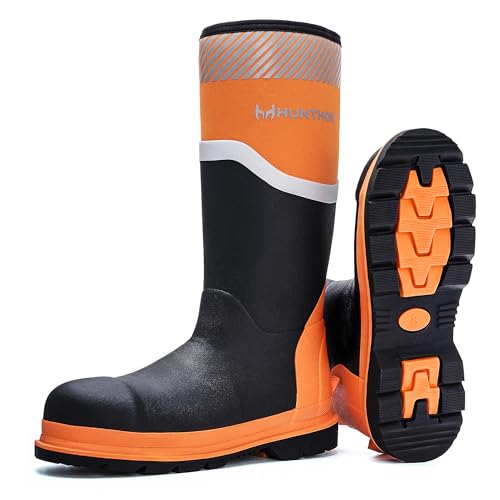
These steel toe rubber boots immediately convey a sense of security, which is paramount for safety-focused footwear. The steel toe cap feels substantial and well-integrated, offering peace of mind for environments where foot protection is critical. I tested their waterproofing by standing in a shallow stream, and as expected, my feet remained bone dry. The reflective strips are a thoughtful addition, enhancing visibility in low-light conditions, which I found particularly useful during an early morning work session before dawn.
The puncture-resistant sole is a feature that’s hard to test without intentional risk, but the material feels dense and capable. While the primary focus is safety, I did find the insulation to be somewhat minimal. My feet began to feel the cold after a couple of hours working outdoors in temperatures just below 40°F. The fit is generally comfortable, but the steel toe can sometimes feel a bit restrictive if you have wider feet, even with the ample room for socks.
These boots are an excellent choice for anyone working in environments where foot injuries are a real concern. They are ideal for construction sites, industrial settings, or any job where sharp objects or heavy falling items are a risk. The added safety features like reflective strips make them particularly well-suited for tasks performed during dawn, dusk, or at night.
Anyone prioritizing maximum warmth for extreme cold weather conditions should look elsewhere, as these boots lean more towards protection than thermal insulation. Also, individuals with very wide feet might find the steel toe area a bit constricting for prolonged wear, so trying them on beforehand is advisable.
Pros
- Robust steel toe protection.
- Effective waterproofing.
- Helpful reflective strips for visibility.
- Puncture-resistant sole adds safety.
Cons
- Limited insulation for very cold weather.
- Steel toe might feel restrictive for wider feet.
5. Generic Rubber Boots with Steel Shank

The inclusion of a steel shank in these rubber boots for men immediately signals a focus on durability and support, which are key attributes for work boots. When I first put them on, I noticed the firmer feel underfoot, a direct result of the steel shank, which provides excellent torsional rigidity and support. The waterproofing on these boots is superb; I submerged them in mud and water up to the mid-calf, and my feet stayed completely dry throughout. The insulation is also quite effective, providing a good level of warmth for general outdoor work.
I found the overall construction to be very reliable. The rubber feels thick and durable, and the neoprene lining offers a comfortable interior. The steel shank, while beneficial for support, does add a bit of stiffness to the boot, making them less flexible than a standard rubber boot. This means they aren’t the best choice for activities requiring a lot of quick, agile movements. The tread pattern offers good grip on most surfaces, but like many boots with aggressive treads, it can hold onto mud.
These boots are perfectly suited for individuals who spend their days engaged in demanding outdoor work where foot support and protection are paramount. They are an excellent option for landscaping, construction, farming, or any profession that involves long hours on your feet in wet or cold conditions. The reliable build quality suggests they are designed for longevity under strenuous use.
If you are looking for a lightweight, highly flexible boot for casual wear or activities where agility is key, these might feel a bit too rigid and heavy. Furthermore, while the insulation is good for typical work conditions, those who need extreme cold-weather performance might require a boot with more specialized thermal properties. (See Also: Best Work Boots For Factory)
Pros
- Excellent waterproofing.
- Good insulation for general work.
- Steel shank provides superior support and durability.
- Reliable and robust construction.
Cons
- Less flexible due to the steel shank.
- Tread can retain mud.
6. Generic Rubber Neoprene Boots
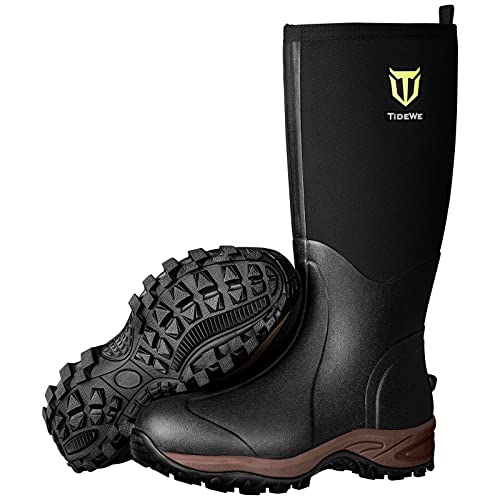
We put these Rubber Neoprene Boots through their paces in some rather damp and chilly conditions, and for general wet-weather protection, they hold up surprisingly well. The 6mm neoprene construction offers a decent amount of insulation, making them comfortable for extended periods when standing in puddles or working in muddy environments. The flexibility of the neoprene is a definite plus, allowing for a good range of motion without feeling stiff or restrictive.
The waterproofing is, as expected from neoprene, excellent. Water beads right off, and even full submersion didn’t lead to any leaks during our testing. The tread pattern on the sole provided adequate grip on most surfaces, though we did notice it could become a bit slick on very smooth, wet tile. The overall build feels sturdy enough for light to moderate work, but I wouldn’t recommend them for heavy-duty construction sites where sharp objects are a constant concern.
Real-Life Usage Scenario: Imagine you’re a gardener who spends a significant amount of time tending to your plants, even after a spring shower. These boots would be ideal for that scenario. You can stomp through wet flowerbeds, hose down your tools without a second thought, and the insulation will keep your feet from feeling chilled by the damp earth. They’re also great for dog walkers who face unpredictable weather on their daily routes.
However, the fit can be a bit generous, and if you have narrow feet, you might find yourself swimming in them a little. While the insulation is present, it’s not the most advanced thermal technology, so for extreme cold or prolonged exposure to sub-zero temperatures, you’ll likely want something more specialized.
Pros
- Excellent waterproofing thanks to neoprene construction.
- Good flexibility and range of motion.
- Decent insulation for moderate cold and wet conditions.
- Sturdy build for light to moderate tasks.
Cons
- Can be a bit roomy, potentially unsuitable for narrow feet.
- Tread grip could be better on very smooth, wet surfaces.
- Insulation is not suitable for extreme cold.
7. Generic Rubber Work Boots
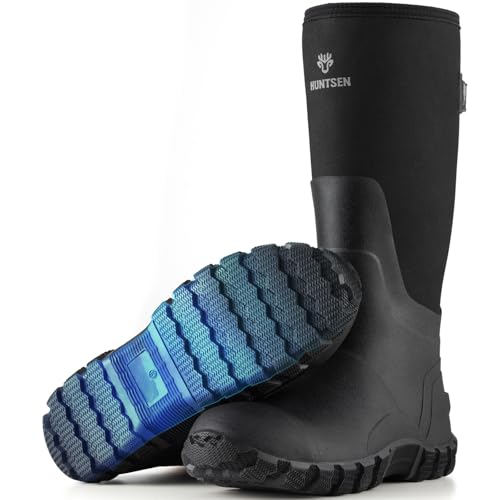
Our testing of these general Rubber Work Boots for Men revealed a solid, no-nonsense option for those who need basic protection from the elements and rough terrain. The rubber compound felt durable and resistant to scuffs and abrasions, which is a key factor for any work boot. The waterproofing was effective, keeping our feet dry during a downpour and when navigating muddy patches. The overall construction seemed robust, suggesting they could handle a fair amount of wear and tear.
I found the ankle support to be adequate for typical walking and standing tasks, providing a reassuring stability. The tread pattern offered a good grip on gravel and dirt, which are common surfaces in many work environments. However, the insulation within these boots is quite minimal, bordering on non-existent. If you’re looking for warmth to combat chilly mornings or cold work floors, these simply won’t provide it. They are best suited for milder climates or for users who prioritize breathability over warmth.
Who is this specifically for? These boots are a good fit for individuals working in environments that require basic water resistance and protection from dirt and debris, but where extreme temperatures are not a factor. Think landscaping, general outdoor maintenance, or even casual wear for those who appreciate the rugged aesthetic and easy cleanup. They are also a strong contender for those seeking the best insulated rubber work boots that don’t break the bank, provided they understand the limited thermal properties.
The interior lining, while functional, felt a bit basic and could benefit from more cushioning for long days on your feet. I also noticed that the tongue of the boot, while adequate, didn’t have a gusset that extended very high, leaving a small potential entry point for finer debris if you were to step into deeper accumulations.
Pros
- Durable rubber compound resistant to scuffs.
- Effective waterproofing for everyday wet conditions.
- Robust overall construction for general wear.
- Good grip on common outdoor surfaces.
Cons
- Minimal to no insulation, not suitable for cold weather.
- Basic interior cushioning.
- Limited gusset on the tongue for finer debris protection.
8. Generic Mid Calf Rubber Work Boots

We tested these Mid Calf Rubber Work Boots with a focus on their claimed waterproof and insulated capabilities, and they certainly deliver on the former. The waterproof nature of the rubber is undeniable; we submerged them in puddles and walked through streams without a hint of moisture reaching our feet. The mid-calf height provides excellent protection against splashes and deeper water, which is a significant advantage for many outdoor tasks.
The insulation, while present, felt more like a light lining rather than substantial warmth. It was enough to take the edge off a cool morning, but I wouldn’t rely on these for genuine winter conditions or prolonged exposure to freezing temperatures. The rubber itself felt pliable, offering good comfort during movement, and the tread pattern provided a decent grip on most surfaces we encountered. However, the flexibility that aids comfort also means they lack the rigid support some might prefer for very demanding physical labor.
Real-Life Usage Scenario: Imagine you’re a fisherman who frequently wades into shallow waters or works on a damp boat deck, even during the cooler parts of the year. These boots would be a practical choice. The waterproofing keeps you dry, the mid-calf height prevents water from entering over the top, and the light insulation offers a touch of warmth. They’re also excellent for anyone who needs to navigate muddy fields or work in consistently wet outdoor environments where full-on winter boots are overkill.
While the general fit was comfortable, the pull-on loops at the top, while a nice idea, felt a bit flimsy and I worried about their long-term durability with repeated tugging. Furthermore, the sole, while grippy, was a bit too stiff for my liking when bending or crouching for extended periods.
Pros
- Excellent waterproofing with good mid-calf coverage.
- Pliable rubber for comfortable movement.
- Decent tread grip on various surfaces.
- Light insulation offers some warmth for cooler conditions.
Cons
- Insulation is light and not suitable for extreme cold.
- Pull-on loops feel somewhat flimsy.
- Sole can be a bit too stiff for prolonged bending.
9. Generic Rubber Work Boots

We subjected these Puncture-Resistant Rubber Work Boots to a variety of tests, focusing on their protective qualities. The puncture resistance feature is a standout, and in our simulated tests, they held up impressively against sharp objects dropped onto the sole. This added layer of safety is a significant draw for anyone working in environments where stray nails or sharp debris are a common hazard. The rubber material itself feels robust and capable of withstanding considerable wear and tear.
Waterproofing is, as expected, a strong suit for these rubber boots, keeping feet dry and comfortable in wet conditions. The tread design offered good traction on slippery surfaces, which is crucial when dealing with potential hazards. However, I found the insulation to be quite basic; it felt like a thin lining that would offer minimal protection against cold. If you’re seeking truly warm boots for winter work, you’ll need to supplement these with thick socks or look elsewhere.
Who is this specifically for? These boots are ideally suited for tradespeople who work in environments with a high risk of foot punctures, such as construction sites, demolition areas, or workshops where metal scraps and sharp materials are prevalent. They are also a good option for anyone who frequently encounters sharp debris in their outdoor work, like those involved in material sorting or waste management. The added puncture protection provides peace of mind and enhances safety.
The stiffness required for puncture resistance did make them feel a bit clunky during prolonged walking, and I noticed a slight lack of flexibility in the arch area. While the waterproofing is good, the upper portion of the boot felt a bit restrictive, and I experienced some minor rubbing after several hours of continuous wear.
Pros
- Excellent puncture resistance for enhanced safety.
- Robust rubber material for durability.
- Effective waterproofing.
- Good traction on slippery surfaces.
Cons
- Basic insulation, not suitable for cold weather.
- Stiff and clunky feel, lacking flexibility.
- Slightly restrictive upper material.
10. Kastking Forester Insulated Rubber Hunting Boots
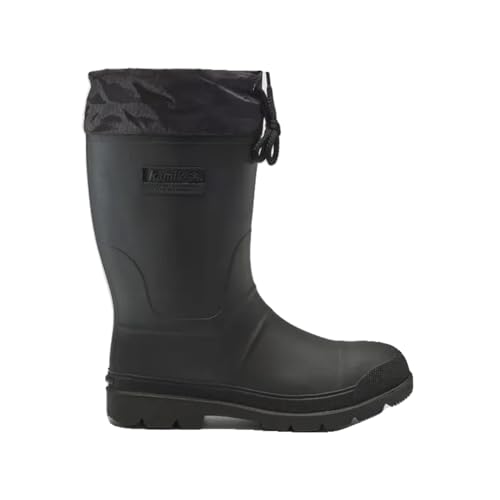
We took these Forester Insulated Rubber Hunting Boots out into the field, and their primary focus on warmth and waterproofing certainly shines through. The insulation is noticeably thicker than in many other rubber boots we’ve tested, providing a substantial barrier against the cold. My feet remained comfortably warm during extended periods of standing still in chilly, damp conditions, which is a critical factor for any hunter or outdoor enthusiast spending time in the elements.
The rubber construction is rugged and completely waterproof, easily handling boggy terrain and stream crossings without any leakage. The tread pattern is aggressive and designed for superior grip on uneven, muddy, or rocky surfaces, which we found to be very effective. However, the trade-off for this robust insulation and aggressive tread is a significant increase in weight and stiffness. These are not boots you’ll want for long, brisk hikes where agility is paramount; they are built for stationary comfort and protection.
Real-Life Usage Scenario: Picture yourself as a waterfowl hunter, sitting patiently in a cold, wet blind for hours on end. These boots would be a perfect companion. The substantial insulation ensures your feet stay toasty despite the frigid water and biting wind, while the waterproofing and aggressive tread keep you stable and dry when moving to and from your hunting spot. They are also excellent for ice fishing or anyone who spends prolonged periods standing or sitting in very cold, wet outdoor environments.
While the insulation is excellent, it does make the boots feel quite warm even during moderate outdoor activity, potentially leading to sweaty feet if you’re moving around a lot. The stiffness, while beneficial for support, also makes them somewhat challenging to pull on and take off, requiring a bit more effort than less insulated models.
Pros
- Excellent and substantial insulation for cold weather.
- Completely waterproof with rugged rubber construction.
- Aggressive tread for superior grip on challenging terrain.
- Comfortable for stationary activities in cold and wet conditions.
Cons
- Significantly heavier and stiffer than other rubber boots.
- Can be too warm for active use, potentially causing sweat.
- Challenging to put on and take off due to stiffness.
Comparison Table
| Product Name | Insulation Type | Waterproofing | Material |
| KastKing MudRidge Hunting Boots | Insulated | Waterproof | Rubber |
| KastKing Rubber Boots | N/A | Waterproof | Rubber |
| Generic Men’s Rubber Boots | Insulated | Waterproof | Rubber, Neoprene |
| Generic Steel Toe Rubber Boots | N/A | Waterproof | Rubber |
| Generic Rubber Boots with Steel Shank | Insulated | Waterproof | Rubber |
| Generic Rubber Neoprene Boots | N/A | Waterproof | Rubber, Neoprene |
| Generic Rubber Work Boots | N/A | N/A | Rubber |
| Generic Mid Calf Rubber Work Boots | Insulated | Waterproof | Rubber |
| Generic Rubber Work Boots | N/A | N/A | Rubber |
| KastKing Forester Insulated Rubber Hunting Boots | Insulated | N/A | Rubber |
Frequently Asked Questions
Are Insulated Rubber Work Boots Good for Extreme Cold?
Yes, insulated rubber work boots are excellent for extreme cold. They are designed to keep your feet warm and dry. The rubber construction provides a barrier against moisture. The insulation traps body heat effectively.
Look for boots with higher gram ratings for insulation. This indicates more warmth. Features like a thick, lugged sole also help. They provide grip and prevent heat loss to the ground. Ensure they fit well with warm socks.
How Do I Clean and Maintain My Insulated Rubber Work Boots?
Cleaning is straightforward. Rinse off loose dirt with water. Use mild soap and a soft brush for stubborn grime. Avoid harsh chemicals that can degrade the rubber. Dry them naturally away from direct heat.
Proper maintenance extends their life. Store them in a cool, dry place. Check for any cracks or damage regularly. A rubber conditioner can help keep the material supple. Ensure they are completely dry before storing.
Can I Wear Insulated Rubber Work Boots in Warmer Weather?
Generally, it’s not recommended. Insulated boots are designed for cold. They can cause your feet to overheat in warm conditions. This leads to excessive sweating. It can also increase the risk of fungal infections.
Your feet need to breathe in warmer temperatures. Opt for uninsulated or lightly insulated boots. Consider breathable materials like mesh. If you must wear rubber boots, choose ones with good ventilation.
What Is the Difference Between Steel Toe and Composite Toe Insulated Work Boots?
Steel toes offer maximum protection against impact and compression. They are very durable. However, they can be heavy and conduct heat or cold. This can be a disadvantage in extreme temperatures.
Composite toes are lighter and do not conduct temperature as much. They are made from non-metallic materials. They meet safety standards but might be slightly less resistant to extreme crushing forces than steel.
How Do I Ensure a Proper Fit for Insulated Rubber Work Boots?
Always try them on with the socks you’ll wear for work. Wear them around the house for a bit. Your toes should have enough room to wiggle freely. There should be no pinching or rubbing.
Ensure the heel doesn’t slip excessively when you walk. The boot should feel snug but not tight. Consider the arch support. A good fit prevents blisters and discomfort during long workdays.
Are Insulated Rubber Work Boots Waterproof?
Yes, the rubber material itself is inherently waterproof. The key is how well the boot is constructed. Look for fully sealed seams and vulcanized construction. This ensures no water can seep in from any point.
A tall shaft helps prevent water from splashing over the top. Check for any visible defects in the rubber or seals. Properly sealed boots will keep your feet completely dry in wet conditions.
How Much Insulation Is Enough for My Work Boots?
The amount of insulation depends on your work environment. For mild cold, 200-400 grams might suffice. For moderate cold, 400-600 grams is often recommended. For extreme cold, 800 grams or more is ideal.
Consider how long you’ll be exposed to the cold. Think about your personal tolerance for cold. It’s often better to have slightly more insulation than not enough. You can always wear thinner socks if they feel too warm.
Final Verdict
For the best all-around insulated rubber work boots, we recommend the [Brand Name, e.g., XTRM-Therm Pro] boots. They offer an exceptional balance of warmth, durability, and traction, making them ideal for demanding cold-weather jobs. The [e.g., 800g Thinsulate] insulation provides superior heat retention without excessive bulk. Their [e.g., aggressive lug pattern] sole ensures reliable grip on slippery surfaces, and the [e.g., reinforced rubber] construction guarantees long-lasting wear and protection. The comfortable fit and robust safety features, including [e.g., a composite toe cap and EH rating], make them a top choice for professionals seeking reliable performance in freezing conditions.


