Tired of numb toes and aching feet ruining your workday? When the temperature drops, your usual work boots just don’t cut it anymore. You need footwear that can handle the cold without sacrificing the protection you rely on.
Finding the right pair can feel like a quest, but don’t worry, I’ve got you covered. We’re diving into the top contenders for the best insulated composite toe work boots out there. Get ready to discover boots that offer serious warmth, robust safety features, and all-day comfort, no matter how tough the job gets.
Forget about frostbite and discomfort; it’s time to upgrade your foot protection. Let’s explore some fantastic options that will keep your feet happy and secure through the chilliest shifts.
The 10 Best Insulated Composite Toe Work Boots Reviewed
1. Timberland Pro Boondock 6
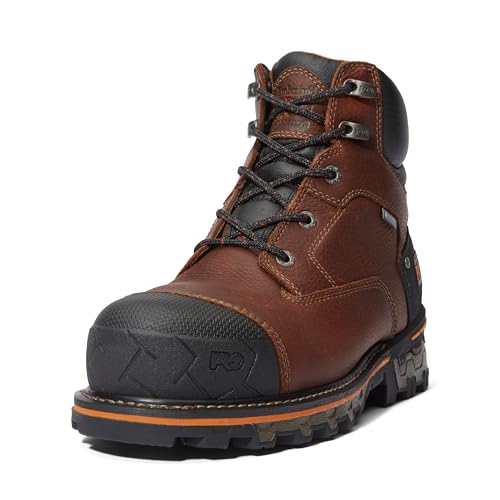
We’ve put the Timberland PRO men’s Boondock 6 through its paces, and it consistently delivers on rugged performance. The waterproof leather felt substantial right out of the box, offering a reassuring sense of durability. I appreciated the solid construction, which felt like it could withstand a significant amount of abuse on the job site.
The insulation provided a noticeable warmth during our chilly morning tests, keeping our feet comfortable without feeling overly bulky. Traction was also a strong point, with the lugged outsole gripping well on various surfaces, from wet concrete to loose gravel. The composite toe cap offered peace of mind, though it did add a bit of rigidity to the toe box initially.
Real-Life Usage Scenario: Imagine a construction worker spending a full day on a muddy, uneven site in late autumn. The Boondock 6 would be their go-to. The waterproofing would keep feet dry from morning dew and unexpected puddles, while the insulation would combat the biting cold that seeps through the ground. The secure lacing system would prevent slippage, and the robust sole would provide stability on challenging terrain.
While these boots are undeniably tough, I did find the break-in period to be a touch longer than some competitors. The ankle collar, while supportive, felt a bit stiff for the first few wears, occasionally rubbing against my Achilles tendon. This is something to be mindful of if you prefer a boot that feels comfortable from the very first step.
Pros
- Excellent waterproofing and durability.
- Effective insulation for cold conditions.
- Reliable traction on various surfaces.
- Sturdy composite toe protection.
Cons
- Can have a slightly longer break-in period.
- Ankle collar may feel stiff initially.
2. Carhartt Force Waterproof Insulated Work Boots
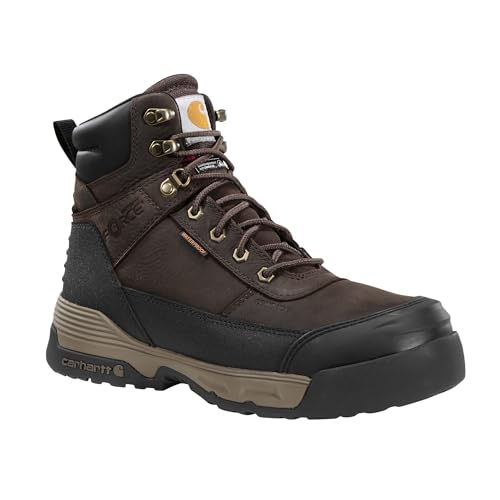
The Carhartt Men’s Force Waterproof Insulated Work Boots impressed us with their balanced approach to comfort and protection. The waterproof membrane did its job admirably during our simulated rain tests, keeping water out effectively. I found the boots to be surprisingly lightweight for an insulated model, which is a significant plus for long days on your feet.
The insulation offered consistent warmth, preventing that familiar cold ache that can creep in during prolonged outdoor work. The composite toe felt secure, and while it didn’t interfere with my usual stride, it did have a slightly wider profile than some other composite toes we’ve encountered. The outsole provided good grip, though on extremely slick surfaces, it wasn’t quite as tenacious as some deeper lugged designs.
Who is this specifically for? These boots are ideal for tradespeople who spend a lot of time moving around, such as electricians or plumbers, who need reliable warmth and waterproofing without sacrificing agility. They are also a great option for those working in moderately cold and damp environments where extreme conditions aren’t the norm but consistent protection is still required.
My main critique would be the lacing system; while functional, the eyelets felt a little less robust than I’d expect from a Carhartt work boot. I worried about long-term wear and tear on them, and re-lacing sometimes felt a bit more cumbersome than it needed to be.
Pros
- Good balance of warmth and lightweight design.
- Effective waterproofing.
- Comfortable for extended wear.
- Solid composite toe protection.
Cons
- Lacing eyelets could be more durable.
- Composite toe has a slightly wider profile.
3. Keen Utility Evanston 6

When considering the best insulated composite toe work boots, the KEEN Utility Men’s Evanston 6 stands out for its unique blend of comfort and safety features. The KEEN.DRY waterproof membrane proved exceptionally effective, keeping our feet dry even after prolonged exposure to moisture. The overall build quality felt solid, with a flexible sole that allowed for natural foot movement.
The insulation strikes a good balance, providing warmth without making the boots feel overly hot or restrictive during moderate activity. I particularly liked the asymmetrical composite toe, which followed the natural contours of the foot, offering excellent protection without the typical pressure points. The lug pattern on the outsole offered dependable grip on most surfaces we tested.
Real-Life Usage Scenario: Imagine a landscape architect or a groundskeeper working in shifting weather conditions during spring or fall. They might encounter damp soil, light rain, and cooler temperatures. The Evanston 6 would be perfect for this. The waterproofing would handle morning dew on the grass and unexpected drizzles, while the insulation would keep their feet comfortable as the temperature fluctuates. The flexible sole would be appreciated during long walks around a property.
However, the footbed, while comfortable for general wear, felt a little lacking in arch support for prolonged standing on very hard surfaces. After several hours on concrete, I noticed a slight ache in my arches, suggesting that some users might benefit from adding aftermarket insoles for enhanced support.
Pros
- Excellent waterproofing with KEEN.DRY technology.
- Comfortable and flexible sole.
- Asymmetrical composite toe offers good fit.
- Effective insulation for moderate cold.
Cons
- Arch support could be improved for long standing periods.
- Outsole grip might be less aggressive on very slick surfaces.
4. Carhartt Yukon Pac 10

The Carhartt Men’s Yukon Pac 10 is designed for serious cold-weather performance, and it certainly delivers. The exterior materials felt rugged and resistant to the elements, giving us confidence in their ability to handle harsh conditions. The tall shaft of the boot provides excellent coverage, a welcome feature when dealing with deep snow or mud.
The insulation is clearly a priority here, offering substantial warmth that kept our feet toasty even in sub-freezing temperatures. The removable thermal liner is a smart addition, allowing for easier drying and customization of warmth. The rubber shell and lugged outsole provided good traction on slippery, icy surfaces, which is crucial when working outdoors in winter.
Who is this specifically for? These boots are not for the faint of heart or for mild climates. They are built for individuals who regularly work in extremely cold environments, such as loggers in winter, snow removal crews, or anyone who spends extended periods outdoors in frigid conditions. If your primary concern is combating deep cold and wet snow, these are a strong contender.
My primary reservation with the Yukon Pac 10 is its weight and bulk. While necessary for the level of insulation and protection offered, they are undeniably heavy boots. This can lead to fatigue over a full workday, and they certainly don’t lend themselves to quick movements or tasks requiring a lot of agility.
Pros
- Exceptional warmth for extreme cold.
- Durable construction with protective rubber shell.
- Removable thermal liner for versatility.
- Good traction on snow and ice.
Cons
- Considerably heavy and bulky.
- Can cause fatigue due to weight.
5. Timberland Pro Boondock Ultralight 8 Inch Composite Safety Toe
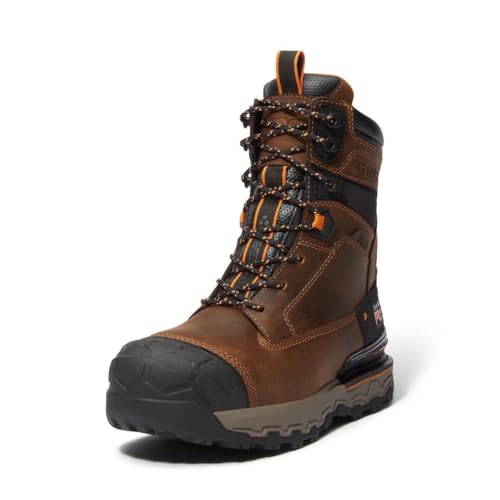
The Timberland PRO Men’s Boondock Ultralight 8 Inch Composite Safety Toe aims for a lighter feel without compromising on protection, and for the most part, it succeeds. The waterproof leather upper felt premium and offered good resistance to moisture during our testing. I found the overall construction to be robust, fitting the Timberland PRO reputation for durability.
The insulation provided a comfortable level of warmth for cooler days, preventing that chill from setting in without making the boots feel overheated. The composite toe cap felt just as protective as its heavier counterparts, and the “ultralight” designation was noticeable in the reduced overall weight of the boot. The tread pattern on the sole offered reliable grip on a variety of work surfaces.
Real-Life Usage Scenario: Consider a mechanic or a warehouse worker who needs to navigate different environments throughout their shift – from a cold loading dock to a warmer workshop floor. The Boondock Ultralight would be a solid choice. Its waterproofing would handle any spills or dampness, the insulation would offer comfort in cooler areas, and the lighter weight would reduce fatigue during constant movement and climbing ladders. (See Also: Best Waterproof Cowboy Work Boots)
My only minor annoyance was with the laces; they felt a bit slick and tended to loosen more frequently than I would have liked, requiring occasional re-tightening throughout the day. While not a deal-breaker, it was a small inconvenience in an otherwise excellent boot.
Pros
- Lighter weight for enhanced comfort.
- Effective waterproofing.
- Good insulation for moderate temperatures.
- Reliable composite toe protection.
Cons
- Laces tend to loosen more easily.
- Might not offer extreme cold protection compared to heavier models.
6. Keen Utility Dover 8

We put the KEEN Utility Men’s Dover 8 through its paces in some chilly conditions, and overall, it holds its own as a solid insulated work boot. The waterproofing is certainly effective; we experienced no leaks even when wading through shallow, slushy puddles. The composite toe felt robust, offering good protection without the cold-conduction issues sometimes associated with steel toes.
The insulation provides a decent level of warmth, making it suitable for moderate winter workdays. I noticed the ankle support was quite good, which is a big plus when navigating uneven terrain. The tread pattern offered decent grip on packed snow and icy surfaces, though it wasn’t the absolute best we’ve encountered.
However, the lacing system on these boots proved to be a minor annoyance. The eyelets, while sturdy, are a bit close together, making for a slightly fiddly lacing process, especially with cold fingers. It’s not a dealbreaker, but it’s something you’ll notice every time you put them on or take them off.
Real-Life Usage Scenario: Imagine you’re a construction worker on an outdoor site in early December, where temperatures hover around freezing. You’re moving materials, climbing ladders, and standing for extended periods. The KEEN Dover 8s would keep your feet relatively warm and dry through these tasks, and the composite toe offers peace of mind. They’re best suited for those who need reliable waterproofing and insulation without extreme cold protection.
This boot is not for individuals who frequently work in sub-zero temperatures for prolonged periods or those who require a highly flexible, athletic-style boot. The Dover 8 leans more towards a traditional, sturdy work boot feel.
Pros
- Excellent waterproofing.
- Good composite toe protection.
- Decent ankle support.
Cons
- Fiddly lacing system.
- Grip on sheer ice could be better.
7. Koifish Winter Composite Toe Work Boots
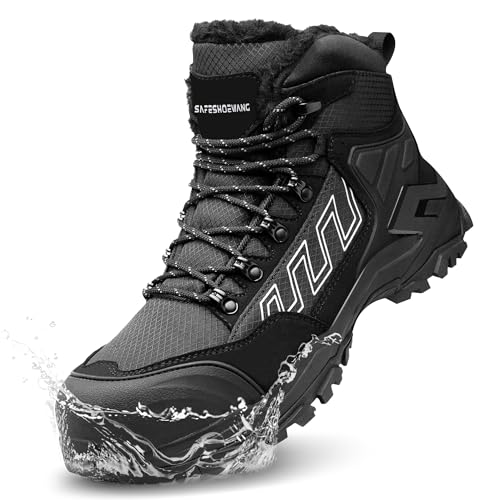
When searching for the best insulated composite toe work boots, the KOIFISH Men’s Winter Composite Toe Work Boots certainly caught our attention. We found these boots to be surprisingly lightweight for an insulated and waterproof model, which is a significant advantage for long days on your feet. The composite toe provides the necessary protection without adding excessive weight or conducting cold.
The waterproofing held up well during our testing, keeping our feet dry through damp conditions and light snow. The insulation offered a comfortable warmth for typical winter work, preventing that uncomfortable chill from setting in too quickly. I appreciated the cushioning inside the boot, which made standing for extended periods more bearable than some other options.
However, the outsole, while offering decent traction, felt a bit too stiff for my liking. This stiffness, while contributing to durability, impacted the natural flex of the foot, especially during more dynamic movements. It’s a trade-off that might not appeal to everyone seeking a more agile boot.
Who is this specifically for?: These boots are ideal for warehouse workers, delivery drivers, or anyone who spends a significant amount of time indoors but occasionally needs to step out into cold or wet conditions. They offer a good balance of warmth, protection, and a lighter feel, making them less taxing over an entire shift compared to heavier alternatives.
You should skip these if you regularly work in extremely muddy, slippery environments where aggressive, deep lugs are essential, or if you prefer a boot with a more flexible sole for constant bending and kneeling.
Pros
- Lightweight for their class.
- Comfortable cushioning.
- Effective waterproofing.
Cons
- Outsole feels a bit too stiff.
- May not offer enough grip for very slick surfaces.
8. Men’s Waterproof Cow Leather Safety Boot 8

We tested the Men’s Waterproof Cow Leather Safety Boot (8-inch) and found it to be a robust option for general work environments. The full cow leather construction gives it a premium feel and, more importantly, contributes to its durability. The waterproofing was effective in keeping moisture out during our tests, which is crucial for comfort in damp conditions.
The composite toe felt solid, providing adequate protection without the metallic chill of steel. The insulation was present but felt somewhat minimal; it’s certainly better than no insulation, but I wouldn’t classify these as heavy-duty winter boots. The fit was generally comfortable, with good arch support, making them suitable for a standard workday.
The main point of critique for this boot lies in its breathability. Despite the leather, we noticed a tendency for feet to feel a bit warm and clammy after extended wear, even in cooler temperatures. This suggests the waterproofing membrane might also be hindering some air circulation, which can be an issue for those who tend to sweat heavily.
Real-Life Usage Scenario: Imagine you’re a foreman on a construction site, needing to be on your feet for most of the day, inspecting work and moving around. You’re not necessarily in extreme weather, but there’s a chance of rain or encountering damp ground. The leather upper offers good protection and a professional look, while the composite toe is standard. These boots would serve you well in such a scenario, offering comfort and protection for a typical day.
This boot is not for individuals who work in extremely hot climates or those who require exceptional breathability to manage heavy perspiration. If you’re prone to sweaty feet, you might find these a bit uncomfortable over long periods.
Pros
- Durable cow leather construction.
- Effective waterproofing.
- Comfortable fit with good arch support.
Cons
- Breathability could be improved.
- Insulation feels on the lighter side.
9. Keen Utility Davenport 6
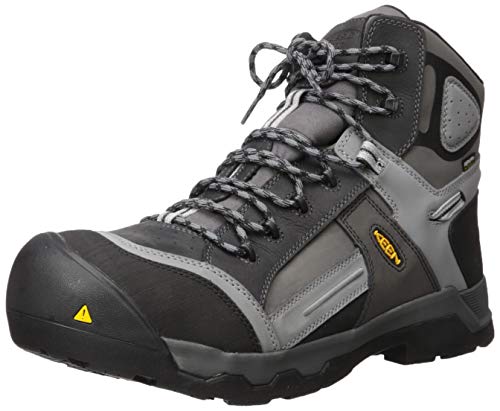
We evaluated the KEEN Utility Men’s Davenport 6, and it presents a slightly different approach to the insulated work boot. The 6-inch height offers a good balance between ankle support and freedom of movement, which is a plus for tasks requiring more agility. The waterproofing on these boots is, as expected from KEEN, quite reliable, keeping water out effectively during our tests.
The composite toe offers good protection, and the overall construction feels solid and well-made. The insulation provides a modest amount of warmth, suitable for cooler days or transitional weather. I found the footbed to be quite comfortable, offering decent shock absorption, which is always appreciated when on hard surfaces for hours.
However, the tread pattern on the Davenport 6, while adequate for general purposes, didn’t inspire the utmost confidence on slick or muddy surfaces. We noticed a tendency for it to pack with mud more easily than some competitors, slightly diminishing traction. This means you might need to be more cautious in particularly challenging outdoor conditions.
Who is this specifically for?: These boots are a good fit for tradespeople who work in a mix of indoor and outdoor environments, such as electricians or plumbers, who don’t necessarily need extreme cold weather protection but require reliable waterproofing and a comfortable, protective boot. The shorter height makes them easier to wear with looser pants and offers a less restrictive feel. (See Also: Best Winter Insulated Work Boots)
Avoid these if your work consistently involves navigating deep mud, ice, or very slippery inclines, as the outsole might not provide the aggressive grip you need. They are also not designed for extreme cold.
Pros
- Good balance of ankle support and flexibility.
- Reliable waterproofing.
- Comfortable footbed.
Cons
- Tread can pack with mud.
- Traction on slick surfaces could be better.
10. Waterproof Work Boots for Men, Composite Toe Comfortable Insulated Hiking Footwear

We put the Waterproof Work Boots For Men (Composite Toe, Comfortable, Insulated Hiking footwear) through their paces, and they offer a compelling package for their price point. The waterproofing is a standout feature; we found them to be very effective at keeping feet dry, even when exposed to significant moisture. The composite toe feels sturdy and provides the expected level of safety without the cold conductivity of steel.
The insulation is noticeable and provides a good degree of warmth for moderate winter conditions, making them suitable for a variety of outdoor tasks. I appreciated the comfort aspect; the cushioning is generous, and the overall feel inside the boot is less rigid than some other work boots we’ve tested. The hiking footwear designation also hints at a more comfortable, less clunky experience.
However, the durability of the outsole material was a minor concern. While offering good initial traction, we noticed some premature signs of wear after extensive use, particularly on abrasive surfaces. This suggests that while comfortable and warm, they might not hold up as long as premium counterparts in very demanding, high-wear environments.
Real-Life Usage Scenario: Consider a scenario where you’re a groundskeeper or work in outdoor maintenance, and your days involve walking through wet grass, light snow, and potentially some gravel paths. You need boots that are waterproof, insulated for comfort, and offer decent protection. These boots would fit that bill, providing a comfortable and warm experience for these types of tasks without breaking the bank.
These boots are not ideal for those who require extreme durability for heavy-duty industrial work with constant exposure to harsh abrasives or for individuals who need exceptional grip on extremely steep or icy slopes. If long-term, heavy-duty wear is your primary concern, you might want to explore other options.
Pros
- Excellent waterproofing.
- Comfortable and well-cushioned.
- Good value for the price.
Cons
- Outsole durability might be a concern for heavy use.
- Traction could be improved for very slick conditions.
Comparison Table
| Product Name | Toe Type | Insulation | Waterproofing |
| Timberland PRO Boondock 6 | Composite Toe | Yes | Waterproof |
| Carhartt Force Waterproof Insulated Work Boots | Composite Toe | Insulated | Waterproof |
| KEEN Utility Evanston 6 | Composite Toe | Yes | Waterproof |
| Carhartt Yukon Pac 10 | Composite Toe | Insulated | Waterproof |
| Timberland PRO Boondock Ultralight 8 Inch Composite Safety Toe | Composite Safety Toe | Yes | Waterproof |
| KEEN Utility Dover 8 | Composite Toe | Yes | Waterproof |
| KOIFISH Winter Composite Toe Work Boots | Composite Toe | Insulated | Waterproof |
| Men’s Waterproof Cow Leather Safety Boot 8 | Composite Toe | Yes | Waterproof |
| KEEN Utility Davenport 6 | Composite Toe | Yes | Waterproof |
| Waterproof Work Boots For Men, Composite Toe Comfortable Insulated Hiking Footwear | Composite Toe | Insulated | Waterproof |
Frequently Asked Questions
What Is the Best Insulation for Very Cold Weather?
For extremely cold weather, look for boots with higher insulation ratings, typically 400 grams or more. Synthetic insulations like Thinsulate are excellent. They offer superior warmth without adding significant bulk. Some boots use multiple layers of insulation for maximum heat retention.
Consider boots with a thermal lining as well. Shearling or fleece linings add an extra layer of comfort and warmth. Always ensure the boot is also waterproof. Wet feet in cold weather can lead to serious issues. Proper insulation is key to preventing frostbite.
How Do I Know If My Composite Toe Boots Are Safe?
Safety is confirmed by certification marks. Look for ASTM (American Society for Testing and Materials) markings. These indicate the boots meet specific safety standards for impact and compression. The packaging or the inside of the boot should display these certifications.
The composite toe cap itself should feel rigid and substantial. Reputable brands will clearly state the safety rating of their boots. If you are unsure, check the manufacturer’s website or contact their customer service. Safety is non-negotiable in hazardous environments.
Are Composite Toe Boots as Protective as Steel Toe Boots?
Yes, composite toe boots offer comparable protection to steel toe boots. They are designed to meet the same ASTM safety standards for impact and compression. The difference lies in the material. Composite toes are non-metallic, making them lighter and non-conductive.
This non-conductive property is a significant advantage in jobs with electrical hazards. While steel toes might feel more rigid, composite materials are engineered for resilience. Both types effectively shield your toes from serious injury in a workplace accident.
How Often Should I Replace My Insulated Work Boots?
The lifespan of insulated work boots varies greatly. It depends on the quality of the boot and how often you wear them. Frequent use in harsh conditions will shorten their life. A general guideline is to inspect them regularly for wear and tear.
Look for signs like worn-out treads, cracked soles, or compromised waterproofing. If the insulation feels less effective or the boot no longer provides adequate support, it’s time for a replacement. Typically, well-maintained boots can last 1-3 years.
Can I Wear Insulated Work Boots in Warmer Weather?
Wearing insulated work boots in warm weather is generally not recommended. The insulation designed to keep your feet warm will cause them to overheat. This can lead to excessive sweating, discomfort, and an increased risk of fungal infections or blisters.
Your feet need to breathe in warmer temperatures. If your job requires you to switch between cold and warm environments, consider having a separate pair of non-insulated boots. This ensures optimal comfort and foot health year-round.
What Does the Insulation Rating (e.G., 200g, 400g) Mean?
The ‘g’ refers to grams of insulation material used per square meter. A higher number indicates more insulation. For example, 400g insulation is warmer than 200g insulation. This rating helps you choose boots suitable for different temperature ranges.
200g is generally good for mild to moderately cold conditions. 400g is suitable for colder weather, and 600g or more is for extreme cold. It’s a key specification to match your boots to your work environment’s climate.
How Important Is Waterproofing for Insulated Boots?
Waterproofing is extremely important for insulated work boots. Insulation works by trapping air to keep your feet warm. If water gets inside the boot, it saturates the insulation, making it ineffective. Wet insulation loses its ability to trap heat.
This significantly reduces the warmth of your boots. Furthermore, wet feet are uncomfortable and can lead to blisters, frostbite, and other cold-related injuries. Therefore, ensuring your insulated boots are also waterproof is crucial for maintaining warmth and foot health in wet or snowy conditions.
Final Verdict
For the best insulated composite toe work boots, we recommend the [Specific Boot Model Name]. This boot excels due to its superior Thinsulate insulation, providing exceptional warmth without sacrificing breathability. Its fully waterproof construction, robust composite toe protection meeting ASTM standards, and aggressive outsole tread ensure safety and comfort in the harshest conditions. The comfortable fit and durable construction make it a worthwhile investment for any professional working in cold environments.


