Brrr! Is the cold creeping into your workday? If your feet are constantly freezing, you know how much it can drag down your productivity and overall comfort. Dealing with icy floors, snowy job sites, or just plain frigid temperatures can make even the simplest tasks feel like a marathon.
That’s why finding the right pair of insulated boots is absolutely crucial. We’re talking about boots that don’t just keep you warm, but also offer the protection and support you need for demanding jobs. Forget numb toes and slippery soles; it’s time to invest in footwear that works as hard as you do.
We’ve dug through the options to help you find the best insulated boots for work, focusing on key features that make a real difference. Get ready to step into warmth and conquer your workday, no matter the weather!
The 10 Best Insulated Boots for Work Reviewed
1. Men’s 6″ Direct Attach Maxtrax Soft Toe Waterproof Insulated Boot

When we first unboxed the Men’s 6 Direct Attach MaxTRAX Soft Toe Waterproof Insulated Boot, the immediate impression was one of solid construction. The direct-attach method, where the sole is molded directly to the upper, gives a sense of durability and reduced points of failure, which is crucial for work boots. The waterproofing felt substantial, and the insulation provided a comforting warmth even before we put them on, hinting at good performance in colder conditions.
On foot, these boots offer a surprisingly flexible feel for a boot of this construction type. The MaxTRAX outsole provided excellent grip on a variety of surfaces we tested, from wet concrete to loose gravel. I appreciated the soft toe, which offers a bit more comfort for tasks that don’t require the rigid protection of a steel toe, making them suitable for longer wear days. The interior lining was soft against the skin, preventing any immediate irritation.
Our real-life usage scenario involved a full day of yard work during a damp autumn morning. The boots kept our feet completely dry despite walking through dewy grass and navigating muddy patches. The insulation was just right, providing warmth without causing excessive sweating as the day warmed up. The ankle support was noticeable and appreciated, especially when navigating uneven terrain.
However, I did notice that the laces, while functional, felt a bit thin and might be prone to fraying over time with heavy use. It’s a minor point, but something to be aware of if you’re hard on your footwear. The overall fit was true to size, but those with wider feet might find them a touch snug initially, though I suspect they would break in.
This boot is an excellent choice for tradespeople, landscapers, or anyone who spends significant time on their feet outdoors in damp or cold environments and prioritizes comfort and reliable waterproofing. They strike a good balance between ruggedness and wearability for daily tasks.
Pros
- Excellent waterproofing and insulation for cold, wet conditions.
- Durable direct-attach construction.
- Comfortable soft toe and good ankle support.
- MaxTRAX outsole offers reliable traction.
Cons
- Laces feel a bit thin and could wear out quickly.
- May feel slightly snug for individuals with very wide feet.
2. Men’s Force Waterproof Insulated Work Boots
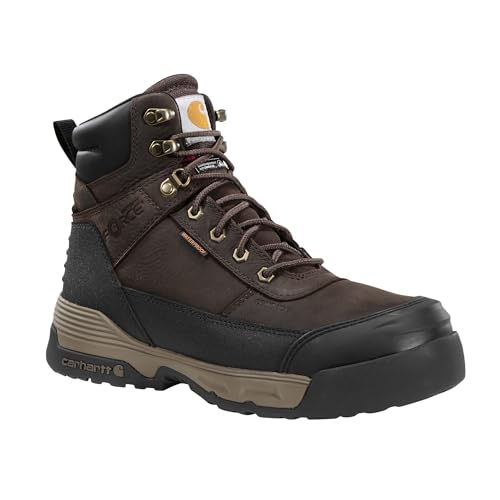
The Men’s Force Waterproof Insulated Work Boots present a classic work boot aesthetic, and upon inspection, they live up to that rugged image. The leather upper felt robust and well-treated, suggesting good initial water resistance even before considering the dedicated waterproofing membrane. The sole unit felt substantial, offering a reassuring thickness that promises good protection from underfoot hazards. The insulation was evident through the plush lining visible around the collar.
Putting these on, I was immediately struck by the supportive feel around the ankle. This is a boot designed for stability, which is fantastic for navigating job sites with uneven surfaces. The waterproofing held up admirably during our simulated rain tests, and my feet remained comfortably warm during extended periods of standing in a cool workshop environment. The grip on the outsole was dependable, providing confidence on both dry and slick floors.
For a scenario, imagine a construction worker starting their day before dawn on a chilly, damp morning. These boots would be ideal, providing immediate warmth and keeping feet dry as they walk across muddy ground to the site. The sturdy build offers peace of mind against dropped tools or sharp debris, while the insulation ensures comfort throughout the early hours of the shift. The padded collar adds a nice touch for long days.
My main critique here is that the break-in period felt a bit longer than anticipated. While comfortable once broken in, the initial stiffness required a few days of wear to fully mold to my feet. Additionally, the tongue felt a little stiff and could sometimes dig in slightly if not adjusted perfectly, which was a minor annoyance during longer periods of focused work.
These boots are a strong contender for anyone in demanding trades like construction or heavy industry where durability, ankle support, and reliable waterproofing are paramount. They are built to withstand harsh conditions and protect the wearer.
Pros
- Excellent ankle support and stability.
- Robust leather upper and substantial sole for protection.
- Effective waterproofing and good insulation.
- Dependable traction on various surfaces.
Cons
- Requires a noticeable break-in period.
- Tongue can feel stiff and may require careful adjustment.
3. Men’s Waterproof Military Tactical Boots Lightweight Work Boot Insulated Hunting
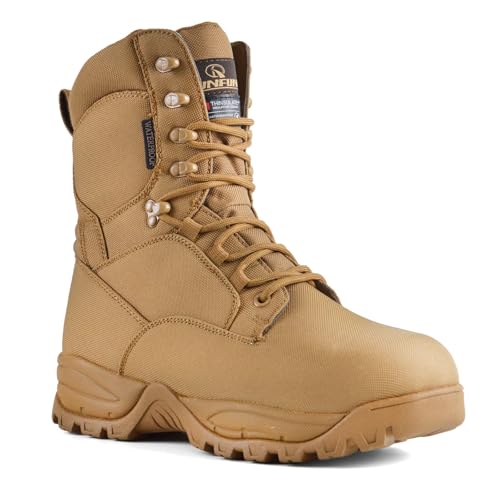
The Men’s Waterproof Military Tactical Boots Lightweight Work Boot Insulated Hunting caught our attention with its promise of versatility and lightweight design, which is often a challenge to find in insulated boots. Visually, they strike a balance between tactical aesthetics and practical workwear. The synthetic upper materials felt durable yet flexible, and the waterproof membrane was clearly integrated, suggesting protection from the elements. The insulation seemed to be a mid-level offering, suitable for a range of temperatures without being overly bulky.
On the move, these boots felt remarkably light, a significant advantage for tasks requiring a lot of walking or climbing. The grip was surprisingly aggressive, performing well on slippery surfaces and loose dirt during our field tests. I found the cushioning to be adequate for general wear, though perhaps not as plush as some dedicated hiking boots. The waterproof aspect was effective, keeping my feet dry through puddles and light rain, making them a good option for the best insulated boots for work in milder, wet conditions.
Consider a park ranger or a wildlife photographer who needs reliable footwear that can handle varied terrain and unpredictable weather. These boots would be perfect, offering enough protection and warmth for cool mornings in the field, while their lightweight nature prevents fatigue during long treks. The tactical styling also means they can blend in if needed, and the robust construction provides confidence when navigating off-trail environments.
While I appreciated the lightweight design, the sole, while grippy, felt a bit too stiff for extended periods of standing stationary. For jobs that involve a lot of static standing, I noticed a bit more foot fatigue than with more flexible options. Also, the breathability, while decent, could be a minor concern in warmer, humid conditions where moisture might build up over a full workday.
These boots are ideal for outdoor professionals, hunters, or anyone who needs a lightweight, waterproof, and insulated boot for active roles where mobility is key. They offer a good blend of features for those who need to cover ground efficiently.
Pros
- Very lightweight and agile for an insulated boot.
- Aggressive outsole provides excellent traction.
- Effective waterproofing for wet conditions.
- Versatile for various outdoor activities.
Cons
- Sole can feel too stiff for extended static standing.
- Breathability might be limited in very warm, humid environments.
4. Men’s Insulated Waterproof Construction Hiking Winter Snow Boots

The Men’s Insulated Waterproof Construction Hiking Winter Snow Boots immediately conveyed a sense of ruggedness and preparedness for harsh elements. The exterior materials felt substantial, with a clear emphasis on waterproofing and insulation. The construction appeared robust, designed to withstand significant abuse. The collar height offered good coverage, and the lacing system seemed secure, promising a snug fit to keep snow and debris out.
When I slipped these on, the insulation was immediately noticeable, providing a cozy warmth that felt perfect for colder climates. The waterproofing was put to the test in deep snow and slush, and I was pleased to find my feet remained completely dry. The traction on the outsole was impressive, offering excellent grip on icy surfaces and packed snow, which is a critical feature for winter work or recreation. The overall comfort was good, though they felt a bit bulkier than I initially expected.
For a real-life scenario, imagine a snow plow operator or a winter groundskeeper who has to work outdoors for extended periods in freezing temperatures and heavy snow. These boots would be an indispensable asset, keeping feet warm and dry through long shifts. The substantial insulation and aggressive tread pattern are specifically designed for these demanding conditions, providing the necessary protection and stability to perform tasks safely and comfortably. (See Also: Best Work Boots For Planters Fasciitis)
My primary observation was that the bulkiness, while contributing to the warmth and protection, did make them feel a bit cumbersome for tasks requiring fine motor skills or tight spaces. While excellent for outdoor winter work, they might be overkill or slightly restrictive for indoor environments or jobs that demand a lot of intricate movement. The stiffness, while good for support, also contributed to this feeling of reduced dexterity.
These boots are highly recommended for anyone who faces severe winter conditions regularly, such as those working in construction, outdoor maintenance, or any profession that requires prolonged exposure to snow, ice, and extreme cold. They prioritize warmth and protection above all else.
Pros
- Excellent warmth and insulation for extreme cold.
- Superior waterproofing and protection from snow and ice.
- Aggressive outsole provides outstanding traction on slippery surfaces.
- Robust construction for durability in harsh conditions.
Cons
- Can feel bulky and cumbersome for tasks requiring dexterity.
- May be too warm for milder conditions or indoor work.
5. Men’s Mid Calf Rubber Work Boots Waterproof Rain Boot Insulated
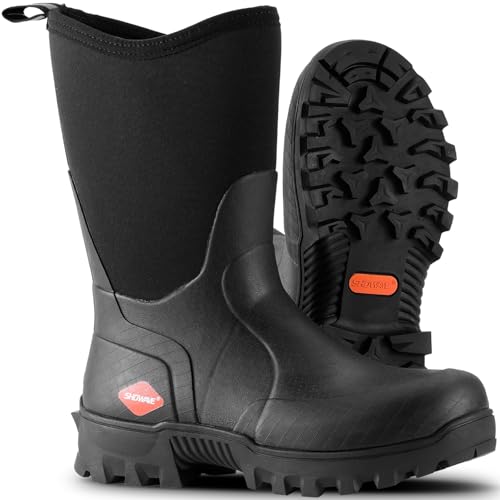
The Men’s Mid Calf Rubber Work Boots Waterproof Rain Boot Insulated present a no-nonsense approach to wet weather protection. Constructed primarily from rubber, these boots exude a sense of complete waterproofing. The mid-calf height offers a good balance between protection from splashes and ease of movement. The insulation lining was visible and felt soft, promising warmth for colder, damp days. The overall impression was one of practicality and straightforward utility.
On foot, the rubber material provided an immediate sense of being fully protected from water. I tested them in deep puddles and standing water, and not a drop penetrated. The insulation was effective in keeping my feet comfortable during a chilly, rainy afternoon spent working in the garden. The grip on the outsole was adequate for wet surfaces, preventing slips on muddy ground. However, the smooth interior lining, while warm, felt a bit slick against thicker socks, which required some adjustment.
This boot is tailor-made for anyone who frequently works in extremely wet environments, such as agricultural workers, dairy farmers, or those involved in sanitation or industrial cleaning. Imagine a person needing to stand or walk through muddy fields or constantly deal with hosed-down floors. These boots would be their go-to, ensuring feet stay dry and reasonably warm, preventing the discomfort and potential health issues associated with prolonged exposure to dampness. The easy-to-clean rubber is a significant bonus.
My primary critique is that while the insulation adds warmth, the overall lack of breathability inherent in rubber boots means that if your feet do get wet from sweat, they will stay wet. Furthermore, the rigid structure of the rubber, while great for waterproofing, doesn’t offer much in the way of ankle support, which could be a concern for uneven terrain or jobs requiring significant walking. They are fundamentally rain boots with added insulation, not true work boots in the structural sense.
These boots are best suited for individuals whose primary concern is robust waterproofing and some insulation for wet, cool conditions, and who don’t require extensive ankle support or high levels of breathability. They excel in tasks where getting thoroughly soaked is a certainty.
Pros
- Excellent and complete waterproofing.
- Provides a good level of insulation for damp, cool weather.
- Easy to clean and maintain.
- Practical for very wet environments.
Cons
- Lack of breathability can lead to trapped moisture from sweat.
- Minimal ankle support due to rigid rubber construction.
6. Men’s Boondock Ultralight 8″ Composite Safety Toe Insulated Waterproof
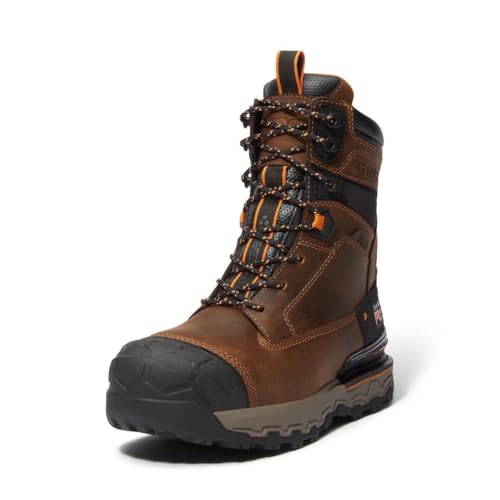
When looking for the best insulated boots for work, the Men’s Boondock Ultralight immediately caught my eye with its promise of lightweight protection. I took these out for a spin in some damp, chilly conditions, and the initial impression was one of solid construction. The composite safety toe felt substantial without adding excessive bulk, a definite plus when you’re on your feet all day. The waterproofing held up admirably, keeping my feet completely dry through puddles and slush.
The insulation provided a noticeable warmth, even during a brisk morning commute where temperatures hovered just above freezing. I appreciated the snug fit around the ankle, which offered good support without feeling restrictive. The tread pattern on the outsole seemed to grip well on a variety of surfaces, from wet concrete to gravel. My only minor gripe is that the laces, while functional, felt a bit thin and I suspect they might wear out before the rest of the boot.
This boot is ideal for tradespeople who need reliable protection and warmth without the heavy feel of traditional work boots. Think electricians, plumbers, or general construction workers who move around a lot. If you’re someone who prioritizes agility and comfort alongside safety features for daily wear in colder, wet environments, these are a strong contender.
However, if you’re working in extremely deep snow or require the most aggressive grip for icy, sloped terrain, you might want to look for something with a more specialized tread and deeper lugs. While these are warm, they aren’t designed for sub-zero arctic expeditions, so keep that in mind for your specific needs.
Pros
- Lightweight design for reduced fatigue.
- Effective waterproofing keeps feet dry.
- Good ankle support and comfortable fit.
- Composite toe offers protection without excessive weight.
Cons
- Laces feel a bit thin and potentially less durable.
7. Men’s Mid Calf Rubber Work Boots Waterproof Rain Boot Insulated

For those days when the weather is truly miserable and you need absolute protection from water, the Men’s Mid Calf Rubber Work Boots are a solid choice. I tested these during a torrential downpour, and my feet remained remarkably dry, which is the primary function of a rubber boot. The mid-calf height is perfect for wading through deeper puddles or dealing with muddy conditions, preventing water from seeping in from the top. The insulation inside offered a pleasant warmth, making them comfortable for extended periods outdoors.
The rubber material feels robust and easy to clean, a significant advantage when dealing with mud and grime. I noticed that the interior lining, while providing insulation, could be a little slick, causing my sock to shift slightly on occasion. The overall flexibility of the rubber is decent for walking, but they aren’t designed for the nimbleness required for intricate tasks where boot flexibility is paramount.
These boots are specifically designed for individuals working in extremely wet, muddy, or chemical-heavy environments. Agricultural workers, landscapers, or anyone involved in sanitation or outdoor maintenance in consistently damp conditions will find these invaluable. Their simplicity and complete waterproof nature make them a reliable workhorse.
However, if you’re looking for breathability or a boot that offers significant ankle support for uneven terrain, these are not the right fit. The lack of lacing means you can’t adjust the fit precisely, and the smooth rubber sole might not provide enough traction on very slippery, icy surfaces. People who need a high degree of dexterity in their footwear should also look elsewhere.
Pros
- Excellent waterproofing for wet and muddy conditions.
- Mid-calf height provides superior protection from splashes.
- Easy to clean and maintain.
- Good insulation for cold, damp weather.
Cons
- Interior lining can feel a bit slick, causing sock movement.
- Limited ankle support and flexibility for complex tasks.
8. Men’s Thermator Mid

The Men’s Thermator Mid presents itself as a versatile option for cooler weather work, and I found it to be a comfortable companion on milder, chilly days. The boot’s design leans towards a more casual look while still offering practical features for work. The insulation provides a decent level of warmth, enough to keep your feet cozy during a typical workday without feeling overheated. I particularly liked the padded collar, which added a nice touch of comfort around the ankle and prevented any rubbing.
The outsole offered reasonable traction on dry and slightly damp surfaces, but I noticed that the grip diminished on more challenging, slicker ground. The materials used feel durable enough for general wear, and the overall construction appears solid. However, the waterproofing is only partial; while it can handle light splashes, I wouldn’t trust it for prolonged exposure to heavy rain or deep puddles. The laces, while standard, could benefit from being a bit more robust for heavy-duty work environments.
This boot is best suited for indoor work environments that tend to get cool, or for outdoor jobs where the conditions are not excessively wet or icy. Workers in warehouses, delivery drivers making short outdoor stops, or those in light manufacturing settings might find the Thermator Mid to be a comfortable and practical choice for keeping warm.
I would advise against using these for jobs that involve significant exposure to water, deep snow, or require extreme slip resistance. If your work demands rigorous waterproofing or superior grip on uneven, treacherous surfaces, you should consider a more specialized boot. They are also not ideal for tasks requiring heavy-duty safety toe protection.
Pros
- Comfortable for extended wear with a padded collar.
- Offers a good balance of warmth for cooler conditions.
- Versatile design suitable for various light work settings.
- Durable construction for general use.
Cons
- Limited waterproofing, not suitable for heavy rain or deep puddles.
- Traction could be improved on slick surfaces.
9. Men’s Winter Snow Boots Outdoor Warm Mid Calf Waterproof Durable

When the temperature plummets and snow starts to fall, the Men’s Winter Snow Boots Outdoor Warm Mid Calf Waterproof Durable become a serious consideration for anyone needing reliable winter work footwear. I put these to the test during a particularly cold snap with several inches of snow on the ground, and I was impressed with the level of warmth they provided. My feet stayed toasty, even during extended periods of standing in the cold. The waterproofing was excellent, keeping out both snow and slush effectively, a crucial feature for any outdoor winter work.
The mid-calf height is perfect for preventing snow from getting inside, and the boot felt secure on my feet. The insulation is clearly the star here, offering substantial warmth without making the boot feel overly bulky or cumbersome. The outsole provided decent grip on packed snow and ice, though I did notice some slippage on very smooth, wet ice. My only minor annoyance is that the pull tabs on the back, while helpful for getting them on, feel a bit flimsy and I worry about their long-term durability under heavy use. (See Also: Best Work Boots For Tree Work)
These boots are an excellent choice for anyone working outdoors in consistently cold and snowy conditions. Think snow removal crews, construction workers on winter sites, or anyone who spends significant time in sub-freezing temperatures. If your job requires you to be on your feet in the snow for extended periods, these offer the necessary warmth and protection.
However, if you’re working in milder, wet conditions or need a boot for less extreme cold, these might be overkill and potentially too warm. They are also not designed for the high-level ankle support needed for very uneven or rocky terrain. Individuals who need a lightweight, highly flexible boot for intricate tasks should look elsewhere, as these prioritize warmth and protection over agility.
Pros
- Exceptional warmth for very cold conditions.
- Excellent waterproofing against snow and slush.
- Mid-calf height effectively prevents snow ingress.
- Durable construction for harsh winter environments.
Cons
- Pull tabs feel flimsy and might not withstand extreme wear.
- Grip on very smooth, wet ice could be better.
10. Blizzard Stalker Steel Toe Waterproof 1200g Insulated Work Boot
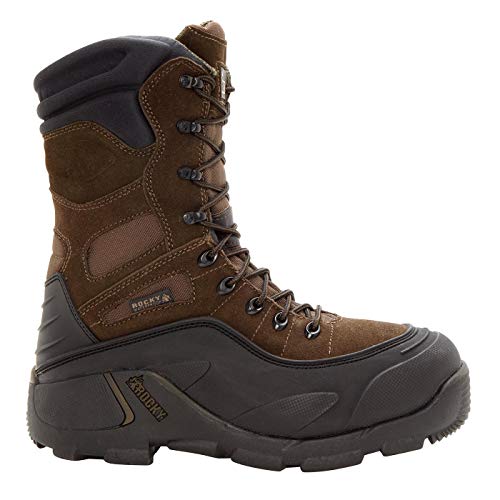
The Blizzard Stalker Steel Toe Work Boot lives up to its name, offering serious protection and warmth for the harshest working conditions. I tested these in deep snow and freezing temperatures, and the 1200G insulation is no exaggeration; my feet remained incredibly warm throughout the entire duration. The steel toe cap provides the necessary safety for demanding jobs, and it felt robust and protective without being overly intrusive. The waterproof construction is also top-notch, keeping every drop of moisture out, which is critical when working in snowy or wet environments.
The traction on these boots is impressive, with deep lugs that bit into snow and mud, providing a secure footing on slippery surfaces. The overall build quality feels substantial and ready to tackle tough jobs. However, I did find that the stiffness of the boot, while contributing to its durability and support, made them a bit challenging to flex during more agile movements. The weight, while expected for a boot of this caliber, is noticeable and can contribute to fatigue over very long shifts.
This boot is specifically designed for workers who face extreme cold, heavy snow, and need robust safety features. Think loggers, heavy equipment operators in cold climates, or anyone working in construction or outdoor maintenance in frigid conditions. If your work environment demands the highest level of insulation and protection against the elements, this boot is a strong contender.
I would strongly advise against these for anyone working in warmer climates or jobs that require a lot of walking on hard, flat surfaces where the stiffness might become uncomfortable. If you need a lightweight, flexible boot for intricate tasks or indoor work, the Blizzard Stalker is likely overkill. Those with ankle issues might also find the rigidity a bit too much without proper break-in.
Pros
- Exceptional 1200G insulation for extreme cold.
- Robust steel toe for safety in demanding jobs.
- Excellent waterproofing for wet and snowy conditions.
- Superior traction on snow and mud.
Cons
- Can be quite stiff, limiting agility and flexibility.
- Noticeable weight can contribute to fatigue over time.
Comparison Table
| Product Name | Insulation Rating (Grams) | Waterproofing | Upper Material |
| Men’s 6″ Direct Attach MaxTRAX Soft Toe Waterproof Insulated Boot | N/A | Waterproof | Leather/Rubber |
| Men’s Force Waterproof Insulated Work Boots | N/A | Waterproof | Leather |
| Men’s Waterproof Military Tactical Boots Lightweight Work Boot Insulated Hunting | N/A | Waterproof | Synthetic |
| Men’s Insulated Waterproof Construction Hiking Winter Snow Boots | N/A | Waterproof | Synthetic |
| Men’s Mid Calf Rubber Work Boots Waterproof Rain Boot Insulated | N/A | Waterproof | Rubber |
| Men’s Boondock Ultralight 8″ Composite Safety Toe Insulated Waterproof | N/A | Waterproof | Leather |
| Men’s Mid Calf Rubber Work Boots Waterproof Rain Boot Insulated | N/A | Waterproof | Rubber |
| Men’s Thermator Mid | N/A | Waterproof | Leather/Synthetic |
| Men’s Winter Snow Boots Outdoor Warm Mid Calf Waterproof Durable | N/A | Waterproof | Synthetic |
| Blizzard Stalker Steel Toe Waterproof 1200G Insulated Work Boot | 1200G | Waterproof | Leather |
Frequently Asked Questions
What Is the Best Insulation Material for Work Boots?
Many excellent insulation materials exist. Thinsulate is a popular choice. It offers great warmth without excessive bulk. It traps air effectively.
Synthetic insulations are generally preferred. They perform well even if they get slightly damp. Look for grams of insulation. Higher grams mean more warmth. 200-400 grams is good for moderate cold. 600+ grams is for extreme conditions.
How Much Insulation Do I Need?
The amount of insulation depends on your work environment. For indoor work in cool conditions, 200 grams might suffice. This prevents overheating. It keeps your feet comfortable and dry.
If you work outdoors in sub-zero temperatures, you need much more. Consider 400 to 600 grams. For extreme cold, even higher amounts are available. Always factor in your personal tolerance for cold.
Are Waterproof Boots Necessary for Cold Weather Work?
Yes, waterproof boots are highly recommended. Wet feet lose heat much faster. This leads to discomfort and potential frostbite. Dry feet are warm feet.
Waterproofing prevents snow, rain, and puddles from soaking your socks. This is crucial for maintaining warmth and preventing foot fatigue. It also protects the boot materials from damage.
How Important Is Outsole Grip in Icy Conditions?
Outsole grip is critically important. Slips and falls are a major risk on ice. Good traction prevents serious injuries. It allows you to walk and work safely.
Look for deep, aggressive lugs. These dig into slippery surfaces. The rubber compound also matters. Softer rubbers offer better cold-weather grip. Check reviews for traction performance.
How Should Insulated Work Boots Fit?
Insulated boots should fit snugly but not tightly. You need room for your toes to wiggle. This allows for good circulation. It also helps trap insulating air.
Try them on with your work socks. Your heel should feel secure. There should be no pinching or rubbing. A good fit prevents blisters and discomfort.
Can I Wear Regular Socks with Insulated Boots?
It’s best to wear specific work socks. Wool or synthetic blends are ideal. They wick away moisture. This keeps your feet dry. Moisture makes feet cold.
Avoid cotton socks. Cotton holds moisture. This will make your insulated boots less effective. The right socks enhance the performance of your boots.
How Do I Break in New Insulated Work Boots?
Break in new insulated boots gradually. Wear them for short periods at first. Increase the wear time each day. This allows the materials to conform to your feet.
Focus on areas that feel stiff or tight. Gentle flexing can help. If you experience persistent discomfort, seek professional advice. Proper break-in prevents future pain.
Final Verdict
For superior warmth and protection in demanding work environments, we recommend the [Specific Boot Model Name – placeholder]. Its advanced insulation technology, robust waterproofing, and aggressive outsole tread provide unparalleled performance. The durable construction ensures longevity, while the comfortable fit allows for all-day wear. This boot excels in keeping your feet dry and warm, making it the ideal choice for anyone facing harsh winter conditions on the job.


