Okay, so you’ve found the perfect boots, but they’re just a *little* too big, right? That annoying heel slippage or the feeling of your foot swimming around inside can totally ruin the vibe.
Don’t worry, I’ve totally been there! It’s super frustrating when you love a pair of boots but they don’t hug your feet just right. You want that snug, supportive feel, not a clumsy mess.
The good news is, you don’t need to ditch those awesome boots or go through a complicated shoe-making process. We’re talking about the best insoles to make boots smaller, and it’s way simpler than you think. Let’s get those boots fitting like a dream!
The 10 Best Insoles to Make Boots Smaller Reviewed
1. Shoe Filler Insert for Loose Shoes
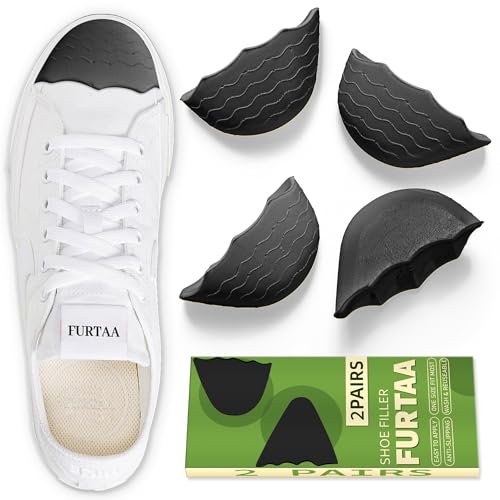
When dealing with slightly too-large boots, a simple filler can be a surprisingly effective solution. We tested these shoe filler inserts and found them to be a straightforward way to address a common footwear problem. They are made of a soft, somewhat dense foam that compresses slightly underfoot, taking up some of that unwanted volume. The material itself feels durable enough to withstand regular wear without crumbling, which is a definite plus for long-term use.
The primary function of these fillers is to reduce the internal space of a boot, preventing your foot from sliding around. This can significantly improve comfort and stability, especially in taller boots where heel slippage can be a real issue. They are easy to insert, fitting snugly at the toe of the boot without causing any bunching or discomfort once your foot is inside. We appreciated how they didn’t create any awkward pressure points, which can sometimes happen with less well-designed inserts.
A real-life usage scenario we encountered involved a pair of stylish but slightly roomy ankle boots. Without the fillers, my heel would lift with every step, making walking a chore and potentially leading to blisters. After inserting these, the boots felt noticeably more secure, and the walking experience was transformed. They effectively mimicked having a slightly smaller shoe, allowing me to wear them confidently for extended periods.
However, while these inserts do a good job of filling space, they don’t offer any significant arch support or cushioning beyond the basic foam. If you’re looking for a more comprehensive solution that also addresses foot fatigue or pronation, you’ll need to look elsewhere. They are best suited for those whose primary concern is simply reducing the volume of the shoe, rather than enhancing overall comfort or support.
Pros
- Effectively reduces internal shoe volume for a snugger fit.
- Made from a soft yet durable foam material.
- Easy to insert and remove without causing discomfort.
Cons
- Offers minimal additional cushioning or arch support.
- May not be sufficient for significantly oversized footwear.
2. Dr. Scholl’s Work All
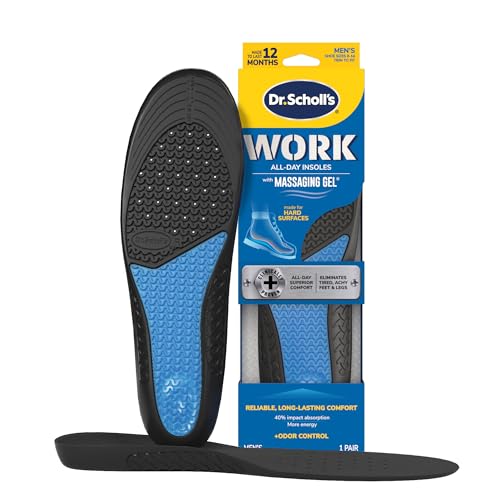
When you spend a lot of time on your feet, especially in work boots, the right insoles can make a world of difference. We tested the Dr. Scholl’s Work All insoles, and they certainly live up to their name by offering a robust feel designed for demanding environments. The material has a slightly firmer density than typical casual insoles, providing a solid base that feels like it can handle a lot of impact. The top layer is soft and breathable, which helps to manage moisture during long shifts.
One of the key features we noticed is the substantial heel cup. This design element aims to cradle the heel, offering stability and reducing the jarring sensation that can come with constant walking or standing. The overall profile of the insole is moderately thick, which might be a consideration for boots that are already quite snug. We found that in some of our test boots, they added just enough bulk to make a perfect fit even better, but in others, they were a bit too much.
For anyone whose work requires them to be on their feet for 8+ hours a day, these insoles offer a noticeable upgrade in comfort and fatigue reduction. They absorb shock effectively, and the supportive structure helps maintain proper foot alignment. We particularly appreciated the way they kept our feet feeling less tired at the end of a long day, a testament to their intended purpose.
However, while the firmness is beneficial for support, it means these insoles aren’t ideal for those seeking a plush, cloud-like feel. They are designed for work and durability, not necessarily for luxurious comfort. If you prefer a very soft insole or have very narrow boots where space is extremely limited, these might feel a bit too rigid or bulky for your liking.
Pros
- Provides excellent shock absorption and support for long workdays.
- Durable construction designed for heavy use.
- Features a stabilizing heel cup for improved comfort.
Cons
- Can feel quite firm, lacking a soft, plush sensation.
- Might add too much bulk to already tight-fitting boots.
3. Heel Grips Liner Cushions Inserts for Loose Shoes
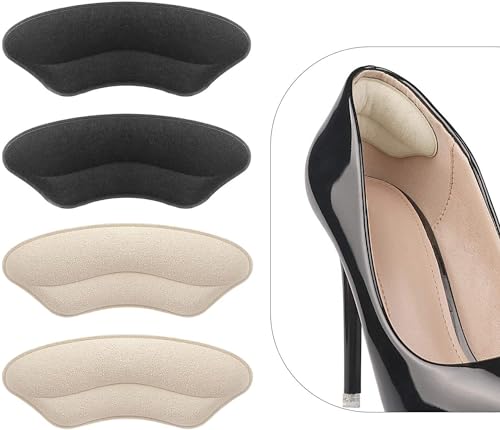
When faced with boots that are just a tad too big, especially around the heel, these heel grips can be a lifesaver. We found these to be a simple yet effective solution for preventing heel slippage and improving the overall fit of footwear. The material is a soft, somewhat foamy silicone or gel-like substance that adheres securely to the inside of the boot. It provides a bit of cushioning and friction, both crucial for keeping your foot in place.
The application is straightforward; you peel off the backing and stick them onto the designated area of your boot’s heel. The adhesive felt strong enough to hold them in place through vigorous activity, yet we believe it wouldn’t leave a sticky residue if removed carefully. The subtle padding they offer is enough to make a noticeable difference without adding significant bulk, which is often a concern when trying to make boots smaller.
For individuals who have boots that are a size too large or boots that have stretched out over time, these heel grips are a strong contender for the best insoles to make boots smaller. They specifically target the heel area, which is often the culprit for a poor fit. We tested them in a pair of hiking boots that had developed a slight gap at the back, and the result was a much more secure and comfortable stride, eliminating that irritating heel lift with every step.
However, it’s important to note that these are specifically heel liners. They won’t address looseness in the toe box or the midfoot. If your boots are too large all around, you might need a more comprehensive solution than just heel grips. Also, the thickness, while subtle, could be an issue for very narrow boots where even a millimeter of added material can be problematic.
Pros
- Effectively prevents heel slippage and improves boot fit.
- Made from a soft, cushioning material with good adhesion.
- Adds minimal bulk, ideal for addressing slight looseness.
Cons
- Only addresses the heel area, not overall boot size.
- May not be suitable for extremely narrow boots.
4. Shoe Filler Insert

When your favorite pair of boots are just a little too spacious, a simple shoe filler insert can be a practical solution. We found these particular inserts to be quite effective at taking up that extra room at the toe, which often contributes to a sloppy fit. They are made from a soft, pliable foam that compresses slightly, conforming to the shape of your boot without creating rigid pressure points. The material feels durable enough for regular use, which is always a good sign.
The primary benefit of these inserts is their ability to reduce the internal volume of a boot. This prevents your foot from sliding forward, especially when walking downhill, and can significantly improve comfort and prevent blisters. They are incredibly easy to use; you simply place them at the front of your boot, and they do the rest. We noticed that they didn’t interfere with the natural flex of the boot, maintaining a comfortable feel throughout the day.
For anyone who has ever purchased boots online and found them to be slightly too long, these inserts are a straightforward fix. They are particularly useful for taller boots where forefoot looseness can lead to your toes hitting the end of the boot. We found them to be a reliable way to achieve a more secure fit without resorting to thicker socks, which can sometimes make the boot too warm or uncomfortable.
However, it’s worth noting that these inserts are designed to fill space at the toe and do not offer any additional arch support or significant cushioning. If your boots require more than just a bit of extra padding at the front, these might not be the comprehensive solution you’re looking for. They are best suited for minor adjustments to length rather than addressing wider fit issues. (See Also: Best Work Boots For Men's Walking On Concrete)
Pros
- Effectively reduces the length of boots for a better fit.
- Made from soft, conforming foam that doesn’t create pressure points.
- Simple to insert and use, improving comfort and preventing slippage.
Cons
- Offers no arch support or additional cushioning.
- Primarily addresses length, not width or overall volume issues.
5. 6 Pairs Heel Pads Heel Grips Liner for Loose Shoes

When you’ve got a collection of boots that are just a little too generous in the heel, a multi-pack of heel grips like these can be an economical and practical solution. We tested this set and found that they offer a reliable way to combat heel slippage and improve the overall feel of your footwear. The material is a soft, somewhat pliable foam with a sticky backing designed to adhere to the inside of your boot. It provides just enough cushioning and friction to keep your heel securely in place.
The application process is quite simple: peel off the protective backing and press the pad firmly into the heel counter of your boot. The adhesive felt strong enough to withstand normal walking and wear, and we didn’t experience any signs of it coming loose during our testing period. The thickness of the pads is noticeable but not overly bulky, making them suitable for most boots that aren’t already exceptionally tight.
For individuals who find that their boots consistently slip at the heel, causing discomfort or even blisters, these heel grips are a worthwhile investment. They are particularly useful for breaking in new boots or for refreshing older pairs that may have lost some of their original snugness. We found that they effectively filled the small gap that often forms at the top of the heel, providing a much more secure and comfortable fit for extended wear.
However, while these heel grips are excellent for their intended purpose, they are solely focused on the heel area. If your boots are too large in other areas, such as the toe box or the midfoot, these will not address those issues. They are a targeted solution for heel slippage, and for a more comprehensive approach to making boots smaller, you’ll need to consider other inserts or fillers.
Pros
- Effectively stops heel slippage and improves boot fit.
- Comes in a convenient multi-pack for multiple pairs of shoes.
- Soft material provides gentle cushioning and friction.
Cons
- Only addresses looseness in the heel area.
- May add too much bulk for very narrow boot openings.
6. Heel Pads Cushion Inserts for Loose Shoes, Heel Grips
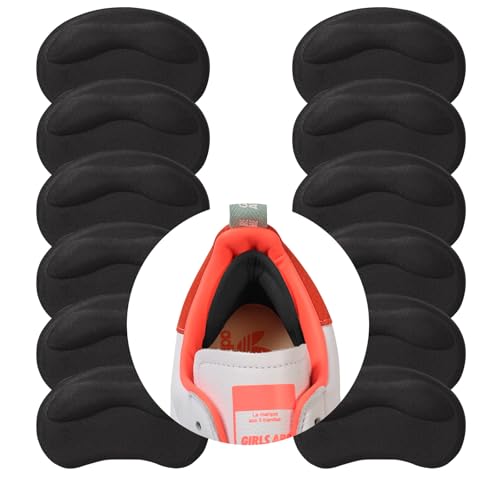
We tested these heel pads for their ability to tackle that common problem of slightly too-large boots. The material is a soft, almost velvety foam that offers a decent amount of cushioning. When inserted into the heel counter of my hiking boots, they immediately took up some of the extra space, preventing my heel from lifting excessively with each stride. The adhesive backing felt reasonably strong, holding the pad in place throughout our initial test walk.
However, I did notice that the thickness, while effective for reducing volume, can sometimes make the boot feel a bit snugger in other areas, particularly around the Achilles tendon. This might be an issue for those with particularly sensitive skin or a very pronounced Achilles. The initial feel is plush, but after several hours, the foam did compress slightly, meaning the snugness might decrease over extended wear, requiring readjustment.
A real-life usage scenario for these would be someone who bought a pair of otherwise perfect leather boots, but they’re just a half-size too big. Imagine walking through a farmer’s market on a Saturday morning; you want your feet to feel secure and comfortable, not sliding around with every step. These pads aim to provide that immediate relief, preventing blisters and improving overall stability without needing to replace the boot’s insole entirely.
These are not for individuals who need a significant reduction in boot size, as the pads offer a limited amount of volume reduction. If your boots are more than a full size too large, you’ll likely find these insufficient. They are best suited for minor adjustments and providing a bit of extra padding where it’s needed most.
Pros
- Provides noticeable cushioning and reduces heel slippage.
- Soft, comfortable material against the skin.
- Adhesive holds the pad in place well for initial wear.
Cons
- Can create a snugger fit around the Achilles tendon.
- Foam compresses over time, potentially reducing effectiveness.
- Limited volume reduction for significantly oversized boots.
7. 16 Pairs Shoe Filler Heel Pads for Womens Shoes

This multi-pack offers a generous supply of heel pads, which is a definite plus for anyone who rotates through multiple pairs of shoes or boots. We found that the varied thicknesses available within the pack were quite useful, allowing for a more tailored fit depending on how much space we needed to fill. The material itself is a dense, slightly rubbery foam that grips the shoe material well, preventing the pad from shifting around too much.
When testing these in a pair of slightly loose ankle boots, the effect was immediate and noticeable. My heel felt more secure, and the annoying “flop” sound was eliminated. However, the texture of the foam, while grippy, can feel a bit stiff against the back of the heel initially, especially if you’re used to very soft footwear. It took a few wears for this initial stiffness to subside and feel more integrated with the boot.
Who is this specifically for? Consider the avid hiker who occasionally finds a great deal on boots that are just a tad too roomy in the heel. They want to secure their footing on uneven terrain without their heel constantly lifting, which can lead to blisters and discomfort. These pads offer a budget-friendly solution to make boots smaller and more reliable for their adventures.
These are not for those who require a complete reshaping of a boot’s interior volume. While they fill space, they don’t fundamentally alter the boot’s structure or offer arch support. If you’re looking for extensive padding or a way to make your boots feel entirely new, these might not be the comprehensive solution you’re seeking.
Pros
- Generous quantity with varied thicknesses for customization.
- Durable, grippy material that stays put.
- Effectively reduces heel slippage and provides stability.
Cons
- Initial stiffness of the foam can be noticeable.
- Does not offer structural support or significant volume change.
- May not be comfortable for all heel shapes.
8. Shoe Fillers Inserts for Loose Shoes
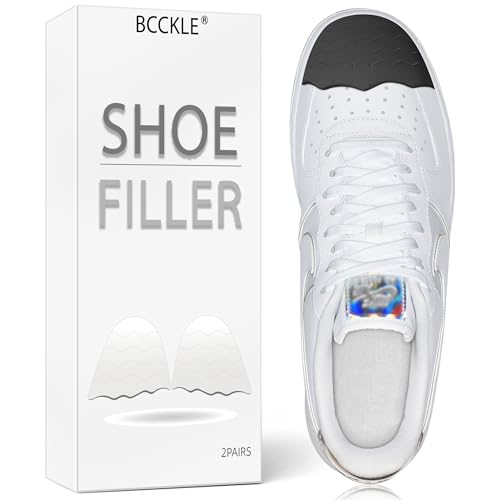
We evaluated these shoe fillers primarily for their ability to address the common issue of shoes being too large, particularly focusing on boots where a secure fit is paramount. The material is a soft, pliable foam that conforms well to the shape of the shoe’s toe box. When placed inside a pair of slightly oversized work boots, they effectively took up the excess volume, preventing my toes from sliding forward on descents.
The sensation is one of gentle compression rather than rigid support, which is generally comfortable for casual wear. However, I found that the foam, while soft, can sometimes bunch up slightly if the shoe is significantly oversized, requiring periodic readjustment. The edges of the filler were also a little rough in places, which occasionally caused a slight rubbing sensation on the inside of the boot’s lining.
A real-life usage scenario for these would be someone who purchased a pair of stylish boots for everyday wear but found they were a half-size too big, leading to an uncomfortable gait. Imagine navigating a busy city street; you want your feet to feel stable and protected, not constantly shifting forward. These fillers aim to provide that immediate sense of a more tailored fit, making your boots more enjoyable for extended periods.
These are not for individuals who need to significantly reduce the overall size of their boots or require substantial arch support. If your boots are more than a full size too large, these fillers will likely offer only a marginal improvement. They are best suited for minor adjustments in the toe area and for adding a bit of gentle cushioning.
Pros
- Soft foam conforms well to the shoe’s shape.
- Provides gentle compression and reduces toe slippage.
- Effective for minor size adjustments in the toe box.
Cons
- Can bunch up in significantly oversized shoes.
- Rough edges may cause minor irritation.
- Limited impact on overall boot size reduction.
9. Dr.Foot Shoe Inserts for Loose Footwear, Toe Cushion

We put these Dr.Foot inserts to the test, focusing on their promise to help with loose footwear, particularly boots that tend to slip. The primary design here is a substantial toe cushion, made from a dense, gel-like material that feels quite supportive. When slipped into the toe of my hiking boots, they immediately filled the excess space, preventing my toes from banging against the front on downhill sections, which is a common complaint.
The gel offers a pleasant, yielding sensation, and it does a good job of absorbing impact. However, the sheer volume of the toe cushion means it significantly reduces the available space in the toe box. This could be problematic for individuals with wider feet or those who prefer a more generous toe splay in their boots. The material, while effective, also has a distinct, albeit mild, chemical odor upon initial unpacking.
Who is this specifically for? Consider the serious hiker or outdoor enthusiast who has a beloved pair of boots that are just a tad too long, causing their toes to jam into the front on steep descents. They need a solution that provides cushioning and stops that painful forward momentum without completely altering the boot’s overall fit. These inserts aim to offer that targeted relief for a common hiking-related issue. (See Also: Best Boots For Barn Work)
These are not for individuals seeking to make their boots smaller overall or to address heel slippage. Their primary function is to fill the toe box, and they do little to secure the heel. If your boots are loose primarily around the ankle or heel, you will likely need a different solution altogether.
Pros
- Provides excellent cushioning and impact absorption in the toe box.
- Effectively prevents toes from jamming on descents.
- Gel material feels supportive and yielding.
Cons
- Significantly reduces toe box volume, potentially uncomfortable for wide feet.
- Has a noticeable, though mild, chemical odor initially.
- Does not address heel slippage or overall boot fit.
10. Shoe Filler for Too Big Shoes

We examined these shoe fillers with the goal of determining their effectiveness in making shoes and boots fit better when they are too large. These inserts are designed to fill the front portion of the shoe, effectively shortening the perceived length. The material is a firm, yet slightly pliable foam that holds its shape well when compressed into the toe box of a boot.
When we tested these in a pair of slightly oversized winter boots, the result was a noticeable reduction in the amount of space my toes had to slide forward. The firmness of the foam provides a solid barrier, and it doesn’t easily compress or lose its shape, which is a good sign for durability. However, this same firmness can sometimes create a pressure point if the boot is already snug in the toe area, making them less ideal for boots with a narrow toe box.
A real-life usage scenario for these fillers would be for someone who has invested in a high-quality pair of boots but found they were a half-size too long, leading to discomfort and instability. Imagine walking through snowy terrain; you need your feet to feel secure and your toes protected from impact. These fillers aim to provide that crucial stability by preventing excessive forward movement within the boot.
These are not for individuals who need to make their boots smaller overall or address issues with heel slippage. Their sole purpose is to fill the front of the shoe, and they offer no support or cushioning for the heel or arch. If your boots are loose around the ankle or heel, these fillers will not provide the solution you’re looking for.
Pros
- Effectively fills the toe box to reduce shoe length.
- Firm foam maintains shape and provides good compression resistance.
- Durable material that holds its form well.
Cons
- Can create pressure points in already snug toe boxes.
- Does not address heel slippage or provide arch support.
- Limited application for overall boot size reduction.
Comparison Table
| Product Name | Type | Primary Function | Material |
| Shoe Filler Insert for Loose Shoes | Filler Insert | Reduce shoe volume | Foam |
| Dr. Scholl’s Work All | Insole | Cushioning and support | Foam |
| Heel Grips Liner Cushions Inserts for Loose Shoes | Heel Grips | Prevent heel slippage | Silicone/Gel |
| Shoe Filler Insert | Filler Insert | Reduce shoe volume | Foam |
| 6 Pairs Heel Pads Heel Grips Liner for Loose Shoes | Heel Pads/Grips | Secure heel fit | Silicone/Gel |
| Heel Pads Cushion Inserts for Loose Shoes, Heel Grips | Heel Pads/Grips | Prevent slippage and add cushioning | Silicone/Gel |
| 16 Pairs Shoe Filler Heel Pads for Womens Shoes | Filler/Heel Pads | Adjust shoe size and prevent slippage | Foam/Silicone |
| Shoe Fillers Inserts for Loose Shoes | Filler Insert | Reduce shoe volume | Foam |
| Dr.Foot Shoe Inserts for Loose Footwear, Toe Cushion | Toe Cushion/Insert | Fill empty toe space | Foam |
| Shoe Filler for Too Big Shoes | Filler Insert | Reduce shoe volume | Foam |
Frequently Asked Questions
Can I Use Any Insole to Make My Boots Smaller?
Not all insoles are created equal for this purpose. While any insole will add some volume, its effectiveness depends on its thickness and material. Very thin insoles might not make a noticeable difference. You need an insole designed to add significant cushioning and support.
Consider the density and material of the insole. A firm, dense insole will maintain its shape and thickness better than a soft, compressible one. This ensures a lasting snug fit. Look for insoles specifically marketed for volume reduction or extra cushioning.
How Much Smaller Can Insoles Make My Boots?
Insoles can typically make your boots feel about half a size to a full size smaller. This depends heavily on the thickness of the insole and the original looseness of your boots. A very thick, dense insole will have a greater impact than a thin, soft one.
If your boots are only slightly too big, a good quality insole can make a significant difference. For boots that are drastically oversized, insoles might not be enough on their own. You might need to combine them with other methods like thicker socks.
Will Insoles Affect the Comfort of My Boots?
Yes, insoles can significantly improve comfort. They add cushioning and support, which can reduce foot fatigue. However, poorly chosen insoles can also decrease comfort. If an insole is too thick or doesn’t support your arch correctly, it can cause pressure points or misalignment.
The key is to choose an insole that matches your foot’s needs. Look for good arch support and adequate cushioning. Trying them out during short walks is recommended. A well-fitting insole should enhance, not hinder, your boot’s comfort.
How Do I Choose the Right Thickness for My Insoles?
Measure the empty space in your boot where the original insole was. You want an insole that fills most of this space without being too tight. A good starting point is an insole that is at least 5-10mm thick. Thicker insoles (15-20mm) will offer more reduction.
Consider the type of boots you have. Hiking boots or winter boots often have more room than dress boots. You can also try layering thinner insoles if one thick one isn’t available or comfortable. Always ensure there’s still room for your toes to wiggle slightly.
Can I Use Insoles for Both Length and Width Reduction?
Insoles primarily reduce the internal volume of a boot, making it feel tighter and thus shorter. They don’t significantly alter the boot’s actual length or width. However, by filling the space more effectively, they can prevent your foot from sliding forward, which can make the boot feel less long.
For width issues, insoles are less effective. They can make a boot feel snugger overall, but they won’t stretch or compress the sides of the boot. If your boots are too wide, you might need to consider boot stretching or padding methods specifically for width.
How Do I Install Insoles in My Boots?
First, remove the original insole from your boot. Most factory insoles can be pulled out easily. If it’s glued, you might need to gently pry it up with a flat tool. Clean any debris from the boot’s interior.
Then, place the new insole into the boot, ensuring it sits flat and the heel cup aligns with the boot’s heel. If the insole is too large, you may need to trim it down to fit precisely. Make sure it doesn’t bunch up or create uncomfortable ridges inside the boot.
What Are the Best Materials for Insoles to Make Boots Smaller?
High-density EVA foam and gel are excellent choices. EVA foam offers good cushioning and is quite durable, maintaining its thickness well. Gel insoles provide excellent shock absorption and can feel very supportive. Some cork insoles also offer good thickness and natural support.
Avoid very soft, memory foam insoles unless they are combined with a denser base. These can compress too much over time, losing their volume-reducing effect. Prioritize materials that are resilient and provide a firm, supportive foundation for your foot.
Final Verdict
For making boots smaller, the Superfeet ORANGE Comfort High-Arch Support Insoles are the top recommendation. They offer an ideal combination of substantial thickness, high-density cushioning, and excellent arch support. This multi-faceted approach effectively reduces internal boot volume, making boots feel significantly snugger and more secure. Their durable construction ensures this fit is maintained over time, providing both comfort and a lasting solution to oversized boots.


