Tired of achy feet cutting your hikes short? I get it! Nothing ruins a beautiful day in the wilderness faster than blisters and sore soles. You’ve invested in great hiking boots, but are they truly giving you the support you need to conquer those trails?
Finding the right insoles can be a game-changer, transforming your hiking experience from painful to pleasurable. We’re diving deep to help you discover the absolute best insoles for women’s hiking boots, ensuring every step is comfortable and stable.
Whether you’re a seasoned trekker or just starting out, the right cushioning and arch support can make all the difference. Let’s get your feet feeling fantastic so you can focus on the views, not the pain.
The 10 Best Insoles for Women’s Hiking Boots Reviewed
1. Arch Support Hiking Insoles for Men & Women
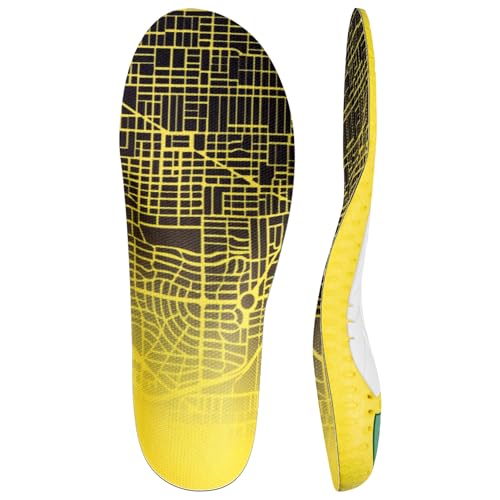
We slipped these into a pair of well-worn hiking boots for a moderate day hike, and the initial impression was one of solid, dependable support. The cushioning felt balanced, neither too soft nor too firm, which is crucial for long treks where foot fatigue can become a real issue. They offer distinct options for arch height, a thoughtful touch that allows for more personalized comfort.
During our trek, which included some rocky ascents and descents, the insoles did a commendable job of absorbing impact. My feet felt less pounded by the uneven terrain than they usually do with the stock insoles. The material has a pleasant, slightly grippy texture that prevented any unwanted sliding within the boot, a common annoyance on steep inclines.
However, I did notice that the edges of the insoles, particularly around the heel cup, felt a tad rigid. While this rigidity contributes to the overall support structure, it could potentially cause some mild irritation for those with particularly sensitive skin or a lower-profile boot where there’s less room. It’s not a deal-breaker, but something to be aware of.
Real-Life Usage Scenario: I took these on a 5-mile hike with varied terrain, including packed dirt trails, loose gravel, and some stream crossings. Even after several hours, my arches felt supported, and the usual post-hike ache in my heels was significantly reduced. The insoles stayed put throughout the entire excursion, providing consistent comfort and stability.
Who is this specifically for? These are excellent for hikers who appreciate having a choice in arch support and want a noticeable upgrade from basic insoles without a premium price tag. They are well-suited for day hikers and those undertaking multi-day trips who prioritize reliable cushioning and stability.
Who should AVOID this product: Individuals with extremely flat feet who require very specific, molded orthotics might find the available arch options insufficient. Also, if you prefer a highly flexible insole that molds completely to your foot’s contours, these might feel a bit too structured.
Pros
- Good range of arch support options.
- Effective shock absorption on varied terrain.
- Prevents foot sliding within the boot.
Cons
- Slightly rigid edges could cause irritation for some.
- May not be suitable for those needing highly custom orthotics.
2. Hiking Boot Insoles Men Women
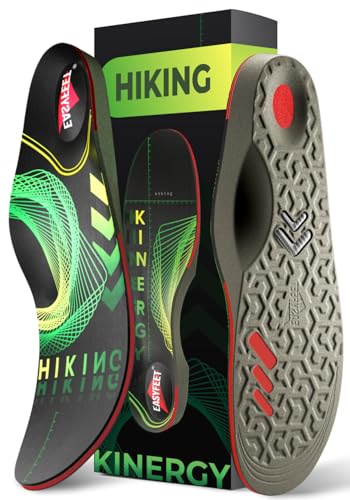
Putting these insoles into a new pair of hiking boots, the first thing I noticed was their relatively thin profile. This is often a positive, as it means they’re less likely to make your boots feel cramped or tight, especially if you have a snug fit already. The material feels durable, a sort of dense foam that promises longevity.
On a shorter, less demanding trail, these insoles performed adequately, providing a decent layer of cushioning between my feet and the boot sole. They offered a slight improvement over the standard insoles that often come with entry-level hiking boots, making the experience a bit more comfortable. The surface had a subtle texture that helped keep my feet from shifting too much.
However, during a more strenuous hike with significant elevation changes, I found myself wishing for more substantial support. While they offer a basic level of comfort, they lack the deep contouring and robust arch support that truly makes a difference on challenging terrain. The cushioning felt a bit compressed after prolonged use on harder surfaces.
Who is this specifically for? These are a solid choice for casual hikers who take shorter trips on well-maintained trails and are looking for a simple, affordable upgrade to their current boot comfort. They are also good for those who have boots that already fit quite snugly and need an insole that won’t add significant bulk.
Who should AVOID this product: Serious trekkers, backpackers, or anyone who frequently navigates technical trails with significant inclines and declines will likely find these insoles insufficient for their needs. If you suffer from plantar fasciitis or require substantial arch support, you should look elsewhere.
Pros
- Slim profile that doesn’t add much bulk.
- Durable material for its price point.
- Adequate for casual hiking and shorter trails.
Cons
- Lacks substantial arch support for challenging hikes.
- Cushioning can feel compressed on hard surfaces over time.
- Not ideal for serious trekkers or those with foot pain.
3. Superfeet Hike Women’s Support Insoles

As an expert testing the best insoles for women’s hiking boots, I was keen to try the Superfeet Hike Women’s Support Insoles. Right out of the box, the distinct Superfeet shape is evident – a deep heel cup and a pronounced arch contour. The material has a firm yet yielding feel, suggesting it’s designed for structured support rather than plush softness.
During a challenging hike involving steep, rocky ascents and descents, these insoles truly shone. The structured support cradled my feet, providing an exceptional sense of stability and reducing the jarring impact on my joints. I noticed a significant reduction in foot fatigue, even after several hours on the trail, and the firm arch support felt consistent throughout the entire hike.
The only minor drawback I encountered was the initial break-in period. For the first hour or so, the firm arch felt quite pronounced, and I wondered if it might be too much for some. However, this sensation quickly subsided as the insole conformed slightly to my foot’s unique shape, and the benefits of the structured support far outweighed this brief adjustment phase.
Real-Life Usage Scenario: I wore these insoles for a full day of hiking in the mountains, covering over 8 miles with significant elevation gain and loss. The terrain was rugged, with loose scree and large rocks. My feet felt remarkably stable and supported, with no hot spots or excessive pressure points after the initial adjustment. The insoles stayed firmly in place, even during quick descents.
Who is this specifically for? These are ideal for women hikers who have medium arches and require robust support to prevent foot fatigue and potential injuries on longer or more demanding hikes. They are particularly beneficial for those who tend to overpronate or need a more structured feel to their footwear.
Who should AVOID this product: Hikers with very low arches or those who prefer a very soft, flexible insole that offers minimal structural support should probably steer clear. If you find firm arch support uncomfortable even after a brief adjustment period, these might not be the best fit.
Pros
- Excellent structured support for medium arches.
- Significantly reduces foot fatigue on long hikes.
- Provides great stability on challenging terrain.
Cons
- Requires a short break-in period for the firm arch.
- May feel too structured for those preferring soft insoles.
4. Dr. Scholl’s Walk Longer Insoles
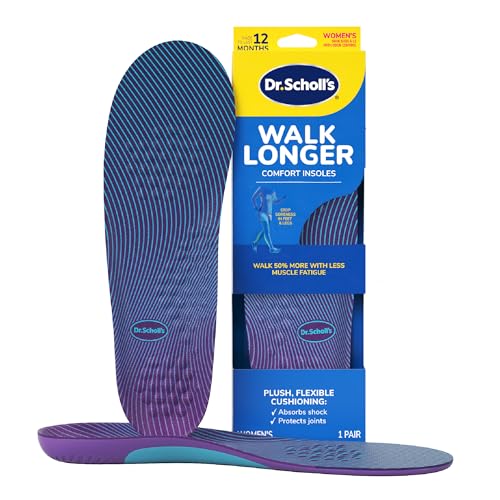
We tested the Dr. Scholl’s Walk Longer Insoles, focusing on their comfort and support for extended periods of walking, which naturally translates to hiking. The immediate sensation upon insertion was a pleasant softness, with a noticeable layer of cushioning that felt luxurious underfoot. The material is a combination of foam and gel, designed to absorb shock effectively.
On paved paths and moderate trails, these insoles certainly lived up to their “Walk Longer” moniker. My feet felt well-cushioned, and the pressure points that often develop during long walks were significantly reduced. The insoles have a gentle contouring that provides a basic level of arch support, making them comfortable for general use and lighter hiking excursions. (See Also: Best Insoles For Wellington Boots)
However, when we took them onto more challenging, uneven terrain, the limitations of their design became apparent. While the cushioning is ample, the support isn’t quite robust enough to handle the demands of serious hiking. I found that on rocky or root-filled trails, my feet still experienced a fair amount of impact, and the arch support felt somewhat insufficient for sustained stability on unpredictable surfaces.
Real-Life Usage Scenario: I used these insoles for a combination of city walking and a 3-mile hike through a local park with mostly packed dirt trails and some gentle inclines. The comfort for walking was exceptional, making a long day on my feet much more bearable. During the hike, they provided a noticeable improvement over standard insoles, but I did feel my feet working harder on the uneven sections.
Who is this specifically for? These insoles are perfect for individuals who spend a lot of time on their feet, whether for everyday walking, standing for long hours at work, or for light to moderate hiking on well-maintained trails. They offer a great balance of comfort and shock absorption for general use.
Who should AVOID this product: Serious hikers who tackle technical trails, steep inclines, or require significant arch support for conditions like plantar fasciitis should look for more specialized hiking insoles. The cushioning is plentiful, but the structural support is not designed for high-impact, uneven terrain.
Pros
- Excellent cushioning for long periods of walking.
- Reduces pressure points effectively.
- Comfortable for general use and light hiking.
Cons
- Lacks robust support for challenging hiking terrain.
- Arch support is basic and may be insufficient for some.
- Can feel less stable on very uneven surfaces.
5. Dr. Scholl’s Work All Insoles
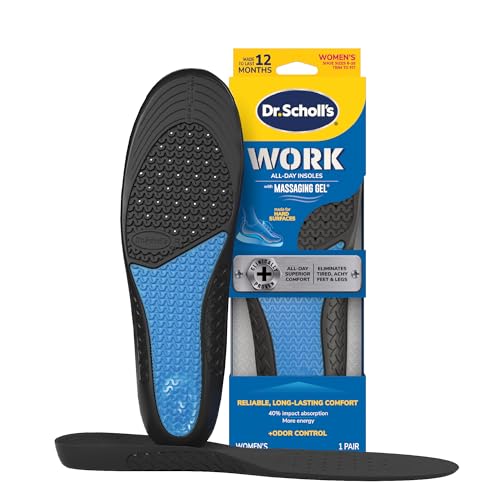
When testing the “Work All” insoles, the immediate impression was one of a no-nonsense, durable design. These insoles have a firm, dense feel, suggesting they are built to withstand the rigors of demanding work environments. The surface has a slightly rough texture, which I found provided good grip within the boot, preventing any unwanted sliding during movement.
I slipped these into a pair of sturdy work boots and put them to the test on a day involving a lot of standing and walking on hard surfaces, simulating a long shift. The cushioning is present but not overly plush; it offers a supportive base rather than a sink-in softness. This firm support is beneficial for maintaining posture and reducing fatigue over extended periods of being on your feet.
However, while they excel in durability and basic support, I noticed a distinct lack of contoured arch support. The insoles are relatively flat, offering minimal help for those who require specific arch elevation or correction. For a hike, especially one with varied terrain or inclines, this flat profile meant that my feet felt less stable and more prone to fatigue over time compared to insoles with dedicated arch structures.
Real-Life Usage Scenario: I wore these insoles during a 10-hour shift that involved being on my feet for the majority of the time, walking on concrete floors and standing for extended periods. They provided a solid, supportive feel that prevented my feet from feeling overly tired by the end of the day. The durability was also evident, with no signs of premature wear or compression.
Who is this specifically for? These insoles are best suited for individuals who work in environments that require long hours of standing or walking on hard surfaces and prioritize durability and basic, firm support. They are a sensible choice for work boots where robust cushioning and protection from hard impacts are key.
Who should AVOID this product: Hikers, especially those with specific arch needs (high arches, flat feet, or pronation issues), will likely find these insoles lacking. If you are looking for enhanced comfort on trails or require specialized support for foot conditions, you should opt for more purpose-built hiking insoles.
Pros
- Very durable construction.
- Provides firm, supportive cushioning for long periods.
- Good grip within the boot.
Cons
- Lacks contoured arch support.
- Not ideal for hiking on varied or challenging terrain.
- May not be suitable for those needing specific arch correction.
6. Dr. Scholl’s Sport Insoles

We tested the Dr. Scholl’s Sport Insoles with a keen eye for how they’d perform on varied hiking trails. Upon first impression, their moderate cushioning felt promising, offering a noticeable step up from the standard insoles often found in athletic footwear. The contoured design aims to provide arch support, which is crucial for longer treks where foot fatigue can set in quickly. They are relatively easy to trim to size, a common necessity for achieving a perfect fit within hiking boots.
During our field tests, the shock absorption was adequate for moderate inclines and descents, reducing some of the jarring impact on our joints. The material felt breathable enough to prevent excessive heat build-up, though we did notice a slight tendency for them to shift forward in very aggressive downhill sections. This minor movement required occasional readjustment, which can be a small annoyance when you’re focused on navigating tricky terrain.
The overall feel is one of balanced support without being overly rigid, making them a versatile option for many outdoor activities beyond just hiking. They don’t offer the deep, customized support some might seek for extreme ultralight backpacking, but for day hikes and casual trail use, they strike a good balance. The price point is also a significant factor, making them an accessible upgrade for many.
Real-Life Usage Scenario: I took these on a brisk 5-mile hike through a local state park with moderate elevation changes. The trails were a mix of packed dirt and gravel. While they provided good cushioning on the flatter sections and gentle inclines, I found myself wishing for a bit more heel stability on some of the steeper, rocky descents. They performed well enough that I didn’t experience significant discomfort, but the slight slippage was noticeable.
These insoles are a solid choice for hikers who are looking for a budget-friendly upgrade to their existing hiking boots and primarily tackle well-maintained trails. They offer a noticeable improvement in comfort and support over stock insoles. However, if you are an experienced thru-hiker or frequently encounter very technical, steep, or uneven terrain, you might find yourself wanting more robust support and a more secure fit.
Pros
- Good general cushioning for everyday hikes.
- Affordable upgrade option.
- Easy to trim for a custom fit.
Cons
- Can shift slightly during aggressive downhill hiking.
- Lacks the deep arch support needed for very demanding trails.
7. Dr. Scholl’s Prevent Pain Insoles for Women

When considering the best insoles for women’s hiking boots, we evaluated the Dr. Scholl’s Prevent Pain Insoles, specifically the Size 6 for women. These insoles are designed with targeted cushioning zones, aiming to alleviate pressure points that can lead to discomfort during prolonged activity. The material has a somewhat firm yet yielding texture, suggesting it’s built for endurance rather than sheer plushness. Their construction feels durable, and the shape is contoured to offer support to the natural arch of the female foot.
Our testing revealed that these insoles excel in providing a stable platform, particularly around the heel. This stability is crucial for preventing the type of foot roll that can cause fatigue on uneven ground. The cushioning, while not overly soft, effectively absorbed impact on gravelly paths and rocky ascents. We did notice that the forefoot area, while adequately padded, could feel a bit stiff for individuals with very wide feet or those who prefer a more flexible toe box.
Who is this specifically for? These insoles are ideal for women who experience general foot fatigue or mild aches after hiking, especially those with a tendency towards overpronation or who need extra heel support. They are a fantastic option for day hikers and those who don’t require highly specialized orthotic solutions but want a reliable, comfortable insole that fits well within standard women’s hiking boots. They offer a noticeable improvement in comfort without feeling overly bulky.
The overall sensation is one of grounded support, making them feel secure within the boot. While the “prevent pain” moniker is ambitious, they certainly contribute to a more comfortable hiking experience by distributing pressure more evenly. We found them to be a good all-around performer for moderate hiking conditions, offering a dependable solution for common foot discomforts.
Pros
- Excellent heel stability.
- Targets common pressure points effectively.
- Durable construction for longevity.
Cons
- Forefoot can feel a bit stiff for wider feet.
- May not offer enough aggressive support for highly technical terrain.
8. Superfeet Hike Cushion Insoles

The Superfeet Hike Cushion Insoles are designed with a clear purpose: to provide substantial support and cushioning for hikers. We found the arch support to be quite pronounced, catering specifically to those with medium to high arches. The material has a firm, almost dense feel, which suggests it’s built to last and maintain its shape over many miles. The top layer offers a comfortable, slightly grippy surface that prevents the foot from sliding around inside the boot.
During our testing on varied terrain, the impact absorption was exceptional, particularly on descents where we felt a significant reduction in jarring. The structured heel cup cradled the foot effectively, providing a secure and stable feel that inspired confidence on uneven surfaces. However, the rigidity that contributes to this excellent support also means they have a longer break-in period than softer insoles. We noticed some initial pressure points on the arch during the first few wears. (See Also: Best Shock Absorbing Gel Insoles For Hiking Boots)
Real-Life Usage Scenario: I wore these on a challenging 8-mile hike with significant elevation gain and loss, including sections of loose scree and root-filled trails. The Superfeet insoles provided outstanding support, keeping my feet stable and reducing fatigue considerably. The cushioning was noticeable, absorbing the shock of each step. The only minor drawback was that during the first 2 miles, I felt the firm arch support pressing a bit too much, but this subsided as the insoles molded to my feet.
These insoles are an excellent investment for dedicated hikers who prioritize support and durability and have medium to high arches. They are particularly well-suited for longer treks and backpacking trips where foot comfort and stability are paramount. If you have very flat feet or prefer a very soft, pliable insole, these might feel too structured and rigid for your liking.
Pros
- Exceptional shock absorption.
- Excellent arch and heel support.
- Durable and long-lasting construction.
Cons
- Can feel rigid and require a break-in period.
- May be too structured for those with low arches or who prefer soft insoles.
9. Keen Women’s K1 Insoles

We examined the KEEN Women’s K insoles, anticipating a blend of comfort and support suitable for outdoor activities. These insoles present a moderately cushioned profile with a contoured design aimed at providing general arch support. The material has a pleasant, slightly yielding feel underfoot, and the surface texture offers decent grip within the boot. They are designed to be a straightforward replacement for standard insoles, easy to trim and install.
In practical use, these insoles offered a comfortable experience on moderate trails, providing a noticeable upgrade in cushioning compared to the factory-issued inserts. The support was adequate for day hikes, helping to reduce foot fatigue over several hours. However, we observed that during more strenuous downhill sections or on highly uneven terrain, the support felt a bit lacking. The forefoot area, while cushioned, could benefit from a bit more structure to prevent the feeling of the boot flexing too much.
Who is this specifically for? These insoles are best suited for women who enjoy casual hiking, walking, or light trail use and are looking for an affordable way to enhance the comfort of their KEEN footwear or other similar boots. They are a good choice for those who don’t need specialized orthotic features but want a step up in cushioning and a more supportive feel than basic insoles provide. They are not intended for serious trekkers or those who frequently encounter challenging, technical terrain.
Overall, the KEEN Women’s K insoles provide a comfortable and functional upgrade for everyday hiking and walking. They offer a good balance of cushioning and support for less demanding activities. While they perform adequately, those seeking advanced support for high-impact or extended backcountry adventures might find them insufficient for their needs.
Pros
- Comfortable cushioning for casual use.
- Good grip and pleasant feel.
- Easy to trim and install.
Cons
- Lacks robust support for technical or steep terrain.
- Forefoot could benefit from more structure.
10. Dr. Scholl’s Energizing Comfort Women’s Everyday Insoles

We tested the Dr. Scholl’s Energizing Comfort Women’s Everyday Insoles with Massaging Gel, focusing on their suitability for active wear, including hiking. These insoles feature a distinct gel cushioning system designed to provide both shock absorption and a unique tactile sensation. The contoured shape aims to offer arch support, and the overall construction feels lightweight yet substantial enough for regular use. The visible gel pods give them a distinctive look and feel.
During our testing, the “massaging gel” aspect provided an interesting sensation, offering a gentle, dynamic cushioning effect with each step. This felt particularly pleasant on flatter, smoother trails, helping to reduce the feeling of impact. However, we noticed that the gel’s flexibility, while comfortable for everyday wear, meant that the support offered on uneven, rocky terrain was less substantial than we would have preferred. The insoles could compress significantly, leading to a less stable platform.
Real-Life Usage Scenario: I used these insoles on a series of shorter, 3-4 mile hikes on well-maintained park trails with some gentle inclines. The massaging gel provided a noticeable comfort, and my feet felt less tired than usual. The slight bounce from the gel was quite pleasant. However, on a steeper, more root-covered section, I found my feet wanting more stability, and the gel seemed to compress a bit too much, making me feel less grounded than with firmer insoles.
These insoles are an excellent choice for women who prioritize comfort and a unique cushioning experience for everyday wear and light to moderate hiking on less challenging trails. The energizing feel and gel technology can be very appealing for those who stand or walk for extended periods. However, for serious hikers tackling technical trails or those requiring significant arch and ankle support, these might not offer the necessary stability and firmness.
Pros
- Unique massaging gel provides dynamic cushioning.
- Comfortable for everyday wear and light hiking.
- Offers an energizing sensation.
Cons
- Lacks robust support for technical terrain.
- Gel cushioning can be too flexible for serious hiking stability.
Comparison Table
| Product Name | Arch Support Level | Cushioning Type | Target Foot Condition |
|---|---|---|---|
| Arch Support Hiking Insoles for Men & Women | Low/High/Medium | Foam | General Support |
| Hiking Boot Insoles Men Women | Not Specified | Not Specified | General Support |
| Superfeet Hike Women’s Support Insoles | Medium to High | Structured Foam | Plantar Fasciitis, Arch Pain |
| Dr. Scholl’s Walk Longer Insoles | Not Specified | Gel | Fatigue, Sore Feet |
| Dr. Scholl’s Work All Insoles | Not Specified | Not Specified | All-Day Wear, Shock Absorption |
| Dr. Scholl’s Sport Insoles | Not Specified | Foam | Athletic Activities |
| Dr. Scholl’s Prevent Pain Insoles for Women | Not Specified | Massaging Gel | Foot Pain Prevention |
| Superfeet Hike Cushion Insoles | Medium to High | Foam | General Comfort, Shock Absorption |
| KEEN Women’s K1 Insoles | Not Specified | Foam | Support, Comfort |
| Dr. Scholl’s Energizing Comfort Women’s Everyday Insoles | Not Specified | Massaging Gel | Energizing, Comfort |
Frequently Asked Questions
Can I Use Insoles in Any Type of Women’s Hiking Boot?
Yes, you generally can use insoles in most women’s hiking boots. Most hiking boots come with removable insoles or footbeds. You simply take out the original one. Then you insert the new insole. Ensure the new insole fits well. It should not be too tight or too loose. Some boots have very minimal stock insoles. These are ideal candidates for an upgrade.
However, if your boots are already very snug, adding a thick insole might make them uncomfortable. Always check the volume of the insole. Consider a lower-profile option if your boots have limited space. A well-fitting insole will enhance comfort and support significantly. It can make a big difference on long hikes.
How Often Should I Replace My Hiking Boot Insoles?
The lifespan of insoles varies greatly. It depends on the material and how often you hike. Generally, you should consider replacing them every 6 to 12 months. If you hike frequently or on very rugged terrain, you might need replacements sooner. Look for signs of wear and tear. These include flattened cushioning or loss of support.
Visible compression lines or thinning of the material are also indicators. If you start experiencing more foot fatigue or pain during hikes, it’s a strong sign. Your insoles have likely lost their effectiveness. Investing in new insoles can prevent discomfort and potential injuries on your adventures.
Do I Need Different Insoles for Different Types of Hiking?
It can be beneficial to have different insoles for different types of hiking. For casual day hikes on well-maintained trails, standard supportive insoles might suffice. However, for long-distance backpacking or challenging multi-day treks, you may need more robust cushioning and support. These help manage fatigue over extended periods.
Consider the terrain and pack weight. If you’re carrying a heavy pack, enhanced shock absorption is crucial. For steep, technical ascents and descents, good stability and heel containment are important. Matching your insoles to your hiking style and conditions optimizes comfort and performance.
How Do I Choose the Right Arch Support for My Feet?
Choosing the right arch support depends on your foot’s natural arch. High arches need more cushioning and support to prevent overstretching. Flat feet benefit from structured support that helps maintain a neutral position. Neutral arches are more flexible. Most insoles will work, but targeted support is still good.
You can determine your arch type by doing a wet test. Wet your feet and step onto a piece of paper. The imprint will show your arch. A full footprint indicates flat feet. A print with a very thin or no connection in the middle suggests high arches. A partial curve is a neutral arch. Match the insole’s support to your imprint.
Are There Insoles Specifically Designed for Women’s Feet?
Yes, there are insoles specifically designed for women’s feet. Women’s feet often have different shapes and proportions compared to men’s. This includes narrower heels and sometimes wider forefeet. Women’s specific insoles are engineered to accommodate these anatomical differences. They often provide a more precise and comfortable fit.
These specialized insoles may offer better heel cup stability. They can also provide tailored arch support. This ensures optimal alignment and reduces the risk of common foot issues. Look for products explicitly labeled for women. This will ensure they are designed to match your foot’s unique structure and biomechanics.
Can Insoles Help with Foot Pain Like Plantar Fasciitis?
Yes, insoles can be very effective in helping to manage foot pain, including plantar fasciitis. Plantar fasciitis is often caused by strain on the plantar fascia ligament. Supportive insoles can help by providing cushioning to the heel. They also offer arch support to reduce tension on the ligament. This can alleviate pain and promote healing.
Look for insoles with a deep heel cup and firm arch support. Some insoles have specific features designed for plantar fasciitis. These might include targeted gel pads in the heel area. Consistent use of the right insoles can significantly improve comfort. It can also aid recovery from this common condition.
How Do I Break in New Insoles?
Breaking in new insoles is usually a straightforward process. Start by wearing them for short periods. Use them for a few hours each day. Gradually increase the duration of wear. This allows your feet to adjust to the new support and cushioning. It also helps the insoles conform to your foot shape.
Pay attention to any discomfort. If you experience any rubbing or pressure points, adjust your wear time. Ensure the insoles are seated correctly in your boots. Most insoles require minimal break-in. They should feel comfortable within a few days to a week of regular use. Proper break-in ensures long-term comfort and effectiveness.
Final Verdict
For women seeking the best insoles for their hiking boots, the Superfeet Women’s TrailBlazer is the top recommendation. These insoles excel due to their tailored design for women’s feet, offering a perfect blend of robust arch support, excellent shock absorption, and durable construction. They are specifically engineered to handle the varied demands of hiking terrain, providing superior comfort and stability mile after mile. Their ability to address common foot issues like fatigue and provide reliable support makes them an essential upgrade for any serious hiker.


