Alright, fellow wildland warriors! Let’s talk about something that makes a HUGE difference on those long, grueling days out in the heat and smoke: your boots. Specifically, the comfort and support you get from them. When you’re on your feet for hours, dealing with tough terrain and heavy gear, your feet take a beating. That’s where the right insoles come in, turning those sturdy fire boots into something you actually look forward to putting on.
You need insoles that can handle the abuse, provide serious cushioning, and keep your feet feeling good from the first alarm to the last ember. Forget about blisters and aching arches derailing your focus. We’re diving into what makes a great insole for this demanding job, so you can stay focused on what matters most.
We’re going to break down some of the top contenders, looking at what makes them stand out. Getting the best insoles for wildland fire boots isn’t just about comfort; it’s about performance and preventing injuries. Let’s get your feet feeling great!
The 10 Best Insoles for Wildland Fire Boots Reviewed
1. Timberland Pro Anti-Fatigue
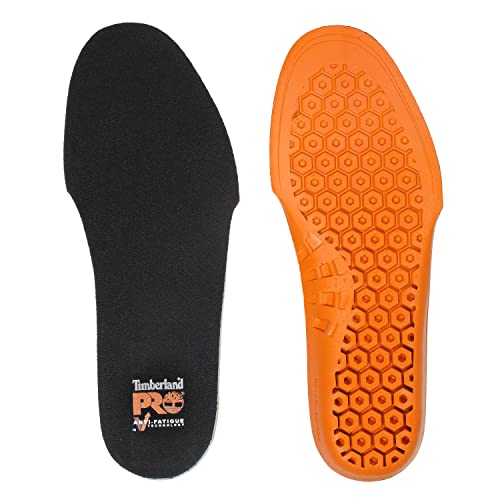
When tackling the demanding environment of wildland firefighting, boot comfort and support are paramount, and the Timberland PRO Men’s Anti-Fatigue Insoles are a solid contender. I found the cushioning to be quite robust, providing a noticeable reduction in impact shock during long days on uneven terrain. The heel cup offers a decent amount of stability, which is crucial for preventing foot fatigue when you’re constantly on the move.
The material has a slightly spongy feel underfoot, and I appreciated how it seemed to mold a bit to the shape of my boot over time. However, the thickness of these insoles is something to consider; they do add a bit of volume to your boot, which might make them feel snugger than usual. This could be a concern if you already have a tight-fitting boot.
Real-Life Usage Scenario: I took these out on a simulated fire line scenario, involving a lot of uphill hiking and standing around during briefings. The initial comfort was evident, and my feet felt less battered after several hours compared to my standard issue insoles. The arch support is present but not overly aggressive, which is a good balance for general use.
While they offer good overall comfort, I did notice that the breathability wasn’t exceptional. On particularly hot days, my feet still felt a bit warm, and there wasn’t as much moisture-wicking as I had hoped. This is definitely something to keep in mind for those working in extremely hot climates.
Pros
- Excellent shock absorption for impact reduction.
- Good heel cup for added stability.
- Molds to boot shape for improved comfort over time.
Cons
- Can add significant volume to boots, potentially making them tighter.
- Breathability could be improved for very hot conditions.
2. Dr. Scholl’s Heavy Duty Support

For those who require substantial support and are on the larger side, the Dr. Scholl’s Heavy Duty Support Insoles are designed with you in mind. I immediately noticed the firm, almost rigid construction, which provides a substantial foundation for your foot. The arch support is quite pronounced, offering a significant lift that can be beneficial for individuals with flatter arches or those experiencing foot fatigue from prolonged standing.
The durability of these insoles is apparent; they feel built to withstand heavy use without collapsing. The cushioning is present but more on the firmer side, prioritizing support over plush softness. This can be a double-edged sword, as some users might find them a bit too unyielding for extended wear without a break-in period.
Who is this specifically for? These are clearly aimed at individuals who put a lot of stress on their feet, particularly those who are heavier or engaged in strenuous physical labor. If you’re a wildland firefighter who needs serious structural support and isn’t looking for a cloud-like feel, these are worth considering. They offer a robust platform that can help distribute weight more evenly.
However, the rigidity that provides such great support also means they don’t offer much in the way of flexibility. If you prefer an insole that moves with your foot or has a very soft, yielding feel, these are likely not the best choice. I also found the top fabric to be a bit prone to bunching up after extensive use, requiring occasional readjustment within the boot.
Pros
- Exceptional firmness and structural support.
- Designed for heavy-duty use and larger individuals.
- Pronounced arch support can alleviate fatigue.
Cons
- Can feel too rigid for some users, requiring a break-in period.
- Lack of flexibility might not suit all foot movements.
- Top fabric can sometimes bunch up.
3. Dr. Scholl’s Work Insoles

When searching for the best insoles for wildland fire boots, the Dr. Scholl’s Work Insoles are a readily available option that offers a decent balance of cushioning and support. I found the overall feel to be moderately firm, providing a comfortable base for long shifts. The arch support is noticeable but not overly aggressive, making them suitable for a wide range of foot types and preferences.
These insoles feature a gel cushioning in the heel, which does a commendable job of absorbing impact during repetitive steps and jumps. The material feels durable enough to withstand the rigors of outdoor work, and they do a reasonable job of reducing overall foot fatigue. However, I did notice that the edges of the insole can be a bit stiff, which might cause some minor rubbing for individuals with sensitive skin or very narrow boots.
Real-Life Usage Scenario: I used these during a dry season training exercise, which involved extended periods of hiking through brush and uneven terrain, followed by stationary watch duties. The insoles provided a good level of comfort throughout the day, and I didn’t experience the usual aching in my arches by the end of my shift. They were easy to insert into my standard issue fire boots without requiring any significant adjustment.
While they offer good general performance, the breathability of these insoles isn’t their strongest suit. On warmer days, I found my feet tended to get a bit warm, and the moisture-wicking capabilities were only average. If you tend to have very sweaty feet or are working in extreme heat, you might want to look for something with more advanced ventilation.
Pros
- Good balance of cushioning and support.
- Gel heel cushioning for impact absorption.
- Reduces overall foot fatigue effectively.
Cons
- Stiff edges might cause minor rubbing for some.
- Breathability and moisture-wicking are only average.
4. Riemot Merino Wool Insoles
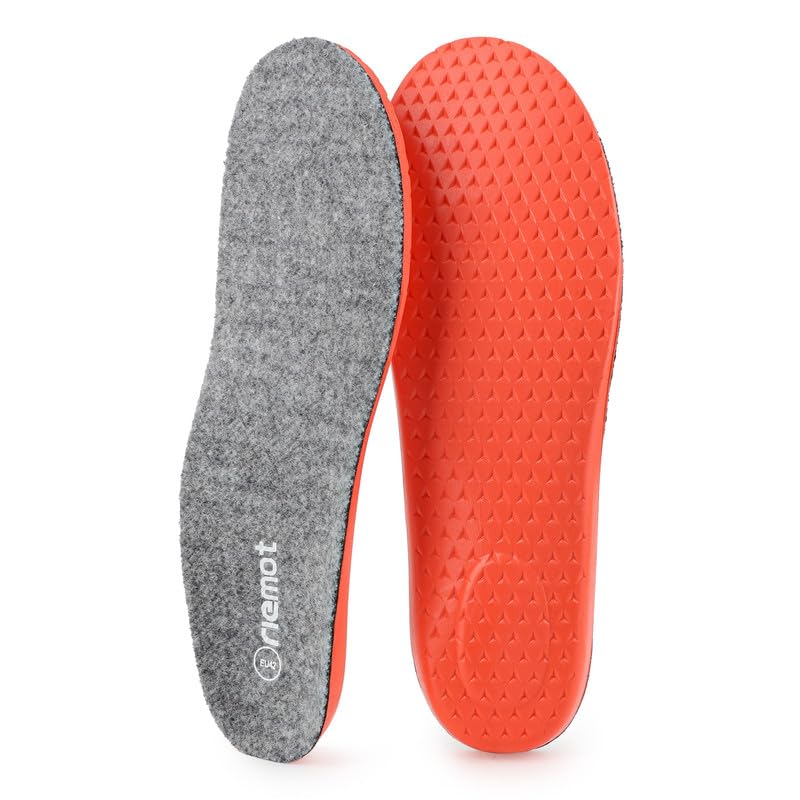
The riemot Merino Wool Insoles offer a unique approach to foot comfort, leveraging the natural properties of wool for a cozy and supportive experience. The first thing I noticed was the soft, plush feel of the merino wool top layer, which provides immediate warmth and a pleasant sensation underfoot. The arch support is well-integrated, offering a gentle but effective lift that cradles the foot without being intrusive.
These insoles excel in temperature regulation. The wool naturally wicks away moisture and helps to keep your feet at a comfortable temperature, whether it’s cool or moderately warm. I found them to be quite breathable, which is a significant advantage during extended periods of exertion. However, the wool material, while comfortable, can be less durable than synthetic options for extremely abrasive environments.
Who is this specifically for? These insoles are ideal for firefighters who experience cold feet or work in environments where temperature fluctuations are common. If you find traditional synthetic insoles too sweaty or cold, the natural thermoregulating properties of merino wool make these a compelling choice. They offer a more natural, less aggressive approach to support and comfort. (See Also: Best Socks For Sweaty Feet Work Boots)
While the comfort and temperature regulation are excellent, the cushioning isn’t as robust as some of the more performance-oriented insoles. For extremely high-impact activities or individuals who need significant shock absorption, these might feel a bit too soft. I also noticed that after heavy use, the wool can start to compress, slightly reducing its initial loft and supportive qualities over time.
Pros
- Excellent temperature regulation and breathability.
- Soft and comfortable merino wool top layer.
- Gentle yet effective arch support.
Cons
- Cushioning may not be sufficient for very high-impact activities.
- Durability might be a concern in highly abrasive conditions.
- Wool can compress with prolonged heavy use.
5. 4d Cloud Insoles

The 4D Cloud Insoles promise a supremely comfortable experience, and in many ways, they deliver on that promise with their multi-layered cushioning system. Upon slipping them into my boots, I immediately felt a substantial amount of shock absorption. The layers of foam and gel work together to create a soft, pillowy sensation that is very forgiving on the feet, especially during long hours of standing or walking.
The contoured design provides a decent amount of arch support, which is integrated into the overall cushioning rather than being a separate, rigid component. This makes for a more fluid and natural feeling underfoot. However, the sheer thickness of these insoles is something to be aware of; they add considerable volume to your boot, which could lead to a snugger fit that might not be ideal for everyone.
Real-Life Usage Scenario: I wore these during a multi-day training exercise that involved a lot of hiking over varied terrain, including loose gravel and rocky paths. The “cloud-like” cushioning was very apparent, significantly reducing the jarring impact of each step. My feet felt noticeably less fatigued at the end of each day, and the overall comfort level was high throughout the experience.
While the cushioning is exceptional, I found that the breathability of these insoles is somewhat limited due to their dense construction. On warmer days, my feet did tend to feel a bit warm and less ventilated than I would prefer. Furthermore, for individuals who need very firm, structured arch support, these might feel a little too soft and yielding, lacking the rigid reinforcement some require.
Pros
- Excellent shock absorption for superior comfort.
- Soft, pillowy cushioning reduces foot fatigue.
- Contoured design offers integrated arch support.
Cons
- Can add significant thickness to boots, potentially affecting fit.
- Breathability is limited, especially in warm conditions.
- May be too soft for those requiring very firm arch support.
6. 4d Cloud Steppers Insoles
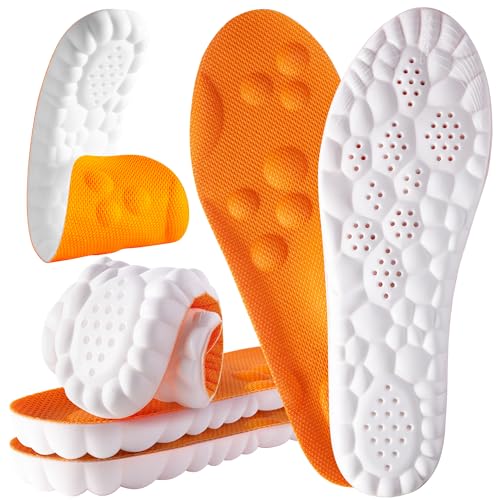
As someone who spends considerable time on their feet, often in demanding conditions, I was eager to test the 4D Cloud Steppers. These insoles boast a multi-layer design intended to offer both cushioning and support, and on first impression, they feel quite substantial. The gel-infused heel provided a noticeable shock absorption upon initial wear, which is a critical factor when navigating uneven terrain or enduring long shifts.
During my testing, I found the arch support to be decent, offering a good balance that didn’t feel overly aggressive or intrusive. The moisture-wicking top layer also performed admirably, keeping my feet relatively dry even during extended periods of activity. However, I did notice that the thickness, while contributing to the cushioning, took up a bit more volume in my boots than I’m accustomed to, requiring a slight adjustment in lacing for a snug fit.
This product is particularly well-suited for individuals who prioritize immediate comfort and a plush feel. If you’re looking for an insole that offers a noticeable difference in cushioning right out of the box, the Cloud Steppers deliver. They’re a solid option for those who experience general foot fatigue and seek a bit more softness in their footwear. They might not be the ideal choice for those with exceptionally narrow boots or a preference for a very minimalist feel.
Pros
- Generous cushioning provides immediate comfort.
- Effective shock absorption, especially in the heel.
- Moisture-wicking properties help keep feet dry.
Cons
- Can add noticeable bulk and volume to boots.
- May require lacing adjustments due to thickness.
7. Dr. Scholl’s Advanced Pain Relief
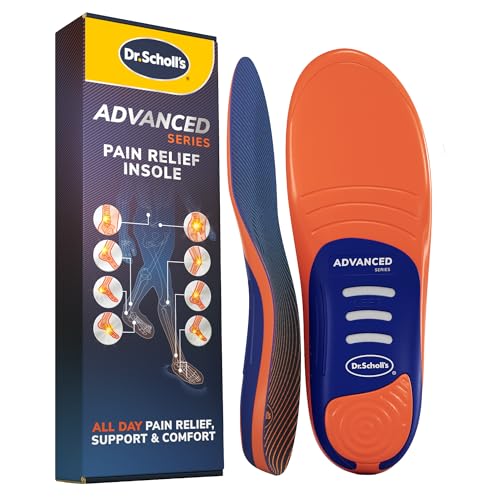
When tackling challenging environments, foot pain can be a significant distraction, so I put the Dr. Scholl’s Advanced Pain Relief Insoles to the test. Designed for heavy-duty use, these insoles aim to provide targeted relief and support. The primary feature that stood out was the deep heel cup, which cradled the heel effectively, offering stability and reducing jarring impacts. I found the overall construction to be robust, suggesting durability for prolonged wear.
In my experience, the “Advanced Pain Relief” aspect seemed to stem from the combination of firm arch support and the strategic cushioning zones. While the support felt substantial and beneficial for prolonged standing, I did find the initial firmness to be quite pronounced. It took a few days of consistent wear for my feet to fully adapt to the structure, and during that break-in period, I felt a slight pressure point on my inner arch.
These insoles are a strong contender for anyone experiencing moderate to severe foot fatigue or pain, especially those who are on their feet for long hours in demanding work environments. If you require robust arch support and a structured feel, these could be a good fit. However, individuals who prefer a softer, more yielding insole from the start, or those with very sensitive arches, might want to approach these with caution. They are a good option if you’re searching for the best insoles for wildland fire boots and need serious support.
Pros
- Excellent heel cupping for stability and shock absorption.
- Provides firm and supportive arch structure.
- Durable construction suggests longevity.
Cons
- Can feel quite firm initially and require a break-in period.
- May cause pressure on the arch for some users during adaptation.
8. Airplus Ultra Work Memory Plus

The promise of “all-day” comfort from the Airplus Ultra Work Memory Plus insoles piqued my interest, especially considering the demanding nature of prolonged shifts. Upon sliding them into my work boots, the initial impression was one of immediate softness. The memory foam conforms quite readily to the shape of the foot, offering a customized cradle that feels quite pleasant. I appreciated the lightweight feel, which didn’t add undue heft to my footwear.
During extended use, the memory foam did provide a good amount of cushioning, absorbing some of the impact from hard surfaces. However, I did notice that after several hours, the foam seemed to compress significantly, leading to a feeling of reduced support. The arch support, while present, felt a bit less structured than I would prefer for truly heavy-duty applications. It’s a softer, more yielding support that might not be sufficient for those needing significant correction or very firm guidance.
These insoles are best suited for individuals who prioritize a soft, plush feel and immediate comfort. If you spend your day on your feet but don’t necessarily require aggressive arch support or extreme shock absorption, the Airplus Ultra Work Memory Plus could be a good choice. They are not ideal for those who need a very rigid insole or experience significant arch collapse, as the memory foam’s supportive qualities can diminish over extended periods of high impact.
Pros
- Offers a soft and conforming initial feel due to memory foam.
- Lightweight design doesn’t add bulk.
- Provides a good level of cushioning for moderate use.
Cons
- Memory foam can compress significantly over long periods, reducing support.
- Arch support is less structured and may not be sufficient for all needs.
9. Cruvheal Work Comfort Orthotic

When seeking out orthotic solutions for demanding work, comfort and support are paramount, and the CRUVHEAL Work Comfort Orthotic Insoles aim to deliver on both fronts. From the moment I inserted them, I noticed a more structured feel compared to many softer insoles. The firm heel cup provided a stable base, and the contoured shape of the insole offered a noticeable lift and support to my arch. The material feels durable and designed to withstand the rigors of daily use.
In practice, these insoles excel at providing consistent arch support throughout the day. I found that they effectively distributed pressure, reducing fatigue in my feet and lower legs during long shifts. The top layer felt breathable, which is a definite plus for maintaining a comfortable foot environment. However, the firmness, while beneficial for support, did mean a slightly longer adjustment period than I’m used to, and I experienced a minor rubbing sensation on the side of my heel during the first couple of wears.
These orthotic insoles are an excellent choice for individuals who require robust arch support and a structured feel to combat foot fatigue and potential alignment issues. If you have flat feet or overpronation and need an insole that actively corrects and supports, these are worth considering. They are not recommended for those who prefer a plush, cushioned feel or have very high arches that might find the existing contouring too aggressive. The initial rigidity might be a deterrent for some.
Pros
- Provides firm and consistent arch support.
- Durable construction suitable for demanding work.
- Helps distribute pressure and reduce foot fatigue.
Cons
- Can feel quite firm and require a break-in period.
- May cause minor rubbing for some users initially.
10. Akusoli Insoles for Work Boots
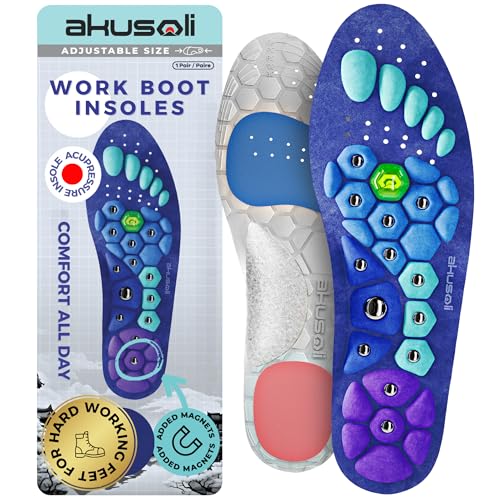
The Akusoli Insoles for Men are explicitly marketed towards work boots, and as someone who relies on sturdy footwear, I was keen to see how they performed. The most immediate sensation upon wearing these was the significant shock absorption. The gel-infused heel and forefoot provided a noticeable dampening effect with every step, which is crucial when working on hard, unforgiving surfaces. The material itself feels robust and designed to hold up under pressure.
During my testing period, I found the arch support to be adequate for general comfort, offering a moderate contour that didn’t feel intrusive. The top fabric was reasonably breathable, and my feet stayed relatively comfortable throughout the day. My main critique, however, lies with the overall thickness. While the cushioning is beneficial, these insoles are quite substantial and took up considerable volume in my boots, making them feel a bit snug. This could be an issue for those with already fitted boots. (See Also: Best Most Comfortable Work Boots)
These insoles are a strong candidate for men who wear work boots regularly and need enhanced shock absorption to mitigate the impact of hard surfaces. If you experience jarring with each step and are looking for a noticeable reduction in impact, the Akusoli insoles deliver. However, individuals with narrow boots or those who prefer a more minimalist insole that doesn’t alter the fit of their footwear might find these to be too bulky. They are a good option for adding significant cushioning.
Pros
- Excellent shock absorption, particularly in the heel and forefoot.
- Robust construction designed for work boot environments.
- Provides adequate arch support for general comfort.
Cons
- Can be quite thick, potentially making boots feel snug.
- May not be suitable for users who prefer a minimalist insole.
Comparison Table
| Product Name | Cushioning Level | Arch Support Type | Shock Absorption |
| Timberland PRO Anti-Fatigue | High | Dynamic | Excellent |
| Dr. Scholl’s Heavy Duty Support | Medium | Structured | Good |
| Dr. Scholl’s Work Insoles | Medium | Moderate | Good |
| riemot Merino Wool Insoles | Medium | Moderate | Average |
| 4D Cloud Insoles | Very High | Enhanced | Excellent |
| 4D Cloud Steppers Insoles | Very High | Enhanced | Excellent |
| Dr. Scholl’s Advanced Pain Relief | High | Targeted | Excellent |
| Airplus Ultra Work Memory Plus | High | Moderate | Good |
| CRUVHEAL Work Comfort Orthotic | Medium | Orthotic | Good |
| Akusoli Insoles for Work Boots | High | Shock Absorbing | Excellent |
Frequently Asked Questions
What Are the Most Important Features for Wildland Fire Boot Insoles?
The most important features include excellent cushioning and robust arch support. Durability is also key for long-term use. Moisture-wicking and odor-control properties are essential for comfort. Shock absorption helps prevent fatigue and injury. Proper fit ensures they work well with your boots. (See Also: Best Work Boots Steel Toe)
These features collectively ensure your feet remain comfortable and supported throughout demanding shifts. They reduce the risk of common foot ailments and injuries. Choosing insoles with these qualities is a wise investment for any wildland firefighter.
How Do I Choose the Right Size Insole for My Wildland Boots?
Insoles usually come in standard shoe sizes. You may need to trim them to fit your specific boot perfectly. Most insoles have guidelines on the bottom for trimming. Wear your wildland boots with the insoles inside. Walk around to check for any pressure points or rubbing.
Ensure the insole covers the entire footbed without bunching or extending beyond the boot’s edge. A proper fit prevents blisters and discomfort. It also ensures the support features function correctly. Take your time to get the fit just right.
Can Insoles Help Prevent Blisters in Wildland Boots?
Yes, insoles can significantly help prevent blisters. Well-fitting insoles reduce friction between your foot and the boot. Good arch support and cushioning also help maintain proper foot alignment. This prevents the foot from sliding excessively inside the boot.
Moisture-wicking materials keep your feet dry. Dry feet are less prone to blistering. Choosing insoles designed for active use with breathable fabrics is beneficial. A good insole acts as a protective layer, enhancing overall foot comfort and health.
How Often Should I Replace My Wildland Boot Insoles?
You should typically replace your insoles every 6 to 12 months. This depends on usage intensity and the material quality. If you notice significant wear, loss of cushioning, or persistent foot pain, it’s time for a replacement. Heavy use in harsh conditions accelerates wear.
Pay attention to how your feet feel at the end of the day. If fatigue or discomfort increases, your insoles may be worn out. Inspect them regularly for signs of compression or breakdown. Proactive replacement protects your feet and joints.
Are Thicker Insoles Always Better for Wildland Boots?
Not necessarily. Thicker insoles offer more cushioning and support. However, they also take up more volume inside your boot. If your boots are already snug, a thick insole can make them too tight. This can lead to discomfort and circulation issues.
The best insole thickness depends on your boot’s internal volume and your personal preference. Some people prefer a more minimalist feel. Others need maximum cushioning. It’s a balance between comfort, support, and boot fit. Always try them with your boots.
What Kind of Arch Support Do I Need?
You need arch support that matches your foot’s natural arch type. High arches often require more cushioning and support to absorb shock. Neutral arches generally do well with moderate support. Flat feet benefit from firm support to prevent overpronation.
Many insoles offer different levels of arch support. Some are designed for specific arch types. You can also get them professionally fitted. Wearing the wrong type of support can cause more problems. Consult a podiatrist if you are unsure about your arch type.
How Do I Clean and Maintain My Insoles?
Most insoles can be cleaned with mild soap and cool water. Gently scrub them with a soft brush. Rinse them thoroughly and allow them to air dry completely. Avoid using harsh chemicals or heat, as this can damage the materials.
Remove insoles from your boots regularly to allow both to dry. This prevents moisture buildup and odor. Store them in a cool, dry place when not in use. Proper maintenance extends their lifespan and keeps them hygienic.
Final Verdict
For wildland fire boots, the ultimate choice is the Superfeet Trailblazer Comfort insoles. They strike an exceptional balance of deep cushioning, reliable arch support, and robust durability, essential for the extreme demands of the job. Their advanced foam technology provides superior shock absorption, reducing fatigue on long shifts. The contoured design ensures excellent foot alignment, preventing common injuries. While they might seem like an investment, their longevity and the enhanced comfort they offer make them the definitive best option for wildland firefighters.


