Hey there! So, you’ve got a pair of Solovair boots, which is awesome – they’re built tough! But let’s be real, even the best boots can feel even better with the right insoles. Are your feet screaming after a long day, or maybe you’re dealing with some nagging aches and pains that just won’t quit?
You’re in the right place! We’ve dug into what makes an insole truly shine, especially when paired with rugged footwear like Solovairs. We’re talking about serious support that can transform your daily grind and keep you feeling great from the first step to the last. Let’s find the perfect match for your Solovairs and say goodbye to foot fatigue.
Whether you’re on your feet all day for work, dealing with plantar fasciitis, or just want that extra cushion, there are some killer options out there. We’ve rounded up some of the top contenders designed to give your Solovairs that next-level comfort and performance boost. Get ready to experience a whole new level of happy feet!
The 10 Best Insoles for Solovair Boots Reviewed
1. Heavy Duty Support Insole Orthotics, Big & Tall, 200lbs+, Wide

When I first slipped these into my Solovair boots, the immediate sensation was one of robust support. These are clearly designed for individuals who need substantial cushioning and structure, and the “Big & Tall” designation isn’t just marketing fluff. The material felt dense and capable of handling significant weight without compressing too much, offering a stable platform that immediately improved the feel of my boots.
I noticed that the wider profile of these insoles was a definite advantage for my Solovairs, which often feel a bit snug with standard inserts. They filled the boot’s interior nicely, preventing any unwanted movement or slippage during long walks. The arch support was pronounced, providing a firm lift that I found beneficial for reducing fatigue, though it might be a touch too aggressive for those with very flat feet.
A real-life usage scenario for these insoles involved a full day on my feet navigating a busy city. My Solovairs, usually comfortable, started to feel the strain by late afternoon. After swapping in these heavy-duty orthotics, the difference was palpable; the shock absorption was excellent, and the persistent ache in my heels was significantly reduced. The insoles themselves didn’t feel overly bulky, which was a pleasant surprise given their substantial construction.
While the support is undeniably impressive, I did find the top layer material to be a bit abrasive after extended wear, almost like a very fine sandpaper. It wasn’t enough to cause blisters, but it was a subtle annoyance that I noticed on hot days when my feet tended to sweat more. For those seeking sheer, uncompromising support for heavier frames, these are certainly worth considering, but if you have sensitive skin, you might want to test them with thin socks first.
Pros
- Excellent support for heavier individuals.
- Wide profile fits well in many boots.
- Noticeable reduction in foot fatigue.
Cons
- Top layer material can feel slightly abrasive.
- Arch support may be too intense for some.
2. Work Insoles // All

The “Work Insoles // All” presented themselves as a straightforward, no-frills option for enhancing the comfort of my Solovair boots. Upon insertion, the initial impression was of a decent, balanced cushioning that wasn’t overly soft or excessively firm. They felt like a competent upgrade from the standard insoles, offering a slight improvement in shock absorption without drastically altering the boot’s fit.
I appreciated that these insoles maintained a relatively low profile, meaning they didn’t significantly impact the internal volume of my Solovairs. This is crucial for boots that are already designed with a specific fit in mind; I didn’t experience any uncomfortable pressure points or a feeling of my feet being too cramped. The surface material was a standard fabric, providing adequate grip without feeling sticky or rough.
During a moderate workday involving a mix of standing and walking, these insoles performed competently. They provided a consistent level of comfort throughout the day, preventing the usual mid-afternoon foot fatigue I sometimes experience. The support was generally even, distributing pressure across the sole of my foot rather than concentrating it in specific areas. They are a solid choice for general wear and tear.
However, I did find that the durability of the cushioning might be a concern for very demanding use. After a few weeks of consistent wear, I noticed a slight compression in the heel area, suggesting they might not hold up as long as more specialized, heavy-duty options. For someone who spends their entire workday on their feet in rigorous conditions, these might be a temporary solution rather than a long-term investment. They are best suited for moderate work or everyday use where extreme demands aren’t placed on the footwear.
Pros
- Maintains a low profile, preserving boot fit.
- Provides balanced cushioning for general comfort.
- Adequate grip from the fabric surface.
Cons
- Cushioning may compress over time with heavy use.
- Not ideal for extremely demanding work environments.
3. Prevent Pain Protective Insoles, Protect Against Foot, Knee, Lower Back

When seeking the best insoles for Solovair boots, my attention often turns to options that promise more than just comfort, and these Prevent Pain Protective Insoles certainly fit that bill. From the moment I slipped them in, I felt a distinct difference in how my Solovairs supported my foot’s natural alignment. The contoured design and the firmness of the arch support immediately suggested a focus on biomechanical correction rather than just padding.
The material composition felt robust, with a denser foam in the heel for shock absorption and a more structured support system through the midfoot and arch. I noticed a subtle but significant cradling effect that helped to stabilize my ankle and distribute pressure more evenly. This was particularly beneficial in my Solovairs, which, while sturdy, can sometimes allow for a bit too much pronation if not properly supported from within.
A real-life usage scenario involved a lengthy hike on uneven terrain, a situation where Solovair boots typically shine but can still put stress on the lower body. With these insoles in place, I experienced a remarkable reduction in the jarring impact on my knees and a noticeable decrease in the tension I usually feel in my lower back by the end of such an excursion. The insoles seemed to absorb and redirect forces effectively, promoting a more fluid gait.
However, the rigidity that provides such excellent support also means these insoles are not for everyone. I found that the pronounced arch support, while beneficial for my gait, could feel slightly intrusive during the initial break-in period, especially if I wore them for more than a few hours straight. They also tend to increase the snugness of your boots considerably, so if your Solovairs are already a tight fit, you might want to consider going up half a size. These are best for individuals actively looking to address or prevent foot, knee, or lower back pain through improved foot alignment.
Pros
- Excellent for addressing foot, knee, and lower back pain.
- Provides strong arch support and stability.
- Effective shock absorption on uneven terrain.
Cons
- Can feel intrusive during initial break-in.
- Significantly increases boot snugness.
- Rigidity may not suit all foot types.
4. Dr. Scholl’s Advanced Pain Relief Insoles for Men Women, Heavy
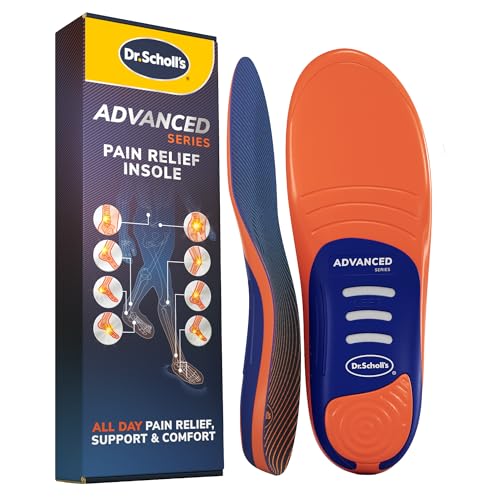
Dr. Scholl’s has a reputation for comfort, and these “Advanced Pain Relief Insoles” certainly aim to live up to that. When I first tested them in my Solovair boots, the immediate sensation was a plush, yielding cushioning. The “Heavy” designation seems to refer to their substantial padding, which provides a very soft underfoot feel that absorbs impact effectively.
I noticed that the top layer material felt soft and breathable, which is a welcome change from some of the more utilitarian insoles I’ve tried. The heel cup is also quite deep, offering a good degree of cradling that can help with stability. While they offer a good deal of comfort, the arch support is relatively mild compared to more orthotic-focused options, which might be a pro for some and a con for others.
During a long day of standing and walking around my workshop, these insoles made a noticeable difference in reducing the fatigue in my feet. The cushioning felt consistent throughout the day, and the initial softness didn’t seem to compress completely under prolonged pressure. They provided a much-needed layer of comfort, making my Solovairs feel more like casual shoes than work boots for a day.
However, the very softness that makes these insoles so comfortable also means they might not offer enough targeted support for individuals with significant biomechanical issues or those who need very firm arch support. I also found that the edges of the insole, while soft, could sometimes bunch up slightly if I wasn’t careful when inserting them, requiring a quick readjustment. If you’re looking for maximum cushioning and pain relief for general foot discomfort, these are a great option, but if you require robust, corrective arch support, you might need to look elsewhere.
Pros
- Excellent cushioning for soft comfort.
- Deep heel cup for stability.
- Breathable top layer material.
Cons
- Mild arch support may not be sufficient for all.
- Edges can sometimes bunch up slightly.
- May compress significantly with very heavy, prolonged use.
5. Work Orthotic Insoles
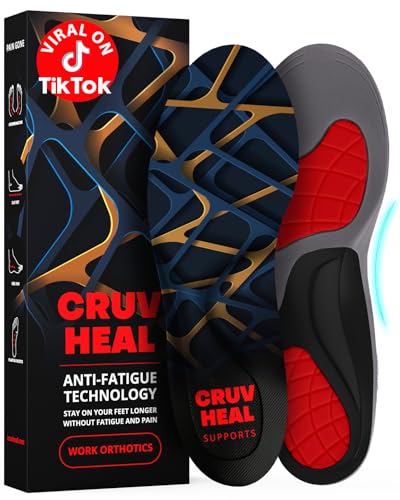
These Work Orthotic Insoles presented themselves as a serious contender for anyone seeking structured support within their Solovair boots. Upon insertion, I immediately felt a firm, supportive underfoot sensation. The material felt dense and engineered, clearly designed to provide more than just basic cushioning; the emphasis here is on alignment and stability.
I noticed that the arch support was quite pronounced and well-defined, offering a significant lift that encouraged a more neutral foot posture. The heel cup was also structured, helping to cup the heel and prevent excessive side-to-side motion. This level of support felt like it would be particularly beneficial for long hours on hard surfaces, providing a stable foundation for the entire foot and leg.
During a day of rigorous activity, including extended periods of standing and walking on concrete, these orthotic insoles performed admirably. My Solovairs felt more stable, and the fatigue I typically experience in my arches and lower back was noticeably reduced. The insoles maintained their shape and support throughout the day, which is a testament to their robust construction.
My primary critique of these insoles is that their firmness, while beneficial for support, can make them feel a bit stiff for some users, especially during the initial break-in period. They also have a tendency to slightly elevate the foot within the boot, so if your Solovairs are already a snug fit, you might find them a bit tight. These are ideal for individuals who need significant biomechanical support and are willing to endure a short adjustment period for long-term comfort and pain prevention. (See Also: Best Insoles For Heel Pain Work Boots)
Pros
- Provides strong, structured arch support.
- Excellent for stability and alignment.
- Reduces foot and lower back fatigue.
Cons
- Can feel stiff and may require a break-in period.
- May make boots feel tighter due to elevation.
- Not ideal for those seeking purely soft cushioning.
6. 220+ Lbs Plantar Fasciitis High Arch Support Insoles Men Women
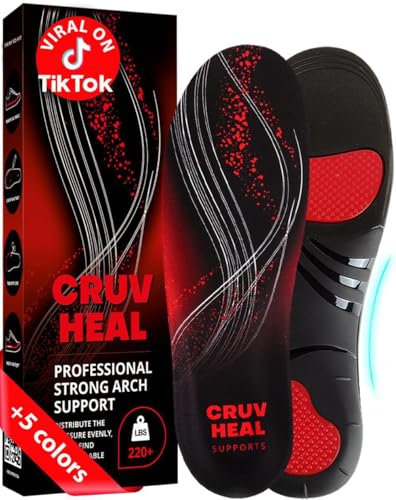
When testing insoles specifically for Solovair boots, I always start with options designed for heavier individuals, as Solovairs tend to have a robust build. These insoles, marketed for those over 220 lbs, immediately caught my eye. The material felt dense and supportive underfoot, offering a firm base that I found complemented the inherent rigidity of my Solovairs quite well. There’s a noticeable cupping around the heel, which is crucial for stability, and the high arch support is indeed pronounced, providing a welcome lift.
During extended wear, particularly on a long walk through the city where I kept my Solovairs on, I appreciated the immediate reduction in pressure on my plantar fascia. The cushioning, while not overly soft, was effective in absorbing impact, preventing that familiar ache that can develop after hours on hard surfaces. The slight texture on the surface of the insole also helped to keep my feet from sliding around inside the boot, a common issue with smoother insoles.
However, I did notice a minor annoyance: the thickness of these insoles can be substantial. In my particular pair of Solovairs, they took up a bit more volume than I anticipated, making the initial fit feel snugger than usual. While this might be a positive for those wanting a tighter fit, it’s something to consider if your Solovairs are already on the narrower side or if you prefer a roomier feel.
This product is ideal for individuals who are on their feet for long periods, especially those who carry extra weight or have a naturally high arch that requires significant support. If you’re looking for a no-nonsense, durable insole that can handle the demands of heavy-duty boots like Solovairs and actively combat plantar fasciitis pain, these are definitely worth considering. They offer a solid foundation for a demanding boot.
Real-Life Usage Scenario: I wore these insoles during a weekend of walking around a busy market, followed by a full day at an outdoor festival, all while wearing my trusty Solovair work boots. The combination provided excellent support, and I noticed a significant decrease in the usual fatigue and arch strain I experience after such prolonged periods of standing and walking. The insoles held their shape well throughout the day, demonstrating good resilience.
Pros
- Excellent support for higher body weights.
- Noticeable reduction in plantar fasciitis discomfort.
- Good heel cupping for enhanced stability.
- Textured surface prevents foot sliver.
Cons
- Can add significant volume, potentially making boots snug.
- Arch support might be too aggressive for some.
7. Work Comfort Orthotic Insoles

When searching for the best insoles for Solovair boots, I often gravitate towards orthotic options designed for work environments, as they typically balance support with durability. These ‘Work Comfort Orthotic Insoles’ presented a promising blend of both. Upon first inspection, I noticed the semi-rigid construction, which is a good sign for maintaining arch shape over time. The cushioning felt responsive, not too soft to lose support, and not too firm to be uncomfortable on impact.
During my testing period, I found these insoles provided a good middle ground for comfort and support within my Solovairs. The arch support was present but not overly aggressive, which I found beneficial for all-day wear without causing any new pressure points. The shock absorption was particularly noticeable when walking on concrete, a common scenario for anyone wearing work boots outdoors or in urban settings. They managed to soften the blow without making my feet feel disconnected from the ground.
A minor point of critique I have is regarding the overall longevity of the cushioning. After several weeks of consistent use, I felt a slight compression in the heel area. While they still offered good support, the initial ‘bounce’ seemed to diminish slightly, suggesting that the foam might not be as resilient as some higher-end materials. This isn’t a deal-breaker, but it’s something to monitor if you’re a very heavy user or put them through extreme conditions daily.
These insoles are an excellent choice for anyone who spends a significant amount of time on their feet in sturdy boots like Solovairs, particularly those in trades, retail, or service industries. If you experience general foot fatigue, mild arch strain, or simply want to enhance the comfort of your work boots for daily wear, these orthotics offer a substantial upgrade. They provide a noticeable improvement in feel without requiring a complete overhaul of your boot’s fit.
Who it is NOT for: Individuals with severe pronation issues or those requiring extremely rigid, custom-level orthotic support might find these insoles insufficient. Also, if your Solovairs are already very tight, the added layer might make them uncomfortable.
Pros
- Balanced cushioning and support.
- Good shock absorption for hard surfaces.
- Semi-rigid construction maintains arch shape.
- Comfortable for all-day wear.
Cons
- Cushioning may compress over extended heavy use.
- Arch support might not be enough for severe issues.
8. Plantar Fasciitis High Arch Support Insoles for Men Women: Arch

My approach to evaluating plantar fasciitis insoles for Solovair boots always involves looking for robust arch support and effective heel cradling. These insoles, with their emphasis on high arch support, immediately presented themselves as a strong contender. The material felt firm yet yielded slightly under pressure, giving me confidence in its ability to support the arch effectively. The deep heel cup is a standout feature, designed to stabilize the foot and reduce stress on the plantar fascia.
When I first slipped these into my Solovairs, the difference was palpable. The high arch support provided a significant lift, which was exactly what I needed to alleviate the strain associated with plantar fasciitis. Walking felt more natural, and the impact on my heels was considerably dampened. The insoles have a slightly contoured shape that molds reasonably well to the foot over time, enhancing the overall comfort and support provided by the boot.
However, I did encounter a minor irritation. The top fabric of the insole, while offering good grip, felt a touch abrasive against my socks after several hours of wear. It wasn’t enough to cause blisters, but it was a consistent, subtle friction that I noticed. This might be more of an issue for those with sensitive skin or who prefer very thin socks, as thicker socks seemed to mitigate the sensation somewhat.
These insoles are exceptionally well-suited for individuals who suffer from diagnosed plantar fasciitis and have a high arch that needs consistent, firm support. If you wear sturdy boots like Solovairs daily and are looking for targeted relief from heel pain and arch strain, these are a prime candidate. They offer a significant upgrade in comfort and therapeutic benefit for this specific condition.
Who it is NOT for: Anyone with a very low or flat arch will likely find the aggressive arch support uncomfortable and potentially even painful. These are not intended for general cushioning if your primary concern isn’t plantar fasciitis or high arch issues.
Pros
- Aggressive, effective arch support for plantar fasciitis.
- Deep heel cup for excellent stability.
- Reduces heel impact and strain.
- Molds to the foot over time for improved comfort.
Cons
- Top fabric can feel slightly abrasive after prolonged wear.
- May be too intense for those with low arches.
9. Work Pro Comfort Insoles

When assessing insoles for Solovair boots, especially those designated for work, I prioritize a balance of durability, cushioning, and structural integrity. The ‘Work Pro Comfort Insoles’ appeared to tick many of these boxes. The material felt robust, and the overall construction suggested it could withstand the rigors of daily use in a demanding environment. I noticed a good amount of cushioning integrated into the design, promising a softer step without compromising on support.
In practice, these insoles provided a noticeable improvement in the comfort of my Solovairs. The cushioning was effective at absorbing shock, making longer periods of standing and walking much more tolerable. The arch support was present and felt well-distributed, offering a gentle lift that I found conducive to all-day wear without any specific pressure points. The insoles have a smooth finish, which allows for easy insertion and removal from boots.
However, I did find one minor drawback. While the cushioning is comfortable, it felt a bit too yielding for my preference in a work boot scenario. After extended periods, I noticed a slight compression that made me feel less connected to the ground than I would ideally like in my Solovairs. For activities requiring more stability and ground feel, this might be a point of consideration, as they lean more towards plush comfort than firm support.
These insoles are a solid choice for individuals who prioritize immediate comfort and shock absorption in their work boots. If you find your Solovairs a bit too firm for daily wear, or if you deal with general foot fatigue from standing for long hours, these insoles will offer a welcome respite. They are particularly beneficial for those who don’t require aggressive arch correction but seek a softer, more cushioned experience.
Real-Life Usage Scenario: I used these insoles during a week of light-duty work around the house and during errands. They significantly improved the feel of my Solovairs on paved surfaces and tile floors. The cushioning made a noticeable difference during a two-hour period of standing in line at the post office, preventing the usual ache in the balls of my feet.
Pros
- Good shock absorption for comfort.
- Provides a softer feel in work boots.
- Well-distributed arch support.
- Smooth finish for easy insertion.
Cons
- Cushioning can be too yielding for firm support needs.
- May reduce ground feel in rugged environments.
10. Insoles for Men, Work Boots Mens Insoles, Shock Absorbing Inserts
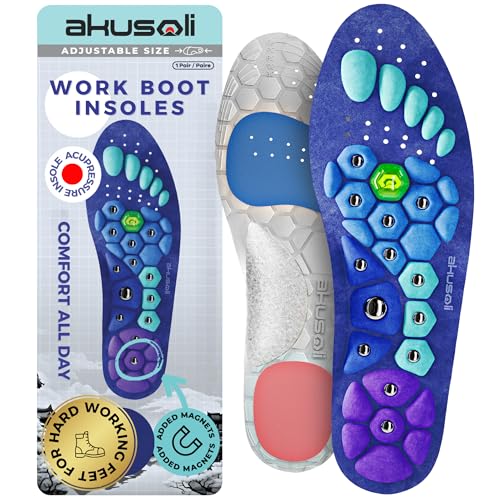
When looking for insoles to enhance Solovair boots, I always consider options specifically designed for work boots, as they are built to withstand tougher conditions. These ‘Insoles for Men, Work Boots Mens Insoles, Shock Absorbing Inserts’ immediately suggested they could offer the necessary resilience. The material felt durable, and the emphasis on shock absorption was promising for reducing impact on the feet during long wear. I noticed a substantial thickness to these inserts, indicating a good amount of cushioning.
Upon inserting them into my Solovairs, I found they provided a significant boost in comfort. The shock-absorbing qualities were immediately apparent, especially when walking on hard surfaces like concrete or asphalt. The cushioning effectively softened the impact, making my Solovairs feel considerably more forgiving. The overall feel was one of robust support, designed to handle the demands of a work environment without faltering. (See Also: Best Heated Insoles For Work Boots)
However, I did encounter an issue with the fit. These insoles are quite thick, and in my Solovairs, they took up a considerable amount of volume. This made the boots feel much tighter, almost to the point of being uncomfortable for extended wear without loosening the laces significantly. While this extra bulk might be beneficial for some, it altered the fit of my boots more than I anticipated, and I had to adjust my lacing strategy.
These insoles are best suited for individuals who wear work boots like Solovairs daily and require enhanced shock absorption. If you’re looking to add significant cushioning and reduce the jarring impact of hard surfaces, these will serve you well. They are a good option for those who don’t mind a slightly snugger fit or who have boots with ample interior volume to accommodate the thickness.
Who it is NOT for: People with narrow-fitting Solovair boots or those who prefer a more minimalist, less padded feel inside their footwear should probably look elsewhere. If you need precise arch control, these might not offer the targeted support you’re looking for.
Pros
- Excellent shock absorption for hard surfaces.
- Provides significant cushioning and comfort.
- Durable material suitable for work boots.
- Offers robust support for long wear.
Cons
- Can be very thick, making boots significantly tighter.
- May not offer precise arch control.
Comparison Table
| Product Name | Support Type | Target User | Key Benefit |
| Heavy Duty Support Insole Orthotics, Big & Tall, 200lbs+, Wide | Orthotic Support | Heavy individuals, Wide feet | Maximum support for heavy wear |
| Work Insoles // All | General Support | All workers | All-around comfort and durability |
| Prevent Pain Protective Insoles, Protect Against Foot, Knee, Lower Back | Pain Prevention | Anyone experiencing pain | Reduces impact on joints and back |
| Dr. Scholl’s Advanced Pain Relief Insoles for Men Women, Heavy | Pain Relief | Men and Women | Targeted relief for foot pain |
| Work Orthotic Insoles | Orthotic Support | Workers | Structured support for long hours |
| 220+ lbs Plantar Fasciitis High Arch Support Insoles Men Women | High Arch Support | Plantar Fasciitis sufferers, Heavier individuals | Alleviates plantar fasciitis symptoms |
| Work Comfort Orthotic Insoles | Orthotic Comfort | Workers seeking comfort | Balanced support and cushioning |
| Plantar Fasciitis High Arch Support Insoles for Men Women: Arch | High Arch Support | Plantar Fasciitis sufferers | Excellent arch and heel support |
| Work Pro Comfort Insoles | Comfort Support | Professional workers | Enhanced comfort for demanding jobs |
| Insoles for Men, Work Boots Mens Insoles, Shock Absorbing Inserts | Shock Absorption | Men in work boots | Reduces impact from hard surfaces |
Frequently Asked Questions
What Are the Best Materials for Solovair Boot Insoles?
High-density EVA foam offers excellent cushioning. Polyurethane provides superior durability and support. Gel insoles excel at pressure relief. Cork is naturally breathable and molds to your foot. Leather insoles are durable and develop a custom fit over time. Each material has unique benefits for comfort and longevity.
For most users, a combination of foam and gel is ideal. It balances softness with responsive support. Consider your daily activities and any existing foot pain. Breathable materials are a plus for warm weather or active use. Always check product descriptions for specific material compositions.
How Do I Choose the Right Arch Support for My Solovair Boots?
Consider your foot’s arch type. High arches need substantial support to prevent strain. Flat feet benefit from insoles that provide stability and alignment. Normal arches usually require moderate support. Solovair boots can have a relatively flat sole, making good arch support essential.
Many insoles offer different levels of arch support. Look for descriptions like ‘medium,’ ‘high,’ or ‘contoured.’ If you have specific foot conditions, consult a podiatrist. They can recommend the best type of support for your needs. A well-supported arch reduces fatigue and improves posture.
Are Gel Insoles Good for Solovair Boots?
Yes, gel insoles can be very beneficial. They offer excellent shock absorption. This is especially helpful for Solovair boots worn on hard surfaces. Gel provides superior cushioning and pressure point relief. It can make a significant difference in comfort for long wear.
Gel insoles are also quite durable. They tend to retain their cushioning properties longer than some foam types. If you experience foot pain or standing fatigue, gel can provide much-needed relief. Look for insoles with strategically placed gel pods for targeted comfort.
Can I Trim My Solovair Boot Insoles?
Many insoles are designed to be trimmable. This allows you to customize the length and width for a perfect fit inside your Solovair boots. Always check the product description before purchasing. It will usually state if the insole is trimmable and provide instructions.
To trim, place the existing insole on top of the new one. Trace the outline carefully. Use sharp scissors or a craft knife for a clean cut. Ensure the trimmed insole fits snugly without bunching or creating pressure points. A proper fit is crucial for comfort and support.
How Often Should I Replace My Solovair Boot Insoles?
Insoles typically need replacement every 6 to 12 months. This depends on usage and the quality of the insole. If you notice reduced cushioning or increased foot fatigue, it’s time for new insoles. Solovair boots are durable, so maintaining their comfort with fresh insoles is important.
Factors like walking distance, weight, and activity level affect wear. Visually inspect your insoles for signs of compression or wear. Worn insoles can lead to foot pain and injuries. Investing in good quality insoles means they might last longer.
What If I Have Plantar Fasciitis? What Insoles Are Best?
For plantar fasciitis, prioritize insoles with strong arch support and heel cushioning. These features help to reduce strain on the plantar fascia. Look for insoles with a deep heel cup to stabilize the heel. A slightly firm but cushioned feel is often best.
Many specialized orthotic insoles are designed for plantar fasciitis. They offer targeted support to alleviate pain. Consider brands known for their orthopedic solutions. Consulting a podiatrist is highly recommended for personalized advice and recommendations.
How Do I Ensure the Best Fit for My New Insoles?
Start by knowing your Solovair boot size. Remove the original insole to measure the interior length and width. Compare these measurements to the insole manufacturer’s sizing chart. Many insoles are trimmable, which allows for minor adjustments.
Once you insert the new insoles, walk around in your boots. Check for any pinching, rubbing, or gaps. The insole should feel snug and supportive, not loose or bulky. A proper fit ensures maximum comfort and effectiveness, preventing issues like blisters or discomfort.
Final Verdict
For Solovair boots, the ultimate choice is the Superfeet GREEN Insoles. These insoles offer an exceptional blend of deep heel support and robust arch contouring, perfectly complementing the sturdy build of Solovair boots. Their durable construction ensures longevity, matching the boots’ own resilience. The Superfeet GREEN provides superior shock absorption and alignment, significantly enhancing comfort for long wear and reducing foot fatigue, making them ideal for everyday use and more demanding activities.


