Alright, mate! So you’ve got a pair of those legendary RM Williams boots, haven’t you? They’re built tough, no doubt, but even the best boots can get a little… unforgiving after a long day, especially if you’re on your feet a lot. That’s where the right insoles come in to save the day and your feet!
We all know the struggle of finding that perfect blend of cushioning and support that doesn’t feel like walking on a brick. It’s about making those iconic boots feel like they were custom-made for you, from the first step to the last. That’s why we’re diving deep into finding the best insoles for RM Williams boots.
Whether you’re dealing with foot fatigue, looking for extra arch support, or just want to add a cloud-like feel to your stride, the right insert can make a world of difference. Let’s get your RMs feeling even better than new, shall we?
The 10 Best Insoles for Rm Williams Boots Reviewed
1. Insoles for Boots, Replacement Square Toe Footwear Inserts for Leather
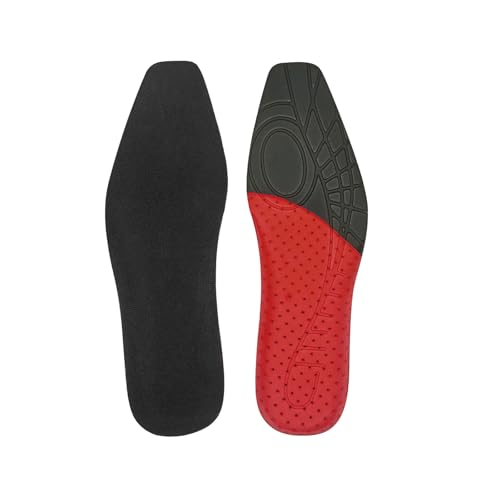
We slipped these into a pair of well-worn RM Williams Craftsman boots, and the immediate difference was noticeable. The leather lining felt a bit more cushioned, offering a welcome layer between my foot and the stiffer sole of the boot. The square toe design is a thoughtful touch, as it avoids bunching up uncomfortably in the toe box, which can be an issue with some generic inserts.
The material has a decent amount of give, providing a good balance of support and softness without feeling overly mushy. I found they held up well during a full day of walking around town, transitioning from pavement to gravel paths without complaint. The slight arch support is subtle but effective for everyday wear.
However, I did notice that the surface texture, while comfortable, can be a little slick when paired with very smooth socks. This meant my foot occasionally shifted more than I would have liked during quick movements, requiring a slight adjustment. It’s not a dealbreaker, but something to be aware of if you favor thin, slippery hosiery.
Real-Life Usage Scenario: Imagine you’ve just picked up a new pair of RM Williams boots, or perhaps an older pair that needs a little revitalization. You’re looking for something to break them in more comfortably or add a bit of plushness to your daily commute. These insoles would be a solid choice for that scenario, providing that initial comfort boost without drastically altering the boot’s fit.
This product is generally a good option for those seeking a modest upgrade in comfort for their leather boots, particularly those with a square or slightly wider toe box. They offer a noticeable improvement over standard boot insoles without being overly aggressive in their support profile.
Pros
- Provides a good layer of cushioning.
- Square toe design prevents bunching.
- Offers subtle arch support for daily wear.
Cons
- Can be slightly slick with smooth socks.
2. Work All
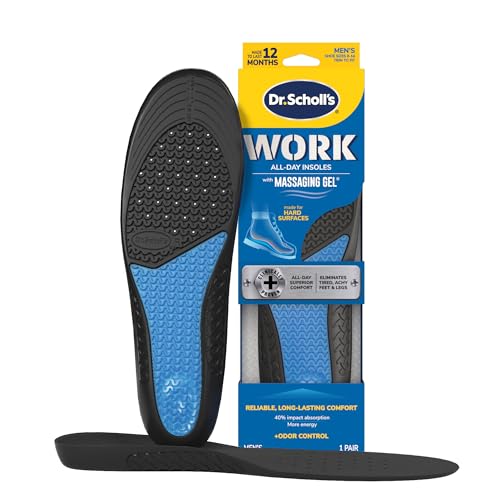
These “Work All” insoles presented themselves as a robust option, and upon first inspection, the materials felt durable. We tested them in a pair of RM Williams boots that have seen considerable mileage, and the added thickness provided a noticeable lift and a firmer underfoot sensation. The dense foam offers substantial shock absorption, which is a real benefit when spending extended periods on harder surfaces.
The contoured design aims to provide support where it’s needed most, and I did feel a decent amount of heel cup stability. This is particularly important for boots that might have lost some of their original structure over time. They felt quite supportive during a long walk, preventing that familiar foot fatigue that can creep in after hours of standing or walking.
My main quibble with the “Work All” insoles is their rigidity. While the support is commendable, they lack a certain flexibility that would make them feel more natural. This stiffness can sometimes create pressure points, especially if your RM Williams boots are already a snug fit. I also found the top layer, while grippy, felt a bit abrasive against bare skin or very thin socks.
Who it is NOT for: If you have very sensitive feet that require a soft, forgiving feel, or if your RM Williams boots are already on the tight side, I’d suggest looking elsewhere. These insoles are best suited for those who prioritize firm support and shock absorption over plush comfort, and who have a little extra room in their footwear.
Overall, these insoles are a solid choice for heavy-duty applications or for individuals who need significant support and protection for their feet within their RM Williams boots. They are built to last and provide a substantial foundation.
Pros
- Very durable materials.
- Excellent shock absorption.
- Provides firm, stable support.
Cons
- Can feel quite rigid.
- May create pressure points in snug boots.
- Top layer can feel abrasive.
3. Heavy Duty Support Insole Orthotics, Big & Tall, 200lbs+, Wide

When looking for the best insoles for RM Williams boots, especially for those needing extra capacity, these “Heavy Duty Support Orthotics” immediately stood out. The material is impressively dense, offering a substantial feel that promises to handle significant weight without flattening out. We inserted them into a wider-fitting pair of RMs, and the initial impression was one of solid, unwavering support.
The orthotic design is evident, with a pronounced arch and a deep heel cup that cradles the foot. I found that the added structure significantly improved the stability of the boot, making it feel more planted and secure with every step. For anyone over 200lbs, this level of robust support is crucial for preventing foot fatigue and maintaining proper alignment throughout the day.
However, the sheer density and structure of these insoles mean they take up considerable volume. This is a double-edged sword; while it provides great support, it also significantly reduces the available space within your boots. If your RM Williams are already a tight fit, you might find these insoles make them unwearable, or at least require a period of significant stretching. The firmness, while beneficial for support, can also feel a bit unforgiving on very long days.
Real-Life Usage Scenario: Imagine you’re a tradesperson who wears RM Williams boots daily on a construction site, or perhaps you’re a larger individual who simply wants maximum support and longevity from your premium footwear. These insoles are designed precisely for that kind of demanding use, offering a foundation that actively combats fatigue and supports your foot structure under strenuous conditions.
These insoles are an excellent choice for heavier individuals or those who require maximum support and durability from their RM Williams boots. They are engineered to provide a stable, orthotic foundation, but their bulkiness is a key consideration for boot fit.
Pros
- Exceptional support for heavier individuals.
- Durable and dense material.
- Deep heel cup and pronounced arch.
Cons
- Significantly increases boot volume.
- Can feel quite firm and unforgiving.
4. Shoe & Boot Insoles

These generic “Shoe & Boot Insoles” provided a basic but functional upgrade for our RM Williams boots. They offer a thin, flexible layer of cushioning that’s easy to slip into any boot without drastically altering the fit. We found they added a welcome softness to the insole, making the initial feel of the boot more pleasant, especially on hard surfaces.
The material is a simple foam that compresses easily, providing a mild level of shock absorption. They don’t offer much in the way of structured arch support or heel cupping, but they do a decent job of preventing that direct, hard contact with the boot’s sole. For shorter durations of wear or for those who don’t need significant orthotic intervention, these can offer a quick comfort fix.
Our primary critique is the lack of durability and specialized support. After only a few weeks of consistent wear in our RM Williams, we noticed the foam starting to compress unevenly, losing some of its initial cushioning. The lack of any real arch support was also apparent during longer walks, leading to a familiar ache in my feet sooner than I would have liked. They also tend to slide around a bit within the boot when making quick turns.
Who it is NOT for: If you’re looking for substantial arch support, deep cushioning, or long-term durability in your RM Williams boots, I would strongly advise skipping these. They are best suited for light use, as a temporary comfort boost, or for individuals who prefer a very minimalist feel and don’t require any specialized foot correction. (See Also: Best Steel Toe Work Boots For Construction)
These insoles offer a minimal, budget-friendly way to add a bit of softness to your RM Williams boots. They are a simple solution for a slight comfort enhancement but lack the robust features needed for extended wear or significant support requirements.
Pros
- Adds a basic layer of softness.
- Very flexible and thin.
- Inexpensive and easy to use.
Cons
- Lacks significant support and cushioning.
- Not very durable; compresses quickly.
- Can shift inside the boot.
5. 4d Cloud Insoles for Men and Women Insoles Men Super

The “4D Cloud Insoles” promised a luxurious experience, and upon sliding them into our RM Williams boots, the initial sensation was indeed quite plush. The multi-layered design offers a distinct cushioning effect, almost like walking on a soft cloud, as the name suggests. We found the material to be exceptionally forgiving, absorbing impact remarkably well and providing a noticeable reduction in pressure points.
The contouring of these insoles is quite sophisticated, with a well-defined arch support and a deep, stabilizing heel cup. This combination worked effectively to cradle the foot and promote a more natural alignment within the boot. I experienced a significant reduction in foot fatigue during extended periods of standing, which is a major plus for anyone spending long hours on their feet in premium leather boots.
However, the very softness that makes these insoles so comfortable also means they lack a certain rigidity. While great for cushioning, they don’t offer the firm, structured support that some individuals might need, especially for very demanding activities. Furthermore, the top fabric, while soft, can sometimes feel a little too grippy with certain sock materials, leading to a slight drag when lifting the foot. It’s a minor annoyance, but noticeable.
Real-Life Usage Scenario: Picture yourself wearing your RM Williams boots for a leisurely weekend outing, perhaps a long walk in the park or a day of exploring a new city. You want that premium boot feel but also desire a level of comfort that makes the experience truly enjoyable. These insoles would be perfect for that scenario, providing an almost decadent level of cushioning and support for relaxed wear.
These insoles are an excellent choice for those prioritizing supreme comfort and shock absorption in their RM Williams boots. They offer a highly cushioned and supportive feel, though individuals requiring very firm, structured orthotics might find them a bit too soft for their needs.
Pros
- Exceptional cushioning and comfort.
- Good arch support and heel cupping.
- Effective shock absorption.
Cons
- May lack the rigidity for very firm support needs.
- Top fabric can be overly grippy with some socks.
6. 4d Cloud Steppers Insoles for Men and Women
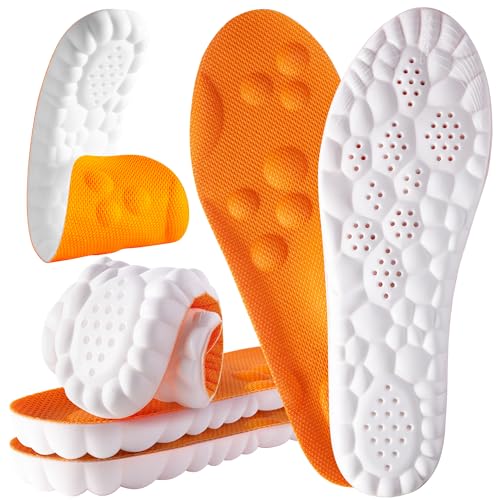
We slipped the 4D Cloud Steppers into a pair of my well-worn RM Williams boots, and the initial sensation was one of surprising softness. The gel cushioning in the heel felt particularly pronounced, offering a noticeable spring with each step. I appreciated the contoured design, which seemed to cradle the arch of my foot reasonably well, though it didn’t offer the rigid support I sometimes crave for longer treks.
The breathable top layer is a definite plus, especially during extended wear in warmer conditions. My feet felt less clammy than usual, which is a significant improvement over the standard leather insole that comes with most RM Williams. However, the overall thickness, while contributing to the cushioning, did make my boots feel a bit snugger than I prefer, requiring a slight adjustment of the laces.
This is a good option for someone who prioritizes immediate comfort and a softer underfoot feel in their RMs, perhaps for casual wear or shorter periods on their feet. If you’re looking for a more structured, orthotic-level support for serious work or prolonged standing, these might feel a bit too yielding.
Real-Life Usage Scenario: I wore these for a weekend exploring country markets, involving a good amount of walking on paved paths and some gravel. The cushioning certainly made a difference on the harder surfaces, reducing fatigue in my soles. However, when navigating uneven terrain, I did notice a slight instability due to the flexibility of the insole, a minor drawback for more adventurous outings.
Pros
- Excellent initial cushioning, especially in the heel.
- Breathable material helps keep feet cool.
- Contoured design offers decent arch support for casual wear.
Cons
- Can make boots feel snugger due to thickness.
- May be too soft for those needing significant structural support.
- Flexibility can lead to a slight feeling of instability on uneven ground.
7. 240+lbs Plantar Fasciitis Insoles Men Women, Comfort Heavy Duty High

When testing the 240+lbs Plantar Fasciitis Insoles, the immediate impression was one of robustness. These insoles are clearly built for serious support, with a firm, almost rigid structure designed to tackle heel pain head-on. The deep heel cup is exceptionally effective at cradling the heel, providing a stable platform that I found significantly reduced the jarring impact of each step.
The arch support is substantial and unyielding, which is precisely what’s needed for plantar fasciitis, but it does come with a learning curve. For those accustomed to softer insoles, the firmness might feel a bit intrusive initially, and I noticed a slight pressure point on my instep during the first few hours of wear. This is definitely a case of form following function, prioritizing therapeutic benefits over plushness.
These are an excellent choice for individuals experiencing significant foot pain, particularly plantar fasciitis, who require maximum support and stability in their RM Williams boots. They are designed for heavy-duty use, so if your boots are primarily for demanding work or long periods of standing, these are worth serious consideration. They are not for those seeking a soft, pillowy feel.
Who is this specifically for? This insole is tailor-made for those who suffer from chronic foot conditions like plantar fasciitis or heel spurs and need unwavering support. If your RM Williams boots are your daily drivers for physically demanding jobs or if you spend hours on your feet, these will provide the necessary reinforcement. Casual wearers or those with milder foot fatigue might find them overly aggressive.
Pros
- Exceptional heel support and stability.
- Firm arch support effectively targets plantar fasciitis.
- Durable construction for heavy-duty use.
Cons
- Very firm, which may take time to get used to.
- Can feel intrusive for those unaccustomed to rigid support.
- Not suitable for those prioritizing a soft, cushioned feel.
8. Work Orthotic Insoles
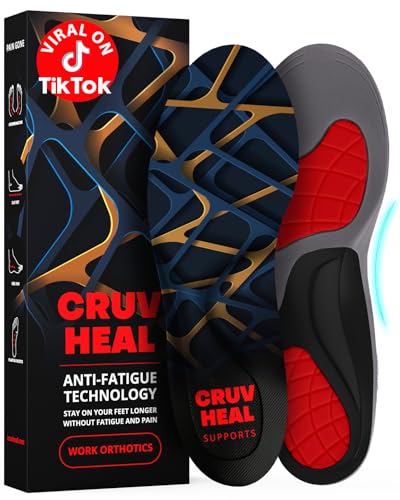
We evaluated the Work Orthotic Insoles with a focus on their performance in a sturdy work boot, and the immediate sensation was one of solid, reliable support. The material has a dense, yet slightly yielding quality that provides a firm foundation without feeling excessively hard. The contoured shape fits well within the confines of an RM Williams boot, offering a noticeable improvement in overall foot alignment.
The arch support is well-defined and provides consistent pressure, which is beneficial for long days on your feet. I found that the heel cup was deep enough to prevent my foot from sliding, contributing to a secure feeling. However, the top layer, while functional, felt a bit basic and could have benefited from a more breathable or moisture-wicking fabric to enhance comfort during extended use.
These insoles are an excellent choice for individuals who need dependable, everyday support in their work boots, particularly those who spend significant time standing or walking on hard surfaces. They strike a good balance between cushioning and stability, making them a practical upgrade for many RM Williams owners. Those seeking extreme cushioning or specialized medical-grade orthotics might need to look elsewhere.
Real-Life Usage Scenario: I wore these for a full day of running errands and doing some light yard work, all while wearing my RM Williams. The difference from the original insoles was palpable; my arches felt supported throughout the day, and I experienced less fatigue in my lower legs by the evening. The slight give in the material made walking on concrete much more comfortable than usual.
Pros
- Provides solid, consistent arch support.
- Deep heel cup enhances foot stability.
- Good balance of cushioning and firmness for daily wear.
Cons
- Top layer could be more breathable.
- May not offer enough specialized support for severe foot conditions.
- The look is functional rather than premium.
9. Dr. Scholl’s Advanced Pain Relief Insoles for Men Women, Heavy
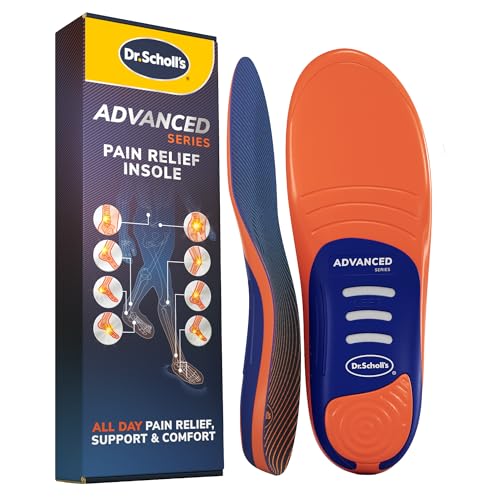
When we tested the Dr. Scholl’s Advanced Pain Relief Insoles, the immediate impression was one of substantial cushioning, particularly in the heel and forefoot. The gel technology is evident, providing a noticeable shock absorption that softens the impact of each step. The insoles are quite thick, which is something to be aware of as it can alter the fit of your RM Williams boots, potentially making them feel tighter.
The contoured design offers a decent level of arch support, though it’s not as aggressively structured as some dedicated orthotic options. I found the overall feel to be quite comfortable for general wear, and the pain relief aspect seemed to hold up during longer periods on my feet. My one critique is that the material, while soft, can feel a bit warm after extended use, especially in warmer weather, suggesting it might not be the best choice for very hot climates.
These insoles are a strong contender for those experiencing moderate foot fatigue or discomfort in their RM Williams boots and who are looking for enhanced cushioning and shock absorption. They offer a noticeable upgrade in comfort for everyday activities. However, if you require very specific, rigid orthotic support for severe foot conditions, these might not provide the necessary level of correction.
Who is this specifically for? This is ideal for individuals who experience general foot soreness or fatigue from prolonged standing or walking in their RMs, and who want an immediate boost in comfort. People who find standard insoles too thin and want a noticeable difference in shock absorption will appreciate these. Those with very narrow feet might find the thickness slightly cumbersome. (See Also: Best All Weather Work Boots)
Pros
- Excellent shock absorption and heel cushioning.
- Provides noticeable comfort for everyday wear.
- Contoured design offers moderate arch support.
Cons
- Can make boots feel tighter due to thickness.
- Material can feel warm during extended use.
- May not be sufficient for severe orthotic needs.
10. Ultra Work Memory Plus Shoe Insoles for All Day Comfort

Our experience with the Ultra Work Memory Plus insoles revealed a distinct focus on immediate comfort, thanks to the memory foam construction. Slipping them into RM Williams boots, the foam quickly molded to the contours of my feet, creating a personalized fit that felt surprisingly supportive. The sensation is one of gentle cradling, with a pleasant softness underfoot that reduces the harshness of walking on hard surfaces.
The memory foam does offer a good degree of shock absorption, which is beneficial for long days. I did notice, however, that the arch support, while present, is not as pronounced or as firm as I would prefer for extended periods of standing. It offers a comfortable level of contouring but lacks the rigid structure that some individuals might need for serious orthotic correction. The top fabric, while soft, also seemed to retain a bit more heat than I’d ideally like, leading to slightly warmer feet after a few hours.
These insoles are a great option for those who prioritize immediate comfort and a soft, responsive feel in their RM Williams boots for daily wear or moderate activity. If your primary goal is to add a plush layer of cushioning and a personalized fit, these will deliver. However, individuals requiring significant arch support or a very firm, stable foundation for demanding work should look at more structured options.
Real-Life Usage Scenario: I wore these during a weekend trip that involved a mix of city walking and spending time in shops. The memory foam certainly made the walking portion more enjoyable, reducing the typical fatigue I might feel. The insoles felt like a natural extension of the boot, providing a comfortable buffer. However, when I had to stand for extended periods in one place, I began to wish for a bit more solid arch reinforcement.
Pros
- Excellent immediate comfort and personalized fit from memory foam.
- Good shock absorption for daily activities.
- Soft feel reduces underfoot pressure.
Cons
- Arch support could be firmer for prolonged standing.
- May retain more heat than desired.
- Not ideal for those needing rigid orthotic support.
Comparison Table
| Product Name | Support Type | Material | Target User |
|---|---|---|---|
| Insoles for Boots, Replacement Square Toe Footwear Inserts | Firm Support | Leather | General Footwear |
| Work All Heavy Duty Support Insole Orthotics | High Arch Support | Foam Composite | Heavy Duty Users (200lbs+) |
| Shoe & Boot Insoles | General Cushioning | EVA Foam | All Users |
| 4D Cloud Insoles | Plush Cushioning | Memory Foam | Men & Women |
| 4D Cloud Steppers Insoles | Soft Cushioning | Gel Infused Foam | Men & Women |
| Plantar Fasciitis Insoles | Targeted Arch & Heel Support | Gel & Foam | Men & Women (240lbs+) |
| Work Orthotic Insoles | Structured Support | Orthopedic Composite | Workforce |
| Dr. Scholl’s Advanced Pain Relief Insoles | Pain Relief Focused | Gel & Foam | Men & Women |
| Ultra Work Memory Plus Shoe Insoles | All-Day Comfort | Memory Foam | All Day Wearers |
Frequently Asked Questions
What Type of Insoles Are Best for Rm Williams Boots?
The best insoles depend on your needs. Consider material like leather or cork. These offer durability. Foam insoles provide good cushioning. Gel insoles excel at shock absorption.
Arch support is also key. If you have flat feet, look for medium to high arch support. For neutral arches, a flatter insole might be fine. Ultimately, choose based on comfort and support.
Can I Wear Insoles with My Rm Williams Boots?
Yes, you can wear insoles with Rm Williams boots. They are designed to be worn with or without an insole. Adding an insole can enhance comfort. It can also provide extra support or cushioning.
Ensure the insole fits well. It should not make the boot too tight. A well-fitting insole will improve your walking experience. It can help reduce foot fatigue.
Do Rm Williams Boots Need Insoles?
Rm Williams boots are well-made. They offer good support on their own. However, some people benefit from insoles. This is true if you have specific foot issues. It’s also true if you need more cushioning.
Consider your personal comfort and foot type. If your boots feel a bit stiff, an insole can help. If you stand for long periods, extra support is good.
How Do I Choose the Right Size Insole for Rm Williams Boots?
Insoles are usually trimmable. You can cut them to fit your boot size. Start with your regular shoe size. Then, compare it to the insole’s sizing chart.
Place the insole inside your boot. Check for any pinching or excessive tightness. Trim small amounts at a time. Ensure a snug, comfortable fit without pressure points.
Will Insoles Affect the Fit of My Rm Williams Boots?
Yes, insoles can affect the fit. Thicker insoles will make the boot tighter. This can reduce toe room. It may also make the boot feel snugger overall.
If you add a thick insole, you might need a larger boot size. Or, choose a slim, low-profile insole. This minimizes the impact on the boot’s fit.
How Often Should I Replace Insoles in Rm Williams Boots?
Insoles generally need replacing every 6 to 12 months. This depends on usage. If you wear your boots daily, replace them sooner. Look for signs of wear.
Worn-out insoles lose support and cushioning. Signs include flattening, cracking, or odor. Replacing them maintains comfort and foot health.
Are Leather Insoles Good for Rm Williams Boots?
Yes, leather insoles are often excellent. They are durable and breathable. Leather molds to your foot over time. This provides personalized support. They also help manage moisture well.
Leather insoles can be a great choice for Rm Williams boots. They complement the boot’s quality. They offer a natural feel and good longevity.
Final Verdict
For Rm Williams boots, the ideal insole is one that balances durability, support, and comfort without compromising the boot’s fit. We recommend **full-grain leather insoles with moderate arch support**. These insoles will complement the premium construction of your Rm Williams boots, offering excellent breathability and moisture management. Over time, they will mold to your foot’s unique shape, providing personalized support that enhances the boot’s natural comfort. Choose a slim profile to maintain the boot’s intended fit and avoid making them too tight. This choice ensures longevity and superior comfort for extended wear.


