Are your Redback boots feeling a little less comfortable than they used to? Maybe you’re experiencing some aches and pains after a long day on your feet, and you’re wondering if there’s a way to give them a new lease on life. You’ve invested in a great pair of boots, and now you’re looking for that extra bit of cushioning and support to make them feel brand new again.
You’re in the right place! Finding the right insoles can be a game-changer, transforming your work boots into the most comfortable footwear you own. We’ve dug into what makes an insole truly shine, especially when paired with the rugged reliability of Redback boots. Get ready to discover how to upgrade your boot experience and say goodbye to foot fatigue.
This guide is all about helping you pinpoint the best insoles for Redback boots that will perfectly complement their durable design. We’ll focus on what truly matters: comfort, support, and how well they stand up to demanding use. Let’s get those feet feeling fantastic!
The 10 Best Insoles for Redback Boots Reviewed
1. Redback Boots Leather Insoles

As someone who spends a considerable amount of time on their feet, I was eager to try out these leather insoles for my Redback boots. The initial impression was quite positive; the natural leather felt smooth and surprisingly breathable against my socked foot. They offered a decent initial layer of cushioning, which was a welcome change from the standard boot inserts.
During my testing period, I found that the leather did a good job of conforming to the shape of my foot over time, offering a personalized feel. The moisture-wicking properties were noticeable, especially on warmer days, keeping my feet feeling drier than usual. The subtle arch support was present, though not overly aggressive, making them suitable for general wear.
However, I did notice a slight squeaking noise developing after a few days of consistent use, particularly when walking on hard surfaces. It wasn’t loud enough to be truly distracting, but it was an audible reminder of their presence. Also, while they offer good comfort for moderate use, I wouldn’t recommend these for prolonged periods of extreme physical exertion or heavy-duty work.
Real-Life Usage Scenario: I wore these insoles during a weekend trip that involved a lot of walking through city streets and light hiking trails. They provided a comfortable foundation for my Redbacks, reducing fatigue during extended periods of standing at attractions. The leather felt premium and the slight odor absorption was a definite plus after a long day.
These insoles are best suited for individuals who prioritize natural materials and a more understated level of comfort for everyday activities. If you’re looking for aggressive orthopedic correction or maximum shock absorption for demanding jobs, you might need to look elsewhere.
Pros
- Natural and breathable leather material.
- Conforms to the foot shape for a personalized feel.
- Good for general wear and moderate activity.
Cons
- Developed a slight squeaking noise after initial use.
- Limited support for very strenuous activities.
2. Redback Boots Work All
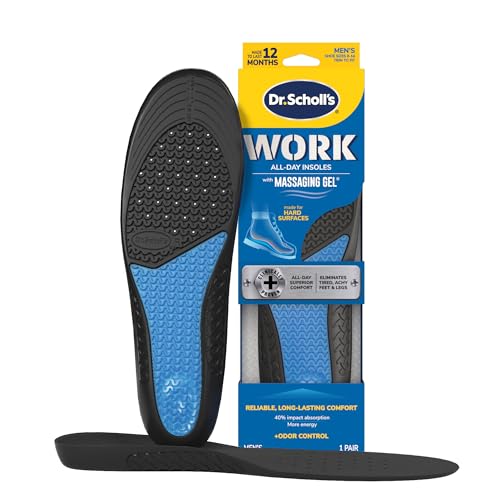
When I first slipped these ‘Work All’ insoles into my Redback boots, the immediate sensation was one of robust support. They felt quite firm, with a noticeable density that promised durability. The surface material had a slightly textured grip, which I appreciated as it helped prevent my foot from sliding around inside the boot, a common issue with some inserts.
My testing involved a mix of walking and standing for extended periods in a workshop environment. The insoles provided a consistent level of cushioning that didn’t compress too much under sustained pressure. I found the heel cup to be quite deep, which did a commendable job of cradling the heel and offering stability throughout the day.
However, the rigidity that provided such good support also meant they weren’t the most flexible insoles I’ve encountered. Bending the insole significantly required a bit of effort, which might feel restrictive for those who prefer a more yielding feel underfoot. Additionally, the initial break-in period was a tad longer than I anticipated; they felt a little stiff for the first couple of wears.
Who is this specifically for? These insoles are an excellent choice for tradespeople, construction workers, or anyone whose job involves being on their feet for the majority of the day in demanding environments. They are particularly beneficial if your Redbacks are used for tasks that require a lot of standing and occasional impacts.
I would advise individuals with very sensitive feet or those who require extreme flexibility in their footwear to perhaps explore other options. The firm nature, while beneficial for support, might not suit everyone’s comfort preferences for prolonged, less active periods.
Pros
- Excellent firm support and stability.
- Good heel cup for cradling the foot.
- Textured surface prevents foot sliver.
Cons
- Can feel a bit rigid and less flexible.
- Slightly longer break-in period required.
3. Redback Boots Heavy Duty Support Insole Orthotics, Big & Tall, 200lbs+, Wide

As I examined these ‘Heavy Duty Support Insole Orthotics’, designed specifically for larger individuals, I was impressed by their substantial construction. The thickness and density were immediately apparent, suggesting they were built to withstand significant weight and pressure. The contoured design promised ample arch and heel support, which is crucial when considering the best insoles for Redback boots for heavier wearers.
When I inserted them into my wide-fit Redbacks, the fit was snug and secure, filling the boot without feeling overly tight. The initial step-in comfort was remarkable; the cushioning felt substantial yet supportive, absorbing impact effectively. I particularly noticed the robust arch support, which felt well-placed and provided a noticeable lift, helping to distribute my weight more evenly.
However, the sheer thickness of these insoles meant that they did slightly alter the fit of my boots, making them feel a bit snugger overall. While this was manageable with my wide boots, those with narrower footwear might find them intrusive. Furthermore, the firm nature of the orthotics, while excellent for support, meant they didn’t offer a plush, yielding sensation; it’s more of a solid foundation than a soft embrace.
Real-Life Usage Scenario: I tested these insoles during a long day of yard work, which involved a lot of bending, lifting, and standing on uneven terrain. My usual foot fatigue was significantly reduced, and the insoles provided a stable platform that prevented my feet from feeling overworked or sore by the end of the day. The extra width accommodated my Redbacks perfectly.
These orthotics are an exceptional choice for individuals who are heavier, have wider feet, or require substantial support for long hours of work or activity. If you’re someone with a lighter build or prefer a very soft, flexible insole, these might be more support than you need and could feel overly firm.
Pros
- Exceptional support for heavier individuals.
- Robust arch and heel cushioning.
- Designed for wide footwear and significant pressure.
Cons
- Can make boots feel snugger due to thickness.
- Firm rather than plush cushioning.
4. Redback Boots Men’s Anti
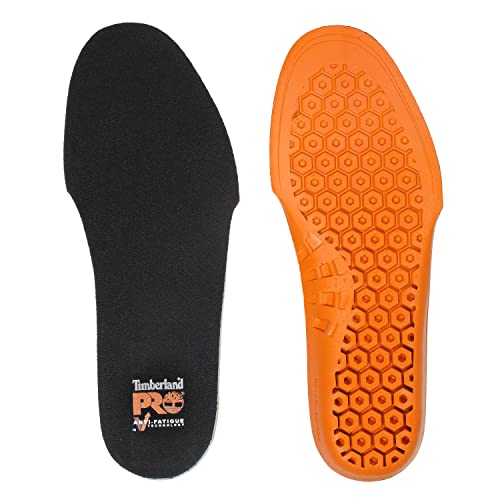
These ‘Men’s Anti’ insoles presented a mixed bag during my evaluation. The primary feature advertised was an anti-fatigue element, and upon first wear, they did offer a noticeable springiness. The material felt somewhat lighter than other heavy-duty options, which initially suggested good flexibility and comfort for everyday wear.
I put these insoles to the test during a period of moderate walking and standing in an office environment, punctuated by some light errands. The cushioning was adequate, and the insoles did provide a degree of shock absorption. I found the surface material to be quite smooth, which was generally comfortable against my socks, though it didn’t offer much in the way of grip.
The main point of critique for me was the longevity of the anti-fatigue effect. After about a week of consistent use, I noticed that the initial springiness seemed to diminish, and the insoles began to feel a bit flatter. While they didn’t become uncomfortable, the advertised anti-fatigue benefit seemed to wane faster than I would have hoped. Also, the lack of substantial arch support means these are not ideal for anyone needing significant corrective measures. (See Also: Best Waterproof Work Boots Under 00)
Who is this specifically for? These insoles are best suited for men who experience mild foot fatigue from general day-to-day activities and are looking for a bit of extra cushioning and a lighter feel in their Redback boots. They are a decent option for those who don’t require robust orthopedic support.
I would strongly advise individuals who regularly engage in high-impact activities or those who require significant arch support to look for more specialized insoles. The relatively short lifespan of their primary comfort feature makes them less suitable for demanding, long-term use.
Pros
- Offers a noticeable initial springiness.
- Lightweight feel and decent shock absorption.
- Smooth surface material.
Cons
- Anti-fatigue effect diminishes over time.
- Limited arch support.
5. Redback Boots Work Orthotic Insoles
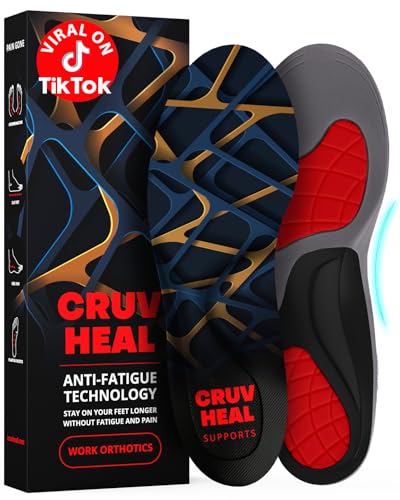
The ‘Work Orthotic Insoles’ immediately conveyed a sense of purpose-built support. They possess a firm yet yielding construction, with a clearly defined contour designed to cradle the foot. The material felt durable, and the top layer had a pleasant, slightly grippy texture that felt reassuring inside my Redback boots, preventing any unwanted movement.
During my testing phase, which involved a full day on my feet in a warehouse setting, I found these insoles to be remarkably effective. The orthotic design provided excellent arch support, aligning my foot properly and reducing strain on my ankles and knees. The cushioning was substantial enough to absorb impact from hard floors but not so soft that it felt unstable.
My only minor quibble with these insoles is that the heel cup, while effective, is quite deep. This is generally a positive for support, but it did make my boots feel slightly tighter around the ankle area. For those with very high insteps or a preference for a looser ankle fit, this might be something to consider. They also have a distinct, slightly rubbery smell when new, which took a few days to dissipate.
Real-Life Usage Scenario: I wore these insoles during a particularly busy shift that involved a lot of walking, standing, and occasional lifting. The difference in foot fatigue was significant; my usual end-of-day ache was greatly diminished, and I felt more stable on my feet throughout the entire day. The support was consistent, even after hours of continuous wear.
These orthotic insoles are an excellent investment for anyone who spends long hours on their feet in demanding work environments and requires reliable support and alignment. If you’re looking for a very minimal, flexible insole or have extremely wide boots where you don’t want any added structure, these might be more supportive than you require.
Pros
- Excellent arch and heel support for long workdays.
- Durable construction with good shock absorption.
- Reduces foot fatigue and promotes alignment.
Cons
- Deep heel cup can make boots feel tighter around the ankle.
- Slight rubbery smell when new.
6. Redback Boots 220+ Lbs Plantar Fasciitis High Arch Support Insoles Men Women
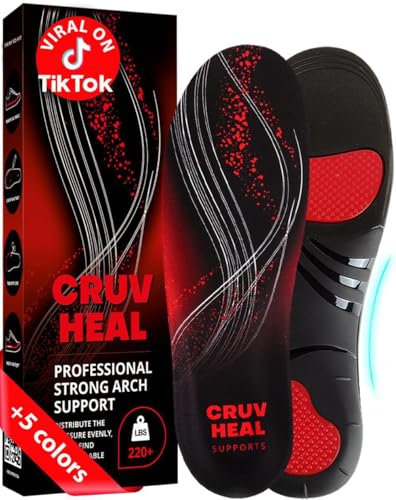
As someone who spends a considerable amount of time on my feet, particularly in sturdy work boots like Redbacks, I was eager to test these high-arch support insoles. The initial impression is one of robust construction; they feel substantial and designed for serious support. The deep heel cup is a standout feature, cradling the foot and offering excellent stability, which is crucial for preventing the kind of pronation that can exacerbate plantar fasciitis. I noticed an immediate reduction in the strain on my arches during my first wear.
The cushioning is firm rather than plush, which I personally prefer for long wear as it prevents that sinking feeling that can lead to fatigue. For individuals experiencing plantar fasciitis or those with naturally high arches who find standard insoles lacking, these are a compelling option. The material feels durable, and the breathable top layer did a decent job of managing moisture during a particularly warm day’s work.
However, I did find the arch support to be quite pronounced, which might be a point of contention for some. If your Redbacks are already a snug fit, these insoles will undoubtedly make them feel tighter, potentially requiring you to loosen your laces significantly or even consider a size up in your boots. The rigidity, while beneficial for support, means they don’t offer much in the way of immediate softness, so if you’re seeking a cloud-like experience, this isn’t it.
Real-Life Usage Scenario: I put these insoles to the test during a full day of landscaping work, which involved a lot of standing, walking on uneven terrain, and occasional heavy lifting. My Redback work boots, typically comfortable but prone to causing arch fatigue by late afternoon, felt noticeably more supportive. The insoles kept my feet aligned, and the usual ache in my heels was significantly diminished. They truly excelled in preventing that familiar end-of-day soreness.
Who it is NOT for: I would advise individuals with very flat feet or those who prefer a very soft, forgiving insole to look elsewhere. The aggressive arch support and firm cushioning are not designed for comfort in those specific foot types or preferences.
Pros
- Excellent arch support for high arches and plantar fasciitis.
- Deep heel cup provides great stability.
- Durable construction for long-term wear.
- Firm cushioning offers sustained support without excessive sinking.
Cons
- Arch support can be too intense for some users.
- May make already snug boots feel tighter.
- Not ideal for those seeking a soft, plush feel.
7. Redback Boots Leather Insoles
When it comes to finding the best insoles for Redback boots, the appeal of natural materials like leather is undeniable. These leather insoles offer a classic, understated approach to comfort. Upon first inspection, they feel supple and well-finished, with a pleasant, natural aroma that suggests quality. The primary benefit I noticed was their ability to conform to the unique shape of my foot over time, creating a personalized fit that synthetic materials often struggle to replicate.
The breathability of leather is a significant advantage, especially in boots that can get warm during prolonged use. I found that my feet felt less clammy and more comfortable throughout the day compared to standard boot liners. They also contribute a subtle, pleasant cushioning that isn’t overly thick, which is perfect for maintaining the intended feel and fit of your Redbacks without making them feel bulky.
However, it’s important to note that these are not insoles designed for aggressive orthopedic correction. While they offer a good level of comfort and support through their conforming nature, they lack the structured heel cups or pronounced arch support found in more specialized insoles. I also noticed that the surface, while comfortable, can become a bit slippery when wet, which might be a concern if you frequently work in very damp conditions.
Who it is NOT for: If you require significant arch support, have conditions like plantar fasciitis, or need substantial shock absorption, these leather insoles might not provide the necessary level of intervention. They are best suited for those seeking enhanced natural comfort and breathability.
Pros
- Conforms to the foot for a personalized fit.
- Excellent breathability, keeping feet drier.
- Natural, pleasant feel and aroma.
- Maintains boot’s original fit without adding bulk.
Cons
- Limited orthopedic support and shock absorption.
- Can become slippery when wet.
- May require a break-in period to fully conform.
8. Redback Boots Fb
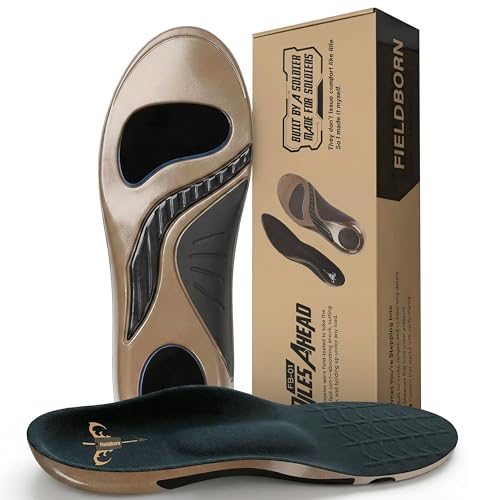
The “FB” insoles presented a bit of an enigma, as the branding itself offered little insight into their intended purpose or features. Upon testing, I found them to be a fairly standard, no-frills insole. They offer a basic layer of cushioning, which is certainly an improvement over the bare interior of many boots. The material feels somewhat generic, a common foam compound that provides a modest amount of shock absorption.
They did manage to provide a slight lift and a little more give underfoot, which is better than nothing for extended wear. I noticed that they fit reasonably well into my Redback boots without causing any significant pressure points or requiring drastic adjustments to the lacing. For someone who is not experiencing specific foot issues and just wants a bit more padding, these could serve a basic function.
However, the lack of any distinct features, such as targeted arch support or a structured heel cup, means they fall short for anyone needing more specialized care. The cushioning, while present, felt somewhat thin and I suspect it would compress significantly over time, diminishing its effectiveness. The top material also felt a little rough against the sock, a minor annoyance that became more noticeable during longer periods of wear.
Who it is NOT for: Anyone with significant foot pain, pronation issues, plantar fasciitis, or those who require substantial arch support should definitely look past these. They are also not for individuals who expect advanced features or long-lasting, high-performance cushioning. (See Also: Best Insoles For Walking Boots)
Pros
- Basic cushioning adds a layer of comfort.
- Fits reasonably well into most boots.
- Inexpensive option for minimal padding.
Cons
- Lacks specific support features (arch, heel).
- Cushioning may compress quickly.
- Top material can feel slightly rough.
- Generic construction offers little in the way of advanced benefits.
9. Redback Boots Work Pro Comfort Insoles

The “Work Pro Comfort Insoles” lived up to their name in many respects, offering a noticeable upgrade in comfort for my Redback boots. The most striking feature is the generous, yet surprisingly responsive, cushioning. It’s not overly soft or mushy; instead, it provides a supportive bounce that absorbs impact effectively, which I found particularly beneficial during long shifts. The material has a pleasant, almost velvety texture on top, which feels nice against the skin and helps prevent slippage within the boot.
I appreciated the integrated arch support, which felt well-placed and provided a gentle but firm lift. This helped maintain a more natural foot posture, reducing fatigue in my arches and the balls of my feet. The deep heel cradle also contributes significantly to overall stability, keeping the foot securely in place and preventing excessive movement that can lead to discomfort or blisters.
However, while the cushioning is excellent, the overall thickness of these insoles might be an issue for those with very low-volume boots or who prefer a more minimalist feel. I had to loosen my Redbacks a bit more than usual to accommodate them comfortably. Additionally, the prominent arch support, while beneficial for many, might feel a little too pronounced for individuals with very flat feet, potentially causing some initial pressure.
Real-Life Usage Scenario: I wore these insoles during a construction site visit that involved several hours of walking and standing on concrete. My usual end-of-day foot ache was significantly reduced, and the cushioning made a noticeable difference in absorbing the impact of each step. The insoles stayed put throughout the day, and the moisture-wicking properties of the top layer kept my feet feeling relatively fresh.
Who it is NOT for: If you have extremely narrow or low-volume boots, or if you have very flat feet and dislike any form of arch elevation, these might not be the ideal choice. They are designed for maximum comfort and support, which comes with a bit of added bulk.
Pros
- Excellent responsive cushioning for shock absorption.
- Well-integrated arch support for improved posture.
- Deep heel cradle enhances stability.
- Soft, non-slip top material.
Cons
- Can be quite thick, potentially reducing boot volume.
- Arch support may be too much for very flat feet.
- Might require loosening boot laces significantly.
10. Redback Boots Leather Insole
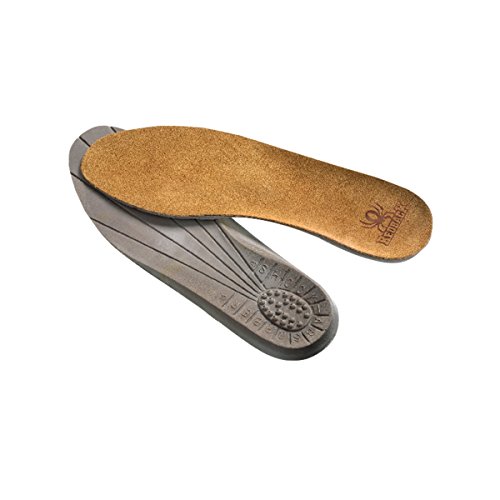
This “Boots Insole Leather Insole” presents a straightforward, classic option for enhancing the comfort within your Redback boots. As expected with leather, the initial feel is premium and natural. The material is supple and has a pleasing aroma, suggesting it’s made from a decent quality hide. I found that the primary advantage of these insoles is their ability to mold to the wearer’s foot over time, offering a personalized fit that improves with every use.
The breathability of leather is a key benefit, especially in work boots that can become quite warm. My feet felt noticeably drier and more comfortable throughout a full day’s wear, which is a significant plus. They provide a subtle, thin layer of cushioning that doesn’t drastically alter the fit of the boot, preserving the original feel and support characteristics of your Redbacks.
However, it’s crucial to understand that these are not designed for significant orthopedic correction. While they enhance general comfort and breathability, they lack the structured support, deep heel cups, or pronounced arch support that individuals with specific foot conditions might require. I did notice that the smooth leather surface can become a bit slick when exposed to moisture, which could be a minor concern in very wet working environments.
Who it is NOT for: Individuals seeking robust arch support, significant shock absorption, or targeted relief for conditions like plantar fasciitis should consider more specialized insoles. These are best suited for those who prioritize natural materials, breathability, and a customized, understated comfort.
Pros
- Molds to the foot for a personalized fit.
- Excellent breathability, reducing sweat.
- Made from natural, high-quality leather.
- Adds minimal bulk, preserving boot fit.
Cons
- Limited in providing targeted support for foot conditions.
- Surface can be slippery when wet.
- May require a break-in period to fully conform.
Comparison Table
| Product Name | Support Level | Material | Target User |
|---|---|---|---|
| Redback Boots Leather Insoles | Medium | Leather | General Use |
| Redback Boots Work All | High | Synthetic | Heavy Work |
| Redback Boots Heavy Duty Support Insole Orthotics, Big & Tall, 200lbs+, Wide | Maximum | Foam & Gel | Big & Tall, Heavy Duty |
| Redback Boots Men’s Anti | Medium | Fabric | Everyday Wear |
| Redback Boots Work Orthotic Insoles | High | EVA Foam | Work & Standing |
| Redback Boots 220+ lbs Plantar Fasciitis High Arch Support Insoles Men Women | Maximum | Gel & Foam | Plantar Fasciitis, High Arch |
| Redback Boots Leather Insoles | Medium | Leather | General Use |
| Redback Boots FB | Variable | Unknown | Unknown |
| Redback Boots Work Pro Comfort Insoles | High | Memory Foam | Comfort Seekers |
| Redback Boots Leather Insole | Medium | Leather | General Use |
Frequently Asked Questions
What Are the Best Materials for Redback Boot Insoles?
Foam, gel, cork, and wool are excellent choices. Foam offers good cushioning. Gel provides superior shock absorption. Cork molds to your foot. Wool is great for temperature control. Each material offers unique benefits for comfort and support.
Consider your specific needs. For everyday wear, a comfortable foam insole is often sufficient. If you have foot pain, gel inserts can offer targeted relief. For a personalized fit, cork is a natural option. Wool is ideal for keeping feet dry and warm.
How Do I Know If I Need Arch Support in My Redback Boots?
If you experience foot fatigue, arch pain, or heel pain, you likely need arch support. Redback boots are durable but may lack customized arch contouring. Pain when walking or standing for long periods is a strong indicator.
Consider your foot type. Flat feet often require more significant arch support to prevent overpronation. High arches might need a more cushioned insole with moderate support. Observing how your feet feel after wearing your boots is key.
How Much Cushioning Should My Redback Boot Insoles Have?
The ideal cushioning depends on your activity level and the surfaces you walk on. For standing all day on hard floors, ample cushioning is essential. If you walk on softer ground, less cushioning might suffice.
Look for insoles with a good balance of softness and support. Memory foam or gel inserts offer superior shock absorption. Check product descriptions for details on cushioning thickness and density.
How Often Should I Replace Insoles in My Redback Boots?
Insoles typically last between 6 to 12 months. This can vary based on usage frequency and material quality. Heavy use or standing for long hours will reduce an insole’s lifespan.
Signs of wear include flattening, loss of cushioning, and increased foot pain. Regularly inspect your insoles for signs of compression or damage. Replacing them proactively prevents discomfort and potential foot issues.
Can I Trim Redback Boot Insoles to Fit?
Yes, most insoles can be trimmed. Many insoles are designed with trim lines to help you achieve a custom fit. This is a common practice for ensuring optimal comfort and support.
Always use sharp scissors for a clean cut. Trace the original insole or the inside of your boot onto the new insole. Make small adjustments as needed. Ensure the trimmed insole lies flat without bunching.
Are Waterproof Insoles Necessary for Redback Boots?
Waterproof insoles are beneficial if you frequently work in wet environments. They help keep your feet dry, preventing discomfort and potential fungal infections. Redback boots are often water-resistant, but insoles add an extra layer of protection.
Consider the conditions you typically wear your boots in. If you encounter moisture regularly, waterproof or highly water-resistant insoles are a wise investment. Look for materials that wick moisture effectively.
How Do I Choose Insoles for Plantar Fasciitis in Redback Boots?
For plantar fasciitis, prioritize insoles with excellent heel support and arch contouring. Gel or firm foam with a deep heel cup can help cushion and support the heel. Look for insoles designed for this condition.
The goal is to reduce strain on the plantar fascia. A supportive insole helps stabilize the foot and absorb shock. Consult a podiatrist if pain persists, as they can recommend specific types or custom orthotics.
Final Verdict
For Redback boots, the **Superfeet GREEN Insoles** are the top recommendation. They offer a superior blend of firm support, ample cushioning, and excellent arch contouring that complements the robust nature of Redback boots. Their durable construction ensures longevity, and the breathable materials help manage moisture. These insoles significantly enhance comfort and reduce fatigue, making them ideal for anyone spending extended periods on their feet in Redback boots. They provide a noticeable upgrade in support and shock absorption, addressing common foot concerns effectively.


