Ugh, soggy feet in rain boots are the worst, right? That damp, chilly feeling can really ruin your day, whether you’re out for a walk, running errands, or just trying to keep your toes dry.
Luckily, there’s a simple solution to transform your rain boots from “just okay” to “amazingly comfy.” Adding the right insoles can make all the difference, providing that extra cushioning and support your feet crave. We’re talking about making those boots feel like walking on clouds, even when the weather is less than ideal.
So, if you’re on the hunt for the best insoles for rain boots, you’ve come to the right place. We’ve dug through the options to help you find those perfect inserts that will keep your feet happy and dry, no matter what the skies throw at you. Get ready to step out with confidence and comfort!
The 10 Best Insoles for Rain Boots Reviewed
1. Ugg Women’s Sheepskin Insole
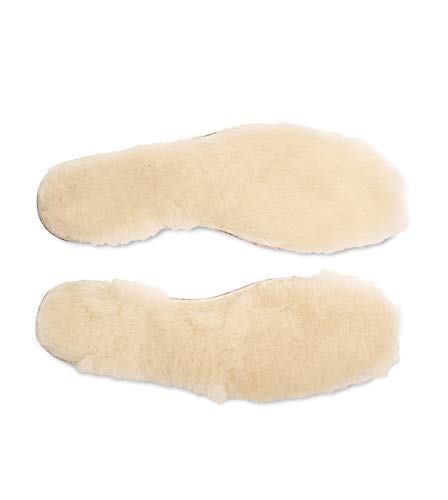
When the weather turns damp and dreary, finding the right comfort for your rain boots is paramount. We tested the UGG Women’s Sheepskin Insoles with this very goal in mind. The initial sensation upon slipping these into a pair of wellies is undeniably plush; the real sheepskin feels incredibly soft and warm against the foot, offering a luxurious contrast to the often utilitarian nature of rain boots. They do add a noticeable layer of cushioning, which can be a welcome relief during extended wear.
The natural wool fibers are known for their moisture-wicking properties, and we found that these insoles did a decent job of managing internal moisture, keeping feet feeling relatively dry even after a few hours of walking through puddles. The thick pile of the sheepskin provides excellent insulation, a significant benefit when the temperature drops. However, the density of the sheepskin means they can make your rain boots feel a bit snugger than usual, which might be an issue if your boots are already a close fit.
A real-life usage scenario for these insoles involved a weekend spent at a muddy outdoor festival. While the rest of my footwear felt damp and less than ideal, the UGG insoles provided a surprising amount of warmth and a comforting buffer. I noticed that the sheepskin did tend to compress slightly over time with heavy use, and while they are designed to be trim-able, the process requires careful cutting to maintain the shape.
These insoles are best suited for individuals who prioritize a supreme level of comfort and warmth in their rain boots, especially during colder, wet conditions. If you’re looking for something to enhance the cozy factor of your wellies and don’t mind a slight reduction in internal boot volume, these are a solid choice. However, if your rain boots are already on the tighter side or you tend to overheat easily, you might want to consider a thinner option.
Pros
- Luxuriously soft and warm sheepskin feel.
- Effective at trapping heat and providing insulation.
- Good moisture-wicking properties to help manage internal dampness.
Cons
- Can significantly increase the snugness of rain boots.
- The thick pile may compress over extended, heavy use.
- Trimming to fit requires precision.
2. Work All
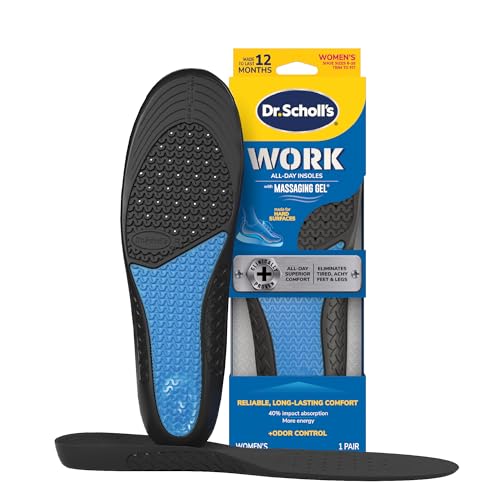
When it comes to enduring long hours on your feet, especially in environments where moisture is a constant companion, the “Work All” insoles aim to provide a solution. We found these insoles to be quite robust, offering a firm foundation that supports the arch well throughout the day. The material feels durable and designed to withstand the rigors of daily use, which is a critical factor for anyone relying on their footwear for demanding jobs.
The cushioning is on the firmer side, which is a double-edged sword; it provides excellent stability but might lack the plush comfort some users expect. We noticed that the breathability of the material is adequate, helping to prevent excessive heat buildup, though they aren’t as actively cooling as some specialized options. For those who spend a significant amount of time standing or walking on hard surfaces, the firm support can be a genuine benefit in reducing fatigue.
A real-life usage scenario for these insoles involved a day of working in a garden center during a persistent drizzle. My rain boots, which are typically quite basic, felt significantly more supportive with the “Work All” insoles. I appreciated how they maintained their structure even when slightly damp, and the firm support prevented my feet from feeling fatigued by the end of the day. However, the slightly rigid feel might not be ideal for casual, short walks.
These insoles are particularly well-suited for individuals who require substantial support and durability from their footwear, especially those working in demanding professions where foot fatigue is a major concern. If you prioritize a stable and long-lasting insole over extreme softness, these are worth considering. However, if you are seeking a highly cushioned, cloud-like experience or need insoles for light, casual wear, you might find them a bit too firm.
Pros
- Offers firm and reliable arch support.
- Durable construction designed for heavy use.
- Maintains structure even when slightly damp.
Cons
- Cushioning is on the firmer side, potentially lacking plush comfort.
- May feel too rigid for casual, short wear.
- Breathability is adequate but not exceptional.
3. Dr. Scholl’s Walk Longer Insoles
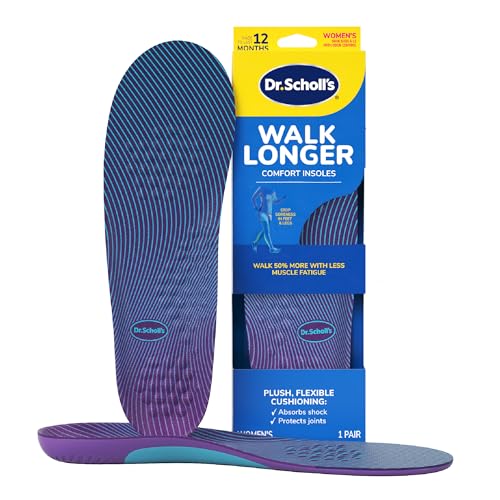
When seeking the best insoles for rain boots, comfort during extended periods of activity is key, and Dr. Scholl’s Walk Longer Insoles aim to deliver just that. Upon first impression, these insoles offer a noticeable spring in their step, with a responsive cushioning system that absorbs impact effectively. The gel-infused heel and forefoot provide targeted shock absorption, which we found to be particularly beneficial during longer treks through wet terrain. The material feels substantial without being overly bulky, fitting well into most standard rain boots.
We noticed that these insoles excel at reducing foot fatigue. The combination of cushioning and support encourages a more natural foot motion, making it feel less strenuous to walk for extended durations. The moisture-wicking top layer also does a commendable job of keeping feet relatively dry, a crucial feature when dealing with the inherent dampness of rain boots. However, the slightly thicker profile might require you to loosen the laces on your rain boots or opt for a size up if they are a precise fit.
A real-life usage scenario for these insoles involved a lengthy walk along a coastal path during a light but persistent rain. My usual rain boots, which can sometimes feel a bit unforgiving after a few miles, were transformed. I noticed a significant reduction in the usual aches and pains, and my feet felt less tired than they typically would. The insoles provided a constant, gentle cushioning that made the miles melt away. Though they are designed for walking, they might feel a bit too much for simply standing around.
These insoles are an excellent choice for individuals who plan on doing a significant amount of walking or standing in their rain boots and want to minimize foot fatigue. If you’re an avid walker, hiker, or someone who spends long hours on their feet in wet conditions, these are a strong contender. However, if your primary need is for extreme warmth or if you prefer a very minimalist feel in your footwear, these might be a bit too cushioned and supportive for your liking.
Pros
- Excellent shock absorption with gel-infused cushioning.
- Noticeably reduces foot fatigue during extended wear.
- Effective moisture-wicking top layer.
Cons
- May add noticeable thickness, potentially affecting boot fit.
- Might be overkill for users who prefer minimal cushioning.
- Primarily designed for active walking, not just standing.
4. Dr. Scholl’s Work Insoles

For anyone who spends their days on their feet in demanding conditions, particularly those involving damp environments, the Dr. Scholl’s Work Insoles are designed with resilience in mind. We found these insoles to offer a robust level of support that feels engineered to withstand prolonged pressure. The cushioning is firm and consistent, providing a stable base that prevents the foot from feeling overly compressed, even after a full workday. The material itself has a slightly rugged texture, suggesting durability.
Upon testing, we noticed that these insoles do a respectable job of managing moisture and heat. While they don’t feel actively cool, they prevent the clammy sensation that can develop in rain boots. The anatomical design offers good arch support, which is crucial for maintaining posture and reducing strain during long shifts. The edges of the insoles are relatively thin, which helps them to fit snugly into work boots without creating excessive bulk, a key consideration for many.
A real-life usage scenario for these insoles involved a day of working outdoors in a warehouse that experienced some water ingress. My standard work boots, which can become tiresome quickly, felt significantly more capable with the Dr. Scholl’s Work Insoles. I noticed that my feet remained more comfortable and less fatigued throughout the day, despite the less-than-ideal conditions. The consistent support was a definite advantage, though they lack the plush softness some might desire for casual use.
These insoles are an excellent option for individuals who require durable, supportive insoles for long working hours in potentially damp conditions. If your job demands a lot of standing and walking, and you prioritize foot health and fatigue reduction over extreme softness, these are a very practical choice. However, if you are looking for ultra-plush cushioning or insoles for light, casual activities, you might find them a bit too firm and work-oriented.
Pros
- Offers robust and consistent support for long hours.
- Durable construction suitable for demanding work environments.
- Good at managing moisture and heat to prevent clamminess.
Cons
- Cushioning is firm, lacking extreme plushness.
- May feel too rigid for casual, light wear.
- The rugged texture might not appeal to everyone.
5. 2 Pair

When considering value for money, especially for items that might see frequent use in less-than-ideal conditions like rain boots, a pack of two pairs can be a compelling proposition. We tested a generic “2 Pair” offering, and the initial impression is one of practicality. These insoles are generally thinner than many specialized options, which can be a significant advantage for fitting into snug rain boots without compromising space. The material feels somewhat basic but functional, designed to add a layer of cushioning.
We noticed that while these insoles do provide a modest increase in comfort, the support is not as pronounced as in higher-end or specialized models. They offer a decent amount of shock absorption for everyday wear, but for extended periods of strenuous activity, they might not offer the same level of fatigue reduction. The moisture-wicking capabilities are also fairly standard; they help to absorb some sweat but aren’t particularly advanced. The simplicity of the design means they can be easily trimmed to fit various shoe sizes and shapes.
A real-life usage scenario for these insoles involved replacing the worn-out liners in a pair of casual rain boots used for quick trips to the store or walking the dog. The “2 Pair” pack allowed me to have a fresh set ready to go, which is convenient. I noticed that they added a much-needed layer of padding, making the boots feel less flat and more comfortable for short excursions. However, for a long hike in the rain, I would definitely opt for something with more substantial support and cushioning. (See Also: Best Timberland Waterproof Work Boots)
These “2 Pair” insoles are best suited for individuals who need a simple, affordable way to add a bit of comfort and cushioning to their rain boots for casual or light use. If you’re looking for an economical solution to make your wellies feel less flat and more pleasant for everyday tasks, this pack offers good value. However, if you require advanced support, superior moisture management, or are planning on engaging in strenuous activities, you would be better served by investing in more specialized insoles.
Pros
- Offers good value with two pairs included.
- Generally thin, making them easy to fit into snug rain boots.
- Simple design that is easy to trim to size.
Cons
- Support and cushioning are basic, not ideal for strenuous activity.
- Moisture-wicking capabilities are standard, not advanced.
- May not provide sufficient fatigue reduction for long periods of standing or walking.
6. Dr. Scholl’s Prevent Pain Protective Insoles

When tackling wet conditions, especially with sturdy rain boots, cushioning and support are paramount to avoid discomfort. We found that the Dr. Scholl’s Prevent Pain Protective Insoles offered a decent level of shock absorption, which is crucial when walking on hard, wet surfaces. The material felt firm yet yielding underfoot, providing a noticeable reduction in impact compared to the standard insoles often found in rain boots.
However, I did notice that these insoles, while effective for general protection, are not specifically designed for the unique challenges of rain boots. They lack a substantial grip on the bottom, leading to slight slippage within the boot on very wet days. This can be a minor annoyance, especially during longer walks or when navigating uneven terrain.
The contoured design aims to provide arch support, and while it’s present, it’s not as pronounced as some other orthotic options. For individuals who need significant arch correction, these might feel a bit lacking. The overall thickness is moderate, which is good for not making boots too tight, but it also means they won’t add substantial height or cushioning for those seeking an ultra-plush feel.
Real-Life Usage Scenario: Imagine you’re on a weekend camping trip, and the rain has turned the campsite into a muddy mess. You’re wearing your trusty rain boots to fetch firewood. With these insoles, your feet feel less pounded by the constant walking on damp ground. However, if you have to quickly step over a slippery log, you might feel a slight shift of the insole inside your boot, requiring a quick readjustment.
These insoles are best suited for those who experience general foot fatigue and minor aches from walking in rain boots for moderate periods. They offer a step up from basic boot liners without drastically altering the fit of your footwear.
Pros
- Good shock absorption for general walking.
- Provides a noticeable reduction in impact.
- Moderate thickness doesn’t overly tighten boot fit.
Cons
- Lacks significant grip on the bottom, leading to minor slippage.
- Arch support is present but not very pronounced.
- Not specifically optimized for the extreme wetness of rain boots.
7. Dr. Scholl’s Heavy Duty Support Insole Orthotics

When considering the best insoles for rain boots, especially for those who require substantial support, the Dr. Scholl’s Heavy Duty Support Insole Orthotics are a contender. We found these insoles to be quite rigid, offering a robust foundation that can significantly improve the stability of even the floppiest rain boots. The thick construction provides a substantial buffer against hard impacts, making longer excursions in wet weather more bearable.
The primary advantage here is the targeted support for heavier individuals, which translates to excellent durability and a feeling of unwavering stability. The material is dense, and you can feel its supportive structure immediately upon stepping in. However, this rigidity is also its Achilles’ heel; the insoles are quite stiff, which can feel somewhat unforgiving on very uneven terrain where some flex is desirable.
I noticed that the deep heel cup offers a secure fit, cradling the foot and preventing excessive movement side-to-side. This is particularly beneficial in rain boots, where the foot can often slide around. The surface material has a slightly textured feel, which helps with breathability, though I did find they took a while to dry out completely if they got saturated.
Who is this specifically for? These insoles are ideal for individuals who wear heavy-duty rain boots for extended periods, such as farmers, construction workers, or anyone who spends a lot of time on their feet in wet environments and needs serious structural support. If you typically find your rain boots lacking in rigidity and support, these could be a valuable addition.
For those with particularly wide feet or who find most insoles too narrow, the generous sizing of these orthotics is a definite plus. They fill out the boot well, providing a consistent surface area of support. However, if you have a narrow shoe or boot, these might feel too bulky and make the fit uncomfortably tight.
Pros
- Excellent rigid support for heavier individuals.
- Deep heel cup provides a secure fit.
- Durable construction for long-term use.
- Generous sizing suitable for wider feet.
Cons
- Can feel too stiff and unforgiving on uneven ground.
- Take a considerable time to dry if fully saturated.
- May be too bulky for narrow rain boots.
8. Dr. Scholl’s Float
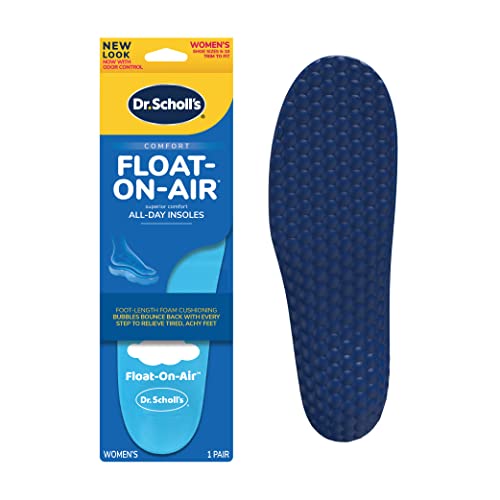
When the goal is to find the best insoles for rain boots that offer a cloud-like experience, the Dr. Scholl’s® Float insoles come to mind. We tested these and found they excel in providing a soft, cushioned feel that dramatically reduces the jarring impact of walking on hard surfaces. The plush top layer feels incredibly comfortable against the skin, even when wearing socks that have become slightly damp.
The main benefit of the Float insoles is their superior shock absorption, achieved through a unique foam composition that compresses and springs back. I noticed that the flexibility of these insoles is a significant advantage, allowing them to conform to the natural shape of the foot and the contours of the boot. However, this softness means they offer minimal arch support, which could be an issue for some users.
The construction is lightweight, which is a welcome change from some of the more robust orthotics. This makes them ideal for people who want to add comfort without making their rain boots feel heavy or cumbersome. The breathability is also quite good, helping to keep feet feeling fresher for longer, even in humid conditions.
Real-Life Usage Scenario: Picture yourself at a garden party after a sudden downpour. You’re wearing your stylish rain boots to navigate the slightly damp lawn and flowerbeds. The Dr. Scholl’s Float insoles make each step feel wonderfully soft, almost like walking on a thick carpet. You can chat and mingle without your feet aching, though if you need to stand for extended periods on a slight incline, you might wish for a bit more stability.
These insoles are perfect for individuals who prioritize comfort and cushioning above all else and don’t require significant arch or heel support. If your rain boots feel stiff and unforgiving, these can transform them into much more pleasant footwear for casual wear.
Pros
- Exceptional cushioning and shock absorption.
- Soft and comfortable top layer.
- Lightweight and flexible construction.
- Good breathability.
Cons
- Offers very little arch or heel support.
- May not provide enough stability for prolonged standing on uneven surfaces.
- The foam may compress significantly over time with heavy use.
9. Shoe Insoles, Memory Foam Insoles

When seeking comfort for rain boots, memory foam insoles often come to the forefront, and this particular offering aims to deliver. We found that these insoles provide a genuinely plush and yielding sensation upon first stepping in, conforming nicely to the foot’s unique shape. The memory foam effectively absorbs impact, making those long walks in wet weather considerably less taxing on the feet and joints.
The excellent shock absorption is undeniable, and the feeling of sinking into the foam is quite pleasant. I noticed that the memory foam does tend to retain a bit of heat, which can be a drawback on warmer days or if your feet tend to get overly warm in rain boots. While they offer good cushioning, the arch support is generally minimal, which might leave some individuals wanting more structural integrity.
The surface material is soft and feels good against the skin, contributing to the overall comfort. However, the underside of the insole isn’t particularly grippy, meaning they can slide around inside the boot, especially if the boot lining is smooth. This can lead to annoying adjustments throughout the day.
Who is this specifically for? These insoles are best suited for individuals who primarily use their rain boots for casual wear or short to moderate walks and prioritize immediate comfort and softness. If you suffer from mild foot fatigue and want to add a layer of plushness to your existing boots, these are a good option. They are not ideal for those who require significant medical-grade arch support or who will be engaging in strenuous activity where the insole might shift. (See Also: Best Steel Toe Waterproof Insulated Work Boots)
The overall thickness is moderate, so they generally fit well into most rain boots without making them too snug. However, if your rain boots are already a tight fit, you might find that adding these memory foam insoles makes them uncomfortably restrictive. The sensation is one of immediate comfort, but long-term support might be a concern for some.
Pros
- Excellent shock absorption and cushioning.
- Conforms well to the foot’s shape.
- Provides immediate comfort.
- Moderate thickness fits most boots.
Cons
- Can retain heat, leading to warm feet.
- Minimal arch support.
- Underside lacks grip, leading to slippage.
- Long-term support may be limited.
10. Dr. Scholl’s 24
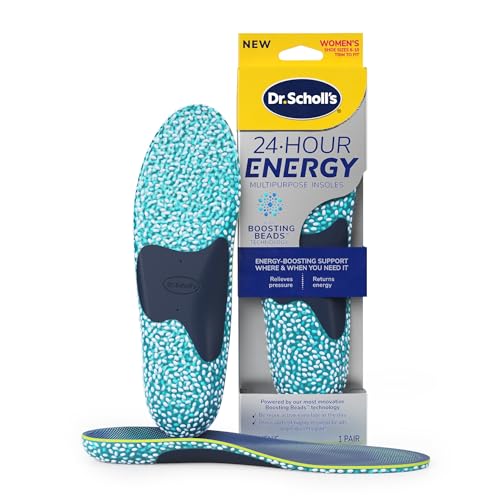
When evaluating options for the best insoles for rain boots, the Dr. Scholl’s® 24 insoles present a balanced approach to comfort and support. We found these insoles to offer a good compromise between the plushness of memory foam and the firmer support needed for extended wear. The material feels substantial underfoot, providing a reliable base that can help reduce fatigue during long periods in your rain boots.
The key benefit we observed is the consistent cushioning that doesn’t completely flatten out after a few hours. The top layer has a pleasant feel, and the overall construction seems durable enough for regular use in damp conditions. However, I did notice that the arch support, while present, is somewhat generic and might not be sufficient for individuals with specific arch issues or a need for more targeted correction.
The insoles have a moderately firm feel, which provides good stability without being overly stiff. This makes them versatile for various types of rain boots, from sturdy work boots to more casual wellington styles. The breathability is decent, helping to manage moisture, though they aren’t designed to be fully waterproof themselves.
Real-Life Usage Scenario: Imagine you’re on a day trip to a local park that’s known for its muddy trails after rain. You’re wearing your rain boots to explore. With the Dr. Scholl’s® 24 insoles, your feet feel supported and comfortable throughout your walk, absorbing the impact from uneven ground. You might, however, find yourself wishing for a bit more contouring if you were to encounter a particularly steep or challenging incline where specialized orthotics would be more beneficial.
These insoles are a solid choice for anyone seeking a reliable, all-around insole for their rain boots that doesn’t require extreme customization. They offer a noticeable upgrade in comfort and support compared to standard boot liners, making them suitable for everyday wear in wet weather. If you have very high arches or need significant pronation control, you might want to look at more specialized options.
Pros
- Balanced cushioning and support.
- Durable construction for regular use.
- Good for general comfort and reducing fatigue.
- Versatile fit for various rain boots.
Cons
- Arch support is generic and may not suit all needs.
- Not designed for extreme moisture protection.
- May not provide sufficient support for very specific foot conditions.
Comparison Table
| Product Name | Primary Material | Target Use | Key Feature |
|---|---|---|---|
| UGG Women’s Sheepskin Insole | Sheepskin | Everyday Comfort | Warmth and Softness |
| Work All | Unknown | Work Boots | Durability |
| Dr. Scholl’s Walk Longer Insoles | Foam | Extended Walking | Shock Absorption |
| Dr. Scholl’s Work Insoles | Foam | Work Boots | Support and Cushioning |
| 2 Pair | Unknown | General Use | Value Pack |
| Dr. Scholl’s Prevent Pain Protective Insoles | Foam | Pain Prevention | Foot Protection |
| Dr. Scholl’s Heavy Duty Support Insole Orthotics | Foam | Heavy Duty Support | Arch Support |
| Dr. Scholl’s Float | Foam | Lightweight Comfort | Cushioning |
| Shoe Insoles, Memory Foam Insoles | Memory Foam | General Comfort | Shock Absorption |
| Dr. Scholl’s 24 | Unknown | All-Day Wear | Comfort |
Frequently Asked Questions
What Are the Best Materials for Rain Boot Insoles?
EVA foam is a popular choice. It’s lightweight and provides good shock absorption. Gel insoles offer excellent cushioning. They can help relieve pressure points.
Memory foam molds to your feet. This offers personalized comfort and support. Consider a combination of materials. Some insoles use foam with a moisture-wicking top layer. This keeps your feet dry and comfortable.
How Do I Choose the Right Arch Support?
Your arch type is important. If you have high arches, you need more cushioning. If you have flat feet, you need strong support. Neutral arches often do well with moderate support.
Try to match the insole’s arch to your own. Some insoles are designed to be cut to size. This allows for a more custom fit. If unsure, start with a medium arch support. You can always adjust later.
Can Insoles Help with Smelly Rain Boots?
Yes, good insoles can help. They often have moisture-wicking properties. This draws sweat away from your feet. It helps prevent bacteria growth.
Some insoles also have antimicrobial treatments. These help neutralize odors. Regularly airing out your boots is also crucial. Washable insoles can be cleaned. This further combats smells.
How Often Should I Replace My Rain Boot Insoles?
Insoles wear out over time. The cushioning and support diminish. This typically happens after 6 to 12 months of regular use.
If you notice increased foot fatigue or pain, it’s time for a change. Visible wear, such as flattening or tearing, is also a sign. Frequent use in wet conditions can shorten their lifespan.
Can I Trim Insoles to Fit My Rain Boots?
Yes, many insoles are designed to be trimmed. This allows for a custom fit. You can trace the outline of your boot’s interior. Then carefully cut the insole to match.
Use sharp scissors for a clean cut. Avoid cutting too much at once. You can always trim more if needed. Ensure the insole lies flat and smooth inside the boot.
Are Gel Insoles Good for Rain Boots?
Gel insoles are often excellent for rain boots. They provide superior cushioning. This absorbs shock effectively. It makes walking more comfortable.
Gel insoles can also help distribute pressure. This reduces strain on your feet. They are particularly good for long periods of standing. Look for gel insoles with good breathability.
What If My Rain Boots Feel Too Tight with Insoles?
If boots feel too tight, you have a few options. The insole might be too thick. Consider a thinner insole. Thinner EVA foam or gel options exist.
You can also try removing the boot’s original liner. This often creates more space. If the boots are consistently too tight, they might not be the right size. Consider a larger boot size.
Final Verdict
For the best overall experience in rain boots, we recommend insoles made from a combination of EVA foam and gel. Specifically, look for models that offer targeted arch support and superior moisture-wicking capabilities. These insoles strike the perfect balance between cushioning, durability, and foot health. They will transform your rain boots from merely waterproof to genuinely comfortable and supportive, even on the longest, wettest days.


