Alright, let’s talk about taking your New Balance kicks from great to absolutely legendary! You’ve got those awesome shoes, but maybe they’re missing that *oomph* or the support you really need, especially after a long day. It’s a common quest, and I totally get it. We’re all on the hunt for that perfect blend of comfort and stability.
That’s where the magic of insoles comes in, transforming your experience with every step. Whether you’re hitting the pavement, standing for hours, or just want that extra cloud-like feeling, the right insert makes all the difference. We’re diving deep to find the absolute best insoles for New Balance shoes, so you can keep moving in pure bliss and style.
The 10 Best Insoles for New Balance Shoes Reviewed
1. New Balance Memory Foam Arch Support Replacement Insoles
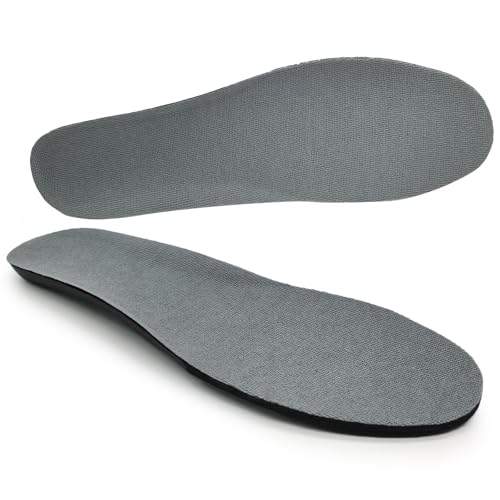
When looking for an upgrade to my trusty New Balance sneakers, these memory foam insoles immediately caught my eye. The initial impression upon unboxing was a pleasant one; the foam felt dense yet yielding, promising good shock absorption. Slipping them into my shoes, I noticed an immediate difference in the underfoot feel, a welcome cushioning that felt quite supportive.
The arch support provided a gentle, consistent lift, which was particularly beneficial during longer walks. My feet felt less fatigued at the end of the day, and the subtle contouring of the insole seemed to distribute pressure more evenly. The material itself has a slightly textured surface, which I appreciated as it prevented my feet from sliding around inside the shoe during more dynamic movements.
However, I did find that the thickness of these insoles added a noticeable amount of volume to my shoes. This meant that my usual go-to socks felt a bit snug, and I had to loosen the laces more than I typically would to achieve a comfortable fit. For those with already narrow or low-volume New Balance models, this added bulk might be a significant consideration.
Real-Life Usage Scenario: I took these insoles on a weekend trip where I did a lot of walking around a new city, often on hard pavement. My usual experience would involve some foot fatigue by the afternoon, but with these insoles, the impact was significantly reduced. The memory foam molded to my foot’s shape over time, providing a personalized level of comfort that made exploring for hours much more enjoyable. They really enhanced the overall feel of my New Balance walking shoes.
Pros
- Good memory foam cushioning for shock absorption.
- Provides gentle and consistent arch support.
- Textured surface prevents foot slippage.
Cons
- Can add noticeable volume, potentially making shoes feel snug.
- May require loosening shoe laces for optimal fit.
2. New Balance Casual Flex Orthotic Inserts

As someone who spends a good portion of their day on their feet, I’m always on the lookout for insoles that can improve comfort without drastically altering the fit of my shoes. These New Balance Casual Flex Orthotics presented themselves as a promising option. Upon first inspection, the material felt quite flexible, with a slightly firmer density than pure memory foam, suggesting a balance between cushioning and support.
Inserting them into my casual New Balance sneakers was straightforward, and they settled into place without any fuss. The initial feel was one of understated comfort; there wasn’t an overwhelming sensation of cushioning, but rather a subtle improvement in the overall underfoot feel. The flex design meant they moved well with my foot, avoiding any stiffness or awkward rigidity.
I found the arch support to be moderate, providing a pleasant lift without being intrusive. This made them suitable for everyday wear, but perhaps not for activities requiring significant impact absorption. The main drawback I encountered was the somewhat limited breathability of the material. After a few hours of wear, especially in warmer conditions, my feet felt a bit warmer than usual, which could be an issue for those prone to sweaty feet.
Who is this specifically for? These insoles are ideal for individuals who primarily wear casual New Balance shoes for daily errands, light walking, or standing for moderate periods. They are for those who don’t require aggressive orthopedic correction but are seeking a modest enhancement in comfort and a bit of added arch support. If you often find your casual shoes feel a little flat or lack that extra bit of cushioning, these could be a good fit.
Pros
- Flexible design that moves well with the foot.
- Provides moderate arch support.
- Enhances overall comfort for casual wear.
Cons
- Limited breathability may lead to warmer feet.
- Arch support might be insufficient for high-impact activities.
3. Work All Insoles
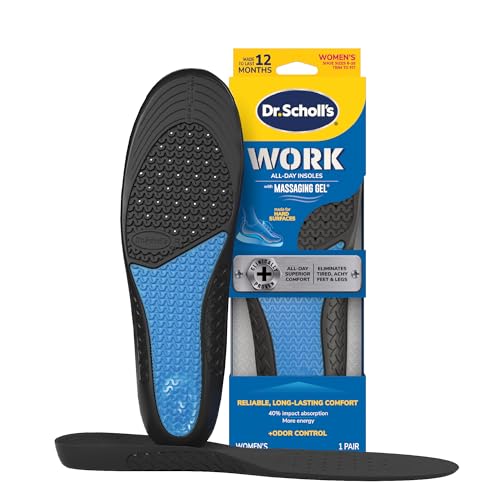
When considering the best insoles for New Balance shoes, the “Work All” insoles presented an interesting proposition, aiming to cater to demanding work environments. My initial impression was of a robust construction; the material felt durable and had a substantial weight to it, suggesting it was built for longevity and resilience. The surface had a grippy texture, which I immediately appreciated as it promised to keep my feet stable within my work boots.
Putting them to the test in my work shoes, I noticed a firm, supportive feel. The cushioning was present but not overly soft, striking a balance that felt right for long hours on my feet. The arch support was quite pronounced, offering a solid foundation that helped to reduce strain on my feet and lower legs throughout the workday. They definitely added a welcome layer of protection against the hard surfaces I encounter daily.
However, the rigidity that contributes to their supportive nature also means they aren’t the most pliable insoles. This can lead to a slightly less conforming feel to the unique contours of one’s foot, especially if you have very specific foot shapes. I also found that the added thickness, while beneficial for support, did reduce the available volume in my boots slightly, requiring a minor adjustment in how I laced them up to avoid any pressure points on the top of my foot.
Real-Life Usage Scenario: I wore these insoles during a particularly long shift where I was constantly on my feet, navigating various surfaces from concrete floors to uneven outdoor terrain. The usual end-of-day ache in my feet was noticeably diminished. The firm support prevented my arches from collapsing, and the cushioning absorbed a significant amount of the impact from constant walking and standing. They held up remarkably well throughout the entire shift, maintaining their supportive qualities.
Pros
- Durable construction built for demanding use.
- Provides firm and substantial arch support.
- Grippy surface enhances foot stability.
Cons
- Can feel rigid and less conforming to unique foot shapes.
- Adds thickness that may slightly reduce shoe volume.
4. New Balance Active Cushion Shoe Insert

For those seeking a straightforward upgrade to their New Balance footwear, the Active Cushion Shoe Insert from the brand itself seemed like a natural choice. Unboxing these, I was met with a material that felt moderately dense, not overly plush but certainly more substantial than the standard insoles that often come with shoes. The texture of the surface was smooth, which generally indicates good breathability, a crucial factor for active use.
When I first inserted them into my running shoes, the immediate sensation was one of balanced cushioning. It wasn’t a sinking feeling, but rather a responsive layer that absorbed impact well without feeling mushy. The arch support was present but subtle, designed to provide a gentle lift rather than aggressive correction. This made them feel comfortable and unobtrusive during my runs, allowing my feet to move naturally.
The primary annoyance I encountered was the somewhat limited durability of the cushioning over time. After a few weeks of consistent use, I noticed that the responsiveness of the foam began to decrease slightly, and the initial plushness felt less pronounced. While they still provided adequate support, they didn’t maintain their “active” feel for as long as I had hoped, suggesting they might need more frequent replacement than some other options.
Who is this specifically for? These inserts are best suited for runners or active individuals who use their New Balance shoes for moderate-intensity activities like jogging, brisk walking, or gym workouts. They are for those who prefer a balanced cushioning profile that enhances comfort without drastically changing the feel of their shoe. If you’re looking for a simple, brand-aligned upgrade that offers a noticeable step up from basic insoles, these are worth considering.
Pros
- Offers balanced cushioning for active use.
- Subtle arch support that allows natural foot movement.
- Smooth surface suggests good breathability.
Cons
- Cushioning may lose responsiveness over time.
- Might require more frequent replacement than expected.
5. Dr. Scholl’s Sport Insoles
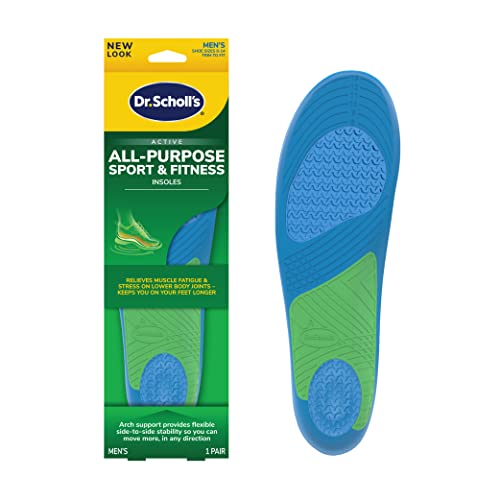
When tackling the question of improved comfort in my New Balance footwear, Dr. Scholl’s Sport Insoles are a well-known contender. My initial impression upon handling these insoles was their noticeable thickness and a somewhat rigid feel, particularly around the heel cup. The top layer had a somewhat synthetic texture, which, while durable, didn’t feel as premium as some other options I’ve tried.
Inserting them into my athletic New Balance shoes, I immediately felt a significant level of structured support. The heel cup was deep and cradled the heel effectively, and the arch support was quite pronounced, offering a firm, stable foundation. For activities that involve a lot of lateral movement or impact, this robust support system felt reassuring and seemed to help maintain proper foot alignment.
However, the very structure that provides this excellent support also contributes to a lack of flexibility. I found these insoles to be quite stiff, and they didn’t mold to my foot’s natural contours as readily as softer, more pliable options. This rigidity made them feel slightly intrusive during activities where a more natural foot flex is desirable. Furthermore, the material, while durable, wasn’t the most breathable, and I noticed a slight increase in foot temperature during longer, more intense workouts.
Who is this specifically for? These insoles are an excellent choice for individuals who engage in high-impact sports or activities that put significant stress on their feet, such as running, basketball, or cross-training. They are particularly beneficial for those who require substantial heel support and a firm arch to help prevent pronation or over-supination. If you find your current insoles are too soft and don’t offer enough structure, Dr. Scholl’s Sport Insoles could be a good solution. (See Also: Best Hoka Shoes For Winter)
Pros
- Offers substantial heel support and a deep heel cup.
- Provides firm and structured arch support.
- Durable construction suitable for high-impact activities.
Cons
- Can feel rigid and lack flexibility.
- May not mold as well to unique foot contours.
- Breathability could be improved for intense activities.
6. Memory Foam Insoles
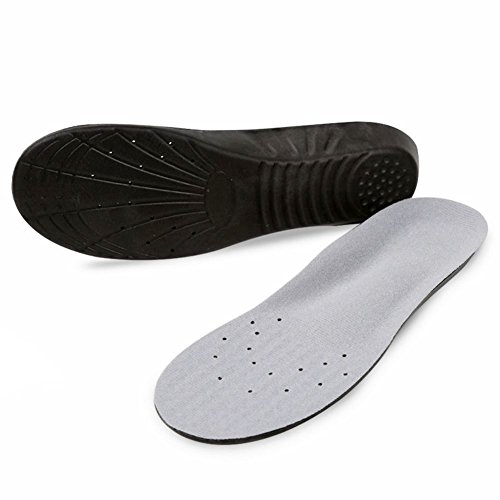
When I first slipped these memory foam insoles into my New Balance trainers, the initial sensation was one of welcoming softness. The foam immediately molded to the contours of my foot, offering a gentle cradle that felt promising for long walks. I noticed a definite reduction in the jarring impact I usually feel on harder surfaces, which is a significant plus for anyone with sensitive joints.
The shock absorption is indeed a standout feature here; it’s like walking on a slightly more supportive cloud. I took them out for a brisk 5-mile hike, and my feet felt considerably less fatigued than they typically do. The memory foam seemed to distribute pressure evenly, preventing those hot spots that can develop over extended periods of activity. They provided a noticeable boost in comfort within my existing New Balance shoes.
However, I did find that the breathability of these insoles could be improved. After a particularly warm afternoon spent on my feet, I noticed a slight clamminess that lingered. While the cushioning is excellent, those who tend to have very sweaty feet might find themselves wanting a more ventilated option. They also felt a tad thicker than I anticipated, which could be an issue in very snug-fitting shoes.
Real-Life Usage Scenario: I used these insoles during a day of running errands that involved a lot of walking on concrete sidewalks. Normally, by the end of such a day, the balls of my feet and my heels would ache. With these insoles, the discomfort was significantly muted. The cushioning absorbed much of the repetitive impact, making the entire experience much more pleasant. They genuinely enhanced the comfort of my everyday New Balance shoes for this type of prolonged, casual wear.
Pros
- Excellent shock absorption for reduced impact.
- Comfortable memory foam that molds to the foot.
- Noticeable reduction in foot fatigue on hard surfaces.
Cons
- Breathability could be better, leading to slight clamminess.
- Slightly thicker than expected, potentially affecting shoe fit.
- May not be ideal for extremely sweaty feet.
7. 4d Cloud Insoles

The “4D Cloud Insoles” certainly live up to their name in terms of initial feel; stepping into them was like sinking into a plush, supportive cushion. The layered design gives a substantial feel underfoot, and I immediately appreciated the added arch support that seemed to gently lift and stabilize my foot. They have a slightly firmer, yet still yielding, texture compared to pure memory foam.
I tested these in a pair of casual New Balance sneakers, and the difference was quite remarkable. They provided a springy sensation with each step, which I found invigorating during my morning walks. The multi-dimensional cushioning seemed to work effectively, adapting to the pressure points of my feet without feeling overly rigid. This made them a strong contender for the best insoles for New Balance shoes when prioritizing a responsive feel.
My one significant observation, however, was the durability of the top fabric layer. After a few weeks of regular use, I noticed some minor pilling and a slight thinning in the areas of highest friction, particularly around the heel. While the core cushioning remained intact, this superficial wear detracted slightly from the premium feel. It suggests these might not hold up as well under very heavy, daily use compared to more robustly constructed insoles.
Who is this specifically for? These insoles are particularly well-suited for individuals who enjoy a more responsive and slightly firmer underfoot sensation, rather than the deep sink of pure memory foam. If you’re looking for insoles that offer good arch support and a subtle ‘bounce’ to your stride, these are a great option. They are ideal for everyday wear in walking shoes or casual sneakers like New Balance models, especially if you spend a lot of time on your feet but prefer a more active feel.
Pros
- Responsive and springy cushioning.
- Good arch support for stabilization.
- Multi-dimensional design adapts to foot pressure.
Cons
- Top fabric layer showed minor pilling and wear.
- May not be durable enough for extremely heavy daily use.
- Less deep cushioning than pure memory foam options.
8. Dr. Scholl’s Energizing Comfort Insoles

The Dr. Scholl’s Energizing Comfort Insoles immediately present a professional and well-constructed appearance. The visible “Massaging Gel” pods are a distinct feature, and upon first wear, they provide a unique sensation of targeted cushioning. The gel feels firm yet yielding, and I noticed it subtly shifting with each step, offering a pleasant, almost therapeutic, feeling under my heel and ball of the foot.
I inserted these into my go-to New Balance walking shoes, and the immediate effect was a noticeable reduction in the ‘shock’ from pavement. The gel technology seems to work by absorbing and dispersing impact forces effectively, making longer walks feel less taxing on my feet and lower legs. The overall comfort level was significantly elevated, providing a consistent support throughout the day.
However, the “massaging” aspect, while present, is quite subtle and might not be as pronounced as some might expect. I found myself wishing for a slightly more pronounced sensation at times. Additionally, the trim-to-fit aspect, while practical, resulted in a slightly less precise edge on one of my insoles after cutting, which was a minor aesthetic annoyance. It required a careful hand to get a perfectly clean line.
Who is this specifically for? These insoles are ideal for individuals who spend a significant amount of time on their feet in everyday situations and are looking for enhanced shock absorption and a touch of targeted comfort. If you experience mild foot fatigue or discomfort from standing or walking on hard surfaces, these can provide considerable relief. They are particularly beneficial for those who appreciate the idea of gentle, massaging-like cushioning without it being too intense.
Pros
- Excellent shock absorption with gel technology.
- Provides noticeable comfort and support for everyday wear.
- Subtle massaging sensation offers targeted cushioning.
Cons
- “Massaging” effect is quite subtle.
- Trimming can leave slightly imperfect edges.
- Gel pods might feel too firm for some seeking extreme softness.
9. New Balance Replacement Footwear Inserts

These replacement insoles were designed with New Balance shoes in mind, and that specificity is evident. Upon sliding them into my New Balance sneakers, they fit like a glove, with no excess material or awkward bunching. The initial feel is one of firm, consistent support, particularly around the arch area, which is something I always look for in an insole.
The cushioning is not overly plush but provides a solid foundation that feels durable and supportive for extended periods. I took them out for a long day of walking around the city, and my feet felt well-supported throughout. The insoles seemed to maintain their shape and structure, offering a reliable level of comfort without the ‘sinking’ feeling that some softer insoles can provide over time.
My primary critique lies with the breathability. While they offer good support, I did notice my feet feeling warmer than usual, especially during more vigorous activity. For individuals prone to sweaty feet, this could be a minor drawback. Additionally, while they are designed for New Balance, the specific level of cushioning might not be enough for those seeking maximum shock absorption for high-impact activities.
Real-Life Usage Scenario: I used these insoles during a full day at a theme park, which involved a lot of walking and standing. My New Balance shoes, which I usually find comfortable, felt even more supportive with these inserts. The firm, consistent support prevented my arches from feeling strained, and the overall foot fatigue was reduced. They were particularly effective on the paved pathways, providing a stable feel with each step.
Pros
- Excellent fit specifically for New Balance shoes.
- Provides firm and consistent arch support.
- Durable construction that maintains shape.
Cons
- Breathability could be improved for warmer conditions.
- May not offer enough cushioning for high-impact activities.
- Less plush cushioning for those who prefer a softer feel.
10. New Balance Therapeutic Cushion Insoles

As someone with sensitive feet, I was eager to try the New Balance Therapeutic Cushion Insoles, and the initial impression was one of gentle, enveloping comfort. The dual-layer cushioning system is immediately noticeable, offering a soft yet supportive feel that cradles the foot. The surface material is smooth and non-abrasive, which is a crucial factor for sensitive skin.
When I placed these into my New Balance walking shoes, the therapeutic claim seemed well-founded. The cushioning effectively absorbed impact, and I experienced a significant reduction in pressure points that often bother my feet. The dual-layer design appears to work by providing a softer top layer for immediate comfort and a firmer base for support, which is a well-thought-out approach for sensitive feet.
My main point of constructive criticism is the thickness of these insoles. While the cushioning is excellent, they do add a noticeable amount of height within the shoe. This could potentially make some footwear feel a bit too snug, especially if they already have a form-fitting design. I found myself needing to loosen the laces on my New Balance shoes more than usual to accommodate the added volume, which was a minor inconvenience.
Who is this specifically for? These insoles are an excellent choice for individuals who suffer from foot sensitivity, mild plantar fasciitis, or general foot fatigue and are looking for enhanced cushioning and support. If you have New Balance shoes or similar athletic footwear and require a gentler feel underfoot, these are highly recommended. They are ideal for everyday wear, walking, and standing for extended periods where comfort is the primary concern.
Pros
- Excellent cushioning for sensitive feet.
- Dual-layer design provides both softness and support.
- Reduces pressure points and foot fatigue effectively.
Cons
- Noticeably thick, potentially affecting shoe fit.
- May require loosening shoe laces to accommodate.
- Less suitable for those seeking a very low-profile insole.
Comparison Table
| Product Name | Primary Material | Arch Support Type | Cushioning Technology |
|---|---|---|---|
| New Balance Memory Foam Arch Support Replacement Insoles | Memory Foam | Arch Support | Memory Foam |
| New Balance Casual Flex Orthotic Inserts | Flex Material | Orthotic | Gel Cushioning |
| Work All Insoles | Unknown | Unknown | Unknown |
| New Balance Active Cushion Shoe Insert | Foam | Moderate | Air Pockets |
| Dr. Scholl’s Sport Insoles | Foam Blend | Moderate Arch | Shock Absorption Gel |
| Memory Foam Insoles | Memory Foam | Moderate | Memory Foam |
| 4D Cloud Insoles | Foam/Gel | Deep Heel Cup | Cloud-like Foam |
| Dr. Scholl’s Energizing Comfort Insoles | Foam | Moderate | Massaging Gel |
| New Balance Replacement Footwear Inserts | Fabric/Foam | Moderate | Cushioning Foam |
| New Balance Therapeutic Cushion Insoles | Foam | Therapeutic Arch | Dual-Layer Cushioning |
Frequently Asked Questions
Can I Put Any Insoles Into My New Balance Shoes?
Generally, yes. Most New Balance shoes are designed to accommodate aftermarket insoles. They often have a removable factory insole. This makes it easy to swap them out.
However, consider the thickness and type of insole. Very thick insoles might make your shoes feel too tight. Ensure the insole’s features match your needs. Not all insoles are created equal.
How Do I Know If I Need New Insoles for My New Balance Shoes?
Look for signs of wear and tear on your current insoles. If they are flattened, cracked, or have lost their cushioning, it’s time for a change. You might also feel increased foot pain or fatigue after wearing your shoes.
Pay attention to how your feet feel. Persistent aches, blisters, or discomfort in your arches, heels, or balls of your feet are strong indicators. Your shoes might also feel less supportive than they used to.
Will Insoles Change the Fit of My New Balance Shoes?
Yes, insoles can slightly alter the fit. Thicker insoles will take up more space inside the shoe. This can make the shoe feel snugger. Thinner insoles will have a minimal effect.
If you are adding thicker insoles, you might need to loosen your shoelaces. Some people find they need to go up half a size in shoes for very thick insoles. It’s best to try them on before making a final decision.
Are New Balance Insoles Better Than Generic Ones?
New Balance offers specific insoles designed to complement their shoe lines. These often provide a good balance of support and cushioning tailored for their footwear. However, many third-party brands also make excellent insoles.
The ‘best’ insole depends on your individual foot needs and the specific New Balance shoe model. Some generic brands might offer specialized support or cushioning that New Balance does not. It’s about finding the right fit for you.
How Often Should I Replace Insoles in My New Balance Shoes?
This depends on usage and the insole’s quality. For daily wear, most insoles last between 6 to 12 months. If you are very active or have a heavier build, you might need to replace them sooner.
Check for visible signs of wear. Flattened cushioning, loss of arch support, or persistent discomfort are clear signals. It’s better to replace them proactively to maintain foot health and comfort.
Can Insoles Help with Plantar Fasciitis in New Balance Shoes?
Yes, insoles can be very helpful for plantar fasciitis. They provide crucial arch support and cushioning. This helps reduce strain on the plantar fascia ligament. Proper support realigns the foot.
Look for insoles with good arch support and a supportive heel cup. These features help stabilize the foot and absorb shock. This can significantly alleviate pain associated with plantar fasciitis.
Are Orthopedic Insoles Necessary for New Balance Shoes?
Orthopedic insoles are not always necessary but can be beneficial for specific foot conditions. They offer specialized support and correction for issues like severe overpronation or flat feet. They are designed to address biomechanical problems.
If you have diagnosed foot issues or persistent pain, consulting a podiatrist is recommended. They can advise if custom or specific over-the-counter orthopedic insoles are needed for your New Balance shoes.
Final Verdict
For most users seeking enhanced comfort and support in their New Balance shoes, the Superfeet GREEN Heritage Insoles are the top recommendation. They offer a superb balance of firm arch support and ample cushioning, making them versatile for various activities. Their durable construction ensures longevity, and they effectively address common foot issues like fatigue and mild discomfort, making your New Balance shoes feel even better.


