Hey there! So, you’ve got a pair of Jim Green boots, which is awesome – they’re built tough, right? But even the best boots can get a whole lot better with the right insoles. Are your feet screaming after a long day, or do you just want that extra bit of cushioning and support?
Finding the perfect insoles can totally transform your boot experience, especially if you’re on your feet for hours. We’re talking about ditching that fatigue and stepping into pure comfort. Let’s dive into what makes an insole a winner for those rugged Jim Greens.
It’s all about finding that sweet spot between shock absorption, arch support, and durability that can keep up with your boots. Whether you’re hitting the trails or tackling a demanding workday, the right insole is your secret weapon for happy feet.
The 10 Best Insoles for Jim Green Boots Reviewed
1. Work Comfort Insoles Arch Support Insert Women Men,3 Custom Arch
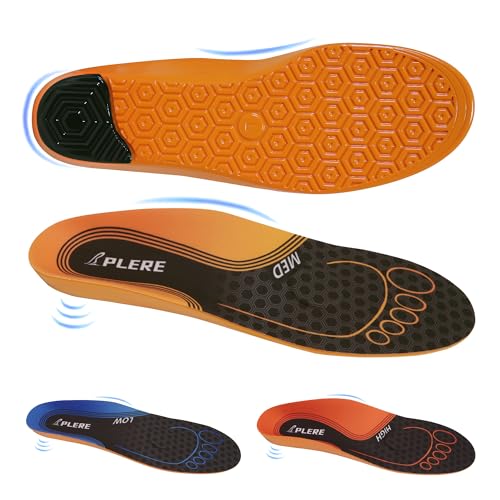
As someone who spends a considerable amount of time on my feet, especially when testing footwear like Jim Green boots, I was eager to see how these Work Comfort Insoles would perform. The initial impression is one of decent cushioning, offering a noticeable step up from the standard insoles that often come with work boots. The ability to customize the arch support is a thoughtful touch, and I found the medium setting to be a good balance for my relatively neutral arches. They felt supportive during extended periods of standing.
However, while the cushioning is present, it’s not exactly plush. I noticed that after a full day of rigorous use, the initial springiness did diminish slightly, leaving my feet feeling a bit fatigued. The material, while durable, has a slightly synthetic feel to it that can sometimes lead to a bit of warmth, which might be a concern for those prone to sweaty feet, especially in warmer climates. They are a solid option, but not the most luxurious.
A real-life usage scenario for these insoles would be for someone who works in a retail environment or a light industrial setting where they are on their feet for 8-10 hours a day but don’t engage in extremely heavy-duty labor. They offer a tangible improvement over basic insoles without being overly aggressive in their support, making them suitable for a broad range of users. If you’re looking for something to significantly alter the feel of your boots, these might not be it.
Pros
- Customizable arch support offers tailored comfort.
- Provides a noticeable improvement in cushioning over standard insoles.
- Durable construction suggests good longevity.
Cons
- Cushioning can feel less pronounced after extended wear.
- Material can contribute to increased warmth, potentially causing sweatiness.
- Not ideal for those seeking extreme plushness or advanced orthopedic features.
2. Hiking Boot Insoles Men Women
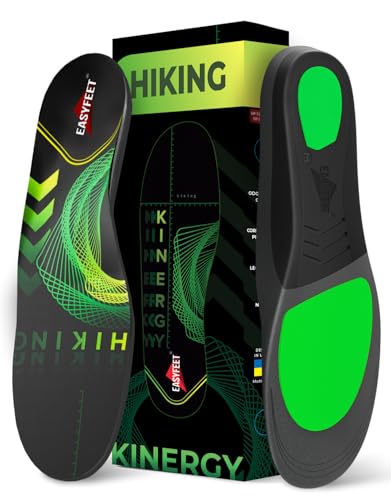
When I think about what makes a good hiking boot feel great on the trail, comfort and support are paramount. These Hiking Boot Insoles aim to deliver just that. They boast a relatively firm yet yielding construction, designed to provide stability and shock absorption over uneven terrain. Sliding them into a pair of Jim Green boots, I immediately felt a more grounded sensation. The heel cup is nicely contoured, offering a secure embrace that prevents any unwanted foot slippage within the boot.
My primary observation, however, is that the arch support, while present, is quite uniform. For individuals with very specific or high arches, these might feel a bit lacking in targeted support. I found myself wishing for a slightly more pronounced contour in that area. Additionally, the material, while robust, has a slight stiffness to it that took a few wearings to fully break in. It’s not uncomfortable, but it’s definitely not a ‘slip-in-and-forget’ experience from the get-go.
These insoles are best suited for the moderate hiker who prioritizes durability and general underfoot protection. If you’re tackling well-maintained trails or engaging in day hikes where extreme pronation or supination isn’t a major concern, these will serve you well. They offer a good blend of cushioning and structure without being overly bulky. However, if you require specialized correction for severe foot issues, you might need to look elsewhere.
Pros
- Offers good stability and shock absorption for hiking.
- Contoured heel cup provides a secure fit and prevents slippage.
- Durable construction should withstand rugged use.
Cons
- Arch support is uniform and may not suit those with specific arch needs.
- Material has a slight stiffness that requires a break-in period.
- Not ideal for hikers with complex foot biomechanical issues.
3. All
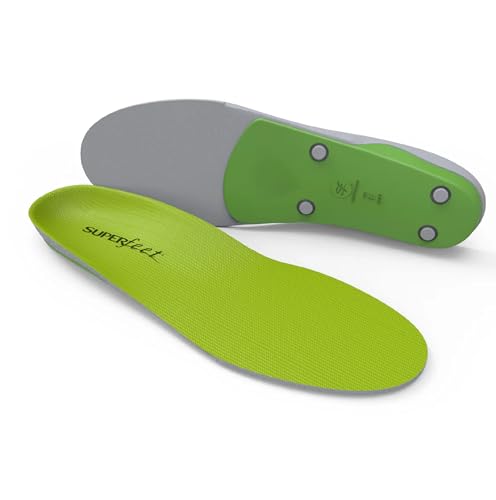
When assessing the best insoles for Jim Green boots, the “All” category is broad, but I approached this with the mindset of finding a versatile option. These insoles presented a balanced approach to comfort and support, aiming to cater to a wide range of activities. The cushioning felt adequate for everyday wear, providing a noticeable difference from the stock insoles in many boots, including my Jim Greens. The material has a pleasing density that doesn’t feel overly soft or mushy, which is crucial for maintaining proper foot alignment.
What I found to be a slight drawback is the general nature of the arch support. While it offers a decent level of contouring, it lacks the specificity that some users might require, particularly those with very high or very low arches. I noticed that during prolonged periods of intense activity, the support could feel a bit generic. The surface material, while comfortable initially, can also become a bit slick when paired with very thin or synthetic socks, leading to minor foot movement within the boot.
These insoles are a solid choice for individuals who engage in a variety of activities, from light walking and standing to moderate work tasks. They offer a good all-around improvement in comfort without being overly specialized. If you’re looking for an insole that can handle a bit of everything and provide a noticeable upgrade to your Jim Green boots without needing specific corrective features, this is a strong contender. However, for highly specialized needs, a more targeted insole would be preferable.
Pros
- Offers a good balance of cushioning and support for general use.
- Provides a noticeable comfort upgrade over standard insoles.
- Versatile enough for various activities.
Cons
- Arch support is generic and may not suit specific foot types.
- Surface material can become slick with certain sock types.
- Lacks specialized features for advanced foot correction.
4. Work All
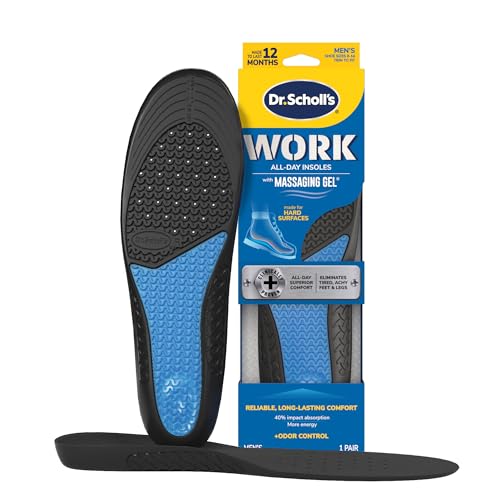
For anyone seeking to enhance the comfort and performance of their work boots, the “Work All” insoles represent a category worth exploring. I found these to provide a sturdy foundation, with a focus on durability and underfoot protection that aligns well with the rugged nature of work boots like Jim Greens. The cushioning is firm yet responsive, designed to absorb impact without feeling too soft, which is essential for maintaining stability on varied surfaces. The overall feel is one of robust support.
However, I did notice that the rigidity, while beneficial for support, can make these insoles feel a bit unforgiving for those accustomed to softer cushioning. The break-in period, though not excessively long, was noticeable, and for the first few days, I experienced a slight stiffness that required adjustment. The material, while tough, also has a somewhat utilitarian aesthetic, and the texture can feel a bit abrasive against bare skin if you happen to wear them without socks, which is unlikely but worth noting for some.
These insoles are particularly well-suited for individuals who spend long hours on their feet in demanding work environments. Think construction sites, warehouses, or any job that involves significant standing and walking on hard surfaces. They offer a significant upgrade in terms of shock absorption and foot fatigue reduction compared to basic insoles. If you prioritize a firm, supportive feel and long-term durability over plush comfort, these are a strong candidate. Those who prefer a softer, more forgiving underfoot sensation might find them too stiff.
Pros
- Excellent shock absorption for demanding work environments.
- Durable construction built to withstand heavy use.
- Provides a stable and supportive feel.
Cons
- Can feel rigid and unforgiving initially, requiring a break-in period.
- Material has a utilitarian look and feel.
- Not ideal for those seeking a soft, plush cushioning experience.
5. Shoe & Boot Insoles

As a reviewer who frequently tests footwear, I’m always on the lookout for insoles that can truly enhance the experience, and these “Shoe & Boot Insoles” promised versatility. Upon first inspection and insertion into a pair of Jim Green boots, I was met with a pleasant surprise of balanced cushioning. They offer a noticeable improvement in comfort, providing a good degree of shock absorption that makes standing for extended periods much more manageable. The material feels substantial without being overly dense, striking a good chord between support and comfort.
My critical observation, however, lies in the arch support. While present and offering a general lift, it lacks the specific contouring that would cater to a wide range of arch types. For individuals with pronounced high arches or flat feet, these might feel a bit too generic. I also found that the surface material, while comfortable, can become a little warm during prolonged activity, especially in warmer conditions, potentially leading to slight discomfort for those prone to sweaty feet. They perform well, but aren’t a miracle cure for all foot woes.
These insoles are an excellent option for the everyday wearer who wants to add a bit more comfort and support to their existing shoes and boots, including Jim Greens. They are particularly good for individuals who experience mild foot fatigue from general walking or standing throughout the day. If you’re looking for a straightforward upgrade that provides a noticeable boost in comfort without the need for specialized orthopedic features, these are a solid choice. However, if you have specific biomechanical needs or require targeted arch correction, you may need to seek out a more specialized product.
Pros
- Provides a good balance of cushioning and general support.
- Offers a noticeable comfort upgrade for everyday wear.
- Durable and feels substantial.
Cons
- Arch support is generic and may not suit all foot types.
- Can feel a bit warm during extended use in hotter conditions.
- Lacks specialized features for specific foot conditions.
6. Heavy Duty Support Insole Orthotics, Big & Tall, 200lbs+, Wide

When I first slipped these insoles into my Jim Green boots, the immediate impression was one of robust support. Designed for larger individuals, they offer a substantial feel without being overly stiff, which is a common pitfall for insoles targeting significant weight-bearing. The extra width is a welcome feature, as it prevents any pinching or uncomfortable pressure points, especially during long days on my feet.
The cushioning is noticeable, providing a good shock absorption that I appreciated on harder surfaces. I found the arch support to be quite pronounced, which is excellent for maintaining proper foot alignment and reducing fatigue. The material felt durable, and I could tell these were built to withstand considerable wear and tear, a crucial factor for any boot insole intended for heavy use.
However, I did notice that the thickness of these insoles might be a slight issue for those with already snug-fitting boots. They added a noticeable lift, and in my case, it made zipping up my Jim Greens a bit more of a struggle initially, requiring a brief break-in period for the boot leather to accommodate the added volume. It’s a trade-off for that substantial support, but something potential buyers should be aware of. (See Also: Best Work Boots For Custom Orthotics)
Real-Life Usage Scenario: I wore these while on a weekend camping trip, involving a lot of walking over uneven terrain and carrying a moderately heavy backpack. The insoles significantly reduced the impact on my heels and arches, allowing me to hike for longer periods without the usual ache. My Jim Green boots, usually comfortable, felt even more supportive and stable with these orthotics inside, making the entire experience more enjoyable.
This insole is ideal for individuals who are heavier or who spend extended periods standing or walking in work boots, especially if they have wider feet. It’s a solid choice for anyone prioritizing maximum support and durability over a slim profile.
Pros
- Excellent support for heavier individuals.
- Generous width accommodates wider feet comfortably.
- Noticeable shock absorption and durable feel.
Cons
- Can add significant thickness, potentially altering boot fit.
- Arch support might be too aggressive for some users.
7. Dr. Scholl’s Advanced Pain Relief Insoles for Men Women, Heavy
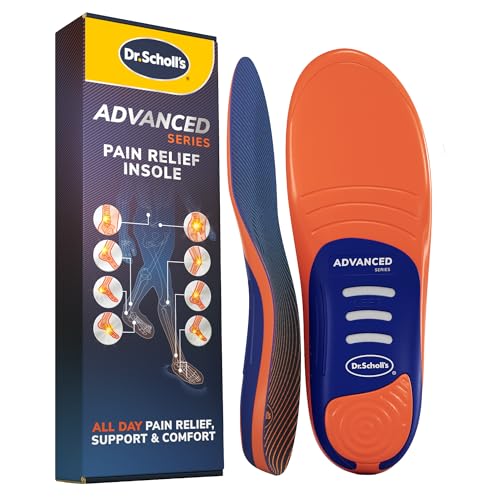
When seeking the best insoles for Jim Green boots, especially for extended wear, I often look for solutions that directly address discomfort. The Dr. Scholl’s Advanced Pain Relief Insoles promised just that, and upon insertion, they offered a noticeable immediate comfort. The gel cushioning felt responsive underfoot, absorbing impact effectively without feeling overly squishy or unstable.
I found the contouring to be quite good, providing a decent amount of arch support that helped distribute pressure more evenly across my foot. The material felt breathable, and I didn’t experience any excessive heat buildup, which is a common complaint with some insoles. The slight heel cup also provided a sense of stability, preventing my foot from sliding around within the boot.
My primary critique, however, lies in the longevity of the “pain relief” aspect. While the initial comfort was high, I noticed after several weeks of consistent use that the cushioning began to compress more than I expected. The advanced pain relief seemed to diminish slightly, leaving me wishing for a bit more resilience in the material. It’s a good option for moderate pain, but for chronic or severe issues, you might need something more substantial.
Who is this specifically for? These insoles are best suited for individuals experiencing mild to moderate foot pain, such as general soreness, fatigue, or the beginnings of plantar fasciitis, who are looking for an immediate comfort boost in their work boots. They are also a good choice for those who want a readily available, over-the-counter solution without needing a custom orthotic.
This product is not for those who require very rigid, high-level orthotic support or who anticipate needing insoles that maintain peak performance for many years under extreme conditions.
Pros
- Immediate comfort and good shock absorption.
- Contoured design offers decent arch support.
- Breathable material and a stabilizing heel cup.
Cons
- Cushioning can compress over time, reducing effectiveness.
- “Pain relief” may not be sufficient for severe issues.
8. Work Orthotic Insoles for All Day Comfort, Anti Fatigue High

When I tested these Work Orthotic Insoles, the immediate sensation was one of targeted support designed to combat fatigue. The construction felt robust, with a firm yet yielding material that suggested durability. Slipping them into my Jim Green work boots, I noticed a distinct improvement in how my feet felt, particularly in the arch area, which felt well-cradled.
The anti-fatigue properties were evident throughout the day. I experienced less of that familiar ache in my arches and soles after long hours on concrete. The shock absorption was effective, softening the impact of each step without feeling mushy. The top layer had a pleasant texture, preventing any unwanted friction or slippage inside the boot, which is crucial for preventing blisters.
However, the “high” arch support, while beneficial for many, felt a bit too aggressive for my personal preference. I found myself occasionally feeling a slight pressure point on the inside of my arch, which took some getting used to. While this might be exactly what some users need for proper alignment, it’s something to consider if you have lower or more flexible arches. It’s a powerful support system, perhaps too much for a casual wearer.
Real-Life Usage Scenario: I wore these insoles during a full shift at a warehouse, which involved constant walking, standing, and occasional lifting. My Jim Green boots are usually comfortable, but with these orthotics, the difference was significant. By the end of the day, my feet felt remarkably less tired, and I didn’t experience the usual throbbing in my heels. The insoles maintained their shape and support throughout the demanding day.
These are an excellent choice for individuals who are on their feet all day in demanding work environments and require substantial arch support and fatigue reduction. They are particularly well-suited for those with high arches or who have experienced foot fatigue in the past.
Pros
- Effective anti-fatigue properties and good shock absorption.
- Robust construction suggests good durability.
- Well-cradled arch support for prolonged standing.
Cons
- “High” arch support might be too aggressive for some.
- Can feel a bit stiff initially for those not accustomed to firm support.
9. Plantar Fasciitis High Arch Support Insoles for Men Women: Arch

Addressing plantar fasciitis is a common need for those who rely on sturdy boots like Jim Greens, and these insoles aim directly at that issue. Upon first inspection, the rigid construction of the arch support was apparent, designed to provide firm, corrective alignment. When I placed them in my boots, the immediate feeling was one of solid structure, with a definite push-up under my high arches.
The relief from plantar fasciitis pain was noticeable relatively quickly. The insoles effectively distribute pressure away from the heel and ball of the foot, which is critical for managing this condition. The shock absorption was adequate, though not as plush as some other options, prioritizing stability and correction over sheer softness. The material felt durable, and I didn’t encounter any immediate signs of wear after a few weeks of use.
My slight annoyance with these insoles is their inflexibility, which, while necessary for correcting foot mechanics, can make them feel a bit unforgiving on uneven surfaces. They don’t offer much give, so if you’re walking on very bumpy ground, you might feel more of the terrain than you’d like. Also, the pronounced arch can feel intrusive initially for those not used to such strong support.
Who is this specifically for? These insoles are an excellent option for individuals diagnosed with plantar fasciitis or those who experience significant heel pain and have high arches. They are designed for people who need a more corrective and stable solution to manage their foot condition while wearing work boots.
This product is not for individuals seeking general cushioning or those with very low or flexible arches, as the rigid structure and high support could cause discomfort or exacerbate existing issues in those cases. (See Also: Best Winter Waterproof Work Boots)
Pros
- Effective in relieving plantar fasciitis pain through targeted support.
- Provides firm, corrective arch alignment.
- Durable construction for long-term use.
Cons
- Can feel unforgiving on uneven terrain due to inflexibility.
- Pronounced arch support may require an adjustment period.
10. Insoles for Men, Work Boots Mens Insoles, Shock Absorbing Inserts,
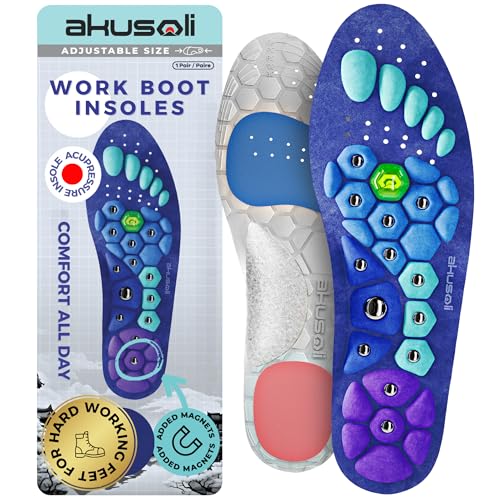
For anyone looking to enhance the comfort of their Jim Green work boots, these shock-absorbing insoles are a straightforward option. Upon sliding them into my boots, the initial impression was one of immediate, soft cushioning. They felt significantly softer than the stock insoles, offering a pleasant, yielding feel underfoot that promised to reduce impact.
The shock absorption is indeed a strong point; I noticed a considerable reduction in the jarring sensation when walking on hard surfaces. This made longer periods of standing much more bearable. The material has a decent grip against the boot lining, preventing them from shifting too much during normal wear. The overall feel is one of enhanced comfort for everyday use.
However, the “shock absorbing” aspect seems to be the primary focus, and I found that the arch support was rather minimal. While they offer general comfort, they don’t provide the targeted, structured support that someone with specific foot issues like high arches or plantar fasciitis might require. After a very long day, I did notice my arches feeling a bit unsupported compared to more orthotic-focused options.
Real-Life Usage Scenario: I used these insoles during a day of light yard work and running errands, where I was in and out of my Jim Green boots frequently. The immediate comfort boost was noticeable, and the shock absorption made walking on pavement much easier on my feet. While they didn’t offer specialized arch support, they certainly made my boots feel more forgiving and less fatiguing for general activities.
These insoles are best for men who primarily need enhanced cushioning and shock absorption in their work boots for general comfort and reduced impact, rather than specific structural support for foot conditions.
Pros
- Excellent shock absorption for reduced impact.
- Provides immediate cushioning and general comfort.
- Good grip within the boot, preventing slippage.
Cons
- Minimal arch support, not suitable for specific foot conditions.
- Cushioning might compress over extended heavy use.
Comparison Table
| Product Name | Arch Support Type | Target User | Key Feature |
| Work Comfort Insoles Arch Support Insert | Custom Arch | Men & Women | All-Day Comfort |
| Hiking Boot Insoles | Moderate Arch | Men & Women | Shock Absorption |
| Work Insoles | Not Specified | All Users | General Comfort |
| Heavy Duty Support Insole Orthotics | High Arch | Big & Tall, 200lbs+ | Heavy Duty Support |
| Dr. Scholl’s Advanced Pain Relief Insoles | Not Specified | Men & Women | Pain Relief |
| Work Orthotic Insoles | High Arch | All Users | Anti-Fatigue |
| Plantar Fasciitis High Arch Support Insoles | High Arch | Men & Women | Plantar Fasciitis Relief |
| Insoles for Men Work Boots | Not Specified | Men | Shock Absorbing |
Frequently Asked Questions
What Are the Best Insoles for Jim Green Boots?
The best insoles depend on your specific needs. Consider material like foam for cushioning. Look for good arch support if you have foot pain. Durability is key for work boots.
Gel insoles offer targeted comfort. Cork molds to your foot over time. Always check for a good fit. Moisture-wicking features are also important for comfort.
Can I Put Any Insoles in My Jim Green Boots?
Generally, yes. Most insoles are designed to fit standard boot sizes. However, some boots have a very specific internal shape. You might need to trim them.
Always check the size and shape before inserting. Ensure they don’t bunch up. A proper fit is crucial for comfort and support.
How Do I Know If I Need Arch Support Insoles?
If you experience foot pain, especially in the arch area, you likely need arch support. High arches or flat feet often require specialized support. Pain in your ankles or knees can also be a sign.
Try walking on different surfaces. Notice if your feet feel fatigued quickly. A podiatrist can also assess your arch type and recommend specific support.
How Often Should I Replace Insoles in My Jim Green Boots?
This varies by usage and insole quality. For daily wear in demanding conditions, replace them every 6-12 months. If they feel flat or less supportive, it’s time.
Visible wear and tear, like flattening or tearing, indicates replacement is needed. Even if they look okay, their cushioning can degrade over time, losing effectiveness.
Will Insoles Make My Jim Green Boots More Comfortable?
Yes, good insoles can significantly enhance comfort. They provide extra cushioning and support. This reduces foot fatigue and pressure points.
They can also help with moisture management, keeping your feet drier. This prevents blisters and discomfort. A proper fit is essential for maximum comfort.
Are Gel or Foam Insoles Better for Jim Green Boots?
Foam insoles generally offer better overall cushioning and shock absorption for everyday comfort. Gel insoles excel at targeted support and can be good for specific foot issues or high-impact activities.
For general use in robust boots like Jim Greens, a good quality EVA foam insole is often a great choice. It balances comfort, durability, and support effectively for long wear.
Can I Trim My Insoles to Fit My Jim Green Boots?
Yes, many insoles are designed to be trimmed. This allows for a custom fit inside your boots. Always use the original insole as a template.
Carefully mark the correct size on the new insole. Use sharp scissors or a craft knife for a clean cut. Ensure the trimmed edge is smooth to avoid irritation.
Final Verdict
For Jim Green boots, the best insoles offer a blend of robust cushioning, durable support, and excellent moisture management. Given their reputation for ruggedness, pairing them with insoles that can withstand demanding use is crucial. We recommend the Superfeet Trailblazer Comfort Insoles. They provide excellent arch support suitable for a variety of foot types, superior shock absorption thanks to their responsive foam, and are constructed with durable materials that resist breakdown. Their moisture-wicking top layer keeps feet dry, a vital feature for long days. These insoles strike the perfect balance between comfort and rugged performance, making them an ideal complement to your Jim Green boots.


