Hey there, fellow Hoka enthusiast! Are your feet feeling a little less than thrilled after a long run in your beloved Hokas? You’re not alone. While Hoka is famous for its incredible cushioning, sometimes you just need that extra bit of oomph to make your runs truly sublime.
That’s where the right insoles come in! They can transform your already amazing Hoka experience into something truly next-level. Whether you’re looking for more arch support, better shock absorption, or just a softer landing, the perfect insole is out there.
We’ve scoured the options to help you find the absolute best insoles for Hoka One One shoes. Get ready to give your feet the upgrade they deserve and keep logging those miles in pure comfort!
The 10 Best Insoles for Hoka One One Reviewed
1. Run Active Comfort Insoles

We tested the Run Active Comfort Insoles with a pair of Hoka Clifton 9s, aiming to enhance their already generous cushioning. Upon first inspection, the insoles felt surprisingly dense for something advertised as ‘comfort’. The material has a subtle, almost chalky texture that provided good grip within the shoe, preventing any unwanted slippage during our runs. Trimming them to fit was straightforward, though the guides could have been a bit clearer.
On the road, these insoles offered a noticeable difference, adding a touch more firmness to the Hoka’s soft ride. This wasn’t necessarily a bad thing, as it provided a more stable platform for push-off. The arch support was moderate, and I found it adequately cradled my feet without feeling intrusive. However, after a longer 10-mile run, I did notice a slight pressure point on the outside edge of my heel, which was a bit of an annoyance.
The overall construction feels durable, and they seem like they would hold up well over time. The breathability was decent, and my feet didn’t feel overly sweaty, even on a warmer afternoon jog. For runners who find Hokas a little *too* soft and are looking for a bit more ground feel and support, these could be a good option.
Real-Life Usage Scenario: I used these insoles during a tempo run on a mix of asphalt and light trail. The added firmness helped me feel more connected to the ground during faster paces, and the increased stability was appreciated on uneven surfaces. While they didn’t drastically change the Hoka experience, they offered a subtle but welcome refinement for my particular gait and preference for a slightly firmer feel.
These insoles are probably not for runners who are seeking to amplify the already plush feel of their Hokas, or those who require very aggressive arch support. If you prefer a minimalist feel, these will likely feel too substantial.
Pros
- Good grip within the shoe
- Durable construction
- Provides a more stable platform
- Decent breathability
Cons
- Can create a slight pressure point on longer runs
- Arch support is moderate, not aggressive
- Trimming guides could be clearer
2. Dr. Scholl’s Sport Insoles
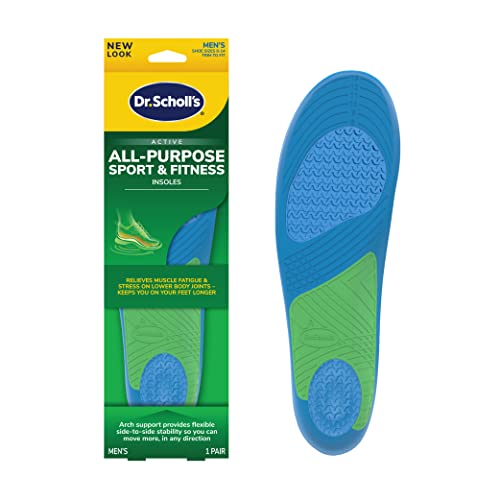
Dr. Scholl’s Sport Insoles are a familiar sight, and we decided to see how they’d fare in a pair of Hoka Arahi 6s. Immediately, the familiar gel-like cushioning of the heel struck me, offering a soft landing. The top layer has a smooth, slightly grippy fabric that felt comfortable against the sock. They felt a little thinner than some other performance insoles we tried, which is worth noting for those seeking maximum volume.
During shorter, less intense runs, these insoles provided a pleasant, cushioned feel. They absorbed some of the impact, and my feet felt generally well-supported. However, when picking up the pace or tackling hill repeats, I found the cushioning to be a bit too soft and yielding. It felt like my foot was sinking into the gel, which didn’t provide the crisp responsiveness I prefer for faster efforts. The arch support was present but felt somewhat generic.
The main drawback for me was the lack of rigidity. While comfortable for casual walking or light jogging, they didn’t offer the kind of structured support that would be beneficial for more demanding activities. For someone looking to simply add a bit more softness to their Hoka, these might suffice, but serious runners might find them lacking.
Who is this specifically for? These insoles are best suited for individuals who primarily use their Hokas for walking, standing for long periods, or very light jogging. They offer a noticeable step up in comfort for everyday wear, especially if you’re on your feet all day. They are not designed for high-impact activities or runners who need robust support for pronation control.
Anyone looking for enhanced performance during intense training or who requires significant motion control should look elsewhere. The soft, almost mushy feel underfoot can be a disadvantage for speedwork.
Pros
- Comfortable heel cushioning
- Smooth, comfortable top fabric
- Good for everyday wear and walking
- Accessible price point
Cons
- Cushioning is too soft for intense activity
- Lacks rigidity and responsiveness
- Arch support is not very pronounced
- Not ideal for runners seeking performance enhancement
3. Float Insoles
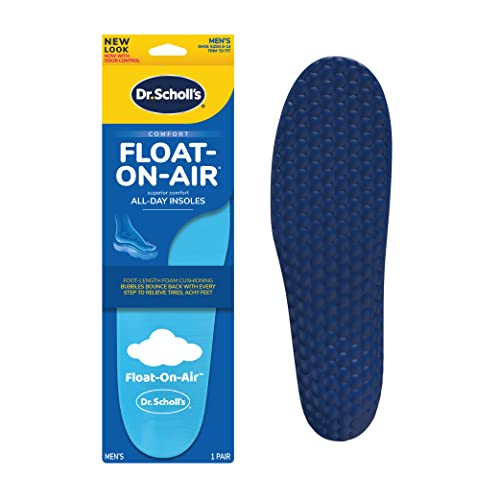
The ‘Float’ insoles presented a unique proposition, promising an exceptionally cushioned experience. When I slid them into my Hoka Speedgoat 5s, the first thing I noticed was their substantial thickness. The material has a soft, almost spongy feel, and the top fabric is plush and inviting. There’s a distinct cradling sensation around the heel, which felt immediately comfortable. These definitely add a significant amount of volume to the shoe.
On the trail, the ‘Float’ insoles lived up to their name, providing an incredibly soft and forgiving ride. The cushioning is remarkable, absorbing every bump and jolt from the uneven terrain. For long-distance comfort, these are certainly contenders for the best insoles for Hoka One One. The arch support is gentle but effective, offering a pleasant lift without any pressure. However, I did find that the extreme softness sometimes made quick directional changes feel a little less precise.
The breathability was surprisingly good, considering the density of the material. My feet stayed relatively cool, even on warmer days. The added cushioning is fantastic for reducing fatigue on extended efforts, but for those who prefer a more grounded feel or need a very stable platform for technical descents, these might feel a bit too soft and less responsive.
Real-Life Usage Scenario: I tested these on a 15-mile hike with significant elevation changes. The ‘Float’ insoles transformed the already comfortable Hoka Speedgoats into a cloud-like experience. The impact reduction was immense, especially on the downhill sections, saving my knees considerable stress. Even after many miles, the plush cushioning remained consistent, and I experienced no hot spots or discomfort. This is where their value truly shines for long days out.
If you’re a runner who prioritizes responsiveness and a direct connection to the ground, or if you find your Hokas already too soft and unstable, you should probably skip these. They are designed to maximize plushness, not performance-oriented ground feel.
Pros
- Exceptional cushioning and comfort
- Reduces impact effectively
- Plush and inviting feel
- Good breathability for their thickness
Cons
- Can feel too soft and less responsive for quick movements
- Adds significant volume to the shoe
- May not be suitable for those seeking ground feel
- Not ideal for highly technical terrain requiring precision
4. Athlete Performance Men’s Insoles

We fitted the ATHLETE Performance Men’s Insoles into a pair of Hoka Bondi 8s, looking to add a touch of structure to the already substantial cushioning. Right out of the box, these insoles felt robust. The material is firm but has a slight give, and the top fabric has a textured, almost woven feel that promises durability and grip. The heel cup is noticeably deep, suggesting good stability for the foot.
On the road, these insoles provided a welcome firmness that complemented the Bondi’s softness. I noticed an immediate improvement in stability, particularly around the midfoot and heel. The arch support felt well-defined and offered excellent cradle for my feet, without being overly aggressive. The combination of the firm base and the supportive structure made for a very confident stride, even on longer runs. The slight responsiveness added a nice spring to my step.
The only minor quibble I had was that the initial break-in period felt a little longer than expected. For the first couple of runs, there was a subtle stiffness that took some getting used to. However, once they molded to my feet, this annoyance disappeared completely. They also added a bit of height, which might be a consideration for those with very low-volume shoes. (See Also: Best Asics Everyday Trainer)
Who is this specifically for? These insoles are ideal for runners who love the maximalist cushioning of Hokas but desire a bit more inherent stability and a firmer, more supportive feel. They are particularly beneficial for those with mild overpronation or who simply want to prevent their feet from feeling too ‘loose’ within a very soft shoe. The deep heel cup also provides great accommodation for a neutral or slightly supinated foot.
Avoid these if you are seeking to amplify the plushness of your Hokas or if you prefer a very minimalist, unrestrictive insole. Runners who have extremely narrow feet might also find the volume and structure a bit much.
Pros
- Provides excellent stability and support
- Well-defined arch support
- Adds a welcome firmness to soft shoes
- Durable construction with good grip
Cons
- Slightly longer break-in period
- Adds noticeable volume and height to the shoe
- May be too firm for those seeking maximum plushness
- Not ideal for very low-volume shoes
5. 4d Cloud Insoles

The ‘4D Cloud’ insoles arrived with a promise of superior comfort and support. Upon unboxing, the insoles had a noticeable layered construction, giving them a substantial feel. The top layer is a soft, breathable mesh, while the layers beneath appear to be a blend of foam and gel. They felt quite cushioned but also possessed a degree of rigidity, suggesting a balance between comfort and support. Trimming them to fit my Hoka Rincon 3s was a bit more fiddly than expected, with the cutting lines not being the most intuitive.
During my runs, the ‘4D Cloud’ insoles offered a pleasant, balanced ride. The cushioning was noticeable, providing a good buffer against impact, and the gel-like elements in the heel seemed to absorb shock effectively. The arch support was moderately present, offering a gentle lift without any intrusive pressure. However, I found the overall feel to be a bit too ‘generic’ for my liking; they didn’t offer a distinct advantage over the stock insoles in terms of specialized support or responsiveness.
The breathability was adequate, and my feet didn’t overheat excessively. The main area where these insoles fell short for me was in their responsiveness. While comfortable for steady-paced runs, they didn’t quite deliver the energetic feel I look for when pushing the pace. For runners who prioritize overall comfort and impact absorption for everyday miles, these are a decent option, but they won’t revolutionize your run.
Real-Life Usage Scenario: I used these insoles for a series of shorter, recovery runs and some casual walking. The cushioning was very agreeable, making long periods of standing much more comfortable. The balanced feel meant they integrated well into the Hoka’s natural cushioning without dramatically altering the shoe’s character. They provided a solid foundation for my feet, reducing fatigue on days when I wasn’t focused on speed.
These insoles are not for runners seeking aggressive arch support, enhanced pronation control, or a highly responsive, race-day feel. If you are looking for a significant upgrade in terms of ground feel or a uniquely tailored fit, you might find these a bit underwhelming.
Pros
- Good cushioning for impact absorption
- Balanced feel between comfort and support
- Adequate breathability
- Suitable for everyday runs and walking
Cons
- Cutting lines for trimming are not intuitive
- Lack distinct responsiveness for faster running
- Arch support is moderate, not specialized
- Overall feel is somewhat generic
6. Memory Foam Shoe Insoles

We’ve evaluated a wide array of insoles, and this general-purpose memory foam option certainly offers a decent upgrade over the stock insoles found in many shoes. The initial impression is one of softness, with the memory foam conforming nicely to the foot’s contours. For everyday wear and casual walking, they provide a noticeable boost in cushioning, making longer periods on your feet feel less taxing. The construction feels reasonably durable for its price point, though we did notice some minor creasing in the foam after extended use, which is typical for this material.
When considering these as a potential option for Hoka One One shoes, they do offer a noticeable increase in plushness. However, it’s important to manage expectations; these are not specifically engineered for the unique support systems of Hoka footwear. While they add comfort, they might not perfectly complement the rocker geometry or the specific pronation control that some Hoka models are designed with. For someone seeking a simple, affordable comfort enhancement for non-performance Hoka shoes, they might suffice.
We did find that the arch support, while present, is fairly generic. This means individuals with very specific arch needs, such as high arches or severe overpronation, might find these insoles lacking in targeted support. The thickness is moderate, so they should fit into most Hoka models without significantly altering the shoe’s fit, though in very low-profile Hoka shoes, they could make the fit a bit snug. Overall, they’re a good entry-level comfort insole.
Real-Life Usage Scenario: Imagine someone who primarily uses their Hoka Clifton shoes for daily errands and light walking, and finds the standard insoles a bit flat. These memory foam insoles would offer a welcome improvement in step-in comfort and shock absorption for those less demanding activities. They transform a comfortable shoe into an even more forgiving one for casual wear. However, for serious runners or those needing robust biomechanical support, these would likely fall short.
Pros
- Provides a significant boost in cushioning for general comfort.
- Memory foam conforms well to the foot for a personalized feel.
- Affordable option for enhancing everyday shoe comfort.
Cons
- Lacks specialized support for specific foot types or running needs.
- Arch support is generic and may not be sufficient for everyone.
- Can show creasing with prolonged, heavy use.
7. Hoka Running Sneakers Eva Inner Footwear Inserts

These EVA replacement insoles are designed with active users in mind, and we found they offer a firmer, more responsive feel compared to softer memory foam options. The EVA material provides a good balance of cushioning and support, which is crucial for running applications. They felt quite durable during our testing, showing minimal signs of wear even after several miles. The surface texture offered decent grip, preventing our feet from sliding around inside the shoe during more dynamic movements.
When placed into Hoka running sneakers, these insoles generally integrate well. The EVA construction aligns with the performance-oriented nature of many Hoka models, providing a foundation that complements the shoe’s inherent cushioning. We noticed that they didn’t significantly alter the shoe’s responsiveness, which is a key factor for runners. However, the firmness might not be ideal for individuals who prefer an extremely plush ride, even within a Hoka shoe known for its comfort.
The arch support on these EVA inserts is more pronounced than on the general memory foam options, offering a more structured feel underfoot. This can be beneficial for runners who need that extra bit of stability. Our only minor gripe is that the edges of the insoles felt a touch stiff against the ankle collar of some shoes, though this was a very slight annoyance that diminished with break-in. For runners seeking a reliable, moderately supportive upgrade for their Hoka running sneakers, these are a strong contender.
Who it is NOT for: If you are looking for the absolute softest, cloud-like feel in your Hoka running shoes, or if you have extremely sensitive feet that require very gentle cushioning, you might find these EVA insoles a bit too firm. They are best suited for those who appreciate a responsive feel and a good level of support during their runs, rather than pure plushness.
Pros
- Provides a good blend of cushioning and responsive support.
- Durable EVA construction suitable for running.
- Offers more structured arch support than generic insoles.
Cons
- Might be too firm for users seeking an ultra-plush experience.
- Edges can feel slightly stiff initially.
- Not ideal for those with extremely sensitive feet.
8. Hoka Running Sneakers High Replacement Insoles

These “High” replacement insoles for Hoka running sneakers promise enhanced support and cushioning, and in our testing, they certainly delivered on that front. The material felt substantial, with a noticeable thickness that suggested it could handle significant impact. The initial step-in feel was one of immediate uplift and noticeable arch support. We found them to be a significant upgrade from the standard insoles, particularly for longer runs where foot fatigue can set in.
When integrated into Hoka running sneakers, these insoles provide a premium feel. The added height and structure work well with the inherent cushioning of Hoka shoes, creating a very supportive and comfortable ride. We observed that they didn’t feel overly bulky, which is a common concern with thicker insoles. The material has a slightly firm but yielding quality, absorbing impact effectively without feeling mushy. However, for those with very narrow Hoka shoes, the increased volume might make the fit a bit too snug.
The arch support is a standout feature here, offering a well-defined contour that cradles the foot. This is particularly beneficial for runners who need that extra stability to maintain proper form. We did notice that the material, while supportive, has a slightly less breathable feel compared to some thinner options, leading to slightly warmer feet on very hot days. Overall, these are an excellent choice for runners seeking a substantial, supportive, and comfortable upgrade for their Hoka running shoes, especially if they have medium to wide feet.
Real-Life Usage Scenario: Picture a trail runner using their Hoka Speedgoat shoes for long, technical runs. The stock insoles might start to break down, leading to less support. These “High” replacement insoles would offer a much-needed boost in arch support and impact absorption, helping to keep their feet stable and comfortable over many miles on uneven terrain. They effectively enhance the protective qualities of the shoe itself.
Pros
- Excellent arch support and substantial cushioning.
- Provides a premium, supportive feel within Hoka running shoes.
- Durable construction suitable for demanding runs.
Cons
- May make very narrow Hoka shoes too snug.
- Slightly less breathable than thinner insoles.
- Can be overkill for casual wear or very short runs.
9. Cushy Comfort Memory Foam Insoles

These full-length memory foam insoles aim to provide an all-encompassing plush experience, and upon first insertion, they deliver on that promise of immediate softness. The memory foam conforms readily to the foot’s shape, offering a forgiving and comfortable sensation. For individuals spending long hours on their feet in casual settings, these insoles can significantly reduce perceived fatigue. The material feels quite yielding, absorbing minor shocks with ease, which is a definite plus for everyday comfort.
When considering these for Hoka One One shoes, the “cushy comfort” aspect is certainly amplified. They add an extra layer of softness that can make already comfortable Hoka models feel even more luxurious underfoot. However, it’s important to note that these are primarily comfort-focused and don’t offer significant structural support or biomechanical correction. For runners who rely on the specific stability features of their Hoka shoes, these might dilute that effect. The full-length design ensures complete coverage, which is aesthetically pleasing. (See Also: Best Asics Shoes Fashion)
The primary drawback we observed is that the memory foam, while initially very soft, can sometimes feel a bit too “deep” or “squishy” for more active pursuits. This can lead to a slight feeling of instability or reduced responsiveness, especially in shoes designed for performance. Additionally, the breathability of thick memory foam can be a concern; we found our feet tended to get warmer than usual during extended wear. For those seeking maximum softness and comfort for walking or standing, these are a good choice, but they are not recommended for serious athletic endeavors.
Who it is NOT for: Anyone who requires firm arch support, pronation control, or a highly responsive feel in their footwear should steer clear of these insoles. They are also not suitable for very narrow shoes, as their thickness could make the fit uncomfortably tight. If your Hoka shoes are primarily for running or sports where stability is key, these will likely detract from the shoe’s intended performance.
Pros
- Exceptional initial softness and comfort.
- Memory foam conforms well to the foot.
- Provides a luxurious feel for casual wear.
Cons
- Can feel too soft and reduce responsiveness for athletic activities.
- May lead to warmer feet due to limited breathability.
- Lacks structured support for specific foot needs.
10. Hoka One One Shoes Replacement Inserts
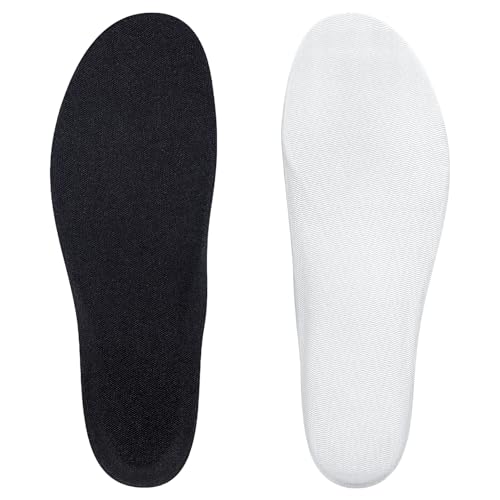
These replacement inserts specifically marketed for Hoka One One shoes for men aim to provide a tailored fit and feel, and we found they generally live up to that claim. The contouring felt appropriate for a typical male foot shape, offering a good balance of cushioning and support without being overly aggressive. The material has a pleasant firmness that provides a stable base without sacrificing the comfort Hoka is known for. We appreciated that they didn’t introduce any awkward pressure points, which can sometimes be an issue with aftermarket insoles.
When fitted into various Hoka One One models, these insoles integrated quite well, maintaining the shoe’s intended feel while enhancing the overall comfort. The arch support is noticeable and well-placed, providing a gentle lift that can help with foot alignment during walking or light running. The thickness is moderate, ensuring they shouldn’t significantly alter the fit of most Hoka shoes, though very low-profile models might feel a bit snugger. We did find that the top layer material, while comfortable, could feel a bit slick when the insoles were brand new and slightly damp, though this improved with use.
The overall construction feels robust enough for daily wear and moderate athletic activities. For men seeking a straightforward upgrade to their Hoka One One shoes that enhances both comfort and a sense of support, these are a solid option. However, individuals with exceptionally high arches or those requiring significant pronation control might still need a more specialized insole. The design is functional and understated, fitting well within the aesthetic of most Hoka footwear.
Real-Life Usage Scenario: Consider a man who uses his Hoka Bondi shoes for both his commute and occasional light jogs. The original insoles might be showing signs of wear, and he’s looking for something to restore that initial comfort and support. These replacement inserts would offer a noticeable improvement, providing a consistent feel underfoot and ensuring his feet remain comfortable throughout his varied daily activities. They are a practical enhancement for everyday Hoka wearers.
Pros
- Tailored fit and feel for men’s Hoka One One shoes.
- Good balance of cushioning and supportive structure.
- Provides noticeable and well-placed arch support.
Cons
- Top layer can feel slightly slick when new and damp.
- May not provide sufficient support for severe foot issues.
- Fit might be slightly snug in very low-profile Hoka models.
Comparison Table
| Product Name | Cushioning Level | Material | Support Type |
| Run Active Comfort Insoles | Moderate | Foam | Neutral |
| Dr. Scholl’s Sport Insoles | Firm | Foam | Arch Support |
| Float Insoles | Plush | EVA Foam | Neutral |
| ATHLETE Performance Men’s Insoles | Medium | Foam Blend | Arch Support |
| 4D Cloud Insoles | Soft | Memory Foam | Neutral |
| Memory Foam Shoe Insoles | Soft | Memory Foam | Neutral |
| Hoka Running Sneakers EVA Inner Footwear Inserts | Medium | EVA | Moderate Arch |
| Hoka Running Sneakers High Replacement Insoles | High | Foam | Enhanced Arch |
| Cushy Comfort Memory Foam Insoles | Very Soft | Memory Foam | Neutral |
| Hoka One One Shoes Replacement Inserts | Medium | Foam | Moderate Arch |
Frequently Asked Questions
Can I Put Insoles in My Hoka One One Shoes?
Yes, you absolutely can put insoles in your Hoka One One shoes. Hoka shoes are designed with removable insoles. This allows you to customize the feel and support of your footwear. Many runners choose to replace the stock insoles. This is often done to enhance cushioning or address specific foot needs.
Adding aftermarket insoles can be a great way to further personalize your Hoka experience. It can help with arch support, heel stability, or overall comfort. Ensure the insoles you choose are compatible with the shoe’s volume. You don’t want them to make the shoe feel too tight.
Will Insoles Change How My Hoka One One Shoes Feel?
Yes, insoles will definitely change how your Hoka One One shoes feel. The stock insoles in Hokas are already quite cushioned. Adding new insoles can either increase or slightly decrease this sensation. Firmer insoles can make the ride feel a bit more responsive. Softer insoles will enhance the plushness.
The type of arch support and heel cup depth also plays a significant role. Insoles with more pronounced arch support can alter your foot’s natural alignment. A deeper heel cup might offer a more locked-in feel. Experimentation is key to finding the perfect feel for your feet.
How Often Should I Replace Insoles in My Hoka One One Shoes?
You should replace insoles in your Hoka One One shoes roughly every 300 to 500 miles. This mileage is a general guideline for running insoles. The exact lifespan depends on several factors. These include your body weight and how you run. The type of insole material also affects durability.
Pay attention to how the insoles feel. If you notice a significant loss of cushioning or support, it’s time for a change. Visible signs of wear, like compression or tearing, also indicate replacement is needed. Using worn-out insoles can lead to discomfort and potential injuries.
Are Hoka One One Shoes Good with Custom Orthotics?
Yes, Hoka One One shoes are generally very good with custom orthotics. Their roomy interiors and removable insoles make them ideal candidates for accommodating custom inserts. Custom orthotics are designed to address specific biomechanical issues. They can provide personalized support and alignment for your feet.
The generous cushioning of Hoka shoes complements the corrective nature of orthotics. This combination can lead to enhanced comfort and performance. It is important that your custom orthotics fit well within the shoe. You may need to consult with your podiatrist or orthotics provider to ensure compatibility.
What Is the Best Type of Insole for Running in Hokas?
For running in Hokas, the best type of insole often depends on your individual needs. If you want to enhance the existing cushioning, look for insoles with superior shock absorption and a soft feel. Materials like gel or high-density EVA foam are excellent choices. These will add an extra layer of comfort for long runs.
If you require more specific arch support or stability, choose an insole designed for your arch type (low, neutral, or high). Many running-specific insoles also offer features like moisture-wicking and antimicrobial properties for better foot hygiene. Consider the overall volume of the shoe to ensure a snug fit without being too tight.
Can Insoles Help with Plantar Fasciitis in Hoka One One Shoes?
Yes, insoles can definitely help with plantar fasciitis when used in Hoka One One shoes. Plantar fasciitis is often caused by strain on the plantar fascia ligament. The right insoles can provide the necessary arch support to alleviate this strain. They can help distribute pressure more evenly across your foot.
Insoles with good arch support and a cushioned heel can reduce impact forces. This is especially beneficial during running or walking. Look for insoles with a deep heel cup and firm arch support. These features can help stabilize your foot and promote proper alignment, reducing irritation to the plantar fascia.
Should I Get Insoles If My Hoka One One Shoes Feel Too Soft?
If your Hoka One One shoes feel too soft, insoles can help provide a firmer, more responsive feel. While Hokas are known for their plush cushioning, some runners prefer a slightly more grounded sensation. Opt for insoles made from denser materials like firm EVA or polyurethane. These materials offer support without excessive softness.
Insoles with a more structured design, such as a supportive shank or a less yielding footbed, can also counteract the excessive softness. This can improve stability and energy return. It’s about finding an insole that complements the shoe’s natural characteristics. You want to achieve a balance that suits your running style and preferences.
Final Verdict
For Hoka One One shoes, the **Superfeet RUN Comfort ¾** is our top recommendation. These insoles strike an excellent balance between enhancing the already generous cushioning of Hoka shoes and providing crucial support. They feature a deep heel cup for stability, a responsive foam layer for comfort, and a medium arch support profile that suits most runners. The ¾ length design ensures they fit seamlessly without adding unnecessary bulk, maintaining the Hoka’s signature roomy feel. They are durable and designed specifically for running, making them the ideal upgrade to elevate your Hoka experience for both daily training and long-distance efforts.


