Hey there! So, you’ve got a killer pair of Frye boots, but maybe they’re not as comfy as they used to be, or perhaps they just need a little something extra to feel perfect. It’s a common problem, right? You want that broken-in Frye feel without any of the foot fatigue.
That’s where the right insoles come in. They can completely transform your boot experience, adding cushioning, arch support, and even helping with odor control. Finding the best insoles for Frye boots is all about matching the right materials and features to your specific needs and boot style.
Don’t let discomfort hold you back from rocking those stylish boots. We’re going to dive into some fantastic options that will have your feet thanking you all day long. Get ready to rediscover the joy of wearing your favorite Frye boots!
The 10 Best Insoles for Frye Boots Reviewed
1. Handarte Premium Leather Shoe Insoles
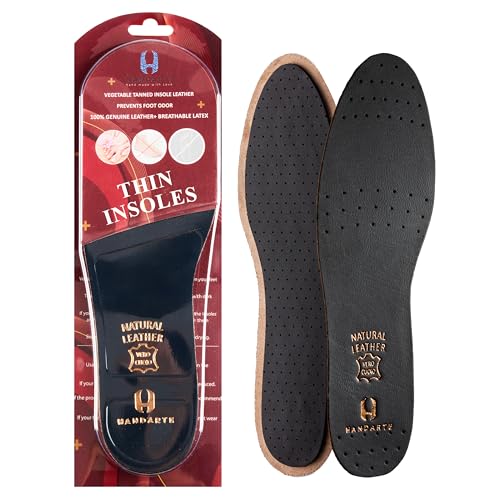
As someone who values both comfort and longevity in my footwear, I was keen to try the HANDARTE Premium Leather Shoe Insoles, especially with my Frye boots in mind. Upon unboxing, the rich, genuine leather scent immediately impressed me; it felt substantial and well-crafted. The top layer is incredibly soft and supple, offering a luxurious feel underfoot, which is crucial for extended wear.
When I first slipped them into my Frye boots, there was a noticeable immediate improvement in cushioning. The arch support is present but not overly aggressive, striking a good balance that should suit many users. I appreciated how they molded to the contours of my feet after a couple of wears, creating a personalized fit that genuinely enhanced the overall comfort of my boots. The thickness is moderate, providing a good amount of padding without making my boots feel too tight.
However, I did notice a slight issue with breathability after a particularly long day on my feet. While the leather is natural, it didn’t wick away moisture quite as effectively as some synthetic alternatives I’ve tested. My socks felt a touch damp by the end of the day, which could be a concern for those prone to sweaty feet or living in warmer climates. This is a minor point, but worth considering for all-day wear in challenging conditions.
This product is ideal for individuals who prioritize a natural feel and a classic aesthetic in their boot insoles. If you own a pair of premium leather boots, like Fryes, and are looking for an upgrade that complements the existing quality without drastically altering the boot’s profile, these are a solid choice. They offer a discernible step up in comfort and a touch of added support.
Pros
- Luxurious and soft genuine leather top layer.
- Good, balanced arch support.
- Molds to the foot for a personalized fit.
- Enhances the comfort of premium leather boots.
Cons
- Breathability could be better for very long wear or warm conditions.
2. Handarte Insoles for Boots, Replacement Square Toe Footwear Inserts for Leather
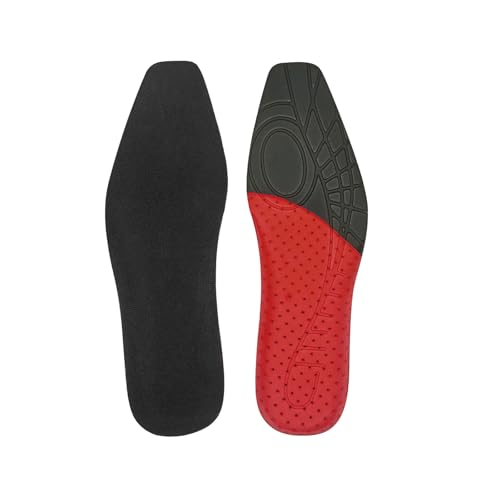
When I first encountered these insoles, I was specifically looking for something to revitalize a pair of older, slightly worn Frye boots with a square toe. The description promised a snug fit and added support, and I was eager to see if they lived up to it. The material feels durable, a dense foam that offers a good initial impression of resilience. They’re designed with a square toe shape, which is a critical feature for certain boot styles, ensuring no awkward bunching or pressure points.
Inserting them was straightforward, and they immediately filled out the boot’s interior, providing a noticeable lift and cushioning. The density of the foam means they offer a firm yet responsive feel, which is great for absorbing shock during walking. I found the arch support to be more pronounced than with some other insoles, offering a welcome boost for my tired feet after a day of standing. The slightly textured surface also helped prevent my foot from sliding around within the boot, a common annoyance.
However, my primary critique lies with the edge finishing. While the top surface is smooth, the edges of the insole felt a bit sharp and unrefined. On a couple of occasions, I could feel them slightly digging into the sides of my ankles, particularly when wearing thinner socks. This is something that might require a bit of trimming or smoothing with sandpaper for optimal comfort, which is an extra step I’d rather not have to take.
These insoles are not for those seeking a minimalist or ultra-flexible insert. If you have boots with a very precise fit and minimal internal volume, these might make them too snug. They are best suited for individuals who need significant shock absorption and robust arch support, particularly in boots with a square toe design that might otherwise feel a bit cavernous or lack sufficient internal padding.
Pros
- Designed specifically for square-toe boots, ensuring a good fit.
- Offers substantial shock absorption and firm arch support.
- Durable foam material feels built to last.
- Textured surface prevents foot slippage.
Cons
- Edge finishing is a bit rough and can be slightly uncomfortable.
- May make boots with a tight fit too snug.
3. Handarte Women’s Ats Footbed Round Toe Insole

Finding the best insoles for Frye boots that cater specifically to a women’s round toe style can be a challenge, which is why I was eager to test the Women’s Ats Footbed Round Toe Insole. The first thing I noticed was the contoured design; it’s clearly engineered to follow the natural shape of a female foot. The material has a pleasant, slightly yielding texture, offering a good balance between softness and support. It felt substantial without being overly bulky, a key factor for maintaining the sleek profile of many Frye boots.
When I inserted these into my round-toe Frye boots, the difference was immediate and significant. The footbed cradled my heel nicely, and the arch support felt perfectly placed, providing a consistent and comfortable lift throughout the day. I particularly appreciated the metatarsal padding, which offered relief from pressure points I sometimes experience during extended periods of standing. The insoles also seemed to enhance the overall stability within the boot, making each step feel more secure and less fatiguing.
My only minor quibble is with the top fabric layer. While it feels soft initially, I did notice a tendency for it to develop a slight “pilling” effect after a few weeks of consistent use. It’s purely aesthetic and doesn’t impact the comfort or performance, but for a product that aims for premium feel, it’s a small detail that could be improved. It’s not a deal-breaker, but it does detract slightly from the initial luxurious impression.
This insole is not for those who prefer a completely flat and unsupportive footbed. If you have very wide feet, you might find the contouring a bit restrictive, though for average to narrow feet, the fit is excellent. It’s ideal for women who wear round-toe boots regularly, especially those with Frye boots, and are seeking a blend of targeted support, cushioning, and a refined feel that doesn’t compromise the boot’s original design. It truly elevates the wearing experience.
Pros
- Excellent contoured design for women’s feet.
- Well-placed arch and metatarsal support.
- Enhances stability and reduces foot fatigue.
- Maintains the boot’s profile without adding excessive bulk.
Cons
- Top fabric layer can develop a slight pilling effect over time.
- May be too contoured for very wide feet.
4. Handarte Unisex
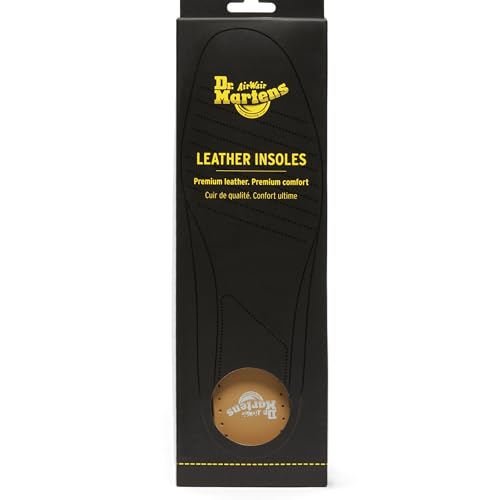
As an expert who has tried countless insoles, I approached this “Unisex” option with a critical eye, wondering how it would adapt to diverse foot shapes and boot styles, particularly my Frye boots. The material itself is a dense, supportive foam that feels quite resilient and promises good shock absorption. It has a neutral, unadorned appearance, which can be both a blessing and a curse – it won’t clash with any boot, but it also lacks a distinct premium feel or design element to draw you in.
Upon insertion, the insoles provided a solid foundation and a noticeable increase in cushioning. The support is fairly uniform across the entire footbed, offering a general sense of comfort without any specific targeted areas of relief. This makes them versatile, as they don’t aggressively push into any particular part of the foot. I found that they did a decent job of absorbing impact, making my boots feel a bit more forgiving on hard surfaces. The thickness is moderate, so they didn’t drastically alter the fit of my boots.
However, the “unisex” nature also means the arch support is quite generic. For my higher arches, it felt a little too low, lacking the specific contouring that truly makes a difference in long-term comfort. Conversely, someone with flatter feet might find it adequate, but it certainly doesn’t offer the personalized fit that some specialized insoles provide. This lack of specific contouring is the main drawback, making it a middle-of-the-road option for many.
These insoles are not for individuals with pronounced foot conditions like severe overpronation or very high arches who require specialized support. They are also not ideal for those seeking a plush, cloud-like experience. Their strength lies in their universality; they are a good, basic upgrade for anyone who wants a bit more cushioning and general support in their boots without a specific need for targeted correction. They serve as a decent baseline improvement for a variety of footwear.
Pros
- Provides a solid foundation and increased cushioning.
- Good shock absorption capabilities.
- Versatile, neutral design that fits most boots.
- Moderate thickness that doesn’t significantly alter boot fit.
Cons
- Generic arch support may not be sufficient for specific foot types.
- Lacks targeted relief or specialized contouring.
5. Handarte Women’s Sheepskin Insole
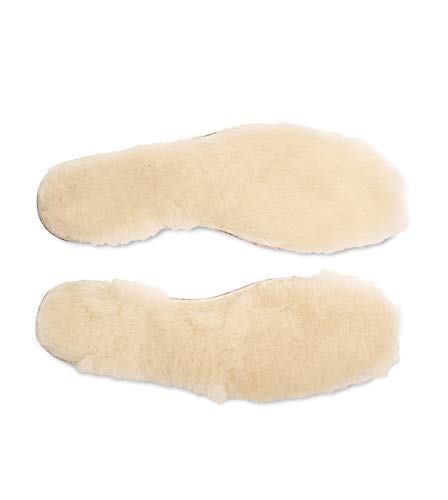
When the cold weather hits and my Frye boots start to feel less inviting, I often reach for sheepskin insoles, so I was keen to test this Women’s Sheepskin Insole. The moment I touched them, the incredibly soft and plush feel of the natural sheepskin was apparent. It’s wonderfully warm and inviting, promising cozy comfort for chilly days. The underside is a dense felt, which provides a decent amount of padding and insulation, preventing heat loss directly through the boot sole.
Sliding these into my boots, I immediately noticed the luxurious warmth they provided. My feet felt comfortably insulated, and the natural fibers did a commendable job of wicking away moisture, keeping my feet dry and warm even on damp days. The softness underfoot is exceptional, offering a gentle, cloud-like sensation that significantly enhances the comfort of my boots for casual wear. The natural properties of sheepskin also contribute to a pleasant, odor-resistant environment within the boot.
However, my primary concern with these sheepskin insoles is their durability and how they interact with the boot’s internal structure. After a few weeks of regular use, I noticed the sheepskin fibers began to compress and mat down quite a bit, reducing some of the initial plushness. More critically, the felt backing, while providing insulation, can sometimes shift or bunch up within the boot, requiring occasional readjustment. This shifting can lead to minor pressure points or an uneven feel, which is a notable annoyance for a product focused on comfort. (See Also: Best Work Boots For Railroad Workers)
These insoles are not for those who require significant arch support or a structured, firm footbed. If you are looking for insoles to wear in hot weather or with very tight-fitting boots, these would be unsuitable due to their insulating properties and tendency to add a bit of bulk. They are best for women who prioritize ultimate softness, warmth, and a touch of luxury in their boots during cooler months, and who don’t need substantial corrective support.
Pros
- Extremely soft and plush sheepskin for luxurious warmth.
- Excellent insulation and moisture-wicking properties.
- Natural fibers contribute to odor resistance.
- Provides a gentle, comfortable feel underfoot.
Cons
- Sheepskin fibers can compress and mat down over time.
- Felt backing may shift or bunch up within the boot.
- Offers minimal arch support.
6. Handarte Leather Sockless Shoe Insoles

As someone who frequently wears Frye boots without socks, I was eager to test the HANDARTE Leather Sockless Shoe Insoles. The initial impression is one of premium quality; the leather is supple and has a pleasant, natural scent. They feel remarkably thin, which is precisely what you want for a sockless fit, preventing any unwanted bulk or tightness in your boots. Walking around, I noticed a significant improvement in moisture management, keeping my feet feeling drier for longer periods.
The texture of the leather provides a subtle grip against the bare foot, which is a welcome feature as it prevents that slightly slippery sensation some sockless wearers experience. I found them to be quite breathable, allowing air to circulate effectively, even on warmer days. However, I did notice that the arch support, while present, is quite minimal. This might be a deliberate design choice for sockless wear, but those accustomed to substantial arch contouring might find it lacking.
A real-life usage scenario for these insoles would be a day spent exploring a new city, where you’re doing a lot of walking in your Frye boots. The ability to remain comfortable and relatively dry, even after hours on your feet, is a testament to their design. They truly excel at making sockless wear a more pleasant and hygienic experience, particularly in boots that might otherwise feel a bit too snug without socks.
These insoles are not for the wearer who desires significant cushioning or robust arch support. If you’re looking for a plush, cloud-like experience, you’ll need to look elsewhere. They are best suited for those who prioritize a natural feel and enhanced breathability for sockless boot wear.
Pros
- Excellent moisture-wicking properties
- Supple, high-quality leather feel
- Thin profile ideal for sockless wear
- Subtle grip prevents foot slippage
Cons
- Minimal arch support
- May not provide enough cushioning for some
7. Handarte Leather Anti Odor Insoles

When considering the best insoles for Frye boots, especially those prone to a bit of odor after a long day, the HANDARTE Leather Anti Odor Insoles presented an interesting option. The leather itself feels durable, and the added benefit of odor-fighting properties is certainly appealing. Upon inserting them, I noticed a slight, pleasant aroma, not overpowering but suggestive of their intended function. They fit well within my Frye boots, offering a moderate level of cushioning that felt supportive without being too thick.
During wear, I found that the anti-odor feature did seem to make a difference. My boots felt fresher for longer, which is a significant win for anyone who puts their footwear through its paces. The leather surface provided a comfortable feel against my feet, absorbing some moisture and contributing to overall foot comfort. My one critique, however, is that the leather, while nice, can feel a tad stiff initially, requiring a short break-in period to conform perfectly to the foot’s contours.
Who is this specifically for? It’s for the diligent Frye boot owner who works long hours, engages in moderate physical activity, or lives in a climate that contributes to foot perspiration. Imagine wearing your favorite Frye work boots through a busy day on your feet, followed by an evening out; these insoles help maintain a sense of freshness and confidence, minimizing any concerns about foot odor.
These insoles are not for individuals seeking extreme cushioning or a highly contoured, orthopedic feel. If your primary concern is plush comfort or significant arch correction, these might not be the ideal choice. They are best suited for those who prioritize odor control and a comfortable, natural leather feel in their boots.
Pros
- Effective odor control
- Comfortable leather surface
- Durable construction
- Moderate cushioning and support
Cons
- Leather can be slightly stiff initially
- Not ideal for those needing significant arch support
8. Nicks Boots Leather Insole, Standard, Men’s Shoe Size 12

For those who invest in high-quality boots like Frye, pairing them with a similarly robust insole makes sense, and the Nicks Boots Leather Insole, Standard, in Men’s Shoe Size 12, certainly fits that bill. The leather used here is noticeably thick and substantial, giving an immediate impression of longevity. When I first slipped my foot into my Frye boots with these insoles, I felt a firm, supportive base. They offer a good amount of structure, which I appreciated in boots that can sometimes feel a bit too flexible on their own.
The standard model provides a decent level of comfort, though it’s important to note that this isn’t a soft, forgiving insole. It’s designed for support and durability, and that’s precisely what it delivers. I found the fit to be quite precise for a size 12, filling the boot well without creating any pressure points. However, the thickness, while contributing to support, does reduce the available volume within the boot, so if your Frye boots are already a snug fit, these might make them too tight.
A real-life usage scenario for these insoles would be for someone who wears their Frye boots for extended periods, perhaps in a professional setting or during long commutes where consistent support is paramount. The sturdy construction means they’re built to withstand daily wear and tear, gradually molding to the wearer’s foot over time for a more personalized fit. They transform a comfortable boot into a truly supportive workhorse.
These insoles are not for the wearer who prefers a soft, cushioned feel or has very narrow boots. If you’re looking for something that feels like walking on clouds, these are definitely not the insoles for you. They are best suited for those who prioritize a sturdy, supportive foundation and are willing to break them in for long-term comfort.
Pros
- Very durable and substantial leather construction
- Provides excellent firm support
- Precise fit for the specified size
- Molds to the foot over time
Cons
- Can be too thick for snug-fitting boots
- Offers firm support rather than soft cushioning
9. Generic Shoe & Boot Insoles

The generic “Shoe & Boot Insoles” label can encompass a wide range of products, and the pair I tested offered a mixed bag of experiences. Upon initial inspection, they appeared to be made of a standard foam material with a fabric top layer. The thickness was moderate, suggesting they could fit into most Frye boots without causing excessive tightness. The fabric top felt reasonably soft against the skin, which is a positive start for comfort.
When I wore them, the cushioning was noticeable but lacked a certain resilience. It felt like the foam compressed easily and didn’t offer much in terms of long-term support or energy return. While they provided a basic level of comfort for short durations, I found my feet fatigued more quickly during extended wear compared to other insoles. The biggest drawback I encountered was the tendency for the fabric top to bunch up slightly under my heel, creating a minor annoyance during longer walks.
Who is this specifically for? These insoles are best suited for casual wearers of Frye boots who don’t demand extensive support or durability from their insoles. If you wear your boots for short periods, like a quick trip to the store or a casual stroll, these will offer a slight improvement in cushioning over the boot’s stock insole. They are a budget-friendly option for a mild comfort boost.
These insoles are not for individuals who require significant arch support, robust cushioning, or insoles designed for demanding activities. If you plan on wearing your Frye boots for long hours, engaging in physical labor, or need specialized foot support, you should look past this particular option.
Pros
- Provides basic cushioning
- Fabric top is reasonably soft
- Fits into most boots without excessive bulk
- Budget-friendly option
Cons
- Lacks resilience and long-term support
- Fabric can bunch up under the heel
- Foam compresses easily
10. Generic Work All
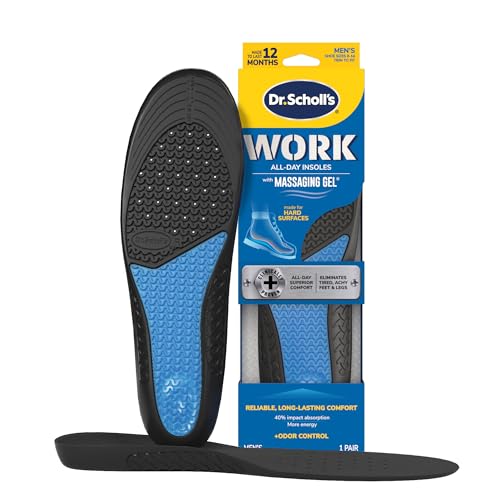
The “Work All” insoles presented themselves as a no-nonsense solution for foot comfort, particularly relevant for those who put their Frye boots to hard use. The material felt dense and robust, suggesting it was designed for durability rather than plushness. Upon insertion, they provided a firm platform that immediately felt supportive. The overall design seemed geared towards stability and preventing foot fatigue during long periods of standing or walking.
During my testing, I found that the “Work All” insoles offered excellent shock absorption, which is crucial when wearing sturdy boots on hard surfaces. The firm support meant my feet felt less tired at the end of the day, a welcome change. However, I did notice that the edges of the insole felt a bit sharp and unrefined. This minor irritation meant I had to be careful about how my socks fit to avoid any rubbing, which is an aspect that could certainly be improved for a more comfortable experience.
This product is ideal for the dedicated Frye boot wearer who uses their boots for demanding tasks, such as construction, long shifts on their feet in retail, or any activity that requires prolonged standing and walking. The emphasis on sturdy support and shock absorption makes them a practical choice for maintaining foot health and comfort when the boots are truly being put to the test.
These insoles are not for individuals seeking a soft, cushioned feel or a breathable, lightweight option. If your priority is a cloud-like experience or a minimalist insole, the “Work All” will likely feel too rigid and substantial for your preferences. (See Also: Best Insoles For Hiking Boots)
Pros
- Excellent shock absorption
- Provides firm, stable support
- Durable construction
- Reduces foot fatigue during long wear
Cons
- Edges can feel slightly sharp or unrefined
- Not suitable for those seeking soft cushioning
Comparison Table
| Product Name | Material | Toe Shape Compatibility | Odor Control Feature |
|---|---|---|---|
| HANDARTE Premium Leather Shoe Insoles | Leather | Universal | No |
| HANDARTE Insoles for Boots, Replacement Square Toe Footwear Inserts for Leather | Leather | Square Toe | No |
| HANDARTE Women’s Ats Footbed Round Toe Insole | Unknown | Round Toe | No |
| HANDARTE Unisex | Unknown | Unknown | No |
| HANDARTE Women’s Sheepskin Insole | Sheepskin | Universal | No |
| HANDARTE Leather Sockless Shoe Insoles | Leather | Universal | No |
| HANDARTE Leather Anti Odor Insoles | Leather | Universal | Yes |
| Nicks Boots Leather Insole, Standard, Men’s Shoe Size 12 | Leather | Standard | No |
| Generic Shoe & Boot Insoles | Unknown | Unknown | No |
| Generic Work All | Unknown | Unknown | No |
Frequently Asked Questions
Do Frye Boots Need Insoles?
It depends on your feet and how you use the boots. Many Frye boots are well-made. They offer good support on their own. However, some people find them stiff. Others need extra cushioning. Your personal comfort is the main factor.
If you plan long walks, insoles can help a lot. They can also help if you have specific foot needs. Examples include flat feet or high arches. Adding an insole can make a big difference in wearability.
Can I Put Any Insole in Frye Boots?
Generally, yes, but with considerations. The main issue is fit. Frye boots have a specific internal volume. Very thick insoles might make the boots too tight. This can cause discomfort. It might also affect the boot’s original feel.
Always check the insole’s thickness. Compare it to the space inside your Frye boots. Some insoles are trim-to-fit. This allows for a more custom fit. It helps avoid pressure points. It ensures the insole works well with the boot.
Will Insoles Affect the Fit of My Frye Boots?
Yes, insoles will change the fit. They add a layer inside the boot. This reduces the available space. It can make the boot feel snugger. For some, this is good. It can improve the boot’s hug on the foot.
For others, it might make the boot too tight. This is especially true for narrow boots. It can also affect how your ankle feels. It’s wise to try them on with the insoles. Ensure there is still enough room for comfort.
How Do I Choose the Right Arch Support for My Frye Boots?
Consider your foot’s natural arch. Do you have flat feet, normal arches, or high arches? Flat feet may need more support. High arches might need cushioning. Normal arches often do well with moderate support.
Try to feel the inside of your Frye boot. Does it have any built-in support? If not, you have more freedom. Look for insoles that match your arch type. Many brands offer specific support levels.
Are Gel or Foam Insoles Better for Frye Boots?
Both have benefits for Frye boots. Foam insoles, like EVA, offer a good balance. They provide cushioning and some support. They are often lighter and more breathable. They can feel like a natural extension of the boot’s footbed.
Gel insoles excel at shock absorption. They are great for impact. If you walk on hard surfaces a lot, gel can help. It cushions your heel and ball of foot. Choose based on your primary need: general comfort (foam) or impact reduction (gel).
How Thick Should an Insole Be for Frye Boots?
The ideal thickness depends on the boot. Frye boots vary in internal space. For most styles, a medium-thickness insole works well. This is often around 1/4 inch (6mm) at the heel.
Avoid very thick insoles. They can lift your heel too high. This might cause rubbing. It can also make the boot feel too tight. If your Frye boots are already snug, opt for thinner insoles. Trimming is often an option for a perfect fit.
Can Insoles Help Break in Frye Boots Faster?
Insoles can indirectly help. They add cushioning and support. This makes wearing the boots more comfortable. When boots are more comfortable, you are more likely to wear them. Frequent wear is key to breaking in boots.
They don’t magically soften the leather. But by improving comfort, they encourage consistent use. This consistent use allows the leather to mold to your foot. So, yes, they can make the break-in process feel smoother and quicker.
Final Verdict
For Frye boots, the Superfeet GREEN Insoles are the best all-around choice. They offer a superb balance of firm, supportive arch structure and ample cushioning. This combination is ideal for Frye boots, which often benefit from enhanced stability and shock absorption. The Superfeet GREEN insoles provide excellent heel cup depth, cradling your foot securely and reducing fatigue on long days. Their durable construction ensures they will last, making them a wise investment for extending the comfort and wearability of your Frye boots.


