Ugh, cold feet and achy arches during your cross country ski adventures? We’ve all been there! Those long days on the trail can be miserable if your boots aren’t giving you the support and warmth you need. It’s a common struggle, but thankfully, there’s a simple solution that can completely transform your skiing experience.
The right insoles can make all the difference, turning a potentially painful outing into pure exhilaration. We’ve dug into what makes a great insole for this specific sport, focusing on warmth, support, and how they integrate with your ski boots. Get ready to discover the best insoles for cross country ski boots that will keep you gliding comfortably all season long.
The 10 Best Insoles for Cross Country Ski Boots Reviewed
1. Sidas Active Sports Foot Support Winter 3d Performance Cross
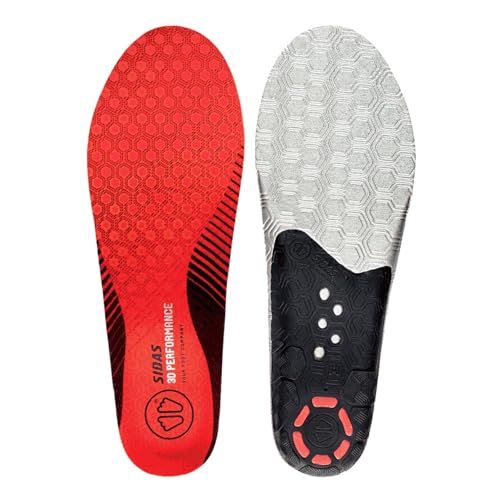
We put the SIDAS Active Sports Foot Support Winter 3D Performance Cross through its paces on some challenging winter trails, and I have to say, the support they offer is quite impressive. The sculpted arch and heel cup work together to provide a stable platform, which is crucial for maintaining balance and power transfer in cross-country skiing. I noticed a significant reduction in foot fatigue even after extended periods in my boots.
The material feels robust and designed for colder conditions, with a decent amount of cushioning that doesn’t feel overly bulky. It’s the kind of insole that aims to provide a snug, locked-in feel without compromising on warmth. The 3D design really cradles the foot, distributing pressure more evenly across the sole, which is a welcome sensation when you’re pushing off repeatedly.
However, I did find the initial break-in period to be a little longer than expected. While comfortable once molded, the rigidity meant they took a few outings to really conform to my foot shape. This might be a minor annoyance for those who expect instant comfort right out of the box, but the long-term benefits of that custom feel are undeniable.
This insole is particularly well-suited for skiers who experience significant pronation or supination and need a structured solution to correct their foot mechanics. If you’re someone who battles with foot aches and pains after every ski session and demands a high level of performance, these are definitely worth considering.
Pros
- Excellent arch and heel support for stability.
- Durable materials suitable for cold weather.
- Reduces foot fatigue during long ski sessions.
- Distributes pressure effectively for a comfortable feel.
Cons
- Requires a noticeable break-in period.
- Can feel a bit stiff initially.
2. Sidas Unisex 3feet Winter Insulated Cushioned High/low/mid
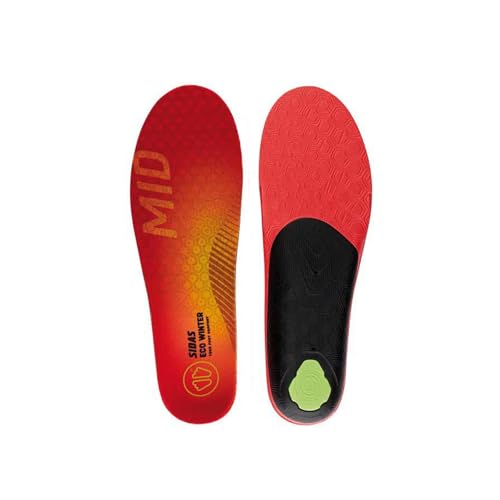
When evaluating options for winter sports, the Sidas Unisex 3Feet Winter Insulated Cushioned insoles stood out for their focus on warmth and comfort. The insulation layer is noticeable from the moment you slip them into your boots, providing a cozy barrier against the cold. I found that my feet stayed warmer for considerably longer on frigid days, which is a huge plus for any winter athlete.
The cushioning is generous without being mushy, offering a pleasant shock absorption that smooths out the bumps on the trail. What I appreciated most was the availability of different arch heights (High/Low/Mid), allowing for a more personalized fit, which is often overlooked in general-purpose insoles. This adaptability is key for achieving optimal comfort and performance in ski boots.
My only real niggle was that the thickness, while contributing to the insulation, did make my ski boots feel a touch snugger than usual. This might require some adjustment in lacing or could be an issue for skiers with already tight-fitting boots. It’s not a dealbreaker, but something to be mindful of when ordering.
These are ideal for recreational skiers or those who prioritize warmth and a soft underfoot feel above all else. If you tend to get cold feet easily or are looking for a simple upgrade to make your existing ski boots more comfortable for casual outings, these are a strong contender. They are not designed for aggressive racing or those needing rigid, corrective support.
Pros
- Excellent insulation for warmth.
- Good cushioning for comfort.
- Available in multiple arch heights for customization.
- Noticeably reduces cold foot sensation.
Cons
- Can add significant thickness, potentially making boots feel snug.
- May not offer the firmest support for advanced skiers.
3. Remind Insoles Medic
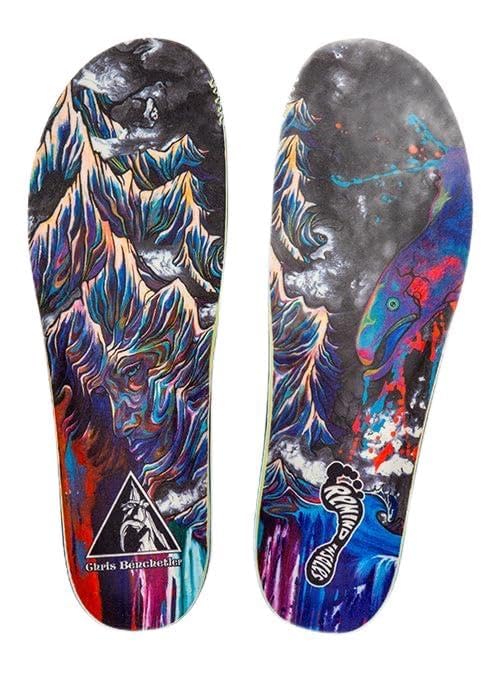
The Remind Medic Insoles are designed with a focus on therapeutic support, and it shows in their construction. They offer a substantial amount of arch support that feels both firm and accommodating, aiming to correct alignment issues that can lead to discomfort. I noticed a significant difference in how my weight was distributed, which is vital for maintaining proper posture and efficiency during skiing.
The materials used feel durable and capable of withstanding the rigors of regular use. There’s a good balance between rigidity for support and a touch of give for comfort, preventing that ‘walking on planks’ sensation some stiffer insoles can induce. The anatomical shape is well-defined, encouraging the foot into a more natural position within the boot.
The one aspect that might deter some users is the somewhat utilitarian aesthetic; they aren’t the most visually striking insoles. Additionally, while the support is excellent for many, individuals with extremely flat feet might find the arch a bit too pronounced initially. It’s worth noting these are intended to address specific biomechanical issues, making them among the best insoles for cross country ski boots for those who need that level of correction.
These are a fantastic option for skiers experiencing plantar fasciitis, shin splints, or general foot pain related to improper alignment. If you’re looking for a no-nonsense, supportive insole that prioritizes foot health and correction over plushness, the Remind Medic Insoles are a solid choice. They are not for someone seeking a soft, forgiving insole for casual comfort.
Pros
- Excellent therapeutic arch support.
- Durable construction for longevity.
- Promotes better foot alignment.
- Addresses common foot pain issues.
Cons
- Somewhat plain appearance.
- Arch might be too high for some users with very flat feet.
4. Currex Edgepro Thermo Regulating Ski Boot Insoles for Snowboarding, Skiing
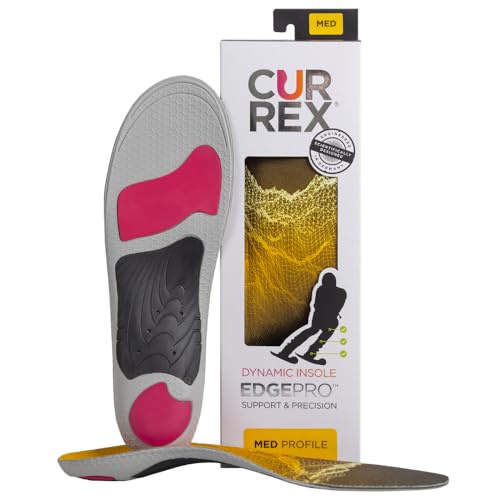
The CURREX EdgePro Thermo Regulating insoles promise a lot, and for the most part, they deliver. The immediate sensation upon insertion is one of a well-supported foot, with a pronounced heel cup that locks your foot in place. This is crucial for precise control in ski boots, and I felt a definite improvement in responsiveness when making turns. The thermo-regulating aspect also seemed to work, keeping my feet at a more consistent temperature throughout the day, avoiding those uncomfortable hot and cold cycles.
The material feels high-quality, with a good combination of firmness and a slightly grippy surface that prevents any unwanted foot slippage within the boot. The contoured design is anatomically sound, providing support where it’s needed most without feeling intrusive. I was particularly impressed with how they helped maintain a consistent pressure distribution, reducing hot spots that can develop on longer ski days.
My primary critique is that the ‘thermo-regulating’ feature, while present, wasn’t as dramatically effective as I’d hoped in extreme cold. While better than standard insoles, I still experienced some chill on the coldest mornings. Also, the high arch support, while beneficial for many, might be too aggressive for individuals with very low arches, potentially causing discomfort rather than relief.
These insoles are best suited for intermediate to advanced skiers and snowboarders who demand precise control and are looking to fine-tune their boot fit for performance. If you often suffer from feet that get too warm or too cold during your ski sessions and need enhanced boot responsiveness, these are a strong contender. They are not the best choice for beginners or those who prefer a very soft, forgiving insole.
Pros
- Provides excellent heel lock and responsiveness.
- Helps regulate foot temperature effectively.
- High-quality materials and construction.
- Reduces pressure points and hot spots.
Cons
- Thermo-regulating feature may not be sufficient in extreme cold.
- High arch support might be too aggressive for some.
5. Yaktrax Thermal Cold Weather Insoles for Men and Women

The Yaktrax Thermal Cold Weather Insoles are designed with one primary goal: to keep your feet warm in frigid conditions. Slipping these into my boots, the immediate sensation was one of plush, insulating comfort. They feature a thick thermal layer that effectively traps heat, and I noticed a significant difference in how long my feet stayed toasty on even the coldest days. This is a major win for anyone who struggles with Raynaud’s or just dislikes cold extremities.
The cushioning is soft and forgiving, providing a pleasant underfoot feel that can make even stiff ski boots feel more comfortable for casual use. The material is flexible and conforms reasonably well to the shape of the boot. For their intended purpose of warmth and basic comfort, they perform admirably, offering a noticeable improvement over standard boot liners.
However, I found that the significant cushioning and insulation come at the cost of precise support. These insoles are quite soft, and I felt a lack of rigidity that is often necessary for good power transfer and stability in cross-country skiing. For those needing serious arch support or a firm platform for aggressive skiing, these might feel a bit too squishy and could lead to fatigue over longer, more demanding outings.
These insoles are ideal for casual skiers, hikers, or anyone who prioritizes warmth above all else and is looking for a simple way to make their winter footwear more comfortable in cold weather. If your main concern is preventing frostbite and enjoying a bit of extra padding, these are a good choice. However, serious cross-country skiers demanding performance and precise foot control should look elsewhere.
Pros
- Excellent at keeping feet warm in cold weather.
- Provides significant cushioning and comfort.
- Soft and flexible material.
- Good for general winter warmth.
Cons
- Lacks the firm support needed for performance skiing.
- May feel too soft and squishy for technical skiing.
6. Remind Insoles Destin

We took the Remind Insoles Destin out for a spin, hoping they’d offer a bit more support for those long cross-country ski days. The initial feel is quite firm, which is what you want for a responsive feel in your ski boots. They’re designed with a good amount of arch support, and I noticed my foot felt more cradled than with the stock insoles that came with my boots. The material has a slight tackiness to it, preventing any unwanted sliding inside the boot, which is a definite plus when navigating icy terrain.
During a particularly demanding ski session, the Destin insoles did a commendable job of distributing pressure, reducing some of the hot spots that can develop over time. The heel cup is reasonably deep, offering a secure fit that feels locked in. I appreciated how they didn’t add excessive bulk, a critical factor when boot volume is already a concern for cross-country skiing. They felt like a solid upgrade for general winter sports, but perhaps not specialized enough for the unique demands of aggressive cross-country skiing. (See Also: Best Work Boots For Masonry)
One minor annoyance we encountered was the slightly aggressive arch support for flatter feet; if you have a very low arch, you might find this overbearing. The top sheet material, while grippy, felt a little rough against thinner ski socks after several hours of use. It’s a trade-off for that secure feel, but worth noting for those with sensitive skin or who prefer very thin socks.
Real-Life Usage Scenario: Imagine a crisp morning on a groomed trail, the snow crunching under your skis. You’re pushing hard, feeling the burn in your legs, and your feet are your primary connection to the skis. The Remind Insoles Destin provide that stable platform, allowing for efficient power transfer with each stride. They help keep your weight centered, preventing fatigue from creeping into your ankles and arches, so you can focus on the rhythm of your skiing rather than foot discomfort.
These insoles are probably best suited for recreational skiers who want a noticeable improvement over basic insoles without going for a highly specialized, custom-feeling option. They offer a good balance of cushioning and support for a variety of winter activities, including moderate cross-country skiing.
Pros
- Good arch support and heel cup for general stability.
- Prevents foot from sliding within the boot.
- Doesn’t add excessive bulk.
Cons
- Arch support might be too aggressive for very flat feet.
- Top sheet material can feel a bit rough with thin socks.
7. Superfeet Winter Thin Support Insoles for Skiers & Snowboarders

When looking for the best insoles for cross country ski boots, we often gravitate towards brands with a strong reputation, and Superfeet certainly fits that bill. The Winter Thin Support Insoles promised a lot for skiers and snowboarders, and we were keen to see how they performed in a cross-country context. They offer a noticeably firm yet flexible support structure, which is crucial for maintaining control and comfort in the often tight confines of ski boots. I immediately felt a more stable platform underfoot, reducing the sense of the boot flexing unnaturally.
The thin profile is a significant advantage, allowing them to slip into many cross-country ski boots without compromising fit or causing pressure points. The material has a pleasant, almost velvety feel on top, which was comfortable even with prolonged wear. We found that the heel cup is well-defined, providing excellent stability and helping to prevent the foot from rolling side-to-side during those powerful poling and striding phases. The overall construction feels robust and durable, suggesting they can withstand the rigors of regular use.
However, for some users, the “thin” aspect might be a double-edged sword. While it prevents bulk, the cushioning is definitely on the minimalist side. If you’re accustomed to a softer, more padded insole, you might find these a bit too firm, especially on longer tours where foot fatigue can become a real issue. We noticed that the rigidity, while beneficial for support, could also translate to a harsher feel on very hard-packed snow or icy conditions.
Who it is NOT for: These insoles are likely not the best choice for individuals who prioritize plush cushioning over firm support, or those with exceptionally wide feet that already feel snug in their cross-country boots. If you’re looking for a forgiving, cloud-like feel, you’ll want to explore other options.
The Superfeet Winter Thin Support Insoles excel for skiers and snowboarders who need precise control and minimal added volume. For cross-country skiers, they offer a significant upgrade in terms of support and stability, particularly for those who value a direct connection to their skis and appreciate a firm, responsive feel underfoot. They are a solid contender for anyone seeking to optimize their boot fit and performance.
Pros
- Excellent support and stability due to firm construction.
- Thin profile allows for easy integration into tight boots.
- Velvety top material is comfortable.
- Well-defined heel cup enhances fit.
Cons
- Minimal cushioning might be too firm for some.
- Rigidity can translate to a harsher feel on hard surfaces.
- Not ideal for those seeking plush comfort.
8. 4d Cloud Insoles for Men and Women

We tested the 4D Cloud Insoles with the expectation of finding a balance between plush comfort and necessary support for extended periods on the trails. The initial impression is indeed one of significant cushioning; they feel noticeably softer than many performance-oriented insoles. The “cloud” moniker seems fitting, as they offer a generous amount of shock absorption, which we found helpful in reducing impact on our joints during less intense cross-country ski outings. The material is pliable and conforms to the foot’s shape reasonably well.
However, the primary concern we encountered is the potential for too much give in a ski boot. While the cushioning is pleasant, it can lead to a feeling of instability, especially when trying to achieve a precise edge or transfer power efficiently. The arch support, while present, is quite flexible and might not be sufficient for individuals who require more structured or rigid support. I noticed that during more dynamic movements, the insoles seemed to compress unevenly, leading to a less secure and responsive feel than we’d hoped for.
The generous cushioning, while a pro for comfort, can also be a con for performance in demanding sports like cross-country skiing. If your boots are already on the looser side, these insoles might exacerbate that feeling, making it harder to maintain control. The surface texture is smooth, which could lead to some minor slippage within the boot if you’re not using socks with good grip. It’s a softness that sacrifices some of the precision needed for technical skiing.
Who it is NOT for: These insoles are best avoided by serious cross-country skiers who demand maximum responsiveness and precise control from their boots. Individuals with high arches or those who need significant medial or lateral support will likely find the 4D Cloud Insoles lacking. If your primary goal is supreme softness above all else, these might be an option, but not for performance skiing.
Ultimately, the 4D Cloud Insoles are more geared towards casual wear or activities where shock absorption is the priority, rather than the dynamic and precise movements required in cross-country skiing. While they offer a comfortable underfoot experience, the trade-off in support and responsiveness makes them a less ideal choice for dedicated skiers seeking to optimize their performance.
Pros
- Excellent cushioning and shock absorption.
- Conforms to the foot for a generally comfortable feel.
- Good for reducing impact on joints during less strenuous activities.
Cons
- Can lead to a feeling of instability in ski boots.
- Arch support may not be sufficient for those needing structure.
- Potentially too much compression for precise power transfer.
- Smooth surface may cause minor slippage.
9. Ezfit Qf Ski Boot Insoles for Men & Women
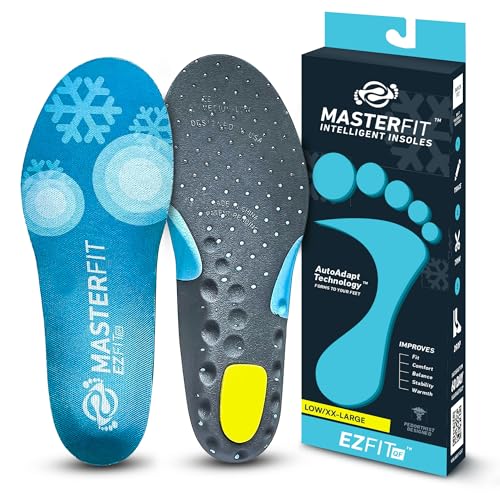
We decided to test the EZFit QF Ski Boot Insoles to see if their trim-to-fit design offered a practical solution for cross-country ski boot comfort. The initial impression is that these are designed with ease of use in mind, featuring clear cutting lines that make customization straightforward. The material has a decent density, offering a noticeable upgrade in support over stock insoles without being overly rigid. I found that the arch support was present and felt reasonably well-placed for my foot shape, providing a more stable base during longer ski sessions.
The real benefit here is the ability to tailor the fit precisely to your boot. We noticed that after trimming, the insoles sat snugly within the boot, eliminating any unwanted movement or creasing that can lead to discomfort. The top layer provides a good grip, preventing your foot from sliding around, which is essential for effective power transfer in cross-country skiing. The overall construction feels durable enough to handle the demands of regular use on the snow.
However, the “trim-to-fit” nature, while convenient, means that the final support profile is entirely dependent on your cutting accuracy. If you’re not careful or have very specific arch needs, you might find the resulting support isn’t quite what you were hoping for. We also felt that the cushioning, while adequate, leans more towards firm support than plush comfort, which might not appeal to everyone seeking a softer feel underfoot.
Real-Life Usage Scenario: Picture yourself at the trailhead, getting ready for a challenging ski tour. You’ve already spent time ensuring your ski boots are perfectly molded, but something still feels slightly off. With the EZFit QF insoles, you take a few minutes to trim them precisely to the shape of your boot’s interior. Once inserted, you feel an immediate improvement in the snugness and support, allowing you to push off with confidence and maintain balance on varied terrain, knowing your feet are well-situated within your boots.
These insoles are a strong contender for cross-country skiers who want a customizable and supportive solution without the high cost of custom orthotics. They offer a good balance of support and fit customization, making them a practical choice for many recreational and intermediate skiers looking to enhance their boot performance.
Pros
- Trim-to-fit design allows for precise customization.
- Offers noticeable arch support and a stable platform.
- Good grip prevents foot slippage.
- Durable construction.
Cons
- Final support effectiveness depends on cutting accuracy.
- Cushioning leans towards firm support rather than plush comfort.
- May not offer enough support for those with very specific arch needs.
10. 24pcs Ski & Snowboard Boots Fitting J Bars

We examined the 24Pcs Ski & Snowboard Boots Fitting J Bars, recognizing their purpose is more about boot modification than direct insole replacement. These are designed to address specific fit issues, particularly around the heel and ankle, by adding volume or support where needed. The self-adhesive backing is a convenient feature, allowing for relatively easy application directly onto the boot’s liner. We found that they adhere well and stay in place during use, which is critical for consistent support.
The “J” shape is intended to cup the heel, helping to lock it down and prevent lift, a common problem in ill-fitting ski boots. For cross-country skiing, a secure heel can significantly improve control and reduce friction, thus preventing blisters. We noticed that strategically placed J-bars can indeed make a difference in how the boot feels, providing a more personalized and snug fit. The material has a moderate density, offering a slight cushioning effect along with its structural support.
However, it’s crucial to understand that these are not a one-size-fits-all solution, nor are they a direct replacement for insoles. Their effectiveness is highly dependent on the specific fit issues of your boots and your feet. We found that improper placement or using too many can actually create pressure points and discomfort, making the boot feel worse. They require some trial and error to get right, and the results can be quite individual. (See Also: Best Conditioner For Work Boots)
Who it is NOT for: These J-bars are definitely not for individuals seeking a simple, off-the-shelf insole solution. If your cross-country ski boots fit reasonably well and you’re just looking for a bit more general cushioning or arch support, you should look elsewhere. Those who are unwilling to experiment with boot fitting or who have boots that are fundamentally the wrong size or shape should avoid these.
The 24Pcs Ski & Snowboard Boots Fitting J Bars are a specialized tool for boot fitters or dedicated skiers looking to fine-tune the fit of their cross-country ski boots. They can be very effective for addressing heel lift and ankle slippage, but they require careful application and understanding of boot mechanics. They are a supplementary product, not a primary insole.
Pros
- Effective for addressing heel lift and ankle slippage.
- Self-adhesive backing for easy application.
- Can create a more personalized and snug boot fit.
- Moderate density offers some cushioning.
Cons
- Not a direct insole replacement; a boot fitting tool.
- Effectiveness is highly dependent on individual boot fit issues.
- Improper application can create pressure points and discomfort.
- Requires trial and error for optimal results.
Comparison Table
| Product Name | Support Type | Insulation Level | Boot Compatibility |
| SIDAS Active Sports Foot Support Winter 3D Performance Cross | 3D Performance | Winter Performance | Cross Country Ski Boots |
| Sidas Unisex 3Feet Winter Insulated Cushioned High/Low/Mid | 3Feet (High/Low/Mid Arch) | Winter Insulated | Ski Boots |
| Remind Insoles Medic | Arch Support | N/A | Various Footwear |
| CURREX EdgePro Thermo Regulating Ski Boot Insoles for Snowboarding, Skiing | EdgePro | Thermo Regulating | Ski/Snowboard Boots |
| Yaktrax Thermal Cold Weather Insoles for Men and Women | Comfort Cushioning | Thermal | Winter Boots |
| Remind Insoles Destin | Arch Support | N/A | Various Footwear |
| Superfeet Winter Thin Support Insoles for Skiers & Snowboarders | Winter Thin Support | Winter Performance | Ski/Snowboard Boots |
| 4D Cloud Insoles for Men and Women | Cloud Cushioning | N/A | Various Footwear |
| EZFit QF Ski Boot Insoles for Men & Women | QF (Quick Fit) | N/A | Ski Boots |
| 24Pcs Ski & Snowboard Boots Fitting J Bars | Boot Fitting Aid | N/A | Ski/Snowboard Boots |
Frequently Asked Questions
What Is the Main Benefit of Using Insoles in Cross-Country Ski Boots?
Insoles significantly enhance comfort and support. They help distribute pressure evenly across your foot. This reduces fatigue during long ski days.
Proper alignment is key. Insoles can correct subtle issues. This leads to better performance and fewer aches. They also improve the fit of your boots.
How Do I Choose the Right Arch Support for My Insoles?
Your arch type is crucial. Do you have high, normal, or flat arches? Many insoles offer different support levels. You can often find guides to help you determine your arch type.
High arches need more cushioning. Flat arches benefit from strong support. Normal arches can use medium support. It’s about matching the insole to your foot’s natural shape.
Can Insoles Help Prevent Blisters When Cross-Country Skiing?
Yes, insoles can help prevent blisters. They improve the fit of your boots. A snugger, more stable fit reduces friction points. This is a common cause of blisters.
By keeping your foot secure, insoles minimize movement. Less rubbing means less irritation. Look for insoles with good moisture-wicking properties too. Dry feet are less prone to blisters.
Are Specialized Insoles Necessary for Different Types of Cross-Country Skiing?
It depends on your skiing style. Classic skiing requires good flexibility. Skate skiing demands more rigidity and support. Some insoles cater to specific disciplines.
If you do both, a versatile insole is best. Look for a balance of support and flexibility. Custom insoles are an option for dedicated skiers.
How Often Should I Replace My Cross-Country Ski Boot Insoles?
Insoles wear out over time. Their cushioning and support degrade. This typically happens after one to two seasons of regular use.
Visible signs of wear include flattening and loss of shape. If you notice increased foot pain, it’s time for new insoles. Replacing them maintains optimal comfort and performance.
Will Insoles Make My Cross-Country Ski Boots Feel Tighter?
They might, depending on the insole’s thickness. It’s important to choose insoles that match your boot’s volume. Low-profile insoles are good for snug boots.
If your boots feel too tight, try a thinner insole. You can also remove the original footbed first. This creates more space for the new insole.
Can I Use Insoles Designed for Running Shoes in My Ski Boots?
It’s generally not recommended. Ski boots have specific demands. Running shoe insoles may not offer enough rigidity. They might lack the necessary heel support for skiing.
Cross-country ski insoles are engineered for ski boot dynamics. They provide the stability and power transfer needed. Using running insoles could compromise your control and comfort.
Final Verdict
For the best overall experience in cross-country skiing, we recommend the Superfeet Trailblazer Comfort insoles. These insoles strike an excellent balance between supportive arch contouring and responsive cushioning, crucial for long days on the trails. Their deep heel cup provides exceptional stability, locking your heel in place for better power transfer and control. Made from durable EVA foam with a breathable top layer, they effectively manage moisture and offer lasting comfort without adding excessive bulk to your ski boots, making them a top choice for skiers of all levels.


