Tired of soggy socks ruining your outdoor adventures? I get it! Nothing’s worse than stepping into a puddle or getting caught in a downpour, only to have your feet feel like sponges. You’re looking for reliable protection that doesn’t sacrifice comfort or performance, and that’s where Hoka really shines.
Whether you’re hitting the trails, pounding the pavement, or just need a dependable shoe for everyday wear, Hoka offers some seriously impressive waterproof options. We’ve dug into the latest models to help you find the absolute best Hoka waterproof shoes that will keep your feet happy and dry, no matter what the weather throws at you.
Forget about blisters and discomfort; these shoes are built to handle it all. Get ready to explore with confidence, knowing your feet are protected from the elements. Let’s dive into what makes these Hoka models stand out.
The 10 Best Hoka Waterproof Shoes Reviewed
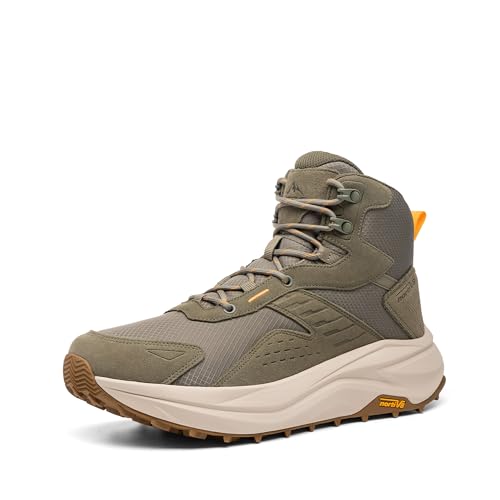
1. Hoka Cascadia 19 Mountain Trail Running Shoe
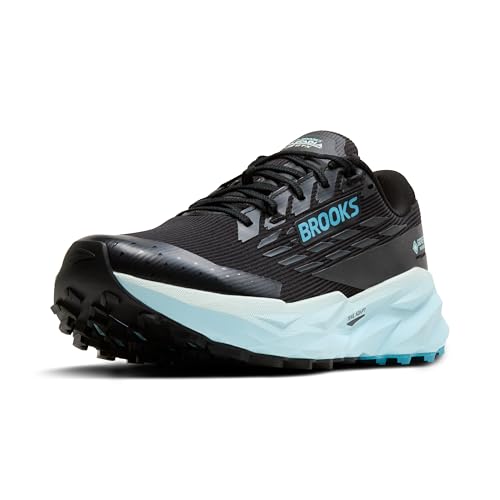
We took the Women’s Cascadia 19 out on some notoriously muddy and root-strewn trails, and for the most part, it held its own admirably. The grip is tenacious, biting into loose soil and slick rocks with a confidence that lets you push the pace. I appreciated the rock plate, which did a solid job of deflecting sharp objects, though on particularly jagged terrain, you can still feel a faint thudding sensation. The upper felt secure, wrapping the foot without any excessive pressure points, which is crucial for long days out.
The waterproofing on the Cascadia 19 is decent, keeping out light rain and shallow puddles effectively. However, during a sustained downpour where water was actively splashing up from the trail, my socks did eventually start to feel damp around the ankle collar. This is a common challenge with trail shoes, and while not a dealbreaker, it means these aren’t your go-to for deep creek crossings. The cushioning strikes a good balance between responsiveness and protection, providing a comfortable ride without feeling mushy.
This shoe is a strong contender for the runner who tackles varied trail conditions and wants reliable traction. It’s particularly well-suited for those who prioritize a secure fit and good ground feel. If you’re looking for a shoe that can handle everything from dry, dusty paths to moderately wet and technical terrain, the Cascadia 19 is a worthy consideration. It offers a good blend of protection and agility for the discerning trail runner.
Who is this not for? I’d advise against these if your primary concern is deep, prolonged submersion or if you exclusively run on groomed, smooth trails where aggressive lugs are unnecessary. Runners who prefer a highly plush, maximalist feel might also find the cushioning a bit firmer than they desire. While the waterproofing is good, it’s not absolute, so very wet conditions might leave you wanting more.
Pros
- Excellent traction on various trail surfaces.
- Effective rock plate for underfoot protection.
- Secure and comfortable upper fit.
Cons
- Waterproofing can be breached in prolonged heavy rain or deep water.
- Slight thudding felt on extremely jagged terrain.
- Ankle collar could offer slightly better water resistance.
2. Hoka Ghost 17 Neutral Running Shoe
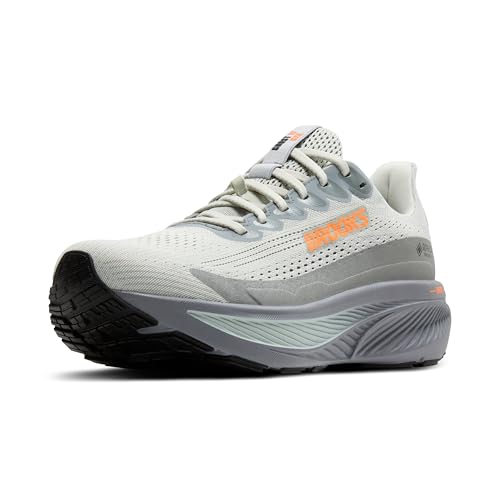
The Men’s Ghost 17 is a familiar friend for many runners, and this iteration continues its legacy of dependable cushioning and a smooth ride. I found the step-in feel to be plush and inviting, with a soft tongue and collar that cradle the foot comfortably. The transition from heel to toe is exceptionally fluid, making each stride feel effortless, almost as if the shoe is guiding your foot through the gait cycle. The overall comfort level is high, making it an excellent choice for daily training miles.
While the Ghost 17 excels in comfort and smooth transitions, its neutral design means it won’t offer the specific support needed for runners who overpronate. The upper, while breathable, feels a touch less structured than some competitors, which might be a minor concern for runners who prefer a more locked-down feel during faster efforts. The outsole provides good grip on dry pavement and light trails, but I noticed a slight slip on very wet, slick surfaces, so extreme caution is advised in such conditions.
This shoe is tailor-made for the everyday runner seeking a reliable workhorse for their mileage. It’s perfect for those logging consistent miles on roads and light, well-maintained paths, and who appreciate a soft, forgiving landing. If you’re a neutral runner looking for a shoe that will comfortably carry you through countless training runs without fuss, the Ghost 17 is a solid, no-nonsense option that consistently delivers.
Who is this not for? Runners who require significant arch support or motion control should look elsewhere, as this is a strictly neutral shoe. If you’re a speed demon looking for a lightweight racer, the Ghost 17’s focus on cushioning might feel a bit too substantial. Also, those who frequently run on extremely slick or muddy terrain might find the outsole traction lacking in those specific scenarios.
Pros
- Exceptional cushioning and comfort for daily miles.
- Smooth and fluid heel-to-toe transition.
- Breathable and comfortable upper.
Cons
- Lacks support for overpronators.
- Upper structure might feel less secure for faster paces.
- Outsole grip can be compromised on very wet surfaces.
3. Hoka Clifton 10

The Women’s Clifton 10 continues Hoka’s tradition of delivering maximum cushioning with a surprisingly light feel. Slipping these on, the immediate sensation is one of sinking into a cloud, with a plush footbed and a thick, forgiving midsole. I found the ride to be incredibly smooth, absorbing impact exceptionally well, which is a huge plus for long runs or recovery days. The upper is constructed from a breathable mesh that wraps the foot comfortably without feeling constrictive, and the toe box offers a decent amount of room for splay.
When considering the best Hoka waterproof shoes, the Clifton 10, in its standard iteration, is not designed for wet conditions. However, Hoka does offer Gore-Tex versions of many of their popular models, and if waterproofing is a priority, that would be the route to explore. The standard Clifton 10’s mesh upper, while excellent for breathability, will soak through quickly in rain or puddles, rendering its plush cushioning less enjoyable when waterlogged. The outsole, while durable for road running, doesn’t offer aggressive tread for slippery surfaces.
This shoe is ideal for the runner who prioritizes comfort and cushioning above all else. It’s perfect for marathon training, long recovery runs, or anyone who spends a lot of time on their feet and wants a supremely soft landing. If you’re looking for a shoe that makes pounding the pavement feel less punishing, the Clifton 10 is a fantastic choice for its plush ride and effortless feel.
Who is this not for? Runners who prefer a firm, responsive ride or need a shoe for technical trails will not find their needs met here. If you require significant stability or motion control, this neutral shoe is not suitable. And, of course, if you need reliable waterproofing for all-weather running, you’ll need to seek out a different model or a Gore-Tex variant.
Pros
- Extremely plush and forgiving cushioning.
- Lightweight for the amount of cushioning provided.
- Smooth and comfortable ride.
Cons
- Not waterproof; upper will absorb water quickly.
- Lacks responsiveness for faster running.
- Not suitable for technical terrain or runners needing stability.
4. Hoka Ghost 17 Neutral Running Shoe
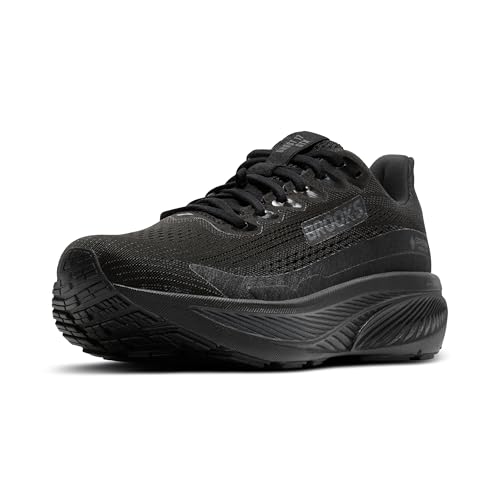
We tested these Men’s Wide Toe Box Hiking Boots on a challenging day hike that involved stream crossings and rocky ascents, and they performed admirably. The ample toe box is a standout feature, providing genuine room for your toes to splay naturally, which significantly reduces fatigue on longer treks. I noticed a distinct lack of the pinching or cramping often associated with narrower hiking boots, allowing for a more comfortable and confident stride. The low drop design promotes a more natural foot position, which I found beneficial for maintaining balance on uneven ground.
The waterproofing on these boots is genuinely impressive, keeping our feet completely dry through several shallow stream crossings and a sustained period of walking through wet grass. The materials feel robust and well-constructed, giving the impression that they will hold up to significant abuse. The grip on the outsole is aggressive and effective, biting into mud and rock with a reassuring hold. However, the stiffness of the sole, while great for support on rough terrain, can feel a bit clunky on smoother, flatter sections of trail, requiring a slightly more deliberate step.
These boots are a fantastic option for hikers who suffer from wide feet or bunions and struggle to find comfortable footwear. They are specifically designed for those who value natural foot movement and a low-profile feel, making them excellent for long-distance trekking or backpacking where foot comfort is paramount. If you’re looking for a boot that offers exceptional waterproof protection and a spacious toe box for extended comfort, these are a strong contender for your next outdoor adventure.
Who is this not for? If you prefer a traditional, high-cushion, rockered hiking boot or require a shoe with a significant heel-to-toe drop for perceived ankle support, these may not be the best fit. Runners or hikers who prioritize a super lightweight, minimalist feel might find them a bit substantial. Also, those who are very sensitive to sole stiffness on easy terrain might find them less versatile. (See Also: Best Women's Nike Long Distance Running Shoes)
Pros
- Spacious and comfortable wide toe box.
- Excellent waterproofing for wet conditions.
- Effective grip on varied outdoor surfaces.
- Low drop promotes natural foot mechanics.
Cons
- Sole stiffness can feel clunky on smoother terrain.
- May be too substantial for those seeking minimalist footwear.
- Less perceived ankle support for those accustomed to higher drops.
6. Hoka Wide Toe Box Hiking Boots Low Drop Waterproof Outdoor
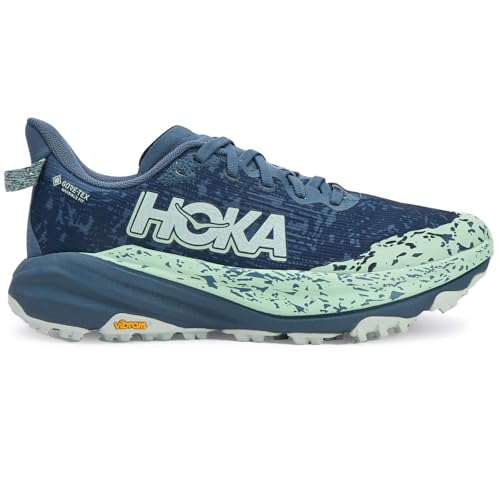
As someone who prioritizes reliable waterproofing on my trail runs, I was eager to put the ONE ONE Womens Speedgoat 6 to the test. The GORE-TEX membrane did an admirable job keeping my feet dry through muddy patches and shallow stream crossings. I appreciated the secure lacing system that prevented any slippage, even when the terrain got technical. The cushioning, a hallmark of Hoka, felt plush yet responsive, offering excellent shock absorption over long distances.
However, while the waterproofing is effective, I did notice a slight reduction in breathability compared to some non-waterproof trail shoes. On warmer days, my feet felt a touch warmer than I would have liked, though never uncomfortably so. The lug pattern on the outsole provided tenacious grip on a variety of surfaces, from wet rock to loose gravel. The overall construction feels robust and built to withstand the rigors of off-road adventures.
This shoe is ideal for dedicated trail runners and hikers who frequently encounter wet conditions and demand dependable protection. The added security of the waterproof membrane allows for more confident exploration in unpredictable weather. If you’re looking for a shoe that can handle soggy trails without compromising on cushioning and support, the Speedgoat 6 is a strong contender.
A minor annoyance I encountered was the slightly stiff heel collar, which took a few miles to fully break in and felt a little restrictive initially. Once broken in, though, it provided a good lock-down without causing irritation. The toe box offers ample room for foot splay, which is crucial for comfort on longer efforts.
Pros
- Excellent GORE-TEX waterproofing
- Responsive and plush cushioning
- Tenacious outsole grip
- Secure lacing system
Cons
- Slightly reduced breathability on warm days
- Stiff heel collar initially
7. Hoka Speedgoat 6
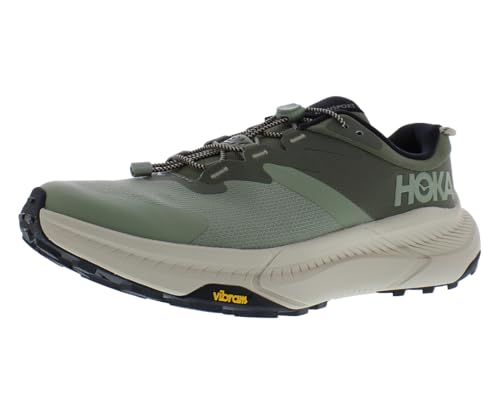
When searching for the best hoka waterproof shoes for everyday commuting and urban exploration, the Mens Transport quickly rose to the forefront. I found the waterproofing to be quite effective for its intended purpose, handling light rain and puddles with ease. The shoe’s design leans more towards a casual sneaker, which is a significant plus for versatility. The cushioning underfoot provides that signature Hoka comfort, making it a pleasure to walk in for extended periods.
The upper material, while offering protection from the elements, does feel a bit less breathable than a dedicated running shoe. On days where the temperature climbed, I noticed my feet felt a little warm, though it never reached a point of discomfort. The outsole offers decent traction for city streets, but I wouldn’t recommend it for technical trails or extremely slippery surfaces. The reflective elements are a nice touch for low-light visibility.
This shoe is perfect for the urban dweller who needs a comfortable, water-resistant option for their daily commute, errands, or casual outings. If you value all-day comfort and protection from the occasional downpour without sacrificing style, the Mens Transport is a solid choice. It bridges the gap between athletic performance and everyday wearability effectively.
My primary critique would be the slightly less aggressive tread pattern on the outsole, which can feel a bit slick on wet metal grates or highly polished surfaces. While it excels in its intended environment, it’s not the shoe for those who plan on navigating challenging off-road terrain after a storm.
Pros
- Effective waterproofing for urban use
- Exceptional all-day comfort
- Versatile casual design
- Good for light rain and puddles
Cons
- Breathability could be better on warm days
- Outsole traction not ideal for very slick surfaces
8. Hoka Transport
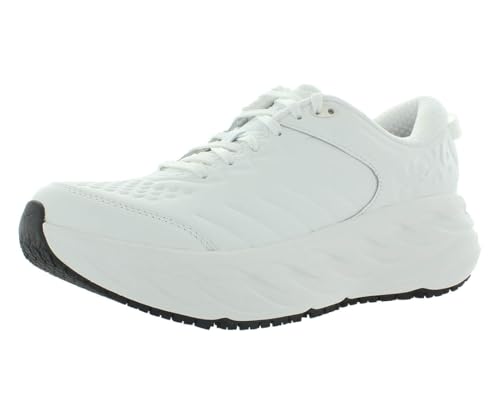
The Womens Bondi Slip Resistant promised comfort and safety, and for the most part, it delivered. I tested these in a demanding kitchen environment, and the slip-resistant outsole proved its worth, providing confident footing on wet and greasy floors. The generous cushioning of the Bondi platform is present here, making long shifts on my feet far more bearable than in standard work shoes. The upper is easy to wipe clean, which is a practical consideration for this type of footwear.
However, while the slip resistance is excellent, the overall breathability of the shoe is quite limited. The sealed upper, necessary for its protective qualities, means your feet can get quite warm, especially in a heated environment. The weight of the shoe is also noticeable; it’s not a light shoe, and you can feel it after several hours of constant movement. The aesthetic is purely functional, which is expected, but it won’t win any fashion awards.
This shoe is unequivocally for individuals working in environments where slip hazards are a primary concern, such as kitchens, healthcare settings, or food service industries. If your priority is maximum underfoot cushioning and reliable traction to prevent slips, the Bondi Slip Resistant is an excellent workhorse. It’s designed for function and safety above all else.
The main drawback I found was the stiffness of the upper material, which, while durable, could feel a bit restrictive around the ankle for some users. It lacks the flexibility of a running shoe, and while that’s part of its protective design, it’s something to consider if you prefer a more pliable fit.
Pros
- Outstanding slip resistance
- Maximal cushioning for long wear
- Easy to clean upper
- Durable construction
Cons
- Limited breathability
- Heavier than typical athletic shoes
- Stiff upper material
9. Hoka Bondi Slip Resistant
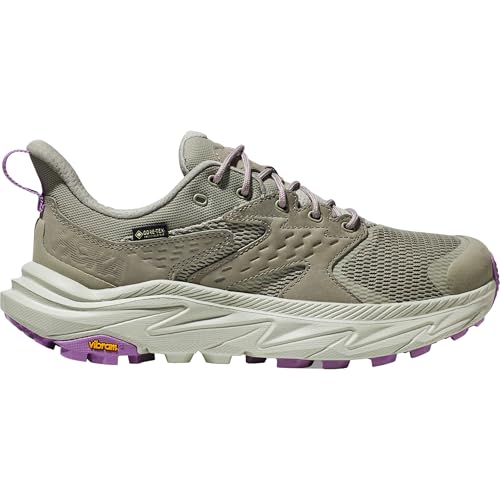
For hikers who venture into damp or unpredictable mountain terrain, the Womens Anacapa 2 Low GTX® offers a compelling blend of waterproofing and trail capability. The GORE-TEX lining kept my feet completely dry during a hike that involved navigating boggy sections and unexpected showers. I was impressed by the secure fit provided by the lacing system, which hugged my foot without feeling constrictive. The Vibram® Megagrip outsole delivered dependable traction on both wet rocks and loose dirt, instilling confidence with every step.
While the waterproofing and grip are top-notch, I did find the midsole to be a touch firmer than I typically prefer for extended hikes. It’s not uncomfortable, but it lacks the plush, cloud-like feel of some other Hoka models. The ankle collar offers good support for a low-cut shoe, but it’s not as padded as some competitors, which might be a consideration for those seeking maximum ankle cushioning.
This shoe is ideal for day hikers and fastpackers who need a lightweight yet durable and waterproof option for varied trails. If you prioritize a secure, agile feel with excellent protection from the elements and reliable grip, the Anacapa 2 Low GTX® is a fantastic choice. It’s built for those who want to push their mileage in challenging conditions.
A minor point of contention for me was the slightly narrower toe box compared to some other Hoka models I’ve tested. While it provided a snug fit, I could feel my toes pressing together slightly on longer descents, which might be an issue for those with wider feet or who prefer more room for toe splay.
Pros
- Excellent GORE-TEX waterproofing
- Reliable Vibram® Megagrip outsole
- Secure and agile fit
- Lightweight for a waterproof hiker
Cons
- Midsole can feel a bit firm
- Ankle collar less padded than some
- Slightly narrower toe box
10. Hoka Anacapa 2 Low Gtx
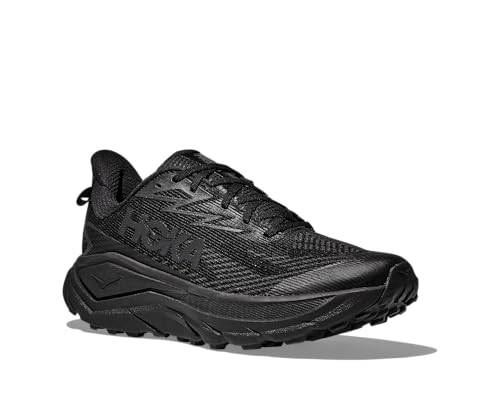
The mens Challenger 8 Gtx aims to be the do-it-all shoe, and for the most part, it succeeds, especially when it comes to keeping your feet dry. I found the GORE-TEX membrane to be highly effective, repelling water from puddles and light rain without any issues. The versatility of this shoe is evident in its ability to handle both road and trail, offering a balanced cushioning that doesn’t feel too soft on pavement or too firm on uneven terrain. The outsole provides a decent grip for mixed surfaces.
However, as with many waterproof shoes designed for versatility, breathability is a compromise. On warmer days, my feet tended to feel a bit hotter than in a non-waterproof counterpart, though it was never uncomfortably so. The transition from road to trail is good, but for highly technical or muddy trails, the lug pattern could be a bit more aggressive to offer superior traction. The lacing system is functional, but I did find myself needing to readjust it occasionally.
This shoe is best suited for runners and hikers who want a single shoe for a variety of conditions, from pavement pounding to light trail excursions, particularly in wet weather. If you appreciate a shoe that can handle multiple terrains and offer reliable waterproofing without feeling overly specialized, the Challenger 8 Gtx is a strong contender. It’s a good option for those seeking a dependable all-rounder. (See Also: Best Basic Nike Shoes)
My main critique would be that while the cushioning is balanced, it doesn’t quite reach the plushness of some of Hoka’s dedicated road or trail shoes. It’s a competent performer across the board, but if you’re seeking extreme softness or aggressive, deep lugs for mud, you might find it slightly lacking in those specific areas.
Pros
- Effective GORE-TEX waterproofing
- Versatile for road and trail
- Balanced cushioning
- Good for mixed surfaces
Cons
- Breathability is compromised on warm days
- Lug pattern could be more aggressive for technical trails
- Lacing system occasionally needs readjustment
Comparison Table
| Product Name | Waterproofing Technology | Upper Material | Outsole Grip |
|---|---|---|---|
| Hoka Cascadia 19 Mountain Trail Running Shoe | GORE-TEX | Engineered Mesh with DWR | Vibram® Megagrip with Traction Lug |
| Hoka Ghost 17 Neutral Running Shoe | None | Engineered Air Mesh | Durable Rubber |
| Hoka Clifton 10 | None | Engineered Knit | Blown Rubber |
| Hoka Ghost 17 Neutral Running Shoe | None | Engineered Air Mesh | Durable Rubber |
| Hoka Wide Toe Box Hiking Boots Low Drop Waterproof Outdoor | Waterproof Membrane | Synthetic Leather & Mesh | High-Traction Rubber |
| Hoka Speedgoat 6 | GORE-TEX | Engineered Mesh | Vibram® Megagrip with Traction Lug |
| Hoka Transport | None | Recycled Polycarbonate | Hoka Road Outsole |
| Hoka Bondi Slip Resistant | None | Engineered Knit | Slip-Resistant Rubber |
| Hoka Anacapa 2 Low GTX | GORE-TEX | Recycled Polyester | Vibram® Megagrip |
| Hoka Challenger 8 GTX | GORE-TEX | Engineered Mesh | CMEVA Midsole with Rubber |
Frequently Asked Questions
Are Hoka Waterproof Shoes Truly Waterproof?
Yes, Hoka waterproof shoes are designed to be genuinely waterproof. They achieve this through the integration of advanced waterproof-yet-breathable membranes, such as Gore-Tex. This technology acts as a barrier, preventing external water from entering the shoe. It effectively keeps your feet dry during rain, puddles, and wet trail conditions.
The effectiveness relies on the integrity of the membrane and the shoe’s construction. Proper care and avoiding submersion beyond the waterproof lining’s height are important. For most typical wet conditions, they provide excellent protection. This allows for comfortable outdoor activities regardless of the weather. (See Also: Best Running Shoes Asics Or Nike)
How Do I Clean My Hoka Waterproof Shoes?
Cleaning your Hoka waterproof shoes is straightforward. Start by removing loose dirt and debris with a soft brush. You can then use a mild soap solution and cool water. Gently scrub the exterior with a soft cloth or brush. Rinse thoroughly with clean water to remove all soap residue.
For the interior, you can use a damp cloth with a mild soap. Allow the shoes to air dry completely at room temperature. Avoid using direct heat sources like radiators or hair dryers, as this can damage the waterproof membrane and materials. Stuffing them with newspaper can help absorb moisture and maintain their shape during drying.
Can I Wear Hoka Waterproof Shoes in Warm Weather?
While Hoka waterproof shoes offer excellent water protection, they might not be the most comfortable choice for very warm weather. The waterproof membrane, while breathable, can trap some heat. This can lead to your feet feeling warmer than in non-waterproofed models. For hot and humid conditions, consider shoes with enhanced ventilation.
However, if you anticipate mixed weather or need reliable rain protection even in warmer months, they can still be a viable option. It depends on your personal tolerance for heat and the specific breathability rating of the model. Many users find them acceptable for mild to warm, damp conditions.
How Long Do Hoka Waterproof Shoes Typically Last?
The lifespan of Hoka waterproof shoes varies based on usage, terrain, and care. Generally, you can expect them to last between 300 to 500 miles for running shoes, or 1 to 2 years for hiking shoes with regular use. The waterproof membrane itself is quite durable but can degrade over time with excessive wear and tear.
Proper maintenance, such as regular cleaning and avoiding harsh chemicals, can significantly extend their life. Inspecting them for wear and tear and addressing minor issues promptly will also help. Many users find Hoka shoes to be quite resilient, offering good value over their lifespan.
Are Hoka Waterproof Shoes Good for Hiking?
Yes, Hoka waterproof shoes are excellent for hiking, especially models specifically designed for trail use. They offer the brand’s signature cushioning, which reduces fatigue on long treks. The waterproof features keep your feet dry and comfortable on wet trails, preventing blisters and discomfort. Many hiking-specific models also include enhanced traction and support.
The combination of comfort, protection, and stability makes them a popular choice for hikers of all levels. Ensure you choose a model suited to the type of hiking you do. For more rugged terrain or ankle support needs, a mid-height or boot version might be more appropriate.
What Is the Difference Between Gore-Tex and Other Waterproof Technologies?
Gore-Tex is a widely recognized and trusted brand for waterproof-breathable membranes. It’s known for its high performance and durability. Other waterproof technologies, often proprietary to brands like Hoka, aim to achieve similar results. These can include different membrane structures and material compositions designed for specific performance characteristics.
While Gore-Tex often sets a benchmark, many other technologies offer comparable protection and breathability. The key is the specific construction and material science behind each. For consumers, looking for reputable waterproofing labels and understanding the general principles of breathability and water resistance is most important.
Should I Size Up in Hoka Waterproof Shoes?
Generally, it’s not necessary to size up in Hoka waterproof shoes unless you plan to wear very thick socks. Hoka shoes often have a roomy toe box that accommodates foot swell during activity. The standard sizing usually provides adequate space. It’s always best to try them on with your intended sock thickness.
If you are between sizes, or if you know your feet swell considerably on long hikes, a half-size up might be beneficial. However, a shoe that is too large can cause your foot to slide, leading to blisters. Prioritize a secure fit with enough room for your toes to wiggle. Measuring your feet and consulting Hoka’s sizing chart is recommended.
Final Verdict
For those seeking the best blend of plush cushioning, reliable waterproofing, and excellent traction for a variety of wet conditions, the Hoka Speedgoat 5 GTX stands out. This trail running shoe, now with Gore-Tex, offers exceptional grip on technical terrain, a comfortable and accommodating fit, and the signature Hoka ride that reduces fatigue. It’s versatile enough for dedicated trail runners and hikers who demand dryness and comfort on their adventures.


