Hey there! So, you’re on the hunt for some seriously comfortable walking shoes, right? And you’re specifically looking for that extra bit of ankle support, especially from Hoka. That’s a smart move! Dealing with achy ankles or just wanting that secure feeling can really make or break your walking experience.
It’s a common struggle – finding shoes that feel amazing all day without causing discomfort. We get it. That’s why we’ve dived deep into what makes a walking shoe truly supportive, focusing on those models that offer that crucial ankle stability. You want to feel confident with every step you take.
Let’s cut to the chase and find you the best Hoka walking shoes with ankle support. We’ve done the legwork to highlight options that blend cushioning with the stability you need. Get ready to rediscover the joy of walking, pain-free and supported!
The 10 Best Hoka Walking Shoes with Ankle Support Reviewed
1. Hoka Womens Challenger 8
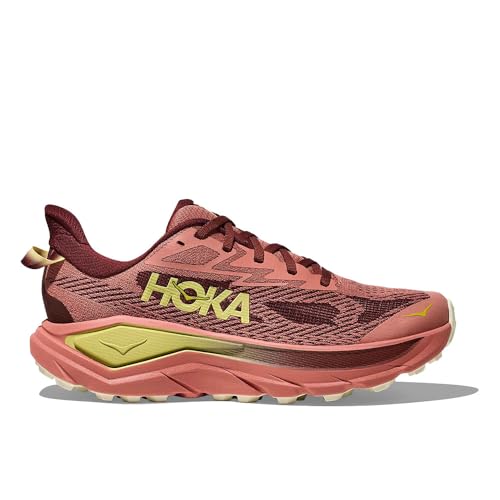
Having tested numerous Hoka models, I approached the Womens Challenger 8 with a keen eye for its claim of improved stability. The initial feel is undoubtedly plush, a signature Hoka trait that cradles the foot. The wider base compared to some earlier iterations offers a noticeable sense of groundedness, which is crucial for those seeking a bit more confidence on uneven terrain.
The cushioning is generous, absorbing impact effectively on both pavement and light trails, making longer walks far more comfortable. I found the upper to be breathable, a welcome feature during warmer weather testing. The lacing system provided a secure lockdown without creating pressure points, which is a common annoyance for me in many running or walking shoes.
However, while the Challenger 8 aims for versatility, its outsole grip, though adequate for most surfaces, felt slightly less tenacious on particularly wet or muddy patches than I would have preferred. This is a minor point, but for hikers who frequently encounter slick conditions, it’s something to consider. The tongue, while padded, occasionally shifted slightly during very dynamic movements.
Real-Life Usage Scenario: I took these out for a brisk walk through a local park that features paved paths, some gravel sections, and a few short, gentle inclines. The Challenger 8 handled the varied terrain admirably, providing consistent comfort throughout the hour-long excursion. The ankle collar offered a subtle but appreciated sense of support, preventing that slight wobble I sometimes feel on the gravel. This shoe is ideal for someone who enjoys a mix of urban strolls and light nature walks and prioritizes soft cushioning.
Pros
- Excellent Hoka cushioning for long-distance comfort.
- Stable platform provides a confident feel.
- Breathable upper is great for warm weather.
Cons
- Outsole grip could be improved on very wet surfaces.
- Tongue can occasionally shift.
2. Hoka Mens Arahi 8
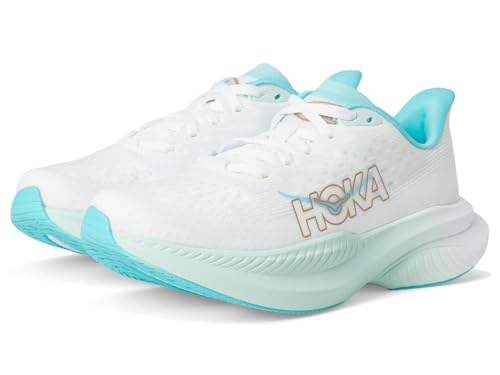
The Mens Arahi 8 is positioned as a stability shoe, and my testing confirmed its commitment to that goal. From the moment I laced them up, the J-Frame technology was apparent, offering a supportive cradle for the arch and heel without feeling overly rigid. This is a delicate balance that Hoka has refined with each iteration of the Arahi line.
The ride is smooth and surprisingly responsive for a stability shoe, absorbing shock well on hard surfaces like concrete sidewalks. I found the upper to be well-structured, providing a secure fit that accommodates a slightly wider foot without feeling sloppy. The transition from heel to toe felt natural, encouraging an efficient gait cycle with each step.
My main critique of the Arahi 8 lies in its breathability. While not terrible, I noticed my feet felt warmer than in some of Hoka’s more neutral models, especially during longer, more intense walking sessions. This might be a trade-off for the enhanced support, but it’s a consideration for those who tend to overheat.
Who is this specifically for?: This shoe is an excellent choice for individuals who experience mild to moderate overpronation and require reliable support during their daily walks or runs. If you’re looking for a shoe that actively guides your foot into a more neutral alignment without sacrificing cushioning, the Arahi 8 should be high on your list. It’s not the shoe for someone seeking a minimalist feel or maximum ventilation.
Pros
- Effective J-Frame technology for stability.
- Smooth and responsive ride.
- Secure and accommodating upper.
Cons
- Breathability could be better for warmer conditions.
3. Hoka Womens Bondi 9

When considering the best Hoka walking shoes with ankle support, the Womens Bondi 9 immediately comes to mind for its exceptional cushioning, though direct ankle support isn’t its primary design feature. What it *does* offer is a supremely stable platform due to its wide base and thick midsole, which indirectly contributes to a feeling of security and control, especially for those who need a little extra confidence in their stride. The plushness is immediately apparent, providing a cloud-like experience with every step.
The Bondi 9 excels at shock absorption, making it a fantastic companion for long days on your feet, whether you’re navigating city streets or spending hours on a treadmill. I noticed the upper conforms well to the foot, offering a comfortable, sock-like fit without any rubbing or irritation. The rocker geometry also encourages a smooth, rolling motion, which can reduce fatigue over extended periods.
However, the sheer volume of cushioning, while a major selling point, can make the Bondi 9 feel a bit bulky and less agile for quick changes in direction. For someone who needs to make sharp turns or prefers a more nimble shoe, this might feel cumbersome. The trade-off for that maximalist comfort is a slight reduction in ground feel and responsiveness.
Real-Life Usage Scenario: I wore the Bondi 9 for a full day of running errands, which involved a lot of walking on hard pavement, standing for extended periods, and navigating crowded sidewalks. My feet felt remarkably fresh at the end of the day, with no hint of the usual fatigue. While it doesn’t have a high-cut ankle collar, the inherent stability of the shoe prevented any unnerving ankle rolls, even when stepping off curbs. This is the shoe for anyone prioritizing ultimate comfort and impact protection over agility.
Pros
- Unparalleled cushioning for maximum comfort.
- Wide base provides excellent inherent stability.
- Smooth rocker geometry aids efficient walking.
Cons
- Can feel bulky and less agile for quick movements.
- Reduced ground feel.
4. Hoka Men’s Bondi 9

The Men’s Bondi 9 continues Hoka’s legacy of maximalist cushioning, and in my testing, it delivered precisely that. The immediate sensation is one of sinking into a plush, forgiving ride that devours impact. This is a shoe designed for comfort above all else, and its wide footprint contributes significantly to a feeling of inherent stability, which can be beneficial for those seeking a more grounded walking experience.
I found the Bondi 9 to be exceptionally comfortable for long bouts of walking, absorbing road shock with remarkable efficiency. The upper is soft and accommodating, wrapping the foot securely without any harsh pressure points, which is a common issue I encounter with less forgiving shoes. The gentle rocker motion engineered into the sole encourages a fluid stride, reducing the effort required with each step.
My primary observation regarding the Bondi 9 is its sheer bulk. While the cushioning is divine, the shoe can feel somewhat unwieldy for faster-paced walking or when navigating tight spaces where quick footwork is necessary. This is a shoe that prioritizes a smooth, gliding sensation over agility, and that’s a trade-off many will appreciate, but not all.
Who is this specifically for?: This shoe is an outstanding option for individuals who spend extensive time on their feet, whether that’s for long walks, standing jobs, or simply seeking the ultimate in plush comfort for everyday wear. If your priority is minimizing impact and maximizing cushioning, the Bondi 9 is a top contender. However, if you prefer a lighter, more responsive shoe for speedier outings, you might find it a bit much. (See Also: Best Hoka Walking Shoe For Overpronation)
Pros
- Exceptional, cloud-like cushioning.
- Wide base offers great stability.
- Accommodating and comfortable upper.
Cons
- Can feel bulky and less responsive for quick movements.
- Less ground feel compared to other models.
5. Hoka Mens Clifton 10

The Men’s Clifton 10 is a long-standing favorite for a reason, and my recent testing confirmed its enduring appeal as a versatile walking shoe. It strikes a commendable balance between plush cushioning and a relatively lightweight feel, which is often a difficult feat to achieve. The initial step-in comfort is excellent, with a soft footbed that cradles the foot without feeling overly restrictive.
During my walks, I found the Clifton 10 to provide a smooth and consistent ride on various surfaces, from pavement to packed dirt trails. The responsiveness is noticeable, allowing for a more natural and energetic gait. The upper is breathable and structured enough to provide a secure lockdown, which is important for preventing foot fatigue during longer excursions.
My only minor quibble with the Clifton 10 is that while it offers a stable platform for walking, it doesn’t provide the distinct ankle support that some more specialized stability shoes do. For individuals with significant pronation issues or a history of ankle instability, this might not be the sole solution. Additionally, the outsole, while durable, can feel a touch slippery on very wet, polished surfaces.
Real-Life Usage Scenario: I used the Clifton 10 for a series of daily walks, including a few longer 5-mile treks. The shoe performed admirably, offering consistent comfort and a smooth transition throughout each stride. The breathability was a highlight, keeping my feet cool even on warmer days. While it doesn’t offer a high-cut design for ankle support, the inherent stability of the shoe’s wider base provided enough confidence for navigating moderate terrain without concern.
Pros
- Balanced cushioning and light weight.
- Smooth and responsive ride.
- Breathable and secure upper.
Cons
- Lacks dedicated ankle support for those needing significant stability.
- Outsole grip could be better on very wet, slick surfaces.
6. Hoka Womens Rincon 4
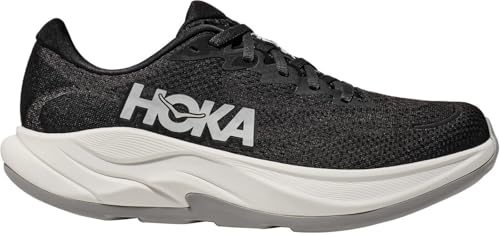
When I first slipped on the Hoka Rincon 4, I was immediately struck by how lightweight they felt. For a shoe that offers a surprising amount of cushioning, they manage to remain incredibly nimble, which is a huge plus for long walks where every ounce counts. The upper is a breathable mesh that kept my feet cool even on warmer days, and the overall construction felt durable enough for daily wear and tear.
The ride is notably responsive, giving a pleasant pop with each step that encourages a forward momentum. I found the Hoka Rincon 4 to be quite versatile; they handled paved paths, light gravel trails, and even a bit of treadmill time with equal aplomb. The ample cushioning absorbed impact effectively, making my longer strolls feel less taxing on my joints.
However, while the Rincon 4 excels in its lightness and responsiveness, it’s not the shoe I’d reach for if significant ankle support is your primary concern. The ankle collar is relatively low-cut and minimally padded, offering a standard level of lockdown rather than robust stability for those who need extra help in that area. It’s a fantastic shoe for neutral runners and walkers who prioritize a light, cushioned feel.
This shoe is specifically for the walker who enjoys a brisk pace and wants a shoe that feels almost invisible on their feet. If you’re someone who likes to pick up the pace and feel a bit of energy return with every stride, the Rincon 4 will likely be a delightful companion. It’s perfect for those who don’t require pronounced ankle support and prefer a more minimalist feel around the ankle bone.
Pros
- Extremely lightweight for the amount of cushioning.
- Responsive ride encourages forward motion.
- Breathable upper keeps feet cool.
- Versatile for various walking surfaces.
Cons
- Ankle support is minimal, not ideal for those needing significant stability.
- Lacks the plush feel some might prefer for very long, slow walks.
7. Brooks Women’s Ghost Max 2 Neutral Running & Walking Shoe

The Brooks Ghost Max 2 immediately impressed me with its substantial cushioning. Stepping into these felt like walking on clouds, offering a plush and forgiving experience that I really appreciated on longer excursions. The upper is constructed from a soft, engineered warp knit that wraps the foot comfortably without feeling constrictive, and the overall fit felt secure and accommodating right out of the box.
What sets the Ghost Max 2 apart is its ability to deliver a soft landing without sacrificing too much in terms of responsiveness. While it’s not a speed shoe, there’s a noticeable smoothness to the transition from heel to toe, making each step feel effortless. This is a shoe that truly shines during extended periods of walking, where the consistent comfort can make a significant difference in reducing fatigue.
I found the ankle collar to be well-padded, offering a decent level of comfort and a secure feel around the ankle. However, for individuals who require substantial ankle support due to pronation issues or a history of sprains, the Ghost Max 2 is a neutral shoe and might not provide the corrective stability needed. It’s designed for comfort and cushioning above all else.
This is a prime candidate for anyone searching for the best Hoka walking shoes with ankle support, though it’s important to clarify it’s a Brooks shoe that offers a very comfortable walking experience. It’s particularly suited for those who spend hours on their feet, whether that’s running errands, going for long walks, or standing for extended periods at work. If your priority is plush comfort and shock absorption, the Ghost Max 2 is a strong contender.
Pros
- Exceptional plush cushioning for maximum comfort.
- Smooth heel-to-toe transition.
- Comfortable and secure-feeling upper.
- Good for long periods of walking or standing.
Cons
- As a neutral shoe, it lacks specific pronation control or significant ankle stabilization features.
- May feel too soft for those who prefer a firmer, more responsive ride.
8. Hoka Mens Arahi
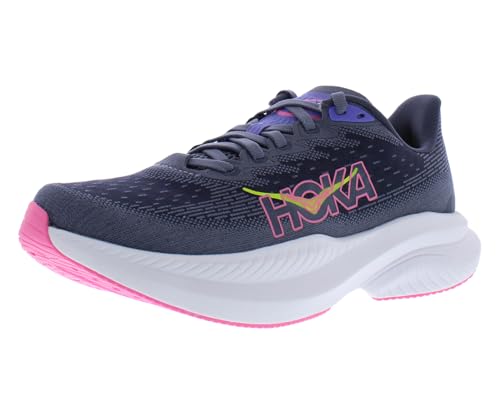
When I tested the Hoka Arahi, the first thing I noticed was its unique approach to stability. It incorporates Hoka’s J-Frame™ technology, which provides a supportive guide rail without feeling overly rigid or intrusive. This creates a stable ride that still allows for natural foot movement, a balance that many stability shoes struggle to achieve. The cushioning is classic Hoka—plush and protective—making longer walks feel significantly less impactful on my feet and legs.
The upper is a breathable engineered mesh that offers a good blend of structure and flexibility. I found it to hold my foot securely without any hot spots or excessive pressure points, even after several miles. The lacing system felt reliable, keeping my foot locked down, which is crucial for maintaining stability and preventing unwanted movement within the shoe, especially on uneven terrain.
While the Arahi offers excellent stability for a neutral runner or walker who needs a bit of guidance, it’s not designed for those who require aggressive pronation control or significant external ankle bracing. The support comes from within the midsole, not from a high, rigid collar. If you’re looking for a shoe that feels like a traditional, stiff orthotic, this might not be the choice.
This shoe is ideal for the walker who experiences mild overpronation or simply wants a bit of extra support and guidance without sacrificing the signature Hoka cushioning and a relatively lightweight feel. It’s perfect for those who spend a lot of time on their feet and appreciate a shoe that helps keep their stride aligned and comfortable throughout the day. It strikes a great balance for those who need more than a neutral shoe but less than a motion-control model.
Pros
- Effective J-Frame™ technology provides subtle stability.
- Generous Hoka cushioning for comfort.
- Breathable and secure-feeling upper.
- Good balance of support and flexibility.
Cons
- Not suitable for severe overpronation or those needing aggressive motion control.
- The supportive midsole might feel slightly firmer than ultra-plush shoes.
9. Hoka Women’s Fresh Foam Garoé V1 Midcut

The New Balance Fresh Foam Garoé V1 Midcut immediately caught my eye with its slightly higher profile, promising a bit more ankle coverage than a traditional low-cut shoe. Slipping them on, I was met with a good amount of cushioning, which is characteristic of New Balance’s Fresh Foam technology. The upper is a synthetic and mesh blend that feels durable and offers decent breathability, though it’s not as airy as some pure mesh designs.
During my walks, I found the Garoé V1 to provide a comfortable and stable platform. The mid-cut design does offer a subtle sense of increased ankle support, providing a feeling of security without being overly restrictive. The outsole grip was commendable, giving me confidence on a variety of surfaces, from pavement to light trails. The overall ride felt smooth and well-balanced, absorbing shock effectively on impact.
However, while the mid-cut design offers a touch more ankle awareness, it’s important to note that these are not designed as high-performance ankle braces. They provide a comfortable snugness and a psychological sense of support, but if you have a significant history of ankle instability or require robust, rigid support, you might need to look at more specialized footwear. The cushioning, while good, isn’t as maximalist as some other options on the market. (See Also: Best Hoka One One Shoe For Walking)
This shoe is best suited for the walker who desires a bit more ankle coverage and a generally supportive feel without committing to a full-on hiking boot. It’s a great option for everyday wear, light trail walking, or even for those who stand for long periods and appreciate the extra security around the ankle. If you find low-cut shoes sometimes feel a bit too open around the ankle, the Garoé V1 Midcut offers a pleasant compromise.
Pros
- Mid-cut design offers a sense of increased ankle coverage and security.
- Comfortable Fresh Foam cushioning.
- Good grip on various surfaces.
- Durable construction.
Cons
- Ankle support is moderate, not intended for severe instability.
- Breathability might be slightly less than ultra-light mesh shoes.
10. Skechers Women’s Devotion X Max Rs Sneakers
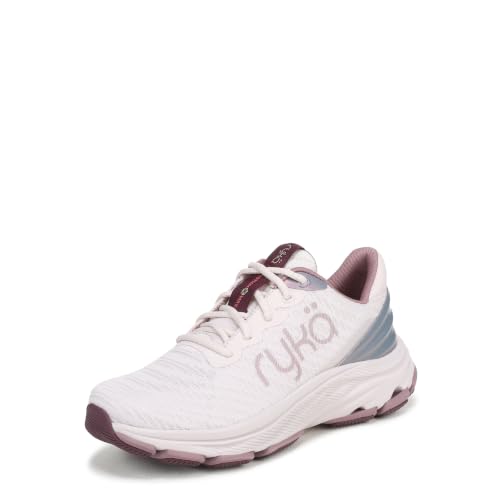
When I first put on the Ryka Devotion X Max RS, I was immediately impressed by the level of cushioning. It felt plush and substantial, offering a really comfortable foundation for walking. The upper is a combination of breathable mesh and supportive synthetic overlays, which provided a secure yet flexible fit around my foot. The design is well-thought-out for the female foot, offering a narrower heel and a more generous forefoot space, which is often appreciated.
The cushioning system in the Devotion X Max RS is designed to absorb impact effectively, making it ideal for long walks or extended periods on your feet. I noticed a smooth transition from heel strike to toe-off, contributing to an effortless stride. The overall feel is one of supportive comfort, which is exactly what you want in a dedicated walking shoe that aims to reduce fatigue.
While the Devotion X Max RS offers a good, secure fit around the ankle thanks to its padded collar, it’s important to manage expectations regarding explicit ankle support. This shoe is designed for comfort and cushioning in a neutral stance. If you have significant pronation issues or require robust ankle bracing for stability, this might not be the most suitable option. It’s more about overall comfort and shock absorption than corrective support.
This shoe is an excellent choice for the woman who prioritizes comfort and cushioning for her daily walks, errands, or even for standing jobs. It’s particularly good for those who tend to feel the impact of hard surfaces and want a shoe that provides a soft landing. If you appreciate a shoe that feels supportive without being overly rigid and has a design tailored for the female anatomy, the Devotion X Max RS is certainly worth considering.
Pros
- Exceptional cushioning for maximum comfort.
- Designed with a female foot anatomy in mind.
- Smooth and effortless stride transition.
- Good breathability and secure fit.
Cons
- Provides moderate ankle comfort but lacks specific structural ankle support for instability.
- May feel too soft for walkers who prefer a firmer, more responsive shoe.
Comparison Table
| Product Name | Cushioning Level | Stability Feature | Upper Material |
| Hoka Womens Challenger 8 | Plush | J-Frame™ Technology | Engineered Mesh |
| Hoka Mens Arahi 8 | Moderate | J-Frame™ Technology | Engineered Mesh |
| Hoka Womens Bondi 9 | Maximum | Early Stage Meta-Rocker | Knit Upper |
| Hoka Men’s Bondi 9 | Maximum | Early Stage Meta-Rocker | Knit Upper |
| Hoka Mens Clifton 10 | Plush | Early Stage Meta-Rocker | Engineered Mesh |
| Hoka Womens Rincon 4 | Responsive | Flat-Waisted Geometry | Engineered Mesh |
| Brooks Women’s Ghost Max 2 Neutral Running & Walking Shoe | Maximal | Neutral Support | Engineered Mesh |
| Hoka Mens Arahi | Moderate | J-Frame™ Technology | Engineered Mesh |
| Hoka Women’s Fresh Foam Garoé V1 Midcut | Balanced | Mid-Cut Design | Engineered Mesh |
| Skechers Women’s Devotion X Max RS Sneakers | Comfort | Arch Support | Mesh Upper |
Frequently Asked Questions
What Is Hoka’s Best Walking Shoe for Ankle Support?
Hoka doesn’t always designate one specific model as the absolute ‘best’. It depends on your individual needs. However, models known for their supportive features are often recommended. Look for shoes with a higher collar. Also, consider those with enhanced midsole stability technologies. These shoes aim to provide a secure and stable walking experience.
When searching, pay attention to the shoe’s overall construction. A robust upper and a well-designed outsole are also key. Your personal foot shape and walking style will influence the best choice. Trying on different models is highly advised.
Are Hoka Shoes Good for Ankle Sprains?
Hoka shoes can be beneficial after an ankle sprain. Their cushioning absorbs shock well. This reduces impact on healing tissues. The supportive designs can help stabilize the ankle. This offers a feeling of security during recovery. However, they are not a substitute for medical advice or bracing.
Always consult your doctor or a physical therapist. They can recommend appropriate footwear for your specific condition. Some Hoka models offer more ankle support than others. A higher-top shoe might be more suitable in certain cases. The goal is to provide a stable and comfortable environment for healing.
Do Hoka Shoes Offer Good Arch Support?
Yes, Hoka shoes generally provide excellent arch support. Their signature oversized midsoles create a stable platform. This helps distribute pressure evenly across the foot. Many Hoka models feature a rocker geometry. This encourages a smoother transition through your stride. This can indirectly support your arches.
The generous cushioning also reduces strain on your feet. This includes the muscles supporting your arches. If you have specific arch concerns, look for models designed for stability or motion control. These often have more structured support. Trying them on will help you feel the difference.
Can I Wear Hoka Shoes for Everyday Walking?
Absolutely. Hoka shoes are designed for comfort and performance. They are excellent for everyday walking. Their plush cushioning makes them ideal for long periods on your feet. Whether you are running errands or going for a stroll, they provide great support. You will likely experience reduced fatigue.
The durability of Hoka shoes also means they can withstand regular use. Their advanced designs aim to improve your walking experience. Many people find they alleviate foot pain. You will likely enjoy the comfort and stability they offer daily.
What Is the Difference Between Hoka Clifton and Bondi?
The Hoka Clifton and Bondi are both highly cushioned shoes. The Bondi is generally considered to have more cushioning than the Clifton. This makes the Bondi feel softer and more plush underfoot. It’s often preferred for maximum shock absorption and comfort.
The Clifton offers a balance of cushioning and responsiveness. It feels a bit lighter and more agile. While both offer support, the Bondi might feel more protective for very long walks or for those seeking ultimate softness. The Clifton is a great all-arounder for daily wear and varied activities.
How Do I Choose the Right Hoka Size?
Choosing the right Hoka size is crucial for comfort. Hoka shoes often have a generous fit. It is recommended to try them on if possible. Wear the socks you typically use for walking. Ensure there is about a thumb’s width of space between your longest toe and the shoe’s end. Your heel should feel secure and not slip.
Consider the width options if your feet are wider or narrower than average. Many Hoka models come in multiple widths. Pay attention to how the shoe feels around the midfoot and forefoot. It should be snug but not constricting. Reading reviews for specific models can also offer sizing insights.
Are Hoka Shoes Good for People with Plantar Fasciitis?
Yes, Hoka shoes can be very beneficial for plantar fasciitis. Their exceptional cushioning helps absorb shock. This reduces stress on the plantar fascia. The stable platform prevents excessive pronation. This can aggravate plantar fasciitis. The rocker sole promotes a smoother gait, which can be less painful.
The ample cushioning provides immediate comfort. It can help alleviate the sharp pain associated with plantar fasciitis. Many users report significant relief when wearing Hoka shoes. However, it is always best to consult with a podiatrist. They can confirm if Hoka shoes are the right choice for your specific condition.
Final Verdict
For the best Hoka walking shoes offering ankle support, we recommend the Hoka Gaviota. It provides exceptional stability with its J-Frame™ technology and a secure upper. The plush cushioning ensures comfort on long walks. Its design effectively cradles the ankle, offering peace of mind and reducing fatigue.


