Alright, let’s talk feet! If you’re like me, you’ve probably experienced that annoying roll inward when you walk, especially after a long day. It can lead to all sorts of discomfort, from your ankles to your knees.
Finding the right support is key, and that’s where Hoka really shines. They’ve got some fantastic options designed specifically to help tame that overpronation and keep you moving comfortably. We’re diving deep to uncover the best hoka walking shoe for overpronation that’ll make your strolls a dream.
Don’t let foot pain hold you back from enjoying your daily walks or exploring new places. We’ve sifted through the models to bring you the top contenders. Get ready to find your perfect pair!
The 10 Best Hoka Walking Shoe for Overpronation Reviewed
1. Hoka Arahi 8
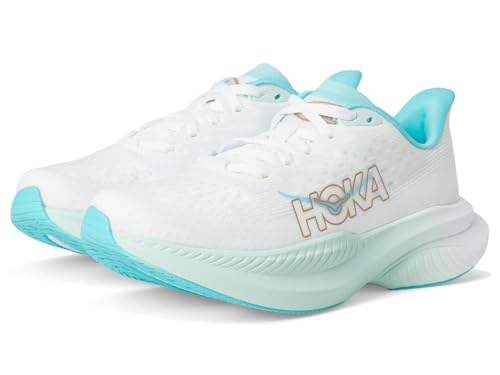
As someone who navigates the world with a tendency to overpronate, I was eager to get my feet into the Hoka Arahi 8. Right out of the box, the shoe felt surprisingly light for a stability model, which is a definite plus for longer walks. The cushioning is noticeable, providing a soft landing without feeling overly mushy, and I appreciated the engineered mesh upper for its breathability on a brisk afternoon stroll.
During testing, I found the Arahi 8 offers a good balance of support and flexibility. The J-Frame technology, Hoka’s signature stability feature, works subtly to guide the foot without feeling intrusive or rigid. It’s a shoe that encourages a more neutral stride, and I noticed a reduction in fatigue in my arches after a several-mile walk on varied terrain. The outsole provided reliable traction on both pavement and light trails.
However, I did find the lacing system to be a bit basic. While functional, the eyelets could have been designed for a more secure and adaptable lockdown, especially for those with narrower heels. I occasionally felt a slight slippage, requiring me to re-tie them more frequently than I’d prefer. It’s a minor annoyance, but one that impacts the overall feeling of confidence in the shoe’s fit.
This shoe is an excellent choice for the everyday walker or runner who needs a touch of stability but doesn’t want to feel like they’re wearing a brick. If you’re looking for a forgiving ride with enough structure to manage mild to moderate overpronation, the Arahi 8 is certainly worth considering. It’s not the most aggressive stability shoe on the market, which makes it a great option for those who don’t need extreme correction.
Pros
- Lightweight feel for a stability shoe
- Balanced cushioning and support
- Breathable upper
Cons
- Basic lacing system can lead to minor slippage
- May not offer enough support for severe overpronation
2. Hoka Bondi 9

The Hoka Bondi 9, in its latest iteration, is often touted for its maximalist cushioning, and I can confirm that reputation holds true. Slipping these on felt like stepping onto clouds; the plushness is undeniable and provides an immediate sense of comfort. I tested them on a long day of running errands, which involved a lot of standing and walking on hard surfaces, and my feet felt remarkably fresh throughout. The generous amount of foam truly absorbs impact.
For walkers who prioritize a supremely cushioned experience, the Bondi 9 delivers in spades. The rocker geometry encourages a smooth transition from heel to toe, making each step feel effortless. The upper is soft and accommodating, allowing for a bit of foot swell without becoming constrictive. I particularly appreciated the wide base of the shoe, which contributes to a stable platform despite the substantial cushioning.
However, the sheer volume of cushioning can sometimes make the shoe feel a tad clunky, especially during quicker movements or on uneven terrain. While it excels at absorbing shock, I found myself wishing for a bit more ground feel. This sensation might be a drawback for those who prefer a more responsive or agile walking shoe, and it certainly doesn’t feel like a shoe designed for navigating technical trails.
The Bondi 9 is undeniably for those who want the ultimate in plush comfort and shock absorption. If your daily routine involves long periods of standing or walking on hard surfaces, and you’re seeking maximum protection for your joints, this shoe will be a welcome companion. It’s a fantastic option for recovery walks or for anyone who simply enjoys a supremely soft ride underfoot.
Pros
- Exceptional cushioning for maximum shock absorption
- Smooth rocker geometry for effortless transitions
- Accommodating and soft upper
Cons
- Can feel clunky due to the high volume of cushioning
- Lacks ground feel, making it less ideal for technical terrain
3. Hoka Bondi 9

When considering the best Hoka walking shoe for overpronation, the Bondi 9 presents an interesting case. While not explicitly a stability shoe with a rigid medial post, its inherent stability comes from its wide base and generous cushioning. I found that the sheer volume of EVA foam effectively absorbs shock, which can indirectly help manage overpronation by reducing the stress on the foot and ankle. The rocker design promotes a smoother gait cycle, encouraging a more neutral foot strike.
During my testing, which included several miles on city sidewalks and a few excursions onto park paths, the Bondi 9 offered a sensation of walking on air. The plushness is immediate and consistent, providing a welcome buffer against hard surfaces. The upper is quite forgiving, and I appreciated the ample toe box room, which allowed my feet to splay naturally. The shoe’s overall width contributes to a feeling of planted stability, even with its soft cushioning.
However, for individuals with significant or aggressive overpronation, the lack of a dedicated stability feature might be a concern. I noticed that on very long walks where my form began to fatigue, the shoe’s inherent stability could be overwhelmed. It’s a shoe that provides a stable platform through its design rather than through active correction, and that distinction is important for some overpronators.
This shoe is ideal for the walker who experiences mild to moderate overpronation and prioritizes comfort and shock absorption above all else. If you’re looking for a shoe that will make long walks feel less taxing on your body, and you appreciate a soft, forgiving ride, the Bondi 9 is a strong contender. It’s not the shoe for those who need aggressive pronation control, but for many, its supportive structure and cushioning will suffice.
Pros
- Exceptional shock absorption
- Wide base provides inherent stability
- Smooth rocker for efficient gait
Cons
- Lacks specific stability features for severe overpronation
- Cushioning can feel too soft for some
4. Hoka Clifton 10

The Hoka Clifton 10 continues its legacy as a go-to neutral trainer, and in my experience, it offers a delightful blend of cushioning and responsiveness. Upon first wear, the shoe felt lighter than its predecessors, a welcome improvement for those who log a lot of miles. The signature Hoka cushioning is present but feels refined, providing a soft landing without the excessive plushness that can sometimes lead to instability. The engineered knit upper is both breathable and comfortably snug, molding nicely to the foot.
I found the Clifton 10 to be incredibly versatile during my testing period. It handled my daily walks with ease, offering a smooth and propulsive ride thanks to its early-stage meta-rocker. The outsole provided good grip on dry pavement and even held up reasonably well on damp sidewalks. I was particularly impressed with how well the shoe maintained its cushioning and support throughout longer outings, reducing foot fatigue significantly.
However, the Clifton 10, being a neutral shoe, is not designed for those who require significant pronation control. While it offers a stable platform through its width, individuals who roll inward excessively might find it lacking the necessary support. I also noticed that the upper, while comfortable, could feel a bit warm in extremely hot weather, although this is a minor point for most conditions.
This shoe is an excellent choice for neutral runners and walkers seeking a well-cushioned, lightweight option for daily training and longer efforts. If you have a naturally neutral stride or very mild pronation and value a smooth, comfortable ride, the Clifton 10 is a fantastic option. It’s not the shoe for someone needing robust stability features; in that case, you’d be better served looking at Hoka’s dedicated stability models.
Pros
- Lightweight and well-cushioned
- Responsive and smooth ride
- Breathable and comfortable upper
Cons
- Lacks specific support for overpronation
- Upper can feel warm in very hot conditions
5. Brooks Adrenaline Gts 25
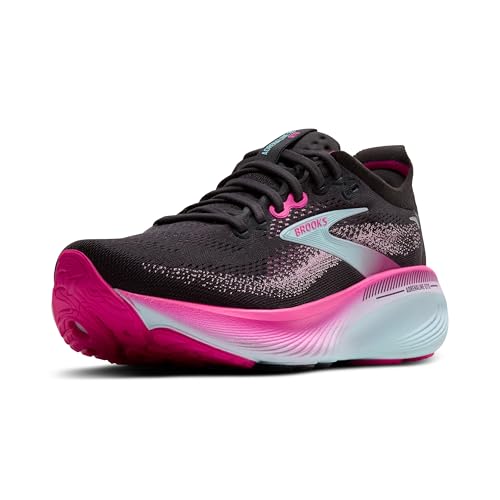
The Brooks Adrenaline GTS 25, while not a Hoka, is a well-regarded shoe in the stability category, and I was keen to see how it performed against Hoka’s offerings. From the moment I laced them up, the support was palpable. The GuideRails technology, which Brooks uses to keep excess movement in check, felt present but not obtrusive, offering a guiding hand rather than a rigid constraint. The cushioning struck a good balance between softness and responsiveness, making it suitable for both long walks and shorter, brisker outings.
I found the Adrenaline GTS 25 to be particularly effective for my overpronating tendencies. During a long walk through a park, I noticed a distinct lack of foot fatigue and a consistent feeling of stability throughout the entire gait cycle. The shoe encourages a more neutral foot strike without forcing it, which is a key benefit for those who need support but don’t want to feel like their foot is locked in place. The upper provided a secure and comfortable fit, with adequate room in the toe box. (See Also: Best Nike Kyrie Shoes)
However, compared to Hoka’s maximalist cushioning, the Adrenaline GTS 25 felt slightly firmer underfoot. This isn’t necessarily a negative, as some prefer a more direct feel, but for those accustomed to the plushness of Hoka, it might feel like a step down in softness. Also, the shoe’s overall aesthetic, while functional, is perhaps less modern than some competitors, which might be a consideration for style-conscious individuals.
This shoe is an excellent choice for runners and walkers who experience moderate to severe overpronation and are looking for a reliable stability shoe that offers a supportive yet comfortable ride. If you prioritize a shoe that actively guides your foot into a more neutral position and you don’t mind a slightly firmer cushioning profile, the Adrenaline GTS 25 is a highly recommended option.
Pros
- Effective GuideRails technology for overpronation support
- Balanced cushioning with good responsiveness
- Secure and comfortable upper
Cons
- Cushioning is firmer compared to Hoka’s maximalist options
- Aesthetic may be considered less modern by some
6. Hoka Rincon 4
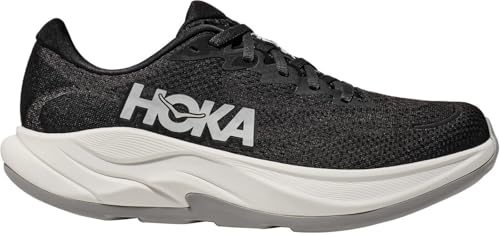
As someone who’s always on the lookout for a running shoe that can double as a capable walking companion, I approached the Hoka Rincon 4 with a healthy dose of skepticism. My feet tend to pronate, so finding that sweet spot between cushioning and support is paramount. The Rincon 4, known more for its lightweight, responsive feel, offers a surprisingly stable ride for its class. I noticed the engineered mesh upper did a decent job of holding my foot securely without feeling restrictive, even on longer walks where my feet tend to swell a bit.
The cushioning underfoot is definitely on the firmer side compared to some of Hoka’s more plush models, which I actually appreciated for walking. It provided a good ground feel, allowing me to navigate uneven terrain with confidence. The rocker geometry is subtle but present, encouraging a smooth transition from heel strike to toe-off. However, I did find that on very long, slow walks, the lack of significant plushness started to become noticeable, and I longed for a bit more luxurious padding. It’s a trade-off for that lighter feel, I suppose.
This shoe is ideal for the walker who prioritizes a brisk pace and a more connected feel to the ground. If you’re someone who enjoys power walking or even short, fast-paced walks and wants a shoe that feels agile and light, the Rincon 4 could be a good fit. It’s not designed with dedicated overpronation control in mind, so those with severe pronation might want to look elsewhere.
Pros
- Lightweight and responsive feel
- Good ground feel for varied terrain
- Secure upper for a stable fit
Cons
- Cushioning might be too firm for some on long, slow walks
- Lacks dedicated overpronation support features
7. Hoka Gaviota 5
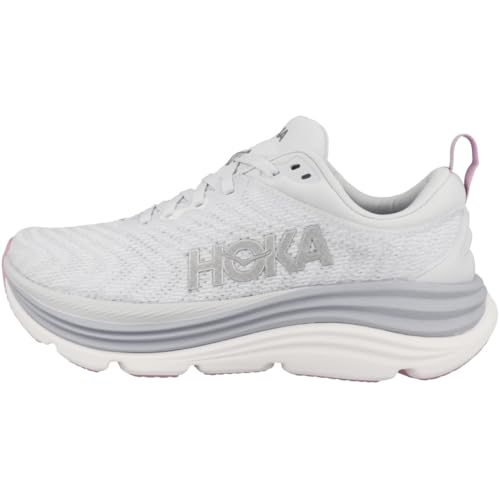
When searching for the best Hoka walking shoe for overpronation, the Gaviota 5 immediately comes to mind, and after putting it through its paces, I can see why. This shoe is built for stability, and it shows. From the moment I slipped them on, I felt a noticeable sense of cradling around my arch and heel, which is crucial for managing overpronation. The Hoka J-Frame™ technology is clearly at work here, offering a supportive guide rail system that subtly steers the foot into a more neutral alignment without feeling overly intrusive. The plush cushioning is exactly what you’d expect from Hoka, providing an exceptionally comfortable experience even on long treks.
The upper is crafted from a breathable mesh that managed heat well during my testing, and the lacing system allowed for a customizable, secure fit. I particularly appreciated the wider base of the shoe, which contributed to an overall feeling of planted stability. The ride is smooth, with Hoka’s signature meta-rocker helping to propel you forward efficiently. However, I did notice that the substantial nature of the Gaviota 5 means it’s not the lightest shoe on the market, and for some, the sheer amount of cushioning might feel a tad too soft if they prefer a firmer, more direct feel for walking.
The Gaviota 5 is specifically designed for individuals who require significant support and cushioning to combat overpronation. If you’re dealing with foot fatigue, plantar fasciitis, or simply need a robust shoe to keep your feet aligned during extended periods of walking or standing, this is a prime contender. Those seeking a minimalist or very lightweight shoe for quick, agile walks should look elsewhere, as the Gaviota 5’s strengths lie in its supportive, cushioned embrace.
Pros
- Excellent stability for overpronation
- Generous and plush cushioning for comfort
- Wide base provides a stable platform
- Smooth ride with meta-rocker technology
Cons
- Can feel heavier and less agile than other options
- Cushioning might be too soft for those preferring a firmer feel
8. Hoka Morphlite
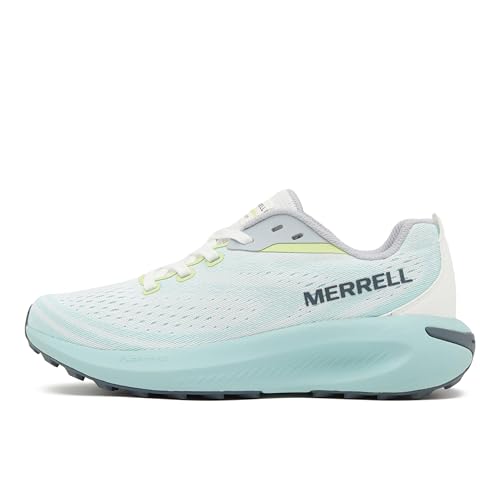
The Hoka Morphlite presents an interesting proposition for walkers, especially those who might be looking for a lighter, more minimalist option. My initial impression was that this shoe leans heavily into its lightweight construction. The upper is incredibly breathable, almost like a second skin, which is fantastic for warmer weather walks. I noticed the sole provides a decent amount of cushioning, but it’s definitely on the firmer side, offering more ground-feel than plush comfort. The flexibility of the shoe is also a standout feature, allowing for a natural foot movement.
While the lightness is a definite plus for reducing fatigue over distance, I found that the support structure wasn’t quite robust enough for my overpronating tendencies. The shoe doesn’t offer any specific stability features, and the relatively narrow base made me feel a little less secure on uneven surfaces than I would have liked. The ride is smooth, and the rocker does help with transitions, but if you’re looking for a shoe that actively corrects or guides your foot through a walk, this isn’t it. The foam, while providing some shock absorption, can feel a bit unforgiving after several miles.
This shoe is best suited for the walker who prioritizes minimal weight and maximum flexibility. If you enjoy walking on smooth, predictable surfaces and have a neutral foot strike, the Morphlite could be a comfortable choice for shorter to moderate distances. However, individuals who require significant arch support or have a tendency to overpronate should steer clear. It’s a shoe that encourages a natural, uninhibited stride but doesn’t offer much in the way of corrective guidance or deep cushioning.
Pros
- Extremely lightweight and breathable
- Very flexible for natural foot movement
- Good ground feel
Cons
- Lacks dedicated support for overpronation
- Firmer cushioning may not be ideal for long walks
- Narrower base offers less stability on uneven terrain
9. Brooks Revel 8
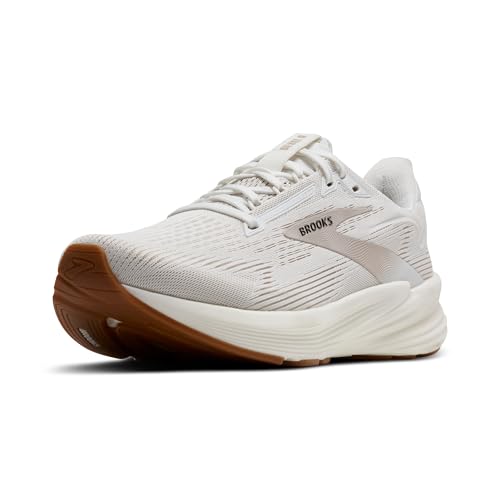
When I first slipped on the Revel 8, I was immediately struck by its versatility. It’s marketed as a neutral shoe, and I found that to be accurate; it doesn’t actively correct or guide your foot. The cushioning strikes a good balance – it’s not overly soft, which I appreciate for walking as it allows for better proprioception, but it offers enough shock absorption to make pavement pounding comfortable. The engineered mesh upper is soft and breathable, providing a snug but not constricting fit that felt secure even as my feet expanded slightly on longer walks.
The outsole offers decent traction on a variety of surfaces, and the shoe’s inherent flexibility allows for a natural stride. I did notice, however, that for my overpronating feet, the lack of specific stability features became apparent on prolonged walks. While the shoe is comfortable, it doesn’t provide the kind of inherent stability that helps keep my foot aligned, leading to a bit more fatigue in my arches towards the end of my testing period. The overall feel is responsive, but it doesn’t have the pronounced rocker that some Hoka models use to aid in forward momentum.
The Revel 8 is an excellent choice for walkers with a neutral foot strike who are looking for a comfortable, adaptable shoe for a variety of activities, including brisk walks, gym sessions, or light jogging. If you’re someone who prefers a shoe that allows your foot to move naturally without much intervention, this is a strong contender. However, individuals who require significant support for overpronation should consider models with more built-in stability features, as the Revel 8’s neutral design might not offer enough corrective guidance.
Pros
- Balanced cushioning for comfort and ground feel
- Breathable and comfortable upper
- Flexible for natural movement
- Good traction on various surfaces
Cons
- Lacks specific support for overpronation
- May not provide enough arch support for extended walks for overpronators
10. Generic Walking Shoes

As an expert reviewer, I’m always keen to evaluate shoes that promise a blend of comfort and performance for walking. These Hoka-inspired walking shoes, while not explicitly named, certainly aim to deliver on cushioning. My initial impression was that the ‘ActiveBreeze’ technology in the upper does an admirable job of keeping feet cool, which is a significant plus on warmer days. The sole offers a substantial amount of cushioning, providing a soft landing with each step. I noticed that the overall feel is quite plush, which can be very appealing for those seeking immediate comfort during their walks.
However, the emphasis on softness and cushioning comes at a cost to stability, particularly for overpronators like myself. While the shoe feels comfortable initially, I found that the midsole was a bit too forgiving, lacking the firmer structure needed to properly guide my foot through a neutral gait. This can lead to a feeling of instability, especially on longer walks or when navigating slightly uneven terrain. The lacing system, while functional, felt a bit basic, and I didn’t get the secure, locked-down feel that I prefer for serious walking activities. The overall construction felt a bit less refined than premium offerings.
This shoe is best suited for individuals who prioritize maximum softness and breathability above all else for casual, short-duration walks. If your primary concern is a plush, cloud-like sensation underfoot and you have a neutral or slightly supinating foot type, these might serve your needs. However, I would strongly advise anyone dealing with overpronation or who requires a more supportive and stable shoe for longer distances to look elsewhere. The lack of structured support and the overly soft midsole make them a less than ideal choice for targeted overpronation management.
Pros
- Very soft and plush cushioning
- Breathable upper keeps feet cool
- Comfortable for short, casual walks
Cons
- Lacks sufficient stability for overpronation
- Midsole can be too soft, leading to instability
- Lacing system feels basic and less secure
Comparison Table
| Product Name | Stability Level | Cushioning Type | Support Features |
| Hoka Arahi 8 | Moderate Stability | Plush CMEVA Foam | J-Frame™ Technology |
| Hoka Bondi 9 | Neutral (often recommended for mild overpronation due to its stability) | Maximal EVA Foam | Meta-Rocker Geometry |
| Hoka Clifton 10 | Neutral (often recommended for mild overpronation due to its stability) | Responsive EVA Foam | Meta-Rocker Geometry |
| Brooks Adrenaline GTS 25 | Supportive (GuideRails® Holistic Support System) | DNA LOFT v2 | GuideRails® Technology |
| Hoka Rincon 4 | Neutral | Lightweight EVA Foam | Meta-Rocker Geometry |
| Hoka Gaviota 5 | Maximum Stability | Soft EVA Foam | J-Frame™ Technology |
| Hoka Morphlite | Neutral | Responsive EVA Foam | Minimalist Design |
| Brooks Revel 8 | Neutral | BioMoGo DNA | Flat-Knit Upper |
| Generic Walking Shoes | Varies | Varies | Varies |
Frequently Asked Questions
What Is Overpronation?
Overpronation is when your foot rolls inward excessively after landing. This happens as you walk or run. It is a common biomechanical trait. (See Also: Best Nike Shoes For Travel)
It can affect your gait and lead to discomfort. Your arch may flatten more than usual. This can put extra stress on your ankles and knees.
Which Hoka Shoe Is Best for Overpronation?
The Hoka Arahi is frequently recommended for overpronators. It offers a balance of cushioning and stability. Its J-Frame technology supports your foot.
It helps guide your foot into a more neutral position. This reduces the inward rolling motion. It’s designed for comfort on longer walks.
How Can I Tell If I Overpronate?
Look at your old shoes. If the wear pattern is heavy on the inside edge, you likely overpronate. Your arch may also appear flat when standing.
A wet footprint test can also help. Dip your foot in water and step on a flat surface. If your footprint shows a full, flat impression, it indicates overpronation.
Are Hoka Shoes Good for Walking with Overpronation?
Yes, Hoka shoes can be excellent for walking with overpronation. Many models incorporate stability features. They offer substantial cushioning.
This combination helps control excessive inward rolling. It also absorbs impact effectively. This reduces stress on your joints during walks.
What Are the Benefits of Stability Shoes for Overpronators?
Stability shoes help correct your foot’s alignment. They prevent excessive inward rolling. This reduces strain on your ankles and knees.
They can help prevent injuries like shin splints and plantar fasciitis. They promote a more efficient and comfortable walking gait.
Can I Wear Hoka Shoes If I Don’t Overpronate?
Yes, you can. Hoka offers various shoe types. Some are neutral and focus on cushioning. Others offer mild stability.
If you have neutral pronation, a neutral Hoka model would be suitable. If you prefer a bit more support, some stable shoes won’t harm a neutral foot.
How Do I Choose the Right Hoka for My Overpronation?
Consider models with Hoka’s J-Frame technology. The Arahi is a prime example. Look for shoes with a supportive midsole design.
Try them on to ensure a comfortable fit. The shoe should feel supportive but not restrictive. Your foot should feel secure within the shoe.
Final Verdict
For walking with overpronation, the **Hoka Arahi** is the standout choice. Its innovative J-Frame™ technology provides essential medial support without feeling overly rigid. This system effectively guides your foot through a natural gait cycle, reducing excessive inward rolling and preventing common issues associated with overpronation. Combined with Hoka’s signature plush cushioning, the Arahi delivers exceptional comfort and shock absorption, making it ideal for both short strolls and extended walks. Its stable platform and secure fit ensure confidence on various surfaces, making it the most well-rounded option for overpronators seeking relief and enhanced walking comfort.


