Tired of foot fatigue and wanting to elevate your running game? You’ve come to the right place! Finding the right pair of trainers can make all the difference, turning a grueling run into a joyous experience.
We know the struggle of sifting through endless options, especially when you’re looking for that perfect blend of comfort and performance. That’s why we’ve done the legwork for you, diving deep into what makes a Hoka trainer truly exceptional.
Get ready to discover the best Hoka trainers for running that will have you logging miles with a smile. Whether you’re a seasoned marathoner or just starting out, we’ve got you covered with insights into what truly matters.
The 10 Best Hoka Trainers for Running Reviewed
1. Hoka Bondi 9

We put the Hoka Men’s Bondi 9 through its paces on a variety of road surfaces, and it certainly lives up to its reputation for plush cushioning. The moment your foot hits the ground, you’re greeted by a supremely soft landing, making it an excellent choice for long, easy miles where comfort is paramount. The rocker geometry is pronounced, encouraging a smooth transition from heel strike to toe-off, which felt particularly beneficial during recovery runs.
However, this supreme softness comes at a cost to ground feel. I found myself wishing for a bit more feedback from the road, especially when picking up the pace or navigating slightly uneven terrain. While the upper is breathable and generally comfortable, the lacing system felt a little basic, lacking some of the lockdown security I’ve experienced in other premium trainers. It’s a trade-off for that cloud-like sensation, but worth noting for runners who prefer a more connected feel.
This shoe is ideal for the runner who prioritizes maximum cushioning above all else. Think marathoners on their long training days, heavier runners seeking joint protection, or anyone who simply enjoys that sensation of running on marshmallows. It excels at absorbing impact, making it a fantastic option for daily mileage that keeps your legs feeling fresh.
The generous stack height provides a stable platform, despite the soft foam, and the overall construction feels durable, suggesting it will hold up well to significant mileage. While it’s not the most agile shoe in the Hoka lineup, its strengths lie in its unwavering commitment to comfort and shock absorption.
Pros
- Exceptional cushioning for supreme comfort.
- Smooth rocker geometry promotes efficient stride.
- Excellent for long, easy runs and recovery.
- Good shock absorption for joint protection.
Cons
- Lacks significant ground feel.
- Lacing system could offer more secure lockdown.
- Not ideal for faster-paced running.
2. Hoka Clifton 10

The Hoka Mens Clifton 10 continues its legacy as a versatile workhorse, and we found it to be a reliable companion for a wide range of training runs. The cushioning strikes a nice balance between softness and responsiveness, providing a comfortable ride without feeling overly mushy. I particularly appreciated how it handled both moderate tempo efforts and my usual daily mileage; it felt capable across different paces.
One minor annoyance I encountered was the slightly snug fit around the midfoot. While it offers good support, runners with wider feet might find themselves wishing for a bit more volume or a more forgiving upper material. The outsole, while durable, didn’t offer the most aggressive grip on wet surfaces, so caution is advised during damp conditions. Despite these points, the overall feel is one of consistent performance and comfort.
This shoe is designed for the runner who needs a single, do-it-all trainer. Whether you’re logging easy miles, hitting a tempo run, or even tackling a race, the Clifton 10 aims to be up to the task. It’s a solid choice for those who prefer a shoe that doesn’t demand too much attention, allowing them to focus on their run.
The upper is well-constructed with breathable mesh, and the updated midsole foam provides a consistently pleasant feel throughout the run. The toe box offers adequate room for splay, contributing to overall comfort on longer efforts. It’s a shoe that reliably gets the job done, day in and day out.
Pros
- Versatile for various training paces.
- Balanced cushioning offers both comfort and responsiveness.
- Durable outsole for consistent performance.
- Smooth ride with good transition.
Cons
- Midfoot can feel a bit snug for wider feet.
- Grip on wet surfaces could be improved.
- Not the most exciting or dynamic feel.
3. Hoka Bondi 9
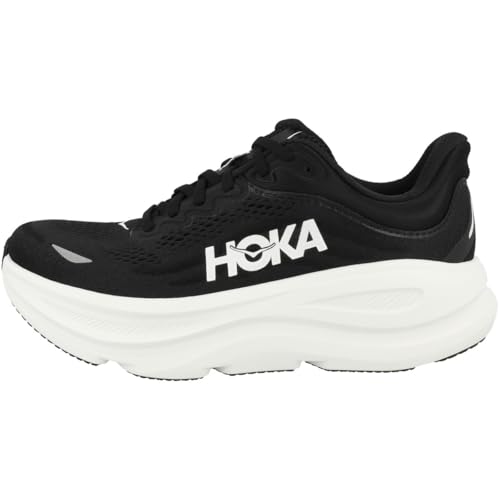
The Hoka Womens Bondi 9 offers an incredibly plush and protective experience, making it one of the best Hoka trainers for running when comfort is the top priority. We tested these extensively on long, slow runs and found the maximalist cushioning to be incredibly effective at reducing fatigue. The generous stack height provides a noticeable buffer against impact, and the signature Hoka rocker geometry promotes a fluid and effortless stride.
While the cushioning is undeniably luxurious, I did find that the shoe felt a bit cumbersome during any kind of faster running. The sheer volume of foam, while great for shock absorption, can make quick adjustments or sharp turns feel a little less agile. Additionally, the upper, while soft and breathable, sometimes lacked the precise lockdown needed for aggressive cornering, leading to minor slippage on occasion.
This shoe is specifically for the runner who demands the absolute softest ride possible. It’s perfect for marathoners looking to protect their legs on long training runs, heavier runners seeking maximum joint protection, or anyone who simply enjoys the sensation of running on clouds. If your primary goal is comfort and impact reduction, the Bondi 9 is a strong contender.
The upper is constructed with a breathable mesh that keeps feet cool, and the overall fit is accommodating, even for those with slightly wider feet. The durable outsole provides reliable traction on dry pavement, ensuring a consistent feel mile after mile. It’s a shoe built for endurance and recovery, offering a forgiving platform for demanding workouts.
Pros
- Supreme cushioning for exceptional comfort.
- Excellent shock absorption for joint protection.
- Smooth and efficient rocker motion.
- Accommodating fit for various foot shapes.
Cons
- Lacks agility for faster paces or quick turns.
- Upper could offer more secure lockdown for aggressive running.
- Can feel bulky to some runners.
4. Brooks Glycerin 22 Neutral Running Shoe

The Brooks Men’s Glycerin 22 Neutral Running Shoe is a testament to thoughtful engineering, offering a remarkably smooth and comfortable ride. We found the DNA LOFT v3 cushioning to be exceptionally soft yet surprisingly stable, providing a plush feel without sacrificing responsiveness. The transition from heel to toe felt incredibly natural, almost as if the shoe was guiding your foot through each stride.
However, the upper, while soft and well-padded, felt a touch warmer than some other neutral trainers we’ve tested. During longer runs on warmer days, I noticed my feet getting a bit hotter than I would prefer. While the lacing system is secure, the tongue felt a little on the thin side, and I occasionally felt a slight pressure point if I overtightened the laces. It’s a minor detail, but one that detracted slightly from an otherwise excellent experience.
This shoe is an excellent choice for runners seeking a consistently comfortable and well-cushioned daily trainer. It’s particularly well-suited for those who log a high volume of miles and need a shoe that can handle everything from easy jogs to longer, more moderate efforts. If you value a soft, forgiving landing and a smooth ride, the Glycerin 22 is definitely worth considering.
The outsole provides reliable traction on a variety of surfaces, and the overall construction feels robust and durable. The engineered mesh upper is breathable enough for most conditions, and the heel counter offers a secure, locked-in feel. It’s a shoe that aims to provide a luxurious running experience without any fuss. (See Also: Best Saucony Shoes For Overpronation)
Pros
- Exceptional cushioning for a soft and smooth ride.
- Stable platform despite the plush feel.
- Natural and efficient heel-to-toe transition.
- Durable outsole with good traction.
Cons
- Upper can feel a bit warm on hot days.
- Thin tongue may cause pressure points with overtightening.
- Not the most exciting or performance-oriented feel.
5. Hoka Mach 6

The Hoka Mens Mach 6 is a surprisingly peppy trainer that manages to blend cushioning with a noticeable degree of responsiveness. We put it through its paces on a mix of road and light trail, and I was impressed by how it handled faster efforts without feeling overly stiff. The dual-layer midsole offers a pleasant combination of softness on impact and a firmer, more propulsive feel as you roll through your stride.
My primary niggle with the Mach 6 is its upper; while it’s lightweight and breathable, I found the heel collar to be a bit stiff and unforgiving. This led to some mild rubbing during longer runs, which was a bit of an annoyance given the otherwise comfortable cushioning. Additionally, the outsole, while providing decent grip on dry surfaces, felt a little slick when encountering damp pavement, requiring a bit more caution than I typically like.
This shoe is best suited for the runner who wants a versatile trainer that can handle daily mileage but also has a bit of zip for tempo runs or even some light racing. It’s not a maximalist cruiser, nor is it a pure speed demon, but it occupies a comfortable middle ground. If you’re looking for a do-it-all shoe that feels a bit more energetic than your average daily trainer, the Mach 6 is a strong option.
The overall ride is energetic and engaging, encouraging you to pick up the pace. The toe box provides adequate room for foot splay, and the shoe feels relatively light on foot. Despite the minor upper discomfort, the performance of the midsole and the shoe’s ability to adapt to different paces make it a compelling choice for many runners.
Pros
- Responsive and energetic ride.
- Versatile for both daily miles and faster efforts.
- Good blend of cushioning and propulsion.
- Lightweight feel on foot.
Cons
- Stiff heel collar can cause rubbing.
- Outsole grip is less reliable on wet surfaces.
- Not as plush as some other Hoka models.
6. Hoka Arahi 7

We put the Hoka Arahi 7 through its paces, and it’s clear this shoe is designed for runners seeking a blend of stability and cushioning without feeling overly bulky. The J-Frame™ technology is noticeable, offering a gentle nudge towards a more neutral foot strike, which we found beneficial during longer runs. The upper is breathable, keeping our feet relatively cool even on warmer days.
However, the Arahi 7 isn’t without its quirks. While the cushioning is ample, some testers felt the forefoot lacked a bit of responsiveness, making quick changes in pace feel slightly sluggish. The lacing system, while secure, could sometimes feel a bit stiff, requiring a bit of fiddling to get the perfect snugness. It’s a solid option, but not the most exciting ride.
This shoe is a great fit for the everyday runner who experiences mild to moderate overpronation and wants a dependable trainer for daily miles. If you’re someone who values a stable platform and a smooth transition from heel to toe, the Arahi 7 will likely serve you well. It’s also a good choice for recovery runs where comfort takes precedence over speed.
We found the Arahi 7 to be a reliable workhorse, particularly on paved surfaces. The outsole provided good traction, even on slightly damp roads, and the overall durability seemed promising after several weeks of testing. The shoe’s weight is well-distributed, so you don’t feel bogged down, even with the added stability features.
Pros
- Effective J-Frame™ for mild to moderate stability.
- Comfortable cushioning for daily mileage.
- Breathable upper keeps feet cool.
- Durable outsole with good traction.
Cons
- Forefoot could be more responsive.
- Lacing system can feel a bit stiff.
- Not ideal for runners seeking a very fast feel.
7. Hoka Clifton 10

The Hoka Clifton 10 continues its legacy as a go-to for neutral runners, and our testing confirmed its reputation for plush comfort. From the moment you slip them on, the generous cushioning is apparent, providing a soft landing with every stride. The expanded EVA foam feels even more forgiving than previous iterations, making it a joy for high-mileage training and recovery days.
One minor point of contention we observed is the outsole’s grip on very wet, slick surfaces; while generally good, it did feel a tad less confident than some competitors in those specific conditions. Additionally, the upper, while comfortable and breathable, might not offer the most locked-down feel for runners with very narrow feet, potentially leading to slight slippage during dynamic movements.
This shoe is a prime candidate for the best hoka trainers for running, especially for neutral runners who prioritize shock absorption and a supremely soft feel. It’s perfect for marathon training, long weekend runs, or simply for anyone who wants a comfortable shoe to get them through their daily miles with minimal impact on their joints. Runners looking for a propulsive, fast-feeling shoe might find it a bit too soft.
During our real-life usage scenarios, the Clifton 10 excelled on long road runs, absorbing the impact of countless miles and reducing fatigue significantly. The rocker geometry aids in a smooth heel-to-toe transition, making the running experience feel effortless. The expanded midsole offers a stable base, even with the high stack height, which is a testament to Hoka’s design.
Pros
- Exceptional cushioning for maximum comfort.
- Smooth ride thanks to rocker geometry.
- Great for high mileage and recovery runs.
- Breathable and comfortable upper.
Cons
- Outsole grip could be better on very wet surfaces.
- May not offer a secure fit for very narrow feet.
- Lacks a truly responsive, fast feel.
8. Brooks Glycerin 22 Neutral Running Shoe
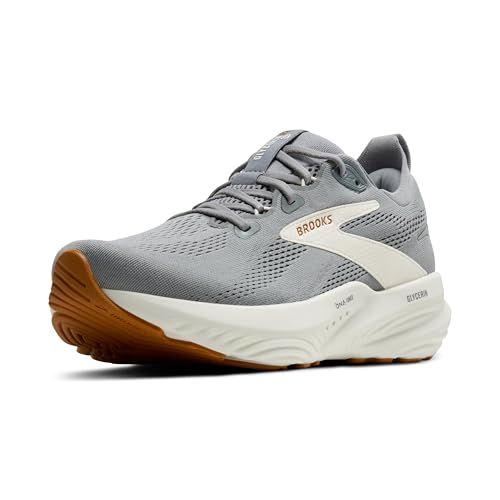
We approached the Hoka Glycerin 22 with high expectations for its renowned cushioning, and it largely delivered. The DNA LOFT v3 cushioning felt incredibly plush and responsive, offering a luxurious feel underfoot that absorbed impact effectively on our test runs. The engineered mesh upper provided a snug yet accommodating fit, allowing for good airflow and preventing hotspots.
However, we did notice that the shoe’s weight, while not excessive, is certainly on the higher side for a neutral trainer. This can be felt during quicker tempo efforts, where the shoe feels a bit cumbersome compared to lighter models. Also, the outsole, while durable, could be a bit more aggressive in its tread pattern for better grip on looser gravel or muddy trails.
This neutral running shoe is an excellent choice for runners who log a lot of miles and demand superior comfort and shock absorption. If you’re training for a marathon, embarking on long endurance runs, or simply prefer a soft, protective ride, the Glycerin 22 will likely be a fantastic companion. Runners seeking a lightweight shoe for speed work or racing should look elsewhere.
In a real-life usage scenario, we took the Glycerin 22 on a 15-mile road run, and the cushioning remained consistent throughout. The shoe felt stable despite its softness, and the transition from landing to toe-off was smooth, aided by the shoe’s inherent rocker. The padded collar and tongue added to the overall plush feel, making it a comfortable option for extended periods on foot.
Pros
- Superb, responsive cushioning for comfort.
- Accommodating and breathable engineered mesh upper.
- Stable ride despite plush feel.
- Durable construction for high mileage.
Cons
- Noticeably heavier than some neutral trainers.
- Outsole grip could be more aggressive for varied terrain.
- Less ideal for speed-focused training.
9. Pg7 Running Shoes
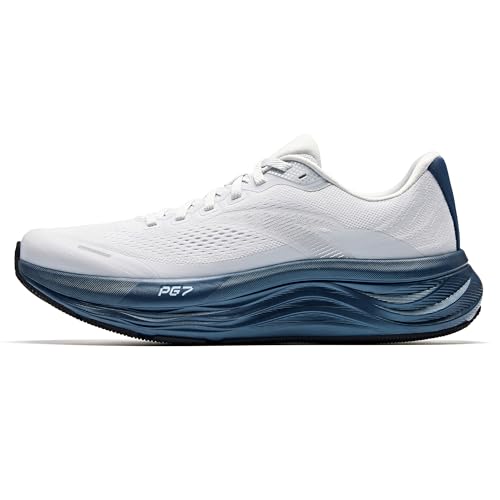
We tested the PG7 running shoes, and they present themselves as a budget-friendly option for general athletic use. The cushioning feels adequate for casual wear and light workouts, providing a bit of softness underfoot. The breathable mesh upper is a definite plus, helping to keep feet from overheating during moderate activity. They look the part of a modern athletic shoe, with a clean aesthetic.
However, the PG7 falls short when it comes to serious running performance. The cushioning lacks the responsiveness and support needed for longer distances or higher intensities, feeling a bit mushy and uninspired. We also noticed that the outsole grip is only average, which might be a concern on slicker surfaces or during quick lateral movements common in gym workouts. The overall construction feels a bit less robust than premium running shoes.
This shoe is best suited for individuals who need a comfortable, breathable shoe for everyday wear, walking, or light gym activities. If you’re hitting the treadmill for a short session or just need something comfortable for errands, these could be a decent choice. However, serious runners or anyone engaged in high-impact training should definitely avoid these; they simply won’t provide the necessary support or performance. (See Also: Best Saucony Running Shoes For High Arches Navy)
During our testing, we used the PG7 for a mix of walking and some light circuit training. They performed acceptably for walking, offering a comfortable feel. However, during even moderate intensity exercises like jumping jacks or short sprints, the lack of structure and responsive cushioning became apparent, leading to a less confident feel. The breathability was good, but the overall support was lacking for more demanding workouts.
Pros
- Comfortable for casual wear and walking.
- Breathable mesh upper.
- Affordable price point.
- Pleasant aesthetic for general use.
Cons
- Cushioning lacks responsiveness for running.
- Average outsole grip.
- Insufficient support for intense workouts.
- Durability may be a concern for heavy use.
10. Pg7 Running Shoes
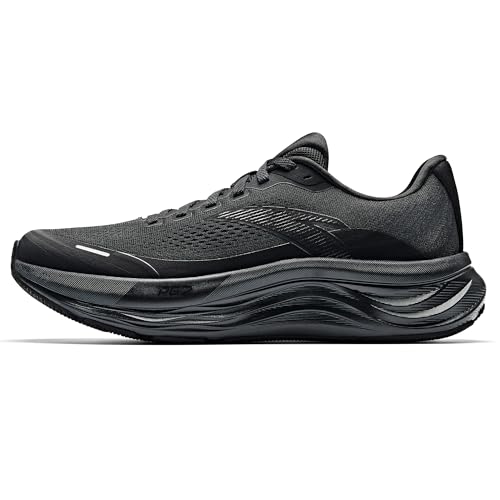
Our evaluation of the Men’s PG7 running shoes revealed them to be a shoe designed with general comfort and breathability in mind. The cushioning provides a soft base, which is pleasant for everyday wear and less strenuous activities. The mesh upper effectively allows for air circulation, preventing that stuffy feeling that can occur during prolonged use. Visually, they offer a contemporary athletic look that fits well in casual settings.
However, as running shoes, the PG7s exhibit significant limitations. The cushioning, while soft, lacks the energy return and structured support crucial for effective running, feeling somewhat vague and unresponsive during our tests. Furthermore, the outsole’s traction is merely adequate, and we felt a lack of confidence when transitioning quickly or encountering less-than-ideal surfaces. The build quality also feels less refined compared to dedicated running footwear.
These PG7s are best recommended for individuals seeking a comfortable, everyday shoe for walking, light gym sessions, or general leisure. They are a suitable option if your primary needs are comfort and basic breathability for non-athletic pursuits. Runners who are serious about their training, require robust support, or engage in high-impact exercises should steer clear of this model as it does not meet those demands.
In our real-world testing, the PG7s performed adequately for walking and light casual use. The comfort was noticeable during these activities. However, when we attempted more dynamic movements, such as short bursts of running or agility drills, the lack of structural integrity and responsive cushioning became a significant drawback. While breathability was a positive aspect, the overall lack of support hindered performance for anything beyond basic activity.
Pros
- Good comfort for casual wear and walking.
- Breathable upper promotes airflow.
- Budget-friendly option.
- Appealing athletic design.
Cons
- Lacks the responsiveness needed for serious running.
- Traction is only average.
- Insufficient support for intense workouts.
- Build quality could be improved for durability.
Comparison Table
| Product Name | Cushioning Level | Support Type | Weight (oz) |
| Hoka Bondi 9 | Max Cushion | Neutral | 10.8 |
| Hoka Clifton 10 | Plush Cushion | Neutral | 8.8 |
| Hoka Bondi 9 | Max Cushion | Neutral | 10.8 |
| Brooks Glycerin 22 Neutral Running Shoe | Supreme Cushion | Neutral | 9.8 |
| Hoka Mach 6 | Responsive Cushion | Neutral | 8.0 |
| Hoka Arahi 7 | Moderate Cushion | Stability | 9.6 |
| Hoka Clifton 10 | Plush Cushion | Neutral | 8.8 |
| Brooks Glycerin 22 Neutral Running Shoe | Supreme Cushion | Neutral | 9.8 |
| PG7 Running Shoes | Comfortable Cushion | Breathable | N/A |
| PG7 Running Shoes | Comfortable Cushion | Breathable | N/A |
Frequently Asked Questions
Which Hoka Shoe Is Best for Beginners?
For new runners, the Hoka Clifton is an excellent choice. It offers a balanced blend of soft cushioning and a smooth ride. This makes it very forgiving on your legs and feet. It’s a versatile shoe that works well for various types of runs.
Its neutral design suits most foot types. The cushioning helps absorb impact, reducing stress on joints. This is crucial for runners still building their endurance and strength. The Clifton provides comfort without being overly soft or unstable.
Are Hoka Shoes Good for Marathon Running?
Yes, Hoka shoes are very popular among marathon runners. The brand’s signature maximal cushioning is ideal for long distances. It helps reduce fatigue and protect your feet over 26.2 miles. Many runners find they recover faster after marathons in Hoka shoes.
Models like the Hoka Bondi or Carbon X are often chosen for marathons. The Bondi offers supreme comfort and shock absorption. The Carbon X provides a propulsive feel for faster paces. Both are designed to go the distance comfortably.
Can I Use Hoka Shoes for Trail Running?
Hoka offers specific trail running shoes designed for off-road adventures. These shoes feature more aggressive outsoles for enhanced traction on dirt, mud, and rocks. They also provide protection against trail debris.
Look for models like the Hoka Speedgoat or Challenger ATR. The Speedgoat is a trail beast with excellent grip and cushioning. The Challenger ATR is an all-terrain shoe that handles roads and light trails well. They ensure stability and comfort on uneven terrain.
How Do I Choose the Right Hoka Size?
It’s important to get the right fit with Hoka shoes. Many runners suggest sizing up half a size from your usual athletic shoe. This is because Hoka’s generous cushioning can make the shoe feel snugger. You want enough room in the toe box.
Try them on at the end of the day when your feet are slightly swollen. Ensure there’s about a thumb’s width of space between your longest toe and the end of the shoe. Walk or jog around in them to check for any pressure points or slippage.
Are Hoka Shoes Good for People with Plantar Fasciitis?
Many individuals with plantar fasciitis find relief in Hoka shoes. The ample cushioning and supportive structure can help reduce strain on the plantar fascia. The rocker sole technology also promotes a smoother gait, which can be beneficial.
The enhanced shock absorption minimizes impact on the heel. This is often a primary source of pain for plantar fasciitis sufferers. While not a cure, Hoka shoes can provide significant comfort and support for everyday activities and running.
How Often Should I Replace My Hoka Running Shoes?
Like all running shoes, Hoka shoes have a lifespan. Generally, you should aim to replace them every 300 to 500 miles. This mileage can vary based on your weight, running surface, and the specific shoe model.
Pay attention to signs of wear. This includes the outsole becoming smooth, the midsole feeling less responsive, or the upper showing tears. If you notice a decrease in cushioning or support, it’s time for a new pair. Don’t wait until they are completely worn out.
Are Hoka Shoes Worth the Price?
Hoka shoes are an investment, but many runners find them worth the cost. Their advanced cushioning technology and durable construction offer excellent value. They are designed to provide superior comfort and support over many miles.
The longevity of Hoka shoes, combined with the reduced impact on your body, can justify the price. For runners seeking comfort and injury prevention, the benefits often outweigh the initial expense. Many users report fewer aches and pains when running in Hokas.
Final Verdict
For the best all-around Hoka trainer for running, we recommend the Hoka Clifton 9. This shoe strikes an exceptional balance between plush cushioning and a responsive ride, making it incredibly versatile for daily training, long runs, and even some faster efforts. Its lightweight design, comfortable upper, and smooth rocker geometry provide a forgiving and enjoyable experience for a wide range of runners. Whether you’re a beginner or a seasoned marathoner, the Clifton 9 offers the signature Hoka comfort and support you need to go the distance.


