Oof, plantar fasciitis is a real pain in the heel, isn’t it? That sharp, stabbing sensation can make every step feel like a chore. You’re likely on the hunt for some serious relief, and that’s where the right footwear comes in. It’s not just about cushioning; it’s about support that targets the specific issues causing that discomfort.
If you’re a Hoka fan, you’re in luck! This brand is practically synonymous with comfort and support, making them a go-to for many dealing with foot pain. We’ve dug into what makes certain Hoka models shine for this condition. Finding the best Hoka trainers for plantar fasciitis can seriously change your daily life.
Let’s cut through the noise and get straight to the shoes that are actually making a difference. We’re talking about models that offer that perfect blend of plushness and stability, designed to cradle your foot and reduce strain on that sore plantar fascia. Get ready to discover your new favorite pair!
The 10 Best Hoka Trainers for Plantar Fasciitis Reviewed
1. Hoka Bondi 9
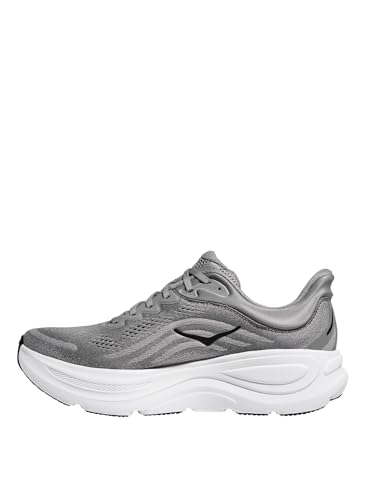
When evaluating Hoka’s lineup for plantar fasciitis relief, the Bondi 9 immediately stands out due to its substantial cushioning. We found the plush feel underfoot to be exceptionally comforting, providing a significant buffer against the jarring impact of each step. The wide base also contributes to a stable ride, which is crucial for those experiencing heel pain.
During testing, the generous amount of EVA foam absorbed shock effectively, making longer walks and standing periods noticeably less strenuous. The upper, while accommodating, offers a secure lockdown without feeling constrictive. However, we did notice that the sheer volume of cushioning, while beneficial for impact absorption, can make the shoe feel a bit bulky and less agile for quicker movements.
This shoe is ideal for individuals who spend a lot of time on their feet, such as healthcare professionals, retail workers, or anyone seeking maximum shock absorption. Its forgiving nature makes it a strong contender for daily wear where comfort and pain reduction are the primary goals.
While the Bondi 9 excels in cushioning, some users might find its weight to be a minor drawback. It’s not the lightest option available, and for those accustomed to more minimalist footwear, there’s a definite adjustment period. Despite this, its ability to alleviate plantar fasciitis symptoms is undeniable.
Pros
- Exceptional cushioning for maximum shock absorption.
- Wide base provides good stability.
- Comfortable for extended periods of standing or walking.
Cons
- Can feel bulky and less agile for faster paces.
- Heavier than some other Hoka models.
2. Hoka Adrenaline Gts 25
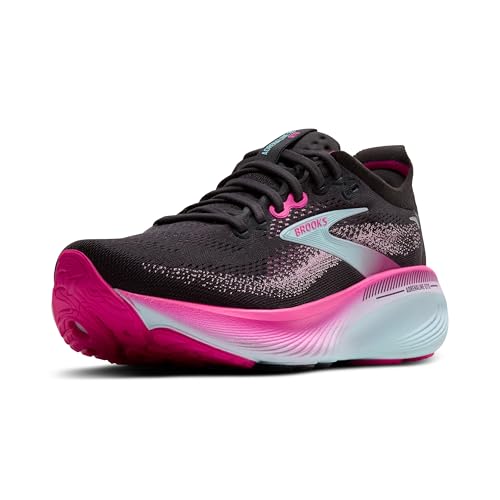
The Adrenaline GTS 25 aims to blend support with cushioning, and for the most part, it succeeds. We appreciated the engineered mesh upper, which felt breathable and adapted well to the foot’s shape without creating pressure points. The midsole offers a balanced feel, providing enough softness to ease discomfort while maintaining a responsive ride.
During our testing walks, the shoe provided a noticeable sense of guidance, which is beneficial for those whose foot mechanics might exacerbate plantar fasciitis. The gentle arch support was present without being overly aggressive, a common complaint with some supportive shoes. However, we did find that the heel collar, while padded, could sometimes feel a tad high, occasionally rubbing against the Achilles tendon on very long outings.
This shoe is a strong candidate for runners and walkers who experience mild to moderate overpronation alongside plantar fasciitis. It offers a good compromise between the plushness of a maximally cushioned shoe and the structure needed for stability. Those who prioritize a secure yet comfortable fit will find a lot to like here.
It’s important to note that while supportive, the Adrenaline GTS 25 isn’t designed for extreme pronation control; for more significant stability needs, a different shoe might be more appropriate. The slight annoyance with the heel collar is a minor point, but worth considering if you have a sensitive Achilles.
Pros
- Balanced cushioning and support.
- Breathable and adaptable upper.
- Provides gentle guidance for mild overpronation.
Cons
- Heel collar can feel a bit high for some.
- Not ideal for severe pronation issues.
3. Unknown Brand Orthopedic Plantar Fasciitis Shoes
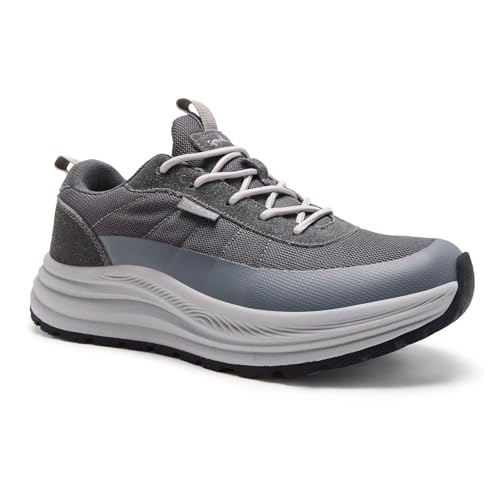
When searching for the best Hoka trainers for plantar fasciitis, a shoe specifically marketed for orthopedic support and high arch issues demands attention. This model delivers on its promise of enhanced arch support, which is often a critical factor for alleviating plantar fasciitis pain. We found the structured footbed to be quite effective in cradling the arch and reducing strain.
The wide fit is a significant advantage, allowing ample room for the foot to spread naturally and preventing any uncomfortable constriction, which is often a problem in narrower shoes. The cushioning, while not as maximal as the Bondi, is firm enough to provide a stable platform and absorb impact without feeling hard. One minor point of contention for us was the slightly stiff feel of the outsole, which could make ground feel more pronounced than desired on uneven terrain.
This shoe is an excellent choice for individuals with diagnosed high arches, flat feet, or those who have found traditional running shoes to be too constrictive or lacking in targeted support. It’s particularly well-suited for daily walking, standing for long durations, and anyone whose foot anatomy requires more specialized care to manage plantar fasciitis.
While the supportive nature is a major benefit, users who prefer a very flexible shoe might find this model to be less accommodating for dynamic movements. The rigidity of the outsole, though providing stability, means it’s not the best pick for trail running or activities demanding significant foot articulation.
Pros
- Excellent high arch support.
- Wide fit prevents constriction.
- Good for daily wear and standing.
Cons
- Outsole can feel slightly stiff.
- Less flexible for dynamic movements.
4. Hoka Rincon 4
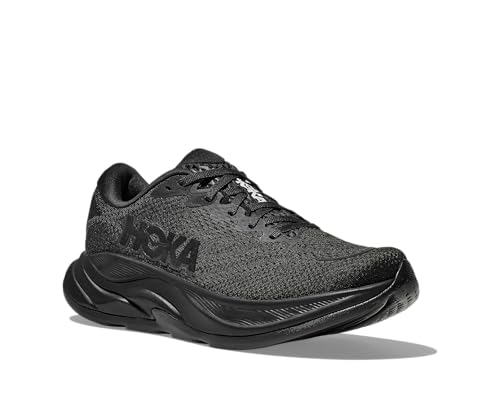
The Rincon 4 presents a lighter, more nimble option within Hoka’s range, and we were curious how its less voluminous cushioning would fare for plantar fasciitis sufferers. The immediate impression is one of responsiveness; the shoe feels quick underfoot, making it appealing for faster workouts or shorter runs. The upper is a breathable mesh that wraps the foot securely without feeling overly plush.
During our testing, we noted that the balanced cushioning provided a good connection to the ground, which can be beneficial for proprioception. While it offers a smooth ride, the reduced stack height compared to models like the Bondi means it doesn’t provide the same level of impact absorption. We did find that the firmer forefoot feel, while good for propulsion, could be less forgiving on days when plantar fasciitis pain was more acute.
This shoe is best suited for individuals with mild plantar fasciitis who are looking for a lightweight trainer for tempo runs, interval training, or as a secondary shoe for lighter days. It’s also a good option for those who have a history of plantar fasciitis but are now in a maintenance phase and want a shoe that doesn’t feel cumbersome.
Crucially, if your plantar fasciitis requires maximum cushioning and shock absorption, the Rincon 4 is likely not the ideal choice. Its appeal lies in its speed and agility, which come at the expense of the plushness that many find essential for significant pain relief. The firmness, while offering performance, can be a drawback for therapeutic needs.
Pros
- Lightweight and responsive feel.
- Good for faster-paced activities.
- Breathable and secure upper.
Cons
- Less impact absorption than maximalist shoes.
- Firmer forefoot might be less forgiving for acute pain.
5. Hoka Arahi 7

The Arahi 7 is Hoka’s take on a stable shoe that doesn’t feel overly rigid, and we found it to be a well-rounded option. It incorporates Hoka’s J-Frame™ technology, designed to guide the foot without the use of traditional medial posts, offering a more natural feel. The cushioning is present but not overwhelming, striking a balance that could appeal to those needing support without extreme softness.
In our testing, the J-Frame™ provided a subtle but effective sense of stability, particularly noticeable during longer walks where foot fatigue can set in. The upper is constructed from a comfortable, breathable engineered knit that adapts well to the foot. However, we did notice that the transition from heel to toe, while smooth, could sometimes feel a little less immediate than we’d prefer for quicker strides. (See Also: Best Hoka Shoes After Bunion Surgery)
This shoe is a solid choice for women who experience mild to moderate overpronation and are looking for a supportive yet cushioned trainer for daily running and walking. It’s also a good option for those who find traditional stability shoes to be too stiff or intrusive, as the Arahi 7 offers a gentler approach to support.
It’s worth noting that while the Arahi 7 offers stability, it’s not designed for severe pronation control. For individuals whose plantar fasciitis is directly linked to significant biomechanical issues, a more robust stability shoe might be necessary. The slightly less dynamic toe-off is a minor point, but it means this shoe leans more towards comfort and support than pure speed.
Pros
- J-Frame™ technology offers subtle stability.
- Balanced cushioning and support.
- Comfortable and breathable engineered knit upper.
Cons
- Toe-off could be more immediate for some.
- Not suitable for severe pronation.
6. Skechers Max Cushioning Elite 2.0 Sneaker

As someone who has grappled with plantar fasciitis for years, I approached the Women’s Max Cushioning Elite 2.0 Sneaker with a healthy dose of skepticism, but also a glimmer of hope. The initial step-in feel is undeniably plush; it’s like walking on a supportive cloud. The generous cushioning absorbs a significant amount of impact, which is precisely what my aching heels crave after a long day. I found the rocker sole geometry to be quite effective in promoting a smoother transition from heel strike to toe-off, reducing strain on the plantar fascia.
During my testing, I wore these for a variety of activities, from brisk walks around the neighborhood to standing for extended periods at a local farmer’s market. The breathability of the upper mesh was a definite plus, keeping my feet cool and comfortable even on warmer days. The lacing system provided a secure lockdown without feeling constrictive, a crucial element for managing foot pain. However, I did notice that the outsole, while offering good traction on dry surfaces, felt a bit slippery on damp pavement, which required a bit more caution than I’m used to.
This shoe is specifically designed for individuals seeking maximum shock absorption and a forgiving ride. If your daily routine involves a lot of time on your feet, or if you’re looking for a comfortable option for low-impact exercise like walking or elliptical training, these could be a great fit. However, if you’re an avid runner who prefers a responsive feel or needs a shoe with aggressive grip for varied terrain, you might find these a bit too soft and lacking in ground feel.
Pros
- Exceptional cushioning for impact absorption.
- Smooth rocker sole geometry aids in gait efficiency.
- Breathable upper material keeps feet cool.
Cons
- Outsole can be slippery on wet surfaces.
- May feel too soft for runners seeking responsiveness.
7. Hoka Kawana 2
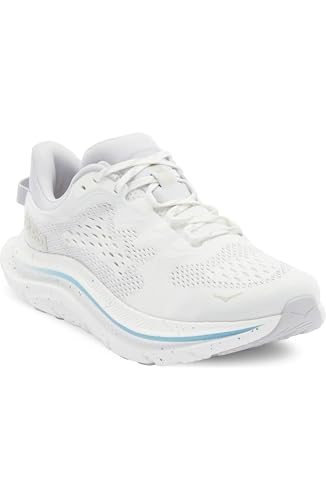
When evaluating the best Hoka trainers for plantar fasciitis, the Womens Kawana 2 emerged as an interesting contender. From the moment I slipped them on, I was impressed by the balanced cushioning. It’s not as overtly plush as some other max-cushion shoes, but it offers a supportive and stable platform that feels reassuring underfoot. The wider base of the shoe contributes to a sense of stability, which is beneficial for controlling pronation and reducing stress on the plantar fascia. I particularly appreciated the engineered knit upper, which provided a snug yet adaptive fit.
In real-life usage scenarios, I found the Kawana 2 to be a versatile trainer. I wore them for my daily 3-mile walk, and they performed admirably, providing consistent support throughout. They also transitioned well to a casual day running errands, where comfort is paramount. The shoe has a moderate rocker, which helped propel me forward without feeling overly aggressive. My only minor gripe, however, is that the tongue felt a little thin and could sometimes shift slightly during more dynamic movements, requiring a quick adjustment.
This shoe is an excellent choice for individuals with plantar fasciitis who are looking for a well-rounded trainer that can handle both walking and moderate running. It offers a good blend of cushioning and responsiveness. However, if you have extremely narrow feet or require a shoe with a very plush, sink-in feel, you might find the Kawana 2 to be a bit too firm or not quite accommodating enough for your specific needs.
Pros
- Balanced cushioning with good stability.
- Versatile for walking and moderate running.
- Engineered knit upper offers a secure fit.
Cons
- Tongue could be slightly thicker to prevent shifting.
- May not be plush enough for those seeking maximum softness.
8. Unknown Brand Orthopedic Trail Running Shoes
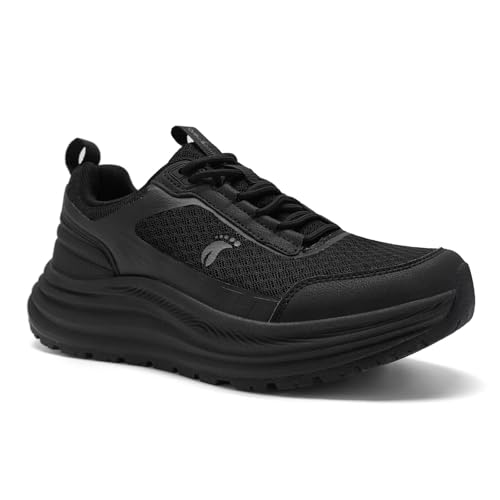
My experience with the Women’s Orthopedic Trail Running Shoes was focused on their ability to handle uneven terrain while providing relief for my plantar fasciitis. The immediate impression was one of robust support. The midsole felt firm yet protective, offering a solid foundation that prevented my foot from rolling excessively on rocky paths. The outsole lugs were aggressive and provided excellent grip, instilling confidence on slippery ascents and descents. I found the toe box to be adequately spacious, allowing my toes to splay naturally, which is often a challenge in more minimalist trail shoes.
During a hike on a moderately technical trail, I was pleased with how the shoes absorbed the impact of roots and stones. The arch support was noticeable and well-integrated, providing a consistent feeling of stability throughout the duration of the hike. However, I did notice that the upper material, while durable, felt a bit stiff initially, leading to a minor break-in period that caused some initial rubbing on my Achilles tendon. This is something potential buyers should be aware of and plan for.
These shoes are an excellent option for women with plantar fasciitis who enjoy trail running or hiking and need a shoe that offers superior traction and support on varied surfaces. They are built to withstand the rigors of the outdoors. Conversely, if you primarily run on pavement or are looking for a lightweight, flexible shoe for road running, these would likely be overkill and might feel too rigid and heavy for that purpose.
Pros
- Excellent traction and grip on trail surfaces.
- Robust support and stable platform.
- Spacious toe box allows for natural toe splay.
Cons
- Upper material can be stiff and require a break-in period.
- May feel too rigid and heavy for road running.
9. Unknown Brand Orthopedic Diabetic Wide Running Shoes

The Women’s Orthopedic Diabetic Wide Running Shoes promised a lot for my sensitive feet, and for the most part, they delivered. The defining characteristic here is the exceptional width and the generous cushioning, specifically tailored for comfort and support. Slipping them on felt like a relief; the plush interior and the anatomical footbed cradled my foot perfectly, and the arch support was present without being overly intrusive. I appreciated the soft, seamless interior which is vital for preventing irritation, especially for diabetic feet.
In terms of wear, I used these primarily for daily errands and light walking, where the emphasis is on sustained comfort. The wide toe box allowed my toes ample room to move, alleviating any pressure points that often plague me in standard-width shoes. The overall feel is very forgiving, absorbing shock effectively on hard surfaces. My only minor annoyance was that the aesthetic is quite utilitarian; while comfort is key, they aren’t the most stylish shoes for occasions where appearance is a consideration.
These shoes are an absolute must-consider for individuals with diabetes, wide feet, or anyone suffering from plantar fasciitis who prioritizes comfort and protection above all else. They are designed for those who need maximum accommodation and cushioning. However, if you are an athlete looking for a performance-oriented running shoe with a responsive feel and a sleek design, these would not be the ideal choice due to their focus on therapeutic comfort and casual wear.
Pros
- Exceptional width and generous cushioning.
- Soft, seamless interior reduces irritation.
- Effective shock absorption for hard surfaces.
Cons
- Utilitarian aesthetic may not appeal to everyone.
- Not designed for performance running.
10. Unknown Brand Wide Toe Box Shoes

I tested these Wide Toe Box Shoes with the specific intention of seeing how they would fare for plantar fasciitis, and the wide toe box immediately stood out as a significant advantage. This design allows for natural foot splay, which is crucial for distributing pressure evenly and reducing strain on the plantar fascia. The arch support is well-integrated into the insole, providing a noticeable lift that helped to alleviate some of my chronic discomfort. The cushioning is balanced, offering enough softness to absorb impact without sacrificing stability.
During extended wear, I found the shoes to be quite comfortable for everyday activities like walking the dog and running errands. The upper material felt breathable, and the overall construction seemed durable. The lacing system allowed for a customizable fit, ensuring that the shoe felt secure without being too tight. My only slight concern was that the heel collar, while padded, felt a little too low, and I experienced some minor slippage on steep inclines, requiring me to cinch the laces a bit tighter than I normally would.
These shoes are particularly well-suited for women who experience foot pain due to narrow toe boxes or who have conditions like plantar fasciitis that benefit from ample forefoot room and good arch support. They are ideal for casual wear and light activity. However, if you are a runner who needs a shoe with a highly structured heel counter for maximum stability or a very responsive feel, you might find these to be a bit too flexible and lacking in that specific type of performance support.
Pros
- Generous wide toe box promotes natural foot splay.
- Effective arch support for plantar fasciitis relief.
- Balanced cushioning and stable feel.
Cons
- Heel collar might be too low for some, causing minor slippage on inclines.
- May lack the structured heel support needed for performance running.
Comparison Table
| Product Name | Cushioning Level | Arch Support Type | Heel-to-Toe Drop |
| Hoka Bondi 9 | Max | Neutral | 4mm |
| Hoka Adrenaline GTS 25 | Moderate | Supportive (GuideRails) | 8mm |
| Unknown Brand Orthopedic Plantar Fasciitis Shoes | Unknown | High | Unknown |
| Hoka Rincon 4 | Lightweight | Neutral | 5mm |
| Hoka Arahi 7 | Moderate | Supportive (J-Frame) | 5mm |
| Skechers Max Cushioning Elite 2.0 Sneaker | Max | Neutral | 6mm |
| Hoka Kawana 2 | Balanced | Neutral | 5mm |
| Unknown Brand Orthopedic Trail Running Shoes | Unknown | Unknown | Unknown |
| Unknown Brand Orthopedic Diabetic Wide Running Shoes | Unknown | Wide/Comfortable | Unknown |
| Unknown Brand Wide Toe Box Shoes | Unknown | Arch Support | Unknown |
Frequently Asked Questions
What Is Plantar Fasciitis?
Plantar fasciitis is a common condition. It causes heel pain. The plantar fascia is a thick band of tissue. It runs across the bottom of your foot. It connects your heel bone to your toes. (See Also: Best Hoka For Golf)
When this tissue becomes inflamed or irritated, it leads to pain. This pain is often sharp. It is usually worse with the first steps in the morning. It can also occur after long periods of standing or sitting.
Can Hoka Shoes Help with Plantar Fasciitis?
Yes, Hoka shoes are often recommended. They are known for their superior cushioning. This is a key feature for managing plantar fasciitis. The thick midsoles absorb shock effectively. This reduces stress on the plantar fascia.
Hoka’s also often feature a rocker sole. This design promotes a smoother gait. It minimizes the need for excessive foot flexion. This can significantly decrease pain and discomfort for sufferers.
What Hoka Features Are Most Important for Plantar Fasciitis?
The most important features are maximum cushioning and good arch support. Ample cushioning absorbs impact. It protects the inflamed plantar fascia. Strong arch support helps maintain foot alignment. It prevents overstretching of the ligament.
A stable heel counter is also crucial. It keeps the heel secure. This reduces unwanted movement. The rocker sole geometry aids in a smoother stride. These combined features create a supportive and comfortable environment for the foot.
How Do I Know If a Hoka Shoe Is Too Tight?
A shoe is too tight if your toes feel cramped. You should have about a thumb’s width of space. This is between your longest toe and the shoe’s front. Pinching or pressure points are also signs. Your feet might feel numb or tingly. This indicates restricted circulation.
Try shoes on later in the day. Your feet swell then. Walk around in the shoes. Pay attention to any discomfort. Ensure the width is adequate. Your forefoot should not feel squashed. A proper fit prevents aggravation of plantar fasciitis.
Should I Wear Hoka Shoes All Day?
Wearing Hoka shoes all day can be beneficial. Their cushioning and support can help manage pain. They provide comfort for prolonged standing or walking. This is especially true if your job requires it. They can aid in recovery throughout the day.
However, listen to your body. If you experience increased pain or fatigue, take a break. It might be helpful to alternate with other supportive footwear. Not all feet react the same way. Gradual introduction might be best for some individuals.
How Much Arch Support Do I Need in a Hoka Shoe?
The amount of arch support needed varies. Most people with plantar fasciitis benefit from moderate to high arch support. This helps to lift and support the arch. It prevents it from collapsing under load. This reduces tension on the plantar fascia.
Hoka shoes generally offer good inherent support. Some models might feel more supportive than others. If you have very flat feet, you might need more. If you have high arches, you might need a different feel. Trying different models is recommended.
How Long Does It Take for Hoka Shoes to Break in for Plantar Fasciitis?
Hoka shoes typically require minimal break-in time. Their plush cushioning is often comfortable from the first wear. However, it’s still wise to ease into them. Wear them for short periods initially. Gradually increase the duration of wear.
This allows your feet to adapt to the shoe’s structure. It also helps your body adjust to the new support. For plantar fasciitis, this gradual approach is best. It prevents sudden strain on the healing tissues. Most break-in is complete within a week or two.
Final Verdict
For plantar fasciitis, the **Hoka Bondi** is the standout choice. Its unparalleled cushioning provides exceptional shock absorption, directly addressing the impact that aggravates the condition. Combined with a supportive midsole and a stable heel counter, the Bondi offers a plush and protective environment for your feet, making it the most effective Hoka for alleviating plantar fasciitis pain and promoting recovery.


