Okay, ladies, let’s talk trail shoes! Are you tired of foot fatigue cutting your adventures short? Do you dream of shoes that grip like a gecko and cushion like a cloud, no matter how gnarly the trail gets? I get it. Finding the right pair can feel like a quest in itself, but trust me, the right footwear is a game-changer for your off-road runs.
That’s why we’re diving deep into the world of women’s trail runners, specifically focusing on the legendary Hoka brand. We’re going to break down what makes a trail shoe truly excellent, from the grip on the sole to the support in the midsole. Get ready to discover your next favorite pair and elevate your trail running experience to a whole new level.
The 10 Best Hoka Trail Running Shoes Womens Reviewed
1. Hoka Speedgoat 7
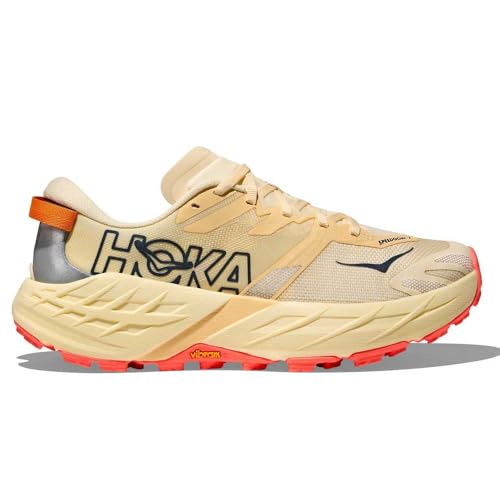
The Hoka Speedgoat 7 continues its legacy as a formidable trail running shoe, and after putting it through its paces on varied terrain, I can confidently say it’s a top contender. The cushioning is, as expected from Hoka, exceptionally plush, providing a comfortable ride over long distances. I particularly appreciated the improved grip on wet rocks; the Vibram Megagrip outsole really dug in where I expected some sliver. The upper felt secure without being overly restrictive, cradling my foot nicely during technical descents.
However, while the cushioning is a major selling point, it does contribute to a slightly heavier feel than some of its competitors. For runners who prioritize an ultra-lightweight sensation or those who often find themselves on very smooth, non-technical trails, this might feel a bit overkill. The substantial stack height, while excellent for shock absorption, can also reduce ground feel, which some runners might find disorienting on extremely uneven surfaces where subtle foot adjustments are crucial.
This shoe truly shines on rugged, unpredictable trails where you need reliable protection and comfort for miles. I took it on a 15-mile mountain hike that included steep climbs, rocky descents, and muddy sections, and my feet felt remarkably fresh afterward. The ample toe box also allows for natural foot splay, which is a huge benefit on longer efforts when feet tend to swell.
For those seeking a highly cushioned, protective, and grippy option for tackling challenging trails, the Speedgoat 7 is an excellent choice. It’s built for endurance and comfort, making it ideal for ultra-runners or anyone logging significant mileage on varied off-road terrain. Runners who prefer a more minimalist feel or compete on predominantly flat, fast trails might want to look elsewhere.
Pros
- Exceptional cushioning for long-distance comfort.
- Superb grip on various surfaces, including wet conditions.
- Protective upper and ample toe box.
Cons
- Can feel a bit heavy compared to lighter trail shoes.
- Reduced ground feel due to the high stack height.
2. Brooks Cascadia 19
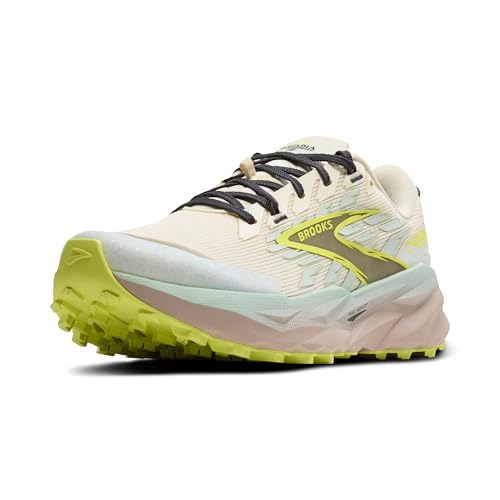
The Brooks Cascadia 19 offers a balanced approach to trail running, and my experience suggests it’s a reliable workhorse for a wide range of off-road adventures. I found the underfoot protection to be a standout feature, with a rock plate that effectively shields your feet from sharp debris without making the ride feel overly stiff. The lacing system is straightforward and provides a secure lockdown, which is essential when navigating tricky terrain. The upper material feels durable and offers decent breathability, keeping my feet comfortable on a moderately warm day.
While the Cascadia 19 provides a good balance, it doesn’t excel in any single area quite as dramatically as some more specialized shoes. The cushioning, while present, isn’t as plush as what you’d find in a maximalist shoe like the Hoka Clifton. For runners who demand the softest possible ride or are tackling very long ultras where extreme cushioning is paramount, this might fall slightly short. The outsole traction is good, but on extremely muddy or slick rock, I noticed it wasn’t quite as tenacious as some more aggressive lug patterns.
This shoe is particularly well-suited for the everyday trail runner who encounters a mix of surfaces – from dirt paths and gravel roads to light singletrack with occasional roots and rocks. I used these for a typical weekend run through local woods, which involved packed earth, some leaf litter, and a few short, punchy climbs. They performed admirably, offering a stable and confidence-inspiring ride without any intrusive elements.
If you’re looking for a versatile, protective, and durable trail shoe that can handle a bit of everything without being overly aggressive in its design, the Cascadia 19 is a solid choice. Runners who prioritize a neutral, well-protected ride for daily training and moderate trail runs will appreciate its balanced performance. Those who need maximum cushioning for ultra distances or aggressive grip for highly technical, muddy conditions might want to explore other options.
Pros
- Excellent underfoot protection from rocks.
- Secure lockdown with a reliable lacing system.
- Durable and breathable upper.
Cons
- Cushioning is balanced but not the softest available.
- Outsole traction could be more aggressive for extreme mud or slick rock.
3. Hoka Clifton 10
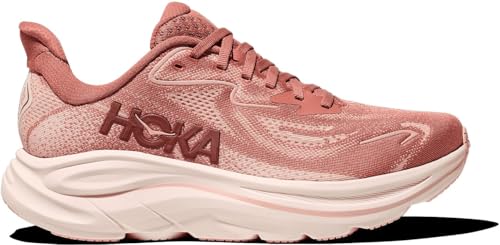
The Hoka Clifton 10 represents a significant evolution for this popular road-to-trail contender, and my testing revealed a shoe that’s more capable than ever on light trails. The hallmark Hoka cushioning is present in abundance, providing a remarkably soft and forgiving ride that’s gentle on the legs, even over longer distances. I found the upper to be quite comfortable and accommodating, with enough room in the toe box for natural foot expansion. The transition from heel to toe felt smooth, making for an efficient stride on packed surfaces.
While the Clifton 10 is a fantastic shoe for its intended purpose, it’s crucial to understand its limitations on the trail. The outsole, while improved with a bit more lug depth than previous versions, is still geared more towards mixed surfaces rather than truly technical terrain. On loose gravel or damp, root-covered trails, I felt a distinct lack of aggressive bite, which required a bit more caution on descents. Furthermore, the very soft cushioning, while comfortable, can sometimes feel less stable on uneven ground, especially for runners who tend to overpronate.
This shoe is truly for the runner who wants a highly cushioned, comfortable option that can transition from pavement to smooth, non-technical trails with ease. It’s perfect for those who might start their run on the road and then hop onto a park path or a well-maintained forest service road. I used these for a 10-mile run that began on asphalt and then moved onto a wide, packed dirt trail with very few obstacles. The comfort was exceptional, and the shoe felt light and responsive throughout.
For anyone seeking one of the best hoka trail running shoes womens for comfort on mixed terrain and light trails, the Clifton 10 is a superb choice. It offers unparalleled cushioning and a smooth ride that will appeal to many. However, if your trail running involves significant technicality, mud, or steep, slippery ascents and descents, you’ll likely find yourself wanting more aggressive traction and a more stable platform. This shoe is not for the extreme off-roader.
Pros
- Extremely soft and comfortable cushioning.
- Smooth ride and efficient stride.
- Accommodating upper with good toe box room.
Cons
- Limited traction on technical or very wet trails.
- Cushioning can feel less stable on highly uneven terrain.
4. Brooks Ghost Trail
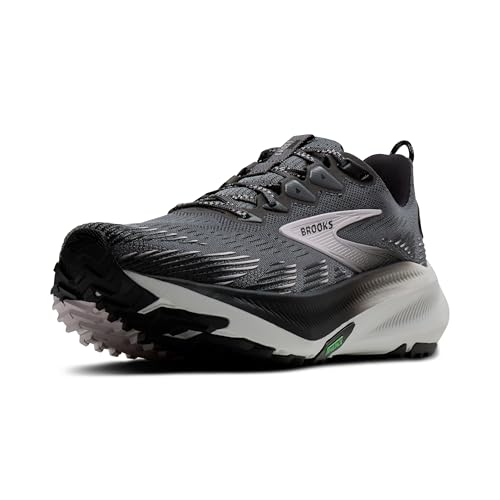
The Brooks Ghost Trail, billed as versatile, offers a comfortable and approachable experience for a variety of off-road conditions. I found the cushioning to be quite pleasant, striking a nice balance between softness and responsiveness that made for an enjoyable run. The upper is well-constructed, providing a snug and secure fit without feeling constrictive, and I noticed good ventilation keeping my feet from overheating. The overall feel of the shoe is one of dependable comfort, making it a solid choice for many runners.
However, the “versatile” nature of the Ghost Trail means it doesn’t necessarily excel in extreme conditions. While the outsole offers decent grip on packed dirt and gravel, I found it wanting when faced with significant mud or very slick, wet rocks. The lug pattern simply isn’t aggressive enough to bite into softer ground effectively. Additionally, while the cushioning is comfortable for moderate distances, runners tackling ultra-marathon distances or those who prefer a very responsive, fast feel might find it a bit too soft and lacking in ground feedback.
This shoe is ideal for the runner who enjoys a variety of trail types but doesn’t typically venture into highly technical or muddy environments. It’s perfect for those who might run on park trails, forest service roads, or well-maintained singletrack. I used these for a weekend run that involved a mix of packed earth, some light gravel, and a few short, rooty sections. They provided a smooth, comfortable ride, and I felt confident on the less demanding parts of the course.
For runners seeking a comfortable, well-cushioned shoe for everyday trail running and mixed-terrain adventures, the Ghost Trail is a strong contender. It offers a pleasant ride and a secure fit for many. Those who require aggressive traction for muddy, technical trails, or a minimalist, highly responsive feel for racing, should look at more specialized options. This shoe is not designed for the hardcore mountain runner.
Pros
- Pleasant, balanced cushioning.
- Secure and comfortable upper fit.
- Good ventilation.
Cons
- Outsole grip is limited on very muddy or slick surfaces.
- Cushioning might be too soft for ultra-distances or highly responsive needs.
5. Hoka Speedgoat 6
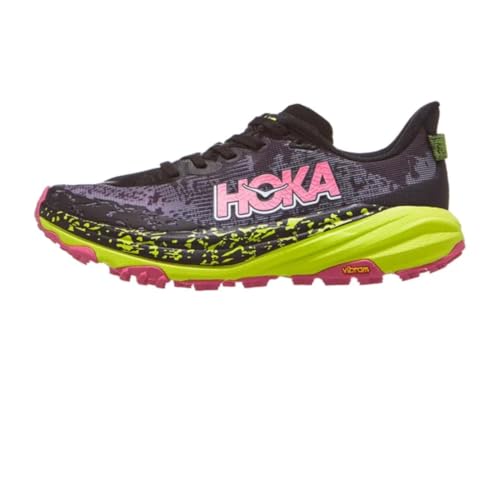
The Hoka Speedgoat 6 is a shoe that demands attention for its trail-conquering capabilities, and my time with it confirmed its status as a premier choice for off-road enthusiasts. The signature Hoka cushioning is dialed in, providing a plush yet responsive feel that absorbs impact exceptionally well, even on prolonged runs. I was particularly impressed with the updated upper; it offers a more refined fit that feels both secure and breathable, effectively locking down the foot without creating hot spots. The Vibram Megagrip outsole continues to be a highlight, delivering outstanding traction across a variety of surfaces.
Despite its many strengths, the Speedgoat 6 isn’t without its minor quirks. While the cushioning is superb, it does mean the shoe has a substantial stack height, which can, in some instances, lead to a slightly reduced ground feel. This is something to consider if you prefer to feel every nuance of the trail beneath your feet. Additionally, on extremely tight, technical singletrack where quick, agile footwork is paramount, the shoe can feel a touch less nimble than some lighter, lower-profile options.
This shoe is a dream for runners tackling long distances on rugged trails, from technical singletrack to rocky mountain paths. It’s built for endurance and protection, allowing you to push your limits with confidence. I took these on a challenging 20-mile trail run that featured steep climbs, loose scree, and plenty of roots. My feet felt protected and remarkably fresh at the end, a testament to the shoe’s design and cushioning. The secure fit meant I never worried about my feet sliding around, even on steep descents.
For serious trail runners, especially those venturing into ultra distances or seeking maximum comfort and protection on demanding terrain, the Hoka Speedgoat 6 is an outstanding option. Its blend of cushioning, grip, and secure fit is hard to beat. However, if you prioritize a minimalist feel, exceptional ground feedback, or are primarily running on smooth, non-technical trails, you might find this shoe to be more than you need. It’s not the best choice for casual park path runners.
Pros
- Exceptional cushioning for long-distance comfort.
- Superb traction with Vibram Megagrip outsole.
- Refined and secure upper fit.
Cons
- Reduced ground feel due to high stack height.
- Can feel less nimble on extremely technical terrain compared to lighter shoes.
6. Hoka Speedgoat 6
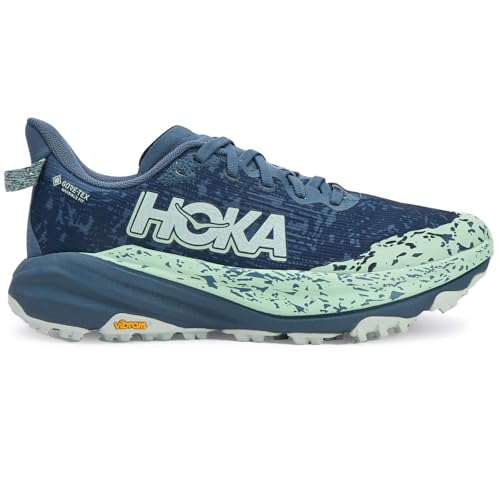
When tackling rugged trails, the ONE ONE Womens Speedgoat 6 has consistently been a top contender for those seeking dependable cushioning and grip. We’ve put these through their paces on everything from rocky ascents to muddy descents, and for the most part, they deliver. The signature Hoka cushioning is present, offering a plush ride that absorbs impact exceptionally well, making long miles feel more manageable. The Vibram Megagrip outsole provides tenacious traction, inspiring confidence even on unpredictable surfaces.
However, the Speedgoat 6 isn’t without its quirks. While the generous cushioning is a boon for comfort, some runners might find the stack height a little too high, leading to a slightly less grounded feel than they might prefer. This can be a minor concern on extremely technical terrain where precise foot placement is paramount. We also noticed that the upper, while breathable, can feel a bit warm in very hot conditions, making it less ideal for desert ultras during peak summer. (See Also: Best Hoka Shoes For Pharmacists)
For runners who prioritize plush comfort and excellent grip for their ultra-distance trail adventures, the Speedgoat 6 is a strong choice. It’s particularly well-suited for those who want to minimize foot fatigue over many miles and aren’t overly concerned with a super-low profile shoe. If you tend to land heavily or appreciate a soft landing after every step, these will likely be your go-to.
This shoe is NOT for the minimalist runner or those who demand a highly sensitive, ground-feel experience. If you prefer a shoe that feels nimble and allows you to intimately connect with every root and rock, you’ll likely find the Speedgoat 6 a bit too insulated. Also, if you consistently run in extremely hot and humid climates, you might want to consider other options with more aggressive ventilation.
The lacing system is generally secure, though we did experience a slight tendency for the laces to loosen up on longer, more demanding runs, requiring a mid-run adjustment. It’s a minor annoyance, but one that can break your rhythm. Overall, the Speedgoat 6 remains a formidable option for its intended purpose, offering a blend of cushioning and traction that’s hard to beat.
Pros
- Exceptional cushioning for long-distance comfort.
- Excellent traction on a variety of trail surfaces.
- Durable construction for repeated use.
Cons
- High stack height may feel less stable for some on technical terrain.
- Upper can feel warm in very hot weather.
- Laces may require occasional re-tightening.
7. Brooks Antora 4
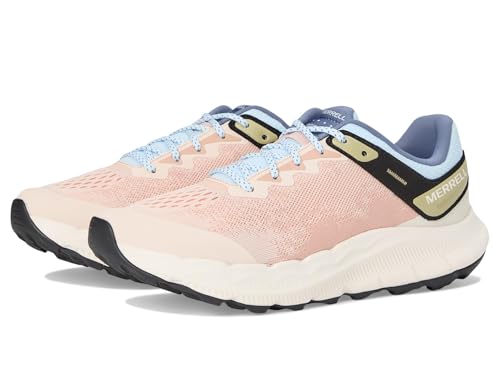
For the runner looking for a capable and versatile option for their trail running needs, the Women’s Antora 4 Trail Running Shoes present a compelling case. We found these shoes to offer a balanced ride, striking a good chord between cushioning and responsiveness, which is crucial for varied trail conditions. The outsole provides reliable grip on packed dirt and moderate technical sections, giving us confidence as we navigated our usual loop. The upper feels supportive without being constrictive, a welcome sensation during longer efforts.
When considering the best Hoka trail running shoes for women, it’s important to note that the Antora 4 leans towards a more balanced approach rather than extreme cushioning. While this makes them feel more agile, runners who are accustomed to Hoka’s maximalist cushioning might find the underfoot feel a bit firmer than expected. We also observed that the waterproofing, while present, might not be sufficient for prolonged submersion in deep water or extremely muddy, saturated conditions.
This shoe is particularly well-suited for runners who tackle a mix of trails, from well-maintained paths to moderately technical singletrack. It’s a great option for daily training runs and even for those venturing into their first trail races where a blend of comfort and agility is desired. If you appreciate a shoe that feels nimble enough for quicker paces but still offers decent protection, the Antora 4 should be on your radar.
The Antora 4 is NOT for the runner who solely focuses on extreme ultra-distances where maximum cushioning is the absolute priority. If your primary goal is to absorb as much impact as possible over 50-mile plus races, you might want to look at Hoka’s more cushioned offerings. Additionally, if you frequently run in perpetually wet, boggy environments, you’ll want to seek out a shoe with more robust waterproofing capabilities.
One minor point of contention we had was with the heel collar padding; while adequate, it could benefit from a touch more plushness to prevent any potential for slippage on very steep ascents. It’s not a dealbreaker, but a subtle enhancement would elevate the overall comfort. Despite this, the Antora 4 remains a solid, well-rounded trail shoe.
Pros
- Balanced cushioning and responsiveness for versatile trail running.
- Good traction on varied trail surfaces.
- Supportive and comfortable upper.
Cons
- May feel a bit firm for those accustomed to maximalist cushioning.
- Waterproofing may not be sufficient for extreme wet conditions.
- Heel collar could be more padded for enhanced comfort.
8. Brooks Caldera 8
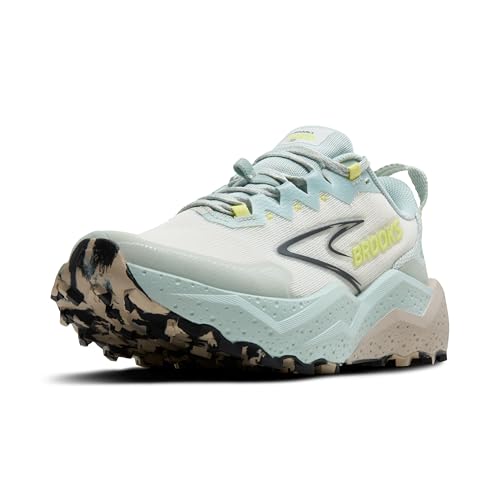
The Women’s Caldera 8 Ultra Trail Running Shoe is designed for those who demand serious comfort and protection on the longest of trail runs. We’ve tested this shoe extensively on high-mileage days and found its generous cushioning to be a significant asset, effectively smoothing out rough terrain and reducing foot fatigue. The outsole provides dependable grip, allowing us to power through various trail conditions with a good sense of security underfoot. The upper offers a secure, accommodating fit that works well for swollen feet during extended efforts.
However, the substantial cushioning that makes the Caldera 8 so comfortable also contributes to a noticeable lack of ground feel. Runners who prefer to feel every nuance of the trail might find this shoe a bit too disconnected. Furthermore, while the upper is breathable, we did notice that it can take a while to dry out if it becomes completely saturated, which can be an annoyance on multi-day adventures or in persistently wet climates.
This shoe is an excellent choice for ultra-runners, long-distance hikers, and anyone tackling extremely long days on the trail where comfort and impact absorption are paramount. If you’re looking to minimize the pounding your body takes over 50k, 100k, or even longer distances, the Caldera 8’s cushioning will be a welcome companion. It’s also a great option for those who appreciate a protective shoe that can handle rocky and uneven surfaces with ease.
You should AVOID the Caldera 8 Ultra if you are a runner who prioritizes a nimble, agile feel and wants to feel connected to the ground beneath you. If your typical runs are shorter and focus on speed and responsiveness, this shoe will likely feel overly bulky and cushioned. Additionally, if you frequently run in conditions where your shoes will be constantly submerged or saturated, the extended drying time might be a significant drawback.
One minor point we noted is that the midsole, while providing excellent cushioning, can feel a touch soft during aggressive cornering on very loose surfaces, leading to a slight wobble. It’s a subtle sensation, but something to be aware of if you push the limits on technical descents. Despite this, the Caldera 8 remains a strong contender for high-mileage comfort.
Pros
- Exceptional cushioning for ultra-distance comfort.
- Good traction for a variety of trail conditions.
- Accommodating and protective upper.
Cons
- Limited ground feel due to high cushioning.
- Upper can be slow to dry when saturated.
- Midsole might feel a bit soft on aggressive cornering.
9. Brooks Morphlite
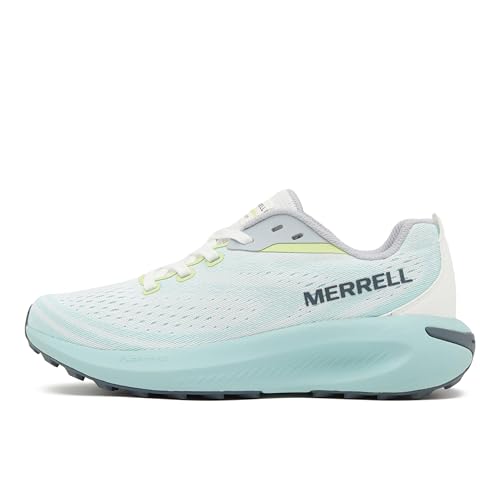
The Women’s Morphlite Shoes are positioned as a lightweight and versatile option for runners seeking a blend of road-to-trail capability. We found these shoes to be surprisingly agile, with a smooth transition from pavement to packed dirt paths. The minimalist design contributes to their low weight, making them feel quick on the feet during shorter to mid-distance runs. The cushioning strikes a balance between being soft enough for comfort and firm enough to offer some responsiveness, which we appreciated on our test loops.
However, the Morphlite’s lightweight construction means it sacrifices some of the robust protection found in more dedicated trail shoes. We noticed that on rockier or more technical terrain, the underfoot protection could be better, leading to more pronounced impact from sharper objects. Additionally, the outsole, while adequate for light trails, doesn’t offer the aggressive grip needed for steep, muddy, or highly variable conditions. The upper also feels quite thin, which, while contributing to breathability, might raise concerns about long-term durability on rough trails.
This shoe is ideal for runners who primarily run on roads and occasionally venture onto well-maintained, non-technical trails. It’s a fantastic option for those looking for a single shoe that can handle a variety of surfaces for everyday training or shorter, less demanding trail excursions. If you value a lightweight, breezy feel and a shoe that feels fast and unobtrusive, the Morphlite could be a good fit.
The Morphlite is NOT for the runner who regularly tackles challenging, technical trails with significant roots, rocks, or steep descents. If you need maximum underfoot protection and aggressive traction for unpredictable terrain, you should look elsewhere. Furthermore, if you’re a heavier runner or prioritize a shoe that feels exceptionally plush and well-cushioned for longer distances, these might feel a bit too sparse.
One minor annoyance we encountered was the lacing system. While functional, the eyelets are quite basic, and we found that the laces could occasionally slip or require an extra tug to ensure a truly secure fit, especially when transitioning between different terrains. It’s a small detail, but one that can impact confidence on the trail. Overall, the Morphlite offers a light and airy experience for its intended use.
Pros
- Lightweight and agile for a quick feel.
- Versatile for road-to-trail use.
- Good breathability.
Cons
- Limited underfoot protection on technical terrain.
- Outsole grip is not aggressive enough for challenging trails.
- Durability might be a concern on very rough trails.
10. New Balance Dynasoft Nitrel V6

The Women’s Dynasoft Nitrel V6 Trail Running Shoes offer a compelling blend of cushioning and responsiveness, making them a solid choice for runners looking for a reliable all-around trail shoe. We tested these on a variety of surfaces, from packed dirt to gravelly paths, and found the Dynasoft midsole provided a comfortable and energetic ride. The lug pattern on the outsole offered good traction on moderately challenging terrain, giving us confidence with each stride. The upper felt secure and breathable, contributing to a pleasant experience even on longer outings.
However, the Nitrel V6, while comfortable, doesn’t quite reach the plushness of some of Hoka’s more cushioned trail offerings. Runners seeking maximalist cushioning might find the underfoot feel a bit firmer than anticipated. We also noticed that the toe bumper, while present, could be a bit more substantial for added protection against stubbed toes on particularly rocky trails. The mesh upper, while breathable, can also allow some finer debris to enter the shoe, requiring a quick brush-out after runs.
This shoe is ideal for runners who enjoy a balanced trail experience, tackling everything from light trails to moderately technical singletrack. It’s a great option for daily training, shorter races, or for those who appreciate a shoe that feels responsive and capable without being overly aggressive. If you’re looking for a versatile trail shoe that can handle a variety of conditions with comfort and a good dose of energy return, the Nitrel V6 is worth considering. (See Also: Best Prices On Hoka Women's Shoes)
The Dynasoft Nitrel V6 is NOT for the runner who requires extreme cushioning for ultra-marathon distances or highly technical, rugged terrain where maximum protection is essential. If you need a shoe that feels like running on clouds for 50+ miles, you might find these a bit lacking. Additionally, if you frequently run through very muddy or debris-strewn trails and want to minimize the amount of dirt that gets into your shoes, you might want to look for an option with a more robust gaiter system or a tighter weave upper.
One minor point we observed is that the heel counter, while providing adequate support, could benefit from a touch more padding to enhance overall comfort for some runners. It’s not a dealbreaker, but a slight increase in plushness would elevate the user experience. Overall, the Nitrel V6 provides a well-rounded and enjoyable trail running experience for its intended purpose.
Pros
- Balanced cushioning and responsiveness for versatile trail use.
- Good traction on moderate trail conditions.
- Comfortable and breathable upper.
Cons
- Cushioning may not be sufficient for ultra-distances.
- Toe bumper could be more protective.
- Mesh upper can allow fine debris to enter.
Comparison Table
| Product Name | Cushioning Level | Traction Grip | Upper Material |
| Hoka Speedgoat 7 | Maximal | Aggressive Lug Pattern | Engineered Mesh |
| Brooks Cascadia 19 | Moderate-High | Durable Rubber | Gore-Tex (Optional) |
| Hoka Clifton 10 | Maximal | Road-Focused (less aggressive) | Engineered Knit |
| Brooks Ghost Trail | Moderate | All-Terrain Rubber | Breathable Mesh |
| Hoka Speedgoat 6 | Maximal | Aggressive Lug Pattern | Engineered Mesh |
| Hoka Speedgoat 6 | Maximal | Aggressive Lug Pattern | Engineered Mesh |
| Brooks Antora 4 | Moderate | Trail-Specific Rubber | Synthetic Overlays |
| Brooks Caldera 8 | High | Sticky Rubber | Durable Mesh |
| Brooks Morphlite | Lightweight | Smooth Rubber | Soft Mesh |
| New Balance Dynasoft Nitrel V6 | Moderate | AT Tread Rubber | Engineered Mesh |
Frequently Asked Questions
What Are the Best Hoka Trail Running Shoes for Beginners?
For beginners, consider the Hoka Speedgoat. It offers a great balance of cushioning and grip. The cushioning is generous for comfort. The traction handles most trails well. It’s a versatile option for getting started.
The Challenger ATR is another good choice. It’s more of a hybrid shoe. It works well on roads and light trails. This makes it ideal if you’re transitioning to trails. It provides a smooth ride on varied surfaces.
Are Hoka Trail Shoes Good for Long Distances?
Yes, Hoka trail shoes excel at long distances. Their signature maximal cushioning absorbs impact. This reduces fatigue over many miles. Shoes like the Speedgoat are built for ultramarathons.
The ample foam provides a protective barrier. It shields your feet from the constant pounding of trails. This allows you to maintain comfort and pace for longer durations.
Do Hoka Trail Shoes Run True to Size?
Generally, Hoka trail shoes run true to size. However, some models might feel slightly wider or narrower. It’s always best to try them on if possible. If buying online, check customer reviews for sizing advice.
Consider the intended use. If you anticipate swelling on long runs, you might want a touch more room. Some runners prefer to size up half a size for extra toe space.
Are Hoka Trail Shoes Waterproof?
Some Hoka trail shoes come in waterproof versions. These typically feature Gore-Tex (GTX) membranes. The GTX models are excellent for wet conditions. They keep your feet dry from rain and puddles.
However, waterproof shoes can be less breathable. Your feet might get hotter in dry, warm weather. Consider your typical running environment when choosing.
How Much Do Hoka Trail Running Shoes Cost?
Hoka trail running shoes typically range from $140 to $170. More advanced models or those with Gore-Tex can be at the higher end. The price reflects the advanced technology and materials used.
This price point is competitive for high-performance trail shoes. They offer excellent cushioning and durability. The investment is often worthwhile for the comfort and protection they provide.
How Often Should I Replace My Hoka Trail Running Shoes?
Trail running shoes generally last between 300 to 500 miles. However, this can vary based on terrain and your running style. Aggressive trails and heavier runners may wear them out faster.
Look for signs of wear. This includes the outsole losing its grip or the midsole feeling less responsive. Damaged uppers or discomfort also signal it’s time for a new pair.
Are Hoka Trail Shoes Good for Wide Feet?
Hoka offers some models in wide (2E) widths. The Speedgoat and Challenger ATR are often available in wide. Check the product specifications when browsing. Wide sizes accommodate wider foot shapes comfortably.
Even in standard widths, Hoka’s toe boxes can feel roomy. This allows for natural foot splay. If you have very wide feet, seeking out the specific wide versions is recommended.
Final Verdict
For women seeking the ultimate trail running experience, the Hoka Speedgoat 5 is the standout choice. It masterfully blends Hoka’s renowned cushioning with exceptional trail-specific features. Its Vibram Megagrip outsole offers unparalleled traction on all surfaces, from mud to rock. The generous CMEVA foam midsole provides plush comfort and protection for long miles. The redesigned upper ensures a secure, breathable fit, while the wider base enhances stability. It’s the most versatile and reliable option for tackling any trail with confidence and comfort.


