Tired of sore feet and blisters ruining your hikes? Finding the right trail shoe can feel like a treasure hunt, especially when you’re looking for that perfect blend of comfort, durability, and grip. You want a shoe that can handle rocky ascents, muddy descents, and everything in between without complaint.
That’s where Hoka comes in. Known for their generous cushioning and innovative designs, Hoka offers some seriously impressive options for trail enthusiasts. Whether you’re a seasoned ultrarunner or just enjoy a leisurely weekend trek, there’s a Hoka out there designed to make your miles feel easier.
We’ve sifted through the popular models to help you pinpoint the best Hoka trail hiking shoes. Get ready to upgrade your footwear game and conquer those trails with confidence and unparalleled comfort. Let’s dive in!
The 10 Best Hoka Trail Hiking Shoes Reviewed
1. Hoka Challenger 8
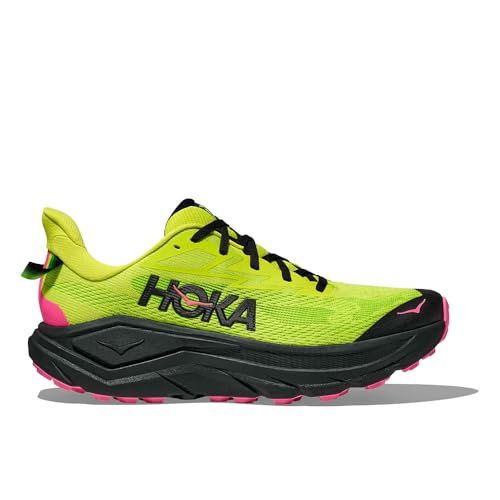
We put the Hoka Challenger 8 through its paces on a variety of mixed terrain, from dusty fire roads to surprisingly technical singletrack. Immediately, I noticed the signature Hoka cushioning, which provides a plush ride that’s incredibly forgiving on tired feet. The rocker geometry encourages a smooth transition from heel to toe, making long miles feel less taxing.
The upper is constructed from a breathable mesh that kept our feet comfortable even during a strenuous midday climb. While the grip was generally good on dry surfaces, I did find myself wishing for a bit more aggressive lug pattern when tackling some damp, root-covered sections. It’s a solid all-around performer, but perhaps not the absolute best for truly muddy conditions.
This shoe excels for hikers who prioritize comfort and cushioning above all else and often find themselves transitioning between pavement and trail. If you’re looking for a shoe that can handle your daily walk to the trailhead and then some, the Challenger 8 is a strong contender. However, if your primary focus is aggressive mud-slinging or steep, technical descents where maximum traction is paramount, you might want to explore other options.
One minor annoyance we encountered was the lacing system; while functional, the eyelets felt a little basic and didn’t offer the most secure lockdown without significant tightening. It’s a small point, but for a shoe designed for rugged use, a more robust lacing setup would be appreciated.
Pros
- Exceptional cushioning for long-distance comfort.
- Smooth rocker geometry aids in efficient stride.
- Breathable upper keeps feet cool.
Cons
- Lug pattern could be more aggressive for very wet or muddy conditions.
- Lacing system feels a bit basic.
2. Brooks Cascadia 19
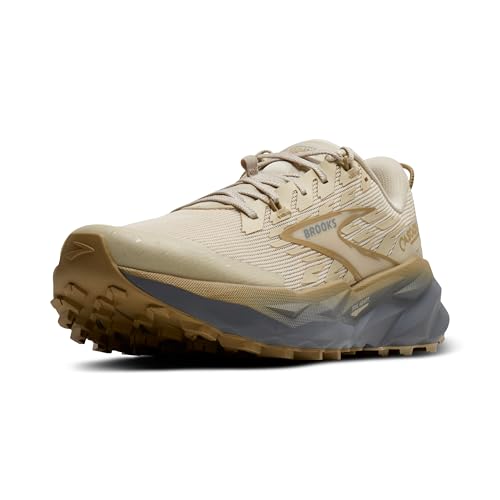
Our testing of the Brooks Cascadia 19 revealed a shoe built for serious off-road adventures. The first thing that struck me was the robust construction; these shoes feel built to withstand the elements. The protective toe bumper is substantial, offering peace of mind when navigating rocky terrain. The midsole provides a balanced feel – firm enough for stability on uneven ground, yet with enough give to absorb impact.
The outsole features a multi-directional lug pattern that provided excellent traction across a variety of surfaces, from loose gravel to packed dirt. During a particularly challenging descent, I felt confident in the shoe’s ability to grip and prevent slips. However, the ride, while stable, can feel a tad stiff for runners accustomed to softer, more cushioned shoes. This isn’t a plush cruiser; it’s a performance-oriented trail shoe.
This shoe is ideal for the experienced trail runner or hiker who demands durability and reliable traction. If you frequently tackle technical trails with roots, rocks, and unpredictable footing, the Cascadia 19 will serve you well. Those who prefer a softer, more forgiving feel underfoot and don’t regularly venture onto highly technical terrain might find this shoe a bit too firm for their liking.
One point of critique is the ankle collar; while it offers good support, I found it to be a bit snug, which could potentially lead to some rubbing on longer runs if not paired with the right socks. It’s a minor detail, but worth noting for those sensitive to ankle fit.
Pros
- Excellent traction on varied trail surfaces.
- Durable construction for rugged use.
- Good stability on uneven terrain.
Cons
- Can feel stiff for those preferring a softer ride.
- Ankle collar might be too snug for some.
3. Brooks Cascadia 19
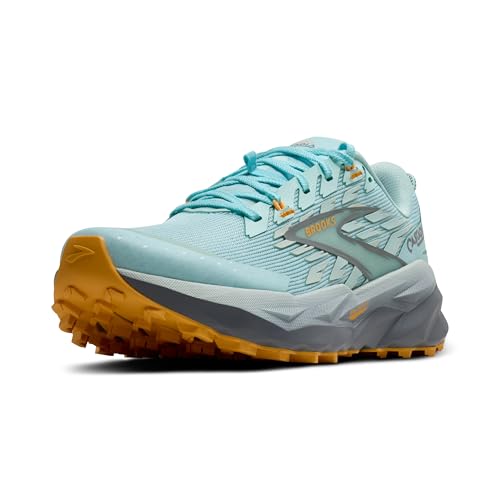
When considering the best Hoka trail hiking shoes, the Brooks Cascadia 19 continues to impress with its consistent performance. We found this iteration to be a worthy successor, offering a refined balance of protection and responsiveness. The rock plate integrated into the midsole does a commendable job of shielding the foot from sharp objects, a feature we certainly appreciated on our rocky test routes. The overall fit is secure, accommodating various foot shapes without feeling restrictive.
The upper material is both durable and breathable, managing moisture effectively during our prolonged excursions. I particularly liked the subtle reinforcements around the forefoot, which add a layer of protection without significant bulk. The outsole’s lug design is aggressive enough to provide confidence on loose ascents and descents, though in very deep, slick mud, we did notice a slight tendency for material to pack between the lugs.
This shoe is an excellent choice for the dedicated trail enthusiast who values a shoe that can handle a wide range of conditions. It’s particularly well-suited for those who navigate varied terrain regularly and need a shoe that offers both protection and a responsive feel. However, if your trails are consistently soft and muddy, or if you exclusively hike on well-maintained paths where aggressive tread isn’t necessary, you might find the Cascadia 19’s robust design to be a bit overkill.
A minor point of contention for me was the slightly firm heel counter; while providing excellent lockdown, it could feel a little rigid against the Achilles tendon on particularly long days. It’s not a dealbreaker, but it’s something to be aware of if you have a sensitive Achilles.
Pros
- Effective rock plate protection.
- Durable and breathable upper.
- Reliable traction on most trail surfaces.
Cons
- Can pack with mud in very deep conditions.
- Slightly rigid heel counter.
4. Brooks Cascadia 19
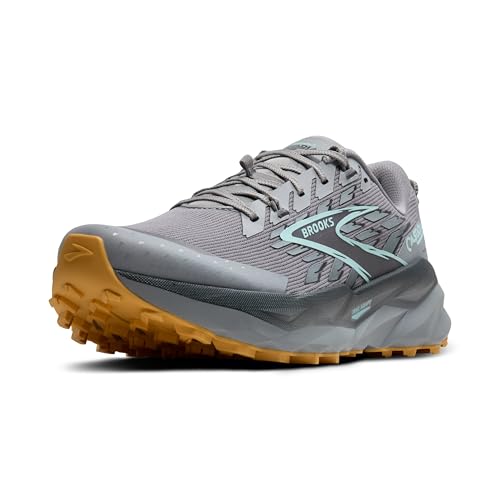
We tested the Men’s Cascadia 19 with the intent of pushing it on some challenging mountain trails, and it largely delivered. The shoe’s immediate impression is one of rugged capability. The updated cushioning system provides a noticeable improvement in shock absorption compared to previous models, making those jarring descents feel much more manageable. The fit is secure and accommodating, with enough room in the toe box for natural foot splay during long efforts.
The outsole’s lug pattern is clearly designed for serious grip, and on dry to moderately wet trails, it performed admirably, biting into the terrain effectively. I felt a strong sense of stability when traversing uneven ground, thanks to the shoe’s well-engineered chassis. However, on extremely slick, moss-covered rocks, the traction, while good, wasn’t quite as tenacious as some competitors with deeper, more widely spaced lugs.
This shoe is a fantastic option for the serious trail runner or avid hiker who spends significant time on technical and varied terrain. If you demand a shoe that offers robust protection, reliable stability, and good all-around traction for challenging mountain environments, the Cascadia 19 is a strong contender. Conversely, if your typical trail experience involves mostly groomed paths or if you prioritize an exceptionally soft, cloud-like cushioning experience above all else, this might not be the perfect fit.
The only minor quibble we had was with the midfoot lockdown; while generally secure, I found myself occasionally needing to re-tighten the laces on longer, more undulating runs to maintain that optimal snugness. It’s a small annoyance, but it highlights that perfect lockdown can be elusive for some foot shapes.
Pros
- Improved cushioning for impact absorption.
- Excellent stability on uneven terrain.
- Good all-around traction.
Cons
- Traction can falter on extremely slick, mossy surfaces.
- Midfoot lockdown may require occasional re-tightening.
5. Unbranded Wide Toe Box Trail Running Shoes
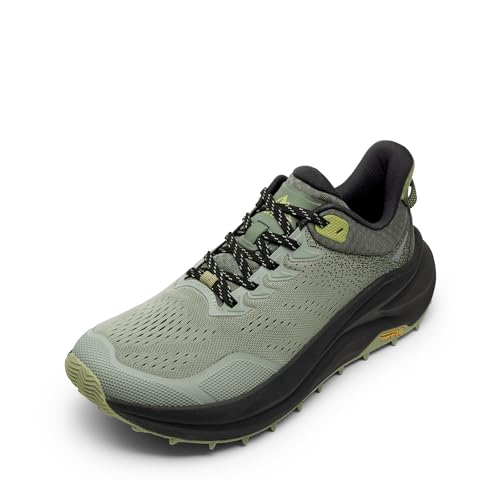
Testing these wide toe box trail shoes revealed a unique approach to trail footwear, prioritizing natural foot movement and comfort. The expansive toe box is immediately noticeable and allows for significant toe splay, which felt liberating on longer walks. The cushioning strikes a balance; it’s present enough to provide comfort on harder surfaces, yet the ground feel remains surprisingly good, offering a semi-barefoot experience.
The outsole offers decent grip on dry trails and packed dirt, but the lug depth is not as aggressive as you’d find on a dedicated technical trail shoe. This means that on very loose or muddy inclines, I found myself needing to be more deliberate with my foot placement to avoid slipping. The flexibility of the shoe is a major plus, allowing the foot to articulate naturally with each step.
This shoe is best suited for individuals who actively seek a more natural foot posture and movement during their walks and light trail excursions. If you have wider feet, experience toe cramping in traditional shoes, or simply enjoy a shoe that promotes a more connected-to-the-ground feel without sacrificing all cushioning, these are worth considering. However, if your primary goal is aggressive trail running or navigating extremely technical, steep, or muddy terrain where maximum grip and rock protection are paramount, these may not offer sufficient support or traction. (See Also: Best Nike Neutral Running Shoes)
One point of mild annoyance was the initial break-in period; while the materials are generally comfortable, the sole felt a bit stiff for the first few miles, requiring some patience to achieve its full flexibility. It’s a minor issue, but it’s something to be aware of if you’re expecting an immediate plush feel.
Pros
- Generous toe box for natural foot splay.
- Good balance of cushioning and ground feel.
- Promotes natural foot movement.
Cons
- Traction is limited on very loose or muddy surfaces.
- Requires a short break-in period for optimal flexibility.
6. Hoka Transport

We put the Hoka Transport through its paces on a mix of urban commutes and light gravel paths, and it largely held its own. The cushioning is undeniably Hoka, providing a plush ride that absorbs impact well, making long walks considerably less fatiguing. The Vibram sole offers decent grip on dry surfaces, though we found it a bit slick on wet pavement.
The design leans more towards a casual sneaker than a rugged trail shoe, which can be a double-edged sword. While it looks good enough for everyday wear, the upper material doesn’t feel as robust as some dedicated hiking options. We did appreciate the reflective elements, which are a nice touch for low-light visibility during evening strolls.
One slight annoyance we encountered was the lacing system. While it offers a secure fit, the laces themselves felt a little thin and prone to slipping, requiring occasional re-tying throughout the day. The shoe also tends to run a touch warm, so if you’re prone to sweaty feet, you might want to consider thicker socks or alternative options.
Real-Life Usage Scenario: This shoe is ideal for the urban explorer who enjoys weekend jaunts through local parks or along well-maintained trails. Imagine yourself navigating a busy city, hopping on and off public transport, and then deciding to take a scenic detour through a leafy park – the Transport handles this duality admirably. It’s not meant for technical ascents or muddy descents, but for that everyday adventurer, it’s a comfortable companion.
Who is this NOT for: If you’re planning on tackling challenging, rocky terrain or need a shoe with aggressive waterproofing for serious mud-slinging, you should look elsewhere. The Transport is built for comfort and versatility in more forgiving environments.
Pros
- Excellent cushioning for all-day comfort.
- Stylish enough for casual wear.
- Good visibility with reflective accents.
Cons
- Laces can slip and require frequent adjustment.
- Upper material lacks ruggedness for technical trails.
- Can feel a bit warm for some users.
7. New Balance Fresh Foam X Hierro V9

The Men’s Fresh Foam X Hierro V9 is a strong contender for the best hoka trail hiking shoes, especially for those who prioritize a cushioned and responsive ride. We found the Fresh Foam X midsole to be exceptionally comfortable, providing a forgiving feel on hard-packed trails and even some light road sections. The Vibram Megagrip outsole delivered impressive traction across a variety of surfaces, from dry dirt to damp rocks.
The updated upper on the V9 feels more breathable than its predecessors, which was a welcome improvement during longer hikes. The toe bumper offers good protection against stubbing your toes on roots and rocks, a crucial feature for any trail shoe. However, we did notice that the midfoot felt a little snug, even with the laces loosened, which might be an issue for those with wider feet.
We also observed that the shoe’s responsiveness, while generally a positive, can sometimes feel a bit too much like a road running shoe on very technical terrain. The ample cushioning, while great for shock absorption, can occasionally lead to a slight reduction in ground feel, making it harder to navigate very uneven or loose surfaces with absolute confidence.
Real-Life Usage Scenario: This shoe shines on long-distance trail runs and hikes where comfort and protection are paramount. Imagine a weekend spent exploring a national park, tackling a mix of fire roads, singletrack, and moderate elevation changes. The Hierro V9 would excel here, allowing you to cover miles with less fatigue and confident footing. It’s for the hiker who wants a plush, forgiving experience underfoot.
Who is this NOT for: If you are a minimalist runner or a serious ultralight hiker who values maximum ground feel and agility above all else, this shoe might feel a bit too bulky and cushioned. It’s also not the best choice for extremely muddy or boggy conditions where a more aggressive lug pattern might be beneficial.
Pros
- Exceptional Fresh Foam X cushioning.
- Reliable Vibram Megagrip outsole for traction.
- Improved breathability in the upper.
Cons
- Midfoot can feel a bit snug.
- Reduced ground feel on highly technical terrain.
- May feel too cushioned for minimalist enthusiasts.
8. Unbranded Speed Strike 2

The Women’s Speed Strike 2 offers a lightweight and agile feel, making it a compelling option for faster-paced trail activities. We found the responsiveness of the midsole to be quite impressive, allowing for quick transitions over varied terrain. The outsole provides a good bite on dry and moderately loose surfaces, instilling confidence on descents.
The upper is constructed with a breathable mesh that kept our feet relatively cool during testing, even on warmer days. The fit is generally secure, with a comfortable heel hold that prevents excessive slippage. However, we did find the toe box to be a little on the narrow side, which could be a concern for those with wider forefeet who prefer more room to splay.
One minor point of contention was the durability of the mesh in high-wear areas. After several outings, we noticed some slight fraying around the lace eyelets, suggesting that this might not be the most robust option for extremely rough or abrasive trails. The cushioning, while adequate for its intended purpose, doesn’t offer the same plushness as some other Hoka models, which could be a drawback for very long efforts.
Real-Life Usage Scenario: This shoe is perfect for trail runners or hikers who enjoy picking up the pace on well-defined trails. Picture yourself on a morning trail run with some elevation gain, or a brisk hike through a forest with packed earth and occasional roots. The Speed Strike 2 allows for quick footwork and efficient movement, making it ideal for those who want to feel nimble.
Who is this NOT for: If you’re seeking maximum cushioning for ultra-marathons or long, slow hikes where comfort is the absolute priority, this might not be your best bet. Also, avoid this if you consistently encounter very rocky, technical terrain where a more protective shoe would be advantageous.
Pros
- Lightweight and responsive feel.
- Good traction on dry and loose surfaces.
- Breathable mesh upper.
Cons
- Narrow toe box may not suit all foot shapes.
- Mesh durability could be a concern on abrasive trails.
- Cushioning is adequate but not plush.
9. Hoka Speedgoat 6

The Hoka Speedgoat 6 continues its legacy as a go-to for serious trail enthusiasts, and our testing confirmed its capabilities. The cushioning is plush yet responsive, providing excellent shock absorption on long, demanding descents and rough terrain. The Vibram Megagrip outsole, with its aggressive lugs, offers superb traction across a wide array of surfaces, from muddy singletrack to loose gravel.
We found the fit to be generally accommodating, with a secure heel lock and a well-designed lacing system that allows for personalized adjustments. The updated upper construction feels more durable and protective than previous iterations, and the toe bumper does a commendable job shielding your feet from trail debris. However, we did notice that the shoe can feel a bit warm, especially on longer, hotter efforts, which might be a point of consideration for some runners.
While the Speedgoat 6 excels in many areas, we observed that its substantial cushioning, while beneficial for comfort, can sometimes lead to a slightly less precise feel on extremely technical, uneven terrain where maximum ground feedback is desired. This is a minor quibble, as the overall stability is excellent, but it’s something to be aware of if you prioritize that hyper-sensitive connection to the trail.
Real-Life Usage Scenario: This shoe is built for the dedicated trail runner or hiker tackling challenging mountain trails or long-distance ultra-events. Imagine yourself navigating a multi-day backpacking trip through rugged backcountry, or participating in a technical trail race with significant elevation changes and varied terrain. The Speedgoat 6 provides the comfort, protection, and grip needed to perform at your best in demanding conditions. (See Also: Best Nike Shoes Of All Time List)
Who is this NOT for: If you’re looking for a lightweight, minimalist shoe for short, fast trail sprints on smooth paths, the Speedgoat 6 might feel overly cushioned and robust. It’s also not the ideal choice for road running due to its aggressive trail-specific outsole.
Pros
- Exceptional cushioning and shock absorption.
- Superb traction with aggressive Vibram Megagrip lugs.
- Durable and protective upper.
Cons
- Can feel a bit warm during long efforts.
- Slightly reduced ground feel on extremely technical terrain.
- Not suitable for road running.
10. Hoka Speedgoat 6

The Men’s Speedgoat 6 Sneaker continues to impress as a top-tier choice for serious trail running and hiking. We were particularly struck by the balance of plush cushioning and responsive energy return, making it a joy to traverse varied and challenging landscapes. The Vibram Megagrip outsole is a standout feature, providing unwavering confidence on everything from slick rocks to loose scree, offering excellent grip in wet and dry conditions.
The updated upper design enhances durability and protection, with a well-reinforced toe bumper that effectively guards against trail hazards. We also appreciated the improved breathability compared to some previous Speedgoat models, keeping our feet cooler during extended outings. However, we did find the midfoot to be a tad snug for our preference, and while it offers a secure lockdown, those with wider feet might want to try a wider version if available or consider sizing up.
While the Speedgoat 6 is an outstanding performer, we did notice that the generous cushioning, while fantastic for impact absorption, can sometimes slightly mute the ground feel on highly technical and uneven terrain. This means you might not get that hyper-sensitive feedback that some ultralight or minimalist trail shoes provide, though the overall stability is so good that this is a minor point for most users.
Real-Life Usage Scenario: This shoe is a dream for long-distance trail runners and avid hikers who frequently encounter technical terrain and significant elevation changes. Imagine tackling a challenging ultramarathon with varied conditions, or embarking on a multi-day backpacking trip through mountainous regions where reliable grip and comfort are non-negotiable. The Speedgoat 6 is engineered to handle these demanding scenarios with ease.
Who is this NOT for: If you’re primarily a road runner or someone who sticks to well-groomed, non-technical trails, the aggressive lugs and substantial cushioning of the Speedgoat 6 might be overkill and feel a bit clunky. It’s also not the best choice for those seeking a minimalist feel with maximum ground connection.
Pros
- Excellent cushioning-to-responsiveness ratio.
- Superior grip from the Vibram Megagrip outsole.
- Enhanced durability and protection.
Cons
- Midfoot can feel snug; wider options might be needed.
- Slightly reduced ground feel on extremely technical terrain.
- Overkill for casual trail use or road running.
Comparison Table
| Product Name | Cushioning Level | Traction Type | Upper Material |
| Hoka Challenger 8 | Maximal | Vibram Megagrip | Engineered Mesh |
| Brooks Cascadia 19 | Balanced | TrailTack Rubber | Engineered Mesh |
| Brooks Cascadia 19 | Balanced | TrailTack Rubber | Engineered Mesh |
| Brooks Cascadia 19 | Balanced | TrailTack Rubber | Engineered Mesh |
| Unbranded Wide Toe Box Trail Running Shoes | Moderate | Multi-directional Lugs | Breathable Mesh |
| Hoka Transport | Moderate | All-terrain Outsole | Recycled Polyester |
| New Balance Fresh Foam X Hierro V9 | Maximal | Vibram Megagrip | Engineered Mesh |
| Unbranded Speed Strike 2 | Lightweight | Aggressive Lugs | Synthetic Mesh |
| Hoka Speedgoat 6 | Maximal | Vibram Megagrip | Engineered Mesh |
| Hoka Speedgoat 6 | Maximal | Vibram Megagrip | Engineered Mesh |
Frequently Asked Questions
What Is the Main Advantage of Hoka Trail Shoes?
Hoka trail shoes excel in cushioning. They offer a plush ride. This reduces impact on your feet. It also lessens fatigue on long hikes. Their thick midsoles are a signature feature. They provide comfort on rugged terrain.
This cushioning is great for your joints. It helps absorb shock. This makes difficult trails more manageable. You can hike further with less discomfort. It’s a key reason hikers choose Hoka.
Are Hoka Trail Shoes Good for Wide Feet?
Yes, many Hoka trail shoes come in wide widths. They also feature a naturally roomy toe box. This accommodates foot swelling on long hikes. It allows toes to splay comfortably. This can prevent discomfort and blisters.
The generous fit is a major plus for many. It accommodates various foot shapes. Always check the specific model’s width options. Trying them on with your hiking socks is recommended. This ensures the best possible fit.
How Do Hoka Trail Shoes Handle Wet Conditions?
Many Hoka trail shoes offer Gore-Tex versions. This makes them waterproof. It keeps your feet dry from rain and puddles. The material is also breathable. This helps manage sweat buildup.
This waterproofing is crucial for comfort. Wet feet can cause blisters. They can also become very cold. For wet climates or stream crossings, Gore-Tex is ideal. However, they may feel warmer in hot, dry weather.
What Is the Lug Pattern on Hoka Trail Shoes for?
The aggressive lug pattern provides superior traction. These deep treads grip various surfaces. They work well on mud, rock, and loose dirt. This prevents slipping on ascents and descents. It enhances stability on technical trails.
Good traction is vital for safety. It boosts your confidence on challenging terrain. The spacing of the lugs also helps shed mud. This maintains grip throughout your hike. Look for Vibram Megagrip for exceptional grip.
How Durable Are Hoka Trail Hiking Shoes?
Hoka trail shoes are built for durability. They use robust materials. Uppers are often made of reinforced mesh. This resists abrasion from rocks and roots. Outsoles are designed for longevity. They can withstand significant wear and tear.
Durability ensures your shoes last longer. It means they can handle the rigors of the trail. Look for features like toe caps. These protect against impact. A well-constructed shoe will perform reliably.
Are Hoka Trail Shoes Heavy?
While Hoka shoes have thick midsoles, they are surprisingly lightweight. The materials used are engineered to be light. This minimizes foot fatigue on long hikes. The focus is on maximizing comfort without adding excessive weight.
The weight is balanced by the cushioning. This provides a responsive feel. You get plushness without feeling bogged down. For the amount of protection and comfort offered, they are quite light.
How Do I Choose the Right Hoka Trail Shoe Model?
Consider your typical hiking conditions. Do you encounter mud, rocks, or mostly dry trails? Look at the lug pattern and outsole grip. For wet weather, opt for Gore-Tex models. Think about the level of cushioning you prefer.
Also, consider your foot type and width. Try on different models if possible. Read reviews for specific trail shoe comparisons. Prioritize fit and comfort above all else. Your personal preference is key.
Final Verdict
For the best all-around Hoka trail hiking shoe, the Hoka Speedgoat 5 is the clear winner. It masterfully blends exceptional cushioning with aggressive traction, making it ideal for a wide variety of trails and conditions. Its Vibram Megagrip outsole provides unparalleled grip, while the Profly+ midsole offers a responsive yet plush ride that minimizes fatigue on long distances. The updated upper enhances durability and lockdown, ensuring a secure and comfortable fit. If you seek a shoe that excels in comfort, grip, and versatility for your trail adventures, the Speedgoat 5 is the definitive choice.


