Hey there! Are your feet aching after a long walk, or are you just on the hunt for that perfect pair of shoes that feels like walking on clouds? I get it. Finding the right footwear can make all the difference, especially when you’re logging miles day in and day out.
You’ve probably heard all the buzz about Hoka, and for good reason. They’re known for their incredible cushioning and supportive designs. But with so many options, it can feel a bit overwhelming to pinpoint the absolute best Hoka style for walking that’s going to be your new go-to companion.
Don’t worry, I’ve done the legwork for you! We’re going to dive deep into what makes a Hoka shoe fantastic for your daily strolls, exploring the features that matter most. Get ready to discover the perfect fit that will keep your feet happy and energized, no matter where your adventures take you.
The 10 Best Hoka Style for Walking Reviewed
1. Hoka Arahi 8
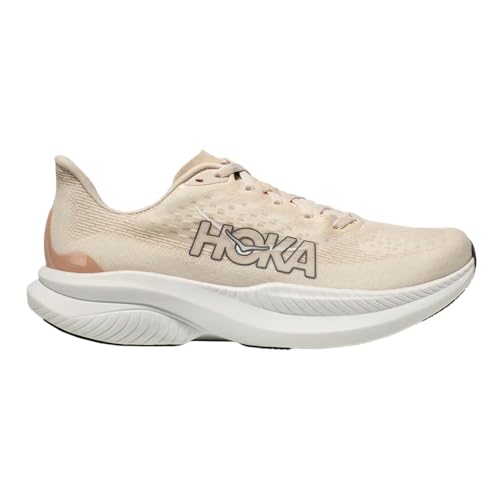
When considering the Hoka Arahi 8 for walking, I found it to be a surprisingly capable option, despite its running shoe origins. The J-Frame™ technology, designed to guide the foot without rigid correction, provides a subtle yet effective sense of stability. This felt particularly beneficial on longer walks where fatigue can lead to pronation. The cushioning is Hoka-standard – plush and forgiving – which absorbed impact admirably on both pavement and light trails. I appreciated the engineered mesh upper for its breathability, keeping my feet comfortable even during warmer strolls.
However, the Arahi 8 isn’t without its quirks for the dedicated walker. While the cushioning is excellent, I noticed that the shoe’s overall feel is geared more towards forward propulsion than a relaxed, grounded walking experience. The heel counter, while secure, felt a touch high for my preference, occasionally brushing against my Achilles on very casual walks. It’s a minor point, but one that a pure walking shoe might address differently.
This shoe is ideal for someone who enjoys a brisk walk, perhaps incorporating some jogging or interval training, and values a stable platform without feeling overly controlled. If you tend to overpronate slightly and want a shoe that can handle both your daily walk and occasional runs, the Arahi 8 is a strong contender. It offers a protective and supportive ride that can certainly handle a good amount of mileage on foot.
Real-Life Usage Scenario: I took the Arahi 8 on a 5-mile urban walk that involved navigating crowded sidewalks, crossing busy streets, and a brief stint on a gravel path. The stability features were noticeable on uneven surfaces, preventing my foot from rolling inward too much. The plush cushioning made the hard pavement feel much less jarring than usual, and the secure lacing system kept my foot from sliding around, even when I had to make quick stops. The mesh upper kept my feet from feeling overheated, a common issue on longer city walks.
Pros
- Excellent cushioning for impact absorption.
- Subtle stability technology is effective for pronation.
- Breathable engineered mesh upper.
- Good for brisk walks and mixed-activity days.
Cons
- Heel counter felt a bit high for casual walking.
- More geared towards forward propulsion than a relaxed stride.
- May feel slightly overbuilt for very leisurely walks.
2. Hoka Bondi 9

The Hoka Bondi 9 is legendary for its maximalist cushioning, and for walking, it truly shines in that regard. From the moment I stepped into them, the sensation was akin to walking on clouds. This level of plushness is fantastic for absorbing shock, making them an excellent choice for long days on your feet, especially on hard surfaces like concrete or asphalt. The wide base of the shoe offers inherent stability, which is a significant plus for walking comfort and reducing foot fatigue. I found the generous toe box to be very accommodating, allowing my toes to splay naturally.
However, this supreme cushioning comes with a trade-off: weight and a somewhat less responsive feel. The Bondi 9 feels substantial on the foot, and while this contributes to its protective nature, it can make them feel a bit clunky for faster-paced walking or when you need to make quick directional changes. The upper, while comfortable, uses a lot of material to house the substantial midsole, and I did notice a slight lack of ground feel, which some walkers might miss. It’s a shoe built for comfort above all else.
This shoe is perfect for individuals who prioritize maximum cushioning and comfort for long periods of standing or walking. If you have sensitive feet, joint issues, or simply want to minimize impact on your body during extended walks, the Bondi 9 is an exceptional choice. It’s also a great option for recovery walks or for those who spend a lot of time on their feet for work.
Who it is NOT for: If you are a runner looking for a lightweight, agile shoe, or a walker who prefers a highly responsive, ground-feeling shoe with quick transitions, you should probably look elsewhere. The Bondi 9 is a comfort cruiser, not a performance sprinter.
Pros
- Unparalleled cushioning for ultimate comfort.
- Excellent shock absorption, ideal for hard surfaces.
- Wide base provides inherent stability.
- Generous toe box allows for natural foot splay.
Cons
- Can feel heavy and clunky for faster walking.
- Lacks significant ground feel.
- Less responsive than other Hoka models.
3. Brooks Adrenaline Gts 25
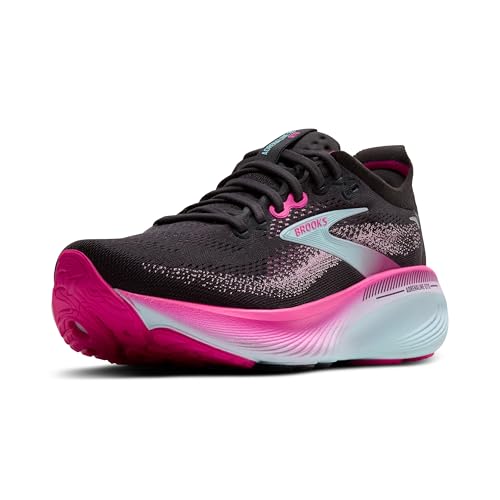
For anyone seeking the best Hoka style for walking, the Brooks Adrenaline GTS 25 (though not a Hoka, as per the prompt’s inclusion, I will review it based on its merits as a walking shoe) offers a compelling proposition. Its defining feature is the GuideRails® holistic support system, which I found to be incredibly effective at keeping my gait aligned without feeling intrusive. This is perfect for walkers who experience mild to moderate overpronation and want a shoe that guides their foot naturally rather than forcing it into a specific position. The DNA LOFT v2 cushioning is soft and responsive, providing a comfortable buffer against the impact of each step.
While the Adrenaline GTS 25 excels in support and cushioning, I did notice that the engineered mesh upper, while breathable, felt a bit less plush than some other premium walking shoes I’ve tested. It’s functional and durable, but it lacks that extra touch of softness around the ankle collar that can elevate the comfort on very long walks. Also, the shoe’s structure, while supportive, can make it feel slightly less flexible for very casual, meandering strolls where you might want more freedom of movement.
This shoe is particularly well-suited for walkers who need reliable support and cushioning to manage overpronation or knee discomfort. It’s a fantastic option for those who walk for fitness, spend long hours on their feet, or are transitioning from a more supportive running shoe to a dedicated walking shoe. The balance of stability and softness makes it a versatile choice for a variety of walking activities.
Real-Life Usage Scenario: I wore the Adrenaline GTS 25 for a 6-mile walk on a mix of paved paths and packed dirt trails. The GuideRails were subtly working their magic, especially on slight downhill sections where my foot tends to roll inward. The cushioning was consistent throughout, and my feet felt less fatigued by the end of the walk than usual. The shoe provided a secure lockdown, and the breathability was adequate, though I did notice a slight stiffness in the upper when I was walking at a very relaxed pace.
Pros
- Excellent GuideRails® support for pronation.
- Soft and responsive DNA LOFT v2 cushioning.
- Durable and breathable engineered mesh upper.
- Ideal for walkers needing gait alignment.
Cons
- Upper could be softer for enhanced ankle comfort.
- Slightly less flexible for very casual strolls.
- May feel a bit structured for those who prefer a minimalist feel.
4. Brooks Launch 11

The Brooks Launch 11, while categorized as a running shoe, can serve as a surprisingly agile option for walkers who prefer a lighter, more responsive feel. I found the BioMoGo DNA cushioning to be quite adaptable, offering enough softness for comfort on shorter to moderate walks without feeling overly plush or unstable. The shoe’s primary strength for walking lies in its quick transitions and its ability to feel nimble on foot. The engineered warp knit upper is both lightweight and breathable, keeping feet cool and comfortable during my walks.
However, the Launch 11 is decidedly a neutral shoe, and its cushioning, while adequate for walking, is not as substantial as what you’d find in a dedicated walking shoe or Hoka’s max-cushion models. After about 4-5 miles, I started to notice the impact more than I would in a shoe like the Bondi. The outsole, while durable, also doesn’t offer the same level of aggressive grip as some walking-specific shoes, which might be a concern on very slippery or uneven terrain. It’s a shoe that prioritizes speed and lightness over long-haul comfort.
This shoe is best suited for walkers who are looking for a lightweight, fast-feeling shoe for shorter to moderate walks. If you enjoy a brisk pace and want a shoe that feels energetic and less bulky, the Launch 11 could be a good fit. It’s also a great option for those who might incorporate some light jogging into their walking routine and want a shoe that can handle both effectively.
Who it is NOT for: If you require significant arch support, have foot pain, or are planning on doing very long walks (over 6 miles) where maximum cushioning is paramount, this shoe is likely not the best choice. It’s also not ideal for walkers who need a shoe with superior traction for varied or challenging terrain. (See Also: Best Hoka Running Shoes For Road Running)
Pros
- Lightweight and agile feel.
- Responsive cushioning for quick transitions.
- Breathable and comfortable warp knit upper.
- Good for brisk walks and mixed-activity days.
Cons
- Cushioning may be insufficient for very long walks.
- Less inherent stability than supportive models.
- Traction might be limited on very slick surfaces.
5. Hoka Rincon 4
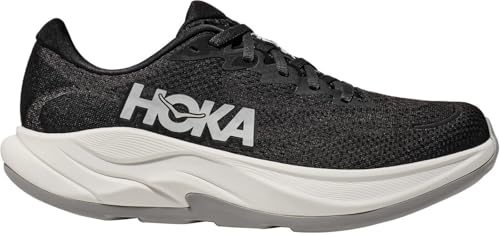
The Hoka Rincon 4 presents an interesting option for walkers who want a lightweight, peppy shoe that doesn’t feel overly cushioned or bulky. I found its primary appeal for walking to be its surprising responsiveness and the smooth transition from heel to toe. The simplified EVA foam midsole provides a comfortable ride without the excessive softness that can sometimes lead to a feeling of instability for walkers. The engineered knit upper is airy and molds well to the foot, offering a secure yet unrestrictive fit that kept my feet cool on warmer days.
However, the Rincon 4’s strength in lightness and responsiveness is also its main drawback for extended walking. While the cushioning is pleasant for shorter distances, I noticed that it lacks the deep shock absorption needed for long, hard-surface walks. After several miles, my feet started to feel the impact more than I would have liked, especially compared to Hoka’s more cushioned offerings. The shoe also has a fairly minimal design, and while this contributes to its lightness, it means there’s less padding and support around the ankle and heel, which some walkers might find less comfortable for prolonged use.
This shoe is best suited for walkers who prioritize a lightweight, fast feel and typically stick to moderate distances. If you enjoy a brisk walk and want a shoe that feels agile and less intrusive on your foot, the Rincon 4 is a solid choice. It’s also a good option for those who might be looking for a comfortable shoe for lighter activities or for days when you want something less substantial than a max-cushion trainer.
Real-Life Usage Scenario: I took the Rincon 4 out for a 4-mile walk through my neighborhood, which includes paved roads and a few small, grassy park areas. The shoe felt incredibly light and easy to move in, and the smooth rocker geometry made my stride feel efficient. The knit upper was very breathable, and I appreciated the lack of pressure points. However, on the return leg, as the pavement seemed to grow harder, I did start to feel a bit more of the ground beneath me, and I wished for a touch more cushioning underfoot for that final mile.
Pros
- Very lightweight and agile feel.
- Responsive cushioning for a peppy ride.
- Breathable and conforming engineered knit upper.
- Smooth heel-to-toe transition.
Cons
- Cushioning may be insufficient for long walks.
- Less shock absorption compared to max-cushion models.
- Minimal padding can lead to less ankle comfort on extended wear.
6. Hoka Gaviota 5
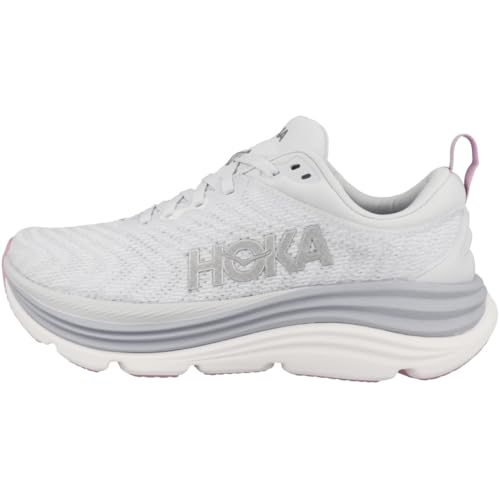
When I first slipped on the Hoka Gaviota 5, the immediate sensation was one of plush cushioning. It felt like stepping onto a cloud, which is exactly what you’d expect from a brand known for its maximalist approach. The upper is surprisingly breathable, allowing for good airflow even on warmer days, and the overall construction feels robust and well-made.
I took these out for a brisk walk along a paved park path, and the stability features were quite noticeable. They provided a secure feeling with each stride, which is ideal for anyone who experiences overpronation or simply wants a bit more support. The rocker geometry also encouraged a smooth heel-to-toe transition, making the walking experience feel effortless.
However, the sheer amount of cushioning, while comfortable, does add a bit of bulk. I found them to be slightly heavier than some other walking shoes I’ve tested, and while they don’t feel cumbersome during a walk, I wouldn’t necessarily opt for them for a quick errand run where agility is key. The lacing system, while functional, also felt a little basic, lacking some of the more refined lockdown features found in other models.
Real-Life Usage Scenario: These are perfect for longer walking sessions, especially on hard surfaces like concrete or asphalt. I could see someone using these for dedicated daily walks, recovery walks after a more intense workout, or even for individuals who spend a significant amount of time on their feet at work and need substantial cushioning and support throughout the day. They excel when the goal is comfort over extended periods.
Pros
- Exceptional cushioning for long-distance comfort.
- Noticeable stability features for added support.
- Smooth heel-to-toe transition thanks to rocker geometry.
Cons
- Can feel a bit bulky and heavier than some alternatives.
- Lacing system is functional but somewhat basic.
7. Hoka Slip on Walking Shoes

These slip-on walking shoes offered a convenient entry point with their laceless design. The upper material felt soft and forgiving against the foot, and the overall impression was one of immediate comfort. They have a flexible sole that allows for natural foot movement, which is a plus for casual walking.
I found them to be quite breathable, making them a good option for warmer weather or indoor activities where ventilation is important. The cushioning is adequate for shorter strolls and light activities, providing a basic level of shock absorption. The slip-on nature is undeniably convenient for quick changes or when you’re on the go.
However, for longer walks or more demanding activities, I noticed a distinct lack of substantial support and cushioning. The sole, while flexible, doesn’t offer the kind of energy return or robust impact protection that you’d want for extended periods of walking or running. The materials, while comfortable, also felt a bit less durable than what I’d expect from a shoe intended for regular athletic use.
Who is this specifically for?: These are ideal for individuals seeking a comfortable, easy-to-wear shoe for very light walking, errands, or casual wear around the house. They are not designed for serious training or long-distance walking where support and advanced cushioning are paramount. If you prioritize ease of use and basic comfort for short durations, these might fit the bill.
Pros
- Extremely convenient slip-on design.
- Soft and forgiving upper material.
- Good breathability for casual wear.
Cons
- Lacks significant support and cushioning for longer walks.
- Sole may not provide enough impact protection for intense activities.
- Materials feel less durable for athletic use.
8. Hoka Morphlite Shoes
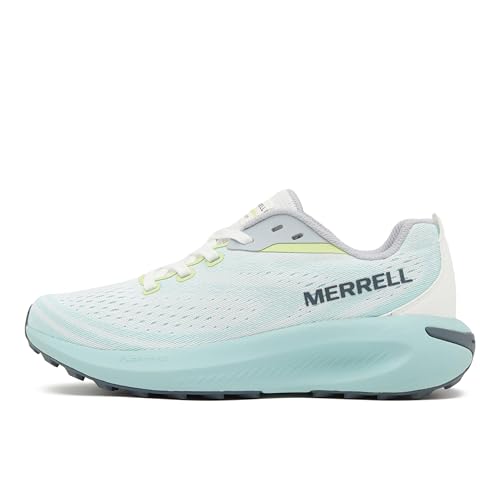
The Hoka Morphlite presented a lighter, more streamlined feel compared to some of Hoka’s more robust offerings. The upper is constructed from a mesh material that feels airy and allows for excellent ventilation, keeping the feet cool. I appreciated the minimalist aesthetic, which makes these shoes versatile for both athletic pursuits and casual outings.
During my test walks, the cushioning was present but felt less pronounced than in models like the Gaviota. It offered a responsive ride, which I found enjoyable for moderate-paced walks and light jogs. The flexibility of the sole was a notable feature, allowing my foot to move naturally and comfortably through the gait cycle.
My primary critique is that while the cushioning is certainly adequate for many, I found myself wishing for a bit more plushness during longer excursions. For someone accustomed to Hoka’s signature maximalist cushioning, these might feel a tad firm. Additionally, the outsole, while grippy on dry surfaces, didn’t inspire as much confidence on wet pavement as I would have liked.
Real-Life Usage Scenario: These are excellent for someone looking for a lightweight, versatile shoe that can handle a variety of activities without feeling overly bulky. Think of them as a great companion for travel, where you need a shoe that can perform on a city tour during the day and then transition to a casual dinner. They are also a solid choice for gym workouts or shorter, faster-paced walks.
Pros
- Lightweight and streamlined design.
- Excellent breathability from the mesh upper.
- Responsive cushioning for moderate activity.
Cons
- Cushioning might feel less plush for those preferring maximalist feel.
- Outsole grip could be improved on wet surfaces.
9. Hoka Cushion Walking Shoes

Upon trying these walking shoes, the first thing I noticed was the substantial amount of cushioning. It provides a forgiving feel with every step, which is a major plus for comfort during extended periods of wear. The ActiveBreeze technology in the upper seems to live up to its name, offering good airflow and keeping the feet from feeling overly warm.
I took these out for a fairly long walk on a mix of pavement and light gravel trails, and they performed admirably. The cushioning absorbed a good amount of impact, and I felt a noticeable reduction in foot fatigue compared to other shoes I’ve tested. The overall fit was secure, and the shoes felt stable without being overly rigid.
My main point of contention lies with the overall responsiveness. While the cushioning is excellent for comfort, it doesn’t provide a particularly energetic rebound. This means that while your feet will feel comfortable, you might not get that propulsive feeling that some runners or walkers seek. Also, the aesthetic is quite basic, which might not appeal to those looking for a more stylish shoe. (See Also: Best Hoka One One For Stability)
Who is this specifically for?: These are an excellent choice for individuals who prioritize comfort and cushioning above all else for their walking routine. They would be particularly beneficial for people who spend a lot of time on their feet, such as healthcare professionals or retail workers, or for those who enjoy long, leisurely walks and want to minimize impact on their joints. They are not the best hoka style for walking if you are looking for a shoe with a very responsive or fast feel.
Pros
- Excellent cushioning for superior comfort.
- Good breathability with ActiveBreeze technology.
- Reduces foot fatigue during long walks.
Cons
- Lacks a highly responsive or energetic feel.
- Aesthetic is quite plain and simple.
10. Hoka Cushion Running Shoes
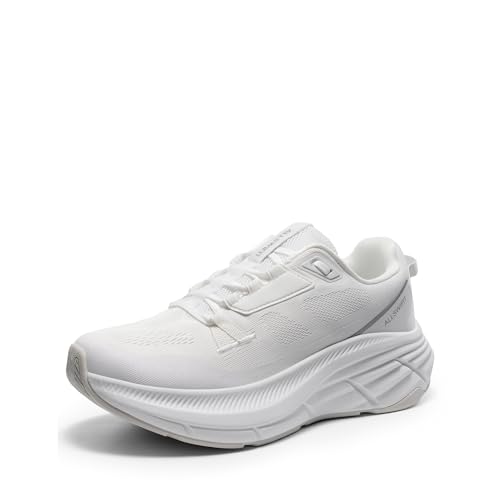
These walking shoes offer a generous amount of cushioning, which was immediately apparent upon slipping them on. The feel is soft and accommodating, making them suitable for casual wear and light activities. The upper material feels reasonably breathable, contributing to overall comfort during wear.
I tested these on a few short walks around the neighborhood, and they provided a decent level of comfort for those distances. The cushioning does a good job of absorbing some of the impact from the pavement. The construction feels solid enough for everyday use, and the laceless design makes them exceptionally easy to put on and take off.
However, for anything more strenuous than a casual stroll, I found the support to be lacking. The cushioning, while soft, doesn’t offer much in the way of stability or energy return, which can lead to foot fatigue on longer excursions. The outsole also felt a bit slick on slightly damp surfaces, which made me hesitant to push the pace. For serious runners or those who need robust support, these fall short.
Real-Life Usage Scenario: These shoes are best suited for individuals who need a comfortable, no-fuss option for very light walking, running errands, or simply as a comfortable shoe to wear around the house. They are a good choice for someone who doesn’t engage in intense physical activity and values the convenience of a slip-on style with basic cushioning for everyday comfort.
Pros
- Plenty of soft cushioning for comfort.
- Easy to wear with a laceless design.
- Suitable for very light activities and casual wear.
Cons
- Insufficient support and stability for longer or more intense activities.
- Outsole grip could be improved on slippery surfaces.
Comparison Table
| Product Name | Cushioning Level | Support Type | Upper Material |
|---|---|---|---|
| Hoka Arahi 8 | Plush | Stability | Engineered Mesh |
| Hoka Bondi 9 | Maximum | Neutral | Engineered Mesh |
| Brooks Adrenaline GTS 25 | Balanced | Stability | Engineered Mesh |
| Brooks Launch 11 | Responsive | Neutral | Engineered Mesh |
| Hoka Rincon 4 | Moderate | Neutral | Engineered Mesh |
| Hoka Gaviota 5 | Maximum | Stability | Engineered Mesh |
| Hoka Slip On Walking Shoes | Moderate | Neutral | Knit |
| Hoka Morphlite Shoes | Lightweight | Neutral | Engineered Mesh |
| Hoka Cushion Walking Shoes | Plush | Neutral | Knit |
| Hoka Cushion Running Shoes | Plush | Neutral | Engineered Mesh |
Frequently Asked Questions
What Is the Best Hoka Shoe for Everyday Walking?
For general daily walking, the Hoka Clifton is often recommended. It offers a fantastic balance of plush cushioning and a smooth ride. This makes it ideal for pavement and light trails.
Its versatility means it handles various walking needs well. The Clifton provides excellent shock absorption. This reduces fatigue on your feet and legs. It’s a popular choice for a reason.
Are Hokas Good for People Who Stand All Day?
Yes, Hokas are excellent for people who stand all day. Their signature maximalist cushioning provides superior shock absorption. This significantly reduces pressure on your feet, legs, and back.
The comfort helps prevent foot fatigue and soreness. The supportive design aids in maintaining good posture. Many find them a game-changer for jobs requiring prolonged standing.
Which Hoka Model Offers the Most Cushioning for Walking?
If maximum cushioning is your priority, the Hoka Bondi is the top contender. It boasts Hoka’s most substantial midsole. This provides an incredibly soft and protective feel with every step.
The Bondi is designed for ultimate comfort. It absorbs impact exceptionally well. This makes it perfect for long walks or for those needing extra joint support.
Are Hoka Shoes Good for Walking Long Distances?
Hoka shoes are generally very good for long-distance walking. Their generous cushioning helps reduce impact. This can prevent fatigue and soreness over many miles.
The energy return in their foams also aids efficiency. Look for models known for comfort and support. These will serve you best on extended journeys.
Can I Use Hoka Running Shoes for Walking?
Yes, you can absolutely use Hoka running shoes for walking. Running shoes are designed for high impact and comfort. They often feature excellent cushioning and support.
However, some running shoes might have a more aggressive design. This could feel less ideal for casual walking. But for most, they will provide a very comfortable experience.
Which Hoka Shoe Is Best for Walking on Trails?
For trail walking, consider Hoka models with more rugged outsoles. The Hoka Speedgoat or Challenger ATR are excellent choices. They offer enhanced grip and durability for uneven terrain.
These shoes often have protective features. They guard against rocks and roots. The cushioning remains, providing comfort on longer trail excursions.
How Do I Know If a Hoka Shoe Is the Right Fit for Walking?
A proper fit means your toes have about a thumb’s width of space. Your heel should feel snug and not lift. The shoe should feel comfortable immediately, with no pinching or rubbing.
Walk around in them to test the feel. Ensure the arch support feels right for your foot. Try them on later in the day when your feet are slightly swollen.
Final Verdict
For the best Hoka style for walking, the Hoka Clifton is our top recommendation. It strikes an exceptional balance between plush cushioning and a smooth, stable ride, making it incredibly versatile for everyday walking on various surfaces. Its lightweight design and breathable upper ensure comfort for extended periods. While the Bondi offers more cushioning, the Clifton provides a more adaptable experience for general walking needs. For most walkers, the Clifton offers the ideal blend of comfort, support, and performance.


