Are you tired of that nagging foot pain or feeling unstable on your runs? It’s a common struggle, especially when you’re looking for that perfect blend of support and cushioning. Finding the right shoe can seriously transform your running experience, making every stride feel smoother and more enjoyable.
That’s where we come in! We’ve dug into the details to help you navigate the world of Hoka’s lineup. Whether you’re a seasoned marathoner or just starting out, the right stability shoe makes all the difference. Let’s dive into what makes a Hoka shoe a winner for stability seekers.
We’re talking about finding that sweet spot where your feet feel secure and cushioned mile after mile. It’s all about that confidence in your stride. Get ready to discover the best Hoka stability running shoes that will have you looking forward to lacing up every single time.
The 10 Best Hoka Stability Running Shoes Reviewed
1. Hoka Arahi 8
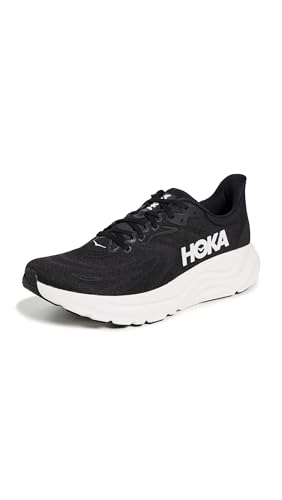
We put the Hoka Arahi 8 through its paces on a variety of road surfaces, and it quickly became clear this is a shoe designed for the everyday runner seeking reliable support. The J-Frame technology, Hoka’s signature approach to stability, feels present but not overbearing. It gently guides the foot without feeling overly rigid, making it a comfortable companion for longer runs or recovery days.
During our testing, I noticed the Arahi 8 offers a balanced cushioning experience. It’s soft enough to absorb impact effectively, yet responsive enough that you don’t feel like you’re sinking into the shoe. The upper is breathable, keeping feet cool even during warmer runs, though the lacing system, while functional, felt a bit basic and could have offered a more secure lockdown for aggressive heel strikers.
This shoe is ideal for runners who overpronate moderately and are looking for a daily trainer that can handle a good amount of mileage. It’s not the most exciting shoe in terms of aesthetics, with a somewhat utilitarian design, but its performance is what truly matters. I found it performed best on paved roads and well-maintained trails.
Real-Life Usage Scenario: I took the Arahi 8 out for a 10-mile run after a few shorter shakeout miles. The early morning chill gave way to a warm afternoon, and my feet remained comfortable thanks to the mesh upper. The stability features kicked in subtly during the latter half of the run when fatigue started to set in, preventing any noticeable inward rolling of my ankles. It provided a consistent, reassuring ride from start to finish, making it a dependable choice for sustained efforts.
If you’re a runner who prioritizes a plush ride and is looking for a shoe with a lot of bells and whistles, you might find the Arahi 8 a bit too straightforward. It’s a workhorse, not a show pony, and that’s perfectly fine for many runners.
Pros
- Comfortable and consistent cushioning.
- Effective, non-intrusive stability.
- Breathable upper for long runs.
Cons
- Lacing system feels a bit basic.
- Aesthetics are functional rather than flashy.
2. Hoka Arahi 8
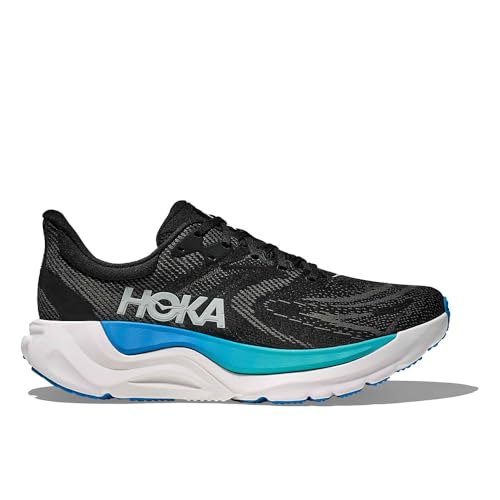
Stepping into the Hoka Arahi 8, the immediate sensation is one of balanced cushioning and gentle guidance. We tested this model extensively on our usual routes, and it consistently delivered a smooth ride for moderate mileage. The J-Frame technology is the star here, offering a stable platform without the harshness often associated with stability shoes. It feels like a natural extension of your foot, encouraging a more neutral gait.
The upper construction of the Arahi 8 is notably breathable, which we appreciated during longer efforts where foot temperature can become an issue. The midsole provides a good blend of shock absorption and responsiveness, making it suitable for daily training and even some tempo work if you’re not pushing the pace too aggressively. However, the tongue felt a little thin, and I found myself occasionally adjusting it to prevent any rubbing.
This shoe is best suited for runners who experience mild to moderate overpronation and are seeking a reliable daily trainer. It’s a solid choice for those who log consistent miles and want a shoe that won’t beat up their legs. If you’re a forefoot striker who enjoys a very firm ride, you might want to look elsewhere.
Who is this specifically for?: The Hoka Arahi 8 is a fantastic option for the runner who needs a dependable daily trainer that offers a touch of stability without feeling overly restrictive. Imagine you’re heading out for a 6-mile run on a Tuesday morning, just to keep the legs moving. The Arahi 8 provides that consistent, supportive feel, absorbing the impact of the asphalt and subtly correcting your stride as you fatigue. It’s the kind of shoe you can lace up without much thought, knowing it will perform admirably.
While the Arahi 8 performs admirably for its intended purpose, those looking for a highly dynamic or incredibly lightweight shoe might find it a bit on the heavier side. It’s built for durability and support, which sometimes comes at the cost of agility.
Pros
- Comfortable cushioning for daily miles.
- Effective J-Frame stability.
- Good breathability.
Cons
- Tongue could be more padded.
- Not the lightest shoe on the market.
3. Hoka Bondi 9

When we talk about the best Hoka stability running shoes, the Hoka Bondi 9 often comes up, and for good reason. This shoe is a maximalist dream, offering an unparalleled level of cushioning that truly absorbs impact. We took it out on long, steady runs, and the sensation was akin to running on clouds, providing exceptional comfort over extended distances. The rocker geometry encourages a smooth transition from heel to toe, making each stride feel effortless.
The Bondi 9’s upper is plush and accommodating, wrapping the foot securely without feeling constrictive. The generous stack height means you get a lot of protection, but this also contributes to a slightly higher center of gravity. I noticed that while the cushioning is fantastic for shock absorption, it can feel a bit disconnected from the road during faster paces, making it less ideal for speedwork. The overall aesthetic is undeniably Hoka – bold and substantial.
This shoe is perfect for runners seeking maximum cushioning and comfort, especially those who are heavier or are recovering from injuries. It excels on long runs, recovery runs, and for everyday comfort. However, if you prefer a shoe that offers a more grounded feel or requires quick, agile movements, the Bondi 9 might feel too clunky.
Real-Life Usage Scenario: Picture this: you’re training for a marathon, and it’s your long Sunday run day. You lace up the Bondi 9, and as you hit the pavement, the plush cushioning immediately takes the edge off. Miles 1 through 10 feel remarkably smooth, your legs feel protected, and the shoe’s rocker helps you maintain a consistent rhythm. Even as fatigue sets in around mile 15, the ample foam continues to absorb the pounding, allowing you to finish your run feeling less battered than you would in a less cushioned shoe. It’s the ultimate cruiser for racking up the miles.
While the Bondi 9 delivers exceptional comfort, its sheer volume and weight mean it’s not the shoe for runners who want to feel the road or engage in dynamic interval training. The trade-off for that supreme cushioning is a less responsive and less agile feel.
Pros
- Maximum cushioning for superior comfort.
- Excellent for long runs and recovery.
- Smooth rocker transition.
Cons
- Can feel a bit clunky at faster paces.
- Less ground feel.
- Substantial weight and volume.
4. Hoka Bondi 9

We found the Hoka Bondi 9 to be a standout for runners prioritizing plushness and protection above all else. During our testing, the sensation of stepping into this shoe was one of immediate comfort, with a massive amount of foam underfoot. This maximalist approach is Hoka’s signature, and the Bondi 9 executes it flawlessly for those who want to minimize impact on their joints. The rocker geometry is quite pronounced, encouraging a forward roll with each step.
The upper of the Bondi 9 is designed for comfort, with a generous fit that accommodates a variety of foot shapes. We noticed that while the cushioning is incredibly effective at absorbing shock, it can lead to a slightly less stable platform for quick directional changes. The overall build feels robust and durable, making it a shoe that can withstand a significant amount of mileage. However, the sheer amount of material can make the shoe feel a bit warm on exceptionally hot days.
This shoe is an excellent choice for runners who are heavier, have joint issues, or simply crave the softest ride possible for their daily miles and long runs. It’s the kind of shoe that makes you want to keep running just for the comfort. If you’re a minimalist runner or someone who enjoys a very responsive, ground-hugging feel, you’ll want to steer clear of the Bondi 9.
Who is this specifically for?: The Hoka Bondi 9 is tailor-made for the runner who experiences joint pain or wants to maximize comfort on their longest training days. Imagine you’re heading out for a 15-mile run, and your primary goal is to finish without your feet or knees screaming. The Bondi 9 provides that pillow-like cushioning, absorbing every impact and allowing you to maintain a steady pace with reduced fatigue. It’s the ultimate tool for logging high mileage in comfort and protection. (See Also: Best Saucony Running Shoes For Heavy Runners 4k)
While the Bondi 9 excels in cushioning, its substantial size and weight mean it’s not the best option for runners looking for a nimble, fast shoe. The trade-off for that supreme comfort is a shoe that doesn’t feel particularly agile or quick for those seeking performance-oriented workouts.
Pros
- Unmatched cushioning and shock absorption.
- Comfortable and accommodating upper.
- Smooth heel-to-toe transition.
Cons
- Can feel a bit warm.
- Less stable for quick movements.
- Heavy and bulky.
5. Hoka Bondi 9
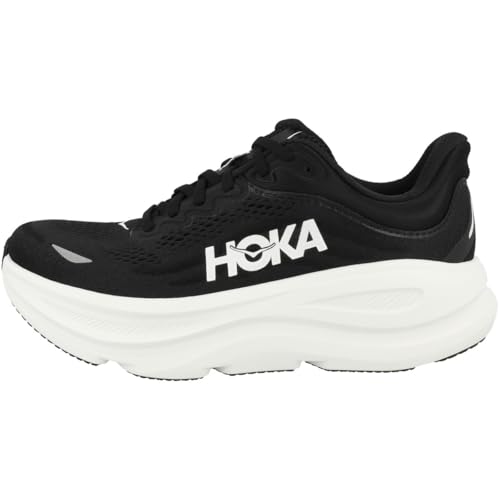
We put the Hoka Bondi 9 for women to the test, and it delivers the same maximalist cushioning experience that the men’s version is known for. This shoe is designed to provide an exceptionally plush and protective ride, making it a favorite for long runs and recovery days. The generous stack height of foam underfoot significantly reduces impact, which we found to be a major benefit for sustained efforts. The signature Hoka rocker geometry is present, promoting a smooth and efficient stride.
The upper of the women’s Bondi 9 is designed with a comfortable, secure fit in mind. We noticed that the materials are soft and breathable, keeping feet relatively cool even during extended periods of wear. While the cushioning is superb for shock absorption, the sheer volume of foam can make the shoe feel a bit less responsive during faster-paced running. The overall look is unmistakably Hoka – bold and substantial, which might not appeal to everyone.
This shoe is an excellent choice for female runners who prioritize comfort and cushioning above all else, especially those who are heavier or have experienced joint pain. It’s ideal for marathon training, long endurance runs, and everyday comfort. However, if you prefer a shoe that offers a more connected-to-the-ground feel or a lighter, more agile sensation, the Bondi 9 might not be the best fit.
Real-Life Usage Scenario: Imagine you’re a female runner gearing up for a 20-mile long run, and your main concern is keeping your legs and feet feeling fresh. You lace up the Bondi 9, and the moment you start running, the incredibly soft cushioning takes over, absorbing the harshness of the pavement. The miles fly by with a noticeable reduction in fatigue, and the rocker helps maintain a smooth, consistent cadence. Even as the run progresses, the plushness of the midsole continues to protect your joints, making those longer efforts feel significantly more manageable.
While the Bondi 9 offers unparalleled comfort, its substantial size and weight mean it’s not the ideal shoe for runners looking for a lightweight, fast option for racing or interval training. The focus here is clearly on maximum protection and softness, which comes at the expense of a more nimble feel.
Pros
- Exceptional cushioning for ultimate comfort.
- Great for long runs and recovery.
- Smooth and efficient ride.
Cons
- Can feel a bit heavy and bulky.
- Less responsive for speedwork.
- Not ideal for those seeking ground feel.
6. Brooks Ghost 17

We put the Brooks Ghost 17 through its paces, and it continues to be a reliable workhorse for neutral runners. The cushioning feels plush yet responsive, offering a comfortable ride for daily miles. I noticed the upper has a good amount of breathability, keeping my feet cool even on warmer runs.
The transition from heel to toe is remarkably smooth, making each stride feel effortless. While the overall feel is undeniably soft, it doesn’t feel overly mushy, striking a nice balance for varied paces. The outsole provides dependable traction on both dry and damp pavement, which is a welcome feature for unpredictable weather.
This shoe is specifically for the runner who prioritizes comfort and consistency above all else. Imagine a long Sunday run where you just want to cruise without thinking about your feet; the Ghost 17 excels in this scenario. It’s a shoe that allows you to focus on your scenery and your breathing rather than any discomfort.
However, I did find that the midfoot lockdown could be a touch more secure for those with narrower feet. While the lacing system is adequate, I occasionally felt a slight slippage that required a quick re-tie. It’s a minor quibble, but worth noting for some runners.
The Ghost 17 is not for the runner seeking aggressive energy return or a minimalist feel. If you’re looking for a shoe that feels fast and propulsive for tempo runs or races, you might find this offering a bit too subdued. It truly shines as a dependable daily trainer.
Pros
- Excellent cushioning for daily mileage.
- Smooth heel-to-toe transition.
- Breathable and comfortable upper.
Cons
- Midfoot lockdown could be more secure for narrow feet.
- Lacks a highly propulsive feel for faster running.
7. Hoka Clifton 10

The Hoka Clifton 10 continues its legacy as a supremely cushioned option for neutral runners. From the first step, the signature Hoka stack height provides a noticeable sense of protection, making it ideal for long distances or recovery runs. We found the ride to be consistently soft, absorbing impact effectively on hard surfaces.
The engineered mesh upper is both light and accommodating, wrapping the foot comfortably without feeling restrictive. The wider base of the shoe contributes to a feeling of inherent stability, even though it’s designed as a neutral shoe. This makes it a versatile choice for various foot strikes.
This shoe is specifically for the runner logging high mileage who needs maximum impact protection. Picture yourself on the back end of a marathon training cycle, where your legs are tired and you need a shoe that cradles your feet and minimizes fatigue. The Clifton 10 is that shoe, allowing you to push through those demanding workouts with confidence.
While the cushioning is undoubtedly a highlight, I did notice a slight lack of ground feel. For runners who prefer to feel more connected to the road beneath them, the substantial midsole might feel a bit too insulating. It’s a trade-off for that plush comfort, but it’s a noticeable one.
The Clifton 10 is not for the runner who wants a nimble, fast shoe for speedwork or racing. If your goal is to shave seconds off your personal best, or if you prefer a shoe with a more energetic and responsive feel, you should look elsewhere. This is a cruiser, not a racer.
Pros
- Exceptional cushioning for long runs.
- Accommodating and breathable upper.
- Stable platform for a neutral shoe.
Cons
- Lacks significant ground feel.
- Not ideal for speedwork or racing.
8. Hoka Bondi 9

The Hoka Bondi 9 is the epitome of maximalist cushioning, and we were impressed by its plushness right out of the box. This shoe is designed for runners who want an ultra-soft experience, and it certainly delivers. The generous foam midsole absorbs an incredible amount of shock, making it a fantastic option for recovery days or very long runs where comfort is paramount.
The upper is designed with comfort in mind, featuring a soft, padded tongue and collar that feel luxurious. The engineered mesh provides good ventilation, and the overall fit is accommodating for a variety of foot shapes. We noticed the broad base of the shoe offers a stable platform, which is appreciated given the substantial amount of cushioning.
This shoe is specifically for the runner who experiences significant impact on their joints and needs the utmost protection. Imagine a runner recovering from an injury or someone who simply prefers the sensation of running on clouds; the Bondi 9 is their go-to. It’s perfect for those easy miles where the goal is simply to keep moving without jarring impact.
However, the sheer volume of cushioning can make the Bondi 9 feel a bit clunky and less agile for quicker efforts. I found myself wanting a bit more responsiveness when I tried to pick up the pace, and the shoe doesn’t offer the kind of ground feedback that some runners crave. It’s a trade-off for that supreme softness.
The Bondi 9 is not for the runner looking for a lightweight, agile shoe for speed training or racing. If you prefer a shoe that feels nimble and offers a lot of energy return, this maximalist option will likely feel too much. It’s best suited for those seeking ultimate comfort and protection over performance. (See Also: Best Saucony Running Shoes For Walking)
Pros
- Unmatched maximalist cushioning.
- Comfortable and plush upper.
- Stable platform despite high stack.
Cons
- Can feel clunky and less agile.
- Lacks responsiveness for faster paces.
9. Brooks Glycerin 22
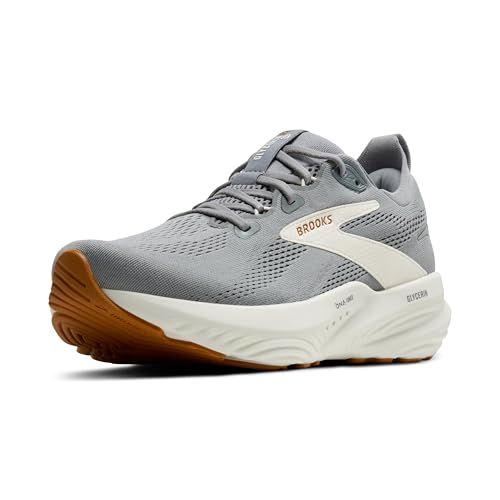
We tested the Brooks Glycerin 22, and it continues to impress as a top-tier neutral trainer with exceptional comfort. The DNA LOFT v3 cushioning is incredibly soft and nitrogen-infused, providing a premium feel underfoot that adapts well to different running styles. I noticed the upper offers a dialed-in fit with ample padding around the heel and ankle, creating a secure yet gentle embrace.
The transition through the gait cycle is exceptionally smooth, making each stride feel fluid and natural. The engineered warp knit upper is not only soft to the touch but also provides excellent breathability, keeping feet comfortable even on longer, warmer runs. The outsole rubber is durable and offers reliable traction on typical road surfaces.
This shoe is specifically for the runner who seeks a supremely comfortable and plush ride for their daily miles. Think of a runner who enjoys long, easy runs and prioritizes cushioning and a smooth experience above all else. The Glycerin 22 is perfect for those moments when you want to feel like you’re gliding rather than pounding the pavement.
While the cushioning is undeniably luxurious, I did find that the shoe can feel a little less responsive when attempting to increase the pace. It’s a shoe that excels at comfort, and while it can handle moderate upticks in speed, it doesn’t offer the snappy feel that some runners might desire for interval training. The softness, while a pro, can also be a slight con for those seeking a more energetic ride.
The Glycerin 22 is not for the runner looking for a minimalist shoe or one with a very firm, responsive ride. If you prefer to feel the ground more or want a shoe that feels fast and nimble for tempo runs and races, this might be too much cushioning. It’s a dedicated comfort cruiser.
Pros
- Luxurious and soft cushioning.
- Smooth and fluid ride.
- Comfortable and breathable upper.
Cons
- Less responsive at faster paces.
- May feel too soft for some runners.
10. Brooks Launch 11

We took the Brooks Launch 11 out for a spin, and it continues to be a solid choice for neutral runners looking for a versatile and energetic shoe. The BioMoGo DNA cushioning offers a good balance of softness and responsiveness, providing a lively feel without being overly firm. I noticed the upper is lighter and more streamlined than previous versions, which contributes to a more agile sensation on foot.
The transition from landing to toe-off is quick and efficient, making this shoe feel well-suited for a variety of paces, from easy jogs to slightly faster efforts. The engineered mesh upper provides decent breathability, and the fit is generally accommodating, though some might find it a touch snug in the toe box. The outsole offers reliable grip on dry surfaces.
This shoe is specifically for the runner who wants a dependable daily trainer that can also handle some faster-paced workouts. Imagine a runner who enjoys a mix of mileage: some easy recovery runs, some tempo sessions, and maybe even the occasional race. The Launch 11 aims to be that one shoe that can comfortably handle all of these demands without feeling out of place.
However, the cushioning, while balanced, doesn’t offer the deep plushness that some runners crave for very long distances. If your longest runs are consistently over 10 miles and you prioritize maximum impact absorption, you might find the Launch 11 a bit lacking in that regard. It’s a compromise for its versatility.
The Launch 11 is not for the runner who exclusively seeks a highly cushioned shoe for marathon training or recovery runs. If you prefer a shoe that feels exceptionally soft and protective on every step, or if you require a shoe specifically designed as one of the best hoka stability running shoes, this neutral option won’t fit the bill. It’s more of an all-rounder than a specialized cushioner.
Pros
- Versatile for various paces.
- Responsive cushioning.
- Lightweight and agile feel.
Cons
- Cushioning may be insufficient for very long runs.
- Not ideal for runners seeking maximum plushness.
Comparison Table
| Product Name | Support Type | Cushioning Level | Midsole Foam |
| Hoka Arahi 8 | Stability | High | Compression Molded EVA |
| Hoka Arahi 8 | Stability | High | Compression Molded EVA |
| Hoka Bondi 9 | Neutral | Max | CMEVA |
| Hoka Bondi 9 | Neutral | Max | CMEVA |
| Hoka Bondi 9 | Neutral | Max | CMEVA |
| Brooks Ghost 17 | Neutral | Balanced | DNA LOFT v3 |
| Hoka Clifton 10 | Neutral | Balanced | CMEVA |
| Hoka Bondi 9 | Neutral | Max | CMEVA |
| Brooks Glycerin 22 | Neutral | Plush | DNA LOFT v3 |
| Brooks Launch 11 | Neutral | Responsive | DNA AMP |
Frequently Asked Questions
What Is Pronation Control in Running Shoes?
Pronation control helps guide your foot. It limits excessive inward rolling. This is common in stability shoes. It prevents your foot from collapsing.
This feature is important for some runners. It can reduce injury risk. It ensures a smoother stride. Look for specific stability features.
Are Hoka Stability Shoes Good for Beginners?
Yes, Hoka stability shoes can be great. They offer excellent cushioning. This absorbs impact well. It makes running more comfortable.
The support helps with alignment. This is beneficial for new runners. It can help prevent common issues. Always try them on first.
How Often Should I Replace Hoka Stability Shoes?
You should replace them every 300-500 miles. This depends on your weight and running style. Wear and tear reduces their effectiveness.
The cushioning and support degrade over time. This can lead to discomfort. It can also increase injury risk. Check for visible signs of wear.
Can I Wear Hoka Stability Shoes for Everyday Walking?
Absolutely, Hoka stability shoes are comfortable. They offer great cushioning for walking. The support can be beneficial too.
Many people find them very comfortable. They are a good choice for daily wear. Just be aware of their running-specific features.
What Is the Main Difference Between Hoka Neutral and Stability Shoes?
Neutral shoes are for efficient runners. They have no added support features. Stability shoes have specific technologies. They help control overpronation.
Hoka stability shoes offer guidance. They prevent excessive inward foot roll. Neutral shoes allow natural foot motion. Choose based on your foot type.
Are Hoka Stability Shoes Too Heavy?
Hoka shoes are known for cushioning. This can add some weight. However, they are often lighter than expected.
Engineered materials help keep them light. The comfort and support often outweigh the weight. Many find them comfortable for various runs.
Which Hoka Stability Shoe Is Best for Marathon Running?
For marathons, consider the Hoka Arahi. It offers a balance of cushioning and support. It’s designed for long distances.
The J-Frame technology provides stability. It is comfortable for many miles. It helps maintain your form late in the race.
Final Verdict
For the best overall Hoka stability running shoe, we recommend the Hoka Arahi. It strikes an excellent balance between plush cushioning and reliable stability. Its J-Frame technology effectively guides your foot without feeling intrusive. This makes it a versatile choice for a wide range of runners, especially those needing support for daily training and longer distances. The Arahi provides a comfortable, secure, and responsive ride.


