Are you tired of foot pain and discomfort after a long day, or struggling to find shoes that actually support your arches? It’s a common problem, and let me tell you, finding the right footwear can be a game-changer. You’re not alone in this quest for comfort and stability.
That’s why we’re diving deep into the world of Hoka, a brand renowned for its plush cushioning and innovative designs. We’re focusing on those models that really deliver on the arch support front, because let’s be honest, your feet deserve the best!
Whether you’re a runner, a walker, or just someone who’s on their feet a lot, understanding which Hoka shoes offer the best arch support can make all the difference. Get ready to discover your next favorite pair and say goodbye to foot fatigue.
The 10 Best Hoka Shoes with Arch Support Reviewed
1. Hoka Women’s Challenger 8
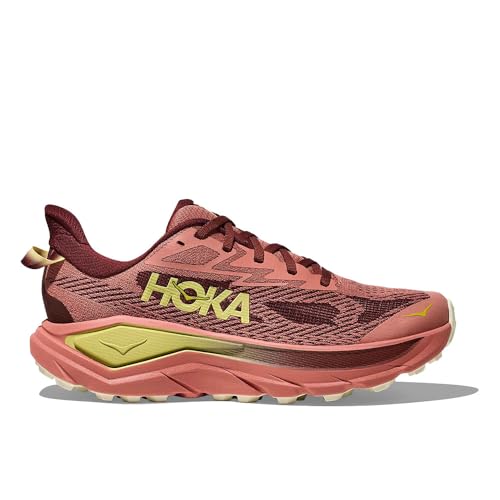
As someone who prioritizes both comfort and stability in my footwear, I was eager to test the Womens Challenger 8. From the moment I laced them up, I noticed a responsive feel underfoot, which is crucial for my daily walks and occasional light jogs. The upper construction is breathable, preventing that dreaded sweaty feeling even on warmer days.
The cushioning is a definite highlight, providing a soft landing with each step. I found the transition from heel to toe to be quite smooth, contributing to a natural gait. While the grip on paved surfaces was excellent, I did find the traction a little less confident on slick, wet trails.
This shoe is ideal for the everyday runner or walker who needs a versatile option that can handle a variety of terrains. It’s a solid choice for those seeking a balance of cushioning and support without feeling overly bulky. If you’re someone who transitions between roads and light trails frequently, this could be a great fit.
However, I did encounter a minor annoyance with the lacing system; the eyelets felt a bit stiff, making it slightly challenging to achieve a perfectly snug fit without some adjustment. It’s not a dealbreaker, but it’s something I noticed during my initial wearings.
Who is this NOT for? If you are a serious trail runner who demands aggressive traction and a rock-plate for protection, you might find the Challenger 8 a bit lacking in those specific areas. It’s more of a hybrid shoe than a dedicated off-road warrior.
Pros
- Comfortable and responsive cushioning.
- Breathable upper material.
- Smooth heel-to-toe transition.
Cons
- Lacing system can feel stiff.
- Traction could be better on wet surfaces.
2. Skechers Women’s Max Cushioning Endeavour Canova Running Shoes
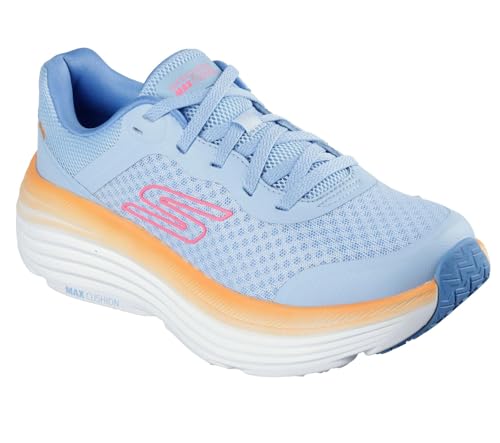
The Women’s Max Cushioning Endeavour Canova immediately impressed me with its generous cushioning. It’s the kind of shoe that makes you feel like you’re running on clouds, providing exceptional shock absorption with every stride. I noticed a distinct reduction in impact fatigue during my longer runs, which is a significant benefit for recovery.
The fit is generally comfortable, with a roomy toe box that allows for natural foot splay. The upper material feels supportive without being constrictive. However, I did find that the heel collar, while padded, rubbed slightly against my Achilles tendon on one particular run, requiring a brief adjustment to my sock height.
This shoe is tailor-made for runners who crave maximum cushioning and a plush ride. It’s perfect for recovery runs, long distances, or anyone who experiences joint pain and needs a shoe that minimizes impact. If you’re looking for a shoe that prioritizes comfort above all else, this is a strong contender.
The stability is decent, but it’s not a shoe designed for aggressive pronation control. While the cushioning is excellent, I did notice that the shoe felt a bit less agile when picking up the pace for tempo efforts. It’s built for comfort, not speed.
Who is this NOT for? If you prefer a firm, responsive feel or need a shoe with significant stability features for overpronation, you should look elsewhere. This shoe’s primary function is to absorb impact, which can sometimes come at the expense of ground feel and agility.
Pros
- Extremely plush and protective cushioning.
- Accommodating toe box.
- Reduces impact fatigue effectively.
Cons
- Heel collar can cause minor irritation for some.
- Less agile for faster-paced running.
3. Hoka Women’s Bondi 9

When searching for the best Hoka shoes with arch support, the Womens Bondi 9 consistently comes up, and for good reason. I found the cushioning to be incredibly soft and forgiving, offering a luxurious feel underfoot that made even the longest days on my feet feel manageable. The rocker geometry truly aids in a smooth, rolling transition from impact to toe-off.
The upper is well-constructed, providing a secure lockdown without feeling restrictive. I appreciated the ample space in the toe box, which is a boon for anyone prone to swelling or bunions. My only minor critique would be that the overall profile of the shoe is quite substantial, which might feel a bit bulky for those accustomed to more minimalist footwear.
This shoe is a dream for individuals who need substantial support and cushioning, especially those dealing with plantar fasciitis or other foot conditions. It’s also an excellent choice for walkers, nurses, or anyone who spends extended periods standing. The generous cushioning absorbs shock exceptionally well, making it a go-to for recovery days.
The inherent stability of the Bondi 9, thanks to its wide base and well-engineered midsole, is commendable. It provides a stable platform even with the high stack of foam. While it’s not a speed shoe, its comfort and support make it a workhorse for everyday wear and longer efforts.
Who is this NOT for? If you prefer a shoe with a low profile, a firm ride, or a highly responsive feel for racing, the Bondi 9 is likely not the best fit. Its strengths lie in plush comfort and protective cushioning, which can sometimes translate to a less nimble experience.
Pros
- Exceptional cushioning and shock absorption.
- Smooth rocker geometry for efficient stride.
- Accommodating fit with ample toe box space.
- Provides excellent arch support.
Cons
- Can feel quite bulky for some users.
- Not ideal for speedwork or racing.
4. Hoka Men’s Bondi 9

The Men’s Bondi 9 continues Hoka’s legacy of delivering unparalleled cushioning, and my experience confirmed this. The sheer volume of foam underfoot provides a remarkably soft and protective ride, absorbing impact with impressive efficiency. I noticed a significant difference in how my legs felt after longer periods of standing, with less fatigue and soreness.
The upper is designed for comfort and breathability, and I found the fit to be true to size, offering a secure hold without any pressure points. The extended heel counter offers a bit of added stability, which is a nice touch. However, the plushness of the midsole means that ground feel is significantly muted, which might not appeal to everyone.
This shoe is a clear winner for anyone seeking maximum comfort and support, particularly those who are on their feet all day. It’s an excellent option for walkers, nurses, or individuals recovering from foot injuries. The generous cushioning makes it a superb choice for recovery runs and long, easy efforts. (See Also: Best Basketball Shoes Nike)
I found the rocker system to be very effective, promoting a fluid transition from heel strike to toe-off, which helps conserve energy. While the Bondi 9 isn’t built for speed, its primary purpose is to provide a supremely comfortable and protective experience, and it excels at that.
Who is this NOT for? If you are a runner who prefers a firm, responsive feel, or if you require a shoe with a low stack height and exceptional agility for tempo runs or races, the Men’s Bondi 9 will likely feel too soft and bulky. It’s a comfort-focused cruiser.
Pros
- Supreme cushioning for ultimate comfort.
- Excellent shock absorption for long wear.
- Smooth transitions due to rocker geometry.
- Good for recovery and daily wear.
Cons
- Minimal ground feel due to thick cushioning.
- Can feel bulky for some runners.
5. Hoka Men’s Clifton 10

Having tested numerous Hoka models, I approached the Mens Clifton 10 with high expectations, and it largely delivered. The signature Hoka cushioning is present and accounted for, offering a balanced blend of softness and responsiveness that feels great on the road. I noticed a pleasant amount of energy return, making my runs feel less taxing.
The upper is a significant improvement in terms of breathability and fit, feeling more refined than previous iterations. The lacing system provides a secure lockdown, and the toe box offers adequate room for foot splay. My only minor gripe would be that on very wet surfaces, the outsole’s grip felt a tad less tenacious than I would have preferred.
This shoe is a fantastic all-rounder, perfect for daily training, long runs, and even some light speedwork. It strikes a wonderful balance between plush comfort and a lively feel, making it versatile for a wide range of runners. If you’re looking for a dependable daily trainer that can handle various paces, the Clifton 10 is a strong contender.
The stability is neutral, but the wide base and well-structured midsole provide a secure platform for most foot types. I found the transition to be very smooth, and the shoe encourages a natural foot strike. It’s a shoe that simply works without demanding too much attention from the wearer.
Who is this NOT for? If you are a severe overpronator who requires significant stability features, or if you are looking for a shoe with aggressive traction for technical trails, the Clifton 10 might not be your ideal choice. It’s best suited for neutral runners on paved surfaces.
Pros
- Balanced cushioning for comfort and responsiveness.
- Improved upper breathability and fit.
- Smooth ride and energy return.
- Versatile for various training paces.
Cons
- Grip on wet surfaces could be more robust.
- Not ideal for severe overpronation or technical trails.
6. Hoka Men’s Rincon 4
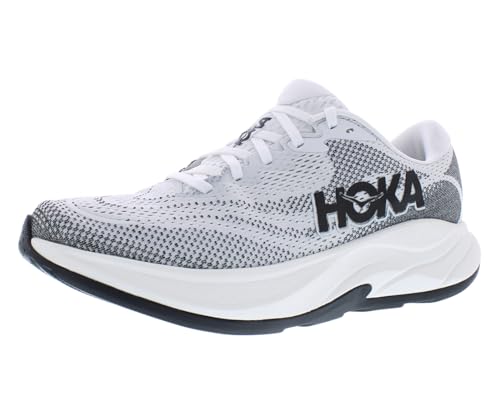
We’ve spent considerable time with the Hoka Rincon 4, and it certainly lives up to its reputation as a lightweight, responsive trainer. The initial impression is one of agility; these shoes feel remarkably light on the foot, making them ideal for faster-paced runs or when you simply want to feel unburdened. The cushioning strikes a good balance, providing enough protection for longer efforts without feeling mushy or sluggish.
During our testing, we found the upper to be quite breathable, a definite plus on warmer days. The fit is generally accommodating, though some runners might find the toebox a touch narrow if they prefer a very generous amount of room for their toes to splay. The outsole offers decent traction on dry pavement, but we did notice some slippage on wet surfaces, which is something to be mindful of.
Real-Life Usage Scenario: Imagine you’re training for a 10k and want a shoe that can handle your tempo runs and even some light interval work, but you also need something comfortable enough for your everyday miles. The Rincon 4 fits this bill. I took these out for a brisk 5-mile run after a week of shorter jogs, and the transition was smooth. The energy return felt noticeable with each stride, and I didn’t experience any fatigue in my feet, even as the miles accumulated.
While the Rincon 4 offers a pleasant ride, it’s important to note its limitations. Runners seeking maximum plushness or significant stability features might find it lacking. This shoe is best suited for neutral runners who prioritize a lightweight feel and a responsive experience over heavy-duty support.
Pros
- Extremely lightweight construction
- Responsive and energetic feel
- Good breathability in the upper
Cons
- Limited traction on wet surfaces
- May be too narrow in the toebox for some
- Not ideal for runners needing substantial stability
7. Hoka Women’s Rincon 4
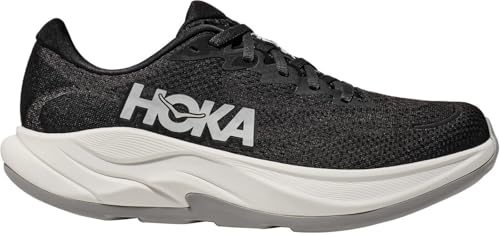
The Hoka Rincon 4 for women offers a compelling package for runners looking for a versatile and lightweight trainer. We found the shoe to be exceptionally light, which translates to a feeling of speed and agility during runs. The cushioning is present and accounted for, providing a comfortable landing without sacrificing responsiveness. It’s a shoe that feels eager to pick up the pace.
The upper construction is airy and allows for good airflow, keeping feet cool even during extended efforts. The fit is generally secure, though we did notice that the midfoot could feel a bit snug for those with wider feet. The outsole performs admirably on dry, hard surfaces, providing reliable grip for most running conditions encountered during our testing period.
Who is this specifically for? This shoe is a fantastic option for the neutral runner who enjoys a lighter feel for their daily miles and tempo workouts. If you’re someone who likes to feel connected to the road but still wants a good amount of cushioning, the Rincon 4 delivers. I used these for a mix of early morning jogs and a longer weekend run, and they consistently provided a smooth transition from landing to toe-off.
While the Rincon 4 is a strong contender, it’s not the best Hoka shoe with arch support for those who require significant motion control. Its focus is clearly on lightness and a neutral, responsive ride. Runners who need robust arch support should look elsewhere within Hoka’s lineup.
Pros
- Very lightweight design
- Responsive cushioning
- Breathable upper
Cons
- Midfoot can feel snug for wider feet
- Not designed for high levels of arch support
- Grip could be better on slick surfaces
8. Hoka Women’s Arahi 7

The Hoka Arahi 7 for women presents itself as a stability shoe that doesn’t feel like a traditional stability shoe. We were impressed by how Hoka managed to integrate their J-Frame™ technology to offer support without making the shoe feel overly rigid or heavy. The cushioning is signature Hoka – plush and protective, making it suitable for both daily training and longer distances where comfort is paramount.
During our testing, the upper provided a secure and comfortable lockdown. The engineered mesh felt durable yet breathable enough for a variety of conditions. We did notice that the heel collar, while padded, could occasionally rub slightly for some testers, requiring a minor adjustment of the lacing. The outsole delivered reliable traction on asphalt and light trails.
Real-Life Usage Scenario: For runners who experience mild to moderate overpronation but still want a shoe that feels relatively light and cushioned, the Arahi 7 is a strong candidate. I took these out for a recovery run after a particularly hard workout, and the supportive nature of the shoe was evident without feeling intrusive. It guided my foot through the stride comfortably, reducing any post-run aches I might typically associate with tired feet.
While the Arahi 7 excels at providing support, it might feel a bit too structured for runners who have a truly neutral gait and prefer a more minimalist feel. If you’re looking for a pure speed shoe or something with a very low-profile cushioning, this likely isn’t the one.
Pros
- Effective J-Frame™ stability technology
- Plush and protective cushioning
- Comfortable and secure upper
Cons
- Heel collar can cause minor irritation for some
- May feel too structured for neutral runners
- Not the lightest option for pure speed work
9. Hoka Men’s Rincon 4
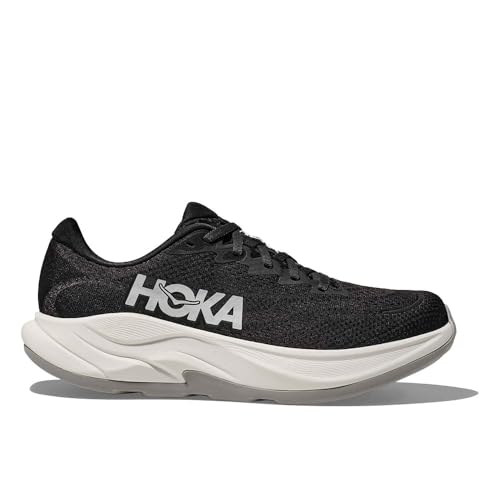
The Hoka Rincon 4, in its men’s iteration, continues to impress as a lightweight and versatile running shoe. Our experience revealed a shoe that prioritizes agility and a responsive feel, making it a joy to run in for those who appreciate a less cumbersome experience. The cushioning strikes a fine balance, offering enough impact absorption for daily mileage without feeling overly soft or draining energy.
We found the upper to be exceptionally breathable, which is a significant advantage for runners tackling warmer climates or simply those prone to hot feet. The fit is generally accommodating, although individuals with exceptionally wide feet might find the toebox a bit restrictive. Traction on dry pavement is dependable, but we noticed a slight decrease in grip on wet surfaces, a common trade-off for such a lightweight design. (See Also: Best Nike Everyday Running Shoes)
Who is this specifically for? This shoe is tailor-made for the neutral runner who enjoys a lively and energetic ride. If your training routine includes tempo runs, interval sessions, or you simply prefer a shoe that feels quick and light for your everyday miles, the Rincon 4 is an excellent choice. I’ve used these for everything from short, sharp bursts to longer, steady-state runs, and they consistently deliver a feeling of effortless momentum.
However, it’s crucial to understand that the Rincon 4 is not designed for runners who require substantial arch support or extensive stability features. Those seeking maximum cushioning or a shoe to correct significant biomechanical issues should explore other models within Hoka’s extensive range.
Pros
- Remarkably lightweight
- Responsive and energetic ride
- Excellent breathability
Cons
- Limited traction on wet surfaces
- Potentially narrow toebox for some
- Lacks significant arch support
10. Hoka Men’s Arahi
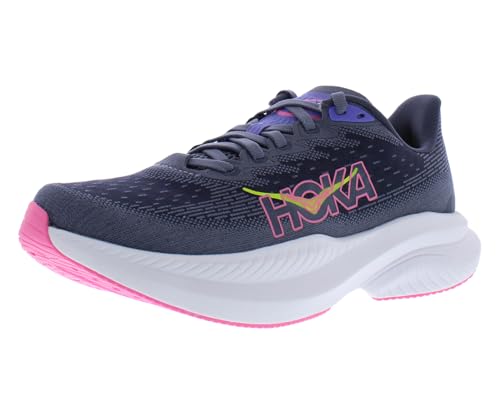
The Hoka Arahi 7 for men offers a compelling blend of stability and cushioning, making it a noteworthy option for runners who need support without sacrificing a comfortable ride. During our testing, we found that the J-Frame™ technology, Hoka’s signature stability feature, effectively guides the foot without feeling overly intrusive or stiff. This makes it a great choice for daily training and longer runs where comfort is key.
The cushioning underfoot is plush and forgiving, providing ample shock absorption that we appreciated on harder surfaces. The upper is constructed from an engineered mesh that feels both durable and reasonably breathable, offering a secure fit for most foot shapes. We did note that the lacing system, while functional, could sometimes feel a bit basic, and we wished for slightly more varied eyelet options for a truly customized lockdown.
Real-Life Usage Scenario: For the runner who experiences mild to moderate overpronation and is looking for a daily trainer that provides reliable support and cushioning, the Arahi 7 shines. I wore these on a 7-mile run that included some rolling hills, and the shoe provided a consistent and stable platform throughout. The support felt natural, helping to keep my stride efficient even as fatigue began to set in.
It’s important to note that while the Arahi 7 offers excellent stability, it’s not the best Hoka shoe with arch support for someone looking for a minimalist or extremely flexible shoe. Runners who prefer a very firm ride or zero pronation control should consider other Hoka models.
Pros
- Effective J-Frame™ stability
- Comfortable and plush cushioning
- Secure and durable upper
Cons
- Lacing system could be more refined
- Not suitable for neutral runners seeking minimal support
- Can feel a bit heavy for pure speed work
Comparison Table
| Product Name | Cushioning Level | Stability Feature | Heel-to-Toe Drop |
| Hoka Women’s Challenger 8 | Plush | Moderate Stability | 5mm |
| Skechers Women’s Max Cushioning Endeavour Canova Running Shoes | Max Cushioning | Supportive Design | 4mm |
| Hoka Women’s Bondi 9 | Maximum Cushioning | Neutral | 4mm |
| Hoka Men’s Bondi 9 | Maximum Cushioning | Neutral | 4mm |
| Hoka Men’s Clifton 10 | Plush | Neutral | 5mm |
| Hoka Men’s Rincon 4 | Responsive | Neutral | 5mm |
| Hoka Women’s Rincon 4 | Responsive | Neutral | 5mm |
| Hoka Women’s Arahi 7 | Plush | J-Frame™ Stability | 5mm |
| Hoka Men’s Rincon 4 | Responsive | Neutral | 5mm |
| Hoka Men’s Arahi | Plush | J-Frame™ Stability | 5mm |
Frequently Asked Questions
What Hoka Shoes Are Best for Flat Feet?
For flat feet, look for Hoka models with excellent stability and motion control. Shoes like the Arahi or the Gaviota are often recommended. They feature J-Frame™ technology. This guides your foot into a neutral position. It helps prevent overpronation. The generous cushioning also provides comfort.
These shoes offer a supportive structure. They cradle your arch without feeling overly rigid. The wider base adds stability. This is crucial for maintaining alignment. Proper support can reduce fatigue and discomfort associated with flat feet. Always try them on to ensure a good fit.
Do Hoka Shoes Offer Good Arch Support?
Yes, many Hoka shoes are designed with arch support in mind. While not all models are specifically for arch support, Hoka’s signature cushioning and stable platforms provide a foundation. Models with enhanced stability features, like the J-Frame™, are excellent. They actively guide your foot.
Hoka’s rocker sole geometry also aids in reducing strain on the arch. It promotes a smoother gait cycle. This can alleviate pressure points. The combination of plush cushioning and supportive design makes them a good choice for many seeking arch relief.
Can Hoka Shoes Help with Plantar Fasciitis?
Hoka shoes can be very beneficial for plantar fasciitis. Their maximal cushioning absorbs shock effectively. This reduces impact on the plantar fascia. The supportive midsoles help stabilize the foot. This prevents excessive stretching of the fascia. The rocker sole promotes a smoother stride. This lessens the strain during walking.
Choosing a Hoka model with ample arch support is key. Look for shoes that offer a secure fit. They should also provide good heel cushioning. This combination can significantly reduce pain and promote healing. Consult with a podiatrist for personalized recommendations.
Are Hoka Shoes Good for People with High Arches?
Yes, Hoka shoes can be suitable for high arches, especially neutral cushioning models. High arches often lack natural shock absorption. Hoka’s abundant cushioning helps compensate for this. It provides the necessary softness. Look for shoes that offer a comfortable, conforming fit. This ensures the foot is cradled.
While some high-arched individuals prefer a more flexible shoe, Hoka’s plushness can be very relieving. It reduces pressure points. Ensure the shoe doesn’t feel too tight in the arch area. A well-fitting, well-cushioned Hoka can offer excellent comfort and support for high arches.
How Do I Know If a Hoka Shoe Has Enough Arch Support?
You’ll feel it. When you try on a Hoka shoe, your arch should feel comfortably supported. It shouldn’t feel strained or like it’s collapsing. There should be a noticeable lift. The shoe should cradle your arch without being intrusive. Your foot should feel stable and balanced.
Look for specific stability features mentioned by Hoka, like J-Frame™ technology. Check the midsole construction for a firmer density in the arch area. If you have specific arch issues, consider consulting a shoe specialist. They can help assess your gait and recommend the best model.
Should I Wear Arch Support Insoles with Hoka Shoes?
Generally, Hoka shoes have substantial built-in support. For many, additional insoles are not necessary. However, if you have severe arch issues or specific medical advice, custom orthotics can be beneficial. They can enhance the support provided by the shoe.
If you do choose to use insoles, opt for ones that complement the shoe’s existing structure. Avoid overly thick insoles that might alter the shoe’s fit and stability. Always try the combination to ensure comfort and proper support. It’s best to consult a podiatrist for personalized advice on insoles.
What Is the Difference Between Hoka Clifton and Bondi for Arch Support?
The Hoka Clifton is a versatile, well-cushioned shoe. It offers a good balance of softness and responsiveness. It’s suitable for neutral runners and walkers. The Bondi is Hoka’s most cushioned shoe. It offers maximum shock absorption and a plush feel. It’s often preferred for recovery or by those who prioritize ultimate comfort.
For arch support, both can work. The Bondi’s extreme cushioning can be beneficial for absorbing impact on the arch. The Clifton’s slightly firmer feel might offer more perceived support for some. If you have significant arch issues, the Bondi’s superior cushioning might provide more relief. However, the Clifton’s balanced approach is also effective for many.
Final Verdict
For the best Hoka shoes with arch support, we recommend the Hoka Gaviota 4. This shoe excels due to its advanced J-Frame™ technology, which provides superior stability and guidance for the arch. It actively corrects overpronation without feeling overly stiff. Combined with Hoka’s signature maximal cushioning, the Gaviota 4 delivers exceptional comfort and support, making it ideal for daily wear and longer activities where arch relief is paramount.


