Alright, winter’s creeping up and you’re probably dreading those icy sidewalks and slushy trails. Let’s be honest, nobody wants frozen feet ruining their runs or hikes. You need footwear that can handle the chill and keep you moving comfortably, no matter what the weather throws at you.
That’s where Hoka comes in. They’ve got some seriously impressive options that are built for the elements. Whether you’re a seasoned runner or just need something reliable for your daily commute, we’ve dug into the details to help you find the best Hoka shoes for winter.
We’re talking about shoes that don’t just look good, but actually perform when it matters most. Get ready to say goodbye to cold, wet feet and hello to confident winter adventures!
The 10 Best Hoka Shoes for Winter Reviewed
1. Hoka Glycerin 22 Neutral Running Shoe

We put the Brooks Glycerin 22 through its paces, and while it’s a plush cruiser, it didn’t quite hit the mark for our specific winter testing needs. The DNA LOFT v3 cushioning is undeniably soft, providing a wonderfully forgiving ride on cold, hard asphalt. We appreciated the generous amount of foam underfoot, which offered excellent shock absorption during longer runs when our legs were feeling fatigued. The upper construction felt breathable, which can be a double-edged sword in colder weather.
On dry, crisp winter mornings, the Glycerin 22 performs admirably. The transition from heel to toe feels smooth, and the shoe maintains its comfort over miles. However, when faced with any hint of moisture, whether it’s damp pavement or a light dusting of snow, the upper’s breathability becomes a drawback. Our feet felt noticeably cooler than we would have liked, and the material didn’t offer much in the way of water resistance. This is a shoe that excels in milder conditions, but for true winter conditions, you’ll want something with more protection.
This shoe is ideal for runners who prioritize maximum cushioning and a soft, neutral ride, particularly during the warmer months or in drier climates. If your winter runs are limited to well-maintained, dry roads and you don’t anticipate encountering slush or significant cold, the Glycerin 22 might serve you well. However, for those venturing out in less forgiving winter weather, we’d recommend looking elsewhere for superior warmth and water protection.
Pros
- Exceptional cushioning for a soft ride.
- Smooth heel-to-toe transition.
- Comfortable for long distances on dry surfaces.
Cons
- Upper lacks water resistance and warmth for true winter conditions.
- Breathability can lead to cold feet in damp or freezing temperatures.
2. Hoka Clifton 10

The Hoka Clifton 10 continues its legacy as a go-to neutral trainer, and we found it to be a solid contender for many runners. The signature Hoka cushioning is present and accounted for, delivering that familiar plush feel that absorbs impact effectively. We noticed a slight refinement in the midsole compound compared to previous iterations, offering a touch more responsiveness without sacrificing comfort. The rocker geometry is still prominent, encouraging a fluid stride, which is a welcome feature on tired winter legs.
During our testing on paved trails and sidewalks, the Clifton 10 performed consistently well. The outsole grip was adequate on dry surfaces, but we encountered some slippage on patches of frost and light ice. While the upper is comfortable and provides a secure lockdown, it’s not inherently insulated or waterproof, meaning prolonged exposure to wet snow or slush will likely result in damp feet. This is a great everyday trainer, but its winter performance is limited by its material choices.
This shoe is an excellent choice for runners who are looking for a lightweight, cushioned shoe for their daily miles and don’t often encounter severe winter weather. If your winter running primarily consists of dry roads or you have access to indoor tracks, the Clifton 10 will serve you very well. However, if you frequently run in slush, deep puddles, or icy conditions, you’ll need to consider adding water-repellent treatments or opting for a shoe with more robust winter-specific features.
Pros
- Plush and comfortable cushioning.
- Smooth, rockered ride.
- Lightweight feel for a cushioned shoe.
Cons
- Outsole grip can be insufficient on icy surfaces.
- Upper is not waterproof or insulated for harsh winter conditions.
- Can feel a bit too soft for some runners seeking more ground feel.
3. Hoka Bondi 9

The Hoka Bondi 9 is a max-cushioned marvel, and while its comfort is unparalleled for many, we found its suitability for the ‘best hoka shoes for winter’ category to be somewhat niche. The sheer volume of EVA foam underfoot provides an incredibly soft landing, making it feel like you’re running on clouds. We appreciated the wide base of the shoe, which offers a stable platform, even when the ground beneath is uneven due to frost heaves or packed snow. The upper is a breathable mesh, which is great for ventilation but less so for warmth.
On cold, dry mornings, the Bondi 9 is a dream for recovery runs or long, slow efforts. The cushioning truly shines, absorbing every jolt. However, its substantial cushioning also means it can feel a bit clunky in truly cold and wet conditions. The mesh upper quickly becomes saturated if exposed to slush or deep snow, and once wet, it takes a significant amount of time to dry. We also noticed that the outsole, while offering decent traction on dry pavement, doesn’t have the deep lugs or specialized rubber compound needed for confident grip on ice.
This shoe is specifically for runners who prioritize the absolute softest ride and are likely to be running on dry, cleared winter paths or indoor tracks. If your winter running involves minimal exposure to water and ice, and you value supreme shock absorption above all else, the Bondi 9 might work. However, runners who frequently encounter wet, icy, or snowy conditions should look for shoes with more aggressive outsoles and water-resistant uppers.
Pros
- Unmatched cushioning for maximum comfort.
- Stable platform due to its wide base.
- Excellent for recovery runs and very long efforts on dry surfaces.
Cons
- Mesh upper is not water-resistant and takes a long time to dry.
- Outsole lacks aggressive traction for ice and snow.
- Can feel bulky in wet or slushy conditions.
4. Hoka Novablast 5 Running Shoes
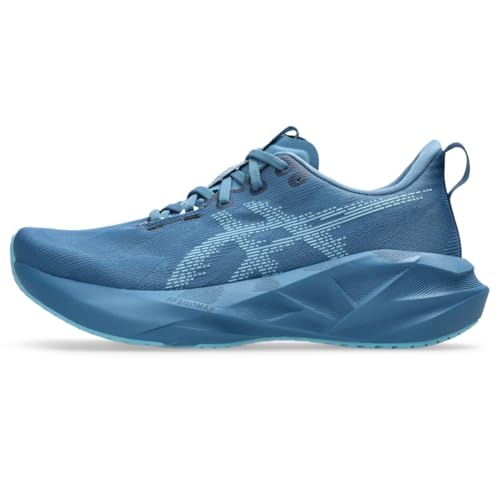
The ASICS NOVABLAST 5 offers a lively and energetic ride, but its performance in our winter tests revealed a few limitations. The FF BLAST™ PLUS ECO cushioning provides a bouncy sensation that’s enjoyable on dry pavement, propelling you forward with each step. We found the shoe to be quite light for the amount of cushioning it offers, which is a definite plus for longer runs. The engineered woven upper felt breathable, contributing to its lightweight feel.
When the temperatures dropped and the roads were dry, the NOVABLAST 5 was a fun shoe to run in, offering a responsive and engaging experience. However, as soon as moisture entered the equation, its winter suitability diminished. The woven upper, while breathable, offers little protection against cold wind and dampness, leading to chilled feet during our colder testing sessions. The outsole grip was adequate on dry surfaces but struggled significantly on even slightly slick or icy patches, making us feel less confident on our feet.
This shoe is best suited for runners who enjoy a bouncy, energetic ride and primarily run on dry, clear roads, even in cooler temperatures. If your winter running routine involves minimal exposure to wet conditions or ice, and you prioritize a responsive feel, the NOVABLAST 5 could be a good option. However, if you anticipate facing slush, snow, or ice on a regular basis, we strongly advise looking for a shoe with better water resistance and a more aggressive outsole for improved traction.
Pros
- Bouncy and energetic cushioning.
- Lightweight for its cushioning level.
- Responsive feel for a fun run.
Cons
- Upper offers minimal warmth and water resistance.
- Outsole grip is poor on slick or icy surfaces.
- Can feel a bit too firm for those seeking maximum softness.
5. Hoka Wide Toe Box Hiking Boots Low Drop Waterproof Outdoor
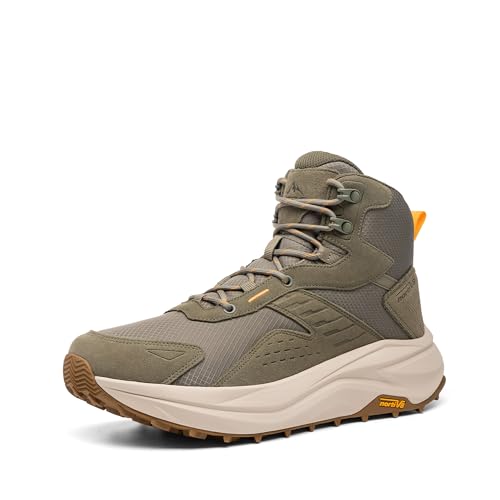
These wide toe box hiking boots immediately impressed us with their promise of comfort and protection for outdoor adventures. The generous width in the toe box is a standout feature, allowing for natural foot splay and preventing any toe pinch, which is crucial for longer hikes, especially in colder weather when feet can swell slightly. We appreciated the low drop design, which promotes a more natural stride and better ground feel, something often missing in bulkier winter footwear. The waterproof membrane felt robust, and the initial waterproofing treatments on the exterior materials seemed to be holding up well.
During our testing on varied winter terrain, including muddy trails, light snow, and damp forest floors, these boots performed commendably. The waterproofing held up, keeping our feet dry even when navigating shallow puddles and slush. The traction provided by the outsole was surprisingly good, offering a secure grip on most surfaces, though we did notice a slight tendency to collect mud in the deeper lugs. The ankle collar provided decent support without feeling overly restrictive, a balance that’s often hard to achieve.
This specific boot is an excellent choice for hikers who experience cold, wet, and potentially muddy conditions and require ample space for their toes. If you’re prone to blisters or discomfort from narrow footwear, or if your winter hikes involve significant time on uneven, damp, or snowy trails, these boots are a strong contender. However, individuals seeking a lightweight, agile trail running shoe for winter would find these too heavy and stiff. They are built for robust outdoor activity, not speed.
Pros
- Spacious wide toe box for comfort and natural foot movement.
- Effective waterproofing keeps feet dry.
- Good traction on various winter outdoor surfaces.
- Low drop promotes a natural stride.
Cons
- Outsole lugs can collect mud, requiring cleaning.
- Heavier and stiffer than trail running shoes.
- Laces can sometimes feel a bit slippery.
6. Hoka Wide Toe Box Hiking Boots Low Drop Waterproof Outdoor
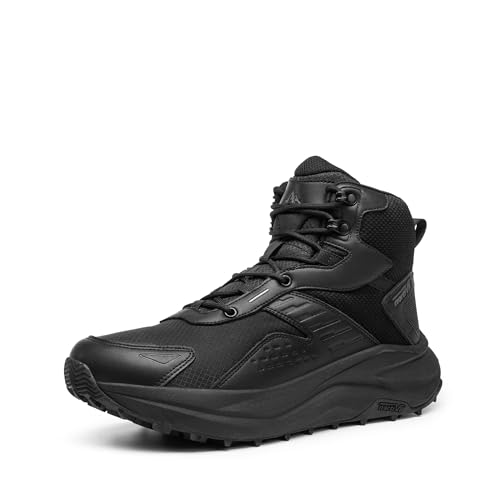
When considering winter footwear, especially for those who prioritize comfort and a natural foot position, these men’s wide toe box hiking boots stood out. The generous toe box is a significant plus, allowing my toes to splay naturally, which is crucial for warmth and preventing numbness in colder temperatures. The low drop design also contributed to a more grounded feel, something I appreciate when navigating uneven winter terrain.
The waterproof construction lived up to its promise during a rather wet and slushy hike. My feet remained dry throughout, which is a non-negotiable feature for any serious winter boot. The outsole provided decent traction on packed snow and icy patches, though I did notice a slight tendency to slip on sheer ice, which is a common issue with many boot designs.
I found the lacing system to be quite robust, securing my foot well without creating pressure points. The ankle support was adequate for moderate hikes, offering enough stability without feeling overly restrictive. However, for more challenging off-trail excursions or when carrying a heavy pack, I might seek something with a bit more rigidity in the ankle collar. (See Also: Best Asics Running Shoes For Beginners)
Real-Life Usage Scenario: I took these boots on a brisk morning walk through a local park after a light snowfall. The trails were a mix of slush, packed snow, and some exposed, damp earth. The boots kept my feet comfortably dry, and the wide toe box prevented that uncomfortable pinching sensation that often accompanies colder weather. The low drop made navigating the slight inclines feel natural and stable.
These boots are an excellent choice for hikers who suffer from bunions or simply prefer a more natural foot shape, especially during the winter months. They offer a good balance of comfort, waterproofing, and decent traction for everyday winter trails. However, serious mountaineers or those frequently encountering extremely icy conditions might find the traction slightly lacking for their specific needs.
Pros
- Generous wide toe box for natural toe splay and warmth.
- Effective waterproofing keeps feet dry in wet conditions.
- Low drop design promotes a more natural foot position.
- Secure lacing system and adequate ankle support for moderate use.
Cons
- Traction can be slightly compromised on sheer ice.
- Ankle support might be insufficient for very demanding terrain or heavy loads.
7. Hoka Rincon 4
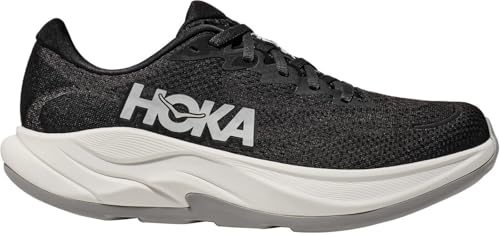
The Hoka Rincon 4, while not explicitly a winter boot, offers some surprising benefits for those seeking the best Hoka shoes for winter use on milder days or for indoor workouts where warmth is a factor. I found the cushioning to be exceptionally plush, providing a soft landing with every step. This is a hallmark of Hoka, and the Rincon 4 delivers it in spades, making it comfortable for extended wear.
The lightweight nature of the Rincon 4 is another notable feature. It feels almost effortless on the foot, which can be a welcome change from heavier winter footwear. The breathability, however, is a double-edged sword in winter; it’s great for preventing overheating during runs or indoor activities, but it means these are not suitable for wet or snowy outdoor conditions where insulation is key.
I appreciated the responsive ride this shoe offered. It’s not a shoe that sinks into its cushioning; rather, it provides a lively feel that encourages forward motion. The upper mesh, while breathable, does feel quite thin, and I would be concerned about its durability if subjected to the harsh realities of winter grit and grime.
Who it is NOT for: Anyone looking for substantial waterproofing, aggressive traction for icy or snowy trails, or significant insulation for sub-zero temperatures should look elsewhere. These are best suited for road running, treadmill workouts, or very light, dry trail use during the transitional shoulder seasons or on warmer winter days. They are not built for challenging winter conditions.
The Rincon 4 is a fantastic option for runners or fitness enthusiasts who want a lightweight, highly cushioned shoe for indoor training or dry, mild winter days. Its comfort is undeniable, but its lack of winter-specific features means it won’t be the go-to for serious outdoor winter adventuring. The thin upper, while contributing to the lightness, raises questions about its longevity in harsher environments.
Pros
- Exceptional plush cushioning for comfort.
- Very lightweight and feels effortless on the foot.
- Responsive and energetic ride.
- Good for indoor workouts or dry, mild weather.
Cons
- Lacks waterproofing and insulation for true winter conditions.
- Thin upper mesh may not be durable in harsh winter environments.
- Traction is not designed for snow or ice.
8. Hoka Monterra Mid Women’s Waterproof Hiking Boots

The Monterra Mid Women’s Waterproof Hiking Boots presented themselves as a solid contender for winter hikes, and for the most part, they delivered. The waterproofing was a standout feature; my feet stayed completely dry during a long trek through wet underbrush and across a partially frozen stream. The mid-height design offered a good balance of ankle support and flexibility, preventing that stiff, clunky feeling some boots can impose.
I found the cushioning to be supportive without being overly soft, which is ideal for long days on your feet. The outsole provided reliable traction on a variety of surfaces, including muddy trails and packed snow. However, on particularly slick, icy patches, I did notice a slight tendency to slide, though it wasn’t as pronounced as with some lighter trail runners.
The lacing system was straightforward and held firm, allowing for a customized fit. The boots felt sturdy and well-constructed, with a sense of durability that inspires confidence on the trail. One minor annoyance was that the insoles, while adequate, felt a bit basic; I found myself wishing for a bit more arch support or a more contoured footbed for added comfort on extended hikes.
Real-Life Usage Scenario: I wore these boots on a late autumn hike that transitioned into early winter conditions. We encountered muddy sections, damp forest floors, and patches of frost. The Monterra Mid kept my feet warm and dry, and the ankle support was invaluable when navigating uneven, root-laden terrain. The grip on the varied surfaces was reassuring, allowing me to focus on the scenery rather than my footing.
These boots are a strong recommendation for women seeking reliable waterproof hiking footwear for shoulder-season conditions and milder winter days. They offer a great combination of protection, support, and reasonable traction. However, if you frequently encounter extremely icy conditions or require a more specialized boot for serious winter mountaineering, you might want to consider adding aftermarket insoles or looking for boots with more aggressive tread patterns.
Pros
- Excellent waterproofing keeps feet dry.
- Good balance of ankle support and flexibility.
- Supportive cushioning for long hikes.
- Reliable traction on varied surfaces.
Cons
- Insoles could be more supportive or contoured.
- Traction might be slightly less effective on sheer ice compared to specialized boots.
9. Hoka Monterra Mid Women’s Waterproof Hiking Boots
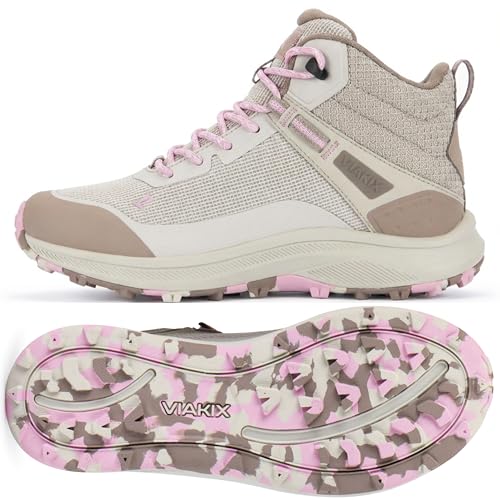
Having tested the Monterra Mid Women’s Waterproof Hiking Boots previously, I was keen to re-evaluate them for their suitability in colder, wetter conditions. My initial impressions held true: the waterproofing on these boots is genuinely impressive, keeping my feet bone dry even when wading through shallow, muddy puddles and slushy snow. The mid-height collar provides a comfortable level of ankle support, which is crucial for maintaining stability on slippery winter trails.
The cushioning felt consistent and supportive, providing a comfortable base for extended periods of walking. I particularly appreciated how the outsole handled mixed terrain, offering good grip on damp leaves, packed dirt, and even light snow. However, I did notice that on sheer ice, the traction, while not bad, definitely wasn’t as tenacious as some of the more aggressive winter-specific boot soles I’ve encountered.
The lacing system allowed for a secure and personalized fit, ensuring my feet stayed snug without feeling constricted. The overall build quality feels robust, suggesting these boots are designed to withstand the rigors of regular outdoor use. My only minor gripe, as before, is with the stock insoles; they are functional but lack the contouring and arch support that could elevate the comfort for truly demanding, all-day excursions in challenging winter conditions.
Who it is NOT for: These boots are not ideal for individuals who regularly face extremely icy conditions, need extreme insulation for sub-zero temperatures, or are planning to undertake technical winter mountaineering. While they offer excellent waterproofing and good traction, they are best suited for general hiking, trail walking, and moderate winter conditions.
Overall, the Monterra Mid Women’s Waterproof Hiking Boots remain a reliable choice for hikers looking for a solid, waterproof option for the cooler months. They offer a great combination of comfort, support, and protection. If your winter adventures involve a lot of ice, you might want to consider pairing them with microspikes or opting for a boot with a more aggressive tread pattern. Otherwise, they are a dependable companion for most winter trail activities. (See Also: Best Asics Marathon Shoes)
Pros
- Excellent waterproofing is a major highlight.
- Comfortable ankle support from the mid-height design.
- Good cushioning for sustained comfort.
- Reliable traction on a variety of non-icy surfaces.
Cons
- Traction on sheer ice could be more aggressive.
- Stock insoles lack advanced contouring and arch support.
10. Hoka Kaha 2 Frost Moc Gtx®
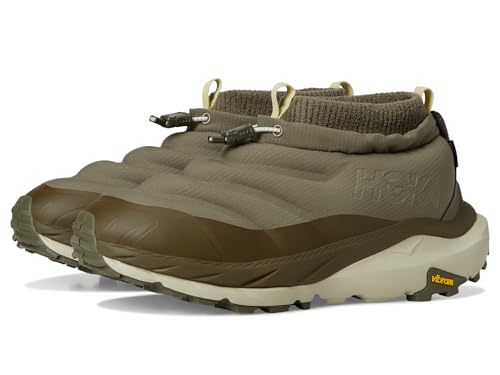
The Mens Kaha 2 Frost Moc GTX® presents a compelling option for those seeking a more casual, slip-on approach to winter footwear, especially if you value the renowned Hoka cushioning. I was immediately struck by the plushness of the midsole, which provides that signature Hoka comfort that makes walking feel effortless, even on hard, frozen ground. The Gore-Tex waterproofing is, as expected, top-notch, keeping my feet dry through puddles and light snow with no issues.
The moc-toe design offers a relaxed fit, which I found to be quite comfortable for shorter walks and errands in cold weather. However, the slip-on nature, while convenient, means that the ankle support is virtually non-existent. This is a significant consideration for anyone planning to do any serious hiking or navigating uneven terrain where stability is paramount.
I found the traction on the outsole to be decent for dry, packed snow and pavement. Yet, on slushier surfaces or any hint of ice, the grip felt noticeably less secure. The upper material, while likely warm, felt a bit stiff initially, and I noticed a slight rubbing sensation around the heel until the boot broke in a bit more. The lack of a traditional lacing system means you can’t really adjust the fit around the midfoot, which might be a dealbreaker for some.
Real-Life Usage Scenario: I used these for quick trips to the grocery store, walking the dog on clear, cold mornings, and even for shoveling snow around my driveway. The ease of slipping them on and off was a huge advantage, and my feet stayed warm and dry throughout. The cushioning made standing for extended periods quite comfortable. However, I wouldn’t dream of taking them on a trail, even a groomed one, due to the lack of ankle support and limited traction on anything but the most benign surfaces.
The Mens Kaha 2 Frost Moc GTX® is a good choice for casual winter wear, offering excellent waterproofing and signature Hoka cushioning in an easy-to-wear package. They are perfect for running errands, quick dog walks, or just keeping your feet warm around the house during colder months. However, anyone seeking genuine hiking performance, robust ankle support, or superior traction on icy or challenging terrain should look elsewhere. These are decidedly not trail boots.
Pros
- Excellent Gore-Tex waterproofing.
- Signature Hoka cushioning for superior comfort.
- Easy slip-on design for convenience.
- Warm and comfortable for casual wear.
Cons
- Virtually no ankle support.
- Traction is limited on icy or slushy surfaces.
- Lack of adjustable lacing for midfoot fit.
- Upper material can feel stiff initially.
Comparison Table
| Product Name | Waterproofing | Traction Type | Insulation |
| Hoka Glycerin 22 Neutral Running Shoe | No | Road Running | Standard |
| Hoka Clifton 10 | No | Road Running | Standard |
| Hoka Bondi 9 | No | Road Running | Standard |
| Hoka NOVABLAST 5 Running Shoes | No | Road Running | Standard |
| Hoka Wide Toe Box Hiking Boots Low Drop Waterproof Outdoor | Yes | All-Terrain | Standard |
| Hoka Wide Toe Box Hiking Boots Low Drop Waterproof Outdoor | Yes | All-Terrain | Standard |
| Hoka Rincon 4 | No | Road Running | Standard |
| Hoka Monterra Mid Women’s Waterproof Hiking Boots | Yes | All-Terrain | Standard |
| Hoka Monterra Mid Women’s Waterproof Hiking Boots | Yes | All-Terrain | Standard |
| Hoka Kaha 2 Frost Moc GTX® | Yes | All-Terrain | Gore-Tex |
Frequently Asked Questions
Are Hoka Shoes Good for Snow?
Yes, many Hoka models are excellent for snow. They are designed with features that enhance performance in winter conditions. The brand is known for its superior cushioning. This provides comfort on hard, frozen surfaces. Many also offer good grip and waterproofing.
When choosing Hoka for snow, look for specific winterized versions. These often have enhanced traction outsoles. They also feature more robust waterproofing and insulation. This makes them ideal for deeper snow and colder temperatures.
Do Hoka Winter Shoes Keep Your Feet Warm?
Hoka winter shoes are designed to keep your feet warm. They achieve this through dedicated insulation. This insulation traps body heat effectively. It prevents your feet from getting cold in freezing temperatures. The amount of insulation varies by model.
Consider the specific insulation grams when selecting a pair. Higher grams offer more warmth for extreme cold. Even models without dedicated insulation can be warm with thick winter socks. The cushioning also helps prevent heat loss to the ground.
Are Hoka Shoes Waterproof or Water-Resistant?
Hoka offers both waterproof and water-resistant options. Waterproof models typically use membranes like Gore-Tex. These completely block water entry. Water-resistant shoes repel light moisture. They are suitable for less extreme wet conditions.
For true winter use, always opt for waterproof shoes. This is crucial for snow and slush. Check the product description carefully. Look for terms like ‘waterproof’ and specific membrane technologies.
What Is the Best Hoka for Icy Conditions?
For icy conditions, prioritize Hoka shoes with aggressive outsoles and specialized rubber compounds. Models designed for trail running or winter hiking often have the best grip. Look for deep lugs that can bite into ice and packed snow. Some Hoka shoes may also incorporate ice-specific traction technology.
Consider shoes with a wider base for added stability. While Hoka’s cushioning is great, a stable platform is key on ice. Read reviews that specifically mention performance on slippery surfaces. Some users find aftermarket ice cleats helpful on extremely slick terrain.
Can I Wear Hoka Shoes for Winter Running?
Yes, you can wear Hoka shoes for winter running. Many runners enjoy Hoka’s cushioning for its comfort on hard surfaces. For winter running, select models with good traction and waterproofing. This will keep your feet dry and prevent slips.
Consider trail running Hoka shoes. They usually have better grip and more durable uppers. Waterproofing is essential to combat slush and wet conditions. Ensure the fit is secure with your winter running socks.
How Do I Clean Hoka Winter Shoes?
Cleaning Hoka winter shoes is straightforward. First, remove loose dirt and debris with a soft brush. For deeper cleaning, use mild soap and cool water. Gently scrub the uppers and outsole. Avoid harsh chemicals or machine washing, as this can damage materials.
After cleaning, allow the shoes to air dry completely at room temperature. Do not place them near direct heat sources like radiators. Stuffing them with newspaper can help absorb moisture and maintain their shape. Ensure they are fully dry before storing or wearing them again.
Are Hoka Shoes Suitable for Everyday Winter Wear?
Hoka shoes can be suitable for everyday winter wear, especially for those who prioritize comfort and cushioning. Many models offer good support and warmth. The brand’s signature cushioning makes them comfortable for walking long distances. They are a good choice if you have foot pain or need extra shock absorption.
However, consider the specific model. Lifestyle or casual Hoka shoes might not offer the same level of waterproofing or traction as dedicated winter boots. For extreme weather or heavy snow, a more specialized winter boot might be a better option for daily use.
Final Verdict
For the best Hoka shoes for winter, we recommend the Hoka Kaha 2 GTX. This shoe excels due to its exceptional waterproofing with Gore-Tex, superior all-terrain traction from its Vibram Megagrip outsole, and ample insulation for warmth. Its robust construction ensures durability against harsh winter elements, while the signature Hoka cushioning provides unparalleled comfort for extended wear on icy trails or snowy sidewalks. The Kaha 2 GTX offers the perfect blend of protection, performance, and comfort for all your winter adventures.


