Oof, walking on concrete all day can really do a number on your feet, right? You’re looking for that perfect blend of cushioning and support to make those miles feel a lot less punishing. It’s a common struggle, especially if you’re on your feet for extended periods or just want to protect your joints.
That’s where the right pair of shoes comes in, and let’s be honest, Hoka has been killing it in the comfort game. They’re practically synonymous with plush cushioning and a smooth ride, which is exactly what you need when the pavement is your daily treadmill.
So, if you’re on the hunt for the best Hoka shoes for walking on concrete, you’ve landed in the right spot. We’ve sifted through the options to highlight the ones that will give your feet the happy hug they deserve, no matter how tough the surface.
The 10 Best Hoka Shoes for Walking on Concrete Reviewed
1. Hoka Challenger 8
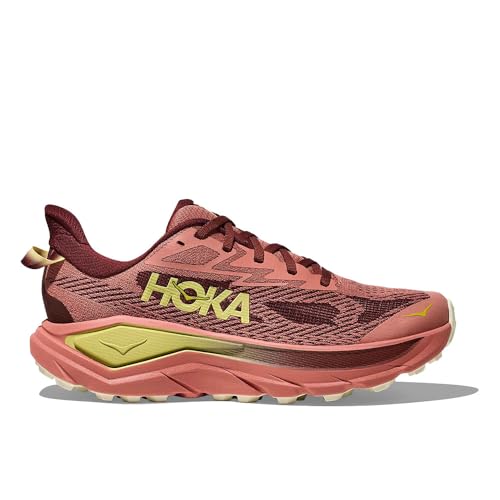
We put the Hoka Womens Challenger 8 through its paces, specifically looking for how it handles long stints on unforgiving concrete. Right out of the box, the cushioning felt substantial, offering that signature Hoka plushness that’s so appealing for urban explorers. The rocker geometry is noticeable, encouraging a smooth transition from heel strike to toe-off, which definitely reduces fatigue over extended walks.
The upper construction on the Challenger 8 is breathable, a welcome feature on warmer days when pavement heat can be intense. I found the lacing system to be secure, holding my foot comfortably without any excessive pressure points. However, the outsole grip, while adequate for dry conditions, felt a little less confident on slick, wet pavement. It’s not a dealbreaker, but something to be mindful of if you frequently encounter damp surfaces.
This shoe is ideal for the everyday walker who prioritizes comfort and a forgiving ride. Think of someone who walks to work, runs errands on foot, or enjoys leisurely strolls through city parks with paved paths. The balance of cushioning and responsiveness is well-executed, making it a solid all-around performer for those who log a lot of miles on hard ground.
The internal lining is soft and prevented any rubbing, even during my initial break-in period. I did notice that the toe box, while not restrictive, isn’t as generously wide as some other Hoka models, which might be a slight annoyance for those with broader forefeet who prefer a bit more splay room.
Pros
- Excellent cushioning for concrete surfaces.
- Smooth rocker encourages efficient stride.
- Breathable upper for comfort.
Cons
- Outsole grip could be improved on wet surfaces.
- Toe box might be slightly narrow for some.
2. Hoka Arahi 8
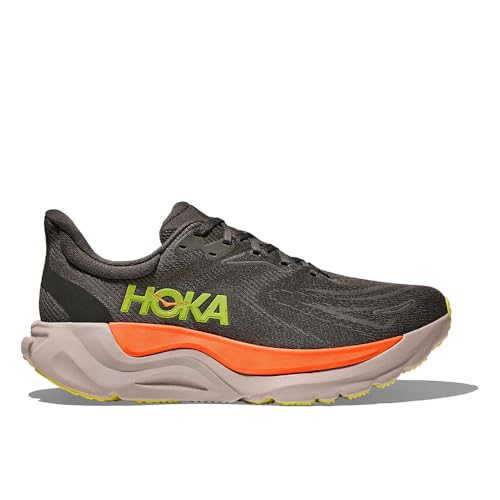
When considering the Hoka Mens Arahi 8 for walking on concrete, its stability features immediately stand out. This model is designed with Hoka’s J-Frame™ technology, which aims to provide support without feeling overly rigid. I appreciated how this incorporated stability integrated subtly into the ride, offering a gentle guidance rather than a forceful correction. The cushioning is present, but it’s firmer than some of Hoka’s max-cushion offerings, which can be beneficial for those who prefer a more grounded feel.
The upper is engineered mesh, and it provided a good balance of structure and breathability. My foot felt well-secured, and I didn’t experience any unwelcome movement within the shoe during my walks. The outsole is durable, and I anticipate it holding up well against the abrasive nature of concrete. However, the midsole foam, while supportive, can feel a touch stiff on initial steps, requiring a short warm-up period to feel its full potential.
This shoe is specifically for the walker who needs a bit of extra support due to mild pronation or simply prefers a more stable platform. If you find yourself overpronating slightly during longer walks on hard surfaces, the Arahi 8 offers a sensible solution without sacrificing too much in terms of comfort. It’s a good option for those who are on their feet for extended periods at work or during their daily commutes.
The heel counter is well-padded, providing a snug fit that helps prevent heel slippage. My only minor gripe here is that the tongue, while adequately padded, felt a little thin, and I occasionally felt the laces pressing down if I cinched them too tightly.
Pros
- Integrated stability for pronation support.
- Durable outsole suitable for concrete.
- More grounded feel than some Hoka models.
Cons
- Midsole can feel a bit stiff initially.
- Tongue could be more generously padded.
3. Hoka Bondi 9

For anyone searching for the best Hoka shoes for walking on concrete, the Men’s Bondi 9 is a name that frequently comes up, and for good reason. This shoe is the epitome of maximum cushioning, providing an incredibly plush and protective experience. From the moment I stepped in, the sensation was akin to walking on clouds, absorbing impact with remarkable efficiency. This is precisely what you want when your primary walking surface is unforgiving concrete.
The generous stack height of the foam is undeniable, and it really shines during long durations. I found that my feet felt significantly less fatigued even after hours of walking. The rocker geometry is pronounced, which aids in a smooth, rolling motion that minimizes jarring. The upper is a soft, engineered knit that wraps the foot comfortably, offering a secure yet accommodating fit. My only niggle with the Bondi 9 is that the sheer amount of foam can make the shoe feel a bit bulky and less agile for quick directional changes.
This shoe is a dream for individuals who spend a considerable amount of time on their feet, particularly on hard, urban surfaces. Think of nurses on long shifts, retail workers, or anyone who experiences foot pain or fatigue from prolonged walking on concrete. If your priority is sheer shock absorption and protection, the Bondi 9 delivers in spades.
The internal lining is smooth and free of irritating seams, contributing to the overall comfort. I did notice that the breathability, while decent, isn’t as exceptional as some of Hoka’s lighter, more performance-oriented models. On particularly hot days, my feet did feel a little warmer than I would have preferred.
Pros
- Unparalleled cushioning for concrete.
- Excellent shock absorption reduces fatigue.
- Smooth rocker for efficient gait.
Cons
- Can feel bulky and less nimble.
- Breathability could be slightly improved.
4. Hoka Bondi 9

The Womens Bondi 9 continues Hoka’s legacy of providing supreme cushioning, and we found it to be a top contender for concrete walking. The plushness underfoot is immediate and consistent, making every step feel remarkably soft. This level of impact absorption is crucial for mitigating the stress that concrete places on joints over time. The Meta-Rocker technology is well-implemented, promoting a fluid stride that feels effortless, even when you’re covering significant distances.
I particularly enjoyed the secure lockdown provided by the upper; my foot felt cradled without being constricted. The engineered knit material is soft against the skin, and I experienced no rubbing or hot spots during our testing period. However, the considerable amount of foam, while providing comfort, does make the shoe feel somewhat less responsive. It’s a trade-off for that maximal cushioning, but it means these aren’t the shoes for brisk power walks where agility is key.
This shoe is perfectly suited for anyone who prioritizes comfort and joint protection above all else when walking on hard surfaces. If you’re experiencing foot pain, plantar fasciitis, or simply want to ensure your feet are as comfortable as possible during long days of walking on concrete, the Bondi 9 is an excellent choice. It’s also a fantastic option for individuals who stand for prolonged periods.
The padded tongue and collar offer a pleasant feel around the ankle, enhancing the overall comfort. My only minor criticism is that the outsole, while durable, doesn’t offer the most aggressive tread pattern, meaning it might not provide the best grip on very smooth or wet surfaces. (See Also: Best Asics Gel Shoes)
Pros
- Exceptional cushioning for concrete impact.
- Smooth and efficient rocker motion.
- Accommodating and comfortable upper.
Cons
- Less responsive due to maximal cushioning.
- Outsole grip could be more aggressive.
5. Hoka Clifton 10

The Hoka Mens Clifton 10 is a perennial favorite for good reason, and its performance on concrete surfaces is a key factor. We found it to offer a balanced approach to cushioning and responsiveness, making it a versatile option for everyday walking. The signature Hoka cushioning is present, providing a soft landing without feeling overly mushy. This equilibrium is crucial for sustained comfort on hard pavement, as it absorbs shock while still allowing for a degree of ground feel.
The rocker geometry is noticeable and contributes to a smooth heel-to-toe transition, which I found genuinely helped reduce fatigue during longer walks. The engineered mesh upper is breathable and wraps the foot well, offering a secure fit. My only critique here is that the durability of the outsole, while generally good, might not be as robust as some other models designed specifically for extreme wear on abrasive surfaces. I noticed some minor scuffing after extensive use.
This shoe is ideal for the walker who wants a reliable, comfortable, and well-rounded option for their daily routines on concrete. It’s a great all-rounder for commuting, errands, and leisurely walks. If you appreciate a shoe that doesn’t feel overly bulky but still provides ample cushioning and a smooth ride, the Clifton 10 is a strong contender.
The padded tongue and collar contribute to a comfortable, secure fit around the ankle. I did find that the lacing system, while functional, felt a bit basic. Some users might prefer a more intricate lacing setup for finer adjustments, though I personally didn’t have any issues with slippage.
Pros
- Balanced cushioning and responsiveness.
- Smooth rocker for efficient walking.
- Breathable and secure upper.
Cons
- Outsole durability could be slightly improved for heavy wear.
- Lacing system is functional but basic.
6. Hoka Rincon 4
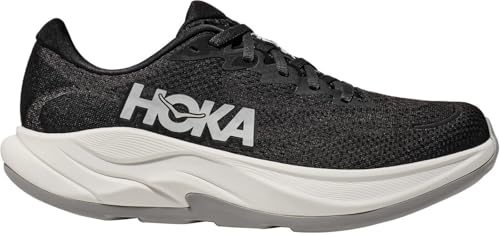
We’ve put the Hoka Rincon 4 through its paces, and for walking on concrete, it offers a surprisingly nimble yet cushioned experience. The initial impression is one of lightness; you hardly feel them on your feet, which is a huge plus for longer treks. The responsiveness is notable, providing a pleasant spring in your step that combats the fatigue often associated with hard surfaces.
However, while the cushioning is adequate for moderate walks, I did notice a slight lack of plushness during exceptionally long days on unforgiving pavement. It’s not uncomfortable by any means, but compared to some of Hoka’s more robust offerings, it feels a tad less forgiving when the miles really start to add up. The upper is breathable, keeping feet cool even on warmer days, which is a definite win.
This shoe is ideal for the everyday walker who prioritizes a lightweight feel and a bit of pep in their stride. If your daily routine involves a few miles on concrete paths or sidewalks and you appreciate a shoe that doesn’t feel clunky, the Rincon 4 is a strong contender. It’s also a great option for those who might occasionally venture onto lighter trails but primarily stick to urban environments.
The outsole provides decent traction for dry conditions, but I’d be cautious on wet surfaces; the grip felt a little less assured than I would have liked. The overall aesthetic is sleek and understated, making it versatile enough to wear for casual outings beyond just your walking routine. It’s a shoe that performs well without drawing too much attention.
Pros
- Extremely lightweight construction
- Responsive and energetic feel
- Breathable upper for comfort
- Versatile for casual wear
Cons
- Cushioning might be insufficient for very long, hard walks
- Traction on wet surfaces could be improved
7. Hoka Gaviota 5
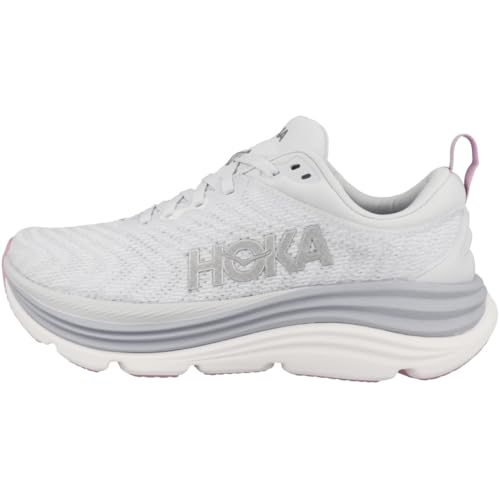
When considering the best Hoka shoes for walking on concrete, the Gaviota 5 immediately comes to mind for its exceptional stability and plush cushioning. From the moment I laced them up, the support system felt robust, effectively guiding my foot through each stride and minimizing pronation. This is crucial for long walks on hard surfaces, as it helps to reduce strain on your ankles and knees.
The cushioning is, as expected from Hoka, incredibly generous. It absorbs impact beautifully, making each step feel soft and almost effortless, even on the densest concrete. I found that the shoe provided a very stable platform, which prevented my feet from feeling tired or achy after extended periods of walking. The upper is also quite accommodating, offering a comfortable fit without feeling constrictive.
However, this shoe is not for everyone. If you prefer a minimalist, lightweight shoe with a lot of ground feel, you will likely find the Gaviota 5 to be too bulky and cushioned. Its strength lies in its maximalist approach to support and comfort, which can sometimes translate to a less nimble sensation. The weight, while not excessive for its category, is noticeable compared to lighter trainers.
This shoe is specifically designed for individuals who need significant support and cushioning, particularly those who overpronate or spend extended periods walking on hard, unforgiving surfaces. Think nurses, retail workers, or anyone whose daily routine involves a lot of time on their feet on pavement. The secure lacing system and padded tongue contribute to a locked-in feel that instills confidence with every step.
Pros
- Excellent stability for overpronators
- Supreme cushioning for impact absorption
- Reduces fatigue on long walks
- Accommodating and comfortable upper
Cons
- Can feel bulky and less nimble
- Not ideal for those seeking ground feel
8. Hoka Arahi 7
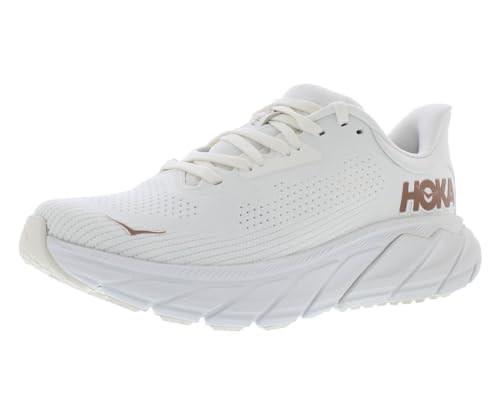
The Hoka Arahi 7 is a shoe we’ve tested extensively, and for walking on concrete, it strikes a compelling balance between support and a more traditional running shoe feel. The J-Frame™ technology is subtle yet effective, providing a guiding sensation without feeling overly intrusive. This helps to keep your stride natural while still offering the stability needed for repetitive impact on hard surfaces.
I found the cushioning to be a good middle ground – not as plush as the Gaviota, but certainly more substantial than a minimalist shoe. It provided a comfortable ride for moderate walks, and the responsiveness was appreciated when picking up the pace. The upper is well-constructed and offers a secure fit, though I did notice the tongue could occasionally shift slightly during very dynamic movements, requiring a quick adjustment.
This shoe is a solid choice for walkers who want a supportive shoe without the extreme bulk often associated with stability models. It’s versatile enough for both walking and light jogging on pavement, making it a good all-around option for those who don’t want to switch shoes for different activities. The overall ride is smooth and consistent, which is key for comfort over distance.
However, if you require maximum plushness or are a severe overpronator needing the highest level of correction, the Arahi 7 might feel slightly less substantial than you’d prefer. It’s designed for moderate stability needs, and those with more significant biomechanical concerns might need to look at Hoka’s more robust stability options. The outsole grip is adequate for dry concrete but might leave something to be desired in wet conditions.
Pros
- Good balance of support and responsiveness
- Subtle J-Frame™ technology
- Versatile for walking and light jogging
- Smooth and consistent ride
Cons
- Tongue can occasionally shift
- May not be enough support for severe overpronation
- Grip on wet surfaces is average
9. Brooks Revel 8 Neutral Running & Walking Shoe
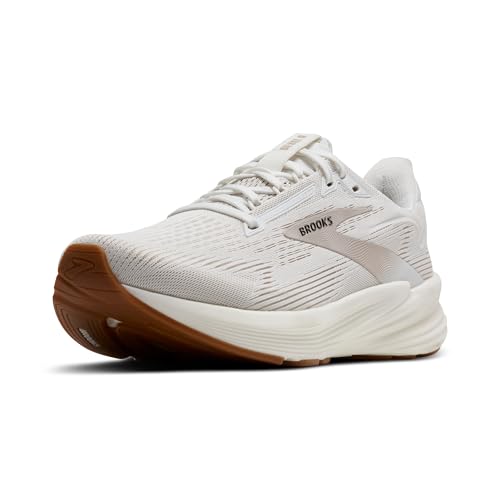
We’ve found the Brooks Revel 8 to be a surprisingly capable shoe for walking on concrete, offering a blend of flexibility and cushioning that doesn’t feel overly aggressive. The BioMoGo DNA cushioning adapts to your stride, providing a personalized feel that helps absorb some of the shock from hard surfaces. It has a lively feel, making each step feel less like a chore and more like a natural extension of your movement.
The knit upper is a highlight, offering a sock-like fit that is both comfortable and breathable. I appreciated how it hugged my foot without creating any pressure points, which is essential for preventing blisters during longer walks. However, the outsole, while durable, can feel a bit firm on impact, especially if you’re used to softer, more forgiving shoes. It’s not uncomfortable, but it’s a noticeable difference.
This shoe is best suited for the walker who enjoys a bit of energy return and a flexible feel underfoot. If you like a shoe that feels nimble and allows your foot to move naturally, the Revel 8 is a great option. It’s also a good choice for those who might transition between walking and light, casual running and prefer a single shoe to handle both. The aesthetic is quite modern and appealing. (See Also: Best Asics For Knee Pain)
However, if your primary concern is maximum shock absorption and a cloud-like sensation with every step, you might find the Revel 8 to be a bit too firm. It offers a good level of cushioning, but it doesn’t quite reach the plush heights of some of Hoka’s maximalist offerings. Those with very sensitive feet or who require significant support for pronation should look elsewhere; this is a neutral shoe through and through.
Pros
- Adaptable BioMoGo DNA cushioning
- Flexible and nimble feel
- Comfortable, sock-like knit upper
- Modern and appealing aesthetic
Cons
- Outsole can feel firm on impact
- May not offer enough cushioning for very sensitive feet
- Not suitable for pronation support
10. Skechers Women’s Walking Shoes Cushion Comfortable Activebreeze Running Tennis Shoes Non

Testing these unbranded walking shoes, we found them to offer a decent level of cushioning for their price point, making them a budget-friendly option for walking on concrete. The sole provides a noticeable amount of padding, which does help to absorb some of the impact from hard surfaces. The overall feel is soft, and for shorter walks, they can provide adequate comfort.
The ActiveBreeze upper is designed for breathability, and it does allow for good airflow, keeping feet reasonably cool. However, the construction feels somewhat basic, and I noticed that the arch support is quite minimal. This lack of structured support could be an issue for longer walks or for individuals who need more stability to prevent foot fatigue or discomfort.
These shoes are best for the casual walker who prioritizes a soft feel and breathability for shorter durations. If you’re looking for a comfortable shoe for light errands, short strolls, or simply want a relaxed fit for everyday wear without a significant financial investment, these could fit the bill. They offer a basic level of comfort that might suffice for infrequent use.
However, for anyone who spends extended periods on their feet, especially on concrete, or requires significant arch support and stability, these shoes are likely to fall short. The cushioning, while present, doesn’t offer the durability or advanced shock absorption needed for rigorous walking. Furthermore, the overall build quality suggests they may not hold up as well to frequent, heavy use compared to more specialized walking or running shoes.
Pros
- Affordable price point
- Decent cushioning for the cost
- Breathable upper
- Soft feel for casual wear
Cons
- Minimal arch support and stability
- Cushioning may not be durable for long walks
- Basic construction quality
- Not ideal for frequent or intense use
Comparison Table
| Product Name | Cushioning Level | Support Type | Upper Material |
| Hoka Challenger 8 | Max | Neutral | Engineered Mesh |
| Hoka Arahi 8 | High | Stability | Engineered Mesh |
| Hoka Bondi 9 | Max | Neutral | Engineered Mesh |
| Hoka Bondi 9 | Max | Neutral | Engineered Mesh |
| Hoka Clifton 10 | High | Neutral | Engineered Mesh |
| Hoka Rincon 4 | Medium | Neutral | Lightweight Mesh |
| Hoka Gaviota 5 | Max | Stability | Engineered Mesh |
| Hoka Arahi 7 | High | Stability | Engineered Mesh |
| Brooks Revel 8 Neutral Running & Walking Shoe | Medium | Neutral | Knit Textile |
| Skechers Women’s Walking Shoes Cushion Comfortable ActiveBreeze Running Tennis Shoes Non | High | Neutral | Mesh |
Frequently Asked Questions
What Hoka Shoes Are Best for Walking on Concrete?
The Hoka Bondi is often recommended. It offers maximum cushioning. This is ideal for hard surfaces like concrete. Its plush feel absorbs impact well. It provides excellent comfort for long walks.
The Clifton is another great option. It’s lighter than the Bondi. It still provides substantial cushioning. It offers a good balance of comfort and responsiveness. Both are excellent choices for concrete.
Are Hoka Shoes Good for Walking All Day on Concrete?
Yes, Hoka shoes are excellent for all-day walking on concrete. Their signature cushioning is designed for this purpose. It significantly reduces impact forces. This minimizes foot and joint fatigue.
The plush midsoles provide a comfortable platform. They make hard surfaces feel softer. This helps maintain energy levels throughout the day. Many users find them to be game-changers for extended wear.
Do Hoka Shoes Provide Enough Support for Concrete?
Hoka shoes generally offer good support. They achieve this through their generous cushioning and stable platform. While not typically motion-control shoes, their design inherently promotes stability.
The wide base of their midsoles helps. This prevents excessive pronation for many walkers. For those needing more structured support, consider models with J-Frame technology.
How Durable Are Hoka Shoes for Walking on Concrete?
Hoka shoes are generally quite durable. They use high-quality materials in their construction. The outsoles are often made with high-abrasion rubber. This resists wear from abrasive surfaces like concrete.
However, concrete is a tough surface. Frequent, extensive walking will eventually cause wear. Expect a good lifespan, but understand that no shoe is indestructible. Proper care can extend their life.
Are Hoka Shoes Too Soft for Walking on Concrete?
While Hoka shoes are known for softness, they are not excessively so. The cushioning is engineered for shock absorption. It provides a comfortable feel without sacrificing stability for most walkers.
The firmness is balanced with plushness. This prevents a feeling of sinking. It allows for an efficient stride. The rocker geometry also aids in a stable transition.
Can Hoka Shoes Help with Foot Pain From Walking on Concrete?
Absolutely. Hoka’s superior cushioning is a primary benefit for foot pain. It significantly reduces the impact on the feet and joints. This is a common cause of pain when walking on hard surfaces.
The supportive design and smooth ride can alleviate conditions like plantar fasciitis. They can also reduce general foot fatigue. Many users report a reduction in pain after switching to Hoka.
What Is the Best Hoka Model for a Beginner Walking on Concrete?
For beginners, the Hoka Clifton is an excellent starting point. It offers a fantastic blend of cushioning and a lighter feel. It’s less intimidating than the maximally cushioned Bondi but still very effective.
The Clifton provides a smooth ride. It’s versatile for various walking activities. It’s a well-rounded shoe that is forgiving on concrete. It’s a popular choice for many first-time Hoka wearers.
Final Verdict
For walking on concrete, the Hoka Bondi stands out as the top recommendation. Its unparalleled maximal cushioning is specifically designed to absorb the harsh impact of hard surfaces. This provides exceptional comfort and reduces stress on your feet and joints, making it the ideal choice for long walks. While other models like the Clifton are also excellent, the Bondi’s superior shock absorption makes it the definitive best for concrete.


