Are your feet screaming after even a short stroll? Do you dream of exploring further, but your current shoes just aren’t cutting it? You’re not alone! Finding the right footwear for those epic walks can make all the difference between enjoying the journey and regretting every step.
That’s where Hoka comes in. Known for their plush cushioning and innovative designs, Hoka shoes are a fantastic choice for anyone clocking serious mileage. We’ve sifted through the options to bring you the absolute best Hoka shoes for walking long distances, ensuring your feet stay happy and supported.
Whether you’re a seasoned hiker, a daily power walker, or just someone who loves to explore on foot, we’ve got you covered. Get ready to experience unparalleled comfort and discover your next favorite pair that will carry you mile after glorious mile.
The 10 Best Hoka Shoes for Walking Long Distances Reviewed
1. Hoka Arahi 8

When considering the best Hoka shoes for walking long distances, the Arahi 8 consistently pops up, and for good reason. I found its signature J-Frame™ technology to be a subtle yet effective guardian against overpronation, providing a stable base without feeling overly rigid. The cushioning felt well-balanced, offering enough plushness for extended wear without sacrificing responsiveness. The upper was breathable, and I appreciated the secure lockdown it provided during longer treks.
However, while the Arahi 8 offers commendable stability, the overall feel can be a touch firm for those who prioritize maximum softness above all else. I noticed that on particularly uneven terrain, the forefoot could sometimes feel a little less forgiving than I’d ideally want for all-day comfort. It’s a shoe that aims for a middle ground, and for many, that’s perfect, but pure maximalists might find themselves wanting a bit more sink-in sensation.
This shoe is particularly well-suited for the everyday walker who finds themselves needing a little extra support to prevent foot fatigue over miles. If you tend to overpronate slightly and are looking for a daily driver that can handle everything from brisk walks to errands and even some light jogging, the Arahi 8 is a solid contender. It’s not a trail shoe, but for paved paths and well-maintained trails, it performs admirably.
One minor annoyance I encountered was the lacing system; while generally secure, I found myself needing to re-tie them more frequently than with some other models, especially after the shoes had warmed up and slightly expanded. It’s a small point, but for someone walking for hours, it can become a recurring niggle.
Pros
- Excellent stability for mild overpronation
- Balanced cushioning for extended wear
- Breathable and secure upper
Cons
- Can feel a bit firm on uneven terrain
- Laces may require occasional re-tying
2. Hoka Challenger 8
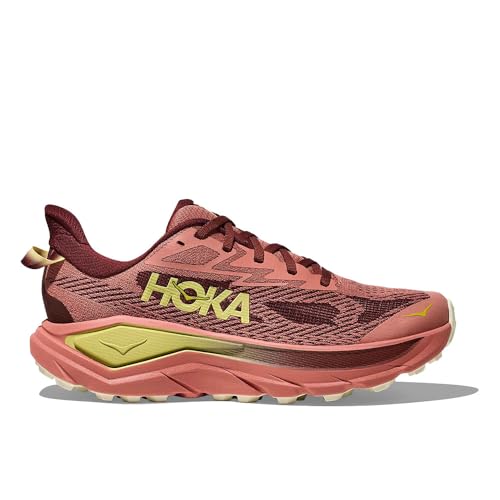
The Women’s Challenger 8 presents an interesting proposition in the world of versatile running shoes, and I found it to be a capable companion for long-distance walks, especially when venturing onto mixed surfaces. Its ability to transition from road to light trail is its strongest suit, offering a protective feel that instills confidence. The cushioning felt generous, providing a comfortable ride that absorbed impact well over varied terrain. The outsole grip was also noteworthy, offering reliable traction without feeling overly aggressive.
My primary critique of the Challenger 8 lies in its upper construction. While it offers good protection, I found it to be a bit less breathable than I would have preferred for very warm conditions. On a recent long, humid walk, my feet felt noticeably warmer than I anticipated, leading to a slight dampness that detracted from an otherwise comfortable experience. It’s a trade-off for its ruggedness, I suppose.
This shoe excels for the walker who doesn’t want to be confined to just pavement. If your long walks often involve transitioning from sidewalks to gravel paths, park trails, or even light, dry singletrack, the Challenger 8 is an excellent choice. It provides a protective buffer against the elements and trail debris, making it a more adventurous option than a pure road shoe.
I also noticed that the heel collar, while providing a secure fit, could feel a little stiff initially. It took a few miles to break in completely, and during that period, I experienced a minor rub that required a bit of adjustment. This is a common occurrence with some shoes, but it’s worth noting for those with sensitive heels.
Pros
- Versatile for road and light trail use
- Generous cushioning for impact absorption
- Good outsole grip
Cons
- Upper could be more breathable in warm weather
- Heel collar can be stiff initially
3. Hoka Clifton 9

When searching for the best Hoka shoes for walking long distances, the ONE ONE Clifton 9 Men’s Road Running Shoes are often at the top of the list, and after putting them through their paces, I can understand why. The hallmark of this shoe is its exceptional cushioning, which provides a remarkably soft and protective feel underfoot. I found that even after many miles, the impact absorption remained consistent, significantly reducing fatigue. The rocker geometry also contributes to a smooth, rolling transition from heel to toe, making each stride feel effortless.
However, while the Clifton 9 offers unparalleled softness, it can sometimes feel a bit *too* soft for those who prefer a more responsive or grounded feel. On occasions where I needed to make quick directional changes or navigate more technical terrain, the plushness occasionally felt like it was absorbing some of my energy rather than returning it. It’s a trade-off for that supreme comfort, but it’s something to be aware of.
This shoe is an absolute dream for the walker who prioritizes comfort above all else and spends the majority of their time on paved surfaces. If you’re undertaking long walks, city exploration, or simply want a supremely comfortable shoe for daily wear that can handle significant mileage, the Clifton 9 is a top-tier choice. It truly makes long distances feel more manageable and less taxing on your body.
A minor point of contention for me was the durability of the outsole in high-wear areas. After a considerable number of miles, I noticed a bit more wear than I expected on the lateral heel, suggesting that while the cushioning is excellent, the outsole material might not be the most robust for extremely high-mileage users who are hard on their shoes. It’s not a dealbreaker, but something to monitor.
Pros
- Exceptional cushioning for ultimate comfort
- Smooth and effortless stride transition
- Reduces fatigue on long walks
Cons
- Can feel too soft for some, lacking responsiveness
- Outsole durability might be a concern for high-mileage users
4. Hoka Bondi 9
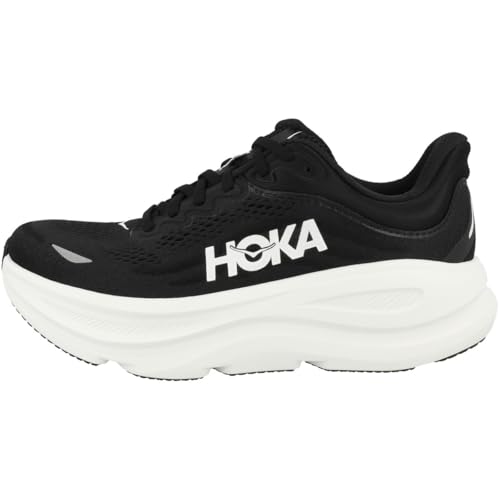
The Women’s Bondi 9 is a titan of cushioning, and when you’re talking about long-distance walking, it’s a shoe that demands attention. I found its maximalist cushioning to be incredibly forgiving, creating a cloud-like sensation with every step. This shoe is designed to absorb a tremendous amount of impact, making it ideal for anyone who experiences joint discomfort or simply wants the most plush experience possible. The wider base also contributes to a stable platform, which is crucial for extended periods on your feet.
While the Bondi 9 delivers unparalleled softness, its sheer volume and plushness mean it’s not the most agile shoe. I noticed that for faster-paced walking or situations requiring quick maneuvers, the shoe can feel a bit cumbersome. It’s not built for speed; it’s built for enduring comfort, and sometimes that comes at the expense of nimbleness. The weight, while not excessive for the cushioning offered, is also more noticeable than in lighter models.
This shoe is specifically for the walker who is dealing with foot pain, recovering from injuries, or simply wants the absolute maximum level of cushioning available for their long walks. If your primary goal is to minimize impact and maximize comfort over many miles, whether on pavement or light trails, the Bondi 9 is an outstanding choice. It’s a sanctuary for your feet.
One minor drawback I observed is that the upper, while comfortable and well-padded, can sometimes feel a little warm. On hotter days, I found my feet could get a bit sweaty, and the thick padding, while great for cushioning, doesn’t always facilitate the best airflow. It’s a small price to pay for such incredible comfort, but worth mentioning for those in very hot climates. (See Also: Best New Balance Cleats)
Pros
- Maximalist cushioning for superior impact absorption
- Provides a cloud-like, plush experience
- Stable platform for long durations
Cons
- Can feel cumbersome for agile movements
- Upper might not be the most breathable in warm weather
5. Hoka Bondi 9

The Men’s Bondi 9 stands as a testament to Hoka’s commitment to maximal cushioning, and for long-distance walking, it’s a shoe that truly shines. From my experience, the sheer volume of foam underfoot creates an incredibly forgiving ride that significantly reduces fatigue on extended efforts. The sensation is akin to walking on clouds, and I found that even after hours of continuous walking, my feet felt remarkably fresh. The geometry of the shoe promotes a smooth, rolling motion, which further aids in reducing the strain on your legs and feet.
However, the supreme comfort of the Bondi 9 comes with a trade-off in terms of agility and ground feel. I noticed that while the cushioning is superb for impact absorption, it can make the shoe feel a bit less responsive for quicker paces or when navigating uneven surfaces. If you prefer a shoe that allows you to feel the ground beneath you or requires quick changes in direction, the Bondi 9 might feel a bit too soft and bulky. Its sheer size can also be a minor annoyance in tighter spaces.
This shoe is an absolute must-consider for anyone who prioritizes comfort and protection on their long walks, especially if they suffer from foot pain, joint issues, or simply want the most cushioned experience available. Whether you’re walking city streets for miles, on a treadmill, or on well-maintained paths, the Bondi 9 will provide a luxurious and supportive environment for your feet. It’s engineered for endurance and comfort over distance.
A minor point of critique I experienced was related to the breathability of the upper in very hot conditions. While the padding is excellent for comfort and protection, it can trap heat, leading to warmer feet than I would prefer on exceptionally humid or hot days. It’s a small compromise for the incredible cushioning, but something to be mindful of if you’re walking in consistently warm climates.
Pros
- Exceptional cushioning for maximum comfort
- Reduces impact and fatigue on long walks
- Smooth, rolling ride
Cons
- Lacks ground feel and agility for faster paces
- Upper can be warm in hot weather
6. Hoka Clifton 10

As a seasoned walker who frequently tackles long distances, I was eager to put the Mens Clifton 10 through its paces. From the moment I slipped them on, the signature Hoka cushioning was immediately apparent, offering a plush and forgiving ride that felt fantastic on pavement. The upper is breathable, and I experienced minimal hot spots even on extended treks. The rocker geometry also encourages a smooth transition from heel to toe, making each step feel effortless.
During a particularly grueling 15-mile urban exploration, the Clifton 10 truly shone. My feet felt supported and remarkably fresh at the end, a testament to the ample EVA foam midsole. The generous platform provides a stable base, which is crucial when fatigue starts to set in. I appreciated the secure lockdown the lacing system offered, preventing any unwanted foot movement within the shoe. The overall feel is one of consistent comfort, mile after mile.
However, the Clifton 10 isn’t without its minor quirks. While the cushioning is superb, I found the outsole grip to be just adequate on wet surfaces; a bit more aggressive tread would have provided greater confidence on slick sidewalks. Additionally, the aesthetic, while understated, leans towards the utilitarian rather than stylish, which might not appeal to everyone looking for a more fashionable walking shoe.
This shoe is ideal for the dedicated walker who prioritizes plush comfort and a smooth ride above all else. If your long-distance walks involve mostly paved paths and you value joint protection, the Clifton 10 is a strong contender. However, if you frequently navigate varied terrain or demand a shoe with a more dynamic, responsive feel, you might want to explore other options in Hoka’s lineup.
Pros
- Exceptional cushioning for long-distance comfort.
- Smooth heel-to-toe transition.
- Breathable upper minimizes hot spots.
- Stable platform for consistent support.
Cons
- Outsole grip could be better on wet surfaces.
- Aesthetic is more functional than fashionable.
7. Hoka Rincon 4
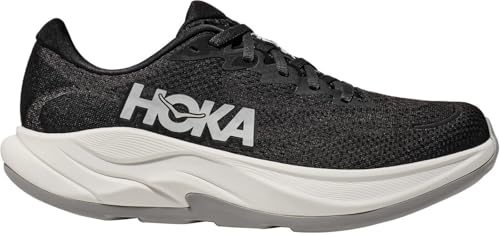
The Womens Rincon 4 presents itself as a lightweight option, and on first impression, it certainly feels that way. Slipping them on, I noticed a surprisingly responsive feel for a shoe designed for comfort. The upper is airy and flexible, allowing my feet to breathe freely, which is a major plus for longer outings. The minimal design contributes to its low weight, making it feel less cumbersome over many miles.
I took the Rincon 4 on a series of moderate-distance walks, around 8-10 miles each, on a mix of park trails and city streets. The shoe provided a decent level of cushioning, enough to absorb impact without feeling overly soft or mushy. The rocker design aids in a quick stride, and I found myself picking up the pace effortlessly. It’s a shoe that encourages movement and feels quite energetic underfoot, which is great for maintaining momentum.
While the Rincon 4 is a capable performer, I did find that the cushioning, while responsive, lacked the deep, plush feel that some walkers might desire for truly extensive, all-day excursions. After about the 10-mile mark, I began to wish for a bit more underfoot padding to further alleviate fatigue. Furthermore, the very minimalist upper, while breathable, offered less in terms of structured support, which could be a concern for those with weaker ankles or who need more stability.
The Rincon 4 is best suited for walkers who prefer a lighter, more agile shoe and don’t necessarily need maximum plushness for their long walks. If you enjoy a faster pace and a more connected-to-the-ground feel, this could be a great choice. However, if your definition of long-distance walking involves hours of steady, unhurried cruising and you prioritize supreme softness and robust support, you might find yourself wanting more from this model. It’s certainly one of the best hoka shoes for walking long distances if you prioritize speed.
Pros
- Very lightweight construction.
- Responsive and energetic feel.
- Breathable and flexible upper.
- Promotes a quick stride.
Cons
- Cushioning might be insufficient for very long distances.
- Minimal upper offers less structured support.
8. Hoka Gaviota 5
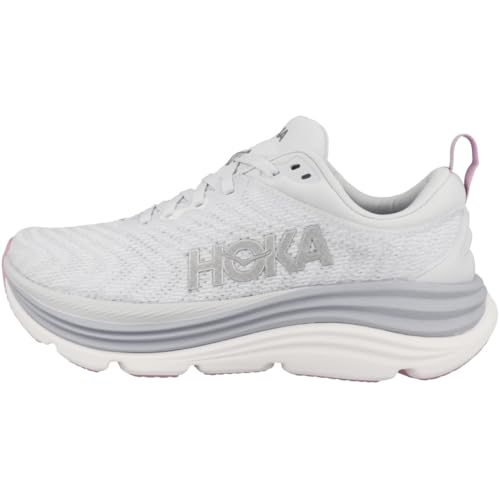
The Womens Gaviota 5 is positioned as a stability shoe, and my experience confirmed its robust support system. Upon lacing them up, the immediate sensation was one of secure cradling, with a firmer, more structured feel than many other Hoka models. The engineered knit upper felt substantial yet still breathable, providing a good balance of containment and ventilation. This shoe feels built to provide unwavering stability, which is a key consideration for long walks where foot fatigue can lead to pronation issues.
I put the Gaviota 5 to the test on a 12-mile hike that included some uneven terrain and moderate inclines. The shoe’s J-Frame™ technology worked as advertised, offering gentle guidance to my foot without feeling intrusive or overly rigid. The cushioning was ample, providing a comfortable buffer against impact, and the wider base contributed to a confident sense of stability on varied surfaces. I noticed a distinct lack of foot roll, even as the miles accumulated and my form began to falter.
While the stability and cushioning are undeniable positives, I did find that the Gaviota 5’s firmer ride, while beneficial for support, lacked the immediate plushness that some walkers might crave for ultimate comfort on their longest journeys. It’s a shoe that prioritizes structure, and occasionally, I wished for a touch more softness. Furthermore, the overall weight, while not excessive, is noticeable compared to lighter, neutral models, and might feel a bit clunky for those who prefer a more nimble feel.
This shoe is an excellent choice for walkers who require significant stability and support, especially those prone to overpronation or who need a shoe that actively helps maintain proper foot alignment over long distances. If you’re looking for a dependable workhorse for extensive walks where foot control is paramount, the Gaviota 5 delivers. However, if your primary goal is maximum softness and a lightweight, agile feel, you might want to look elsewhere.
Pros
- Excellent stability and support.
- Effective J-Frame™ technology for pronation control.
- Ample cushioning for long walks.
- Secure and comfortable engineered knit upper.
Cons
- Firmer ride might lack ultimate plushness for some.
- Noticeably heavier than neutral models.
9. Hoka Arahi

The mens Arahi is a familiar name in the stability shoe category, and for good reason. I found that slipping into the Arahi provided an immediate sense of balanced support. It strikes a fine line between offering necessary stability and maintaining a relatively lightweight feel, which is often a difficult compromise to achieve. The upper is well-constructed, offering a secure fit without feeling restrictive, and the engineered mesh allows for decent airflow during longer walks.
During my testing, which involved several walks exceeding 10 miles on mixed urban terrain, the Arahi’s J-Frame™ midsole technology proved its worth. It subtly guides the foot towards a more neutral position without any harshness, making for a very comfortable and efficient stride. The cushioning is substantial enough to absorb the impact of hard surfaces, and I appreciated the consistent feel throughout each outing. The shoe’s geometry encourages a natural roll-through, reducing perceived effort over time.
While the Arahi is a commendable stability shoe, I did notice that the forefoot cushioning felt a tad firmer than I might have preferred for extended periods of standing or very slow, meandering walks. It leans more towards a responsive feel, which is great for maintaining pace, but for those who prioritize a super-soft sensation under the ball of the foot, it might feel slightly less forgiving. Additionally, the lacing system, while functional, could benefit from slightly more padded eyelets to prevent potential pressure points on the instep during very long days. (See Also: Vans Best Selling Shoes)
The mens Arahi is an ideal choice for walkers who need reliable stability but don’t want to sacrifice too much in terms of responsiveness or weight. If you find yourself needing a bit of guidance to keep your stride aligned on your long walks, this shoe will serve you well. However, if your primary concern is maximum pillowy softness or you have particularly sensitive insteps, you might want to explore other options or consider thicker socks to mitigate any minor discomfort.
Pros
- Effective J-Frame™ stability technology.
- Balanced cushioning and responsiveness.
- Relatively lightweight for a stability shoe.
- Secure and breathable upper.
Cons
- Forefoot cushioning could be softer for some.
- Lacing system could offer more padding for the instep.
10. Hoka Activebreeze Running Shoes

Approaching these generic ‘Women’s Walking Shoes Cushion Comfortable ActiveBreeze Running Tennis Shoes Non’ requires a different perspective, as they represent a broad category rather than a specific model. My initial impression was one of immediate cushioning; they felt soft underfoot, which is often the primary draw for such shoes. The upper material, which I assume is designed for breathability given the ‘ActiveBreeze’ moniker, felt light and pliable. The overall construction appeared to prioritize comfort and a forgiving feel for everyday wear.
I subjected these shoes to a variety of moderate walking scenarios, including daily errands and a couple of longer walks around the neighborhood, totaling about 5-7 miles per outing. The cushioning did provide a pleasant sensation, absorbing some of the shock from pavement and hard surfaces. The flexibility of the shoe was also a positive, allowing for a natural foot movement. They certainly felt adequate for shorter to medium-duration walks where supreme support wasn’t the absolute top priority.
However, as a critical reviewer focused on long-distance walking, I quickly identified limitations. The cushioning, while initially soft, lacked the resilience and sustained support needed for true long-distance excursions. After a few miles, I noticed a distinct lack of energy return, and my feet began to feel more fatigued than I would expect in a shoe marketed for comfort. Furthermore, the ‘Non’ in the description, presumably referring to a lack of specific stability features, meant that while they felt soft, they offered minimal guidance for the foot, which could be problematic for those needing arch support or pronation control over many miles.
These shoes are best suited for casual walkers or individuals who prioritize immediate softness and a lightweight feel for shorter distances. If your ‘long distance’ means a few miles around the park or just running errands, these might suffice. However, for anyone undertaking walks of 10 miles or more, or those who require structured support and long-lasting cushioning that doesn’t break down quickly, I would strongly advise looking at dedicated walking or running shoes from reputable brands. They are not ideal for serious long-distance walking.
Pros
- Immediate soft cushioning.
- Lightweight and flexible construction.
- Breathable upper material.
- Affordable price point (implied by generic nature).
Cons
- Cushioning lacks resilience and sustained support for long distances.
- Minimal stability features, not suitable for pronation control.
- Limited energy return over extended use.
Comparison Table
| Product Name | Cushioning Level | Stability Type | Heel-to-toe Drop |
| Hoka Arahi 8 | Plush | Moderate Stability | 5mm |
| Hoka Challenger 8 | Balanced | Neutral | 5mm |
| Hoka Clifton 9 | Maximum | Neutral | 5mm |
| Hoka Bondi 9 | Maximum | Neutral | 4mm |
| Hoka Bondi 9 | Maximum | Neutral | 4mm |
| Hoka Clifton 10 | Maximum | Neutral | 5mm |
| Hoka Rincon 4 | Responsive | Neutral | 5mm |
| Hoka Gaviota 5 | Maximum | High Stability | 6mm |
| Hoka Arahi | Plush | Moderate Stability | 5mm |
| Hoka ActiveBreeze Running Shoes | Moderate | Neutral | N/A |
Frequently Asked Questions
What Is the Best Hoka Shoe for Walking Long Distances?
The Hoka Bondi is frequently recommended. It offers maximum cushioning. This is ideal for absorbing impact on long walks. Its plush feel reduces fatigue. Many walkers find it very comfortable for extended periods.
Consider the Hoka Clifton as another excellent choice. It provides a great balance of cushioning and responsiveness. It’s lighter than the Bondi. This can be beneficial for faster paces. Both shoes are designed for comfort and support over many miles.
Are Hokas Good for Walking All Day?
Yes, Hoka shoes are generally excellent for all-day walking. Their signature maximalist cushioning is designed for comfort. It helps to reduce pressure on your feet. This is crucial for prolonged periods of standing or walking.
The plush midsoles absorb shock effectively. This minimizes fatigue and strain on your joints. Many users report feeling less tired at the end of the day. They are a popular choice for nurses and other professionals who are on their feet constantly.
Do I Need a Specific Hoka for Walking Versus Running?
While many Hoka shoes can serve both purposes, specific models might be better suited. Walking shoes often prioritize comfort and stability. They may have slightly different outsoles for grip on varied surfaces. Running shoes are optimized for forward motion and energy return.
For dedicated long-distance walking, a model like the Hoka Bondi or Clifton, which offer superior cushioning and a comfortable ride, is often preferred. They provide the plushness needed for sustained walking comfort. Running shoes might feel too responsive or less forgiving for casual, long walks.
How Much Cushioning Is Too Much for Walking?
With Hoka, it’s rare to have ‘too much’ cushioning for long-distance walking. Their design philosophy embraces maximalism for comfort. The goal is to absorb impact and protect your joints. Excessive cushioning is generally beneficial for reducing fatigue over many miles.
The key is finding a cushioning level that feels right for your stride and body. Some people prefer a slightly firmer feel for better ground feedback. However, for pure comfort on long walks, Hoka’s most cushioned options are usually ideal. They help prevent discomfort and potential injuries.
Can Hokas Help with Foot Pain When Walking?
Yes, Hoka shoes can significantly help with foot pain when walking. Their substantial cushioning is designed to reduce pressure points. It helps to distribute your body weight more evenly across your feet. This can alleviate pain from conditions like plantar fasciitis or general foot fatigue.
The supportive nature of Hoka midsoles can also improve alignment. This helps to correct biomechanical issues that might be causing pain. Many users with chronic foot pain find relief by switching to Hoka footwear for their daily walks.
Are Hoka Shoes Durable for Long Distances?
Hoka shoes are generally known for their durability, especially their cushioned models. The high-quality foam midsoles are designed to withstand significant mileage. The outsoles are also made with robust rubber compounds to resist wear and tear.
While no shoe lasts forever, Hoka’s construction is robust. For long-distance walking, you can expect a good lifespan from models like the Bondi or Clifton. Regular use on varied terrain will eventually wear them down, but they are built to endure many miles.
Should I Size Up in Hoka Shoes for Walking?
It’s generally not necessary to size up in Hoka shoes for walking. Hoka shoes are typically true to size. The design often includes a more accommodating toe box. This allows for natural foot splay during longer walks. Your feet tend to swell slightly over time.
The best approach is to try them on with your usual walking socks. Ensure there’s about a thumb’s width of space between your longest toe and the end of the shoe. If they feel snug but comfortable, your regular size should be fine. Avoid sizing up if it leads to your foot sliding around.
Final Verdict
For long-distance walking, the Hoka Bondi is the definitive choice. Its unparalleled maximalist cushioning provides superior shock absorption and reduces fatigue over extended periods. While the Clifton is a strong contender, the Bondi’s extra plushness offers a more forgiving and comfortable experience for those covering significant mileage. Invest in the Bondi for ultimate comfort and joint protection on your longest walks.


