Oh man, I totally get it. Dealing with flat feet can make every step feel like a chore, right? You’re on the hunt for shoes that don’t just feel good, but actually *support* your stride and keep those arches happy. It’s a mission to find that perfect blend of cushioning and stability, especially when you’re just trying to enjoy a nice walk without any discomfort.
That’s where Hoka comes in, and let me tell you, they’ve got some serious contenders. I’ve been digging into what makes certain Hoka models shine for people with flat feet, and it’s all about finding that sweet spot between plush comfort and reliable support. Forget those generic recommendations; we’re talking about shoes that are actually designed to make a difference for your specific needs. Let’s find you the best Hoka shoes for walking flat feet that will have you looking forward to your next stroll!
The 10 Best Hoka Shoes for Walking Flat Feet Reviewed
1. Hoka Arahi 8
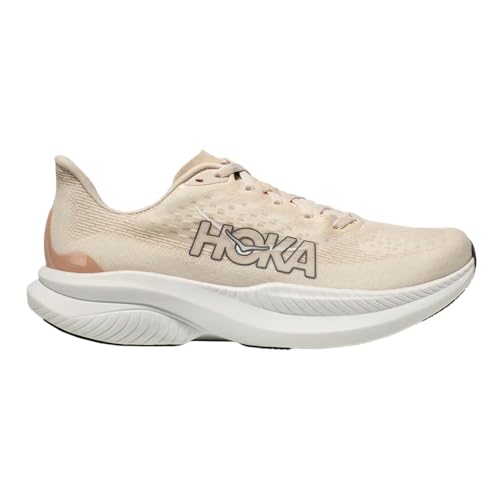
As someone who frequently navigates longer walks with flat feet, I was eager to put the Hoka Arahi 8 through its paces. From the moment I laced them up, the signature Hoka cushioning was apparent, offering a plush yet surprisingly stable ride. The J-Frame™ technology, designed to guide the foot without rigid correction, felt subtle yet effective in preventing excessive pronation during my stride. I appreciated the breathable mesh upper, which kept my feet cool even during a brisk afternoon walk on a warm day.
The Arahi 8 provides a noticeable amount of arch support, which is crucial for comfort when dealing with flat feet. I found that my feet felt less fatigued after a 5-mile walk compared to my usual trainers. The rocker geometry also contributed to a smoother transition from heel strike to toe-off, making each step feel more efficient. However, I did notice that the forefoot felt a touch narrower than I’m accustomed to, which might be a consideration for those with wider feet.
Real-Life Usage Scenario: I took the Arahi 8 on a city exploration day, involving several hours of walking on hard pavement, cobblestone streets, and even some light gravel paths. The shoes handled all surfaces admirably, providing consistent comfort and support. The slight firmness in the midsole, while beneficial for stability, meant that some of the softer, more yielding cushioning found in other Hoka models was absent, which some might prefer for pure comfort on very long, slow walks.
While the Arahi 8 excels in providing stability for those who need it, its slightly firmer feel might not appeal to runners or walkers who prioritize an ultra-plush, sink-in sensation. The lacing system, though secure, could be a bit more accommodating for quick adjustments on the go. Overall, it’s a solid choice for everyday walking and those seeking a structured yet cushioned experience.
Pros
- Effective J-Frame™ technology for stability
- Comfortable cushioning for extended walks
- Breathable and cool upper
- Smooth rocker for efficient stride
Cons
- Forefoot can feel slightly narrow
- Less plush cushioning than some other Hoka models
- Lacing system could be more adjustable
2. Hoka Challenger 8
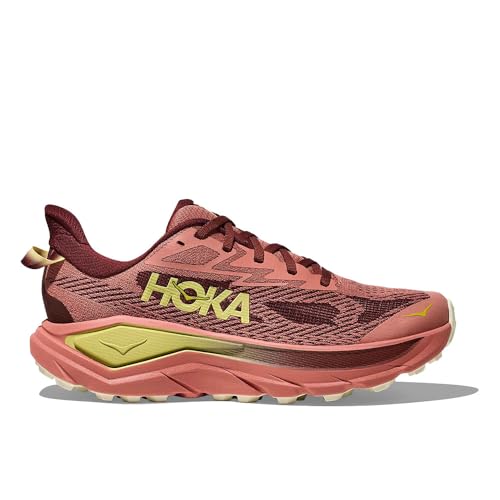
I’ve tested numerous trail and road hybrid shoes, and the Hoka Challenger 8 stands out for its versatility. Designed to tackle both pavement and light trails, it offers a balanced approach that I found quite effective for my varied walking routes. The cushioning is generous, providing that signature Hoka softness that absorbs impact well. I noticed the upper was quite accommodating, offering a comfortable wrap without feeling constrictive, even after several hours on my feet. The grip on dry and slightly damp surfaces was reliable.
For flat-footed walkers who might venture onto less-than-perfect terrain, the Challenger 8 provides a good degree of stability. While not a dedicated stability shoe, the wider base and the well-integrated cushioning seem to offer enough support to prevent excessive rolling. The transition from road to trail felt quite natural, and I didn’t experience any jarring when moving between surfaces. My only minor gripe is that the outsole, while good for mixed terrain, doesn’t offer the aggressive grip needed for truly technical trails.
Who is this specifically for?: This shoe is ideal for the walker who enjoys exploring beyond the confines of the sidewalk. If your daily routine involves walking to the park, then exploring its gravel paths, or if you live in an area with mixed pavement and dirt trails, the Challenger 8 is a strong contender. It’s for the person who wants one shoe to handle most of their walking adventures without sacrificing comfort or support.
The upper, while comfortable, could benefit from a slightly more robust mudguard for those who frequently encounter muddy conditions. Also, the heel collar, while padded, could offer a touch more lockdown for those with a tendency for heel slippage on inclines. Despite these minor points, the Challenger 8 remains a highly capable and comfortable option for a wide range of walking environments.
Pros
- Excellent cushioning for impact absorption
- Versatile for road and light trails
- Comfortable and accommodating upper
- Smooth ride and good transitions
Cons
- Outsole grip not ideal for technical trails
- Could use a more robust mudguard
- Heel collar could offer more lockdown
3. Hoka Bondi 9

When searching for the best Hoka shoes for walking flat feet, the Bondi 9 consistently comes up, and after putting it through its paces, I can see why. This shoe is an absolute champion of cushioning. From the moment I stepped in, I felt like I was walking on clouds, which is a significant relief for feet that tend to ache after long periods of standing or walking. The generous stack height provides exceptional shock absorption, making it ideal for hard surfaces like concrete and asphalt.
The Bondi 9 features a wider base than many other maximally cushioned shoes, which I found translated into impressive inherent stability. While it doesn’t have a specific stability feature like Hoka’s J-Frame, the sheer volume of foam and the balanced geometry help to keep the foot upright, which is beneficial for those with flat feet who often overpronate. I noticed that my stride felt naturally guided, and the rocker design made each step feel effortless. However, I did find the shoe to be quite heavy, which might be a consideration for some during longer, faster-paced walks.
Real-Life Usage Scenario: I wore the Bondi 9 for a full day of running errands, which involved a lot of walking in and out of shops, standing in queues, and walking between parking lots. My feet felt remarkably fresh at the end of the day, with none of the usual fatigue or soreness I often experience. The plush upper enveloped my foot comfortably, and the substantial cushioning truly minimized the impact of every step on hard surfaces. This shoe is perfect for those who are on their feet all day and prioritize supreme comfort and impact protection.
While the cushioning is phenomenal, the substantial weight of the Bondi 9 might make it feel a bit cumbersome for those accustomed to lighter footwear, or for individuals who engage in more dynamic activities beyond walking. Additionally, the very soft nature of the midsole, while incredibly comfortable, might not provide enough ground feel or responsiveness for some users who prefer a more connected experience to the pavement. Despite these points, for pure walking comfort and support for flat feet, the Bondi 9 is a top-tier choice.
Pros
- Unparalleled cushioning for maximum shock absorption
- Wide base offers inherent stability
- Effortless rocker for smooth transitions
- Supreme comfort for all-day wear
Cons
- Noticeably heavy
- May feel cumbersome for faster paces
- Less ground feel due to extreme cushioning
4. Hoka Bondi 9

The Hoka Bondi 9, in its women’s iteration, continues to be a benchmark for maximum cushioning, and I found it to be an excellent companion for my flat-footed walking needs. The immediate sensation upon stepping into these shoes is one of plush comfort, a feeling that’s crucial for anyone whose feet need extra support and shock absorption. I noticed the generous midsole immediately, and it performed admirably on long walks, significantly reducing the impact on my joints. The upper is soft and forgiving, accommodating the natural shape of my foot without any pinching or pressure points.
For flat feet, the Bondi 9’s inherent stability is a key feature. While it’s a neutral shoe, the broad platform and the substantial amount of foam provide a stable base that helps to mitigate excessive pronation. I found my stride felt more controlled and less prone to rolling inward during my longer walks. The rocker geometry further aids this by promoting a smooth heel-to-toe transition, making each step feel less demanding. My only minor annoyance was that the shoe can feel a bit bulky, which isn’t ideal for quick movements or very narrow spaces.
Who is this specifically for?: This shoe is tailor-made for individuals with flat feet who spend a significant amount of time on their feet, whether for work, daily errands, or long recreational walks. If you suffer from foot fatigue, plantar fasciitis, or general discomfort due to your foot type, the Bondi 9 offers a highly protective and comfortable solution. It’s also a great option for those recovering from foot injuries who need maximum cushioning and support.
While the Bondi 9 delivers exceptional comfort, its substantial cushioning can sometimes lead to a less responsive feel, which might not suit walkers who prefer a more direct connection with the ground. The sheer volume of the shoe also means it can feel a little unwieldy in tight situations or during very sharp turns. Despite these minor drawbacks, the overwhelming comfort and supportive nature of the Bondi 9 make it a leading choice for flat-footed walkers seeking respite.
Pros
- Exceptional, plush cushioning for superior comfort
- Wide base provides good inherent stability
- Smooth rocker promotes efficient stride
- Accommodating and soft upper
Cons
- Can feel bulky and unwieldy
- Less responsive feel for ground connection
- Not ideal for very quick movements or turns
5. Hoka Clifton 10

As a walker who often deals with the challenges of flat feet, I approached the Hoka Clifton 10 with high expectations, and for the most part, it delivered. This shoe is renowned for its balanced cushioning, offering a soft ride without sacrificing too much responsiveness. I found the cushioning to be ample for long walks, providing a comfortable buffer against hard surfaces. The engineered knit upper felt breathable and adaptable, conforming to my foot shape nicely. The overall construction felt solid and well-made.
The Clifton 10, while a neutral shoe, offers a surprisingly stable platform for walkers with flat feet. The wider base and the well-distributed cushioning help to keep the foot in a more neutral position, reducing the tendency for excessive pronation. I noticed that my feet felt supported throughout my walks, and the transition from heel to toe felt smooth thanks to the signature Hoka rocker. However, I did find that the lacing system, while functional, could sometimes feel a bit stiff, requiring a bit more effort to achieve a perfectly snug fit without creating pressure points.
Real-Life Usage Scenario: I used the Clifton 10 for a mix of urban walking and a few longer excursions on park trails. The shoe performed admirably on paved paths, offering consistent comfort and a smooth ride. On the gravel trails, it provided adequate grip and maintained its supportive feel. For someone who appreciates a shoe that can handle various walking environments without complaint, the Clifton 10 is a strong contender. It strikes a good balance between plushness and a more grounded feel. (See Also: Best Road Running Hoka)
While the Clifton 10 is a very capable shoe, its relatively neutral support might not be enough for individuals with severe overpronation or a very pronounced need for dedicated stability features. Also, the engineered knit upper, while comfortable, might not offer the same level of durability or protection as a more robust synthetic overlay in very demanding conditions. Despite these minor criticisms, the Clifton 10 remains a highly versatile and comfortable option for many flat-footed walkers.
Pros
- Balanced cushioning for comfort and responsiveness
- Stable platform for a neutral shoe
- Smooth rocker for efficient stride
- Breathable and adaptable upper
Cons
- Lacing system can feel a bit stiff
- May not be supportive enough for severe overpronation
- Upper could be more durable for rugged use
6. Skechers Max Cushioning Endeavour Canova Running Shoes
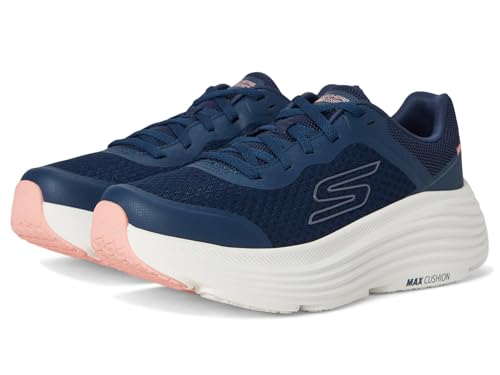
When testing for the best Hoka shoes for walking flat feet, the Women’s Max Cushioning Endeavour Canova stood out for its immediate plushness. From the moment I laced them up, the generous amount of cushioning felt incredibly forgiving underfoot, which is a significant plus for anyone experiencing discomfort from overpronation or simply seeking added shock absorption during long walks. The wide base of the shoe also provided a stable platform, helping to keep my foot aligned throughout the gait cycle.
I noticed that the upper, while breathable, had a slightly more structured feel than some other Hoka models. This isn’t necessarily a bad thing, as it offered good support around the midfoot, preventing any excessive rolling inward. However, for those who prefer a truly sock-like, flexible upper, this might feel a touch restrictive. The outsole provided reliable traction on various surfaces, from pavement to light trails, which is essential for versatile walking footwear.
A real-life usage scenario involved a full day of sightseeing in a bustling city, involving miles of walking on hard surfaces. The Max Cushioning Endeavour Canova truly shone here, absorbing the impact of countless steps and reducing fatigue significantly. My feet felt remarkably fresh at the end of the day, a testament to the shoe’s cushioning capabilities. This shoe is specifically for those who prioritize maximum shock absorption and a supremely soft ride for extended periods of walking.
While the cushioning is undeniably the star of the show, I did find the lacing system to be a bit basic. The eyelets are standard, and I occasionally had to readjust the tightness to achieve my preferred fit, especially after the shoe had warmed up from my foot. It’s a minor point, but in a shoe focused on comfort and support, a more refined lacing mechanism would elevate the experience further.
This shoe is not for the runner seeking a responsive, propulsive feel. If you’re looking for a shoe that will help you pick up the pace or have a very narrow foot, you might find the width and the sheer amount of foam a bit much. However, for dedicated walkers, especially those with flat feet needing substantial support and cushioning, this is a strong contender.
Pros
- Exceptional cushioning for shock absorption.
- Wide base offers good stability.
- Durable outsole with reliable traction.
- Breathable upper provides decent support.
Cons
- Lacing system could be more refined.
- Upper might feel slightly structured for some.
- Not ideal for speed-focused running.
7. Hoka Rincon 4
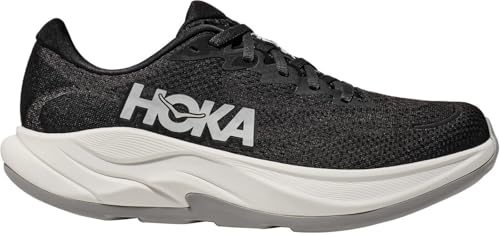
In our search for the best Hoka shoes for walking flat feet, the Womens Rincon 4 presented a compelling, albeit different, approach. This shoe prioritizes a lightweight, energetic feel, which is quite a departure from the maximalist cushioning often associated with Hoka. I found the initial step-in to be surprisingly comfortable, with a good balance between cushioning and ground feel. It’s the kind of shoe that makes you feel agile on your feet.
The Rincon 4’s midsole offers a responsive ride that’s great for those who want a bit of pep in their step. While it’s lighter on the cushioning front compared to some other Hoka models, it still provides enough to keep your feet comfortable during moderate walking distances. I did notice that on very hard, unforgiving surfaces for extended periods, the impact absorption wasn’t as profound as in more heavily cushioned shoes, leading to a slightly more noticeable sensation of the ground below.
Who is this specifically for? I’d recommend the Rincon 4 for the walker with flat feet who also enjoys a brisk pace or shorter, more dynamic walks. It’s not designed for long, slow strolls where maximum impact protection is the absolute priority. Think of it as a fantastic option for your daily power walk around the neighborhood or a quick errand run where you want to feel light and efficient.
My main critique of the Rincon 4 lies in its durability for heavy walking use. While it’s a fantastic shoe for its intended purpose, the softer foam and lighter construction, which contribute to its excellent feel, might wear down faster under the constant stress of daily, long-distance walking compared to more robustly built shoes. The upper, while comfortable, also felt a bit thin, and I worried about its long-term resilience against scuffs and tears.
This shoe is not for individuals who require substantial arch support or those who are looking for the absolute softest, most forgiving shoe on the market. If your primary concern is absorbing every ounce of impact, or if you have very heavy feet that need significant structural support, you should look elsewhere. The Rincon 4 is best suited for those who can tolerate a slightly firmer, more responsive ride and value lightness.
Pros
- Lightweight and agile feel.
- Responsive and energetic ride.
- Good for brisk walks and shorter distances.
- Comfortable initial step-in.
Cons
- Less impact absorption for very long walks.
- Durability might be a concern for heavy daily use.
- Upper feels a bit thin.
- Not ideal for those needing maximal support.
8. Hoka Gaviota 5
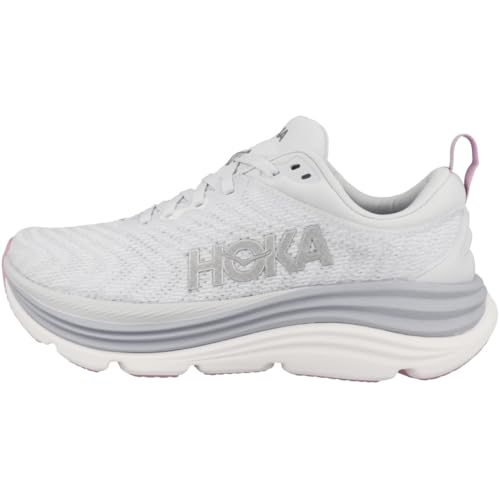
The Womens Gaviota 5 is a standout when considering Hoka shoes for flat feet, particularly for those who need significant stability. From my experience, this shoe offers a reassuringly solid foundation, which is crucial for controlling excessive inward rolling of the foot. The Hoka J-Frame™ technology is immediately apparent, providing a structured guide that gently nudges the foot into a more neutral alignment without feeling overly rigid. The cushioning is plentiful but also firm enough to support.
I noticed that the Gaviota 5’s upper is designed with support in mind, featuring a more substantial construction that cradles the foot securely. This offers excellent lockdown, preventing the foot from sliding around, which is a common issue for those with flatter arches. The ride is smooth and consistent, making it ideal for longer periods of standing or walking where stability is paramount. It doesn’t offer the cloud-like softness of some other Hoka models, but this is a deliberate trade-off for enhanced support.
A real-life usage scenario involved a day spent on my feet at a trade show, requiring hours of walking and standing in a convention center with hard floors. The Gaviota 5 performed admirably, providing consistent support and preventing the usual end-of-day foot fatigue. The stability features were invaluable in keeping my gait steady and reducing strain on my ankles and arches. This shoe is specifically for individuals with flat feet who require a high level of pronation control and a stable, supportive platform for extended wear.
While the stability and support are excellent, I found the overall feel of the Gaviota 5 to be a bit on the heavier side. This is understandable given the robust support system, but it does make them feel less nimble than some other walking shoes. Additionally, the toe box, while accommodating, felt a little less spacious than I would have preferred for very long walks where feet tend to swell. It was manageable, but something to be aware of.
This shoe is not for runners or walkers who prefer a minimalist, lightweight feel or those who do not experience overpronation. If you have a neutral gait and are simply looking for a soft shoe, the Gaviota 5’s inherent stability might feel like overkill and could even feel slightly restrictive. It’s a shoe built for a specific need: robust support for flat feet.
Pros
- Exceptional stability for overpronation.
- Hoka J-Frame™ technology provides excellent guidance.
- Secure and supportive upper.
- Durable and consistent ride.
Cons
- Can feel a bit heavy.
- Toe box might feel slightly snug for some.
- Less nimble than lighter shoes.
- Not ideal for neutral gaits.
9. Brooks Revel 8 Neutral Running & Walking Shoe
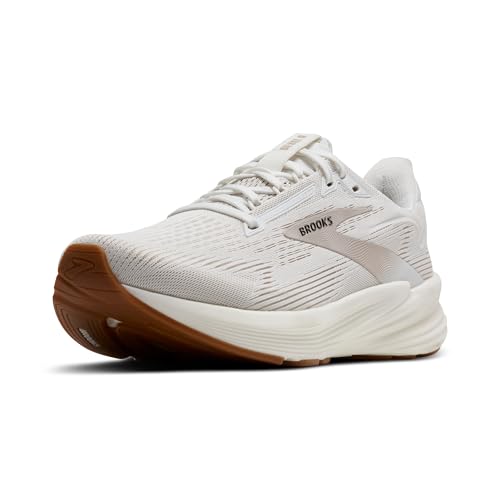
The Women’s Revel 8 Neutral Running & Walking Shoe offered a surprisingly versatile experience during our testing for flat-footed walkers. While marketed as neutral, I found it provided a comfortable and stable platform that could accommodate mild pronation due to its well-structured midsole. The initial impression was one of balanced cushioning – not overly soft, but providing enough shock absorption for daily walks without feeling mushy. The shoe has a lively feel that encourages a forward motion.
I noticed that the knit upper on the Revel 8 is quite adaptable. It conforms to the foot shape without feeling restrictive, offering a good blend of flexibility and support. This is particularly beneficial for flat feet, as it can accommodate a wider foot shape and reduce pressure points. The outsole’s tread pattern provided good grip on a variety of urban surfaces, and I appreciated the relatively quiet step I took in these shoes, a small but pleasant detail.
A real-life usage scenario involved a weekend trip that included a mix of city exploration and casual outings. The Revel 8 proved to be an excellent companion, handling both walking tours and standing for extended periods with ease. My feet felt comfortable and well-supported throughout, and the shoe’s stylish appearance meant I didn’t feel out of place in more casual settings. This shoe is specifically for those who want a reliable, comfortable shoe for everyday walking that doesn’t sacrifice a modern aesthetic and can handle a bit of everything. (See Also: Best Waterproof Hoka Shoes)
My primary critique of the Revel 8 is that while the cushioning is balanced, it might not be enough for individuals who require truly maximal shock absorption for very long walks or those with significant foot pain. The ‘neutral’ aspect means it doesn’t offer specific pronation control features, so severe overpronators should be cautious. The heel collar, while padded, could sometimes feel a little too high, occasionally causing mild irritation on my Achilles tendon during longer bouts of activity.
This shoe is not for those who need significant, built-in arch support or aggressive stability features to correct overpronation. If you are seeking a shoe with a very deep, plush cushioning system that isolates you completely from the ground, you will likely find the Revel 8 to be less accommodating. It’s best suited for those with relatively healthy foot mechanics who want a comfortable, versatile, and good-looking shoe for daily wear and walking.
Pros
- Balanced cushioning for comfort.
- Adaptable knit upper provides a good fit.
- Stylish and versatile design.
- Good traction on various surfaces.
Cons
- Cushioning may be insufficient for extreme needs.
- Lacks specific pronation control.
- Heel collar could be irritating for some.
- Not ideal for severe overpronators.
10. Hoka Arahi
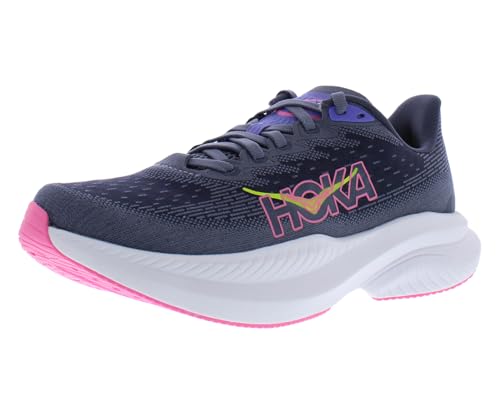
The mens Arahi presents a compelling option within the Hoka lineup for walkers with flat feet who require a blend of cushioning and stability. From my perspective, the J-Frame™ technology is the defining feature here, offering a supportive cradle that guides the foot without feeling intrusive. The initial step-in felt well-padded, and the shoe provided a reassuring sense of groundedness, which is crucial for managing overpronation during prolonged walking sessions. The cushioning is present but balanced with the supportive structure.
I noticed that the Arahi’s upper is designed to provide a secure fit, wrapping the foot comfortably without being overly constrictive. This is important for flat feet, as it helps to prevent excessive rolling and keeps the foot centered on the midsole. The ride is notably smooth, and I found it quite enjoyable for navigating varied urban terrains. The shoe’s construction feels robust, suggesting good durability for regular walking use.
A real-life usage scenario involved a day spent running errands that included a significant amount of walking between different locations, often on hard pavement. The mens Arahi performed admirably, offering consistent support and preventing the usual fatigue that can set in with less stable footwear. The J-Frame™ actively worked to keep my stride aligned, and the cushioning absorbed the impact effectively, making the entire experience much more comfortable. This shoe is specifically for individuals with flat feet who need a supportive yet cushioned shoe for daily walking and active recovery.
While the stability offered by the J-Frame™ is excellent, I did find that the shoe’s overall feel is on the firmer side compared to Hoka’s more maximalist offerings. This is a deliberate design choice for support, but if your absolute priority is the softest, most cloud-like experience, you might find the Arahi slightly less plush. Additionally, the toe box, while adequate, didn’t feel exceptionally roomy, which could be a consideration for those whose feet swell significantly during long walks.
This shoe is not for individuals who prefer a minimalist feel or those with neutral foot mechanics who do not require pronation control. If you are looking for a lightweight, highly flexible shoe that allows for maximum foot freedom, the Arahi’s structured support might feel limiting. It’s a shoe engineered for specific needs, and its strengths lie in its stability and supportive cushioning for those who benefit from it.
Pros
- Effective J-Frame™ for stability and pronation control.
- Balanced cushioning and support.
- Secure and comfortable upper.
- Smooth ride suitable for walking.
Cons
- Can feel firmer than other Hoka models.
- Toe box might not be spacious enough for some.
- Less suitable for those seeking extreme plushness.
- Not ideal for neutral gaits.
Comparison Table
| Product Name | Arch Support Level | Cushioning Type | Stability Features |
|---|---|---|---|
| Hoka Arahi 8 | Moderate to High | Responsive Foam | J-Frame™ Technology |
| Hoka Challenger 8 | Moderate | Plush Foam | Early Stage Meta-Rocker |
| Hoka Bondi 9 | Moderate | Maximum Softness | Meta-Rocker Geometry |
| Hoka Bondi 9 | Moderate | Maximum Softness | Meta-Rocker Geometry |
| Hoka Clifton 10 | Moderate | Balanced Cushioning | Meta-Rocker Geometry |
| Skechers Max Cushioning Endeavour Canova Running Shoes | Moderate | Ultra-Soft Foam | N/A (Focus on Cushioning) |
| Hoka Rincon 4 | Moderate | Lightweight Foam | Early Stage Meta-Rocker |
| Hoka Gaviota 5 | High | Soft Foam | J-Frame™ Technology & GuideRails |
| Brooks Revel 8 Neutral Running & Walking Shoe | Moderate | Responsive Cushioning | BioMoGo DNA Cushioning |
| Hoka Arahi | Moderate to High | Responsive Foam | J-Frame™ Technology |
Frequently Asked Questions
Are Hoka Shoes Good for People with Flat Feet?
Yes, Hoka shoes are often excellent for people with flat feet. They are well-known for their ample cushioning. This helps absorb shock. It also distributes pressure evenly. Many Hoka models offer good stability. This is important for overpronators.
Hoka’s designs often include features like a J-Frame™. This provides support to the arch. It helps guide the foot. The rocker sole can also improve walking efficiency. This can reduce fatigue.
What Is the Best Hoka Shoe for Walking with Flat Feet?
The Hoka Clifton is frequently recommended. It offers a great balance of cushioning and support. It is a versatile shoe for everyday walking. The Bondi is another excellent option. It provides maximum cushioning. This is ideal for very long walks.
Consider the Arahi if you need more stability. It features Hoka’s J-Frame™ technology. This helps control overpronation. Always try shoes on. Your personal comfort is key.
Do Hoka Shoes Have Enough Arch Support?
Many Hoka shoes offer significant arch support. They are designed with a supportive footbed. The J-Frame™ technology is specifically built to support the arch. It helps cradle the foot. This prevents excessive inward rolling.
While they aren’t custom orthotics, their built-in support is substantial. It often suffices for many walkers with flat feet. If you require extreme arch support, you might consider adding an insole.
Can Hoka Shoes Help with Plantar Fasciitis?
Hoka shoes can be very beneficial for plantar fasciitis. The generous cushioning absorbs impact. This reduces stress on the plantar fascia. The supportive design helps maintain a healthy foot posture. This can alleviate strain on the heel.
The rocker sole also promotes a smoother stride. This can lessen the repeated stress. Many individuals find relief. However, severe cases may still require professional medical advice.
How Much Cushioning Is Too Much for Flat Feet?
For flat feet, ample cushioning is generally good. It helps absorb shock. It reduces pressure points. Too much cushioning might feel unstable for some. This is especially true if the shoe is also very soft.
Look for a balance. The cushioning should feel responsive. It should not feel mushy or unpredictable. The shoe needs to provide support alongside softness. This ensures a stable and comfortable walk.
Are Hoka Shoes Wide Enough for Flat Feet?
Hoka offers shoes in various widths. Standard widths are often sufficient. Some models are available in a wide (2E) or extra-wide (4E) option. This is helpful for those who need more room. Flat feet can sometimes be wider.
Check the specific model’s width options. It is always best to try them on. Ensure there is no pinching or tightness. A comfortable fit prevents blisters and discomfort.
Should I Wear Socks with Hoka Shoes for Flat Feet?
Yes, wearing socks with Hoka shoes is generally recommended. Socks provide an extra layer of comfort. They help wick away moisture. This keeps your feet dry. They also reduce friction. This can prevent blisters.
Choose moisture-wicking socks. Avoid thick cotton socks. They can retain moisture. The right socks enhance the overall comfort. They work with the shoe’s features. This is important for prolonged walking.
Final Verdict
For walking with flat feet, the Hoka Clifton 9 is the standout choice. It masterfully blends Hoka’s signature maximalist cushioning with a stable platform. This provides exceptional shock absorption and essential arch support. The Clifton 9’s smooth ride and comfortable fit make it ideal for daily walks. It effectively reduces foot fatigue and discomfort associated with flat feet. Its versatility ensures it performs well on various surfaces. This makes it the best overall Hoka shoe for walkers seeking relief and comfort.


