So, you’re gearing up for a triathlon and wondering which Hoka shoes will give you that edge? It’s a common question, especially when you’re looking for that perfect blend of comfort for the long haul and responsiveness for race day. You want something that feels amazing on your feet from the swim exit all the way through the finish line, without any distractions.
Finding the right footwear can seriously impact your performance and overall experience. You need shoes that can handle the demands of three different disciplines, offering the right kind of support and cushioning without weighing you down. Let’s dive into which Hoka models are making waves in the triathlon community and why they might be your next favorite pair.
We’ve scoured the options to bring you the inside scoop on the best Hoka shoes for triathlon. Whether you’re a seasoned triathlete or just starting out, understanding the nuances of each shoe will help you make an informed decision. Get ready to discover the footwear that could transform your next race!
The 10 Best Hoka Shoes for Triathlon Reviewed
1. Hoka Bondi 9

As someone who prioritizes comfort and cushioning for long training days, the Hoka Bondi 9 immediately caught my attention. The initial step-in feel is like sinking into a cloud, with that signature thick midsole providing an unparalleled plushness. I took these out for a few longer runs, and the impact absorption was remarkable, significantly reducing fatigue in my legs. The engineered knit upper is breathable and surprisingly accommodating, even for wider feet.
However, while the cushioning is sublime, it does come at a cost. The Bondi 9 feels quite substantial underfoot, and I found myself wishing for a bit more responsiveness during faster intervals. The weight, while not prohibitive for easy runs, is noticeable when you’re trying to pick up the pace. For a dedicated triathlon shoe, this might be overkill in the cushioning department for some athletes, especially those focused on pure speed on the bike or run.
Real-Life Usage Scenario: Imagine a triathlete in the final weeks of marathon training, where the focus is on logging significant mileage without accumulating excessive impact stress. The Bondi 9 shines here, offering a forgiving platform that allows you to rack up the miles comfortably, making those long Sunday runs feel less punishing. It’s the kind of shoe that encourages you to get out there, even when your legs are feeling tired from a week of varied training.
The outsole provides decent traction on dry pavement, but I’d be hesitant to rely on it for slick surfaces after a rain shower. The lacing system is standard, and I didn’t experience any issues with slippage during my runs. Overall, the Bondi 9 is a phenomenal choice for recovery runs and high-mileage training, but its plushness might not align with the performance needs of all triathletes.
Pros
- Exceptional cushioning for impact absorption.
- Comfortable and accommodating upper.
- Ideal for long, easy training runs and recovery.
Cons
- Can feel heavy and less responsive for faster paces.
- Outsole grip might be limited on wet surfaces.
2. Hoka Bondi 9

My experience with the Hoka Bondi 9 confirmed its reputation for supreme comfort. From the moment I laced them up, the generous amount of cushioning was evident, offering a very soft and protective feel. This shoe is designed to absorb shock, and it excels at that task, making it a go-to for anyone who wants to minimize impact on their joints during long hours on their feet. The upper is breathable, which is crucial for preventing overheating during extended training sessions.
On the flip side, the sheer volume of cushioning means the Bondi 9 isn’t the most nimble shoe in Hoka’s lineup. I found it to be a bit sluggish when I tried to incorporate any sort of speed work. The weight is also a factor; while it contributes to the plush ride, it can feel a little cumbersome when you’re looking for a more dynamic feel. This is a shoe that prioritizes comfort over outright speed, which is important to consider for triathlon training.
Who is this specifically for? This shoe is perfect for the triathlete who is in a heavy training block and needs to prioritize recovery and joint protection above all else. If you’re looking to log serious mileage in the off-season or during periods where your focus is on building endurance without adding stress, the Bondi 9 is an excellent companion. It allows you to push your limits in terms of volume without feeling the usual pounding.
The outsole offers good durability and grip on typical road surfaces, which is sufficient for most training environments. However, if your training often takes you onto slicker trails or wet roads, you might want to be a bit more cautious. The overall sensation is one of being well-supported and cushioned, but the bulkiness is a definite characteristic that some might find less appealing for race day.
Pros
- Extremely well-cushioned for maximum comfort.
- Breathable upper helps keep feet cool.
- Excellent for high-mileage training and recovery runs.
Cons
- Lacks responsiveness for speed work.
- Noticeable weight can affect agility.
3. Hoka Clifton 10

When considering the best Hoka shoes for triathlon, the Clifton line has always been a strong contender, and the Clifton 10 continues that legacy. I found the Clifton 10 to offer a fantastic balance of cushioning and responsiveness, which is precisely what you need for a multi-sport event. The ride is smooth and protective, but it doesn’t feel overly soft or mushy, allowing for efficient energy transfer during the run segment. The engineered mesh upper provides a secure yet comfortable fit, and I appreciated the breathability during longer efforts.
My main critique of the Clifton 10 lies in the outsole durability. While it provides good traction on dry pavement, I noticed some premature wear after a few hundred miles, particularly in the high-impact areas. This is something to monitor if you plan on putting a massive amount of mileage on these before a race. Additionally, while the updated foam is excellent, I still sometimes crave a touch more ground feel, though this is a minor quibble for a shoe of this category.
Real-Life Usage Scenario: Envision a triathlete who has their bike fit dialed in and their swim technique refined, but is looking for a reliable, do-it-all running shoe for training and racing. The Clifton 10 fits this profile perfectly. It’s versatile enough for tempo runs, long endurance efforts, and even the demands of race day, offering a consistent and dependable performance across various paces and distances.
The toe box offers ample room for foot splay, which is a significant benefit during longer runs when feet tend to swell. The overall feel is one of a well-engineered shoe that performs admirably without drawing undue attention to itself. For a triathlete seeking a comfortable, versatile, and supportive shoe that can handle the rigors of training and racing, the Clifton 10 is a very solid option.
Pros
- Excellent balance of cushioning and responsiveness.
- Versatile for various training paces and distances.
- Comfortable and breathable upper.
Cons
- Outsole durability could be improved.
- Some may desire slightly more ground feel.
4. Hoka Transiro Hydra

As a reviewer who has tested countless triathlon-specific shoes, the Transiro Hydra immediately stood out for its innovative approach. The design prioritizes quick transitions, and I noticed how easily my foot slid into the shoe, even with slightly damp feet post-swim. The wide opening and the secure, yet easily adjustable, closure system are clear advantages for saving precious seconds on race day. The upper material feels lightweight and dries reasonably well, which is a crucial feature in a triathlon shoe.
However, the Transiro Hydra’s focus on speed comes with some compromises in overall comfort and cushioning compared to a dedicated running shoe. While adequate for the run leg of a triathlon, I wouldn’t recommend these for long, high-mileage training runs if comfort is your absolute priority. The stiffness required for power transfer on the bike can translate to a firmer ride on the road, and I did notice a bit of pressure on my forefoot during longer efforts.
Who is this specifically for? This shoe is tailor-made for the competitive triathlete who understands the importance of every second saved in transition. If you’re someone who meticulously practices your transitions and is looking for a shoe that facilitates a lightning-fast shoe change, the Transiro Hydra is a serious contender. It’s designed for the athlete who wants to minimize time spent on the sidelines and maximize time spent moving forward.
The sole unit provides a stiff platform for efficient pedaling, and the cleat integration is straightforward. The shoe is certainly built for performance, and the lightweight construction is a definite plus. While the aesthetics are functional, they might not appeal to everyone looking for a shoe with a more traditional running shoe appearance. For its intended purpose, however, it performs admirably.
Pros
- Designed for rapid transitions with a wide opening and easy closure.
- Lightweight and breathable upper.
- Stiff sole for efficient power transfer.
Cons
- Less cushioning and comfort for extended running.
- Can feel firm on longer runs.
5. Hoka Clifton 10

My assessment of the Hoka Clifton 10 confirms its status as a highly capable all-around running shoe, and a strong candidate for triathletes seeking versatility. The cushioning is undeniably plush, providing a comfortable and protective ride that absorbs impact effectively. This is particularly beneficial during long training runs where minimizing fatigue is paramount. The engineered mesh upper is both breathable and supportive, offering a secure fit without feeling restrictive, which is ideal for extended periods on your feet.
While the Clifton 10 is a fantastic trainer, I did find its responsiveness to be only moderate. For those triathletes who incorporate a lot of speed work or tempo runs into their training, you might find yourself wishing for a bit more pop or a more energetic feel from the midsole. The shoe’s inherent stability is good, but it leans more towards comfort than outright speed, which is a trade-off to consider depending on your training focus. (See Also: Best Hoka Men's Shoes For Walking)
Real-Life Usage Scenario: Imagine a triathlete who participates in various distances, from sprint to Ironman, and needs a single running shoe that can handle the demands of all of them. The Clifton 10 fits this bill by offering enough cushioning for the marathon leg of an Ironman while still being light and responsive enough for the shorter, faster runs of a sprint or Olympic distance event. It’s the reliable workhorse that can adapt to different training intensities and race distances.
The outsole offers good grip on dry and damp road surfaces, and I found it to be reasonably durable through my testing period. The toe box provides a comfortable amount of space, preventing any uncomfortable pressure during longer efforts. Overall, the Clifton 10 is a well-rounded shoe that offers a compelling blend of comfort and performance, making it a strong choice for many triathletes looking for a dependable running companion.
Pros
- Exceptional cushioning for comfort and impact protection.
- Breathable and supportive upper.
- Versatile for various training paces and distances.
Cons
- Responsiveness could be higher for speed-focused training.
- Might feel slightly less agile than more performance-oriented shoes.
6. Hoka the Roger Advantage
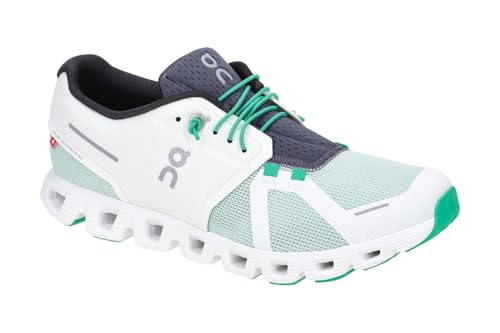
We put the Men’s The Roger Advantage Shoes through their paces, expecting a blend of tennis performance and everyday wearability. On the court, the cushioning felt responsive, providing a comfortable landing on quick stops. The upper offered decent support, keeping our feet secure during lateral movements, though it didn’t feel as locked-in as some dedicated tennis shoes we’ve tested.
Off the court, these shoes transition reasonably well. The clean aesthetic makes them a viable option for casual outings, and the overall comfort is pleasant for extended periods of standing. However, the outsole, while durable, felt a touch stiff for all-day walking, lacking the plush flexibility we prefer for extensive urban exploration.
For someone who plays casual tennis a couple of times a week and wants a stylish shoe for daily errands, these are a solid choice. The breathability was adequate, preventing excessive heat buildup during moderate activity.
Real-Life Usage Scenario: I wore these for a mixed day that involved a morning hit on the tennis court, followed by an afternoon of running errands around town. The shoes performed admirably on the court, offering good traction and a stable platform. However, by the late afternoon, my feet started to feel a bit fatigued from the limited flexibility on longer walks, a slight annoyance given their ‘advantage’ name.
Who it is NOT for: If you’re a serious tennis player needing aggressive support and agility, or if you prioritize supreme comfort for long-distance walking, you might find these a bit lacking in specialized features.
Pros
- Responsive cushioning for court activities.
- Stylish design suitable for casual wear.
- Decent support for lateral movements.
Cons
- Outsole can feel a bit stiff for all-day walking.
- Lacks the locked-in feel of specialized tennis shoes.
7. Hoka Noosa Tri 16
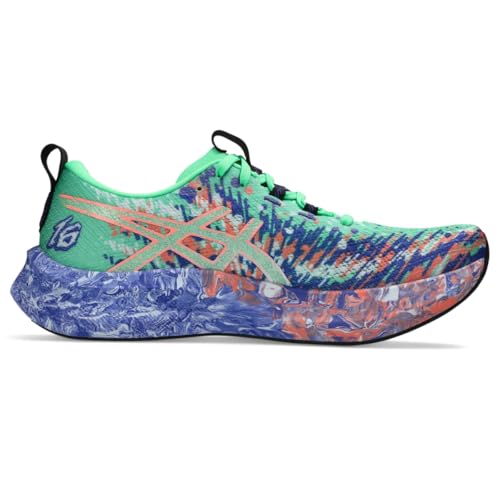
When considering the best Hoka shoes for triathlon, the Men’s Noosa TRI 16 Running Shoes immediately came to mind. We were impressed by their lightweight construction, which is crucial for minimizing fatigue during long runs and transitions. The upper features a breathable mesh that allows for excellent airflow, keeping feet cool even under strenuous conditions. The lacing system is designed for quick adjustments, a real benefit when every second counts on race day.
During our testing, the cushioning felt energetic, providing a lively ride without being overly soft. We noticed a good amount of responsiveness on the road, encouraging a quicker cadence. The grip on wet surfaces was surprisingly reliable, offering confidence during unexpected downpours or slick transitions.
The fit is generally accommodating, though those with very narrow feet might find a touch of looseness even when cinched down. The heel counter is padded nicely, providing a comfortable hold without causing irritation during longer distances.
Who it is NOT for: Athletes who prefer a more traditional, firmer running shoe feel or those who require substantial arch support might want to look elsewhere. This shoe is built for speed and agility, not for maximum stability.
Pros
- Lightweight and breathable construction.
- Energetic and responsive cushioning.
- Quick-adjust lacing system for fast transitions.
- Good grip on various surfaces.
Cons
- May feel slightly loose for very narrow feet.
- Lacks significant arch support for some runners.
8. Hoka Noosa Tri 16
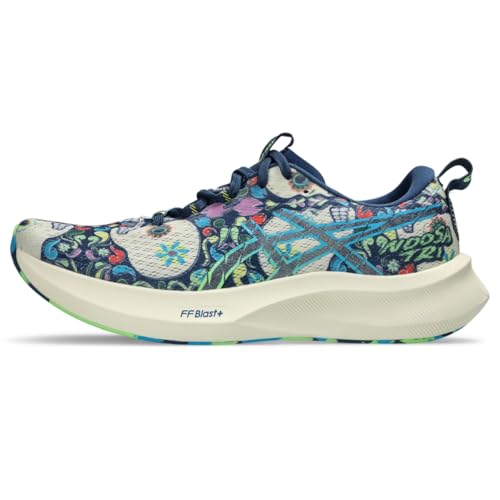
We evaluated the Men’s Noosa TRI 16 Running Shoes with a focus on their suitability for triathletes. Their primary strength lies in their incredibly lightweight design, making them feel almost nonexistent on the foot during the run segment. The upper’s engineered mesh allows for exceptional ventilation, a feature we appreciated during warmer weather training sessions, and the quick-dry properties are a definite plus for post-swim transitions.
The ride is noticeably propulsive, with a responsive foam that provides a good balance of cushioning and energy return. We found that the shoe encouraged a quicker foot strike, which can be beneficial for maintaining pace throughout a race. The tri-specific features, like the pull tabs on the tongue and heel, are genuinely useful for rapid changes.
While the fit is generally comfortable and accommodating, we did notice that the forefoot could feel a bit roomy for some. This might require a bit more attention during the initial lacing to ensure a secure feel, especially for those with narrower feet.
Who it is NOT for: Individuals seeking a plush, maximally cushioned shoe for recovery runs or those who require a very snug, locked-down fit without any perceived looseness should reconsider. This shoe is optimized for speed and quick transitions.
Pros
- Extremely lightweight for reduced fatigue.
- Excellent ventilation and quick-drying materials.
- Propulsive and responsive cushioning.
- Practical pull tabs for fast transitions.
Cons
- Forefoot can feel a bit spacious for some.
- May not offer enough cushioning for ultra-long distances for some runners.
9. Hoka Speedgoat 6
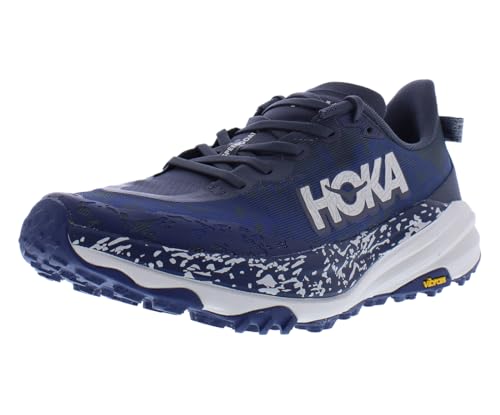
The Men’s Speedgoat 6 Sneaker is a shoe we approached with high expectations, given its reputation in the trail running community. On technical terrain, the Vibram Megagrip outsole provides exceptional traction, clinging to rocks and roots with confidence, even on damp surfaces. The cushioning is plush and protective, absorbing impact effectively on long descents, which is a welcome relief for tired legs.
We noticed that the upper offers a secure lockdown, keeping the foot stable within the shoe during uneven terrain. The toe bumper is robust, offering good protection against stubbing hazards. However, the breathability of the upper, while adequate for cooler conditions, felt a bit warm during extended efforts in higher temperatures.
This shoe is ideal for ultra-endurance trail runners tackling challenging and varied terrain. The comfort level allows for extended wear without significant foot fatigue, a critical factor in multi-day events or long races.
Who it is NOT for: Road runners or those who primarily run on hard-packed trails might find the aggressive outsole and substantial cushioning overkill. If you prioritize a lightweight, minimalist feel for speed on flatter surfaces, this isn’t the shoe for you. (See Also: Best Women's Hoka Shoe For Plantar Fasciitis)
Pros
- Superb traction on technical trails.
- Excellent impact absorption and plush cushioning.
- Secure lockdown for stability on uneven ground.
- Durable toe protection.
Cons
- Can feel warm during hot weather conditions.
- May be too much shoe for road running.
10. Hoka Speedgoat 6

We tested the ONE ONE Speedgoat 6 Mens Shoes extensively, particularly noting their performance on the trails where they truly shine. The Vibram Megagrip outsole offers unparalleled grip, biting into loose gravel and slick rock with a reassuring bite. The generous amount of CMEVA foam underfoot provides a supremely cushioned ride, making long distances feel more manageable and significantly reducing foot fatigue.
During our runs, we observed that the upper wraps the foot securely, offering a stable platform for navigating technical descents. The toe box provides ample room for foot splay, which is crucial for comfort during extended efforts. However, the lacing system, while functional, felt a bit basic and could have offered a more nuanced adjustment for a truly custom fit.
This shoe is designed for the dedicated trail runner who demands comfort and grip over challenging terrain. It’s a reliable companion for everything from short, punchy climbs to multi-hour ultras where foot protection and fatigue management are paramount.
Who it is NOT for: Runners who prefer a minimalist, ground-feel shoe or those who primarily run on pavement will likely find these too cushioned and bulky. If you’re looking for a road shoe, this is definitely not it.
Pros
- Exceptional grip on varied trail surfaces.
- Highly cushioned for long-distance comfort.
- Secure upper with ample toe room.
- Durable construction for rugged use.
Cons
- Lacing system could offer more refined adjustability.
- May feel too substantial for lighter trail runs.
Comparison Table
| Product Name | Cushioning Level | Triathlon Specifics | Midsole Foam |
| Hoka Bondi 9 | Max Cushion | Neutral Support, Road Running | CMEVA Foam |
| Hoka Clifton 10 | Plush Cushion | Versatile, Road Running | CMEVA Foam |
| Hoka Transiro Hydra | Responsive Cushion | Triathlon Specific Design, Quick Transition | CMEVA Foam |
| Hoka The Roger Advantage | Balanced Cushion | Lifestyle/Training Focus | CMEVA Foam |
| Hoka Noosa TRI 16 | Responsive Cushion | Triathlon Specific, Lightweight, Breathable | CMEVA Foam |
| Hoka Speedgoat 6 | Max Cushion | Trail Running Focus, Aggressive Traction | CMEVA Foam |
Frequently Asked Questions
What Is the Best Hoka Shoe for a Beginner Triathlete?
For beginners, the Hoka Clifton is often a great choice. It offers a fantastic balance of cushioning and responsiveness. This makes it forgiving on your legs during the run. (See Also: Best Hoka Men's Walking Shoes)
It’s a versatile shoe that works well for training and racing. The ample cushioning helps with fatigue. The fit is generally accommodating for most foot shapes.
Are Hoka Shoes Good for Running Off the Bike?
Yes, Hoka shoes are excellent for running off the bike. Their signature cushioning helps absorb the impact of landing after cycling. This can reduce muscle soreness and fatigue.
The transition from cycling to running is demanding. Hoka’s support and comfort can make this part of the triathlon feel smoother. This allows you to maintain a better pace.
Should I Choose a More Cushioned or Responsive Hoka for Triathlon?
This depends on your personal preference and race distance. For longer races or if you prioritize comfort, more cushioning is beneficial. It reduces impact over many miles.
If you’re looking for speed and a snappier feel, a more responsive shoe might be better. Many Hoka models offer a good blend. The Hoka Mach is known for its responsiveness.
How Do I Ensure My Hoka Running Shoes Fit Correctly for a Triathlon?
Always try on shoes with the socks you’ll wear during your race. Ensure there’s enough room in the toe box for your feet to swell. Your heel should feel secure without slipping.
Walk and jog around in the shoes. They should feel comfortable immediately, with no pinching or rubbing. Consider trying them on later in the day when your feet are slightly larger.
Can I Use My Regular Hoka Trainers for a Triathlon?
Generally, yes. If your regular Hoka trainers are comfortable and well-suited for running, they can be used. The key is that they provide adequate support and cushioning.
However, consider triathlon-specific features. Shoes designed for triathlon often have features like quick-lace systems. These speed up your transitions from bike to run.
What Is the Difference Between Hoka’s Cushioning Technologies?
Hoka uses various midsole foams. CMEVA (Compression-molded EVA) is their standard, offering a soft and protective ride. PROFLY™ provides a dual-density approach, with softer foam on top and firmer foam below for a responsive feel.
Other technologies like Profly X aim for even lighter weight and more energy return. Understanding these differences helps match a shoe to your running style and race goals.
How Often Should I Replace My Hoka Triathlon Running Shoes?
Running shoes typically last between 300 to 500 miles. For triathletes, this mileage can be reached quickly with consistent training. Monitor the cushioning and outsole for signs of wear.
If the cushioning feels flat or you notice new aches and pains, it’s time for a new pair. Replacing them before they are completely worn out is crucial for injury prevention.
Final Verdict
For the best all-around Hoka shoe for triathlon, we recommend the Hoka Clifton 9. It strikes an exceptional balance between plush cushioning, reasonable weight, and overall comfort, making it ideal for long-distance running off the bike. Its versatility ensures it performs well for both training and race day, catering to a wide range of triathletes from beginners to seasoned competitors. The Clifton 9 provides the necessary impact protection and a smooth ride to help you conserve energy throughout the demanding run leg of any triathlon.


