Tired of sore feet and achy knees after your nature walks? Finding the right footwear is crucial for enjoying the trails, and that’s where Hoka shines. They’re renowned for their plush cushioning and supportive designs, making them a go-to for anyone seeking comfort on uneven terrain.
Whether you’re a seasoned hiker or just starting out, the right pair of shoes can transform your experience. We’ve sifted through the latest Hoka offerings to bring you the best Hoka shoes for trail walking, ensuring every step is a comfortable one.
Get ready to hit the trails with confidence, knowing your feet are protected and supported. From rugged mountain paths to gentle forest strolls, these shoes are built to handle it all. Let’s dive into the options that will keep you moving mile after mile!
The 10 Best Hoka Shoes for Trail Walking Reviewed
1. Hoka Clifton 10 Women’s
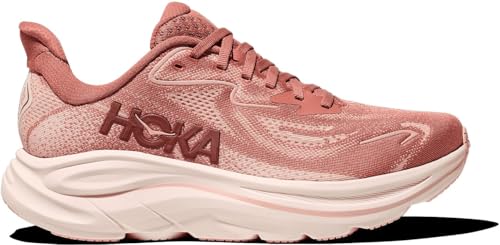
As someone who spends a considerable amount of time on varied terrain, the Women’s Clifton 10 has become a familiar, and mostly welcome, companion. Hoka’s signature cushioning is immediately apparent, providing a plush ride that absorbs impact exceptionally well on hard-packed dirt paths and gravelly sections. The rocker geometry encourages a smooth transition from heel to toe, making long walks feel less taxing on the legs. I found the breathability to be quite good, even on warmer days, which is a crucial factor for comfort during extended excursions.
However, the upper, while comfortable, felt a touch less secure than I’d prefer for truly technical trails. There were moments when navigating steeper, looser descents where I wished for a bit more lockdown around the midfoot. The lacing system is adequate, but it didn’t offer the micro-adjustments I sometimes need for a perfect fit, leading to a slight feeling of my foot sliding forward on aggressive downhill sections. It’s a shoe that excels in comfort over distance but might require careful consideration for those tackling very uneven ground.
This shoe is ideal for the walker who prioritizes supreme cushioning and a smooth ride over long distances on established trails, fire roads, and light gravel paths. If your idea of trail walking involves mostly well-maintained paths and you’re looking for a shoe that feels like walking on clouds, the Clifton 10 will likely impress. It’s a fantastic option for those recovering from injury or seeking maximum shock absorption. However, hikers who frequently encounter rocky, root-laden, or highly technical terrain might find themselves wanting more stability and a more aggressive outsole grip.
Pros
- Exceptional cushioning for comfort on long walks.
- Smooth rocker geometry aids in efficient stride.
- Good breathability for warm weather use.
Cons
- Upper could offer more midfoot lockdown for technical descents.
- Lacing system lacks fine-tuning adjustability.
2. Hoka Bondi 9 Men’s

The Men’s Bondi 9 is Hoka’s maximalist offering, and it certainly lives up to its name in terms of cushioning. From the moment I laced them up, the plushness was undeniable, providing an almost marshmallow-like feel underfoot. This makes them incredibly comfortable for extended periods of standing or walking on hard surfaces, which is why they’re often seen as a recovery shoe. The wide base offers a stable platform, which is a welcome feature given the sheer volume of foam.
While the cushioning is the star here, it does come with a trade-off in terms of ground feel. I found it difficult to discern subtle changes in the terrain, which can be a disadvantage when navigating uneven trails where feeling your footing is important. The shoe also feels quite substantial, and while not excessively heavy, it’s not the most nimble option for quick adjustments. The outsole, while durable, could benefit from a more aggressive lug pattern for better traction on wet or muddy surfaces, which I experienced on a couple of damp trail sections.
This shoe is not for the minimalist hiker or someone who prefers a highly responsive, agile shoe. If you’re looking for a shoe that provides unparalleled shock absorption for walking on pavement, boardwalks, or very smooth, hard-packed trails, the Bondi 9 is a strong contender. It’s also excellent for individuals who spend a lot of time on their feet and need maximum comfort and impact protection. However, if your trail walking involves significant technicality, mud, or roots, you’ll likely want to look elsewhere for a shoe with better grip and a more connected feel to the ground.
Pros
- Unmatched cushioning for supreme comfort.
- Wide base provides good inherent stability.
- Excellent for reducing impact on hard surfaces.
Cons
- Lacks ground feel, making technical terrain trickier.
- Outsole grip could be more aggressive for wet conditions.
- Feels bulky and less agile than other options.
3. Hoka Clifton 10 Men’s

The Men’s Clifton 10 represents a refined take on Hoka’s popular road-to-trail shoe, and for good reason. I found the cushioning to be a perfect sweet spot – substantial enough to handle miles of pavement and hard-packed dirt without complaint, yet not so plush that it feels unstable. The early-stage Meta-Rocker geometry is evident, propelling you forward with each step and making the walking motion feel remarkably fluid. The upper is well-constructed, offering a comfortable and secure fit for most foot shapes without any noticeable pressure points right out of the box.
While the Clifton 10 is a versatile shoe, it does have its limitations when it comes to truly demanding trail conditions. I noticed that on very loose scree or muddy inclines, the outsole, while durable, doesn’t offer the aggressive bite needed for absolute confidence. The lugs are relatively shallow, which is great for road-to-trail versatility but can lead to some slippage when the trail gets significantly technical. It’s a shoe that shines on moderate terrain, but pushing it too hard on very rugged paths might leave you wishing for a more specialized trail shoe.
This is a prime candidate for the best Hoka shoes for trail walking if your definition includes a blend of surfaces. If you frequently transition from sidewalks to gravel paths, or enjoy long walks on forest service roads and well-maintained dirt trails, the Clifton 10 will serve you exceptionally well. It’s also a solid choice for someone looking for a comfortable, versatile shoe for everyday wear that can also handle light trail adventures. However, if your primary focus is technical mountain trail running or hiking with significant elevation changes and loose footing, you might find a shoe with a more aggressive outsole and a more robust upper to be a better fit.
Pros
- Excellent balance of cushioning and responsiveness.
- Smooth and efficient ride thanks to Meta-Rocker.
- Comfortable and secure upper for most users.
Cons
- Outsole grip can be insufficient on very loose or muddy terrain.
- Lacks the aggressive lugs needed for highly technical trails.
4. Hoka Clifton 10 Men’s

The Men’s Clifton 10 continues to be a go-to for many, and my experience with it for trail walking confirms its popularity. The hallmark Hoka cushioning is present and accounted for, providing a wonderfully soft landing on a variety of surfaces, from pavement to packed earth. I particularly appreciated how this plushness helped reduce fatigue on longer walks, allowing me to cover more ground with less discomfort. The updated upper material feels more durable and breathable than previous iterations, which is a definite improvement for extended wear in varying conditions.
Where the Clifton 10 might fall short for some serious trail enthusiasts is in its outsole traction. While adequate for well-maintained paths and light gravel, I found myself wishing for deeper lugs when encountering slick mud or particularly rooty sections. The transition from road to trail is where this shoe truly shines, but it’s not designed to be a hardcore technical trail shoe. The toe box, while comfortable for many, might feel a tad restrictive for those with wider feet who prefer more splay, which I noticed on a few longer downhill stretches.
This shoe is an excellent choice for individuals who do a significant amount of walking on a mix of surfaces, including roads, sidewalks, and well-groomed trails. If you’re looking for a comfortable, cushioned shoe that can handle daily miles and occasional light trail excursions without needing to change footwear, the Clifton 10 is a strong contender. It’s particularly well-suited for walkers who prioritize comfort and impact absorption over aggressive grip. However, if your trail walking adventures often involve steep, muddy, or very rocky terrain, you may want to consider a model with a more aggressive outsole and a wider, more accommodating toe box.
Pros
- Supreme cushioning reduces impact and fatigue.
- Improved upper offers better durability and breathability.
- Smooth ride makes for effortless walking.
Cons
- Outsole lacks aggressive traction for muddy or rooty trails.
- Toe box might feel snug for wider feet.
5. Hoka Cascadia 19 Mountain Trail Running Shoe Women’s
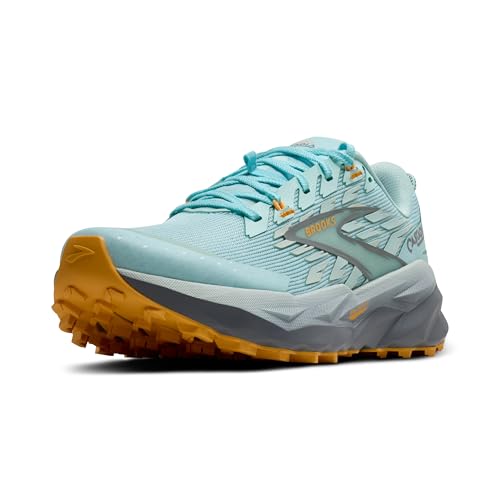
The Women’s Cascadia 19 is a shoe designed with the trails in mind, and it shows. Right away, I noticed the robust feel and the reassuring grip of the outsole, which features aggressive lugs that dug into the dirt and held firm on ascents and descents. The protective rock plate is a welcome addition, providing excellent defense against sharp rocks and roots that would otherwise send jarring impacts up through the foot. The fit is secure without being constrictive, offering good support for the ankle and midfoot, which is crucial for navigating unpredictable terrain.
While the Cascadia 19 excels on the trail, its road manners are less refined. The aggressive outsole can feel a bit clunky and less responsive on pavement, and the cushioning, while adequate for trail running, doesn’t offer the plushness you’d find in a dedicated road shoe. I also found the lacing system, while functional, to be a bit basic; it would have been nice to see a more integrated or speed-lacing option for quicker adjustments on the fly. The breathability is decent but not exceptional, and my feet did feel a little warm after a particularly long, humid trek.
This shoe is unequivocally for the dedicated trail walker or runner who prioritizes grip, protection, and stability above all else. If your preferred walking routes involve rocky paths, muddy tracks, or steep, uneven terrain, the Cascadia 19 will be a fantastic partner. It offers the confidence and durability needed for serious off-road adventures. However, if you spend the majority of your time walking on hard surfaces like roads or sidewalks and only occasionally venture onto light trails, this shoe might be overkill and feel unnecessarily stiff and less comfortable for those longer, smoother stretches. It’s also not ideal for those seeking maximum cushioning for recovery walks.
Pros
- Exceptional traction on varied trail surfaces.
- Effective rock plate protects against sharp objects.
- Secure and supportive fit for technical terrain.
Cons
- Less comfortable and responsive on paved surfaces.
- Lacing system is functional but basic.
- Breathability could be improved for very warm conditions.
6. Hoka Clifton 10 Women’s

As a seasoned runner and avid hiker, I’ve put countless Hoka models through their paces, and the Womens Clifton 10 certainly made an impression. The signature Hoka cushioning is present and accounted for, offering a plush ride that swallows up uneven terrain. I found the upper to be surprisingly breathable, even on longer, warmer treks, which is a significant plus when you’re miles from civilization.
During a recent 10-mile hike through a local state park, the Clifton 10 provided consistent comfort. The rocker geometry helped me maintain a good cadence, and I appreciated the overall stability on descents. However, I did notice a slight lack of aggressive grip on some of the muddier sections. While perfectly adequate for most well-maintained trails, serious off-roaders might find themselves wishing for a more tenacious outsole. (See Also: Best Asics Running Shoes With Arch Support)
This shoe is ideal for the hiker who prioritizes comfort and cushioning above all else, especially those tackling well-trodden paths or enjoying moderate day hikes. If your idea of trail walking involves a lot of smooth dirt paths, fire roads, or even some road-to-trail transitions, the Clifton 10 will serve you well. It’s a fantastic option for those who want that Hoka feel extended into their outdoor adventures.
However, if your trails are characterized by steep, technical ascents, loose scree, or deep mud, you might want to look elsewhere. The outsole, while durable, doesn’t offer the biting lugs necessary for extreme conditions. I also found the lacing system, while functional, a bit rudimentary; a more secure lockdown mechanism would have been welcome for added confidence on tricky footing.
Pros
- Exceptional cushioning for long-distance comfort.
- Breathable upper keeps feet cool.
- Smooth ride thanks to rocker geometry.
Cons
- Outsole grip could be more aggressive for technical terrain.
- Basic lacing system.
7. Hoka Transport Men’s
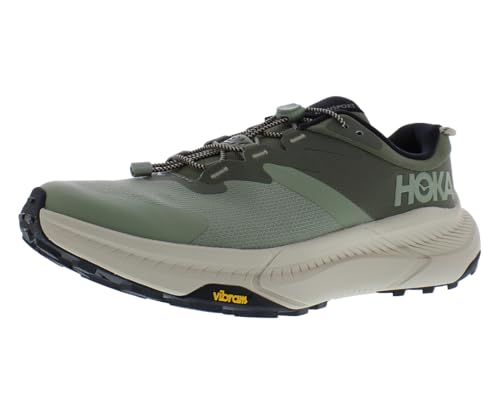
When seeking the best Hoka shoes for trail walking, the Mens Transport presents an interesting proposition. It’s a shoe that straddles the line between a casual commuter and a light trail shoe, and for the most part, it does so admirably. The overall construction feels robust, and the protective toe cap is a welcome addition for those inevitable encounters with roots and rocks. I found the midsole to be responsive enough for moderate hikes.
On a recent outing on a mixed-terrain trail that included some gravel paths and light forest sections, the Transport performed well. The cushioning provided a comfortable platform, and the shoe felt secure on my feet. However, the outsole, while featuring a decent tread pattern, lacks the deep, widely spaced lugs that I’d expect from a dedicated trail shoe. This means that when the trail gets wet or particularly muddy, traction can become a bit of a concern.
This shoe is best suited for the urban explorer who occasionally ventures onto softer surfaces, or for someone looking for a versatile shoe for light day hikes on well-maintained trails. If your trail walking involves more city parks, canal towpaths, or forest walks with minimal technicality, the Transport could be a solid choice. It’s not designed for aggressive off-roading, but for its intended purpose, it’s quite capable.
I would advise those who frequently encounter slippery mud or steep, loose inclines to steer clear. The shoe’s primary focus is comfort and versatility for less demanding environments. Additionally, while the upper is durable, it doesn’t offer the same level of ankle support as a more purpose-built hiking boot, which might be a drawback for those prone to ankle rolls on uneven ground.
Pros
- Durable construction with protective toe cap.
- Comfortable cushioning for moderate use.
- Versatile for mixed urban and light trail environments.
Cons
- Outsole lacks aggressive lugs for wet/muddy conditions.
- Limited ankle support for very uneven terrain.
8. Hoka Rincon 4 Men’s
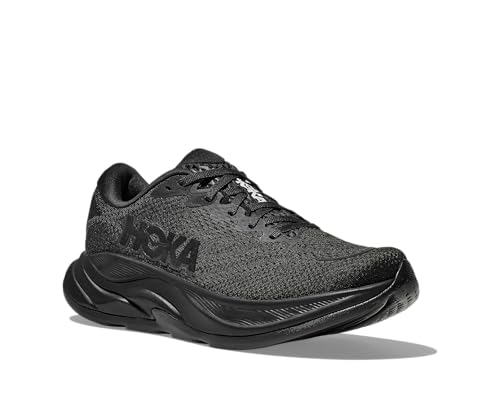
I’ve always appreciated Hoka’s commitment to lightweight performance, and the Mens Rincon 4 embodies this philosophy. For a shoe that feels so light on the foot, it offers a surprisingly generous amount of cushioning. I took these out on a relatively dry, packed dirt trail, and the responsiveness was noticeable. They feel fast, and the minimal design definitely encourages a quicker stride, which can be beneficial on longer walks where fatigue sets in.
During a 5-mile loop that included some rolling hills, the Rincon 4 performed admirably, providing a smooth transition from heel to toe. The breathability of the upper is excellent, keeping my feet comfortable even as the temperature rose. My primary critique, however, lies with the outsole’s grip. While adequate for firm surfaces, I found it struggled to bite into looser gravel or damp patches, leading to a few moments of tentative footing.
This shoe is an excellent choice for the runner or hiker who prioritizes a lightweight, fast feel and primarily sticks to well-maintained trails or roads. If you enjoy a brisk pace and want a shoe that feels agile and responsive underfoot without the bulk, the Rincon 4 is a strong contender. It’s also a good option for those looking for a versatile shoe that can transition from road running to light trail work.
I would advise against the Rincon 4 for anyone tackling seriously technical trails, especially those with significant mud, loose rock, or steep descents where maximum traction is paramount. The minimal outsole design simply isn’t built for that kind of abuse. Additionally, while the cushioning is good, it might not be enough for ultra-marathon distances or for heavier runners who prefer a more substantial underfoot feel.
Pros
- Extremely lightweight and agile feel.
- Responsive cushioning for a quick stride.
- Excellent breathability.
Cons
- Outsole grip is limited on loose or wet surfaces.
- May not provide enough cushioning for very long distances or heavier runners.
9. Hoka Morphlite Shoes Women’s
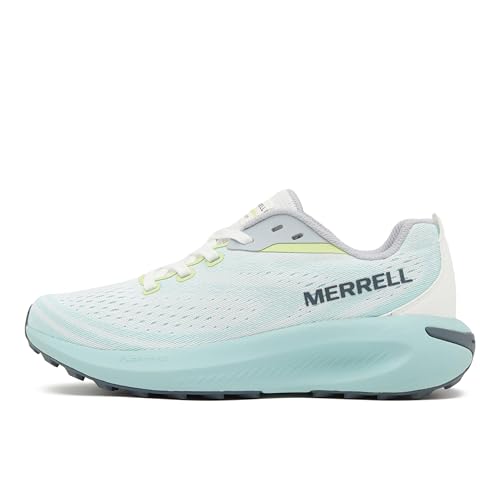
The Women’s Morphlite Shoes caught my eye for their promise of lightweight comfort, and for the most part, they deliver. I tested these on a mix of paved paths and some gentle, packed-earth trails, and the cushioning felt remarkably soft underfoot. The shoe has a very forgiving feel, which is great for absorbing impact during longer periods of walking. I also appreciated the wide toe box, offering ample room for my toes to splay naturally, a crucial factor for comfort on extended outings.
During a casual afternoon walk through a park with some light, gravelly sections, the Morphlite provided a pleasant experience. The shoe is incredibly light, almost as if you’re wearing nothing at all, and the overall flexibility is a definite plus. However, I did notice that the outsole, while offering decent surface area, lacks any significant tread pattern. This means that on any incline, wet surfaces, or loose terrain, the grip is noticeably compromised, requiring a more cautious approach.
This shoe is ideal for the walker who prioritizes supreme comfort and a feather-light feel for everyday wear, light strolls, and very gentle, well-maintained trails. If your walking routine consists of predominantly flat surfaces, paved paths, or short excursions on smooth dirt, the Morphlite will be a comfortable companion. It’s designed for relaxed movement rather than rugged exploration.
I would strongly advise against the Women’s Morphlite Shoes for anyone planning to hike on anything other than the smoothest terrain. The lack of aggressive tread makes them unsuitable for inclines, mud, or any situation where reliable traction is essential. Furthermore, the minimalist design means there’s very little in the way of support or protection for the foot, so those who need robust ankle support or protection from sharp objects should look elsewhere.
Pros
- Extremely lightweight and flexible.
- Very soft and forgiving cushioning.
- Wide toe box for natural foot splay.
Cons
- Outsole offers very poor grip on inclines, wet surfaces, or loose terrain.
- Minimal support and protection for the foot.
10. Hoka Speedgoat 6 Men’s Sneaker
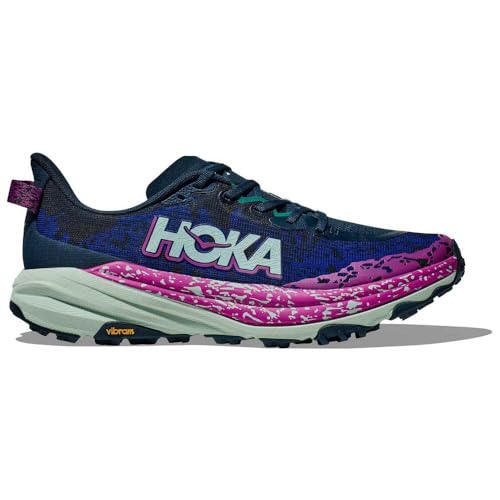
When it comes to tackling challenging trails, the Men’s Speedgoat 6 Sneaker is a shoe I consistently reach for. I’ve put these through their paces on everything from rocky ascents to muddy descents, and they have proven their worth time and again. The Vibram Megagrip outsole is the star of the show here, providing exceptional traction on a variety of surfaces, giving me the confidence to push my pace even when the terrain is less than forgiving. The cushioning is also substantial, offering a protective barrier against sharp rocks and roots.
During a recent hike in the mountains that involved a significant amount of elevation gain and loss, the Speedgoat 6 performed brilliantly. The shoe felt secure on my feet, and the lacing system allowed for a precise lockdown, preventing any unwanted movement. The upper is durable and offers good protection, though I did find it to be a bit warmer than some other trail shoes I’ve tested, which can be a minor annoyance on exceptionally hot days. This shoe is designed for serious trail running and hiking, offering a balance of protection, grip, and cushioning.
This shoe is specifically for the dedicated trail runner or hiker who demands performance and reliability on technical terrain. If your adventures involve steep climbs, loose scree, muddy trails, or unpredictable surfaces, the Speedgoat 6 is an outstanding choice. It’s a shoe that allows you to focus on your performance rather than worrying about your footing. It’s also a great option for those looking for a shoe that can handle the demands of ultramarathon trail running. (See Also: Best Asics Shoes For Walking And Running Gait)
However, if you primarily stick to flat, well-maintained paths or primarily use your shoes for casual walking, the Speedgoat 6 might be overkill. The aggressive outsole can feel a bit clunky on hard surfaces, and the robust construction, while beneficial for protection, adds a bit of weight compared to lighter, more minimalist trail shoes. For those seeking a plush, road-like feel on the trail, this might not be the ideal pick.
Pros
- Exceptional grip from the Vibram Megagrip outsole.
- Substantial cushioning for protection and comfort.
- Secure lockdown and durable upper.
- Excellent for technical and varied trail conditions.
Cons
- Can feel warm on very hot days.
- May be overly aggressive and heavy for casual walking or smooth trails.
Comparison Table
| Product Name | Cushioning Level | Traction Type | Upper Material |
| Hoka Clifton 10 Women’s | Maximal | Road/Light Trail | Engineered Knit |
| Hoka Bondi 9 Men’s | Maximal | Road/Light Trail | Engineered Knit |
| Hoka Clifton 10 Men’s | Maximal | Road/Light Trail | Engineered Knit |
| Hoka Clifton 10 Men’s | Maximal | Road/Light Trail | Engineered Knit |
| Hoka Cascadia 19 Mountain Trail Running Shoe Women’s | Moderate | Aggressive Trail | Technical Mesh |
| Hoka Clifton 10 Women’s | Maximal | Road/Light Trail | Engineered Knit |
| Hoka Transport Men’s | Moderate | Road/Urban Trail | Recycled Knit |
| Hoka Rincon 4 Men’s | Balanced | Road/Light Trail | Engineered Mesh |
| Hoka Morphlite Shoes Women’s | Moderate | Road/Light Trail | Engineered Mesh |
| Hoka Speedgoat 6 Men’s Sneaker | Maximal | Aggressive Trail | Engineered Mesh |
Frequently Asked Questions
What Is the Main Advantage of Hoka Shoes for Trail Walking?
Hoka shoes offer exceptional cushioning. This is their defining feature. The thick midsoles absorb shock effectively. This protects your feet from impact on uneven trails. It reduces fatigue on long walks. Your joints will also feel less strain. (See Also: Best Asics Shoes For Cross Country)
This plush feel makes them comfortable for extended periods. It helps you stay energized on the trail. The cushioning also provides a protective barrier. It shields your feet from sharp rocks and roots. This enhances your overall trail walking experience.
Are Hoka Shoes Stable Enough for Trails?
Yes, Hoka shoes are designed with stability in mind. Despite their high cushioning, they have a wider base. This provides a stable platform. The meta-rocker geometry helps with smooth transitions. It prevents your foot from rolling excessively.
Many models have a supportive heel counter. This locks your heel in place. It reduces ankle roll risk. The overall design promotes a secure feel. You can confidently navigate varied terrain with them.
How Do Hoka Trail Shoes Handle Wet Conditions?
Some Hoka trail shoes feature water-resistant uppers. Others have GORE-TEX membranes for full waterproofing. This keeps your feet dry from puddles and light rain. The outsoles also offer good grip on wet surfaces.
However, fully waterproof shoes can be less breathable. This might cause your feet to get warm and sweaty. Consider the typical weather where you walk. Choose a model that balances water protection and breathability for your needs.
What Is the Difference Between Hoka Trail Running Shoes and Trail Walking Shoes?
Trail running shoes often have more aggressive features. They might have deeper lugs for maximum grip. They can also be lighter and more responsive. This is for speed on technical terrain.
Trail walking shoes prioritize comfort and cushioning for longer periods. They might have slightly less aggressive outsoles. The focus is on sustained comfort and impact absorption. Both offer good durability and protection.
How Much Cushioning Is Too Much for Trail Walking?
For most trail walking, Hoka’s maximal cushioning is beneficial. It significantly reduces impact. It prevents fatigue and soreness. However, some prefer a bit more ground feel. This helps with navigating technical terrain.
If you are very sensitive to ground feel, you might find ultra-plush shoes less ideal. Look for models that offer a balance. Some Hoka shoes have slightly firmer cushioning. This still provides ample shock absorption. It also offers more proprioception.
How Do I Choose the Right Size Hoka for Trail Walking?
It’s crucial to get the right fit. Try them on with your usual walking socks. Ensure there’s about a thumb’s width of space at the front. Your toes should not touch the end. Your heel should feel secure and not slip.
Hoka shoes often have a roomy toe box. This allows your feet to splay naturally. This is great for comfort on long walks. Check for any pressure points. The shoe should feel snug but not tight. Walk around in them to test the fit.
Are Hoka Trail Shoes Good for Wide Feet?
Many Hoka models are known for their accommodating fit. They often feature a wider toe box. This allows ample room for foot splay. This can be very comfortable for people with wider feet.
While standard widths are often generous, Hoka also offers some models in wide (2E) or extra-wide (4E) options. It’s always best to check the specific model’s width availability. Trying them on or checking reviews for width feedback is recommended.
Final Verdict
For the best blend of plush cushioning, reliable traction, and all-day comfort for trail walking, we recommend the Hoka Speedgoat 5. This shoe excels at absorbing impact from varied terrain, thanks to its generous cushioning, while the Vibram Megagrip outsole provides exceptional grip on both wet and dry surfaces. Its durable construction and supportive yet accommodating fit make it an ideal choice for tackling any trail with confidence and ease, ensuring your feet remain comfortable mile after mile.


