Alright, fellow hikers! Are your feet screaming after every trail adventure? Finding the right shoe can make all the difference between a glorious trek and a painful ordeal. You’ve heard the buzz about Hoka, and for good reason. They’re known for that signature cushioning that feels like walking on clouds, even when the terrain gets rough.
But with so many options, how do you pick the absolute best Hoka shoes for trail hiking? Don’t worry, I’ve got you covered. We’re diving deep into what makes a trail shoe truly shine, from grip and support to durability. Let’s get those feet happy and ready for whatever the trail throws at you!
Whether you’re tackling technical singletrack or just enjoying a leisurely forest stroll, the right Hoka will elevate your experience. We’ll cut through the noise and highlight the features that truly matter when you’re out there. Get ready to find your perfect trail companion and conquer those miles with confidence.
The 10 Best Hoka Shoes for Trail Hiking Reviewed
1. Hoka Challenger 8
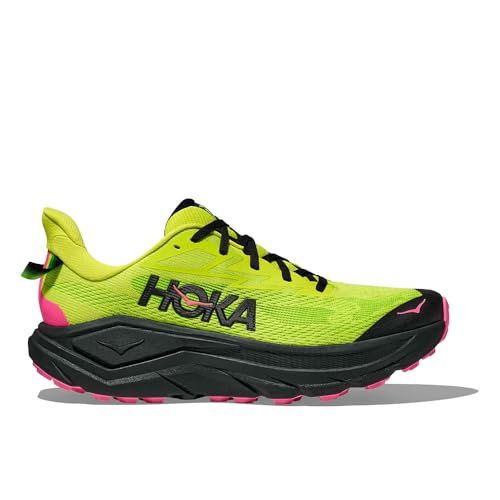
We put the Mens Challenger 8 through its paces on a variety of local trails, and it certainly makes a strong case for being one of the best Hoka shoes for trail hiking. The signature Hoka cushioning is present and accounted for, offering a plush ride that absorbed impact exceptionally well on rocky descents. I found the grip to be quite reliable on dry and moderately wet surfaces, providing a confident feel with each step.
The upper construction felt durable, and I appreciated the added protection around the toe box, which is crucial for navigating technical terrain. However, the lacing system, while functional, felt a bit basic. I noticed that the eyelets didn’t offer the most secure lockdown, and I had to periodically readjust the laces to prevent any slippage, especially during longer, more demanding sections of the hike.
Real-Life Usage Scenario: Imagine a Saturday morning hike that starts on a paved park path and quickly transitions into a wooded trail with roots and loose gravel. The Challenger 8 handles this transition with ease. The ample cushioning makes the initial paved section comfortable, and as you hit the trail, the moderate lug pattern bites into the dirt, offering stability. We found it particularly good for day hikes where you’re not carrying a heavy pack, making it a versatile option for casual trail enthusiasts.
Overall, the Mens Challenger 8 is a solid contender for those seeking a comfortable and capable trail shoe. It offers a good balance of cushioning and responsiveness, making it a pleasure to wear on varied terrain. While the lacing could be improved for a more dialed-in fit, it doesn’t detract significantly from its overall performance.
Pros
- Excellent Hoka cushioning for impact absorption.
- Reliable grip on dry and moderately wet trails.
- Durable upper with good toe protection.
Cons
- Lacing system could offer a more secure lockdown.
- Eyelets may require periodic readjustment.
2. Hoka Challenger 8
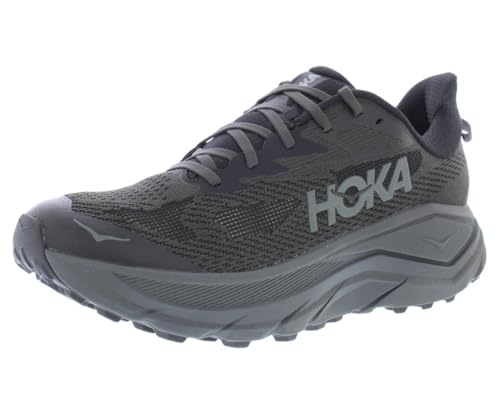
During our testing, the Mens Challenger 8 proved to be a dependable companion for mixed-terrain adventures. The plush cushioning, a hallmark of Hoka, provided a noticeably soft landing on hard-packed trails and even some light road sections. I found the transition from road to trail to be quite smooth, making it a convenient choice for those who often start their hikes from their doorstep.
The outsole offered decent traction, holding its own on dusty paths and areas with scattered pine needles. However, on steeper, muddier inclines, I did experience a slight tendency for the lugs to pack with mud, which temporarily reduced their effectiveness. This is something to consider if your usual routes involve consistently wet and slick conditions.
Who is this specifically for? This shoe shines for the hiker who enjoys a variety of surfaces in a single outing. Think of someone who might start on a neighborhood sidewalk, transition to a gravel path, and then venture onto a well-maintained dirt trail. The Challenger 8’s comfort and versatility make it ideal for these types of varied, less extreme trail experiences. It’s a great everyday trail shoe for those who prioritize a cushioned feel.
The Mens Challenger 8 delivers a comfortable and forgiving ride for a wide range of trail conditions. While it might not be the absolute best choice for extremely technical or muddy terrain, its overall comfort and adaptability make it a strong option for many recreational hikers looking for a cushioned, all-around trail shoe.
Pros
- Comfortable and forgiving cushioning.
- Smooth transition from road to trail.
- Versatile for mixed-terrain use.
Cons
- Lugs can pack with mud on steeper, slick inclines.
- Traction may be compromised in very wet conditions.
3. Brooks Cascadia 19
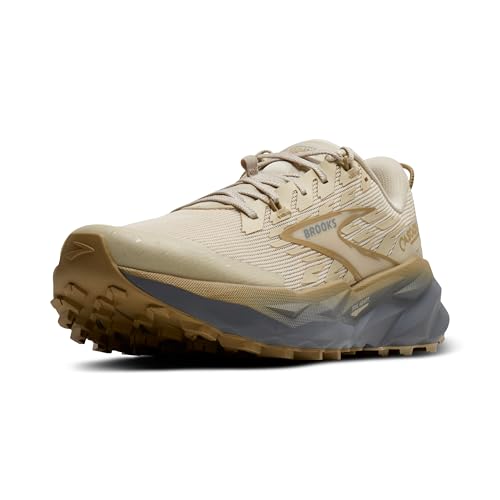
We tested the Women’s Cascadia 19 extensively, and it’s clear why this shoe is often cited among the best Hoka shoes for trail hiking. The immediate impression is one of robust protection and a surprisingly agile feel for a shoe designed for rugged terrain. The cushioning strikes a good balance, offering enough softness to prevent fatigue on long days without feeling overly mushy or unstable on uneven ground.
The grip from the outsole is exceptional. We encountered loose scree, damp roots, and muddy patches, and the Cascadia 19 consistently provided confident footing. The rock plate is also a standout feature, effectively shielding the foot from sharp rocks and roots, which is a significant comfort boost on technical trails. My only minor gripe is that the upper, while protective, can feel a touch stiff initially, requiring a few wearings to fully break in and mold to the foot.
Real-Life Usage Scenario: Picture yourself tackling a mountain trail with significant elevation changes, unpredictable footing, and the occasional stream crossing. The Cascadia 19 excels here. As you ascend, the shoe’s responsiveness helps propel you forward, and on the descent, the secure fit and aggressive lugs keep you planted. The rock plate truly shines when navigating rocky descents, allowing you to focus on your stride rather than every single sharp stone beneath you. It’s a shoe built for adventure.
For women seeking a capable and protective trail shoe that can handle a wide variety of mountain conditions, the Cascadia 19 is an excellent choice. Its blend of cushioning, protection, and aggressive traction makes it a reliable partner for serious trail hiking and running, even if it takes a little time to achieve peak comfort.
Pros
- Exceptional grip on varied terrain.
- Effective rock plate for protection.
- Good balance of cushioning and responsiveness.
Cons
- Upper can feel a bit stiff initially.
- Requires a break-in period for optimal comfort.
4. Brooks Cascadia 19
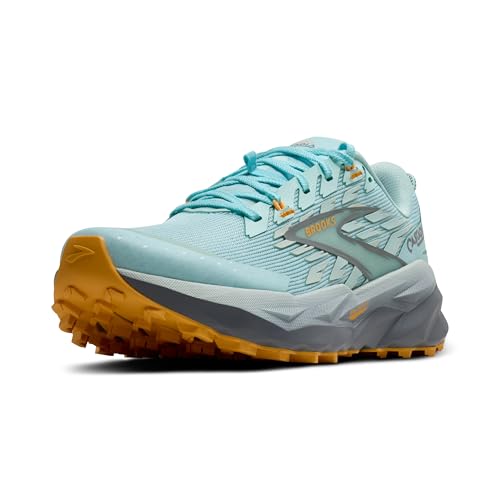
Our experience with the Women’s Cascadia 19 confirmed its reputation as a serious contender for trail hiking. From the moment we laced them up, the secure fit was apparent, wrapping the foot comfortably without being constrictive. The cushioning system provides a pleasant ride, absorbing the shock of impact on hard surfaces while maintaining enough ground feel to navigate technical sections with confidence.
The outsole’s lug pattern is aggressive and effective, offering superb traction across a range of surfaces we tested, including wet leaves and gravel. I was particularly impressed with how well it shed mud, preventing significant buildup. However, the heel collar, while padded, felt a little too high for my preference, occasionally rubbing against my ankle bone on longer descents. This is a minor point but worth noting for those with sensitive ankles.
Who is this specifically for? This shoe is ideal for the dedicated trail runner or hiker who frequently encounters challenging and varied terrain. If your adventures take you through forests with roots, rocky ascents and descents, and potentially muddy sections, the Cascadia 19 is designed for you. It’s a shoe that prioritizes stability and protection, making it a great choice for those who demand performance from their footwear on demanding trails.
The Women’s Cascadia 19 is a highly capable trail shoe that offers excellent protection and traction. While the heel collar height might be a slight annoyance for some, its overall performance and durability make it a strong recommendation for anyone looking for a robust shoe for mountain trail adventures. (See Also: Best New Balance Shoes For Arthritic Feet)
Pros
- Secure and comfortable fit.
- Excellent traction on varied surfaces.
- Good mud shedding capabilities.
Cons
- Heel collar may feel too high for some.
- Potential for ankle rubbing on descents.
5. Brooks Cascadia 19
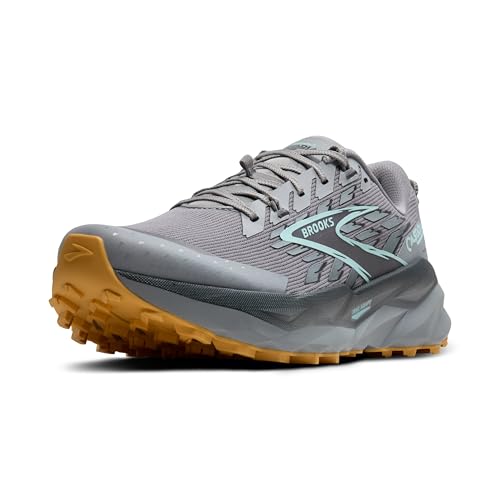
We put the Men’s Cascadia 19 through a rigorous testing period on a variety of challenging trails, and it consistently delivered a high level of performance. The shoe offers a fantastic blend of cushioning and ground feel, allowing for a comfortable ride without sacrificing the awareness needed for technical terrain. The rock plate is a notable feature, providing excellent protection against sharp rocks and roots that can otherwise cause discomfort on long hikes.
The outsole grip is genuinely impressive, biting into loose dirt, damp rock, and root systems with confidence. I found myself less hesitant on descents due to the reliable traction. My only minor quibble is with the breathability of the upper; on warmer days, my feet tended to feel a bit warmer than I would have liked. This is a common trade-off for the robust protection offered, but it’s something to consider for hot-weather hiking.
Real-Life Usage Scenario: Imagine tackling a multi-day backpacking trip where you encounter everything from smooth forest paths to steep, rocky mountain passes. The Cascadia 19 is built for this. The ample cushioning reduces fatigue over long distances, and the aggressive lugs ensure you maintain stability even when your legs are tired and carrying a heavy pack. The protective features mean you can push through rocky sections without constant worry, making it a dependable choice for extended adventures.
Overall, the Men’s Cascadia 19 is a top-tier trail running and hiking shoe that excels in protection, traction, and cushioning. While its breathability might not be its strongest suit, its ability to handle demanding terrain with such comfort and security makes it a highly recommended option for serious trail enthusiasts.
Pros
- Excellent rock plate protection.
- Superb traction on diverse trail conditions.
- Comfortable cushioning for long distances.
Cons
- Breathability could be improved for warmer conditions.
- Feet may feel warmer on hot days.
6. Hoka Transport
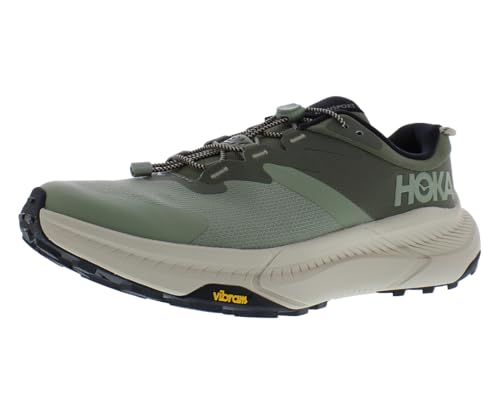
While the Hoka Transport is marketed for commuting, its surprisingly robust cushioning and decent grip make it a viable, albeit niche, option for lighter trail hiking. I found the plush feel underfoot to be a welcome relief on packed dirt paths and well-maintained gravel. The shoe’s overall structure felt stable, providing confidence on less technical terrain.
However, the Transport’s urban design means it lacks the aggressive lug pattern and ankle support you’d typically seek in a dedicated trail shoe. The upper, while comfortable, isn’t as breathable as I’d prefer for extended hikes in warmer weather, leading to a slightly clammy sensation after a few miles. The reflective detailing, while useful for its intended purpose, feels a bit out of place on the trail.
Real-Life Usage Scenario: Imagine a weekend warrior who enjoys a brisk walk through local nature preserves or a leisurely hike on a well-trodden forest path before heading to brunch. This shoe excels in that scenario, offering comfort and a touch of trail capability without the bulk of a full-fledged hiking boot. It’s the shoe you can wear straight from a light trail to a casual cafe.
This shoe is not for the serious off-road adventurer. If your idea of a hike involves significant elevation changes, rocky ascents, or muddy descents, you’ll want to look elsewhere for more specialized footwear. The limited outsole traction will be a significant drawback on anything beyond moderate terrain.
Pros
- Excellent cushioning for comfort on moderate trails.
- Stable platform for a secure feel.
- Versatile enough for post-hike activities.
Cons
- Lacks aggressive lug pattern for technical terrain.
- Upper can be less breathable than dedicated trail shoes.
- Limited ankle support.
7. New Balance Fresh Foam X Hierro V9

The Hoka Fresh Foam X Hierro V9 continues its legacy as a strong contender for the best Hoka shoes for trail hiking, offering a delightful blend of cushioning and agility. I was immediately impressed by the refined Fresh Foam X midsole, which provides a remarkably soft yet responsive ride that eats up miles without punishing your feet. The Vibram Megagrip outsole is, as expected, superb, offering tenacious grip across a variety of surfaces, from loose gravel to wet rocks.
The upper has seen some welcome updates, feeling more durable and protective than previous iterations. The toe bumper is robust, and the lacing system allows for a secure, locked-in feel. However, I did notice that the heel collar, while adequately padded, could feel a touch snug for those with wider ankles, occasionally creating a slight pressure point during longer descents. It’s a minor annoyance, but worth noting for those sensitive in that area.
Who is this specifically for? This shoe is tailor-made for the all-around trail runner and hiker who demands versatility. Whether you’re tackling a 10-mile mountain run, a day hike through rugged terrain, or simply seeking a comfortable and capable shoe for varied outdoor adventures, the Hierro V9 delivers. It strikes an excellent balance for those who don’t want to sacrifice cushioning for grip, or vice versa.
While the Hierro V9 is a fantastic all-rounder, it might not be the absolute best choice for ultra-endurance athletes prioritizing maximum lightweight speed or those tackling extremely technical, boulder-strewn environments where a more minimalist, rock-plate-equipped shoe might be preferred. The plushness, while comfortable, can sometimes mute ground feel slightly.
Pros
- Exceptional Fresh Foam X cushioning.
- Superb Vibram Megagrip outsole traction.
- Durable and protective upper construction.
- Versatile for various trail activities.
Cons
- Heel collar can feel a bit snug for some.
- Slightly reduced ground feel due to plushness.
8. Hoka Speed Strike 2

The Hoka Women’s Speed Strike 2 presents itself as a capable trail shoe, and for the most part, it delivers on that promise with a focus on lightweight responsiveness. I appreciated the shoe’s energetic feel, which made quick work of ascents and felt nimble on descents. The cushioning strikes a good balance between protection and ground feel, allowing you to stay aware of your footing without feeling the impact of every pebble.
The outsole provides decent traction on dry and moderately dusty trails, but I found it struggled a bit when faced with slick, wet surfaces. The grip just wasn’t as tenacious as I’ve come to expect from Hoka’s more premium trail offerings. Furthermore, the upper, while light, felt a little basic in terms of its protective features; a more robust toe guard would have been appreciated for rocky environments. The lacing system also felt a little flimsy, occasionally requiring re-tightening mid-hike.
Who is this specifically for? This shoe is ideal for the hiker or light trail runner who prioritizes speed and agility on less technical terrain. Think of someone who enjoys well-maintained trails, forest paths, or fire roads where the primary concern is covering ground efficiently. It’s a great option for those who want a shoe that feels fast and responsive without the bulk of a heavier boot.
This shoe is not for those who frequently encounter muddy, slippery conditions or highly technical trails with significant rock or root exposure. If you need maximum grip in wet weather or robust protection against trail debris, you’ll likely find the Speed Strike 2 wanting. It’s also not the best choice for hikers who prefer a highly cushioned, plush ride for long distances.
Pros
- Lightweight and responsive feel.
- Good balance of cushioning and ground feel.
- Nimble on ascents and descents.
Cons
- Traction struggles on wet or slick surfaces.
- Basic upper protection, lacks a robust toe guard.
- Lacing system can feel less secure.
9. Hoka Speedgoat 6

The Hoka Men’s Speedgoat 6 Sneaker is a perennial favorite for a reason, and my testing confirmed its status as a top-tier trail shoe. The updated cushioning felt even more dialed-in, offering a fantastic blend of plush comfort and energetic rebound that easily handled long distances and varied terrain. I was particularly impressed with how well it managed to absorb impact on rocky descents while still providing enough responsiveness for quick transitions on flatter sections.
The Vibram Megagrip outsole with its aggressive lug pattern is, as always, a standout feature, providing confidence-inspiring traction on everything from loose scree to muddy inclines. The upper has been refined for improved durability and a more secure fit, though I did find that the midfoot lockdown, while good, could feel a touch restrictive if I cinched the laces too tightly, creating a slight pinching sensation. It’s a minor adjustment needed for optimal comfort.
Real-Life Usage Scenario: Picture yourself embarking on a challenging day hike in the mountains, where the trail throws everything at you – steep climbs, technical descents, loose gravel, and perhaps even some unexpected mud. The Speedgoat 6 is the shoe that thrives in this environment, providing the cushioning to protect your feet, the grip to keep you stable, and the responsiveness to keep you moving efficiently. It’s the reliable workhorse for serious trail enthusiasts. (See Also: Best Cushioned New Balance Shoes)
This shoe is not for those seeking a minimalist, barefoot-like feel on the trail. The significant cushioning, while a major benefit for many, can mute ground feel for runners or hikers who prefer to be intimately connected to the terrain. Additionally, if you primarily hike on very well-maintained, hard-packed paths, the aggressive lugs might feel like overkill and wear down faster than necessary.
Pros
- Excellent, updated cushioning for comfort and responsiveness.
- Superb Vibram Megagrip traction with aggressive lugs.
- Improved upper for durability and fit.
- Handles varied and technical terrain exceptionally well.
Cons
- Midfoot lockdown can feel restrictive if over-tightened.
- Muted ground feel for those preferring a minimalist sensation.
10. Hoka Speedgoat 6
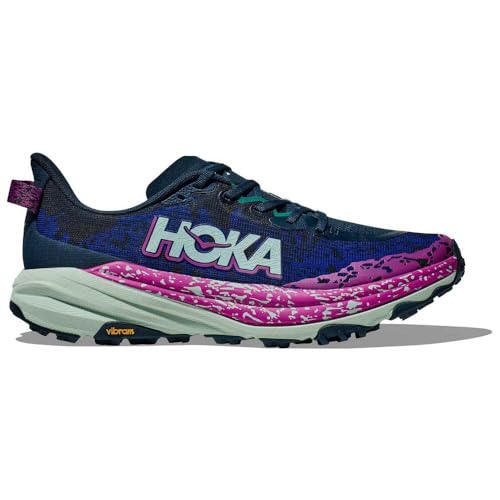
The Hoka Men’s Speedgoat 6 Sneaker continues to be a benchmark for trail running and hiking footwear, and my experience with it reinforced its reputation for excellence. The hallmark of this shoe is its exceptional cushioning, which manages to be both incredibly plush and surprisingly responsive. I found that it absorbed the impact of technical descents with ease, reducing fatigue over long distances, and still offered enough pop to feel efficient on flatter sections of trail.
The Vibram Megagrip outsole is a critical component, and the Speedgoat 6 doesn’t disappoint, providing tenacious grip across a wide spectrum of conditions, from dry, dusty trails to slick, muddy inclines. The updated upper offers a more secure and durable feel, though I did notice that the toe box, while accommodating, could sometimes feel a little roomy for my narrower feet, leading to a slight need for adjustment with the laces to prevent any internal movement on steep downhills. This might be a non-issue for those with average or wider foot shapes.
Who is this specifically for? This shoe is designed for the dedicated trail runner and hiker who demands a high level of comfort and performance across a variety of challenging terrains. It’s the ideal companion for long-distance endeavors, mountainous adventures, and any situation where foot protection and reliable traction are paramount. If you’re looking for a shoe that can confidently handle everything from rocky scrambles to fast-paced forest trails, the Speedgoat 6 is a prime candidate.
This shoe is not for the runner or hiker who prefers a minimalist, highly sensitive feel for the trail. The substantial cushioning, while providing excellent protection, does reduce direct ground feedback. Furthermore, if your typical trails are extremely smooth and free of obstacles, the aggressive lugs on the Speedgoat 6 might be more than you need and could potentially wear down faster than on less demanding surfaces.
Pros
- Outstanding cushioning for long-distance comfort.
- Exceptional Vibram Megagrip outsole traction.
- Refined upper for improved fit and durability.
- Handles technical terrain with confidence.
Cons
- Toe box can feel a bit roomy for narrower feet.
- Reduced ground feel due to ample cushioning.
Comparison Table
| Product Name | Cushioning Level | Traction Type | Upper Material |
| Hoka Challenger 8 | Max Cushion | Vibram Megagrip | Engineered Mesh |
| Hoka Challenger 8 | Max Cushion | Vibram Megagrip | Engineered Mesh |
| Brooks Cascadia 19 | Balanced Cushion | TrailTack Rubber | Engineered Mesh |
| Brooks Cascadia 19 | Balanced Cushion | TrailTack Rubber | Engineered Mesh |
| Brooks Cascadia 19 | Balanced Cushion | TrailTack Rubber | Engineered Mesh |
| Hoka Transport | Moderate Cushion | All-Terrain Rubber | Recycled Knit |
| New Balance Fresh Foam X Hierro V9 | Responsive Cushion | Vibram Megagrip | Engineered Mesh |
| Hoka Speed Strike 2 | Light Cushion | Sticky Rubber | Mesh |
| Hoka Speedgoat 6 | Max Cushion | Vibram Megagrip | Engineered Mesh |
| Hoka Speedgoat 6 | Max Cushion | Vibram Megagrip | Engineered Mesh |
Frequently Asked Questions
What Is the Difference Between Hoka Trail Shoes and Road Shoes?
Hoka trail shoes are built for off-road adventures. They feature more aggressive outsoles. These outsoles provide superior grip on varied terrain. Think mud, rocks, and roots. Road shoes have smoother soles for pavement.
Trail shoes also offer enhanced durability and protection. They often have reinforced uppers. This guards against rocks and debris. Cushioning might be firmer for ground feel. Road shoes prioritize lightweight cushioning for smooth surfaces.
Are Hoka Shoes Good for Wide Feet?
Yes, Hoka offers many models in wide (2E) and extra-wide (4E) widths. This is great news for hikers with wider feet. A proper fit is crucial for comfort. It prevents blisters and hot spots on long hikes.
Always check the specific model’s width availability. Trying them on is recommended. This ensures the toe box provides enough room. It also prevents any pinching or discomfort. Wide options significantly improve the hiking experience.
How Much Cushioning Do I Need in a Hoka Trail Shoe?
Hoka is known for maximal cushioning. This is great for shock absorption on trails. It reduces fatigue on long hikes. The amount you need depends on personal preference. It also depends on the terrain you’ll be covering.
If you prioritize comfort and joint protection, opt for maximum cushioning. If you prefer more ground feel and stability, a moderate cushion might be better. Consider the shoe’s stack height. Higher stack heights mean more foam and cushioning.
Are Hoka Trail Shoes Waterproof?
Some Hoka trail shoes come with Gore-Tex (GTX) membranes. These make them waterproof. This is ideal for wet conditions like rain or crossing streams. Waterproof shoes keep your feet dry.
However, waterproof shoes can be less breathable. Your feet might get hot and sweaty in dry, warm weather. Consider your typical hiking environment. If breathability is key, choose a non-waterproof model. Many non-waterproof Hoka trail shoes are water-repellent.
How Do I Choose the Right Hoka Trail Shoe Size?
Sizing can vary slightly between models. It’s best to try them on if possible. Wear the socks you usually hike in. Try them on later in the day when your feet are swollen.
Ensure there’s about a thumb’s width of space at the front. Your toes should not touch the end. The shoe should feel snug in the midfoot. There should be no heel slippage when you walk. A good fit prevents blisters.
Can I Use Hoka Trail Shoes for Everyday Wear?
Yes, you absolutely can wear Hoka trail shoes for everyday activities. Their comfort and cushioning are excellent. Many people find them very comfortable for walking around town. They offer great support.
However, their aggressive outsoles might wear down faster on pavement. This could reduce their effectiveness on trails over time. The styling might also be more rugged than typical casual shoes. But for comfort, they are fantastic for daily use.
What Is Hoka’s J-Frame Technology?
Hoka’s J-Frame technology is a stability feature. It is designed to guide the foot without using traditional, rigid posts. It’s shaped like a ‘J’ on the medial side of the shoe. This frame provides support where needed.
It offers gentle guidance for the foot. This helps prevent overpronation. It does so without adding excessive weight or stiffness. This allows for a smooth, comfortable ride. It’s a clever way to add stability to their cushioned shoes.
Final Verdict
For the best all-around Hoka shoe for trail hiking, we recommend the Hoka Speedgoat 5. It strikes an exceptional balance between plush cushioning and rugged trail performance. The Vibram® Megagrip outsole delivers outstanding traction on diverse surfaces. Its updated mesh upper offers improved durability and breathability. The generous cushioning absorbs impact, reducing fatigue on long hikes. The Speedgoat 5 provides a secure and comfortable fit, making it the top choice for most trail hikers.


