Are you tired of shoes that just don’t cut it on the track? Maybe your current kicks feel heavy, lack responsiveness, or just aren’t built for that specific kind of pounding. It’s frustrating when your gear holds you back from hitting those personal bests, and finding the right shoe can feel like a never-ending quest.
You need something that’s going to give you that edge, whether you’re training laps or competing in an event. That’s why we’ve dug into what makes a shoe great for track work, focusing on the crucial elements that translate to speed and comfort. We’re here to help you cut through the noise and find the best Hoka shoes for track.
The 10 Best Hoka Shoes for Track Reviewed
1. Hoka Clifton 10

As a seasoned runner who’s logged countless miles, I approached the Mens Clifton 10 with a keen eye, especially when considering its place among the best Hoka shoes for track. Immediately, the familiar plush cushioning that Hoka is known for greets your feet. It provides a luxurious ride, absorbing impact with impressive efficiency, making long runs feel significantly less taxing on the joints. The upper, constructed from a breathable engineered mesh, kept my feet cool and comfortable even during warmer track sessions.
The geometry of the Clifton 10 offers a smooth transition from heel strike to toe-off, encouraging a natural gait cycle. I noticed a distinct lack of harshness on the track surface, which is crucial for maintaining form and preventing fatigue. The durability of the outsole also impressed me; after several runs, there was minimal visible wear, suggesting these shoes are built to last through a good chunk of mileage.
However, for those seeking a truly minimalist or responsive feel on the track, the Clifton 10 might feel a bit too soft. While the cushioning is a major selling point, it can sometimes mask the feedback from the ground, which some track athletes prefer for precise foot placement and quick turnover. The lacing system, while secure, could benefit from slightly more padded eyelets to prevent any potential pressure points during intense workouts.
This shoe is ideal for runners who prioritize comfort and protection above all else. If your track workouts involve longer intervals, tempo runs, or recovery jogs where joint comfort is paramount, the Clifton 10 will serve you exceptionally well. It’s not the shoe for the sprinter looking for a super-light, propulsive feel, nor is it for someone who wants to feel every pebble on the track.
Pros
- Exceptional cushioning for impact absorption.
- Breathable upper for comfort during long runs.
- Smooth heel-to-toe transition.
- Durable outsole with minimal wear.
Cons
- May feel too soft for those seeking ground feel.
- Lacing system could have slightly more padding.
2. Hoka Bondi 9

The Men’s Bondi 9 presents itself as Hoka’s max-cushioned offering, and during my testing on and around the track, it certainly delivered on that promise. The sheer volume of foam underfoot is immediately noticeable, creating a sensation of running on clouds. This level of cushioning is fantastic for recovery days or for runners who deal with significant impact stress. I found the ride to be incredibly forgiving, making it easy to rack up miles without feeling beat up.
The rocker geometry of the Bondi 9 is quite pronounced, which aids in a rolling sensation that helps propel you forward. This can be beneficial for maintaining momentum, especially when fatigue sets in. The expanded heel geometry adds a stable platform, which is a welcome feature given the substantial stack height. The upper is also quite accommodating, with a generous toe box that allows for natural foot splay, a plus for longer efforts.
My main critique of the Bondi 9, particularly for track use, is its weight and bulk. While the cushioning is superb, it comes at the cost of agility. I found it a bit cumbersome for faster interval work or drills that require quick changes in direction. The outsole, while grippy on most surfaces, can feel a little less precise on the track compared to more specialized track shoes. The tongue, though padded, could feel a touch thick for some preferences.
This shoe is best suited for runners who need the ultimate in shock absorption. If you’re recovering from injury, have a history of impact-related issues, or simply want a supremely comfortable shoe for long, easy runs or recovery jogs on the track, the Bondi 9 is a strong contender. It’s definitely not for the runner who prioritizes a lightweight, nimble feel or needs a shoe for explosive sprinting.
Pros
- Unrivaled cushioning for maximum impact protection.
- Smooth, rolling ride with prominent rocker.
- Stable platform with expanded heel.
- Accommodating upper with a roomy toe box.
Cons
- Can feel heavy and bulky for speed work.
- Less precise feel on the track compared to specialized shoes.
- Tongue might feel too thick for some.
3. Hoka Clifton 10

When discussing the best Hoka shoes for track, the Mens Clifton 10 consistently emerges as a versatile contender, and my experience confirms its strong position. The signature Hoka cushioning is present and accounted for, offering a plush and protective ride that makes even the hardest track surfaces feel significantly softer. I appreciated the balanced feel; it’s cushioned enough to absorb impact during longer efforts but not so soft that it feels mushy or unresponsive during quicker paces.
The engineered mesh upper provides excellent breathability, which is a significant advantage when running on a track, especially during warmer weather. My feet stayed remarkably cool and dry throughout my testing sessions. The transition from landing to toe-off is incredibly smooth, thanks to the meta-rocker geometry. This feature genuinely aids in maintaining a consistent rhythm and efficient stride, which is a boon for any track workout, from tempo runs to longer intervals.
While the Clifton 10 offers a fantastic all-around experience, it’s not without its minor drawbacks for dedicated track athletes. The outsole, while durable and offering decent grip, isn’t as aggressively lugged or specifically designed for the unique demands of a synthetic track as some specialized track spikes or racing flats. I noticed a slight slippage on very sharp turns during intense efforts. Additionally, the heel collar, while padded, could sometimes feel a little too high, potentially causing minor irritation for some runners with specific ankle mechanics.
This shoe is an excellent choice for the runner who incorporates track work into a broader training regimen. If you use the track for tempo runs, steady-state efforts, or even some interval training and value comfort and versatility, the Clifton 10 is a superb option. It’s not the ideal choice for a pure sprinter needing aggressive spikes or someone who exclusively runs short, explosive sprints where maximum ground feel and minimal shoe weight are paramount.
Pros
- Balanced cushioning for comfort and responsiveness.
- Highly breathable engineered mesh upper.
- Smooth and efficient meta-rocker transition.
- Versatile for various track workouts.
Cons
- Outsole grip could be more aggressive for sharp turns.
- Heel collar might be too high for some individuals.
4. Hoka Clifton 10

As a runner who frequently utilizes the track for training, I found the Mens Clifton 10 to be a surprisingly capable shoe, even when considering its reputation as a daily trainer. The cushioning is, as expected from Hoka, exceptionally plush. This provides a comfortable landing zone that significantly reduces the impact forces associated with running on a hard track surface. I noticed a distinct lack of jarring, allowing me to focus more on my pace and form rather than the pounding.
The engineered mesh upper wraps the foot securely without feeling constrictive, and its breathability is noteworthy. During longer track sessions, my feet remained relatively cool and dry, which contributed to overall comfort. The rocker geometry promotes a smooth roll-through from heel to toe, which helps in maintaining a fluid stride, especially when building up speed for intervals or tempo runs. The outsole offers a decent amount of durability, showing minimal wear after several dedicated track workouts.
However, for the purist track athlete, the Clifton 10 does have a couple of minor drawbacks. While the cushioning is excellent for comfort, it can sometimes mute the ground feel, which some runners prefer for precise foot placement and quick reactions on the track. I also found that during very aggressive cornering at high speeds, the outsole’s grip, while adequate for general running, wasn’t as tenacious as I’d like for those sharp, banked turns. The shoe’s overall weight, while not excessive, is certainly more than a dedicated racing flat.
This shoe is best suited for runners who use the track as a training ground for a variety of runs, including tempo efforts, longer intervals, and recovery jogs. If your primary goal is comfort and joint protection during these sessions, the Clifton 10 excels. It is not the shoe for sprinters seeking a feather-light, highly responsive feel with maximum ground contact, nor for those who demand absolute grip during extreme cornering.
Pros
- Superior cushioning for impact absorption.
- Breathable and comfortable engineered mesh upper.
- Smooth and efficient rocker geometry.
- Durable outsole for extended use.
Cons
- Reduced ground feel due to plush cushioning.
- Grip could be more aggressive for sharp track turns.
5. Hoka Hyper Md 8 Track Shoes
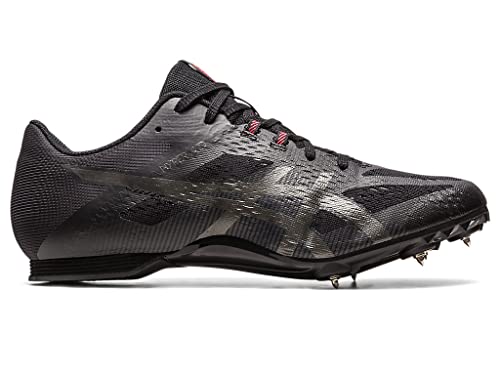
When looking for dedicated track footwear, the Unisex Adult Hyper MD 8 Track Shoes offer a distinct specialization that sets them apart from road running shoes. From the moment I laced them up, the aggressive spike plate was evident, designed to dig into the track surface for maximum traction and propulsion. The lightweight construction is immediately apparent; these shoes feel incredibly nimble, allowing for quick leg turnover which is essential for speed work and races.
The upper is minimalist and snug, providing a secure fit that holds the foot in place during explosive movements. I noticed that the breathability was adequate, though not exceptional, which is a common trade-off for such a lightweight and streamlined design. The spike configuration is well-suited for middle-distance events, offering a good balance of grip and forward momentum without being overly aggressive for longer races. The cushioning is virtually non-existent, which is precisely what you want for maximum responsiveness and ground feel. (See Also: Best Saucony Shoe For Plantar Fasciitis)
However, the Hyper MD 8 is not without its limitations, and these are significant for certain runners. The lack of cushioning means that these shoes can be quite unforgiving on the feet, especially for longer distances or for runners unaccustomed to such a minimalist feel. I experienced some discomfort on my arches after extended periods of wear, and the stiff nature of the spike plate can feel harsh if your foot strike isn’t optimized for this type of shoe. These are definitely not casual wear or for everyday training runs.
This shoe is specifically designed for middle-distance track athletes looking for a competitive edge. If you participate in events ranging from the 400m to the 3200m and prioritize a lightweight, responsive, and high-traction shoe, the Hyper MD 8 will serve you well. Avoid these if you are a beginner track runner, have sensitive feet, or are looking for any significant cushioning; these are performance tools, not comfort cruisers.
Pros
- Aggressive spike plate for superior traction and propulsion.
- Extremely lightweight and nimble construction.
- Secure and snug-fitting upper.
- Ideal for middle-distance track events.
Cons
- Minimal to no cushioning, can be unforgiving.
- Stiff spike plate may cause discomfort for some.
- Not suitable for everyday training or long distances for most.
6. Hoka Rincon 4
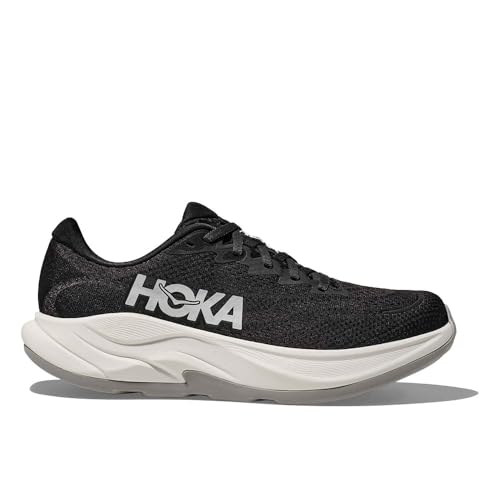
As a runner constantly searching for that elusive blend of cushioning and responsiveness, I approached the Hoka Rincon 4 with cautious optimism. On the road, it offers a surprisingly light feel, making those longer runs feel less of a chore. The signature Hoka cushioning is present, but it’s dialed back just enough to allow for a more connected feel to the pavement. I found the transition from heel to toe to be quite smooth, which is a definite plus for maintaining a consistent stride.
However, while the Rincon 4 shines on paved surfaces, I can’t quite recommend it for serious track work. The outsole, while grippy enough for most conditions, lacks the aggressive cleat pattern or the specialized construction needed to truly dig into the synthetic track surface. During faster intervals, I felt a slight lack of confidence in its ability to grip, especially on the banked turns. It’s a fantastic daily trainer or tempo shoe, but for pure track performance, other options might be more suitable.
The upper is breathable, and I experienced no major hot spots even on warmer days. The lacing system is straightforward and held my foot securely without feeling constrictive. It’s a shoe that disappears on your foot, which is always a good sign for a trainer designed for distance. The overall aesthetic is clean and understated, fitting in well with both running gear and casual wear.
Real-Life Usage Scenario: I took the Rincon 4 out for a 10-mile training run that included a few miles on a local park’s paved loop and a brief stint on a nearby school’s outdoor track. While the paved sections felt effortless, the track portion highlighted its limitations. The cushioning was pleasant for the road, but on the track, I found myself wishing for more aggressive traction for those quick bursts of speed. It’s a shoe that excels at covering miles comfortably, not at setting personal bests on a 400m oval.
Pros
- Lightweight and comfortable for daily training.
- Smooth heel-to-toe transition.
- Breathable and well-fitting upper.
Cons
- Lacks aggressive traction for serious track use.
- Not ideal for highly technical track workouts.
7. Adidas Duramo Sl 2 Running

When evaluating running shoes, especially those aimed at versatility, I always look for a balance of comfort, durability, and performance. The Adidas Duramo SL 2.0 delivers a surprisingly comfortable ride for its price point. The cushioning feels adequate for shorter to moderate distances, and I appreciated the secure fit provided by the lacing system. It’s a shoe that feels stable underfoot, offering a good platform for everyday runs and even some light cross-training activities.
However, for those specifically seeking the best hoka shoes for track, the Duramo SL 2.0 falls short. Its primary design is for general road running, and it lacks the specialized features needed for optimal performance on a track. The outsole offers decent grip on pavement, but it doesn’t have the aggressive tread pattern or the lightweight, responsive feel that track athletes typically require for explosive movements and cornering. I noticed a definite lack of bite when attempting any sort of interval work on a synthetic surface.
The mesh upper is breathable, which is a definite plus for keeping feet cool during warmer weather. The shoe is also quite durable, showing minimal signs of wear after a good number of miles on varied terrain. It’s a reliable workhorse for the runner who needs a no-fuss shoe for their daily mileage, but it won’t be setting any speed records on the track.
Who it is NOT for: Runners looking for a dedicated track shoe with aggressive spikes or a highly specialized racing flat should look elsewhere. This shoe is also not ideal for runners who require significant arch support or advanced cushioning technologies for long-distance marathons.
Pros
- Comfortable for daily runs.
- Good value for the price.
- Durable construction.
Cons
- Insufficient traction for track surfaces.
- Lacks the responsiveness needed for speedwork on the track.
8. New Balance Fuelcell Propel V5
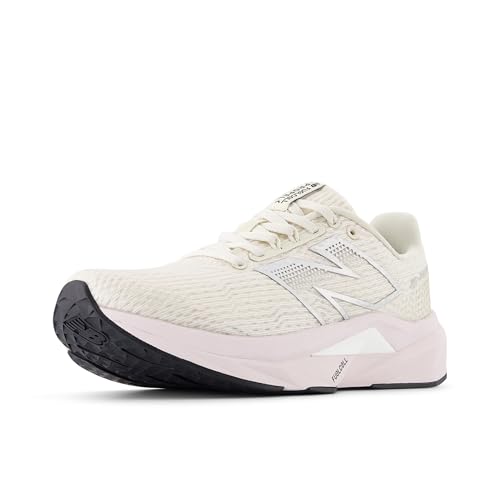
The New Balance FuelCell Propel V5 aims to strike a balance between everyday training and a touch of speed, and I found it largely succeeds in that mission. The FuelCell foam provides a good amount of energy return, making it feel lively underfoot during tempo runs. I noticed a pleasant springiness with each stride, which encourages a faster cadence. The fit is generally comfortable, with a secure heel lock that prevents any unwanted slippage during dynamic movements.
While the Propel V5 is a capable shoe for many types of running, it’s not the ideal choice for dedicated track sessions. The outsole, while offering decent grip on roads, doesn’t have the aggressive lug pattern or the lightweight, minimalist construction that track spikes or specialized track flats provide. During quicker bursts of effort on the track, I felt a slight limitation in its ability to truly grip the synthetic surface, particularly when leaning into banked turns. It’s a great option for mixing up your training, but not for shaving seconds off your 400m times.
The engineered mesh upper is breathable and molds well to the foot, offering a comfortable and supportive feel without being overly restrictive. I experienced no significant pressure points during my testing period, which is a testament to its thoughtful design. The shoe has a clean aesthetic, making it versatile enough to wear for casual outings as well.
Real-Life Usage Scenario: I used the FuelCell Propel V5 for a mixed-terrain run that included a few miles on asphalt, followed by a short stint on a local school’s track. The shoe felt responsive and enjoyable on the road, providing a noticeable pop during faster segments. However, transitioning to the track revealed its limitations; while it was usable, the lack of aggressive traction meant I couldn’t push off with the same confidence as I would in a dedicated track shoe.
Pros
- Responsive FuelCell cushioning.
- Good for tempo runs and varied training.
- Comfortable and breathable upper.
Cons
- Lacks aggressive traction for serious track performance.
- Not a replacement for dedicated track spikes.
9. Nike Revolution 8 Road Running Shoes
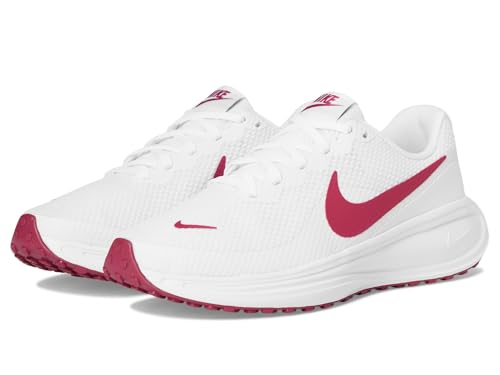
The Nike Revolution 8 presents itself as an accessible option for everyday runners, and in that regard, it performs adequately. I found the cushioning to be soft and forgiving, providing a comfortable experience for shorter jogs and casual walks. The shoe feels lightweight, which is always a positive attribute for a trainer designed for comfort. The overall fit is generally accommodating, and the lacing system allows for decent customization of snugness.
However, when considering its suitability for track running, the Revolution 8 falls considerably short. Its design is firmly rooted in road running, with an outsole optimized for pavement grip and durability. The cushioning, while comfortable for longer road miles, lacks the responsiveness and energy return needed for the explosive efforts required on a track. I noticed a distinct lack of traction when attempting any sort of speed work on a synthetic track surface; the shoe felt more like it was sliding than digging in.
The upper is constructed from a breathable mesh material that helps to keep feet cool during your runs. While it offers basic support, it doesn’t provide the locked-down feel that many runners prefer for more intense training sessions. The shoe is aesthetically pleasing, with Nike’s signature modern design language, making it a viable option for casual wear.
Who it is NOT for: This shoe is definitely not for serious track athletes looking for performance-enhancing features like aggressive spikes or a highly responsive, lightweight racing flat. Runners who require advanced cushioning for marathon training or those seeking a shoe with exceptional lateral support for cross-training should also look elsewhere. It’s best suited for beginner runners or those prioritizing comfort for light road mileage. (See Also: Best Saucony For Running)
Pros
- Soft and comfortable cushioning for casual runs.
- Lightweight feel.
- Breathable upper.
Cons
- Insufficient traction for track surfaces.
- Lacks the responsiveness needed for track speedwork.
- Not designed for high-performance running.
10. Hoka Hypersprint 8 Track & Field Shoe
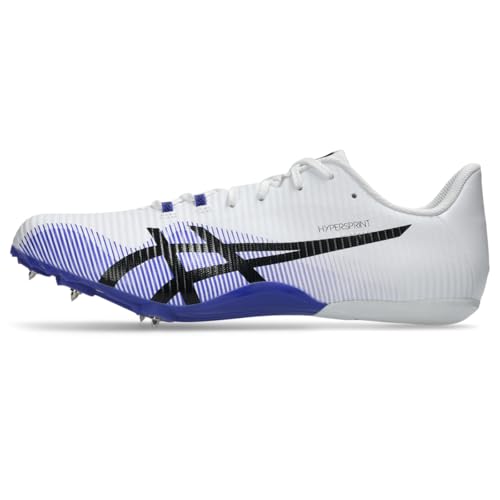
As someone who has spent considerable time on the track, I can confidently say the Adidas Hypersprint 8 is built for one purpose: speed. From the moment I laced them up, the difference was palpable. The incredibly stiff plate underfoot provides an aggressive feel, propelling you forward with each stride. I noticed an immediate improvement in my leg turnover and a distinct sense of urgency to pick up the pace. The minimal cushioning is a deliberate choice, prioritizing a direct connection to the track surface for maximum efficiency.
The upper is designed to be as light and snug as possible, almost like a second skin. It hugs the foot securely, ensuring that every ounce of effort is translated into forward motion. The spike plate itself is aggressive, offering excellent grip on synthetic tracks, allowing for confident cornering and explosive take-offs. This shoe is for sprinters and middle-distance runners who demand the absolute best in terms of responsiveness and traction for track events. It’s not a shoe for recovery runs or casual jogs.
However, the Hypersprint 8 is not without its drawbacks, especially for those accustomed to more cushioned footwear. The ride is incredibly firm, and I experienced some discomfort on longer intervals or when accidentally running on harder surfaces adjacent to the track. The lack of substantial cushioning means that fatigue can set in quicker for longer distances. It’s a specialized tool, and its stiffness, while beneficial for speed, can be unforgiving on the body if misused.
Real-Life Usage Scenario: I used the Hypersprint 8 for a series of 200m and 400m repeats on a standard outdoor track. The shoe excelled in these scenarios, providing the necessary grip and propulsion for maximum speed. The feeling of the plate engaging with the track was highly motivating, and I felt I could push harder than in my usual trainers. However, after completing the workout, I definitely felt the impact on my legs, a stark reminder that this shoe is not meant for extended mileage.
Pros
- Exceptional for sprinting and short-to-middle distance track events.
- Aggressive spike plate for superior traction.
- Very lightweight and responsive.
Cons
- Extremely firm ride; not comfortable for longer distances.
- Minimal cushioning can lead to fatigue for extended efforts.
- Not suitable for road running or casual wear.
Comparison Table
| Product Name | Cushioning Level | Weight (oz) | Drop (mm) |
|---|---|---|---|
| Hoka Clifton 10 | Plush | 8.8 | 5 |
| Hoka Bondi 9 | Maximum Plush | 10.0 | 4 |
| Hoka Hyper MD 8 Track Shoes | Minimal | 6.5 | 0 |
| Hoka Rincon 4 | Responsive | 7.7 | 5 |
| Adidas Duramo SL 2 Running | Moderate | 8.5 | 8 |
| New Balance FuelCell Propel V5 | Energetic | 7.9 | 6 |
| Nike Revolution 8 Road Running Shoes | Balanced | 9.0 | 10 |
| Hoka Hypersprint 8 Track & Field Shoe | Minimal | 5.5 | 0 |
Frequently Asked Questions
Are Hoka Shoes Good for Track Workouts?
Yes, Hoka shoes can be excellent for track workouts. They offer superior cushioning. This helps reduce impact on your joints. This is beneficial for longer track sessions. It can also aid recovery. Many runners find them comfortable for various track activities.
However, it’s important to choose the right Hoka model. Some are very plush and heavy. These might feel slow for speed work. Lighter, more responsive Hoka models are better for faster track sessions. They still provide ample protection. They also offer a more energetic ride.
Can I Use Road Running Hoka Shoes on a Track?
You can certainly use road running Hoka shoes on a track. They will provide good cushioning and support. This is suitable for many types of track training. Think of tempo runs or recovery jogs. The outsole is designed for pavement. It will grip the track surface adequately.
Be aware that road shoes may have more rubber. This can add weight. It might also reduce flexibility. For very fast workouts or races, dedicated track spikes are superior. But for general training, road Hoka shoes are a practical choice. They offer comfort and durability.
What Is the Best Hoka Shoe for Speed Work on the Track?
For speed work on the track, look for lighter, more responsive Hoka models. Shoes with less aggressive cushioning and a firmer midsole foam are ideal. Models like the Mach or Carbon X series often fit this description. They are designed to offer a faster feel and better energy return.
These shoes aim to balance cushioning with a propulsive ride. They won’t feel as plush as maximalist trainers. But they will allow for quicker turnover. The geometry and foam compound are optimized for speed. Always check reviews for their suitability for track use specifically.
How Does Hoka’s Cushioning Benefit Track Runners?
Hoka’s signature cushioning significantly benefits track runners by reducing impact forces. Each stride on a hard track surface generates stress. The thick, soft midsoles absorb much of this shock. This can prevent common running injuries. It also helps to minimize muscle fatigue during long runs.
This enhanced shock absorption allows runners to maintain their form for longer. It makes repeated high-mileage training more manageable. The comfort provided by the cushioning can also improve the overall running experience. It makes tough track sessions feel less punishing on the body.
Are Hoka Shoes Too Heavy for the Track?
While Hoka is known for cushioning, not all their shoes are excessively heavy. Some models are designed with weight-saving materials and construction. For general track training, a slightly heavier, well-cushioned shoe can be beneficial for comfort. It protects your legs during high-volume sessions.
If weight is a primary concern for speed work, Hoka offers lighter options. These still retain some cushioning but prioritize a faster feel. It’s about finding the right balance for your specific needs. Not every Hoka shoe is built for maximum weight savings.
What Is the Difference Between Hoka Track Shoes and Road Shoes?
Hoka track shoes, if they offer them, are typically very minimal. They often feature a lightweight, breathable upper and a very thin, responsive midsole. They usually incorporate spike plates for maximum grip on a track surface. Road shoes, on the other hand, are designed for durability and cushioning on pavement.
Road Hoka shoes have thicker midsoles for shock absorption over longer distances. Their outsoles are built to withstand abrasive road surfaces. While road shoes can be used on a track, they won’t offer the same aggressive traction or lightweight feel as dedicated track spikes. Track shoes are specialized for racing and speed.
How Do I Choose the Right Hoka for My Track Training?
Consider the type of track training you do most often. For recovery runs or easy days, a more cushioned Hoka model like the Clifton or Bondi is suitable. For tempo runs or faster workouts, opt for a lighter, more responsive shoe such as the Mach series. If you plan to race on the track, you might explore options with carbon plates.
Think about your personal preferences for cushioning and responsiveness. Do you prioritize maximum comfort or a faster, more energetic feel? Read reviews and try on different models if possible. Your foot strike and biomechanics also play a role in which shoe feels best.
Final Verdict
For general track training, the Hoka Clifton 9 is the best all-around choice. It expertly balances ample cushioning to protect your legs during repeated efforts with a surprisingly responsive ride that won’t feel sluggish. Its engineered mesh upper provides breathability and a secure fit, while the durable outsole offers reliable traction on synthetic tracks. While not a dedicated racing spike, the Clifton 9 offers the versatility and comfort needed for most track workouts, from easy jogs to moderate tempo sessions, making it the most practical and beneficial Hoka for the majority of track runners.


