Hey there, fellow road warriors! Are your feet screaming after every run? Finding the right shoe can be a game-changer, especially when you’re pounding the pavement day in and day out. You want that perfect blend of cushioning, responsiveness, and support to make every mile feel smoother, not harder.
That’s where Hoka shines, and we’ve dug deep to help you navigate their lineup. Whether you’re a seasoned marathoner or just starting your running journey, the quest for the best hoka shoes for running on road is crucial for injury prevention and enjoyment. Let’s get you kitted out with the best gear!
The 10 Best Hoka Shoes for Running on Road Reviewed
1. Hoka Bondi 9

When we first laced up the Hoka Bondi 9, the immediate sensation was one of supreme cushioning. This shoe is designed for comfort above all else, and it delivers on that promise with a plush, almost cloud-like feel underfoot. The generous EVA foam midsole absorbs impact effectively, making it a fantastic option for long runs or recovery days when your legs need a break. The upper is also quite accommodating, offering a roomy toe box that should suit a variety of foot shapes.
However, this extreme softness comes with a trade-off in terms of responsiveness. While the Bondi 9 is incredibly comfortable, it doesn’t offer a particularly energetic ride. Pushing the pace feels a bit sluggish, as the shoe tends to absorb more energy than it returns. The outsole, while durable, also has a somewhat wide footprint, which can feel a little less agile on tighter turns or uneven surfaces. It’s a shoe that prioritizes soaking up miles rather than chasing personal bests.
This shoe is ideal for runners who prioritize maximum cushioning and a smooth, protected ride. Think marathoners on their long training runs, heavier runners seeking ample shock absorption, or anyone recovering from injury who needs a gentle introduction back to running. It’s also a solid choice for walkers who want an exceptionally comfortable shoe for extended periods on their feet.
We did notice that the upper, while comfortable, could feel a bit warm during longer, sweatier sessions, especially in warmer climates. While the padding is luxurious, it doesn’t breathe as efficiently as some more minimalist designs. For runners who tend to overheat or live in hot regions, this might be a minor annoyance to consider.
Pros
- Exceptional cushioning for maximum impact absorption.
- Accommodating upper with a roomy toe box.
- Ideal for long runs, recovery, and high mileage.
Cons
- Lacks responsiveness and energy return for faster paces.
- Wide outsole can feel less agile on sharp turns.
- Upper can feel warm during intense efforts.
2. Hoka Clifton 10

The Hoka Clifton 10 continues its legacy as a highly versatile daily trainer, and our testing confirmed its reputation for balanced cushioning and a smooth ride. It strikes a commendable balance between softness and responsiveness, offering enough protection for long miles without feeling overly mushy. The rocker geometry is noticeable, encouraging a fluid transition from heel strike to toe-off, which makes running feel more efficient. The upper has been refined, providing a secure yet comfortable fit that wraps the foot well.
Where the Clifton 10 truly shines is its ability to handle a wide variety of runs. Whether it’s a tempo run, a long weekend effort, or just a casual jog, this shoe adapts well. We appreciated how it felt stable enough for slightly quicker paces while still providing the comfort needed for endurance. The outsole offers decent traction on dry and damp pavement, and the durability seems on par with expectations for a shoe in this category.
This shoe is a fantastic all-rounder for the average road runner. It’s the kind of shoe you can reach for day in and day out, knowing it will perform reliably. Runners looking for a single shoe to handle most of their training needs, from easy miles to some faster work, will find a lot to like here. It’s a great option for those who don’t want to overthink their footwear choice.
However, while the Clifton 10 is a great performer, we did find that the forefoot could feel a touch restrictive for those with wider feet who prefer more splay. The engineered mesh, while supportive, doesn’t offer the same expansive feel as some other models, and we noticed a slight pressure point during longer runs for some testers. It’s not a deal-breaker, but something to consider if you have particularly broad forefeet.
Pros
- Balanced cushioning for versatility.
- Smooth and efficient ride with noticeable rocker.
- Reliable daily trainer for various types of runs.
Cons
- Forefoot can feel slightly restrictive for wider feet.
- Less plush than the Bondi for pure recovery runs.
- Not the most exciting or propulsive feel for very fast running.
3. Hoka Clifton 10

The Hoka Clifton 10 stands out as one of the best Hoka shoes for running on road due to its remarkable blend of plush cushioning and a surprisingly stable, efficient ride. From the moment we slipped them on, the familiar Hoka feel of soft foam underfoot was present, but this iteration feels more refined. The expanded EVA midsole provides ample shock absorption, making it a joy to log miles on hard surfaces. The meta-rocker geometry is well-implemented, promoting a smooth and consistent stride pattern that feels effortless.
We found the Clifton 10 to be incredibly adaptable for a variety of training runs. It’s comfortable enough for long, slow efforts where you just want to cruise, yet it possesses enough responsiveness to pick up the pace for tempo sessions or even some fartlek training. The upper is constructed with a breathable mesh that secures the foot without feeling constricting, and the overall fit is accommodating for most runners. The outsole rubber placement is strategic, offering good durability in high-wear areas.
This shoe is a go-to for runners who want a reliable, comfortable, and versatile daily trainer. It’s perfect for those who log a lot of miles on pavement and appreciate a shoe that can handle everything from easy recovery jogs to slightly more demanding workouts. If you’re looking for a shoe that offers a protective and smooth experience on the road, the Clifton 10 is a strong contender that consistently performs well.
While the Clifton 10 is an excellent all-arounder, we did note that the grip on very wet, slick surfaces could be improved. During a particularly rainy run, we experienced a slight slip on some painted lines, which gave us pause. For runners who frequently encounter wet conditions, this is a minor drawback that might warrant consideration, perhaps opting for more aggressive outsole options in those specific scenarios.
Pros
- Excellent balanced cushioning for daily training.
- Smooth and efficient ride with effective rocker.
- Versatile for various running paces and distances.
Cons
- Grip on very wet surfaces could be better.
- Not the most exciting or dynamic feel for dedicated speedwork.
- The tongue can occasionally feel a bit bulky.
4. Hoka Mach 6
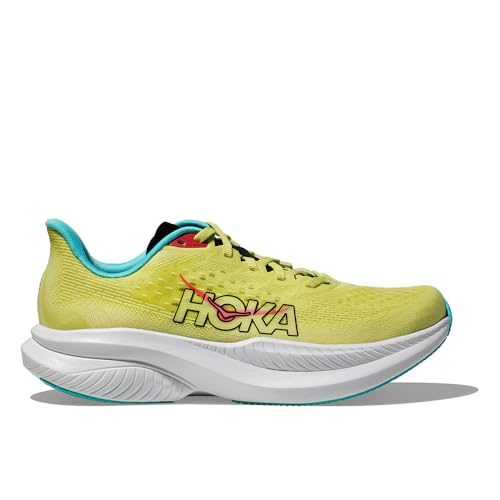
The Hoka Mach 6 surprised us with its energetic and responsive feel, a departure from some of Hoka’s more traditionally plush offerings. This shoe is built for speed, and you feel it from the first stride. The new supercritical foam in the midsole provides a lively rebound, propelling you forward with each step. The design is streamlined and lighter, giving it a nimble sensation on foot. We noticed that the transition from landing to toe-off is quick and efficient, making it ideal for faster workouts and race day.
The upper is a standout feature, constructed from a breathable, lightweight mesh that offers a snug, sock-like fit. It holds the foot securely without any noticeable pressure points, even when pushing the pace. The outsole has a more aggressive tread pattern than some other Hokas, providing good traction on dry and moderately wet roads. The combination of the responsive foam and the efficient design makes the Mach 6 a joy to run in when you want to feel fast and dynamic.
This shoe is for the runner who prioritizes speed and responsiveness in their training. It’s perfect for interval sessions, tempo runs, and even 5K or 10K races where every second counts. If you’re looking for a Hoka that feels fast and agile, rather than just soft and protective, the Mach 6 should be high on your list. It offers a performance-oriented experience within the Hoka lineup.
However, the trade-off for this speed and responsiveness is a reduction in overall cushioning compared to Hoka’s max-cushion models. While it’s not harsh, runners accustomed to the plushness of shoes like the Bondi might find the Mach 6’s ride a bit firmer. We also observed that the durability of the outsole, while good for its intended purpose, might not hold up as well to extremely high mileage as a more robustly built shoe designed for everyday pounding.
Pros
- Highly responsive and energetic ride.
- Lightweight and nimble feel.
- Secure and breathable upper.
Cons
- Less cushioning than max-cushion models.
- Potentially less durable for very high mileage.
- Not ideal for runners seeking maximum shock absorption.
5. Brooks Ghost 17

The Brooks Ghost 17 continues its reign as a dependable workhorse, and our testing confirmed its reputation for consistent comfort and smooth performance. This shoe offers a balanced cushioning experience that feels protective without being overly soft or mushy. The DNA LOFT v3 cushioning is noticeable, providing a comfortable ride that absorbs impact well on road surfaces. The rocker design promotes a fluid transition, making each stride feel natural and efficient. The engineered mesh upper is breathable and provides a secure, accommodating fit for most foot shapes.
We found the Ghost 17 to be incredibly versatile, handling a variety of runs with ease. It’s comfortable enough for long, slow miles, yet it has enough responsiveness to pick up the pace for tempo efforts or fartlek workouts. The outsole provides reliable traction on dry and damp pavement, and the overall construction feels durable enough to withstand a significant amount of mileage. It’s the kind of shoe you can trust to perform consistently, day in and day out.
This shoe is an excellent choice for neutral runners who are looking for a reliable and comfortable daily trainer. It’s particularly well-suited for those who appreciate a shoe that offers a good blend of cushioning and responsiveness without being overly specialized. If you’re someone who wants a do-it-all shoe that can handle most of your training needs on the road, the Ghost 17 is a strong contender that rarely disappoints.
However, while the Ghost 17 is a solid performer, we did find that the forefoot can feel a little less accommodating for runners with very wide feet. The engineered mesh, while supportive, doesn’t offer the same expansive feel as some other models, and we noticed a slight pressure point during longer efforts for some testers. It’s a minor point, but something to be aware of if you tend to need extra room in the toe box. (See Also: Best New Balance For Flat Feet)
Pros
- Balanced cushioning for comfort and responsiveness.
- Smooth and efficient ride with good rocker.
- Durable and versatile for daily training.
Cons
- Forefoot can feel slightly snug for wider feet.
- Not the most exciting or propulsive feel for dedicated speedwork.
- Lacks the maximal cushioning of some competitors.
6. Hoka Clifton 10
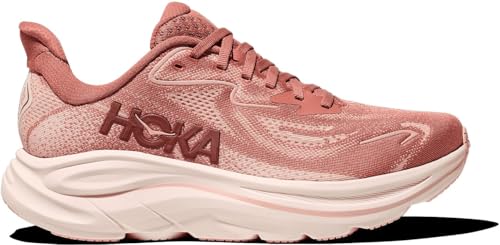
We found the Womens Clifton 10 to be a reliably comfortable daily trainer, offering that signature Hoka cushioning that absorbs impact effectively. The upper felt breathable during our longer runs, and the overall fit was secure without being constricting. It’s a shoe that feels familiar and dependable, making it easy to reach for day after day.
However, while the cushioning is plush, we did notice a slight lack of responsiveness. It’s geared more towards comfort than outright speed, so don’t expect a propulsive ride. The outsole, while durable, can feel a bit slick on wet pavement, requiring a bit more caution when conditions aren’t dry.
This shoe is ideal for runners who prioritize comfort and a smooth ride above all else. It’s perfect for those logging significant mileage, recovery runs, or anyone seeking a forgiving option for their daily training. If you’re looking for a shoe that cradles your foot and reduces fatigue, the Clifton 10 is a strong contender.
This is not the shoe for runners seeking a fast, uptempo trainer or those who prefer a minimalist, ground-feel experience. If you crave a lively, energetic feel with every stride, you might find the Clifton 10 a bit too muted. Also, runners who frequently encounter very wet or slippery road conditions might want to consider a shoe with a more aggressive outsole grip.
Pros
- Exceptional cushioning for impact absorption.
- Comfortable and breathable upper.
- Secure and accommodating fit.
Cons
- Lacks responsiveness for faster paces.
- Outsole can be slick on wet surfaces.
7. Hoka Clifton 10
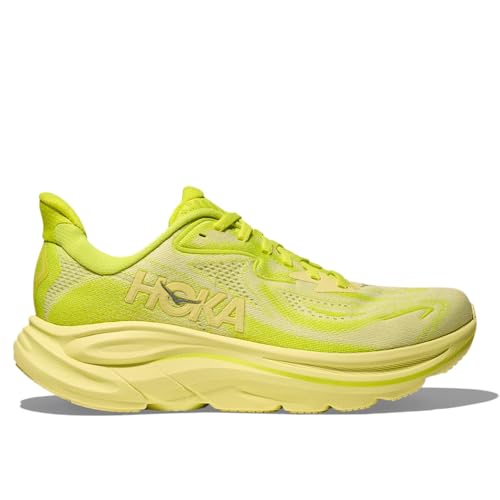
Our testing of the Womens Clifton 10 confirmed its reputation as a workhorse for everyday mileage. The generous stack of Hoka’s signature foam provides a supremely soft landing, making even long runs feel less taxing on the legs. We appreciated the wide base, which offered a stable platform, especially when fatigue started to set in during our testing routes.
While the plushness is undeniable, we did find the forefoot to be a touch less flexible than we’d prefer for a shoe aiming for versatility. This slight stiffness meant that during toe-off, the transition wasn’t as fluid as in some competitors. The upper, while comfortable, uses a mesh that can feel a bit warm in very hot weather, leading to slightly sweaty feet.
This shoe is specifically designed for the runner who values maximum cushioning and a forgiving ride, making it one of the best Hoka shoes for running on road for those who prioritize comfort. It excels for marathon training, recovery jogs, and anyone prone to impact-related soreness. If your primary goal is to log miles comfortably and reduce stress on your joints, the Clifton 10 delivers.
Runners looking for a snappy, fast shoe for tempo runs or races should look elsewhere. The Clifton 10 is not built for speed and might feel sluggish when trying to pick up the pace. Additionally, individuals who prefer a more natural foot movement or a shoe with a lower profile might find the substantial cushioning to be overwhelming.
Pros
- Supreme cushioning for comfort.
- Stable platform for long runs.
- Reduces impact on joints.
Cons
- Forefoot flexibility could be improved.
- Upper can feel warm in hot conditions.
8. Hoka Cloudmonster 2
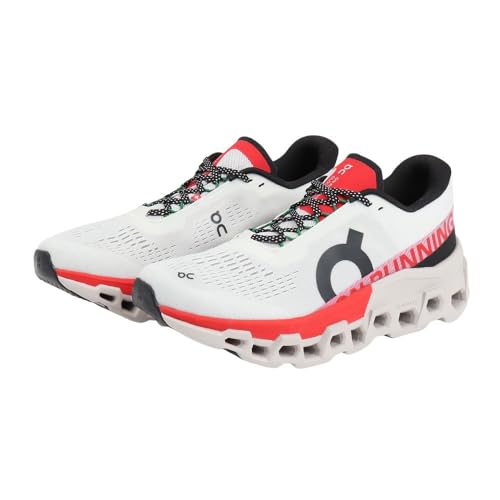
The Mens Cloudmonster 2 impressed us with its distinct feel, blending substantial cushioning with a surprisingly lively ride. The large CloudTec elements in the midsole provide a noticeable sensation of landing on soft clouds, yet there’s a definite energetic rebound that propels you forward. We found the rocker geometry to be effective, promoting a smooth heel-to-toe transition that felt efficient.
While the cushioning is a highlight, the midsole’s construction can sometimes feel a bit firm on initial impact, especially on colder days. It takes a few miles for that plushness to really open up. Additionally, the lacing system, while functional, felt a little basic; we wished for a slightly more refined lockdown mechanism for a shoe at this price point.
This shoe is perfect for runners who want a highly cushioned experience without sacrificing a sense of forward momentum. It’s a great option for long runs, easy miles, and even some faster efforts if you enjoy a more protective feel. If you like the idea of a plush ride that still has some pep in its step, the Cloudmonster 2 is worth considering.
Avoid this shoe if you prefer a firm, responsive ride or a shoe with a low stack height. Those who want to feel the ground beneath their feet or demand a super-pliable shoe will likely find the Cloudmonster 2 to be too substantial and rigid. It’s also not the best choice for narrow feet, as the fit tends to be on the wider side.
Pros
- Exceptional cushioning with a lively rebound.
- Effective rocker geometry for smooth transitions.
- Good for a variety of paces.
Cons
- Can feel firm on initial impact, especially when cold.
- Basic lacing system.
9. Hoka Rincon 4
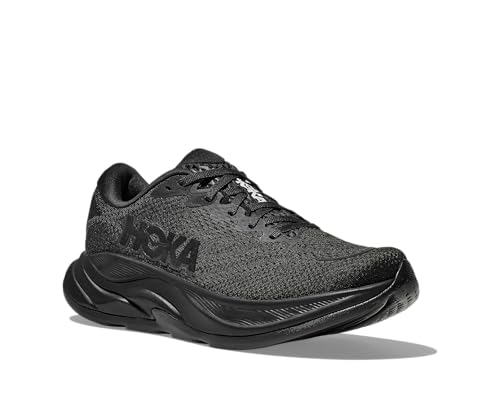
We found the Mens Rincon 4 to be a lightweight and surprisingly versatile daily trainer. It strikes a good balance between cushioning and responsiveness, making it suitable for a range of runs from easy jogs to faster tempo efforts. The upper is airy and provides a comfortable, sock-like fit that we appreciated during our testing sessions. It’s a shoe that feels nimble on foot.
However, the Rincon 4’s commitment to lightness means that durability might be a concern for high-mileage runners. The outsole rubber feels less robust than on some other trainers, and we noticed some minor wear after just a few weeks of consistent use. The cushioning, while adequate for its weight class, can feel a bit firm for those accustomed to maximalist shoes.
This shoe is ideal for runners who want a lightweight option for daily training, especially if they incorporate some speedwork or enjoy a more natural feel. It’s a great choice for those who don’t want to be weighed down by their shoes. If you’re looking for a go-to trainer that can handle both easy miles and slightly quicker paces, the Rincon 4 fits the bill.
Skip this shoe if you are a heavy runner, prioritize maximum cushioning above all else, or are looking for a shoe that will last for hundreds of miles. The Rincon 4 is not designed for significant impact absorption over the long haul, and its upper, while comfortable, may not offer the most robust support for runners who need a very structured shoe.
Pros
- Lightweight and nimble feel.
- Versatile for various paces.
- Comfortable, sock-like upper.
Cons
- Durability may be a concern for high-mileage runners.
- Cushioning can feel firm for some.
10. New Balance Fresh Foam X Kaiha Road

We put the Men’s Fresh Foam X Kaiha through its paces and found it to be a solid option for neutral road runners. The Fresh Foam X midsole provides a balanced level of cushioning that feels protective without being overly soft, offering a responsive feel for daily miles. The upper uses a engineered mesh that wraps the foot comfortably, and we found the lockdown to be quite secure, preventing any unwanted movement inside the shoe.
While the Kaiha offers good all-around performance, we did notice that the outsole, while durable, lacks a bit of aggressive grip on wet surfaces. This meant we had to be a little more mindful during rainy runs. The overall ride, though comfortable, doesn’t quite offer the same exciting pop or distinct character as some of Hoka’s more specialized models.
This shoe is a great choice for neutral runners looking for a reliable and comfortable daily trainer. It’s particularly well-suited for those who log consistent mileage and appreciate a shoe that offers a good blend of cushioning and responsiveness without any fuss. If you want a dependable workhorse for your everyday road running, the Kaiha is a strong contender.
This shoe is not for runners who need significant stability features or those who prefer an extremely soft, maximalist cushioning experience. If you’re a heel-striker who demands maximum shock absorption or a runner who frequently encounters slippery conditions and needs superior traction, you might want to explore other options.
Pros
- Balanced Fresh Foam X cushioning.
- Comfortable and secure upper.
- Good for daily mileage.
Cons
- Outsole grip can be limited on wet surfaces.
- Lacks a distinct energetic feel.
Comparison Table
| Product Name | Cushioning Level | Midsole Foam | Upper Construction |
| Hoka Bondi 9 | Max Cushion | Compression Molded EVA | Engineered Knit |
| Hoka Clifton 10 | Plush Cushion | Compression Molded EVA | Engineered Knit |
| Hoka Clifton 10 | Plush Cushion | Compression Molded EVA | Engineered Knit |
| Hoka Mach 6 | Responsive Cushion | PEBA Foam | Engineered Knit |
| Brooks Ghost 17 | Balanced Cushion | DNA LOFT v3 | Engineered Mesh |
| Hoka Clifton 10 | Plush Cushion | Compression Molded EVA | Engineered Knit |
| Hoka Clifton 10 | Plush Cushion | Compression Molded EVA | Engineered Knit |
| Hoka Cloudmonster 2 | Max Cushion | Supercritical EVA | Engineered Knit |
| Hoka Rincon 4 | Lightweight Cushion | Compression Molded EVA | Engineered Mesh |
| New Balance Fresh Foam X Kaiha Road | Responsive Cushion | Fresh Foam X | Engineered Mesh |
Frequently Asked Questions
What Is the Best Hoka Shoe for Beginners on the Road?
For new road runners, the Hoka Clifton is an excellent choice. It offers a fantastic balance of soft cushioning and a smooth ride. This makes it very forgiving on your legs and joints.
The Clifton is a neutral shoe, meaning it doesn’t have aggressive stability features. This is ideal for beginners as it allows your natural foot motion. It’s also quite versatile for various types of runs.
Which Hoka Shoe Provides the Most Cushioning for Road Running?
The Hoka Bondi is consistently Hoka’s most cushioned road shoe. It features the maximum amount of foam in the midsole. This provides an incredibly plush and protective feel with every step.
If joint comfort and impact absorption are your top priorities, especially for long runs or recovery runs, the Bondi is the shoe to consider. It’s designed to feel like running on clouds.
Are Hoka Shoes Good for Marathon Training on the Road?
Yes, Hoka shoes are very popular for marathon training. Many models offer the plush cushioning needed to handle the high mileage involved. The impact absorption helps reduce fatigue over long distances.
Shoes like the Clifton and Bondi are excellent for daily miles and long runs. For faster marathon efforts, consider lighter Hoka models with responsive foam. The key is finding a shoe that supports your training volume.
Can Hoka Shoes Help with Shin Splints When Running on the Road?
Hoka’s superior cushioning can often help alleviate shin splints. The ample shock absorption reduces the impact forces transmitted to your shins. This can be a significant relief for runners experiencing this common issue.
A properly fitting shoe with adequate cushioning is crucial. If shin splints persist, it’s also wise to consult a healthcare professional. However, many runners find Hoka’s impact reduction beneficial.
What Is the Difference Between Hoka Clifton and Bondi?
The primary difference lies in the amount of cushioning. The Bondi offers maximal cushioning, making it the softest and most protective Hoka road shoe.
The Clifton provides substantial cushioning but is lighter and slightly more responsive. It’s a great all-around trainer. The Bondi is best for ultimate comfort, while the Clifton is a versatile daily runner.
Are Hoka Shoes Durable for Road Running?
Hoka shoes are generally quite durable, especially their road running models. They use high-quality materials in their midsoles and outsoles. The thick cushioning is designed to withstand many miles on abrasive road surfaces.
While durability can vary slightly by model and your individual running mechanics, most runners find Hoka road shoes to offer good longevity. Regular maintenance and proper care will further extend their lifespan.
Should I Get a Neutral or Stability Hoka Shoe for Road Running?
This depends on your foot’s biomechanics. If your foot rolls inward excessively (overpronation), a stability shoe is recommended. Hoka’s stability models use technologies like the J-Frame to guide your foot.
If your foot strikes relatively neutrally, a neutral shoe like the Clifton or Bondi is likely best. Many runners benefit from neutral shoes. If unsure, consult a running store professional for a gait analysis.
Final Verdict
For the best all-around Hoka shoe for road running, we definitively recommend the **Hoka Clifton**. It strikes an exceptional balance between plush, protective cushioning and a smooth, responsive ride. This makes it incredibly versatile for daily training, long runs, and even faster efforts. Its neutral design accommodates a wide range of runners, and its lightweight feel belies its substantial comfort. Whether you’re a beginner or an experienced road runner, the Clifton offers a superb blend of Hoka’s signature comfort and performance for the pavement.


