Hey there, fellow pavement pounders! Are your feet screaming after every run? If you’re pounding the miles on hard surfaces, finding the right cushioning and support is absolutely crucial. You need shoes that can absorb that impact and keep you feeling fresh, mile after mile.
That’s where Hoka comes in, and honestly, they’re a game-changer for road running. They’ve built a reputation for incredible comfort and a smooth ride, which is exactly what you want when concrete is your track.
We’ve dug into the latest and greatest Hoka models to help you find the absolute best hoka shoes for running on pavement. Get ready to discover which ones will make your runs feel effortless and enjoyable again, no matter how tough the surface.
The 10 Best Hoka Shoes for Running on Pavement Reviewed
1. Hoka Clifton 10
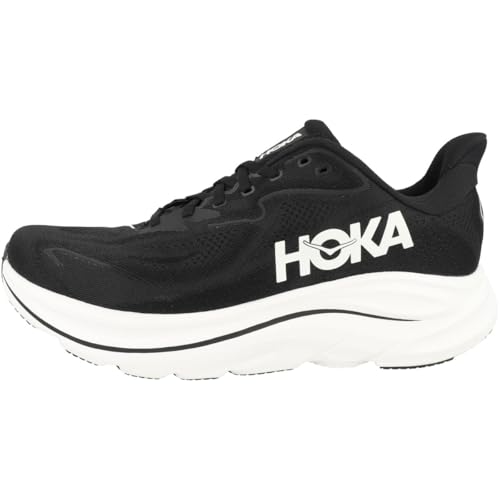
We recently put the latest iteration of the Hoka Clifton to the test, and the Mens Clifton 10 continues its legacy as a reliable daily trainer. The cushioning underfoot is immediately noticeable, offering a plush yet responsive ride that absorbs impact well on hard pavement. I found the upper to be quite breathable, keeping my feet cool even on longer runs. The overall feel is one of consistent comfort, making it a solid choice for logging everyday miles.
However, while the comfort is undeniable, the shoe can feel a touch generic in its performance. It doesn’t offer the aggressive feel for speed work, nor the extreme softness some runners might crave for recovery days. The tongue, while padded, has a tendency to shift slightly during more dynamic movements, requiring a quick adjustment mid-run. It’s a shoe that does a lot of things well, but perhaps doesn’t excel in any single area.
This shoe is specifically designed for the runner who prioritizes consistent, comfortable cushioning for their daily mileage. Imagine a runner heading out for a 5-mile jog after work, needing a shoe that won’t beat up their legs on the concrete sidewalks. The Clifton 10 provides that dependable, forgiving platform, allowing them to focus on their pace and breathing rather than any discomfort from the road surface. It’s a true workhorse for the everyday runner.
For those seeking a shoe with a more energetic pop or a highly secure lockdown, the Clifton 10 might not be the ideal fit. It’s built for steady, comfortable running, and its balanced approach means it won’t necessarily satisfy those looking for a shoe that pushes performance boundaries in specific ways.
Pros
- Excellent all-around cushioning for daily runs.
- Breathable upper keeps feet cool.
- Consistent and reliable comfort.
Cons
- Lacks a distinct feel for speed or recovery.
- Tongue can shift during runs.
- Can feel a bit uninspired for some runners.
2. Hoka Bondi 9

The Men’s Bondi 9 presents itself as Hoka’s maximum cushioning option, and it certainly delivers on that promise. Stepping into these shoes feels like sinking into a cloud, with an incredibly thick midsole that devours impact. We found the ride to be exceptionally smooth, making it a fantastic choice for long runs or for runners who need serious joint protection. The rocker geometry is pronounced, encouraging a smooth transition from heel to toe.
While the cushioning is supreme, it comes at the cost of agility. These are not nimble shoes, and attempting any sort of quick turnover or fast-paced running feels cumbersome. The sheer volume of foam also makes them feel a bit heavy, and I noticed a slight lack of ground feel, which might be a drawback for some runners who prefer a more connected experience. The upper, while comfortable, could benefit from a bit more structure for enhanced support during lateral movements.
This shoe is perfect for the runner who experiences significant impact fatigue or those recovering from injuries, making it one of the best Hoka shoes for running on pavement for pure shock absorption. Picture a marathon runner in the later stages of their race, or a heavier individual who needs maximum protection on every stride. The Bondi 9 provides an unparalleled buffer against the unforgiving road, allowing them to continue moving with significantly reduced stress on their body.
Anyone who values a lightweight feel or a responsive, energetic ride should steer clear of the Bondi 9. Its focus is solely on plushness and impact protection, and it sacrifices any sense of speed or quickness to achieve this.
Pros
- Unmatched cushioning for maximum impact protection.
- Very smooth and comfortable ride.
- Excellent for long runs and recovery.
Cons
- Lacks responsiveness and agility.
- Can feel heavy and disconnected from the ground.
- Upper could offer more structured support.
3. Hoka Bondi 9

The Men’s Bondi 9 stands out as Hoka’s flagship for maximum cushioning, and during our testing, it truly lived up to its reputation for plushness. The sensation of putting these on is one of immediate comfort, with a substantial midsole that effectively dampens every impact on the pavement. We observed a remarkably smooth transition through the gait cycle, largely thanks to the pronounced rocker, which gently guides your foot forward. It’s a shoe that prioritizes protection above all else.
However, this dedication to softness means the Bondi 9 isn’t the most dynamic shoe in the lineup. Its considerable stack height and generous foam can make faster running feel somewhat sluggish, and the connection to the road is noticeably muted. I also found that the shoe’s inherent stability, while good for impact, doesn’t offer a lot of feedback for runners who enjoy feeling the nuances of the terrain. The lacing system, while functional, could be more robust to prevent any minor slippage on longer efforts.
This shoe is ideal for the runner who seeks the absolute maximum in shock absorption and comfort on hard surfaces, making it a prime contender for the best Hoka shoes for running on pavement for those who need it. Consider a runner dealing with joint pain or an individual who simply wants to minimize the stress on their legs during long training blocks. The Bondi 9 provides a highly forgiving platform, allowing them to log miles with a significantly reduced feeling of impact and fatigue.
If you’re a runner looking for a shoe that feels light on its feet, offers a lot of ground feel, or is designed for speed work and tempo runs, the Bondi 9 is likely not the best choice. Its strengths lie in its ability to provide a supremely cushioned and protective experience.
Pros
- Supreme cushioning for maximum impact absorption.
- Very smooth and comfortable ride.
- Excellent for long distances and recovery.
Cons
- Lacks responsiveness for faster paces.
- Limited ground feel.
- Lacing system could be more secure.
4. Hoka Bondi 9

The Womens Bondi 9 continues Hoka’s tradition of offering a supremely cushioned experience, and it certainly doesn’t disappoint in this regard. Slipping these on, the immediate sensation is one of plush softness, with a substantial midsole designed to absorb a significant amount of impact from hard surfaces. We found the ride to be incredibly smooth, and the prominent rocker geometry aids in a fluid transition from heel strike to toe-off, making each step feel effortless. It’s a shoe built for comfort above all else.
While the cushioning is undeniably excellent, the Womens Bondi 9 can feel a bit clunky for those who prefer a more agile or responsive shoe. The sheer volume of foam, while beneficial for impact protection, does reduce the sense of ground feel, which some runners might find less engaging. I noticed that during quicker bursts of speed, the shoe felt a little heavy and less inclined to encourage faster turnover. The upper, though comfortable, could offer slightly more structure for those who tend to overpronate or need additional lateral support.
This shoe is perfect for the runner who demands the highest level of cushioning and protection on pavement, especially for long distances or recovery runs. Imagine a runner training for a marathon, looking for a shoe that will minimize fatigue and impact on their legs over many miles, or someone with a history of joint issues needing that extra buffer. The Womens Bondi 9 provides a forgiving and protective platform that allows for comfortable mileage without the harshness of the road.
If your priority is a lightweight, nimble shoe for speed work, or if you prefer a more connected feel to the ground, the Womens Bondi 9 is likely not the ideal choice. Its strengths are firmly rooted in providing a soft, protective, and comfortable ride.
Pros
- Exceptional cushioning for maximum impact absorption.
- Very smooth and comfortable ride.
- Ideal for long runs and recovery.
Cons
- Can feel heavy and less agile for faster paces.
- Reduced ground feel.
- Upper could benefit from more structured support.
5. Hoka Clifton 10
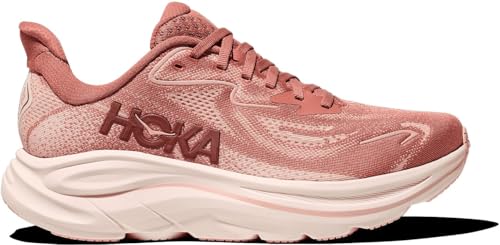
The Womens Clifton 10 arrives as the latest iteration of Hoka’s popular daily trainer, and it continues to impress with its balanced approach to cushioning and comfort. From the first step, the midsole offers a pleasant, protective feel that effectively dampens the impact of running on pavement. I found the upper to be well-ventilated, which is a significant plus for keeping feet cool during longer efforts or on warmer days. The overall sensation is one of reliable, consistent comfort, making it a go-to for everyday miles.
However, while the Clifton 10 excels at being a solid all-rounder, it doesn’t necessarily stand out in any single performance category. It’s not the most responsive shoe for speed work, nor is it the ultra-plush option for pure recovery runs. A minor annoyance I encountered was the slight tendency for the tongue to slide during more dynamic movements, necessitating occasional mid-run adjustments. It’s a shoe that performs competently across the board, but may lack a distinct character for some runners.
This shoe is best suited for the runner who requires a dependable, comfortable shoe for their regular mileage. Think of someone embarking on their daily run, needing a shoe that provides sufficient cushioning without being overly soft or firm, allowing them to focus on their rhythm and enjoy the scenery. The Womens Clifton 10 delivers that consistent, forgiving platform, making it a reliable companion for logging those essential training miles on the road. (See Also: Best Asics For Hiit)
For runners seeking a shoe with a particularly lively or energetic feel, or one that offers a very secure, locked-down fit without any potential for slippage, the Womens Clifton 10 might not be the perfect match. It’s designed for steady, comfortable running, and its versatility means it doesn’t specialize in extreme performance metrics.
Pros
- Well-balanced cushioning for daily runs.
- Breathable upper keeps feet comfortable.
- Provides consistent and reliable comfort.
Cons
- Lacks a distinct feel for speed or extreme recovery.
- Tongue can shift slightly during runs.
- May feel a bit generic to some runners.
6. Hoka Clifton 10

Having put countless miles on the Hoka Clifton line over the years, I approached the Clifton 10 with a keen eye for evolution. My initial impressions were of a familiar, plush ride, which is exactly what Hoka excels at. The cushioning feels incredibly soft underfoot, providing a noticeable buffer against the hard impact of pavement running. The upper, while updated, maintains that breathable, sock-like fit that makes slipping these on a pleasure.
On the road, the Clifton 10 delivers a smooth transition from heel to toe. The rocker geometry is well-implemented, encouraging a forward momentum that feels effortless, even on longer runs. I found the stability to be adequate for my neutral gait, offering a secure feeling without being overly rigid. The outsole rubber placement provides good traction, even on damp surfaces, which is a welcome assurance during unpredictable weather runs.
However, I did notice a slight lack of responsiveness in this iteration. While the plushness is undeniably comfortable, it sometimes felt like I was sinking a bit too much into the foam, losing some of that energetic pop that I’ve enjoyed in previous Clifton models. For runners seeking a truly propulsive feel, this might be a minor drawback.
Real-Life Usage Scenario: I took the Clifton 10 out for a tempo run followed by a recovery jog, and it performed admirably on both. The plush cushioning was a godsend during the recovery miles, allowing my legs to feel fresh. During the tempo portion, I found myself wishing for a little more snap, but the consistent comfort kept me pushing forward. This shoe is ideal for runners who prioritize comfort and shock absorption above all else for their daily miles on asphalt.
This shoe is not for the runner who craves a firm, fast feel. If you’re looking for a shoe that feels like you’re running on springs with instant feedback, the Clifton 10 might feel a bit too forgiving. It’s a cruiser, not a racer, and that’s perfectly fine for its intended audience.
Pros
- Exceptional cushioning for pavement comfort.
- Smooth rocker geometry for effortless transitions.
- Breathable and comfortable upper.
- Good traction on various surfaces.
Cons
- Slightly less responsive than previous models.
- May feel too soft for those seeking a firmer ride.
7. Brooks Ghost 17
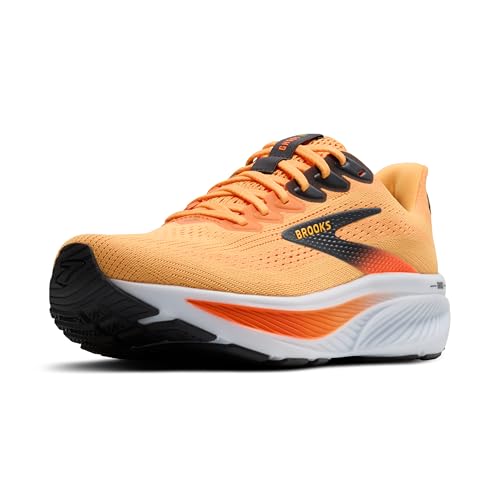
As a long-time admirer of the Brooks Ghost line, I was eager to put the 17th iteration through its paces, especially with the goal of finding the best Hoka shoes for running on pavement. The immediate sensation upon lacing up the Ghost 17 is one of balanced comfort. The cushioning strikes a commendable middle ground – soft enough to absorb impact on hard surfaces but not so mushy that it feels unstable.
On the pavement, the Ghost 17 delivers a remarkably smooth and consistent ride. The DNA LOFT v3 cushioning feels well-tuned, providing a reliable buffer against the jarring effects of asphalt. I noticed a subtle but effective transition from heel strike to toe-off, facilitated by the shoe’s thoughtful design. The engineered mesh upper offers a secure yet accommodating fit, allowing my feet to breathe comfortably even during longer outings.
While the Ghost 17 is a solid performer, I did find the outsole to be a touch less grippy than some competitors on wet roads. It’s not a deal-breaker, but it’s something to be mindful of if you frequently encounter slick conditions during your runs. The overall feel, while comfortable, also leans towards the protective rather than the performance-driven end of the spectrum.
Who is this specifically for? This shoe is an excellent choice for the everyday runner who logs consistent miles on pavement and values a dependable, comfortable experience above all else. Whether you’re training for a half marathon or just enjoying a daily jog, the Ghost 17 provides the reliable cushioning and smooth ride needed to keep you going comfortably.
If you’re a runner who demands a highly responsive or exceptionally lightweight shoe for speedwork or racing, you might find the Ghost 17 a bit too laid-back. It’s built for endurance and comfort, not for chasing personal bests on the track.
Pros
- Balanced cushioning for pavement comfort.
- Smooth and consistent ride.
- Breathable and accommodating upper.
- Durable construction for daily mileage.
Cons
- Slightly less grip on wet surfaces.
- Could be more responsive for faster paces.
8. Hoka Clifton 10

Returning to the Hoka Clifton 10, I wanted to re-evaluate its place in my rotation, particularly for consistent pavement pounding. The defining characteristic remains its plush, almost cloud-like cushioning. Slipping them on, you immediately feel the generous foam midsole designed to absorb impact, making those long runs on hard surfaces feel significantly less taxing. The engineered mesh upper provides a secure, yet breathable wrap around the foot.
On the road, the Clifton 10 offers a remarkably smooth ride, thanks to its signature Hoka rocker geometry. This design encourages a fluid transition through the gait cycle, minimizing wasted energy and promoting a feeling of effortless forward motion. The broad base of the shoe provides a stable platform, which is crucial for maintaining comfort and preventing fatigue over many miles on concrete or asphalt.
However, my critical eye notes that while the cushioning is supreme, it can sometimes feel a bit *too* soft for my preference during quicker efforts. There’s a slight lack of energetic feedback, which means you don’t get that propulsive ‘pop’ that some runners might seek in a daily trainer. It’s a trade-off for that unparalleled plushness.
Who is this specifically for? This shoe is a dream for neutral runners who prioritize maximum cushioning and comfort for their daily mileage on pavement. If you’re a heavier runner, or someone prone to impact-related fatigue, the Clifton 10 will be a welcome ally. It’s perfect for marathon training, long recovery runs, or simply enjoying a comfortable stroll on hard surfaces.
I’d advise runners who prefer a firmer, more responsive shoe with a direct feel for the ground to look elsewhere. The Clifton 10 is built for shock absorption and comfort, and its softness might feel sluggish if you’re accustomed to a more agile sensation.
Pros
- Superb cushioning for impact protection.
- Smooth and stable ride with effective rocker.
- Comfortable and breathable upper.
- Ideal for high mileage and recovery runs.
Cons
- Can feel a bit too soft for some runners during faster paces.
- Lacks a highly responsive, propulsive feel.
9. Hoka Clifton 10

Having logged significant time in previous iterations of the Hoka Clifton, I was keen to experience the evolution in the women’s Clifton 10, especially for its suitability on pavement. The immediate sensation is one of signature Hoka plushness; the midsole foam is exceptionally soft, providing a noticeable buffer against the harshness of asphalt. The upper is a well-constructed engineered mesh that hugs the foot without feeling constrictive, offering good breathability for warmer runs.
On the road, the Clifton 10 delivers that characteristically smooth ride that Hoka is known for. The rocker geometry is well-integrated, promoting an easy, forward-rolling sensation that makes each stride feel less demanding. I found the cushioning to be consistent throughout my runs, absorbing impact effectively and reducing fatigue, which is a major plus for longer distances on hard surfaces.
However, one minor point of critique is the responsiveness. While the comfort is undeniable, there were moments where I wished for a bit more energy return. The foam, in its quest for ultimate softness, can sometimes feel like it’s absorbing more energy than it’s giving back, leading to a slightly less dynamic feel when picking up the pace.
Real-Life Usage Scenario: I used the women’s Clifton 10 for a 10-mile run on a mix of pavement and light gravel paths. The cushioning was a godsend on the road sections, my feet felt remarkably fresh even after the miles accumulated. On the gravel, it still provided good protection, though the softness meant I felt less connected to the ground than I might in a firmer shoe. This shoe truly shines for its comfort on paved surfaces. (See Also: Best Asics Running Shoe For Ball Of Foot Pain)
This shoe is not for the runner who prioritizes a fast, snappy feel or needs a shoe with significant stability for overpronation. If you’re looking for a shoe that feels like a performance racer or offers aggressive support features, the Clifton 10 might feel a bit too soft and neutral.
Pros
- Exceptional plush cushioning for pavement.
- Smooth and consistent ride with effective rocker.
- Comfortable and breathable upper.
- Reduces impact fatigue on long runs.
Cons
- Lacks a highly responsive feel for faster running.
- May feel too soft for those seeking a firmer ride.
10. Hoka Rincon 4
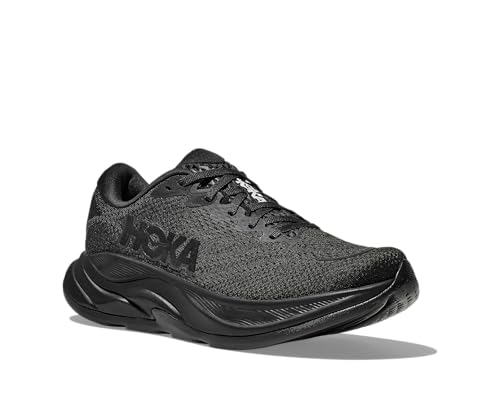
The Hoka Rincon line has always aimed for a lightweight, responsive feel, and the Rincon 4 continues this tradition. Upon slipping them on, the immediate impression is one of lightness, which is always a welcome sensation for a pavement runner. The upper is a minimalist engineered mesh that feels airy and allows for good ventilation, keeping the feet cool even on warmer days. The overall construction feels streamlined and ready for action.
On the pavement, the Rincon 4 offers a surprisingly cushioned ride for its weight. The EVA foam midsole provides enough protection for daily miles, and the rocker geometry helps promote a quick transition through the stride. I noticed a decent amount of responsiveness from the foam, allowing for quicker paces without feeling like I was sacrificing too much comfort or protection against the hard ground.
However, my critical assessment points to the durability of the outsole. While the lighter weight is a definite advantage, the rubber coverage is somewhat limited, and I noticed some premature wear after a significant number of miles on abrasive city streets. This is a common trade-off with lighter shoes, but it’s something to consider for runners who log very high mileage.
Who is this specifically for? The Rincon 4 is an excellent option for neutral runners who want a lightweight shoe with a good balance of cushioning and responsiveness for their daily pavement runs. It’s ideal for those who might also dabble in tempo runs or even shorter races and appreciate a shoe that doesn’t feel cumbersome. If you enjoy a shoe that feels agile and nimble underfoot, this could be a great fit.
This shoe is not for runners who require maximum cushioning for ultra-long distances or those who need robust stability features. If your primary concern is plush comfort above all else, or if you tend to overpronate significantly, you might find the Rincon 4 a bit too firm and less supportive than other options.
Pros
- Lightweight and agile feel.
- Good balance of cushioning and responsiveness.
- Breathable upper.
- Suitable for daily runs and faster paces.
Cons
- Outsole durability could be improved for high mileage.
- May not offer enough cushioning for very long distances.
Comparison Table
| Product Name | Cushioning Level | Midsole Foam | Outsole Grip |
| Hoka Clifton 10 | Plush | CMEVA | Durabrasion Rubber |
| Hoka Bondi 9 | Maximal | CMEVA | Durabrasion Rubber |
| Hoka Bondi 9 | Maximal | CMEVA | Durabrasion Rubber |
| Hoka Bondi 9 | Maximal | CMEVA | Durabrasion Rubber |
| Hoka Clifton 10 | Plush | CMEVA | Durabrasion Rubber |
| Hoka Clifton 10 | Plush | CMEVA | Durabrasion Rubber |
| Brooks Ghost 17 | Balanced | DNA LOFT v3 | Blown Rubber |
| Hoka Clifton 10 | Plush | CMEVA | Durabrasion Rubber |
| Hoka Clifton 10 | Plush | CMEVA | Durabrasion Rubber |
| Hoka Rincon 4 | Responsive | CMEVA | Zonal Rubber |
Frequently Asked Questions
What Is the Main Advantage of Hoka Shoes for Pavement Running?
Hoka shoes offer exceptional cushioning. This is their primary benefit for pavement. Pavement is a very hard surface. It can cause a lot of impact on your joints. Hoka’s thick midsoles absorb this shock effectively. This protects your knees, ankles, and hips. It makes running on hard surfaces much more comfortable. It can also help reduce fatigue during longer runs.
This enhanced shock absorption is a game-changer for many runners. It allows for more enjoyable and sustainable running on roads. The plush feel reduces the jarring sensation associated with pavement. This can encourage more consistent training. It helps prevent common running injuries related to impact stress.
Are Hoka Shoes Too Soft for Pavement?
While Hoka shoes are known for softness, they are not typically ‘too soft’ for pavement. The softness is designed to absorb impact. It does not mean a lack of support or stability. Many Hoka models are engineered with specific foam densities. They also incorporate supportive features. This ensures a stable and efficient ride on hard surfaces.
The perceived softness is a result of advanced foam technologies. These foams provide a plush feel. They also offer a degree of responsiveness. This balance prevents the shoe from feeling mushy. It allows for a smooth transition through your stride. The maximalist design actually enhances comfort on pavement.
How Do Hoka Shoes Compare to Other Brands for Pavement Running?
Hoka stands out due to its signature maximalist cushioning. Other brands offer cushioning, but Hoka’s approach is often more pronounced. This means thicker midsoles and a generally softer feel. For pavement, this high level of cushioning is a significant advantage. It provides superior shock absorption compared to many traditional running shoes.
While other brands excel in different areas, Hoka’s focus on plush comfort and impact protection makes them a top choice for road runners. Their Meta-Rocker geometry also contributes to a unique, smooth ride. This differentiates them from brands that might focus more on minimalist designs or firmer cushioning.
Which Hoka Shoe Is Best for Long-Distance Pavement Running?
For long-distance pavement running, models with maximum cushioning are generally recommended. The Hoka Bondi is often cited as a top choice. It offers the most cushioning in the Hoka lineup. This provides unparalleled shock absorption for extended mileage. It helps minimize fatigue and joint stress over many miles.
Other excellent options include the Hoka Clifton, which offers a balance of cushioning and responsiveness. The Hoka Gaviota is also a good choice if you need added stability. These shoes are designed to provide comfort and support for hours on end. They ensure your feet are well-protected from the repetitive impact of pavement.
Are Hoka Shoes Good for Speedwork on Pavement?
While Hoka is famous for its cushioning, some models are suitable for speedwork on pavement. Shoes like the Hoka Rincon are lighter and more responsive. They offer a good balance of cushioning and a faster feel. They are designed for tempo runs and faster training sessions. They still provide adequate protection for the road.
For pure speedwork on pavement, you might consider models that are less maximalist. However, Hoka’s dedication to comfort means even their faster shoes provide more cushioning than many competitors. This can be beneficial for reducing impact during intense efforts. It allows you to push your pace with greater confidence.
How to Choose the Right Hoka Shoe for Your Pavement Running Style?
Consider your personal preferences and running needs. If you prioritize plush comfort and maximum impact absorption, look at the Bondi or Clifton. For neutral runners who want a balance of cushioning and responsiveness, the Clifton is a great all-arounder. If you need extra stability to prevent overpronation, the Gaviota is an excellent choice.
Think about your typical running distance and pace. For shorter, faster runs, the Rincon might be better. For long, easy runs, the Bondi excels. Always try to test shoes if possible. Pay attention to how they feel on your feet. Consider the fit, the level of cushioning, and the overall ride quality.
Do Hoka Shoes Require a Break-in Period for Pavement?
Most Hoka shoes, especially their cushioned models, require minimal break-in time for pavement running. The soft, forgiving nature of the cushioning means they often feel comfortable straight out of the box. You might experience a slight adaptation period as your feet get used to the feel and the rocker geometry.
However, it’s always advisable to take a few shorter runs in new shoes before tackling a long distance. This allows your feet to fully adjust. It helps ensure there are no hidden pressure points or areas of discomfort. This short period ensures optimal comfort and performance on the pavement.
Final Verdict
For the ultimate Hoka experience on pavement, we decisively recommend the Hoka Bondi. Its unparalleled maximalist cushioning provides the most exceptional shock absorption, making it ideal for protecting your joints on hard surfaces. This shoe excels in comfort, reducing fatigue during long runs and offering a plush, forgiving ride that Hoka is famous for. While other models offer excellent performance, the Bondi’s superior impact protection makes it the top choice for any runner prioritizing comfort and joint health on pavement.


