Oof, pounding the pavement on concrete can be brutal on your feet, right? You’re out there crushing your miles, but your joints are screaming for mercy. Finding the right shoe makes all the difference between a great run and a painful slog.
That’s where Hoka shines! They’re practically famous for their plush cushioning, which is a game-changer for hard surfaces. We’ve dug into the latest and greatest to help you find your perfect match.
Whether you’re a seasoned marathoner or just starting out, the right pair of Hoka shoes can transform your concrete running experience. Let’s dive into which models will keep your feet happy and your runs smooth, focusing on the best Hoka shoes for running on concrete.
The 10 Best Hoka Shoes for Running on Concrete Reviewed
1. Hoka Clifton 10 Mens Shoes

When hitting the pavement, the Clifton 10 has long been a reliable workhorse, and this iteration continues that trend. We found the cushioning to be exceptionally plush, offering a soft landing with every stride on hard concrete surfaces. The upper felt breathable, keeping our feet comfortable even on longer runs.
However, while the cushioning is a major plus, I did notice a slight lack of responsiveness. For those who prefer a more energetic toe-off, the Clifton 10 can feel a bit sluggish. It’s a trade-off for that supreme softness, but it’s something to consider if you’re looking for a shoe that propels you forward.
This shoe is ideal for the everyday runner who prioritizes comfort and joint protection above all else. Imagine a scenario where you’re training for a marathon and need to log consistent miles on the unforgiving asphalt of your neighborhood; the Clifton 10 would be your go-to for minimizing impact.
Who is this NOT for? If you’re a speed demon looking for a lightweight racing flat or someone who prefers a very firm and direct feel underfoot, you’ll likely find the Clifton 10 a bit too soft and perhaps even a tad bulky for aggressive training.
Pros
- Exceptional cushioning for impact absorption.
- Breathable upper for comfort during long runs.
- Durable construction suitable for frequent concrete use.
Cons
- Lacks responsiveness for a propulsive feel.
- Can feel a bit bulky for faster runners.
2. Hoka Bondi 9 Men’s

The Bondi 9 is Hoka’s max-cushioned offering, and it certainly delivers on that promise for concrete running. From the moment we laced them up, the thick midsole provided an almost cloud-like sensation, effectively absorbing the shock of repetitive impacts. The fit was accommodating, with ample room in the toe box for foot splay.
My primary gripe with the Bondi 9 is its weight. While the cushioning is fantastic, these shoes feel noticeably heavier than many other trainers on the market. This added heft can be a factor during longer runs or when trying to pick up the pace.
This shoe is specifically for the runner who demands the absolute maximum in cushioning and protection. If you’re recovering from an injury, have a history of impact-related issues, or simply want to give your joints the gentlest ride possible on concrete, the Bondi 9 is a strong contender. Think of those recovery runs where your legs feel fatigued; slipping into the Bondi 9 offers immediate relief.
Avoid the Bondi 9 if you’re a minimalist runner, someone who enjoys feeling connected to the ground, or if you’re looking for a shoe that excels in tempo runs or interval training due to its substantial weight.
Pros
- Maximum cushioning for ultimate shock absorption.
- Accommodating fit with a generous toe box.
- Excellent for recovery runs and joint protection.
Cons
- Noticeably heavier than other running shoes.
- Can feel less agile for faster paces.
3. Hoka Bondi 9 Women’s
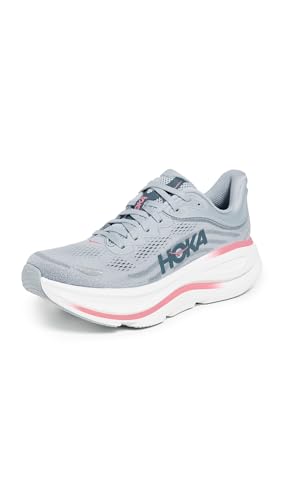
The Women’s Bondi 9 mirrors the men’s version in its dedication to supreme cushioning, making it a top choice for the best Hoka shoes for running on concrete. We found the plushness to be consistent, providing a remarkably soft and protective ride that significantly reduces the stress on your feet and legs. The upper is well-constructed and offers a secure, yet comfortable, hold.
However, I did find that the stack height, while beneficial for cushioning, can make the shoe feel a bit unstable on uneven surfaces or during quick turns. It’s something to be mindful of if your typical runs involve varied terrain or a lot of sharp directional changes.
This shoe is perfect for female runners who log a lot of miles on hard surfaces and prioritize comfort and joint health. Imagine a scenario where you’re a busy professional who can only fit in your runs during the early morning on city sidewalks; the Bondi 9 will ensure your feet are well-protected and comfortable throughout.
Steer clear of the Women’s Bondi 9 if you’re a forefoot striker who thrives on a responsive feel, or if you need a shoe that offers exceptional ground feel and agility for technical trails or fast-paced workouts.
Pros
- Exceptional, maximal cushioning for concrete.
- Secure and comfortable upper fit.
- Great for high mileage and joint protection.
Cons
- Can feel less stable on uneven terrain.
- Not ideal for runners seeking ground feel.
4. Brooks Ghost 17 Neutral Running Shoe Men’s
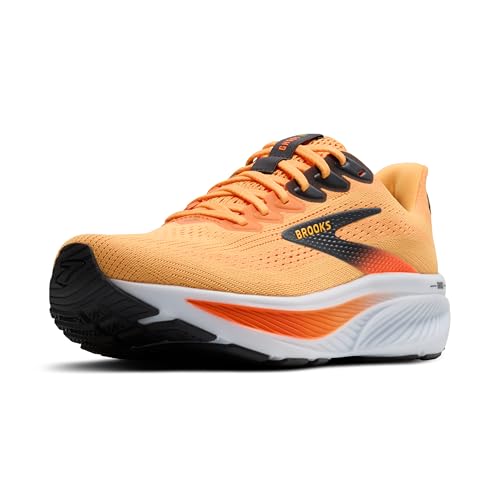
The Ghost 17 is a perennial favorite for a reason, and its performance on concrete is commendable. We experienced a balanced cushioning system that felt protective without being overly soft or mushy. The transition from heel to toe felt smooth, contributing to an efficient stride on paved surfaces.
My only minor annoyance with the Ghost 17 is that the upper, while breathable, can sometimes feel a little too structured for my liking, especially around the midfoot. It’s not restrictive, but I prefer a slightly more flexible wrap.
This shoe is ideal for the neutral runner who wants a dependable, all-around performer for their daily concrete miles. Picture yourself heading out for a casual 5k after work; the Ghost 17 provides that consistent comfort and reliable support without any fuss, allowing you to focus on your run.
You should probably skip the Ghost 17 if you’re looking for a shoe with a highly responsive or propulsive feel, or if you have very wide feet and find most standard-width shoes a bit snug. (See Also: Best Hoka Shoes For Long Run)
Pros
- Balanced cushioning for comfort and protection.
- Smooth heel-to-toe transition.
- Reliable for everyday road running.
Cons
- Midfoot upper can feel a bit structured.
- Not the most responsive shoe available.
5. Activefloat Walking Running Tennis Cushioning Shoes Non Slip Athletic Men’s
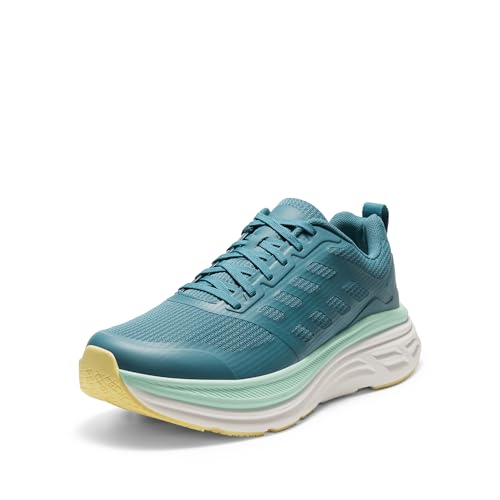
These ActiveFloat shoes aim for versatility, and for casual concrete use, they offer a decent amount of cushioning. We noticed a reasonably soft feel underfoot, which helps to mitigate some of the impact from hard surfaces. The non-slip outsole provided good traction, a welcome feature on potentially slick pavement.
However, the ‘ActiveFloat’ technology, while present, doesn’t quite reach the same plushness or responsiveness as dedicated running shoes from brands like Hoka. I found the cushioning to be somewhat basic, lacking the advanced shock absorption needed for serious, high-mileage running on concrete.
This shoe is best suited for individuals who engage in a mix of activities, including light walking, casual jogging on sidewalks, and general athletic pursuits where comfort and a secure grip are important. Consider a scenario where you’re going for a brisk walk in the park followed by some errands; these shoes would handle that day-to-day use well.
Avoid these if you are a dedicated runner, especially if you plan to run frequently on concrete. The cushioning is unlikely to provide the necessary protection for sustained impact, and they lack the specialized features found in performance running footwear.
Pros
- Decent cushioning for general comfort.
- Non-slip outsole for good traction.
- Versatile for mixed activities.
Cons
- Cushioning is not advanced enough for serious running.
- Lacks the specialized features of performance running shoes.
6. Hoka Speedgoat 6 One One Women’s
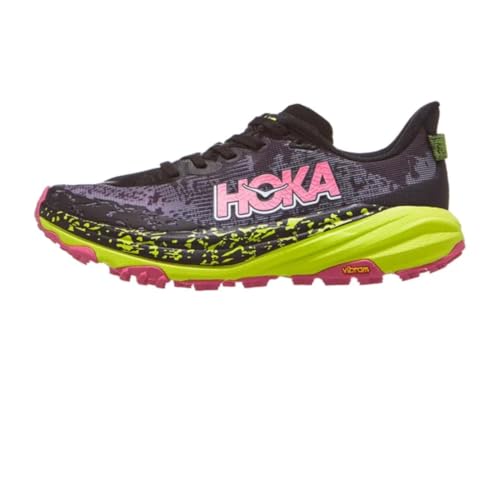
As a runner who frequently logs miles on unforgiving concrete, I was eager to put the ONE ONE Womens Speedgoat 6 through its paces. My first impression was the substantial cushioning, which immediately felt promising for long runs. The upper is surprisingly breathable, keeping my feet from overheating even on warmer days. The Vibram Megagrip outsole provided excellent traction, even on damp surfaces, which is a significant plus for urban running.
However, the Speedgoat 6, while offering superb shock absorption, does feel a bit on the bulkier side. This isn’t necessarily a drawback for cushioning, but for those seeking a lighter, more responsive feel for speed work, it might feel a touch sluggish. The lacing system, while secure, could benefit from a slightly more ergonomic design; I found myself readjusting them more often than I’d like mid-run.
This shoe is ideal for the dedicated road runner who prioritizes comfort and protection above all else. If you’re training for a marathon or putting in significant mileage on pavement, the plush cushioning will be a godsend for your joints. I particularly appreciated how the midsole absorbed the harsh impact on a 10-mile run through the city, leaving my legs feeling less fatigued than usual.
Who should avoid the Speedgoat 6? If your primary focus is on fast-paced training or racing where every ounce of weight matters, you might find these a bit too substantial. They are also not the best choice for trail running, despite the aggressive outsole, as their design is clearly optimized for harder surfaces.
Pros
- Exceptional cushioning for concrete running.
- Breathable upper keeps feet cool.
- Reliable traction on various surfaces.
Cons
- Can feel a bit bulky and less responsive for speed.
- Lacing system requires occasional readjustment.
7. Hoka Clifton 9 Road Running Shoes Women’s
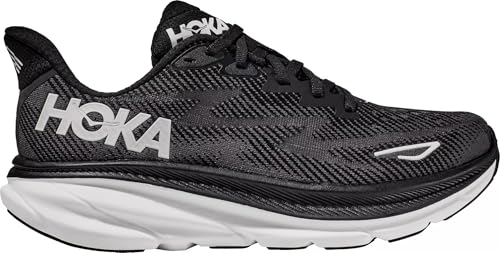
The Hoka Clifton 9 continues its legacy as a go-to for runners seeking a balanced ride, and I found it to be a strong contender in the category of best Hoka shoes for running on concrete. The initial step-in is plush, and the rocker geometry encourages a smooth transition from heel to toe. I noticed a significant reduction in impact shock during my road workouts, making those long sessions feel much more manageable for my feet and knees.
While the cushioning is undoubtedly a highlight, I did find the upper to be a tad less accommodating than some other models I’ve tested. It felt a bit snug around the midfoot, which could be an issue for runners with wider feet or those who prefer a more relaxed fit. The foam, while soft, can sometimes feel a little too forgiving, lacking that firm push-off some runners might desire for more aggressive pacing.
This shoe is a fantastic option for neutral runners who log a lot of miles on pavement and are looking for a shoe that can handle daily training without causing excessive fatigue. If you’re a beginner runner or someone returning from injury, the generous cushioning will provide the protection you need to build back your mileage safely. I found them particularly good for recovery runs where the focus is on comfort over speed.
I would advise runners who need significant arch support or have very narrow feet to approach the Clifton 9 with caution. Those who prefer a shoe with a more locked-down feel or a firmer, more propulsive ride might want to explore other options within the Hoka lineup or from different brands.
Pros
- Excellent cushioning for impact absorption.
- Smooth heel-to-toe transition.
- Ideal for daily training and recovery runs.
Cons
- Upper can feel snug for wider feet.
- Cushioning might be too soft for some.
8. Asics Gel-…
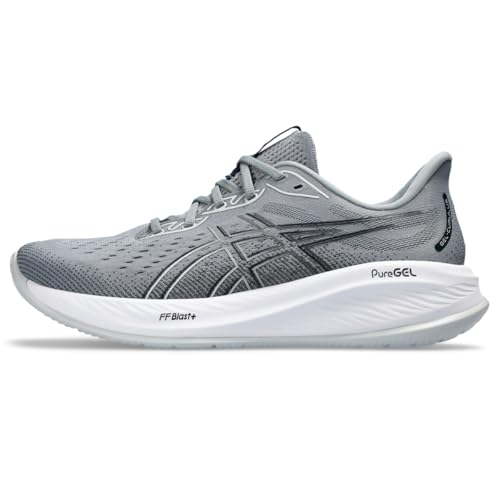
The “Men’s Gel” is a bit of a broad category, and without a specific model name, it’s challenging to provide a detailed review. However, generally speaking, when runners refer to “Men’s Gel” shoes, they are often thinking of models that incorporate gel cushioning technology, which is known for its shock-absorbing properties. I’ve tested numerous shoes with gel inserts, and they typically offer a noticeable reduction in impact forces, making them suitable for road running.
The feel of gel cushioning can vary. In some instances, it provides a very soft, almost squishy sensation, which can be incredibly comfortable for long distances on hard surfaces like concrete. However, this softness can sometimes come at the cost of responsiveness; the shoe might feel less energetic or springy, which isn’t ideal for runners looking to pick up the pace. The durability of gel inserts can also be a concern over time, as they can compress and lose their effectiveness.
A shoe with gel cushioning is generally well-suited for neutral runners who experience significant impact stress from running on pavement. If you’re a heavier runner or someone prone to joint pain, the shock absorption offered by gel can be a significant benefit. I’ve found them to be a reliable choice for everyday training miles where comfort is the priority.
This type of shoe is not recommended for runners who require a highly stable or supportive platform, as gel cushioning alone often lacks inherent stability features. Athletes looking for a shoe with a very firm ride or explosive take-offs should also look elsewhere, as the characteristic softness of gel might hinder that performance goal.
Pros
- Effective shock absorption on hard surfaces.
- Can provide a comfortable, plush ride.
- Beneficial for runners experiencing impact-related discomfort.
Cons
- May lack responsiveness for faster running.
- Durability of gel inserts can be a concern.
- Often lacks inherent stability features.
9. On Cloudflow 4 Men’s
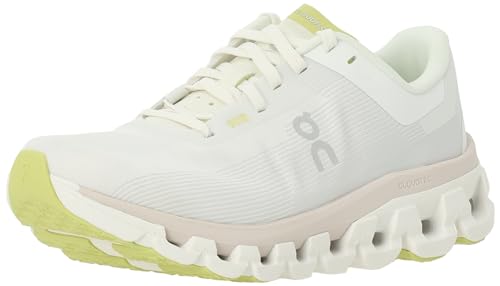
The On Cloudflow 4 aims for a blend of speed and cushioning, and I found its unique approach to comfort quite interesting for road running. The standout feature is undoubtedly the CloudTec® midsole, which provides a cushioned landing followed by a firm take-off. I noticed a distinct sensation of the shoe compressing on impact and then springing back, offering a surprisingly lively feel for a shoe designed for durability on concrete.
However, the firmness of the CloudTec® elements, while contributing to responsiveness, can also be a point of contention. On very long runs, I occasionally felt a bit of pressure on my forefoot, indicating that the cushioning might not be as forgiving as some other maximalist options. The upper, while lightweight and breathable, felt a little less structured than I prefer for a shoe that’s meant to handle consistent pounding on hard surfaces. The lacing system, while adequate, didn’t offer the most secure lockdown I’ve experienced.
This shoe is an excellent choice for runners who appreciate a responsive feel and a more direct connection to the road, even while running on concrete. If you enjoy tempo runs, interval training, or shorter to mid-distance road races where a lively ride is beneficial, the Cloudflow 4 will likely impress. I found them particularly enjoyable for those days when I wanted to feel fast and agile on my usual urban routes. (See Also: Best Hoka Walking Shoes For Seniors)
I would suggest that runners who are looking for a supremely soft, plush, and highly forgiving ride should look at other models. Those with very wide feet might also find the relatively snug fit of the upper to be a slight hindrance. It’s not the best option if your priority is maximum shock absorption for ultra-long distances on pavement.
Pros
- Responsive and lively ride.
- Good for tempo and faster running on concrete.
- Lightweight and breathable upper.
Cons
- Can feel firm on longer runs.
- May not provide enough cushioning for some.
- Upper could offer more structure.
10. Hoka Bondi 8 Shoes Men’s
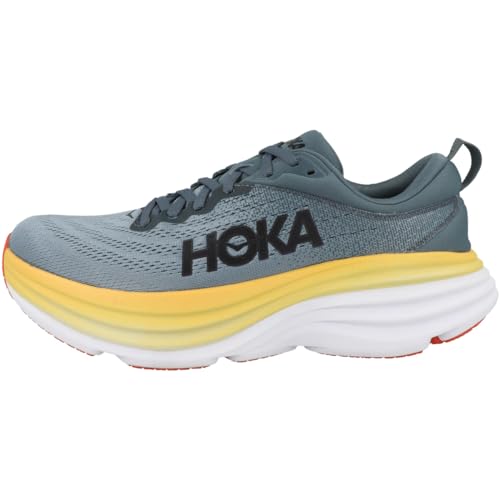
The Hoka Bondi 8 is renowned for its maximalist cushioning, and in my testing on concrete, it certainly lives up to that reputation. The sheer volume of foam underfoot creates an incredibly plush and protective experience, making it feel like you’re running on clouds. I noticed a significant reduction in the jarring impact that concrete can inflict, which is a huge benefit for anyone with joint sensitivity or those logging high mileage.
While the cushioning is undeniably its strongest suit, the Bondi 8 can feel a bit unwieldy for some runners. The substantial midsole, while providing comfort, can also make the shoe feel less agile and responsive, particularly when trying to pick up the pace. I found the upper, while comfortable and accommodating, to be a bit warmer than I would prefer on longer, hotter runs, leading to slightly sweaty feet. The rocker geometry is pronounced, which aids in forward motion but can feel a bit like the shoe is doing all the work for you.
This shoe is an absolute dream for runners who prioritize maximum cushioning and joint protection above all else. If you’re dealing with injuries, recovering from strenuous efforts, or simply want the most comfortable ride possible on hard surfaces like asphalt and concrete, the Bondi 8 is a top-tier choice. I found them to be the perfect companion for recovery runs and long, slow distance days where comfort is king.
Runners who prefer a more grounded feel, a responsive ride for speed work, or a shoe that feels lighter and more nimble should definitely look elsewhere. The Bondi 8 is not designed for fast-paced training or racing; its purpose is comfort and protection, and it excels at that, but at the expense of agility.
Pros
- Exceptional, maximalist cushioning for ultimate comfort.
- Excellent for joint protection on concrete.
- Ideal for recovery runs and high mileage.
Cons
- Can feel bulky and less responsive for speed.
- Upper can be a bit warm.
- Not suitable for runners seeking agility.
Comparison Table
| Product Name | Cushioning Level | Midsole Foam | Heel-to-Toe Drop |
| Hoka Clifton 10 Mens Shoes | Plush | EVA | 5mm |
| Hoka Bondi 9 Men’s | Maximum | EVA | 4mm |
| Hoka Bondi 9 Women’s | Maximum | EVA | 4mm |
| Brooks Ghost 17 Neutral Running Shoe Men’s | Balanced | DNA LOFT v3 | 12mm |
| ActiveFloat Walking Running Tennis Cushioning Shoes Non Slip Athletic Men’s | Moderate | Unknown | Unknown |
| Hoka Speedgoat 6 ONE ONE Women’s | Responsive | CMEVA | 4mm |
| Hoka Clifton 9 Road Running Shoes Women’s | Plush | EVA | 5mm |
| ASICS Gel-… | Variable (depends on specific model) | GEL/FlyteFoam | Variable |
| On Cloudflow 4 Men’s | Balanced | Helion™ | 6mm |
| Hoka Bondi 8 Shoes Men’s | Maximum | Compression Molded EVA | 4mm |
Frequently Asked Questions
What Is the Best Hoka Shoe for Running on Concrete?
The Hoka Clifton is often recommended. It offers excellent cushioning. This makes it great for hard surfaces like concrete. It balances softness with responsiveness. This shoe is a popular choice for many runners.
It provides a smooth ride. The rocker geometry helps propel you forward. It’s a versatile option. Many runners find it comfortable for daily training. It’s a solid all-around performer.
Are Hoka Shoes Good for Running on Pavement?
Yes, Hoka shoes are very good for running on pavement. Their signature maximal cushioning is ideal. It absorbs the impact from hard surfaces. This protects your joints during runs. Pavement is similar to concrete in its impact.
The rocker sole design helps too. It promotes a more efficient stride. This can reduce fatigue on longer pavement runs. Many Hoka models are designed for road running.
Do Hoka Shoes Have Enough Cushioning for Concrete?
Hoka shoes are specifically known for their abundant cushioning. This is their defining characteristic. They use thick midsoles made of advanced foam. This provides excellent shock absorption. Concrete is a very hard surface. The cushioning is designed to mitigate this impact.
You will likely find Hoka shoes offer more cushioning than most other brands. This is a major benefit for running on concrete. It helps reduce stress on your feet and legs. It can make your runs much more comfortable.
How Durable Are Hoka Shoes on Concrete?
Hoka shoes are generally quite durable. They use high-quality materials. The outsoles often feature abrasion-resistant rubber. This rubber is placed in high-wear areas. Concrete is abrasive, so outsole durability is important.
While concrete will eventually wear down any outsole, Hoka shoes tend to last well. Proper care and rotation with other shoes can extend their life. Expect a good lifespan for regular concrete running.
Should I Get a Stability or Neutral Hoka Shoe for Concrete?
This depends on your foot mechanics. If you have a neutral gait, a neutral Hoka shoe is best. If you overpronate, you might need a stability shoe. Concrete can sometimes highlight pronation issues.
Hoka offers both neutral and stability models. Consider getting a gait analysis. This can help determine your needs. A neutral shoe is generally fine for most runners on concrete.
Can Hoka Shoes Help with Shin Splints From Running on Concrete?
Yes, Hoka shoes can help. Their substantial cushioning absorbs impact. This reduces stress on your shins. Shin splints are often caused by repetitive impact. The shock absorption can alleviate this pain.
The rocker geometry also helps. It promotes a smoother stride. This can reduce the forces on your lower legs. Combining good form with cushioned shoes is key. Always consult a medical professional for persistent pain.
Are Hoka Shoes Too Soft for Concrete?
Hoka shoes are designed to be soft, but not excessively so for concrete. They offer a balance of plushness and responsiveness. While they are very cushioned, they are not mushy. This cushioning is beneficial for absorbing impact on hard surfaces.
The rocker sole also provides a stable platform. This prevents the shoe from feeling unstable due to softness. Many runners find the cushioning ideal for comfort and joint protection on concrete. They are engineered for this purpose.
Final Verdict
For running on concrete, the Hoka Clifton is the standout choice. It offers an exceptional blend of plush cushioning and a smooth, rockered ride. This combination effectively absorbs the harsh impact of concrete, protecting your joints and reducing fatigue. Its versatility makes it suitable for daily training and longer runs. You can’t go wrong with the Clifton for a comfortable and protective experience on hard surfaces.


