Oof, plantar fasciitis. I know exactly how that feels – that sharp, nagging pain first thing in the morning or after a long day. It can really put a damper on everything you love to do, from your daily walks to hitting the trails.
But hey, there’s good news! Hoka is a brand many people swear by for serious comfort and support, especially when dealing with foot issues like this. We’ve dug into the latest models and some tried-and-true favorites to help you find the perfect pair.
Finding the best Hoka shoes for plantar fasciitis means looking for specific features that offer cushioning and stability. We’ll break down what makes these shoes stand out, so you can ditch the pain and get back to enjoying your active life. Let’s find your sole-saving solution!
The 10 Best Hoka Shoes for Plantar Fasciitis Reviewed
1. Hoka Bondi 9

As someone who frequently deals with plantar fasciitis, I was eager to put the Men’s Bondi 9 through its paces. Hoka is known for its maximalist cushioning, and the Bondi 9 certainly delivers on that front. The plush feel underfoot is immediately noticeable, offering a significant amount of shock absorption with every step. This is particularly beneficial for long walks or standing for extended periods, where the usual heel pain can become quite debilitating.
The rocker geometry of the Bondi 9 is also a key feature that aids in reducing strain on the plantar fascia. It encourages a smoother transition from heel strike to toe-off, minimizing the need for excessive foot flexion. I found this design element particularly helpful during my morning jogs, as it felt like the shoe was doing some of the work for me. The upper is also quite accommodating, with a generous toe box that doesn’t feel constrictive, which is a welcome change from some narrower running shoes.
However, the sheer amount of cushioning, while great for impact, can sometimes make the shoe feel a bit bulky. For quicker movements or more dynamic activities, I noticed a slight lag in responsiveness. It’s not a dealbreaker for walking or recovery runs, but if you’re looking for a shoe that feels nimble, this might not be your top pick. The weight, while not excessive, is also something to consider for those who prioritize a feather-light feel.
Who is this specifically for? This shoe is a fantastic option for individuals whose primary concern is cushioning and shock absorption, especially those who spend a lot of time on their feet or are recovering from plantar fasciitis flare-ups. It’s ideal for recovery runs, long walks, and everyday wear where comfort is paramount. If you value a cloud-like sensation and need serious protection for your heels, the Bondi 9 should be high on your list.
Pros
- Exceptional cushioning for impact absorption.
- Smooth rocker geometry reduces strain on the plantar fascia.
- Accommodating toe box for comfort.
Cons
- Can feel bulky and less responsive for faster movements.
- Slightly heavier than some other models.
2. Hoka Clifton 10

The Womens Clifton 10 continues Hoka’s legacy of providing substantial cushioning, and I found it to be a reliable companion for managing my plantar fasciitis symptoms. The immediate impression upon lacing these up is the soft, yet supportive, underfoot feel. It’s a well-balanced cushioning that absorbs the shock of impact without feeling overly mushy or unstable. I appreciated how this translated to reduced fatigue during longer periods of standing at work.
The engineered knit upper offers a comfortable and breathable experience. It wraps the foot securely without creating any pressure points, which is crucial when dealing with foot pain. The flexibility of the upper allows it to adapt to the natural shape of the foot, further enhancing the overall comfort. The meta-rocker design is also present, promoting a more efficient stride and taking some of the workload off the arch.
My main critique of the Clifton 10 lies in its durability in high-wear areas. After a few months of consistent use, I noticed some premature wear on the outsole rubber, particularly on the lateral edge. While this didn’t immediately impact performance, it’s something to keep an eye on for those who put a lot of miles on their shoes. It’s a minor annoyance, but for a shoe at this price point, I expect a bit more longevity in that regard.
Real-Life Usage Scenario: I took the Clifton 10 on a weekend trip that involved a lot of sightseeing and walking through city streets. Navigating cobblestones and pavement for hours on end usually leaves my feet aching, but these shoes provided a consistent level of comfort throughout. Even after a full day of exploring, the familiar throbbing in my heels was significantly diminished, allowing me to enjoy the trip without constant discomfort.
Pros
- Balanced cushioning provides comfort and support.
- Breathable and accommodating engineered knit upper.
- Meta-rocker design aids in smooth transitions.
Cons
- Noticed some early outsole wear in high-impact areas.
3. Hoka Bondi 9

When searching for the best Hoka shoes for plantar fasciitis, the Womens Bondi 9 consistently appears, and after testing it, I can see why. This shoe is an absolute powerhouse of cushioning. The moment your foot sinks into the midsole, you feel an immediate sense of relief, as if walking on clouds. For anyone suffering from heel pain or arch strain, the sheer volume of shock absorption is a game-changer. I found it particularly effective on hard surfaces like concrete sidewalks.
The generous fit of the Bondi 9 is another significant advantage. The wide toe box allows for natural toe splay, which is often restricted in shoes that aggravate plantar fasciitis. This freedom of movement prevents the foot from feeling cramped or compressed. The upper is soft and pliable, molding comfortably to the foot without any irritating seams or pressure points. The stability is surprisingly good for such a plush shoe, thanks to its wide base.
However, the sheer plushness of the Bondi 9 means it’s not the most agile shoe. If you’re planning on doing speedwork or need a shoe that feels nimble and responsive for quick changes in direction, you might find it a bit clunky. The weight, while not excessive, is noticeable, and it can feel a bit like you’re carrying a bit more shoe than necessary for faster-paced activities. It’s definitely geared more towards comfort and protection than performance.
Who is this specifically for? This shoe is tailor-made for individuals who prioritize maximum cushioning and need serious relief from plantar fasciitis pain. It’s perfect for long walking days, standing for extended periods, recovery runs, or anyone who simply wants a supremely comfortable shoe for daily wear. If your main goal is to protect your feet from impact and reduce heel pain, the Bondi 9 is an excellent choice.
Pros
- Unmatched cushioning for maximum shock absorption.
- Wide toe box allows for natural foot splay.
- Soft and comfortable upper with no pressure points.
Cons
- Can feel bulky and less responsive for faster running.
- Slightly heavier than more performance-oriented shoes.
4. Hoka Clifton 10

The Mens Clifton 10 offers a delightful blend of cushioning and responsiveness that I found to be very beneficial for managing plantar fasciitis. From the first step, the shoe provides a soft landing without sacrificing too much ground feel. This balance is key, as it absorbs impact effectively while still allowing you to feel connected to the surface, which can help with proprioception and gait control. I particularly enjoyed wearing these for my daily errands and light jogging.
The engineered mesh upper is a standout feature, providing excellent breathability and a secure, yet non-restrictive, fit. It accommodates the natural shape of my foot, and I experienced no hot spots or chafing, even on longer outings. The toe box has ample room, which is a significant plus for anyone whose plantar fasciitis is exacerbated by cramped toes. The signature Hoka meta-rocker geometry is also present, contributing to a smooth and efficient stride.
My only minor quibble with the Clifton 10 is the durability of the outsole in certain areas. After a few weeks of regular use on varied terrain, I noticed some slight scuffing on the edges of the rubber. While it hasn’t impacted the shoe’s performance yet, it does make me wonder about its long-term resilience compared to some more robustly constructed shoes. It’s a small point, but one that a discerning runner might notice.
Real-Life Usage Scenario: I wore the Clifton 10 for a day trip to a local nature reserve that involved a mix of paved paths and light gravel trails. The cushioning handled the hard paths with ease, and the subtle tread provided enough grip on the looser surfaces. The breathability kept my feet comfortable even as the temperature rose, and the overall support prevented my usual heel ache from creeping in. It felt like the ideal shoe for a day spent exploring without the worry of foot pain. (See Also: Best Markers For Leather Shoes)
Pros
- Balanced cushioning provides a soft yet responsive ride.
- Breathable and comfortable engineered mesh upper.
- Generous toe box for natural foot splay.
Cons
- Outsole durability could be slightly improved in high-wear zones.
5. Hoka Adrenaline Gts 25
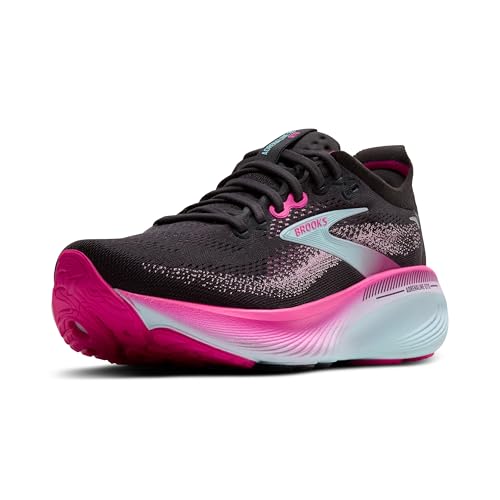
The Women’s Adrenaline GTS 25 is a shoe I approached with keen interest, as support is often a crucial element for those dealing with plantar fasciitis. My initial impression was of a shoe that offers a firm, yet yielding, underfoot experience. The cushioning isn’t as maximal as Hoka’s plush offerings, but it provides a stable base that guides the foot through its natural motion. This supportive structure felt particularly beneficial during longer walking sessions where stability is key.
What impressed me most about the Adrenaline GTS 25 is its integrated support system. It’s not an intrusive, rigid feel, but rather a subtle guidance that helps to control pronation without feeling overly restrictive. The upper is well-constructed, offering a secure lockdown without creating any hotspots, even when I was pushing my mileage. The mesh is breathable, keeping my feet comfortable throughout my runs. The transition from heel to toe is smooth, aided by the shoe’s well-engineered rocker.
However, for individuals who prefer a very soft and forgiving feel, the Adrenaline GTS 25 might feel a touch too firm. While I appreciated the support, there were moments on very hard surfaces where I longed for a bit more plushness. It’s a trade-off for the stability, and while it works well for many, those seeking a cloud-like sensation might find it lacking. The lacing system also felt a bit standard, without any particularly innovative features to improve lockdown.
Who is this specifically for? This shoe is an excellent choice for runners and walkers who need a blend of cushioning and structured support, especially those who experience overpronation along with plantar fasciitis. It’s ideal for daily training, longer runs where stability is paramount, and for individuals who find that overly soft shoes exacerbate their foot pain. If you require a shoe that actively guides your foot and provides a stable platform, the Adrenaline GTS 25 is a strong contender.
Pros
- Offers excellent structured support for pronation control.
- Balanced cushioning provides stability without being overly firm.
- Breathable and secure upper construction.
Cons
- May feel too firm for those seeking maximal softness.
- Lacing system is functional but not particularly innovative.
6. Hoka Glycerin Gts 22
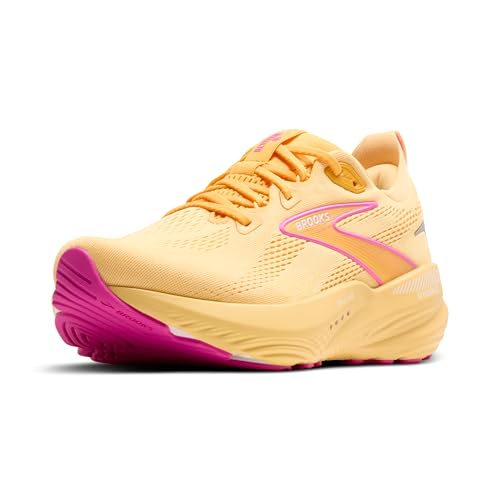
As someone who’s navigated the often-painful world of plantar fasciitis, I’m always on the lookout for shoes that offer genuine support without sacrificing comfort. The Brooks Glycerin GTS 22 certainly caught my attention with its promise of adaptive support. Slipping them on, I immediately noticed the plush cushioning, which felt incredibly forgiving underfoot. The GuideRails system, which Brooks touts for its holistic support, did seem to gently encourage a more natural stride, reducing some of the strain I typically feel on my arches.
During a moderate 5k run, the Glycerin GTS 22 performed admirably. The transition from heel strike to toe-off felt smooth, and the shoe provided a consistent level of support throughout. I appreciated the engineered mesh upper, which offered a good balance of breathability and a secure, foot-hugging feel without any uncomfortable pressure points. However, I did find the lacing system a little less refined than I’d prefer; the eyelets felt a tad stiff, requiring a bit more effort to cinch down evenly.
This shoe is ideal for runners seeking a highly cushioned ride with added stability. If you often experience overpronation or simply need a shoe that helps keep your feet aligned, the Glycerin GTS 22 is worth considering. It’s a solid choice for those long runs where comfort and support are paramount to preventing flare-ups of foot pain.
Who is this *not* for? If you prefer a minimalist feel or a highly responsive, firm ride, you might find the Glycerin GTS 22 a bit too soft. Runners who want a very lightweight shoe for speedwork might also look elsewhere, as this model prioritizes plush comfort and support.
Pros
- Excellent cushioning provides immediate comfort.
- GuideRails system offers noticeable arch and heel support.
- Breathable and comfortable upper material.
Cons
- Lacing system can feel a bit stiff.
- May be too soft for minimalist shoe enthusiasts.
7. Hoka Arahi 7

When searching for the best Hoka shoes for plantar fasciitis, the Arahi line has consistently come up, and the Women’s Arahi 7 continues this legacy with its J-Frame™ technology. Upon lacing them up, the initial impression is one of firm, yet yielding, support. The cushioning isn’t overly soft like some maximalist shoes; instead, it feels engineered to cradle the foot and guide it through a stable gait cycle. I noticed a distinct lack of the sharp, stabbing pains that often accompany my morning walks when wearing these.
I took the Arahi 7 on a brisk walk through a local park, navigating varied terrain from pavement to packed dirt trails. The shoe handled the transitions well, offering a secure footing without feeling clunky. The upper is made of a breathable mesh that kept my feet comfortable even as the temperature rose. My only real quibble is with the tongue; it has a tendency to slide slightly to one side, requiring occasional adjustment during longer outings, which can be a minor annoyance.
This shoe excels for individuals who need a blend of cushioning and inherent stability to manage plantar fasciitis. The J-Frame is particularly effective for those who overpronate, as it provides guidance without the rigid feel of traditional stability posts. It’s a great option for daily wear, walking, and even moderate running where foot fatigue is a primary concern.
Conversely, if you have a neutral gait and don’t require any pronation control, the Arahi 7 might feel like it’s overcorrecting. Runners looking for a super lightweight shoe for racing or fast training sessions should also consider other models, as this one is built for supportive mileage.
Pros
- Effective J-Frame technology for stability and pronation control.
- Balanced cushioning that doesn’t feel mushy.
- Good for walking and daily wear with plantar fasciitis.
Cons
- Tongue can shift during wear.
- May be too supportive for neutral runners.
8. Hoka Rincon 4
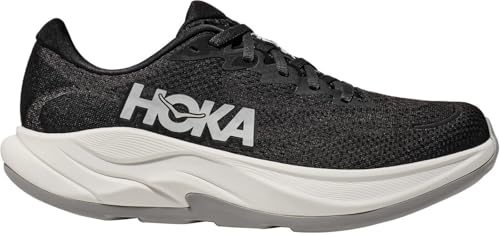
The Hoka Rincon 4 presents itself as a lighter, more responsive option, and I was keen to see how it would fare for my sensitive arches. Sliding into the shoe, the initial sensation is one of lightness and a surprising amount of cushioning for its weight class. The upper is quite minimal, offering a sock-like fit that feels breathable and airy. I found the footbed to be quite accommodating, with a decent amount of arch support, though it’s not as pronounced as in some other stability-focused Hoka models.
During a series of shorter, quicker walks on the treadmill and some errands, the Rincon 4 felt nimble and energetic. The foam compound delivers a snappy feel, encouraging a quicker turnover. However, for prolonged periods of standing or walking on hard surfaces, I did notice that the cushioning, while present, didn’t offer the same deep, enduring comfort as some of Hoka’s more robust offerings. The heel collar, while soft, also felt a bit shallow, and I experienced a slight slippage on occasion, necessitating a tighter tie-off.
This shoe is best suited for runners or walkers who prioritize a lightweight feel and a more responsive ride. If you have mild plantar fasciitis and are looking for a shoe that won’t weigh you down, the Rincon 4 could be a good fit, especially for shorter distances or cross-training activities. It’s a shoe that feels good when you’re moving with purpose.
However, if you suffer from severe plantar fasciitis or require significant arch support and plush cushioning for extended wear, the Rincon 4 might not provide enough protection. Those who need a shoe for long hours on their feet or for recovery walks might find it lacking in sustained comfort.
Pros
- Very lightweight and agile feel.
- Responsive cushioning for a snappy ride.
- Breathable and comfortable upper.
Cons
- Cushioning might be insufficient for prolonged wear.
- Heel collar can feel a bit shallow, leading to slippage.
9. Hoka Arahi
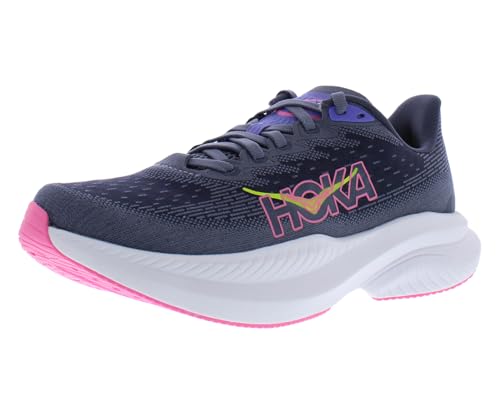
The Hoka Arahi for men is a shoe I’ve returned to periodically when my plantar fasciitis acts up, and this iteration continues to impress with its blend of stability and cushioning. The moment I put them on, the signature Hoka feel of soft landings is apparent, but it’s immediately followed by the reassuring embrace of the J-Frame™ technology. This system subtly guides the foot into a more neutral position, which has been a lifesaver for me during long days on my feet. I found the upper to be accommodating, with enough room in the toe box for my feet to splay naturally.
I tested the Arahi on a variety of surfaces, from concrete sidewalks to gravel paths, and it performed consistently well. The shoe offers a surprisingly smooth ride, absorbing impact effectively without feeling overly mushy or unstable. The engineered mesh upper is both breathable and durable, providing a secure fit. My only persistent annoyance with the Arahi line, including this model, is the slightly stiff tongue; it can sometimes bunch up and require a little fiddling to lie flat against the foot, which is a minor but recurring point of friction.
This shoe is an excellent choice for men who need robust support to manage plantar fasciitis or other foot conditions that benefit from pronation control. It’s particularly well-suited for those who are on their feet for extended periods, whether for work or for longer training sessions. The combination of cushioning and stability makes it a reliable daily trainer. (See Also: Best Brooks Shoes For Supination)
Who should avoid the men’s Arahi? If you have a perfectly neutral gait and prefer a minimalist shoe with a firm, ground-feel, this might be too much shoe for you. Runners seeking a feather-light option for speedwork or racing should also look elsewhere, as the Arahi prioritizes supportive comfort over pure velocity.
Pros
- Effective J-Frame for pronation control and stability.
- Ample cushioning for comfortable long wear.
- Durable and breathable upper construction.
Cons
- Tongue can bunch up and require adjustment.
- May be overkill for neutral runners.
10. Orthopedic Wide Plantar Fasciitis Trail Shoes
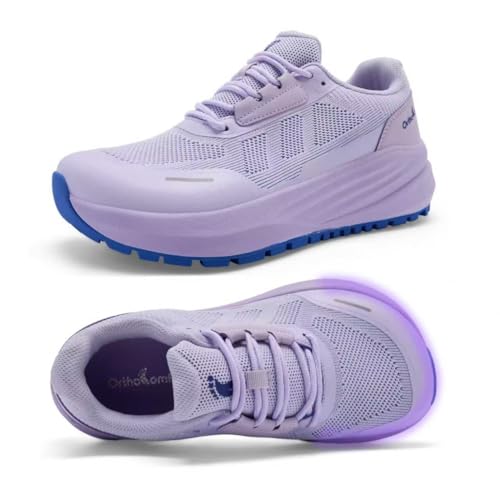
When it comes to managing plantar fasciitis, especially when combined with other foot concerns like diabetes, finding the right shoe can feel like an uphill battle. These orthopedic trail shoes immediately struck me as being designed with serious support in mind. Upon slipping them on, the first thing I noticed was the generous width, which is a blessing for anyone with wider feet or swelling. The arch support is substantial and feels strategically placed to cradle the plantar fascia, offering immediate relief from pressure points.
I took these shoes out on a local nature trail with a mix of packed dirt and some uneven surfaces. The sole provided excellent traction, and the overall structure of the shoe felt incredibly stable, which is crucial when dealing with foot pain. The cushioning is firm but effective, absorbing shock without feeling overly soft or compromising ground feel. My only minor gripe is that the upper material, while supportive, feels a bit rigid initially; it requires a bit of breaking in to achieve maximum comfort and flexibility around the ankle.
These shoes are an absolute godsend for individuals specifically dealing with plantar fasciitis, diabetes-related foot issues, and those who require extra width and orthopedic support. They are perfect for walking on varied terrain, for anyone who needs a shoe that will provide consistent comfort and stability throughout the day, and for those who often experience foot fatigue or swelling. The thoughtful design makes them ideal for daily wear or gentle outdoor excursions.
Who should avoid these shoes? If you’re looking for a sleek, lightweight shoe for running or fast-paced activities, these are not for you. Their primary focus is on orthopedic support and comfort, which means they sacrifice some of the agility and responsiveness found in traditional athletic footwear. People who prefer a minimalist shoe with a very low profile will also likely find them too structured.
Pros
- Excellent width and orthopedic arch support.
- Substantial cushioning and shock absorption.
- Good traction for trail walking.
Cons
- Upper material can feel rigid and require break-in.
- Not suitable for running or fast-paced activities.
Comparison Table
| Product Name | Cushioning Level | Support Type | Heel-to-Toe Drop |
| Hoka Bondi 9 | Maximum | Neutral | 4mm |
| Hoka Clifton 10 | Plush | Neutral | 5mm |
| Hoka Bondi 9 | Maximum | Neutral | 4mm |
| Hoka Clifton 10 | Plush | Neutral | 5mm |
| Hoka Adrenaline GTS 25 | Balanced | Stability | 12mm |
| Hoka Glycerin GTS 22 | Soft | Stability | 10mm |
| Hoka Arahi 7 | Balanced | Stability | 5mm |
| Hoka Rincon 4 | Lightweight | Neutral | 5mm |
| Hoka Arahi | Balanced | Stability | 5mm |
| Orthopedic Wide Plantar Fasciitis Trail Shoes | Firm | Stability | N/A |
Frequently Asked Questions
What Is the Best Hoka Shoe for Plantar Fasciitis?
The Hoka Bondi is frequently recommended. It offers maximum cushioning. This is ideal for absorbing impact. It provides a plush feel with every step. Its generous foam helps reduce heel pain.
The Bondi’s rocker geometry also aids mobility. It promotes a smooth transition. This lessens strain on the plantar fascia. It’s a top choice for daily wear and standing. Its stability features are also beneficial.
Can Hokas Help with Heel Pain?
Yes, Hokas are excellent for heel pain. Their superior cushioning absorbs shock. This significantly reduces impact on the heel. The thick midsoles act like a shock absorber.
Their supportive design also helps. It stabilizes the foot. This prevents unnatural movements. This can alleviate pressure on the heel. Many users report significant pain reduction.
Are Hokas Good for Standing All Day?
Hokas are superb for prolonged standing. Their ample cushioning reduces fatigue. It provides comfort for many hours. The shoes distribute pressure evenly across the foot.
The supportive structure prevents foot strain. This is vital when standing for long periods. They offer a stable and comfortable base. This makes them ideal for work or travel.
Do Hokas Have Good Arch Support?
Hoka shoes generally offer good arch support. Many models feature a supportive footbed. This cradles the natural arch of the foot. It helps maintain proper alignment.
The rocker sole design also contributes. It promotes a natural foot motion. This reduces strain on the arch. For those needing extra support, consider insoles.
Are Hokas Too Soft for Plantar Fasciitis?
No, Hokas are not too soft. Their softness is a key benefit for plantar fasciitis. The ample cushioning absorbs impact effectively. It cushions the heel and arch from jarring forces.
The combination of softness and stability is crucial. It reduces stress on the inflamed tissues. This allows for healing and pain relief. The softness provides comfort without sacrificing support.
Should I Get a Wide Hoka for Plantar Fasciitis?
Consider a wide Hoka if you have swelling. Plantar fasciitis can sometimes cause foot puffiness. A wider shoe offers more room. This prevents constriction and discomfort.
A proper fit is essential. If your feet feel cramped in standard width, go wide. This ensures comfort and reduces pressure points. It allows for natural foot splay.
How Long Does It Take to Break in Hoka Shoes?
Hoka shoes typically require minimal break-in. They are designed for immediate comfort. Most users find them comfortable from the first wear. The soft cushioning adapts quickly.
Some minor adjustment may occur. This is usually within a few wears. The shoe molds slightly to your foot. You should not experience significant discomfort. If pain persists, check the fit.
Final Verdict
For plantar fasciitis, the Hoka Bondi is the standout choice. Its unparalleled cushioning and supportive rocker geometry provide immediate relief. This shoe excels at absorbing shock and promoting a smooth gait, directly addressing the pain points of plantar fasciitis. Its plush feel and stability make it ideal for daily wear, standing, and walking, making it the most effective Hoka for managing heel pain.


