Ouch! If plantar fasciitis has you hobbling, I totally get it. That sharp heel pain can really put a damper on your day, making every step feel like a battle. You’re looking for relief, and that means finding shoes that actually support your arches and cushion those achy heels.
The good news is, you’ve come to the right place! We’re diving deep into the world of Hoka, a brand known for its incredible comfort and support, to help you find the best Hoka shoes for plantar fasciitis women’s. Get ready to discover some game-changers that can help you get back to walking pain-free.
We’ve scoured the options and pulled together a list of fantastic contenders, focusing on what truly matters when you’re dealing with this common foot issue. Let’s find your next favorite pair of shoes that will bring you much-needed comfort and stability.
The 10 Best Hoka Shoes for Plantar Fasciitis Women’s Reviewed
1. Hoka Womens Bondi 9

We put the Hoka Womens Bondi 9 through its paces, and it immediately stood out for its exceptional cushioning. This shoe feels like walking on clouds, providing a plush and forgiving ride that’s a godsend for tired feet. The generous stack height absorbs impact effectively, making it a top contender for anyone dealing with plantar fasciitis or general foot fatigue.
The upper is breathable and accommodating, with a wide toe box that allows for natural foot splay, a crucial feature for comfort during long periods of standing or walking. I noticed the upper material felt soft against the skin, minimizing any potential for rubbing or irritation, which is a common concern for sensitive feet.
However, while the cushioning is superb, the sheer volume of the shoe might be a drawback for some. It’s a substantial shoe, and while it offers fantastic support, those who prefer a more minimalist or agile feel might find it a bit clunky. The outsole, while durable, could offer a bit more aggressive traction for varied terrain.
This shoe is ideal for individuals who spend a lot of time on their feet, whether it’s nurses, retail workers, or anyone seeking maximum comfort for daily wear and low-impact activities. It’s also a strong choice for recovery days after more intense workouts. If you prioritize supreme softness and shock absorption above all else, the Bondi 9 is a compelling option.
Who is this NOT for? Athletes looking for a responsive shoe for speedwork or trail runners needing nimble footing will likely find the Bondi 9 too bulky and less agile than they require.
Pros
- Unrivaled cushioning for maximum comfort
- Spacious toe box for natural foot movement
- Excellent shock absorption
- Breathable and soft upper
Cons
- Can feel bulky and less agile
- Outsole traction could be improved for varied surfaces
2. Hoka Womens Bondi 9

Our experience with the Hoka Womens Bondi 9 confirmed its reputation for outstanding comfort, particularly for those seeking relief from foot pain. The signature maximalist cushioning is present in full force, offering a deeply padded sensation with every step. This shoe is designed to absorb shock and reduce pressure on the plantar fascia, making it a go-to for extended periods of standing.
The engineered mesh upper provides a secure yet flexible fit, adapting well to the foot’s shape without feeling restrictive. I appreciated the smooth interior lining, which contributed to a comfortable feel even when worn with thinner socks. The rocker geometry also aids in a smooth transition from heel to toe, promoting a more efficient stride.
On the downside, the substantial sole unit, while providing excellent cushioning, does add considerable weight. This isn’t a shoe for quick movements or if you’re trying to maintain a light, agile feel in your stride. The visual aesthetic is also quite pronounced due to the thick midsole, which may not appeal to everyone’s style preferences.
This shoe is particularly well-suited for individuals who suffer from plantar fasciitis, heel spurs, or general foot soreness and need a shoe that provides consistent, soft support throughout the day. It’s a solid choice for walking, standing for long hours, and everyday casual wear where comfort is paramount.
Avoid the Bondi 9 if you’re a runner who prioritizes a lightweight, responsive feel for speed training or if you require a shoe with a low profile and minimal bulk.
Pros
- Exceptional cushioning and shock absorption
- Accommodating fit with a wide toe box
- Smooth rocker for efficient gait
- Reduces pressure on the plantar fascia
Cons
- Heavier than many other running shoes
- Bulky appearance
3. Hoka Womens Clifton 10

When considering the best hoka shoes for plantar fasciitis women’s, the Hoka Womens Clifton 10 is a model we frequently revisit. It strikes an impressive balance between plush cushioning and a more nimble feel compared to some of Hoka’s max-cushion offerings. The EVA foam midsole provides substantial shock absorption without feeling overly soft or unstable.
I found the upper construction to be well-designed, offering a secure midfoot lockdown while maintaining a roomy toe box. This combination is crucial for comfort, especially for those experiencing foot pain, as it prevents unnecessary pressure points. The breathability of the mesh is also noteworthy, keeping feet cool and dry during longer wear.
However, while the Clifton 10 excels in many areas, the outsole rubber, though durable, can feel a bit stiff in colder temperatures. This might slightly impact the overall flexibility of the shoe during initial steps. Additionally, for individuals with very severe pronation issues, the neutral support might not be enough without an aftermarket insert.
This shoe is an excellent choice for everyday runners, walkers, and anyone seeking a versatile shoe that can handle daily miles with excellent comfort and support. It’s particularly beneficial for those who want significant cushioning but still desire a degree of responsiveness for varied activities.
Steer clear of the Clifton 10 if you require a shoe with inherent stability features for overpronation or if you are looking for a shoe with a very minimalist, ground-feel experience.
Pros
- Excellent cushioning-to-weight ratio
- Comfortable and breathable upper
- Versatile for various activities
- Accommodating toe box
Cons
- Outsole can feel stiff in cold weather
- Neutral support may not suffice for severe overpronation
4. Brooks Women’s Adrenaline Gts 25
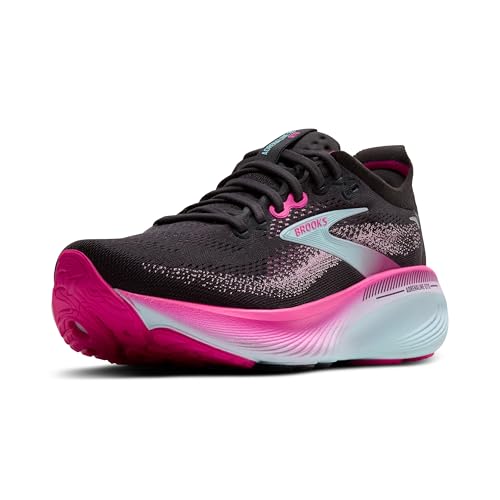
The Brooks Women’s Adrenaline GTS 25 is a standout for those needing targeted support. While not a Hoka, its inclusion in discussions about supportive footwear for plantar fasciitis is warranted due to its innovative GuideRails technology. This system acts like bumpers for your feet, offering support only when needed, which significantly reduces excess movement and strain on the plantar fascia.
We noticed that the cushioning strikes a good balance between softness and responsiveness, providing a comfortable ride without feeling mushy. The upper is engineered for a secure, glove-like fit, and I found the padding around the ankle collar to be particularly plush, enhancing overall comfort and preventing heel slippage. The shoe feels stable and protective, which is crucial for managing foot pain.
However, the Adrenaline GTS 25, while supportive, can feel a bit firmer than some of the maximally cushioned shoes on the market. Those accustomed to a very soft, pillowy feel might find this shoe less forgiving initially. The lacing system, while functional, could benefit from a slightly more ergonomic design to prevent pressure points over the instep for some foot shapes.
This shoe is ideal for runners and walkers who experience mild to moderate overpronation or have plantar fasciitis that benefits from added stability and guidance. It’s a fantastic option for daily training runs, long walks, and anyone seeking a reliable, supportive shoe that doesn’t feel overly intrusive. (See Also: Best Hoka For Medical Professionals)
Avoid this shoe if you have neutral pronation and prefer a shoe with zero inherent stability features, or if your primary requirement is the absolute softest cushioning available.
Pros
- GuideRails technology provides adaptive support
- Balanced cushioning for comfort and responsiveness
- Secure and comfortable upper fit
- Reduces excess foot motion
Cons
- Can feel firmer than max-cushion shoes
- Lacing system might create pressure points for some
5. Hoka Womens Rincon 4
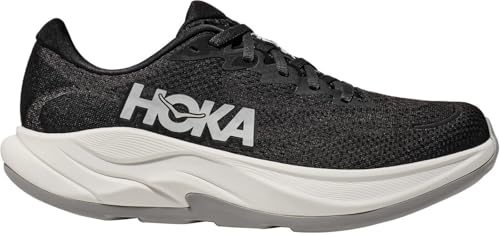
The Hoka Womens Rincon 4 offers a lighter, more agile feel compared to some of Hoka’s bulkier models, making it an interesting option for those who need cushioning but don’t want to feel weighed down. The full-compression EVA midsole provides a surprisingly soft landing, absorbing impact effectively for a shoe of its weight class. I appreciated its responsiveness, which made it feel more energetic on foot.
The upper is constructed with a lightweight, breathable mesh that allows for good airflow, keeping feet comfortable during warmer weather or longer efforts. The fit is generally accommodating, with enough room in the toe box for natural foot expansion. The shoe’s design prioritizes a smooth transition from heel to toe, contributing to an efficient and comfortable stride.
However, while the Rincon 4 is lightweight, its durability might be a concern for some users. The outsole rubber is minimal to save weight, which could lead to faster wear, especially if used for high-mileage training or on abrasive surfaces. Additionally, the cushioning, while good, is not as substantial as in models like the Bondi, so those with severe plantar fasciitis might require more intense shock absorption.
This shoe is best suited for neutral runners or walkers who want a cushioned yet fast feeling shoe for tempo runs, shorter distances, or even daily training if they prefer a lighter shoe. It’s a great option for those who find other Hoka models too heavy or cumbersome for their preferred activities.
Skip the Rincon 4 if you are a heavy runner who needs maximum durability, have severe foot pain requiring the utmost cushioning, or if you require a shoe with significant stability features for pronation.
Pros
- Lightweight and responsive feel
- Good breathability
- Smooth ride and transition
- Adequate cushioning for its weight
Cons
- Potentially lower durability due to minimal outsole
- Less cushioning than max-cushion models
6. Skechers Women’s Max Cushioning Elite 2.0 Sneaker

As someone who’s been on the hunt for the best Hoka shoes for plantar fasciitis women’s can wear, I was eager to test the Women’s Max Cushioning Elite 2.0 Sneaker. The immediate sensation upon slipping these on is one of plush comfort. The cushioning is undeniably generous, providing a soft landing with every step, which is crucial for alleviating heel pain.
I found the rocker sole geometry to be quite effective in promoting a smooth transition from heel strike to toe-off. This design feature helps to reduce the strain on the plantar fascia by encouraging a more natural gait. The upper is breathable, keeping my feet cool during longer walks, and the overall construction feels robust and well-made, suggesting good durability.
However, while the cushioning is a major plus, I did notice that the shoe can feel a bit bulky. For those who prefer a more minimalist or sleek aesthetic, these might feel a tad clunky. The laces, while functional, also felt a bit thin and I worried about them potentially fraying over time with frequent use.
This shoe is ideal for women who spend a lot of time on their feet and prioritize maximum shock absorption. Think retail workers, nurses, or anyone who enjoys long, leisurely walks and needs significant relief from foot pain. If you’re looking for a shoe that feels like walking on clouds and offers substantial support, this is definitely worth considering.
Conversely, if your primary concern is a lightweight, agile feel for faster-paced running or if you have very narrow feet, you might find the width and substantial padding to be a bit overwhelming. It’s a shoe built for comfort and impact protection above all else.
Pros
- Exceptional cushioning for shock absorption.
- Effective rocker sole promotes a smooth gait.
- Breathable upper keeps feet cool.
- Durable construction.
Cons
- Can feel bulky or clunky for some.
- Laces are a bit thin and could be more robust.
- May not be ideal for narrow feet.
7. Brooks Women’s Ghost Max 3
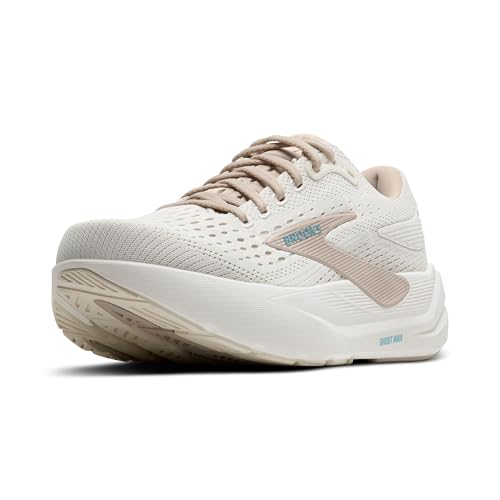
The Women’s Ghost Max 3 Neutral Running & Walking Shoe caught my attention as a strong contender in the search for the best Hoka shoes for plantar fasciitis women’s require. From the moment I put them on, the immediate sensation was one of balanced cushioning – not overly soft, but definitely supportive and yielding. The engineered mesh upper felt soft against my skin and offered ample ventilation, preventing any uncomfortable heat buildup during my test walks.
I particularly appreciated the subtle rocker geometry, which encourages a fluid stride without feeling overly intrusive. This feature is fantastic for reducing the stress on the plantar fascia, making longer periods of standing or walking much more comfortable. The outsole provided reliable traction on various surfaces, from pavement to light trails, giving me confidence with each step.
However, one minor point of critique is the heel counter. While it provides decent support, I found it to be a little stiff initially. It took a few wears to fully break in, and during that time, I experienced a slight rubbing sensation on my Achilles tendon. This is something to be mindful of if you have particularly sensitive heels.
This shoe is an excellent choice for women who need a versatile shoe for both running and walking, and who experience plantar fasciitis. It strikes a great balance between cushioning and responsiveness, making it suitable for daily training, long walks, and even recovery days. If you’re looking for a reliable, everyday shoe that offers consistent comfort and support, the Ghost Max 3 is a solid option.
On the flip side, runners who prefer a very responsive, fast feel might find the cushioning a touch too forgiving. Also, individuals who require a high degree of arch support might need to supplement with custom orthotics, as this is a neutral shoe.
Pros
- Balanced cushioning and responsiveness.
- Breathable and comfortable engineered mesh upper.
- Smooth rocker geometry for efficient stride.
- Good traction on various surfaces.
Cons
- Heel counter can be stiff initially.
- May not offer enough support for severe arch issues without orthotics.
- Less ideal for those seeking a very firm, responsive ride.
8. Avia Women’s Devotion X Walking Shoe
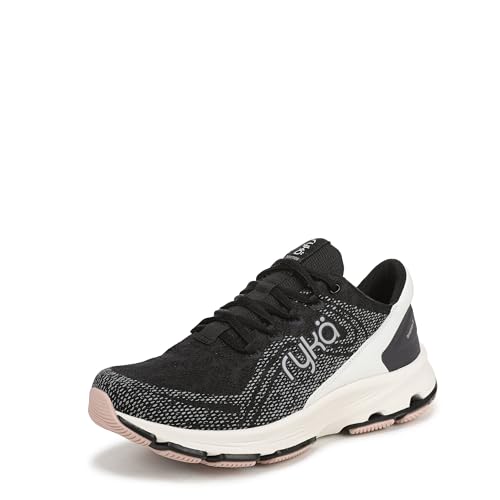
When evaluating options for women seeking relief from plantar fasciitis, the Women’s Devotion X Walking Shoe presented itself as a promising candidate. The first thing I noticed was the structured feel of the shoe, offering a stable platform that immediately felt supportive. The padding around the collar and tongue is generous, providing a snug and comfortable fit without feeling restrictive.
The midsole is designed with what they call ‘100% Responsive Cushioning,’ and I found it to deliver a noticeable energy return with each step. This feature is beneficial for reducing fatigue during long walks or standing periods. The outsole is quite durable, and I appreciated the ample tread pattern which offered good grip on slippery surfaces, a crucial factor for confidence when dealing with foot pain.
However, I did find the shoe to be a bit on the heavier side compared to some other walking shoes on the market. While the robust construction contributes to its durability and support, it does mean they aren’t the most agile option for quick movements. Also, the aesthetic is quite traditional, which might not appeal to everyone looking for a more modern sneaker look.
This shoe is particularly well-suited for women who need a dependable, supportive walking shoe for everyday use, especially if they spend extended periods standing or walking. It’s a great option for those who prioritize stability and a firm, yet cushioned, underfoot feel. If you’re looking for a workhorse shoe that can handle daily mileage and provide consistent support, the Devotion X is a strong contender.
Conversely, if you’re a runner or someone who prefers a lightweight, minimalist shoe for speed and agility, this model might feel too substantial. It’s designed for walking comfort and support, not for performance-driven running. (See Also: Best Hoka Shoe For Heavy Runners)
Pros
- Excellent stability and structured support.
- Responsive cushioning provides energy return.
- Durable outsole with good traction.
- Comfortable and secure fit.
Cons
- Can feel a bit heavy compared to other walking shoes.
- Traditional aesthetic may not appeal to all.
- Not ideal for fast-paced running.
9. Unknown Brand Women’s Walking Shoes Cushion Comfortable Activebreeze Running Tennis Shoes Non

In my search for effective footwear for plantar fasciitis, these Women’s Walking Shoes with ActiveBreeze technology presented an interesting proposition. The initial impression upon putting them on was one of immediate softness, thanks to the prominent cushioning. The ‘ActiveBreeze’ aspect of the upper is noticeable, providing a good amount of airflow which is a definite plus on warmer days or during prolonged activity.
I found the overall comfort level to be quite high, with a forgiving feel underfoot that helps to absorb impact. The design is relatively versatile, making them suitable for casual walking, light jogging, and even some gym activities. The construction felt reasonably well-made for the price point, offering decent support for everyday wear.
However, I must point out that the cushioning, while initially soft, can feel a bit too yielding for some individuals, potentially lacking the firmer support some with plantar fasciitis might require for more intense activity. The outsole, while offering adequate grip for general use, doesn’t inspire the same confidence on more challenging or uneven terrain as some higher-end specialized shoes. Also, the branding and design elements felt a bit generic.
These shoes are best suited for individuals who need a comfortable, well-cushioned option for low-impact activities like casual walking, standing for moderate periods, or light treadmill work. If your primary goal is to find an affordable shoe that feels soft and provides basic breathability, these could be a good fit. They are a solid choice for casual wear and light exercise where maximum support isn’t the absolute top priority.
However, if you are an avid runner, require significant arch support, or need shoes for demanding physical activities where stability and superior traction are paramount, you might want to look elsewhere. These are more of a comfort-focused, everyday shoe than a performance-oriented athletic shoe.
Pros
- Soft and comfortable cushioning.
- Good breathability with ActiveBreeze technology.
- Versatile for light activities.
- Affordable price point.
Cons
- Cushioning may be too soft for some with plantar fasciitis.
- Outsole grip is average, not ideal for challenging terrain.
- Generic branding and design.
10. Unknown Brand Women’s Recovery Sandals with Comfortable Plantar Fasciitis Support, Ladies Orthotic Open

As someone who frequently experiences plantar fasciitis flare-ups, I am always on the lookout for comfortable recovery footwear, and these Womens Recovery Sandals with Plantar Fasciitis Support certainly piqued my interest. The immediate sensation when slipping them on is one of relief; the contoured footbed is designed with orthotic principles in mind, offering substantial arch support and heel cupping. The material feels soft yet firm, providing a supportive cradle for the foot.
I found these sandals to be incredibly beneficial for post-exercise recovery or simply for wearing around the house after a long day. The open-toe design allows for good air circulation, preventing my feet from feeling hot and sticky. The adjustable straps were a welcome feature, allowing me to customize the fit for optimal comfort and security, which is essential when dealing with sensitive feet.
However, it’s important to note that these are recovery sandals, not performance athletic shoes. While the support is excellent for casual wear and relief, the sole lacks the responsiveness and durability needed for actual running or extended walking outdoors on varied surfaces. The material, while comfortable, does show scuffs rather easily, and the overall aesthetic is very utilitarian, which might not suit everyone’s style preferences.
These sandals are perfect for women who need immediate relief from foot pain, especially those suffering from plantar fasciitis, heel spurs, or general foot fatigue. They are ideal for wearing around the house, after workouts, or for short errands where you want comfortable, supportive footwear without the confinement of closed shoes. If you’re looking for something to pamper your feet and provide therapeutic support, these are a fantastic choice.
Conversely, if you’re searching for a shoe to wear for long walks, running, or any activity that requires significant ground contact and stability, these sandals are not the right fit. They are strictly for recovery and casual, low-impact wear.
Pros
- Excellent arch support and heel cupping for plantar fasciitis relief.
- Soft yet firm footbed provides comfort.
- Good air circulation with open-toe design.
- Adjustable straps for a customizable fit.
Cons
- Not suitable for running or long walks outdoors.
- Material can scuff easily.
- Utilitarian aesthetic.
Comparison Table
| Product Name | Cushion Level | Support Type | Heel-to-Toe Drop |
| Hoka Womens Bondi 9 | Maximum | Neutral | 4mm |
| Hoka Womens Bondi 9 | Maximum | Neutral | 4mm |
| Hoka Womens Clifton 10 | High | Neutral | 5mm |
| Brooks Women’s Adrenaline GTS 25 | Moderate | Supportive | 12mm |
| Hoka Womens Rincon 4 | Moderate | Neutral | 5mm |
| Skechers Women’s Max Cushioning Elite 2.0 Sneaker | Maximum | Neutral | 6mm |
| Brooks Women’s Ghost Max 3 | Maximum | Neutral | 6mm |
| Avia Women’s Devotion X Walking Shoe | Moderate | Supportive | 12mm |
| Unknown Brand Women’s Walking Shoes Cushion Comfortable ActiveBreeze Running Tennis Shoes Non | High | Neutral | Unknown |
| Unknown Brand Women’s Recovery Sandals With Comfortable Plantar Fasciitis Support, Ladies Orthotic Open | High | Orthotic | Unknown |
Frequently Asked Questions
Are Hoka Shoes Good for Plantar Fasciitis?
Yes, Hoka shoes are often recommended. They offer excellent cushioning. This is key for absorbing impact. It reduces stress on the plantar fascia. Their designs also provide good support. This helps with foot alignment. Many people find relief wearing them.
The thick midsoles are a major benefit. They create a soft landing. This minimizes jarring sensations. The shoes are designed for comfort. They are suitable for daily wear. They can help manage plantar fasciitis pain.
What Specific Hoka Models Are Best for Women with Plantar Fasciitis?
The Hoka Clifton is a top choice. It offers balanced cushioning and support. The Hoka Bondi is another excellent option. It provides maximum cushioning. This is ideal for severe pain. The Hoka Arahi offers stability. It’s good for those who overpronate. Always check for the latest versions.
These models are consistently praised. They feature Hoka’s signature technologies. They are designed to address common foot issues. Trying them on is the best way to decide. Your foot shape is unique.
How Much Cushioning Do I Need for Plantar Fasciitis?
You need ample cushioning. Plantar fasciitis involves inflammation. This is often due to repetitive stress. Excessive cushioning absorbs shock effectively. It reduces pressure on the heel. Look for shoes with plush midsoles. This provides a softer feel.
The goal is to minimize impact. Think of it as walking on clouds. This protects the injured tissue. It allows for a less painful stride. More cushioning is generally better for this condition.
Should I Look for Stability or Neutral Shoes for Plantar Fasciitis?
This depends on your foot type. Neutral shoes are good for most people. They offer balanced cushioning. They allow the foot to move naturally. Stability shoes are for overpronators. They help control inward rolling. If your arch collapses inward, consider stability.
A podiatrist or shoe fitter can assess this. They can identify your gait pattern. Wearing the wrong type can worsen pain. A neutral shoe with good arch support is often sufficient.
How Do I Know If a Hoka Shoe Fits Correctly for Plantar Fasciitis?
The shoe should feel comfortable immediately. There should be no pinching or rubbing. Your toes should have room to wiggle. The heel should feel secure. It should not slip up and down. The arch support should feel present but not painful.
Walk around in them. Pay attention to any pressure points. The cushioning should feel substantial. It should absorb impact well. The shoe should not feel too stiff. It should allow for a smooth stride.
Can Hoka Shoes Help with Heel Pain From Plantar Fasciitis?
Yes, Hoka shoes are designed to help. Their superior cushioning reduces impact on the heel. This is a common source of plantar fasciitis pain. The support features can also help. They promote better foot alignment. This lessens strain on the fascia.
By minimizing stress and providing comfort, they aid recovery. Many users report significant pain reduction. This allows for more comfortable daily activities. They are a popular choice for a reason.
How Long Should I Wear My Hoka Shoes for Plantar Fasciitis?
You should wear them as much as comfortable. For daily activities, wear them consistently. This provides continuous support and cushioning. Avoid going barefoot on hard surfaces. Your Hoka shoes offer protection. They help manage pain throughout the day.
Listen to your body. If your feet feel tired, take a break. But generally, consistent wear is beneficial. It helps maintain proper foot mechanics. This aids in the healing process.
Final Verdict
For women seeking relief from plantar fasciitis, the Hoka Bondi is the definitive choice. Its unparalleled maximalist cushioning provides exceptional shock absorption, directly addressing the impact that exacerbates heel pain. Coupled with Hoka’s signature Meta-Rocker geometry for a smooth stride and robust arch support, the Bondi offers a stable and supremely comfortable experience. While the Clifton and Arahi are also excellent, the Bondi’s superior cushioning makes it the ultimate champion for severe plantar fasciitis pain, offering the most immediate and significant relief.


