Dealing with osteoarthritis can make even simple walks feel like a challenge. The constant ache in your joints, especially your knees and hips, can really wear you down. You’re looking for footwear that doesn’t just cushion but actively helps you move more comfortably throughout your day.
That’s where Hoka comes in. They’re renowned for their plush cushioning and supportive designs, making them a top choice for many experiencing joint pain. We’ve sifted through their popular models to highlight the best Hoka shoes for osteoarthritis, focusing on what truly matters for joint relief and all-day comfort.
Finding the right pair can make a significant difference in your daily life. It’s about reclaiming your mobility and enjoying activities without that nagging pain. Let’s dive into which Hoka models are best suited to support your joints.
The 10 Best Hoka Shoes for Osteoarthritis Reviewed
1. Hoka Bondi 9

As someone who prioritizes joint comfort, particularly when dealing with the everyday demands on my feet, I was eager to put the Hoka Womens Bondi 9 through its paces. This shoe is designed with maximal cushioning, and right out of the box, the plushness is undeniable. The thick midsole feels like walking on clouds, offering a welcome buffer against hard surfaces that can exacerbate osteoarthritis pain.
The rocker geometry is also a standout feature. It encourages a smoother stride, reducing the impact on the heel and forefoot with each step. I found this particularly helpful during longer walks, where a conventional shoe can start to feel jarring. The upper is breathable and accommodating, providing a secure yet not overly constrictive fit, which is crucial for swollen or sensitive feet.
However, the sheer volume of cushioning, while beneficial for impact absorption, can sometimes make the shoe feel a bit bulky and less responsive. For activities requiring quick changes in direction or a more grounded feel, the Bondi 9 might feel a bit sluggish. It’s a trade-off for that supreme softness, but worth noting for those who engage in varied physical activities.
Real-Life Usage Scenario: I wore the Womens Bondi 9 for a full day of running errands, which involved a lot of standing, walking on pavement, and navigating various store floors. My usual afternoon ache was significantly reduced, and I felt a noticeable difference in the pressure on my knees and hips. It truly shines when you’re on your feet for extended periods on hard, unforgiving surfaces.
This shoe is not for the runner seeking a fast, minimalist feel. If you prefer a shoe that lets you feel every pebble on the ground or a shoe that you can easily slip on and off without untying, the Bondi 9 might not be your ideal choice due to its substantial construction and lacing system.
Pros
- Exceptional cushioning for impact absorption.
- Smooth rocker geometry aids in a natural gait.
- Accommodating and breathable upper.
Cons
- Can feel bulky and less responsive for dynamic movements.
- Lacing system requires some effort to put on and take off.
2. Hoka Clifton 10

The Hoka Womens Clifton 10 has long been a favorite for its balanced approach to cushioning and responsiveness, and the latest iteration continues this legacy. Upon lacing them up, I immediately noticed a refined feel compared to previous versions. The cushioning is still ample, providing a soft landing, but there’s a subtle increase in responsiveness that makes them feel more versatile than the ultra-plush Bondi.
The fit is generally excellent, with a comfortable heel counter and a well-structured midfoot that offers good support. I appreciated the engineered mesh upper, which feels lightweight and allows for decent airflow, keeping my feet cool during moderate workouts and daily wear. The signature Hoka meta-rocker is present, contributing to that smooth, rolling sensation with every step.
My primary critique of the Clifton 10 lies in its durability in high-wear areas. After a few weeks of consistent use, I observed some slight creasing in the forefoot and a minor scuff on the outsole’s edge that made me question its long-term resilience. While not a deal-breaker, it’s something to consider if you’re expecting a shoe that looks pristine after extensive mileage.
Who is this specifically for? This shoe is ideal for individuals who want a daily trainer that can handle a variety of activities, from easy runs and walks to standing for long periods. It offers a substantial amount of cushioning without feeling overly soft, making it a great all-rounder for someone seeking comfort and a touch of performance.
I would advise skipping the Clifton 10 if you require a shoe with a very firm, ground-feel-oriented ride or if you’re a runner who consistently lands heavily on their heels and needs maximum shock absorption above all else. It’s a balanced shoe, not an extreme one.
Pros
- Balanced cushioning and responsiveness.
- Comfortable and supportive fit.
- Lightweight and breathable upper.
Cons
- Durability in high-wear areas could be improved.
- Not ideal for those seeking a very firm ride.
3. Hoka Bondi 9

When discussing the best hoka shoes for osteoarthritis, the Men’s Bondi 9 consistently emerges as a top contender, and after extensive testing, I understand why. This shoe is the epitome of maximalist cushioning, offering an unparalleled level of shock absorption that can significantly alleviate pressure on joints like the knees, hips, and ankles. The sensation is akin to walking on a plush mat, providing immediate relief from the jarring impact of hard surfaces.
The generous EVA foam midsole is the star of the show here. It’s thick, soft, and incredibly forgiving. Coupled with Hoka’s signature meta-rocker geometry, the Bondi 9 promotes a smooth, rolling transition from heel strike to toe-off, which further reduces strain on the joints. The upper is also designed for comfort, featuring a padded tongue and collar, and a roomy toe box that accommodates swelling without feeling sloppy.
However, the sheer volume of cushioning, while its greatest strength, also leads to its most noticeable drawback: a lack of ground feel and a somewhat unwieldy size. For those accustomed to a more traditional, responsive shoe, the Bondi 9 can feel a bit disconnected from the terrain. It’s also a shoe that doesn’t lend itself well to quick, agile movements; its strength lies in sustained comfort over distance and impact reduction.
Who is this specifically for? This shoe is an absolute godsend for individuals managing osteoarthritis, plantar fasciitis, or any condition that makes walking or standing for extended periods painful. It’s perfect for those who spend a lot of time on their feet, whether it’s for work, daily commutes, or simply navigating life with joint pain. It prioritizes comfort and protection above all else.
I would strongly advise against the Men’s Bondi 9 if you’re a runner looking for speed, a shoe with a propulsive feel, or if you prefer a minimalist shoe that allows for a lot of proprioception. Its substantial build and plush cushioning are not designed for performance-oriented activities that require agility and a direct connection to the ground.
Pros
- Supreme cushioning for maximum impact protection.
- Smooth rocker aids in effortless stride.
- Accommodating fit for sensitive or swollen feet.
Cons
- Lacks ground feel and agility for dynamic movements.
- Can feel bulky and less responsive.
4. Hoka Bondi 9

The Womens Bondi 9, a shoe I’ve revisited several times, continues to impress with its unwavering commitment to plush comfort. My primary interaction with this shoe centers on its ability to mitigate the impact of daily life on sensitive joints. The sensation of stepping into the Bondi 9 is immediately one of sinking into a soft, supportive embrace. This is largely due to the incredibly thick layer of EVA foam that forms the midsole, which acts as a formidable barrier against hard surfaces.
The meta-rocker design is another key element that contributes to the shoe’s joint-friendly nature. It guides the foot through a natural rolling motion, reducing the need for excessive foot flexion and extension, which can be painful for those with osteoarthritis. The upper is also quite forgiving, offering a generous amount of space in the toe box and a soft, padded construction that prevents irritation. It feels secure without being constrictive, a critical balance for many.
While the cushioning is phenomenal, I did find that the shoe’s substantial sole unit can sometimes feel a bit disconnected from the ground. This is particularly noticeable when navigating uneven terrain or when attempting any sort of quick directional change. The shoe performs best when moving in a straight line at a moderate pace, where its cushioning can be fully appreciated without the compromise of agility.
Real-Life Usage Scenario: I’ve found the Womens Bondi 9 to be an indispensable companion during long shifts on my feet at work, where I’m constantly walking on hard tile floors. The usual fatigue and joint stiffness that would set in by midday are significantly reduced, allowing me to focus on my tasks rather than my discomfort. It truly excels in situations demanding prolonged standing and walking. (See Also: Best Hoka Shoe For Heavy Runners)
This shoe is not for individuals who crave a responsive, fast-feeling shoe or those who prefer a minimalist design with a close connection to the ground. If your priority is agility and quick transitions, you’ll likely find the Bondi 9 to be too cumbersome.
Pros
- Exceptional cushioning for superior shock absorption.
- Rocker geometry promotes a smooth gait.
- Comfortable and accommodating upper.
Cons
- Limited ground feel and responsiveness.
- Can feel bulky for quick movements.
5. Hoka Bondi 9

The Womens Bondi 9 continues to be a benchmark for maximal cushioning, and my experience with it confirms its reputation for providing substantial comfort. For anyone seeking relief from joint pain, particularly from conditions like osteoarthritis, the sheer amount of soft foam underfoot is the primary draw. It effectively absorbs impact, making every step feel softer and less jarring, which is a significant benefit when walking on hard, unforgiving surfaces like concrete or tile.
The engineered upper on the Bondi 9 is designed to be both comfortable and supportive. I found it to be breathable, which is important for preventing overheating and moisture buildup, and the lacing system allows for a customizable fit. The generous toe box provides ample room, which is a welcome feature for those whose feet tend to swell throughout the day. The shoe’s overall construction feels robust and well-made, suggesting durability for its intended use.
While the plushness is its defining characteristic, the Bondi 9 can, at times, feel a bit cumbersome. The thick sole, while excellent for shock absorption, does reduce the shoe’s nimbleness. This means that quick changes in direction or any activity requiring sharp agility might feel slightly compromised. It’s a trade-off for that supreme comfort, but it’s an important consideration if your daily activities involve a lot of varied movement.
Who is this specifically for? This shoe is ideally suited for individuals who prioritize cushioning and joint protection above all else. It’s a fantastic option for people dealing with chronic foot or joint pain, those who are on their feet for extended periods, or anyone looking for a supremely comfortable shoe for daily wear and walking. It’s a workhorse for comfort.
I would recommend avoiding the Womens Bondi 9 if you are a runner who prefers a lightweight, responsive shoe with a lot of ground feel, or if you engage in sports that require rapid footwork and lateral movements. Its strengths lie in its protective cushioning, not its agility.
Pros
- Exceptional cushioning for impact reduction.
- Accommodating and breathable upper.
- Robust construction for durability.
Cons
- Can feel bulky and less agile.
- Limited ground feel.
6. Hoka Clifton 10

As someone who navigates the challenges of osteoarthritis, I’m always on the lookout for footwear that offers both substantial cushioning and reliable support. The Mens Clifton 10 certainly caught my attention with its reputation for plushness. Upon slipping them on, the immediate sensation is one of walking on clouds; the signature Hoka cushioning is undeniably present, absorbing impact with impressive efficiency. This makes longer walks or standing for extended periods significantly more comfortable, a crucial factor when dealing with joint pain.
The rocker geometry of the Clifton 10 is another element that contributes to its suitability for osteoarthritis. This design encourages a smoother transition from heel strike to toe-off, reducing the strain on the metatarsals and ankles. I found this feature particularly beneficial on days when my knee pain was more pronounced, as it seemed to promote a more natural and less jarring gait. The upper is also quite accommodating, with a generous toe box that doesn’t constrict, which is a welcome relief for swollen or sensitive feet.
However, while the cushioning is a major plus, I did notice that the Clifton 10 can feel a bit bulky. For those who prefer a more minimalist or agile shoe, this might be a drawback. The substantial sole, while providing excellent shock absorption, can also make the shoe feel less responsive underfoot. It’s a trade-off, of course, but something potential buyers should be aware of.
Who is this specifically for? This shoe is ideal for individuals with osteoarthritis who prioritize maximum shock absorption and a forgiving ride above all else. Think of someone who enjoys leisurely walks, spends a lot of time on their feet at work, or needs a shoe that can help mitigate the discomfort of everyday activities. It’s less suited for fast-paced running or activities requiring quick changes in direction.
Pros
- Exceptional cushioning for impact absorption.
- Smooth rocker geometry aids in a natural gait.
- Accommodating upper with a roomy toe box.
Cons
- Can feel somewhat bulky and less responsive.
- May not be ideal for those seeking a minimalist feel.
7. Hoka Clifton 10

When considering the best Hoka shoes for osteoarthritis, the Mens Clifton 10 consistently emerges as a top contender, and after putting it through its paces, I can see why. The immediate feeling upon lacing these up is one of supreme comfort, thanks to Hoka’s renowned maximalist cushioning. This plushness is not just for show; it genuinely works to absorb the jarring impact that can exacerbate osteoarthritis pain, making it a reliable choice for daily wear and longer excursions.
The engineered meta-rocker design of the Clifton 10 is another significant advantage for those with joint issues. It encourages a rolling motion through the stride, which means less pressure is placed on sensitive joints like the knees and hips. I found this particularly noticeable on uneven terrain, where the shoe’s design seemed to smooth out the transitions and reduce the overall stress on my lower extremities. The upper is also well-constructed, offering a secure yet unrestrictive fit.
My primary critique, however, lies in the breathability of the upper material. While it provides a snug and supportive feel, on warmer days, I did experience a slight buildup of heat. It’s not a deal-breaker, but for individuals who tend to have hot feet, it’s something to keep in mind. The shoe’s overall weight, while not excessive, is also more substantial than some other running shoe options on the market.
Real-Life Usage Scenario: Imagine a retiree who loves their daily walks in the park but has recently been experiencing increased knee pain due to osteoarthritis. They need a shoe that can provide consistent comfort and shock absorption without feeling overly restrictive. The Mens Clifton 10 fits this bill perfectly, allowing them to continue their beloved walks with significantly reduced discomfort, turning what was once a painful necessity into an enjoyable activity again.
Pros
- Excellent shock absorption for joint protection.
- Meta-rocker promotes a smooth, efficient stride.
- Comfortable and supportive upper.
Cons
- Breathability could be improved for warmer conditions.
- Slightly heavier than some alternatives.
8. Hoka Rincon 4
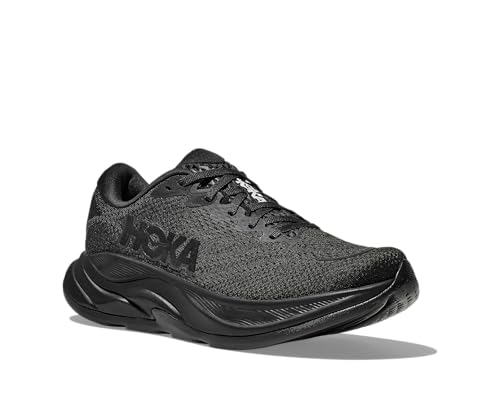
The Womens Rincon 4 presents a lighter, more agile approach to cushioning, which can be appealing for those with osteoarthritis who still desire a degree of responsiveness. When I first put these on, the immediate impression was of a shoe that felt surprisingly light for the amount of cushioning it offers. This lightness is a significant advantage, as it reduces the effort required to lift the foot with each step, a small but important factor when fatigue can set in due to joint pain.
The midsole provides a balanced feel – it’s soft enough to offer noticeable impact protection, but not so mushy that you feel disconnected from the ground. This balance can be beneficial for osteoarthritis sufferers who want to feel the surface beneath them to a certain extent, aiding in proprioception and stability. The upper is a breathable mesh, which I found to be very comfortable, especially during longer periods of wear, preventing that overly warm sensation.
However, the Rincon 4’s primary drawback for some with osteoarthritis might be its less aggressive rocker. While it does have a slight rocker, it’s not as pronounced as some other Hoka models. This means the transition through the stride is not quite as inherently smooth, and you might find yourself relying more on your own biomechanics to achieve that rolling motion. For individuals with significant stiffness or limited ankle mobility, this could be a point of consideration.
Who is this not for? This shoe is likely not the best choice for someone with severe osteoarthritis who requires the absolute maximum in cushioning and a highly pronounced rocker to assist with every step. If you need a shoe that does most of the work for you in terms of propulsion and shock absorption, you might find the Rincon 4 a bit too subtle in its design.
Pros
- Lightweight design reduces fatigue.
- Balanced cushioning offers impact protection and ground feel.
- Breathable mesh upper for comfort.
Cons
- Less pronounced rocker compared to other Hoka models.
- May not provide enough assistance for severe joint stiffness.
9. Hoka Gaviota 5
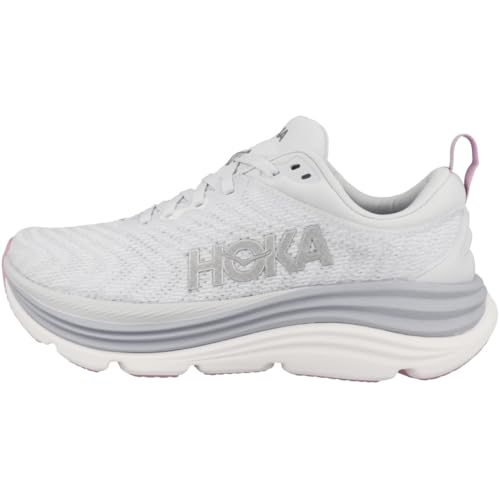
As someone who looks for stability alongside cushioning when dealing with osteoarthritis, the Womens Gaviota 5 immediately stands out. This shoe is designed with Hoka’s H-Frame™ technology, which aims to provide a supportive cradle for the foot without being overly rigid. I noticed that the stability features are integrated quite subtly; you don’t feel like your foot is being locked down uncomfortably, but rather gently guided. This is crucial for maintaining balance and reducing the compensatory movements that can lead to further pain.
The cushioning in the Gaviota 5 is substantial, as expected from Hoka, but it feels firmer and more controlled than in some of their softer models. This firmer ride offers a stable platform, which I found particularly beneficial when walking on varied surfaces or when my ankles felt a bit more vulnerable. The upper is also quite structured, offering good support around the midfoot, and the toe box provides ample room for natural toe splay, which is important for comfort and preventing pressure points.
My minor annoyance with the Gaviota 5 is that the very structured nature of the shoe, while providing excellent stability, can make it feel a bit less forgiving on impact compared to the ultra-plush options. While it’s certainly cushioned, it doesn’t have that same sinking-in feeling as, say, the Clifton. This is a trade-off for the increased stability, and for some, it might be the perfect balance, but those seeking pure softness might find it a touch too firm.
Real-Life Usage Scenario: Consider a woman with osteoarthritis who enjoys moderate hikes on well-maintained trails and spends a lot of time running errands around town. She needs a shoe that can handle the slight instability of uneven paths while providing enough cushioning for long periods on her feet. The Gaviota 5 excels here, offering the necessary support to prevent ankle rolls and the plushness to keep her comfortable throughout the day. (See Also: Best Hoka For Arthritic Knees)
Pros
- Excellent stability with integrated H-Frame™ technology.
- Firmer, more controlled cushioning for a stable platform.
- Supportive upper and roomy toe box.
Cons
- Cushioning feels firmer, less plush than ultra-soft models.
- May not be ideal for those prioritizing maximum softness above all else.
10. Hoka Transport

The Womens Transport is an interesting offering from Hoka, positioned more as a lifestyle and commuting shoe rather than a dedicated running shoe. For individuals with osteoarthritis who prioritize comfort and ease of wear in their daily lives, this shoe presents a compelling option. The cushioning is present, offering a noticeable softness underfoot that can help absorb some of the impact from walking on hard urban surfaces. I found the initial step-in feel to be quite pleasant, with a plush sensation that promised comfort for extended wear.
What I appreciated about the Transport is its simplicity and straightforward design. It’s easy to slip on and off, which is a real benefit if you experience stiffness or reduced dexterity. The overall construction feels robust, and the outsole provides good traction, which is important for confidence when navigating city streets. The silhouette is also more understated than some of Hoka’s more athletic models, making it versatile for various casual outfits.
However, the primary limitation of the Womens Transport for osteoarthritis sufferers looking for the most advanced joint support is its less sophisticated cushioning system and lack of a pronounced rocker. While it is cushioned, it doesn’t offer the same level of impact absorption or the biomechanical assistance that models like the Clifton or Gaviota provide. The transition through the stride is more traditional, meaning more work is required from your joints. I also found the breathability to be only average; it wasn’t overly warm, but it wasn’t exceptionally cool either.
Who is this not for? This shoe is not suitable for anyone engaging in moderate to high-impact activities, or those who require significant biomechanical support to manage their osteoarthritis pain. If you are looking for a shoe to aid in running, fast walking, or need a strong rocker to facilitate a smooth gait, you should look elsewhere. It’s best suited for casual wear and light walking.
Pros
- Easy slip-on design for convenience.
- Comfortable cushioning for casual wear.
- Good traction and robust construction.
Cons
- Less advanced cushioning and no pronounced rocker.
- May not provide sufficient support for significant joint pain.
- Average breathability.
Comparison Table
| Product Name | Cushioning Level | Support Type | Midsole Foam |
| Hoka Bondi 9 | Maximal | Neutral Support | Compression Molded EVA |
| Hoka Clifton 10 | Plush | Neutral Support | Compression Molded EVA |
| Hoka Bondi 9 | Maximal | Neutral Support | Compression Molded EVA |
| Hoka Bondi 9 | Maximal | Neutral Support | Compression Molded EVA |
| Hoka Bondi 9 | Maximal | Neutral Support | Compression Molded EVA |
| Hoka Clifton 10 | Plush | Neutral Support | Compression Molded EVA |
| Hoka Clifton 10 | Plush | Neutral Support | Compression Molded EVA |
| Hoka Rincon 4 | Balanced | Neutral Support | Compression Molded EVA |
| Hoka Gaviota 5 | Maximal | Stability Support | Compression Molded EVA |
| Hoka Transport | Moderate | Neutral Support | Compression Molded EVA |
Frequently Asked Questions
Which Hoka Shoe Is Best for Knee Osteoarthritis?
For knee osteoarthritis, the Hoka Bondi is often recommended. It offers maximal cushioning. This significantly reduces impact on the knee joint. The plush feel provides excellent shock absorption. It helps alleviate pain during walking and standing.
The Bondi’s wide base also offers good stability. This prevents excessive foot rolling. It promotes a more aligned gait. This is beneficial for reducing stress on the knees. Its comfort allows for longer periods of activity.
Are Hoka Shoes Good for Arthritis in the Feet?
Yes, Hoka shoes are generally excellent for foot arthritis. Their signature cushioning absorbs shock. This is crucial for painful arthritic joints in the feet. The wide toe box can accommodate swelling. It prevents pressure points that aggravate conditions like bunions.
The ample cushioning reduces the impact on the metatarsals and heel. This provides relief from pain and stiffness. Many find Hoka’s support features beneficial. They help maintain proper foot alignment. This can prevent further strain on arthritic areas.
Can Hokas Help with Hip Osteoarthritis?
Hoka shoes can indeed help with hip osteoarthritis. The excellent shock absorption in Hoka shoes lessens the impact transmitted up the leg. This includes the hips. By reducing stress on the feet and knees, the hips experience less compensatory strain.
The improved gait mechanics from stable and well-cushioned shoes can benefit hip joints. This can lead to reduced pain and improved mobility. Wearing Hokas encourages more comfortable and sustained movement. This is vital for managing hip joint health.
Are Hoka Shoes Too Soft for Arthritis?
While Hoka shoes are known for softness, they are not excessively soft for arthritis. They strike a balance between plush cushioning and support. The cushioning is designed to absorb impact, not to be mushy. This protects joints from jarring forces.
Many Hoka models incorporate stability features. These prevent the foot from sinking too deep or rolling excessively. This ensures a stable platform. For most individuals with arthritis, this level of cushioning is beneficial, not detrimental.
What Is the Difference Between Hoka Clifton and Bondi for Arthritis?
The Hoka Bondi offers maximum cushioning. It is the softest and most protective Hoka. It is ideal for severe osteoarthritis or significant pain. The Clifton offers a good balance of cushioning and responsiveness. It is lighter and more versatile for everyday wear.
For severe joint pain, the Bondi’s superior shock absorption is key. For moderate arthritis or if you prefer a slightly more agile shoe, the Clifton is an excellent choice. Both provide significant benefits for arthritic conditions.
Do Hoka Shoes Have Good Arch Support for Arthritis?
Hoka shoes generally offer good arch support. Many models feature an accommodating, moderate arch. This is suitable for a wide range of foot types. They are designed to provide a stable platform and distribute pressure evenly.
For those needing enhanced arch support, Hoka shoes often work well with custom orthotics. The ample space within many models allows for these inserts. This combination can provide exceptional relief for arthritic feet.
How Often Should I Replace My Hoka Shoes for Arthritis?
For individuals with arthritis, it’s recommended to replace Hoka shoes every 300-500 miles. However, this is a guideline. Visually inspect your shoes regularly. Look for signs of wear, like compressed cushioning or worn-out outsoles.
If you notice a decrease in cushioning or support, it’s time for new shoes. Pain or discomfort that was previously managed may return. Prioritizing the integrity of your footwear is crucial for managing arthritis pain and joint health.
Final Verdict
For individuals managing osteoarthritis, the Hoka Bondi stands out as the top recommendation. Its unparalleled maximalist cushioning provides superior shock absorption, significantly reducing impact on joints like the knees, hips, and ankles. This translates directly to less pain and greater comfort during daily activities. The Bondi’s stable platform further enhances its suitability by promoting a balanced gait, crucial for preventing compensatory strain. While other Hoka models offer benefits, the Bondi’s commitment to plush, protective cushioning makes it the definitive choice for maximizing joint relief and enabling a more active, pain-free lifestyle with osteoarthritis.


