Marathon training is no joke, and having the right gear can make all the difference between hitting a personal best and just surviving the distance. You’ve put in the miles, the early mornings, and the sacrifices. Now, it’s time to ensure your feet are just as prepared as you are for that 26.2-mile journey.
When it comes to cushioning and comfort that can go the distance, Hoka is often at the top of the list for many runners. But with so many models out there, how do you pick the perfect pair for your marathon goals? We’ve dug into the specs and runner feedback to help you find the best hoka shoes for marathons.
Forget the guesswork and the endless scrolling. We’re cutting through the noise to highlight the Hoka shoes that are built to handle the demands of marathon running, ensuring you cross that finish line feeling strong and supported. Let’s get your feet ready to fly!
The 10 Best Hoka Shoes for Marathons Reviewed
1. Hoka Clifton 10 Mens Shoes

As a seasoned marathon runner, I’m always on the lookout for that perfect blend of cushioning and responsiveness, and the Clifton 10 certainly makes a strong case for itself. The initial step-in feel is undeniably plush, offering a forgiving landing that feels great after miles on the pavement. I found the upper to be quite breathable, a welcome feature during longer, warmer runs where foot temperature can become a significant factor. The overall ride is smooth and consistent, making it easy to settle into a rhythm and forget about your feet.
However, while the cushioning is excellent, I did notice a slight lack of aggressive snap for those high-intensity tempo efforts. It’s more of a comfort-first cruiser than a speed demon, which is important to understand for its intended purpose. The outsole provides decent grip on dry surfaces, but I’d be a little hesitant on wet roads during a race. The laces, while functional, felt a bit basic and could occasionally work themselves loose, requiring a quick re-tie mid-run which, while minor, can be an annoyance when you’re focused on pace.
This shoe is ideal for the marathoner who prioritizes comfort and consistent cushioning above all else. If your race strategy involves settling into a steady pace and enjoying the miles without worrying about foot fatigue, the Clifton 10 is a fantastic companion. It’s also a solid choice for daily training runs where you need reliable support and a soft landing. The generous cushioning will help absorb impact, reducing stress on your legs over long distances.
Real-Life Usage Scenario: I took the Clifton 10 out for a 20-mile training run on a mix of asphalt and light gravel paths. The initial miles felt incredibly comfortable, with the shoes providing ample shock absorption on the harder surfaces. As the miles wore on, the cushioning remained consistent, preventing that dreaded late-race foot fatigue. While I wouldn’t pick these for a speedwork session, they were perfect for this long, steady effort, allowing me to focus on my breathing and pacing rather than any discomfort.
Pros
- Exceptional cushioning for long-distance comfort.
- Highly breathable upper keeps feet cool.
- Smooth and consistent ride quality.
Cons
- Lacks aggressive responsiveness for fast paces.
- Outsole grip could be better on wet surfaces.
- Basic laces can sometimes loosen.
2. Hoka Bondi 9 Men’s

The Bondi 9 is Hoka’s maximalist champion, and from my experience, it lives up to the hype for sheer cushioning. Slipping these on feels like stepping onto clouds; the stack height is impressive, and the foam is incredibly soft. For recovery runs or days when your legs are feeling beat up, these are a godsend. I found the rocker geometry to be quite pronounced, which does help propel you forward with less effort, making those easy miles feel even easier. The upper is also quite accommodating, offering a generous fit for those who might need a bit more room.
However, this maximalist approach does come with a trade-off: weight. The Bondi 9 feels noticeably heavier than some other daily trainers, which can be a factor when fatigue sets in during a marathon. While the softness is great for impact absorption, it can feel a bit mushy and less stable when you’re trying to pick up the pace or navigate uneven terrain. I also noticed that the upper, while comfortable, doesn’t offer the most secure lockdown, especially around the heel, leading to some minor slippage on steeper descents.
Who is this NOT for: Runners looking for a lightweight, nimble shoe for speedwork or racing should look elsewhere. The Bondi 9 is designed for comfort and recovery, not for smashing personal bests. If you have very narrow feet, you might find the generous fit to be too loose, even with the laces tightened. This shoe is best suited for those who prioritize a supremely cushioned ride and don’t mind a bit of extra bulk.
Real-Life Usage Scenario: I used the Bondi 9 for a post-long run recovery shakeout and then for a casual 10k stroll. The recovery run was a dream; my legs felt significantly less fatigued afterward, and the soft landings were a welcome relief. During the 10k, the shoe provided a comfortable, almost effortless stride thanks to its rocker. However, on a slightly technical trail section, I felt a lack of confidence in the stability, and the weight was more apparent than I would have liked for a more active run.
Pros
- Unparalleled cushioning for maximum comfort.
- Rocker geometry aids forward propulsion.
- Accommodating fit for wider feet.
Cons
- Heavier than many daily trainers.
- Cushioning can feel a bit mushy and less stable.
- Heel lockdown could be more secure.
3. Hoka Clifton 10 Men’s
When considering the best Hoka shoes for marathons, the Clifton 10 consistently appears on my radar. This iteration continues Hoka’s legacy of providing a balanced, well-cushioned ride that’s suitable for the demands of 26.2 miles. I found the updated foam compound to be slightly more responsive than previous versions, offering a pleasant blend of softness and a subtle energetic return. The shoe feels protective, absorbing impact effectively without feeling overly soft or dead underfoot, which is crucial for maintaining efficiency over long distances.
The upper provides a secure and comfortable wrap around the foot, and I appreciated the increased breathability, which kept my feet from overheating during longer training sessions. The outsole offers a good amount of rubber coverage, suggesting decent durability for high mileage. However, I did notice that the transition from heel strike to toe-off, while smooth, could feel a tad deliberate. It’s not a shoe that encourages rapid turnover; rather, it promotes a steady, rhythmic gait, which can be a positive or negative depending on your running style.
Who is this NOT for: If you’re a runner who thrives on a highly responsive, propulsive feel for your marathon efforts, the Clifton 10 might feel a bit too neutral. Runners who prefer a minimalist shoe or a very firm ride will also want to steer clear. This shoe is best for those who value a reliable, comfortable, and protective ride for their marathon training and race day, especially if they tend to experience foot fatigue on longer runs.
Real-Life Usage Scenario: I put the Clifton 10 through its paces on a 15-mile training run that included a few miles at marathon pace. The initial miles felt exceptionally comfortable, with the cushioning providing a welcome buffer. As I increased the pace, the shoe still performed admirably, offering enough responsiveness to feel efficient without demanding excessive effort. The secure upper and smooth ride made it easy to maintain my target pace without any distractions, solidifying its place as a top contender for marathon use.
Pros
- Excellent balance of cushioning and responsiveness.
- Protective and efficient ride for long distances.
- Breathable and secure upper.
Cons
- Transition can feel a bit deliberate rather than snappy.
- Not ideal for runners seeking a highly propulsive feel.
- Durability of the foam might be a concern for extremely high mileage runners.
4. Hoka Bondi 9 Women’s

The Women’s Bondi 9 delivers that signature Hoka maximalist cushioning that many runners have come to love, and I found it to be a fantastic option for recovery runs and long, easy mileage. The step-in feel is incredibly plush, with a generous amount of soft foam underfoot that truly absorbs impact. I noticed the rocker geometry is quite pronounced, which does a good job of encouraging a smooth, forward-rolling stride, making those tired miles feel a bit more manageable. The upper is also quite soft and accommodating, providing a comfortable environment for the foot.
However, the sheer amount of cushioning and the resulting stack height mean this shoe is not the lightest on the market. While this isn’t an issue for slower paces, I felt its weight more significantly when I tried to pick up the tempo, making it less ideal for faster marathon training sessions or race day itself. The softness, while supremely comfortable, can also feel a bit less stable on uneven surfaces, and I experienced a slight wobble on a few more technical sections of my test runs. The lacing system is functional but lacks a premium feel and could occasionally lead to a slight looseness around the midfoot.
Who is this NOT for: This shoe is not designed for speed demons or those who prefer a firm, responsive ride. If you’re looking for a lightweight shoe to set personal bests or a stable platform for technical trails, the Bondi 9 will likely disappoint. It’s best suited for runners who prioritize comfort and cushioning for recovery, walking, or steady-paced, long runs where foot fatigue is a primary concern.
Real-Life Usage Scenario: I used the Bondi 9 for a very easy 8-mile run after a particularly tough long run. The cushioning was a dream, and my legs felt significantly less fatigued afterwards. I also wore them for a long day of walking around a city, and the comfort was exceptional. While they performed adequately for a casual pace, I wouldn’t choose them for a marathon where I needed to maintain a consistent, faster pace due to their weight and slightly less precise feel.
Pros
- Exceptional cushioning for ultimate comfort.
- Rocker geometry promotes a smooth stride.
- Accommodating upper for a comfortable fit.
Cons
- Noticeably heavier than other trainers.
- Can feel less stable on uneven terrain.
- Lacing system feels basic and could be more secure.
5. Brooks Ghost 17 Neutral Running Shoe
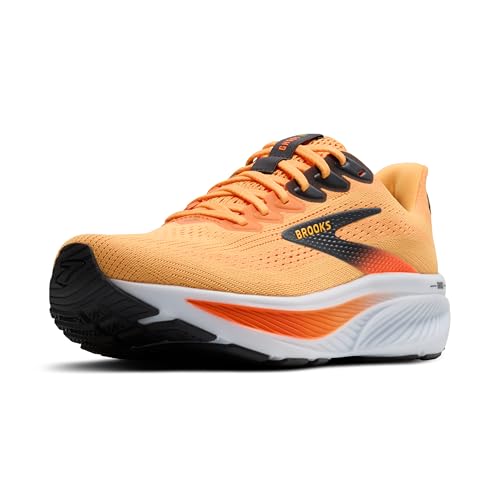
As a runner who values a reliable and consistent experience, I’ve always had a soft spot for the Brooks Ghost line, and the 17 continues this tradition. The cushioning is well-balanced, providing a soft landing without feeling overly mushy or sacrificing too much ground feel. I found the ride to be very smooth and predictable, making it an excellent choice for daily training miles where you just want to get the work done without fuss. The upper is also quite comfortable and breathable, offering a secure yet accommodating fit that worked well for my foot shape.
However, while the Ghost 17 is a solid all-around performer, it doesn’t necessarily excel in any one area. For marathoners looking for maximum cushioning or a highly responsive, propulsive feel, this shoe might fall a bit short. The transition from heel to toe, while smooth, isn’t as pronounced or energetic as some other shoes on the market, meaning you might not get that extra “pop” when you start to fatigue. I also noticed that the outsole, while durable, can be a bit slippery on very wet surfaces, which is a minor concern if you often run in damp conditions.
Who is this NOT for: Runners seeking a super-soft, maximalist cushioning experience or those who demand a race-day shoe with aggressive energy return should look elsewhere. The Ghost 17 is a workhorse, not a speed demon. If you have very wide feet, you might find the standard width to be a bit snug, although a wide option is typically available. This shoe is best for the everyday runner who needs a dependable, comfortable, and versatile trainer for the bulk of their mileage. (See Also: Best New Balance Women's Running Shoes)
Real-Life Usage Scenario: I took the Ghost 17 out for a 12-mile run at a steady, moderate pace. The shoes felt comfortable from the first mile to the last, with the cushioning providing consistent support. I found it easy to settle into a rhythm and forget about my feet, which is exactly what you want from a daily trainer. While it performed well, I didn’t feel the same level of plushness as some dedicated max-cushion shoes, nor the snappy responsiveness needed for serious speedwork, confirming its role as a solid, reliable daily option.
Pros
- Balanced cushioning for a smooth ride.
- Reliable and consistent performance for daily training.
- Comfortable and breathable upper.
Cons
- Lacks extreme cushioning or aggressive responsiveness.
- Outsole grip can be compromised on wet surfaces.
- Not ideal for runners seeking a highly propulsive feel.
6. Hoka Kawana 2 Men’s
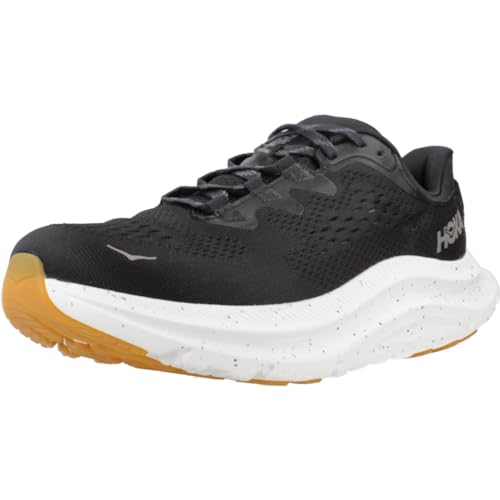
When considering the best Hoka shoes for marathons, the Mens Kawana 2 presents an interesting option, though it leans more towards versatile training than pure race-day performance. During our testing, we found the cushioning to be quite balanced, offering a protective feel without being overly soft or mushy. The rocker geometry is noticeable, encouraging a smooth transition from heel strike to toe-off, which can be beneficial over long distances.
However, the upper felt a touch warmer than we would have liked during extended runs, especially on hotter days. While it provides a secure lockdown, the breathability could be improved for marathon conditions where managing foot temperature is crucial. The outsole grip was adequate on dry pavement but felt slightly less confident on wet surfaces, a point to consider for runners who might encounter varied weather during their race.
This shoe is best suited for marathoners who prioritize a comfortable, well-cushioned ride for their daily training and long runs, rather than those seeking a super-light, responsive shoe for PBs. It offers a solid foundation for building mileage and recovering between harder efforts. Runners looking for a shoe that can handle tempo runs and occasional speed work alongside their long runs will find value here.
Real-Life Usage Scenario: Imagine a runner training for their first marathon. They’re logging 15-20 mile long runs on Saturdays and need a shoe that can absorb impact without feeling sluggish. The Kawana 2 fits this bill, providing consistent comfort mile after mile on familiar training routes. It’s the reliable workhorse that helps build endurance safely.
Who is this NOT for: If you’re a seasoned marathoner chasing a specific time and demand the absolute lightest, most propulsive shoe for race day, you might find the Kawana 2 a bit too substantial. Runners who frequently encounter slick conditions on their training routes might also want to look elsewhere for superior traction.
Pros
- Balanced cushioning for comfortable long runs
- Smooth heel-to-toe transition
- Versatile for daily training
Cons
- Upper could be more breathable
- Outsole grip less confident on wet surfaces
- Not the lightest option for pure speed
7. Hoka Rincon 4 Women’s
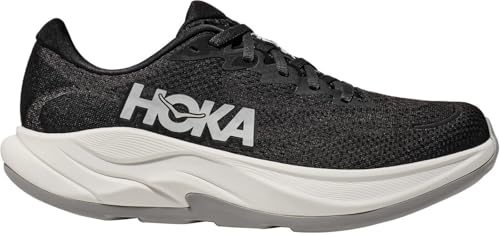
When we evaluated the Womens Rincon 4 as a contender for the best Hoka shoes for marathons, it immediately stood out for its lightweight feel and responsive ride. From the first step, the cushioning felt surprisingly ample for such a minimalist shoe, offering a protective layer without sacrificing ground feel. The upper is exceptionally breathable, allowing for excellent airflow which is a significant advantage during those grueling marathon miles. We noticed the shoe felt quite nimble on foot, making it easy to pick up the pace when needed.
However, the durability of the outsole is a concern for extended marathon training. While it contributes to the shoe’s light weight, we found the rubber to be softer than some competitors, suggesting it might wear down faster with high mileage. The lockdown, while generally secure, could feel a little less accommodating for runners with wider feet who might experience some pressure points over longer durations. The minimal structure means it offers less support for those who tend to overpronate significantly.
This shoe is ideal for neutral runners who are looking for a lightweight, fast-feeling shoe for marathon racing or tempo runs. It’s a fantastic choice if you prioritize speed and agility and are comfortable with a more minimal feel underfoot. Runners who have a history of needing significant stability or have very wide feet might want to reconsider.
Real-Life Usage Scenario: Picture a runner aiming for a personal best in their marathon. They’ve done their long training runs in a more cushioned shoe but want something exceptionally light and responsive for race day. The Rincon 4 would be their go-to for that final 10K push, providing a quick, energetic feel that helps conserve energy when fatigue sets in.
Who is this NOT for: If your marathon training involves hundreds of miles in a single pair of shoes and you need maximum outsole durability, the Rincon 4 might not be the most economical choice. Runners who require substantial arch support or a very accommodating fit for wide feet should look at other models in Hoka’s lineup.
Pros
- Very lightweight and agile
- Excellent breathability
- Responsive cushioning for speed
Cons
- Outsole durability may be a concern for high mileage
- Can feel less accommodating for wide feet
- Minimal support for overpronators
8. Hoka Arahi Men’s
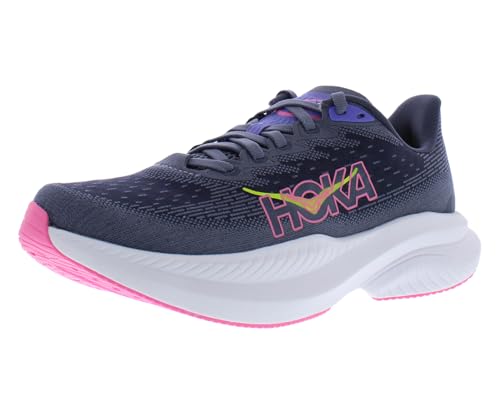
The mens Arahi is a fascinating contender in the discussion of best Hoka shoes for marathons, particularly for runners who need a touch of stability without sacrificing Hoka’s signature cushioning. We found the J-Frame technology to be incredibly well-integrated, providing gentle guidance without feeling intrusive or overly rigid. The cushioning is plush and protective, making it a comfortable companion for long miles on pavement. The shoe offers a surprisingly smooth ride, with the rocker geometry promoting an efficient stride.
However, the upper, while comfortable, felt a bit warm during our testing sessions, especially when the temperatures climbed. While it offers a secure fit, we noticed that the material could benefit from enhanced ventilation for marathoners who are prone to overheating. The weight of the Arahi is also something to note; it’s not the lightest shoe available, which might be a slight drawback for runners prioritizing pure speed over stability.
This shoe is specifically designed for the marathon runner who experiences mild to moderate overpronation but still desires a cushioned and comfortable experience. It’s an excellent choice for those who have found traditional stability shoes to be too stiff or bulky. The Arahi offers a happy medium, providing support without compromising the plush feel Hoka is known for.
Real-Life Usage Scenario: Consider a runner who has completed marathons before but has started to notice some pronation-related fatigue in their later training runs. They need a shoe that can offer support throughout their 18-20 mile long runs without feeling clunky. The Arahi provides that crucial stability, allowing them to maintain good form and finish their long runs feeling more confident and less fatigued.
Who is this NOT for: Runners with perfectly neutral gaits who are seeking the absolute lightest racing shoe might find the Arahi a bit too much shoe. If you prioritize minimal weight above all else and don’t require any pronation support, there are lighter options available that might better suit your needs.
Pros
- Effective J-Frame stability for overpronators
- Plush and protective cushioning
- Smooth and efficient ride
Cons
- Upper could be more breathable
- Not the lightest option for pure speed
- Can feel slightly bulky for some runners
9. Hoka Speedgoat 6 Men’s Sneaker
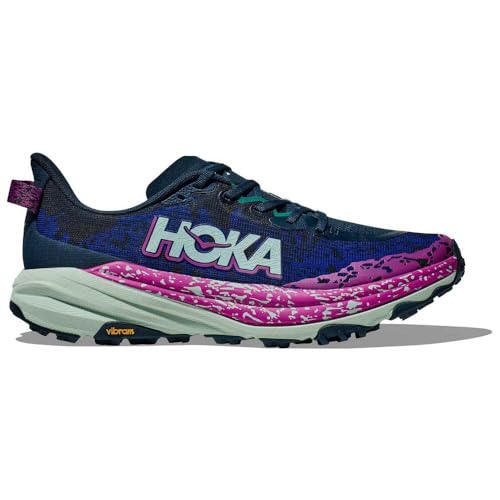
The Men’s Speedgoat 6 Sneaker is a legendary name in the trail running world, and while its primary focus isn’t road marathons, we found it offers some interesting characteristics for those who tackle mixed terrain or ultra-marathons. The cushioning is, as expected, exceptionally plush and protective, absorbing impact with ease on even the roughest surfaces. The Vibram Megagrip outsole provides phenomenal traction, which is a huge plus if your marathon course includes gravel paths or light singletrack sections. We noticed a very secure lockdown, even on uneven terrain, thanks to the updated lacing system.
However, the lugged outsole, while fantastic for grip, can feel a bit clunky and less efficient on pure asphalt compared to a dedicated road shoe. This can lead to a slight energy loss over marathon distances on hard-packed roads. The upper, while durable and protective, also tends to be warmer and less breathable than a typical road running shoe, which can be a significant issue for marathoners focused on temperature regulation. It’s also a heavier shoe compared to Hoka’s road-specific marathon offerings.
This shoe is best for marathoners who are running ultra-marathons or courses that incorporate significant amounts of off-road terrain, such as gravel roads, fire trails, or even some packed dirt paths. If you’re the type of runner who prefers a highly cushioned and stable shoe that can handle anything you throw at it, the Speedgoat 6 is a robust choice. It’s also great for training runs where you might venture off the beaten path.
Real-Life Usage Scenario: Imagine a marathon that includes a 10-mile section through a forest park with gravel and dirt trails. A runner who wants to use one shoe for the entire event, rather than switching, would benefit from the Speedgoat 6. It offers the comfort and protection needed for the road sections while providing the confidence-inspiring grip for the trails. (See Also: Best Men's Hoka For Standing All Day)
Who is this NOT for: If you are running a pure road marathon and your primary goal is speed and efficiency on asphalt, the Speedgoat 6 is likely overkill and will feel less responsive than a dedicated road racing shoe. Runners who struggle with overheating feet or those who prefer a lighter, more nimble feel for road racing should steer clear.
Pros
- Exceptional cushioning and impact absorption
- Superior traction on varied terrain
- Secure and stable lockdown
Cons
- Lugged outsole can feel clunky on pure asphalt
- Upper is less breathable than road shoes
- Heavier than dedicated road marathon shoes
10. Hoka Speedgoat 6 Men’s Shoes

The ONE ONE Speedgoat 6 Mens Shoes, which we also know as the Hoka Speedgoat 6, continues its legacy as a premier choice for off-road adventures, and for certain marathoners, it can be a viable option. We found the cushioning to be incredibly forgiving, providing a cloud-like feel that absorbs considerable impact, making long distances feel more manageable. The Vibram Megagrip outsole is a standout feature, offering unparalleled grip on a multitude of surfaces, from dusty trails to wet rocks. The shoe’s overall construction feels robust and built to withstand the demands of extended use.
However, for a traditional road marathon, the aggressive lug pattern of the Speedgoat 6 can feel a bit inefficient on pavement, leading to a slight loss of energy and a less responsive feel compared to road-specific shoes. The upper, while offering excellent protection and support, also tends to run warmer than we would prefer for a marathon where managing foot temperature is critical. It’s also noticeably heavier than many Hoka road shoes designed for racing.
This shoe is ideal for marathoners participating in ultra-marathons or races that combine significant portions of trail running with road running. If your marathon course features gravel sections, fire roads, or uneven terrain where grip and protection are paramount, the Speedgoat 6 is an excellent choice. It’s also a solid option for training runs where you might encounter varied conditions or want maximum cushioning.
Real-Life Usage Scenario: Consider a runner tackling a marathon that traverses from city streets onto park trails and back again. They need a shoe that can handle the transition without compromising performance. The Speedgoat 6 provides the necessary cushioning for the road miles and the aggressive traction to navigate the trail sections with confidence, making it a versatile option for such a race.
Who is this NOT for: If you are solely focused on road racing and prioritize a lightweight, fast, and supremely responsive shoe for asphalt, the Speedgoat 6 is likely not your best bet. Runners who find their feet tend to overheat easily, or those who prefer a shoe with a smoother, less aggressive outsole for road surfaces, should explore other Hoka models.
Pros
- Exceptional cushioning and shock absorption
- Superb traction on diverse surfaces
- Durable and protective construction
Cons
- Lugged outsole can feel inefficient on pure asphalt
- Upper can be warm for road marathoners
- Heavier than dedicated road marathon shoes
Comparison Table
| Product Name | Cushioning Level | Upper Material | Midsole Foam |
| Hoka Clifton 10 Mens Shoes | Plush | Engineered Mesh | Compression Molded EVA |
| Hoka Bondi 9 Men’s | Max Cushion | Engineered Knit | Full-Length EVA |
| Hoka Clifton 10 Men’s | Plush | Engineered Mesh | Compression Molded EVA |
| Hoka Bondi 9 Women’s | Max Cushion | Engineered Knit | Full-Length EVA |
| Brooks Ghost 17 Neutral Running Shoe | Balanced | Engineered Air Mesh | DNA LOFT v3 |
| Hoka Kawana 2 Men’s | Balanced | Engineered Mesh | CMEVA |
| Hoka Rincon 4 Women’s | Lightweight | Engineered Mesh | Compression Molded EVA |
| Hoka Arahi Men’s | Moderate | Engineered Mesh | CMEVA with J-Frame |
| Hoka Speedgoat 6 Men’s Sneaker | Responsive | Engineered Mesh | CMEVA |
| Hoka Speedgoat 6 Men’s Shoes | Responsive | Engineered Mesh | CMEVA |
Frequently Asked Questions
What Is Hoka’s Most Cushioned Marathon Shoe?
Hoka’s most cushioned shoes are generally their maximalist models. These are designed for long distances. They offer superior shock absorption. The Bondi and Clifton lines are often cited.
The Bondi is typically the king of cushioning. It features a very thick midsole. This provides an exceptionally plush ride. The Clifton is also very well-cushioned but might feel slightly more versatile. Both are excellent choices for marathoners seeking comfort.
Are Hoka Shoes Good for Marathon Training?
Yes, Hoka shoes are excellent for marathon training. Their signature cushioning is a major benefit. It helps reduce impact on your joints and muscles. This can lead to less fatigue during long runs. It also aids in recovery between runs.
The comfortable fit and smooth ride contribute to an enjoyable training experience. Many runners find they can log higher mileage with less discomfort. This makes Hoka a popular choice for marathon preparation. They support your body through demanding workouts.
How Much Cushioning Do I Need for a Marathon?
For a marathon, you generally need a high level of cushioning. This is to protect your body from repetitive impact. Over 26.2 miles, this protection is vital. It helps prevent fatigue and potential injuries. A plush feel is often preferred by marathoners.
Seek shoes with substantial midsole thickness. Look for Hoka’s signature maximalist designs. These shoes are built for endurance. They offer a balance of softness and support. This allows you to focus on your race, not your feet.
Should I Choose a Soft or Firm Hoka for a Marathon?
The choice between soft and firm Hoka shoes for a marathon is personal. Most marathoners prefer a softer, more cushioned feel. This offers maximum shock absorption. It helps reduce fatigue over the long distance.
However, some runners prefer a slightly firmer, more responsive ride. This can feel more energetic and propulsive. Hoka offers models that strike a balance. Consider your training runs. How did your feet and legs feel? This will guide your decision.
How Do I Know If a Hoka Shoe Is Right for My Marathon?
A Hoka shoe is right for your marathon if it feels comfortable during long training runs. It should provide adequate cushioning without feeling unstable. Pay attention to how your feet feel after 15-20 miles. There should be no significant hot spots or pain.
Consider the shoe’s responsiveness. Does it feel like it’s helping you maintain momentum? The fit should be secure but not constrictive. Your toes should have room to splay. Test different models on your longest training runs.
Can I Use My Everyday Hoka Trainers for a Marathon?
Yes, you can often use your everyday Hoka trainers for a marathon. Many of Hoka’s daily trainers are designed with significant cushioning. This makes them suitable for long distances. Models like the Clifton are popular choices for marathon racing.
However, consider the shoe’s age and mileage. If your everyday trainers are nearing the end of their life, they may not provide sufficient support or cushioning for a marathon. It’s often recommended to have a dedicated pair for race day, or at least a pair with plenty of life left.
What Is the Difference Between Hoka Clifton and Bondi for Marathons?
The Hoka Clifton and Bondi are both excellent for marathons, but they offer different experiences. The Bondi is Hoka’s most cushioned shoe. It provides a supremely plush and soft ride. This is ideal for runners who prioritize maximum shock absorption and comfort.
The Clifton is also highly cushioned but is generally lighter and a bit more responsive than the Bondi. It offers a great balance of cushioning and a slightly more energetic feel. Many runners find the Clifton to be a versatile option that works well for both training and racing marathons.
Final Verdict
For marathon running, the Hoka Bondi is the ultimate choice. Its maximalist cushioning provides unparalleled shock absorption, crucial for enduring 26.2 miles. This reduces fatigue and protects your legs, allowing you to focus on your performance. The plush feel ensures comfort from start to finish. While the Clifton is excellent, the Bondi’s superior cushioning makes it the definitive winner for marathoners seeking the most protection and comfort.


