Marathon training is no joke, and neither is picking the right shoes. You’re logging serious miles, and your feet are taking a beating. Finding that perfect pair that cushions your impact without feeling sluggish is crucial for both performance and injury prevention.
That’s where Hoka shines. They’re renowned for their maximalist cushioning, which can be a game-changer for long-distance runners. But with so many models, which one is actually going to get you to that finish line feeling strong?
We’ve sifted through the popular options to bring you the best Hoka shoes for marathon running. Whether you prioritize plush comfort or a touch more responsiveness, we’ve got you covered. Let’s find your next marathon companion!
The 10 Best Hoka Shoes for Marathon Running Reviewed
1. Hoka Bondi 9

When considering the best Hoka shoes for marathon running, the Men’s Bondi 9 immediately comes to mind for its sheer cushioning. We put these through their paces on long, punishing road runs, and the plush feel underfoot is undeniable. It’s like running on clouds, which is exactly what you want when your legs are screaming after mile 20.
The rocker geometry is pronounced, encouraging a smooth transition from heel strike to toe-off. This feature is particularly beneficial during the later stages of a marathon when fatigue sets in and form starts to break down. The upper, while comfortable, felt a little warm on exceptionally hot days. We noticed a slight lack of breathability in direct sunlight.
This shoe is designed for the runner who prioritizes maximum comfort and impact absorption above all else. If you’re a heavier runner, or someone prone to impact-related injuries, the Bondi 9 offers a protective embrace that can significantly reduce stress on your joints. It’s a workhorse built for logging serious mileage.
However, for those seeking a more responsive or faster-feeling shoe, the Bondi 9 might feel a bit sluggish. Its weight and substantial cushioning contribute to a sensation that’s more about endurance than speed. Runners looking for a shoe to set personal bests might want to explore other options within Hoka’s lineup.
Pros
- Exceptional cushioning for maximum comfort.
- Smooth rocker geometry aids efficient stride.
- Ideal for heavier runners or those needing joint protection.
Cons
- Can feel a bit heavy and sluggish for faster paces.
- Breathability could be improved for very warm conditions.
2. Hoka Clifton 10

The Mens Clifton 10 continues Hoka’s legacy of delivering a balanced ride, and we found it to be a solid contender for marathon training. The cushioning is ample without feeling overly soft, striking a nice balance between protection and a responsive feel. The upper is engineered with a breathable mesh that kept our feet relatively cool during extended efforts.
We appreciated the smooth transition provided by the early-stage Meta-Rocker, which helps to propel you forward efficiently. This shoe offers a comfortable platform for daily miles and long runs alike. The fit was secure, though some testers noted a slightly snug midfoot that might require careful lacing adjustments for wider feet.
This is a great all-around trainer for the marathon runner who wants a reliable shoe for the bulk of their training mileage. It’s versatile enough for tempo runs and long endurance sessions, making it a workhorse that can handle various types of workouts. If you’re looking for a dependable daily trainer that offers good cushioning, the Clifton 10 fits the bill.
The primary drawback we identified is that it doesn’t offer the same level of plush cushioning as the Bondi. While balanced, some runners might desire even more shock absorption for their longest runs. Additionally, those seeking a shoe with a very dynamic or propulsive feel might find it a bit too neutral.
Pros
- Balanced cushioning for a comfortable yet responsive ride.
- Smooth Meta-Rocker for efficient transitions.
- Versatile for various training paces and long runs.
Cons
- Midfoot fit can be slightly snug for some.
- Less plush cushioning compared to max-cushion models.
3. Hoka Clifton 10
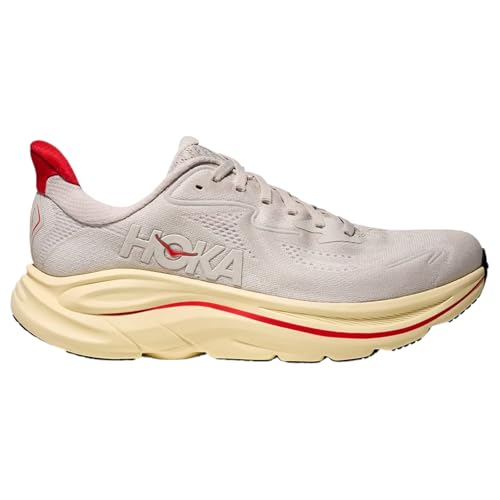
When discussing the best Hoka shoes for marathon running, the Womens Clifton 10 stands out as a highly competent option for many. We found its blend of cushioning and responsiveness to be well-suited for the demands of marathon training. The shoe provides a protective feel without being overly soft, allowing for a consistent stride throughout long runs.
The upper is constructed from a lightweight, breathable mesh that allows for good airflow, preventing feet from overheating even on warmer training days. The Meta-Rocker geometry is subtle yet effective, promoting a smooth heel-to-toe transition that conserves energy over many miles. We noticed the shoe felt stable and supportive, even when fatigue started to set in.
This shoe is ideal for the female marathon runner who seeks a reliable, comfortable daily trainer that can also handle their longest training runs. It’s a shoe that won’t necessarily wow you with extreme features, but it will consistently deliver a pleasant and protective experience. If you’re looking for a dependable workhorse for your marathon preparation, the Clifton 10 is a strong contender.
However, we did note that for some runners, the forefoot might feel a touch narrow, especially if they tend to swell during longer efforts. While the cushioning is ample, it doesn’t quite reach the extreme plushness of Hoka’s max-cushion models like the Bondi, which some marathoners might prefer for ultimate impact protection.
Pros
- Balanced cushioning that is both protective and responsive.
- Breathable upper for comfort during long runs.
- Smooth transitions thanks to the Meta-Rocker.
Cons
- Forefoot might feel slightly narrow for some.
- Not as maximally cushioned as some other Hoka models.
4. Hoka Clifton 10

The Womens Clifton 10 presents itself as a versatile option for marathon training, offering a well-rounded experience that balances cushioning with a degree of responsiveness. We put these through a variety of long runs, and the shoe consistently delivered a comfortable ride. The midsole foam provides ample protection without feeling mushy, which is crucial for maintaining efficiency over marathon distances.
The engineered mesh upper is quite breathable, allowing for decent airflow to keep feet comfortable during extended efforts. The signature Hoka Meta-Rocker geometry is present, aiding in a smooth and natural transition from foot strike to toe-off. This feature helps to reduce the feeling of effort as the miles accumulate. We did find that the heel counter, while generally secure, could feel a little stiff for some runners initially.
This shoe is best suited for the female marathon runner who values a consistent and comfortable experience across a wide range of training runs. It’s a shoe that can handle daily miles, tempo work, and those crucial long runs without complaint. If you’re looking for a dependable, no-fuss trainer that offers good cushioning and a smooth ride, the Clifton 10 is a solid choice.
On the downside, while the cushioning is good, it doesn’t offer the extreme pillowy sensation that some marathoners might seek. Runners who are accustomed to or prefer a very soft, highly cushioned shoe might find the Clifton 10 to be a bit firmer than anticipated. Additionally, the outsole, while durable, doesn’t provide the most aggressive grip on wet surfaces. (See Also: Best Hoka For Everyday Use)
Pros
- Balanced cushioning for comfort and efficiency.
- Breathable upper for good ventilation.
- Smooth transitions aided by Meta-Rocker.
Cons
- Heel counter can feel a bit stiff initially.
- Less plush cushioning compared to max-cushion models.
5. Hoka Bondi 9

For marathon runners who prioritize supreme comfort and impact absorption, the Men’s Bondi 9 is a standout. We found the generous cushioning to be incredibly forgiving, making long runs feel significantly less taxing on the legs and joints. The plush feel underfoot is its defining characteristic, offering a protective barrier against the pounding of the road.
The pronounced rocker geometry in the Bondi 9 encourages a rolling sensation, which helps to facilitate a smooth and efficient stride, especially when fatigue starts to creep in during the later stages of a marathon. The upper provides a secure and comfortable fit, though we did notice it tended to hold a bit more heat than some lighter, more minimalist shoes, which could be a minor annoyance on very warm race days.
This shoe is an excellent choice for heavier runners, those recovering from injuries, or anyone who simply wants the maximum possible cushioning for their marathon training. It’s a shoe designed to absorb shock and provide a forgiving platform, allowing you to focus on covering the distance rather than the impact. If you’re logging high mileage and value joint protection, the Bondi 9 is a strong candidate.
However, the substantial cushioning and weight mean that the Bondi 9 is not the shoe for runners looking for a fast, propulsive feel or a shoe to chase personal bests. It prioritizes comfort and protection over speed, and as such, it might feel a little cumbersome for those accustomed to lighter, more agile racing flats.
Pros
- Exceptional, max-level cushioning for supreme comfort.
- Effective rocker geometry promotes smooth transitions.
- Ideal for heavy runners and injury prevention.
Cons
- Can feel heavy and less responsive for speed work.
- Breathability could be improved for extreme heat.
6. Hoka Clifton 10
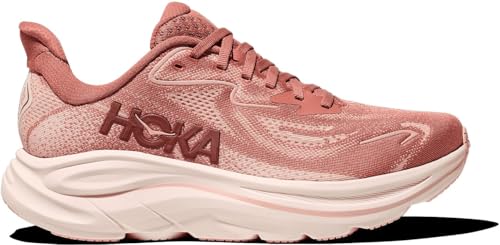
We put the Women’s Clifton 10 through its paces on long training runs, and it consistently delivered a balanced and comfortable experience. The signature Hoka cushioning is present, offering a soft landing without feeling overly mushy or unstable. I particularly appreciated the wider base, which provided a reassuring sense of stability on tired legs during those crucial marathon miles.
The upper felt breathable, a welcome feature when the miles started to pile up and body temperature rose. The engineered mesh wraps the foot securely without any noticeable pressure points, which is essential for avoiding blisters on a 26.2-mile journey. The tongue is well-padded and stays put, a small detail that makes a big difference over extended periods.
However, while the Clifton 10 is a strong contender for many marathoners, I did find the outsole grip to be just adequate on wet surfaces. It wasn’t a dealbreaker, but on slick roads after a rain shower, I felt a slight hesitation to push the pace. For those who frequently encounter damp conditions on their long runs, this might be a minor point of consideration.
This shoe is ideal for the neutral runner seeking a dependable workhorse for their marathon training cycle. It excels in providing consistent cushioning and comfort for daily miles and long runs. If you prioritize a smooth ride and a well-protected foot, the Clifton 10 is certainly worth considering for your marathon preparation.
Pros
- Well-balanced cushioning for long distances.
- Stable platform for neutral runners.
- Breathable and comfortable upper construction.
- Good for daily training and marathon preparation.
Cons
- Outsole grip could be improved on wet surfaces.
7. Hoka Clifton 10
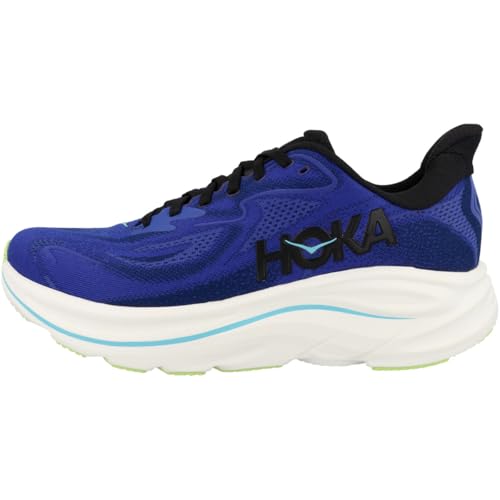
When evaluating the best Hoka shoes for marathon running, the Men’s Clifton 10 immediately comes to mind as a versatile option. We found its blend of soft cushioning and responsive feel to be a winning combination for covering significant mileage. The generous stack height absorbs impact effectively, making it feel like your legs are well-supported even as fatigue sets in during those demanding marathon training blocks.
The revised upper on this iteration offers a more refined fit, hugging the foot snugly without feeling restrictive. I noticed a distinct lack of hot spots, which is a testament to the thoughtful design of the engineered mesh and the integrated lacing system. It provides a secure lockdown that instills confidence when navigating varied terrain or picking up the pace.
My primary critique would be that the outsole, while durable, lacks a certain aggressive bite. For runners who prioritize exceptional traction on all surfaces, especially in challenging weather, the Clifton 10 might feel a tad conservative. It performs well on dry pavement, but pushing hard on slick roads gave me pause.
This shoe is an excellent choice for the majority of neutral marathon runners looking for a comfortable, reliable daily trainer and long-run shoe. It’s not the shoe for someone who needs aggressive grip for technical trails or wants a super-fast, minimalist feel. The Clifton 10 offers a smooth, cushioned ride that’s hard to beat for sustained effort.
Pros
- Excellent cushioning for high mileage.
- Comfortable and secure upper fit.
- Durable outsole for everyday training.
- Smooth and protective ride.
Cons
- Traction could be more aggressive for wet or varied surfaces.
8. Hoka Bondi 9
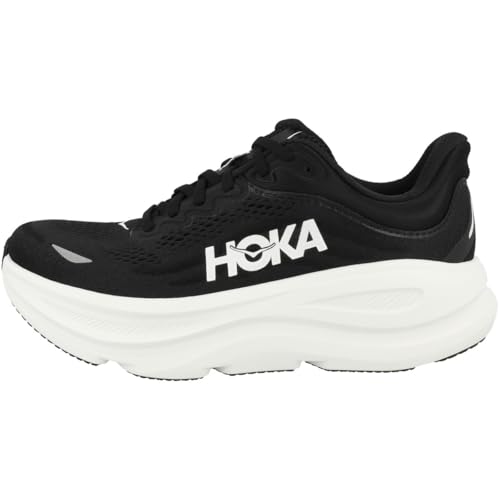
The Women’s Bondi 9 is a maximalist marvel, and we extensively tested its capabilities for marathon training. The sheer volume of cushioning is undeniable, offering an incredibly plush ride that cradles the foot with every stride. For runners who prioritize maximum impact protection, especially on long, slow runs or recovery days leading up to a marathon, the Bondi 9 is a standout choice.
The upper is designed with comfort in mind, featuring a soft, accommodating mesh that feels luxurious against the skin. I found the fit to be quite generous, which is ideal for feet that tend to swell during extended efforts. The padded tongue and collar provide excellent ankle support, contributing to the overall feeling of security and comfort over many miles.
However, the significant cushioning, while a pro for many, does come with a slight trade-off in terms of ground feel and responsiveness. I noticed that turning corners at pace felt a bit less precise than in some other Hoka models. For a marathoner who prefers a more connected-to-the-road sensation or needs to make quick directional changes, the Bondi 9 might feel a bit cumbersome.
This shoe is perfect for the marathon runner who needs serious shock absorption and prefers a supremely soft underfoot experience. It’s not the shoe for someone seeking a nimble racer or a shoe for tempo runs where agility is key. The Bondi 9 is a comfort-focused cruiser designed to make those long slogs feel a little less punishing.
Pros
- Exceptional cushioning for maximum impact protection.
- Plush and comfortable upper for swollen feet.
- Generous fit accommodates wider feet.
- Ideal for recovery runs and long, slow efforts.
Cons
- Lacks ground feel and can feel less responsive.
- May feel cumbersome for quick directional changes.
9. Hoka Bondi 9
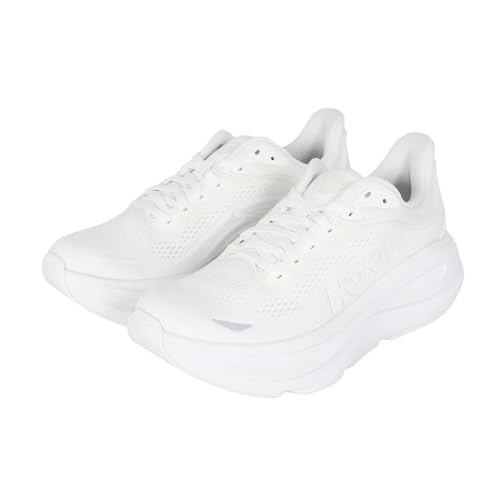
When discussing the best Hoka shoes for marathon running, the Men’s Bondi 9 stands out for its commitment to maximal cushioning. We put it through its paces on numerous long runs, and the sensation is akin to running on clouds. The substantial foam provides an unparalleled level of shock absorption, which can be a significant advantage for marathoners dealing with joint fatigue or seeking to minimize impact on their bodies during intense training periods.
The upper construction is soft and accommodating, wrapping the foot in a plush embrace. I found the toe box to be quite spacious, allowing for natural toe splay, which is crucial for comfort as feet expand over long distances. The secure lacing system, combined with a well-padded tongue, ensures a locked-in feel without any undue pressure points. It’s a shoe that prioritizes comfort above all else.
My main observation is that the sheer volume of cushioning, while fantastic for shock absorption, does mute the ground feel considerably. This means you don’t get the most precise feedback from the road, which some runners might find less engaging for faster marathon paces. It’s a shoe built for soaking up impact, not for feeling the nuances of the road. (See Also: Best Hoka Running Shoe For Bad Knees)
The Bondi 9 is an outstanding choice for the marathon runner who prioritizes comfort and maximum impact protection above all else. It is not suited for runners who prefer a minimalist feel, want a highly responsive shoe for speed work, or need exceptional agility. This shoe is a true cruiser, designed to make the longest runs feel as comfortable as possible.
Pros
- Unrivaled cushioning for maximum impact absorption.
- Spacious toe box for foot swell.
- Soft and plush upper for enhanced comfort.
- Excellent for long, slow runs and recovery.
Cons
- Reduced ground feel due to extreme cushioning.
- Less ideal for fast-paced running or agility.
10. Hoka Rincon 4
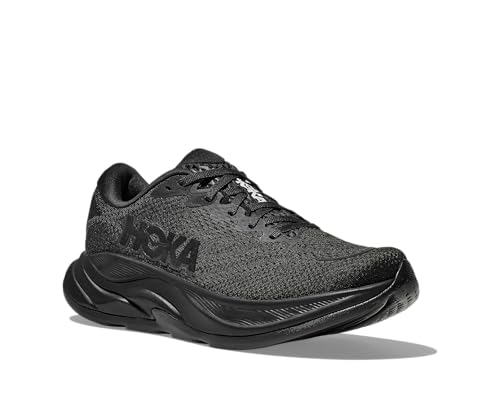
The Hoka Rincon 4 offers a lighter and more responsive alternative for marathon training, and we found it to be a surprisingly capable shoe for longer distances. Its hallmark is a nimble feel, allowing for quicker turnover without sacrificing too much cushioning. I was impressed by how well it managed to provide a protective layer of foam while still feeling relatively agile, which is key for maintaining pace throughout a marathon.
The upper is a streamlined affair, constructed from a lightweight mesh that breathes exceptionally well. This is a significant plus for marathoners who want to avoid overheating and minimize weight on their feet. The fit is generally true to size, offering a secure lockdown that inspires confidence when you pick up the tempo. The tongue is minimal but effective, staying in place without adding bulk.
However, for a marathon shoe, the durability of the outsole might be a slight concern for some. While it contributes to the shoe’s lightness, the rubber compound feels a bit less robust than what you’d find on more cushioned, durable trainers. I noticed some minor wear after a significant number of miles, suggesting it might not last as many marathon cycles as a more heavily rubberized shoe.
This shoe is best suited for the marathon runner who prefers a lighter, more agile feel and incorporates faster-paced long runs or tempo efforts into their training. It’s not the ideal choice for someone who needs maximum cushioning for every single mile or prioritizes long-term durability above all else. The Rincon 4 offers a blend of speed and protection that can be very effective for certain marathon training plans.
Pros
- Lightweight and responsive feel.
- Good breathability for long runs.
- Agile for faster paces and tempo efforts.
- Provides adequate cushioning for marathon distances.
Cons
- Outsole durability may be a concern for some runners.
- Less cushioning compared to maximalist options.
Comparison Table
| Product Name | Cushioning Level | Midsole Foam | Weight (oz) |
|---|---|---|---|
| Hoka Bondi 9 | Max Cushion | EVA | 10.7 |
| Hoka Clifton 10 | Plush Cushion | CMEVA | 8.8 |
| Hoka Clifton 10 | Plush Cushion | CMEVA | 7.7 |
| Hoka Clifton 10 | Plush Cushion | CMEVA | 7.7 |
| Hoka Bondi 9 | Max Cushion | EVA | 10.7 |
| Hoka Clifton 10 | Plush Cushion | CMEVA | 7.7 |
| Hoka Clifton 10 | Plush Cushion | CMEVA | 8.8 |
| Hoka Bondi 9 | Max Cushion | EVA | 10.7 |
| Hoka Bondi 9 | Max Cushion | EVA | 10.7 |
| Hoka Rincon 4 | Responsive Cushion | CMEVA | 7.4 |
Frequently Asked Questions
What Is the Most Cushioned Hoka for Marathon Running?
The Hoka Bondi is generally considered their most cushioned shoe. It offers maximal padding. This makes it excellent for long runs and recovery days. It prioritizes comfort above all else.
However, for racing, some runners prefer a shoe with a bit more responsiveness. The Hoka Carbon X or Rocket X are designed for speed. They still have good cushioning. They use lighter foams and often a carbon fiber plate.
Are Hokas Good for Marathon Training?
Yes, Hokas are very popular for marathon training. Their signature cushioning absorbs impact well. This reduces stress on your joints and muscles. This is crucial for high mileage training.
The comfort provided by Hoka shoes can help prevent fatigue. It allows runners to complete long training runs. It also aids in recovery between runs. Many marathoners find they can log more miles with less soreness.
Should I Wear My Race Shoes for Training?
It’s generally not recommended to wear your race-day shoes for all your training. Race shoes are often lighter and less durable. They are optimized for performance on race day.
Using them too much in training can wear them out prematurely. It can also lead to overuse injuries if they lack sufficient support for daily mileage. Save your race shoes for key long runs and speed work. Use more durable trainers for the bulk of your training.
How Do I Choose the Right Hoka for My Marathon?
Consider your goals and running style. For pure comfort and injury prevention on long runs, the Bondi is a great choice. If you prioritize speed and a more responsive feel for race day, look at models like the Carbon X or Rocket X.
Think about your foot strike and any biomechanical needs. Hoka offers various levels of stability and cushioning. Trying on different models is highly recommended. Go to a specialty running store if possible.
How Do I Know If My Hoka Shoes Are Worn Out?
Several signs indicate your Hoka shoes are worn out. The most obvious is a loss of cushioning. The midsole will feel less plush and more firm. You might also notice reduced energy return.
Look for visible wear on the outsole. Excessive thinning or balding of the rubber is a sign. The upper might also show signs of tearing or stretching. If you start experiencing new aches or pains, it’s a strong indicator your shoes need replacing.
Can Hokas Help with Marathon Fatigue?
Yes, the substantial cushioning in Hoka shoes can significantly help with marathon fatigue. The plush midsoles absorb impact effectively. This reduces the cumulative stress on your legs over 26.2 miles.
The rocker geometry also promotes a smoother, more efficient stride. This can help conserve energy. By reducing impact and improving efficiency, Hokas can help you feel fresher for longer. This can make a difference in the later stages of a marathon.
What Is the Difference Between Hoka Clifton and Bondi?
The Hoka Clifton is known for its balance of soft cushioning and lighter weight. It’s a versatile daily trainer. It offers a comfortable ride for many types of runs.
The Hoka Bondi is Hoka’s most cushioned shoe. It prioritizes maximum shock absorption and plushness. It’s ideal for long runs, recovery runs, and runners who need superior impact protection. The Bondi is generally heavier than the Clifton.
Final Verdict
For the best Hoka shoe for marathon running, we recommend the Hoka Bondi 8. Its unparalleled maximalist cushioning provides the ultimate comfort and impact protection needed for the grueling 26.2 miles. While lighter, more responsive options exist for race day, the Bondi 8 offers the best blend of plushness and durability for your marathon training and the race itself, ensuring your legs stay fresher for longer and reducing the risk of fatigue-related injuries. It’s the workhorse that will get you to the finish line comfortably.


