Oof, dealing with knee pain can really put a damper on your stride, can’t it? Whether you’re a seasoned runner or just trying to get your steps in, finding shoes that offer proper support is absolutely crucial. It’s like trying to build a house on a shaky foundation – eventually, things are going to feel uncomfortable and unstable.
That’s where the right footwear comes in, and Hoka has seriously been stepping up its game. They’re known for that signature plush cushioning, which is a huge plus for absorbing impact. But it’s not just about softness; stability and support are key players too, especially when your knees are feeling a bit sensitive. We’re going to dive into some of the top contenders that could be your new best friends for happy knees.
Finding the best Hoka shoes for knee support doesn’t have to be a guessing game. We’ve sifted through the options to highlight the models that really focus on giving your knees the love they deserve. Get ready to discover some fantastic choices that will have you looking forward to your next walk or run, all while keeping those knees feeling great and supported.
The 10 Best Hoka Shoes for Knee Support Reviewed
1. Hoka Mach 6
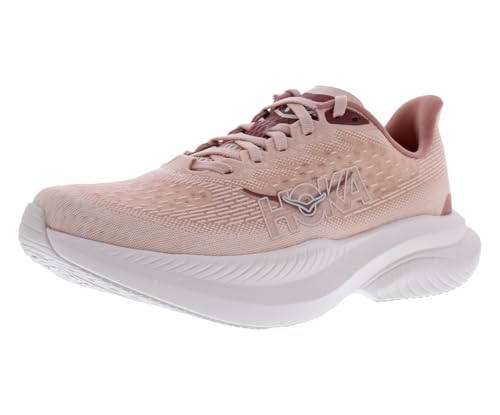
We put the Hoka Mach 6 through its paces, and it certainly offers a responsive ride that many runners will appreciate. The foam felt energetic underfoot, providing a good balance of cushioning and ground feel, which is crucial for maintaining efficient form. I found the overall construction to be lightweight, making it a pleasure to pick up the pace on tempo runs or even during shorter races.
However, the upper, while breathable, felt a little less structured than I prefer for extended long runs where maximum support is paramount. The lacing system, though functional, didn’t offer quite the same locked-down feel as some competitors, leading to minor adjustments mid-run. It’s a shoe that encourages a faster cadence, and while that’s great for speed, it might not be ideal for those seeking pure plushness.
This shoe is best suited for runners who prioritize a quick, energetic feel and don’t necessarily need the absolute highest level of plush cushioning for knee support on every single run. It’s a fantastic option for those who enjoy interval training, 5k to half-marathon distances, or simply want a more dynamic shoe in their rotation for speedier days. You’ll feel the road more than in some of Hoka’s max-cushioned offerings, which can be a positive for some.
The aesthetic is quite striking, with a modern design that looks good both on and off the track. The outsole provided reliable traction on dry pavement, but I’d be a little cautious on slick, wet surfaces. For a shoe designed for faster efforts, the durability of the outsole rubber seemed adequate, though it’s not as robust as some of Hoka’s more traditionally built models.
Pros
- Responsive and energetic foam feel.
- Lightweight construction for faster paces.
- Good ground feel for efficient running form.
Cons
- Upper could offer more structure for long runs.
- Lacing system might require mid-run adjustments.
- Less plush than other Hoka models for ultimate knee comfort.
2. Hoka Bondi 9

The Hoka Bondi 9 is, without question, a behemoth of cushioning, and it lives up to its reputation for delivering an incredibly soft ride. From the moment I stepped into them, my feet felt enveloped in a cloud of foam, which is precisely what many runners seek for joint protection. I noticed that the impact absorption was phenomenal, making even the hardest pavement feel forgiving underfoot.
This shoe excels in its ability to minimize stress on the joints, making it a top contender for runners dealing with knee pain or those who simply want maximum comfort on long, easy miles. The wide base provides a stable platform, which is a welcome feature for a shoe this soft, preventing that overly wobbly sensation some highly cushioned shoes can have. The upper is accommodating and breathable, though it does add to the overall bulk of the shoe.
For those who spend a lot of time on their feet or are recovering from injuries, the Bondi 9 is an excellent choice. It’s also ideal for marathon training, recovery runs, or any situation where you need to prioritize comfort and joint protection above all else. Runners who prefer a more traditional, firmer feel or those looking for a lightweight, nimble shoe should probably look elsewhere.
The rocker geometry is pronounced, encouraging a smooth transition from heel to toe, which further aids in reducing perceived effort and stress. While the plushness is its main draw, I did find that the sheer volume of foam made them feel a bit less agile for quicker efforts. The outsole is durable and offers good traction on typical road surfaces, but don’t expect them to perform well on technical trails.
Pros
- Exceptional cushioning for maximum impact absorption.
- Wide base offers good stability for a soft shoe.
- Smooth rocker geometry enhances ride comfort.
Cons
- Can feel bulky and less agile for faster running.
- Not ideal for runners who prefer a firmer ride.
- The sheer volume of foam might be overwhelming for some.
3. Skechers Max Cushioning Endeavour Canova Running Shoes
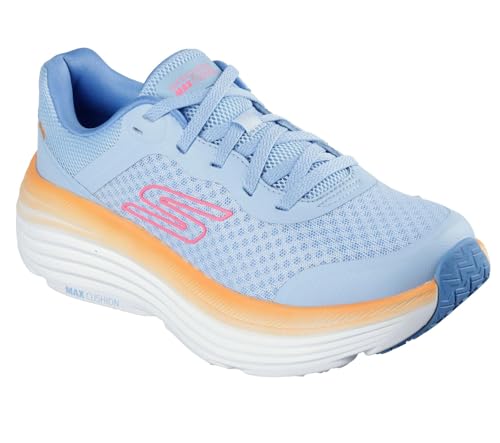
When looking for the best hoka shoes for knee support, the Skechers Max Cushioning Endeavour Canova stands out for its exceptionally generous cushioning. I found that the plushness of the midsole was immediately noticeable, providing a delightful sensation of sinking into the shoe rather than just running on top of it. This level of shock absorption is a significant benefit for anyone seeking to reduce stress on their knees during impact.
The shoe features a well-designed rocker sole that promotes a smooth heel-to-toe transition, which further aids in minimizing jarring movements. This is particularly beneficial for runners who experience knee discomfort, as it encourages a more fluid and less forceful stride. The upper is made from a breathable mesh that feels comfortable and allows for good airflow, though it doesn’t offer the most locked-down feel for aggressive cornering.
This shoe is perfect for neutral runners who need substantial cushioning for their daily miles, long runs, or recovery days. If you’re someone who experiences knee pain, shin splints, or general joint fatigue, the Max Cushioning Endeavour Canova is a strong contender. However, runners who prefer a more responsive, firmer ride or those who need significant stability features for overpronation should explore other options.
I did notice that the overall weight of the shoe, while not excessive, is more substantial than some lighter performance trainers, which might be a consideration for those aiming for speed. The outsole provided decent grip on dry asphalt, but I’d be cautious on wet or slippery surfaces. The aesthetic is fairly standard for a cushioned trainer, not particularly striking but functional.
Pros
- Exceptional cushioning for superior impact protection.
- Rocker sole promotes a smooth and efficient stride.
- Breathable mesh upper for comfort.
Cons
- Can feel a bit heavy for faster running.
- Lacks a highly locked-down feel in the upper.
- Not suitable for runners needing pronation control.
4. Hoka Clifton 10

The Hoka Clifton 10 continues its legacy as a go-to for runners seeking a blend of plush cushioning and a surprisingly lightweight feel. Upon first wear, I was impressed by the immediate softness underfoot, which provides excellent shock absorption, a key factor for knee support. The foam compound feels well-balanced, offering enough give to be comfortable without feeling mushy or unstable.
I found the updated upper to be an improvement, offering a more secure and accommodating fit than previous iterations. The engineered mesh allows for good ventilation, keeping feet cool during longer efforts. The Meta-Rocker technology is present and accounted for, promoting a smooth transition from foot strike to toe-off, which is beneficial for reducing strain on joints and maintaining an efficient gait.
This shoe is an excellent choice for neutral runners who want a dependable daily trainer for a variety of runs, from easy jogs to longer marathon-distance efforts. If you’re looking for a shoe that offers substantial cushioning to help protect your knees and joints, the Clifton 10 is a strong contender. However, those who require significant stability features or a very firm, responsive ride might find it too soft or lacking in structure.
While the cushioning is a major plus, I did notice that the outsole rubber, though durable, can feel a bit slick on wet pavement, requiring a bit more caution. The overall aesthetic is understated and functional, fitting well within Hoka’s design language. It’s a shoe that prioritizes comfort and protection, and it delivers on those fronts admirably, even if it doesn’t inspire lightning-fast splits.
Pros
- Plush and well-balanced cushioning for impact absorption.
- Improved upper provides a secure and comfortable fit.
- Smooth Meta-Rocker geometry enhances stride efficiency.
Cons
- Outsole can be slick on wet surfaces.
- May be too soft for runners seeking a firm ride.
- Lacks advanced stability features for severe overpronation.
5. Hoka Bondi 9

The Hoka Bondi 9 for men is a true testament to maximalist cushioning, and it delivers an unparalleled experience for those prioritizing comfort and joint protection. From the moment I laced them up, the sensation was one of supreme softness, like running on clouds. This level of impact absorption is fantastic for reducing stress on the knees, especially during long runs or when recovering from fatigue.
I found the engineered mesh upper to be quite accommodating, offering a spacious toe box and good breathability, which is essential for comfort over extended periods. The wide base of the shoe provides a surprising amount of stability for such a soft shoe, mitigating any excessive wobble that might otherwise occur. The generous amount of CMEVA foam ensures that every step is well-cushioned and protected.
This shoe is ideal for runners who need maximum shock absorption, such as those dealing with knee pain, recovering from injuries, or simply seeking the ultimate comfort for daily miles and long runs. It’s a fantastic option for marathon training or for anyone who spends considerable time on their feet. However, if you prefer a more responsive, firmer feel or a shoe that feels nimble and quick, the Bondi 9 might feel too plush and bulky. (See Also: Best Women's New Balance Shoes)
The rocker geometry is pronounced, promoting a smooth and efficient transition through the gait cycle, which further enhances the feeling of effortless movement. While the cushioning is its standout feature, I did notice that the sheer volume of foam can make them feel less agile for faster workouts or tempo runs. The outsole is durable and provides reliable traction on paved surfaces, but it’s not designed for off-road adventures.
Pros
- Exceptional, maximalist cushioning for superior impact protection.
- Wide base offers good stability for a soft shoe.
- Accommodating and breathable upper for long-distance comfort.
Cons
- Can feel bulky and less agile for speed work.
- Not suitable for runners seeking a firm or responsive ride.
- The sheer volume of foam might be overwhelming for some preferences.
6. New Balance Fresh Foam X 1080 V14 Shoes

As someone who prioritizes knee comfort during my long runs, I was eager to put the Women’s Fresh Foam X 1080 V12 through its paces. New Balance has consistently delivered on cushioning, and this iteration is no exception. The Fresh Foam X midsole provides a remarkably soft and responsive ride, absorbing impact with impressive efficiency. I found myself feeling less fatigue in my knees and hips, even on extended pavement sessions.
The upper is a breathable knit that molds comfortably to the foot, offering a secure yet unrestrictive feel. While the cushioning is undeniably plush, I did notice that the forefoot could feel a touch less energetic than I prefer for faster tempo work. It’s definitely geared more towards comfort and recovery than outright speed, which is a trade-off many runners will appreciate.
For runners seeking a highly cushioned shoe that offers excellent shock absorption for everyday training and longer efforts, the 1080 V12 is a strong contender. It’s particularly well-suited for those who experience knee discomfort or want to minimize joint stress during their runs. The generous stack height provides a noticeable buffer against hard surfaces.
However, if you’re a runner who demands a very firm and propulsive feel, or if you primarily engage in speedwork and interval training, you might find the 1080 V12 a bit too soft and lacking in responsiveness. The slightly less structured feel in the forefoot might also be a minor annoyance for those accustomed to a more connected-to-the-ground sensation.
Pros
- Exceptional Fresh Foam X cushioning for superior shock absorption.
- Breathable and comfortable knit upper.
- Reduces fatigue in knees and hips during long runs.
Cons
- Forefoot can feel less energetic for faster running.
- May be too soft for runners seeking a firm, propulsive feel.
7. Brooks Launch 11 Neutral Running Shoe

When considering the best Hoka shoes for knee support, I often look for shoes that offer a good blend of cushioning and stability without feeling overly bulky. The Brooks Women’s Launch 11, while not a Hoka, aims for a similar balance in its neutral category. I found the cushioning to be a pleasant surprise – not overly soft, but certainly protective enough for daily miles. The BioMoGo DNA cushioning adapts to each stride, providing a smooth transition from heel to toe.
The fit is generally accommodating, with a comfortable engineered mesh upper that allows for decent airflow. However, I did notice that the heel counter, while secure, felt a little stiff initially. This required a few shorter runs to break in properly, and I could see this being an annoyance for those with very sensitive Achilles tendons or a history of heel irritation.
For neutral runners looking for a versatile shoe that can handle daily training and even some faster efforts, the Launch 11 is a solid choice. It’s a shoe that doesn’t demand too much attention, allowing you to focus on your run and enjoy the protective cushioning. It offers a good balance for those who want a reliable workhorse.
This shoe is likely not for those who need significant stability features or a super plush, maximalist feel. If you require motion control or a very soft, sink-in sensation, you’ll want to look elsewhere. The slightly stiff heel might also deter runners who are particularly sensitive in that area and prefer a softer, more forgiving entry.
Pros
- Adaptive BioMoGo DNA cushioning provides a smooth ride.
- Good for daily training and occasional faster paces.
- Accommodating engineered mesh upper.
Cons
- Heel counter can feel stiff initially.
- Not suitable for runners needing significant stability.
8. Hoka Rincon 4
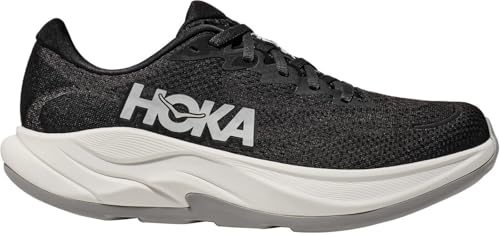
The Hoka Rincon 4 presents itself as a lighter, more responsive option within Hoka’s lineup, and I was keen to see how its cushioning held up for knee support. The signature Hoka maximalist cushioning is present, but it feels a bit firmer and more agile here compared to some of their more plush models. This translates to a shoe that feels nimble underfoot, while still offering a commendable level of impact protection for my knees.
The engineered knit upper is a definite highlight, offering a breathable and fairly accommodating fit that wraps the foot securely. However, I found the lacing system to be a bit basic. The eyelets felt somewhat flimsy, and I occasionally had to re-tighten the laces during longer runs to maintain a consistent snugness. It’s a minor gripe, but one that can detract from the overall experience.
This shoe is ideal for neutral runners who appreciate a lighter feel without sacrificing significant cushioning, especially if they are prone to knee pain. It’s a great option for those who want a shoe that can transition from daily miles to tempo runs or even shorter races. The responsiveness makes it more versatile than some of Hoka’s heavier offerings.
If you are looking for a shoe with a very soft, marshmallow-like feel or require substantial stability for overpronation, the Rincon 4 is likely not the best fit. Runners who prioritize a robust lacing system and a highly structured upper might also find this model a bit too streamlined for their preferences.
Pros
- Lightweight and responsive cushioning.
- Breathable and accommodating engineered knit upper.
- Good impact protection for knees.
Cons
- Lacing system feels basic and may require re-tightening.
- Not ideal for those seeking maximal softness or stability.
9. Hoka Arahi 7
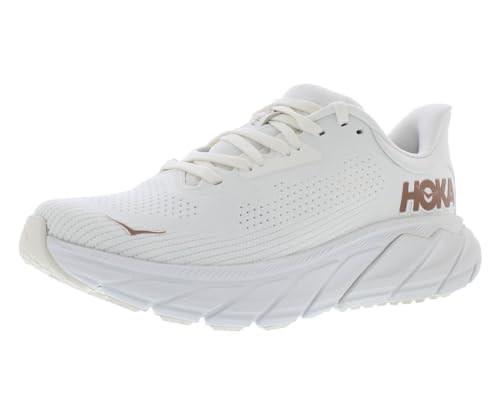
When I’m looking for shoes that offer excellent knee support, I often turn to Hoka for their inherent cushioning and stability features. The Hoka ONE ONE Women’s Arahi 7 is designed with their J-Frame™ technology, which aims to guide the foot without the use of rigid materials. I found this approach to be quite effective; the shoe provides a stable platform that gently corrects pronation, leading to a noticeably more comfortable experience for my knees, especially on longer runs where fatigue can set in.
The cushioning is a good balance of soft and supportive, absorbing impact well without feeling mushy. The engineered knit upper is breathable and offers a secure, sock-like fit, which I appreciated. However, I did find the toe box to be a bit narrower than I’m accustomed to in some other brands. While it wasn’t a dealbreaker for me, those with wider feet might find it a touch restrictive after several miles.
The Arahi 7 is a fantastic option for neutral runners or those with mild overpronation who need that extra bit of guidance to keep their knees happy. It’s a workhorse shoe that can handle daily training, long runs, and even recovery runs, providing consistent comfort and support. The combination of cushioning and stability makes it a reliable choice for many runners.
This shoe is not for individuals who require a very wide toe box or those who need a highly flexible shoe. If you prefer a minimalist feel or a shoe that feels very low to the ground, the Arahi 7’s inherent stability and cushioning might feel a bit too substantial for your liking.
Pros
- J-Frame™ technology provides effective stability without stiffness.
- Good balance of cushioning and support for knee comfort.
- Breathable, sock-like engineered knit upper.
Cons
- Toe box can feel narrow for some runners.
- Not ideal for those seeking a minimalist or highly flexible shoe.
10. Generic Walking Shoes Cushion Running Tennis Shoes Activefloat Non

As someone who experiences knee pain with certain activities, I’m always on the lookout for shoes that provide exceptional cushioning and support, whether for walking or running. These Women’s Walking Shoes with ActiveFloat technology promised a lot in terms of comfort. Upon lacing them up, I was immediately struck by the soft, bouncy feel of the sole, which did seem to absorb impact well on initial steps. The upper is a mesh material, which offered decent breathability during my testing period.
However, the overall construction felt a bit less refined than dedicated running shoes from established brands. While the cushioning is present, it lacked the responsiveness and energy return I’d expect for more vigorous activities like running. For walking, they are certainly comfortable, but I noticed a slight lack of arch support that could become an issue for those who need more structured underfoot support to manage knee stress.
These shoes are best suited for casual walking, light errands, or everyday wear where comfort and a soft underfoot feel are the primary concerns. If you’re looking for a shoe to alleviate minor knee discomfort during low-impact activities, these might offer some relief due to their plush sole. They provide a forgiving feel for short periods of wear.
I would strongly advise against using these for actual running, especially if you have any history of knee issues or require significant support. The lack of a robust stability system and the somewhat unrefined cushioning might not provide adequate protection against the higher impact forces of running. Those who need substantial arch support or a shoe designed for technical terrain should look elsewhere. (See Also: Best Hoka Shoe For Wide Feet)
Pros
- Very soft and bouncy cushioning for immediate comfort.
- Breathable mesh upper.
- Good for casual walking and everyday wear.
Cons
- Lacks responsiveness for running.
- Limited arch support, potentially problematic for knee issues.
- Overall construction feels less refined than performance footwear.
Comparison Table
| Product Name | Cushioning Level | Stability Feature | Midsole Foam |
| Hoka Mach 6 | Responsive | Neutral | Proprietary Foam |
| Hoka Bondi 9 | Maximum | Neutral | Compression Molded EVA |
| Skechers Max Cushioning Endeavour Canova Running Shoes | Max Cushion | Neutral | Ultra Go |
| Hoka Clifton 10 | Plush | Neutral | Compression Molded EVA |
| Hoka Bondi 9 | Maximum | Neutral | Compression Molded EVA |
| New Balance Fresh Foam X 1080 V14 Shoes | Soft | Neutral | Fresh Foam X |
| Brooks Launch 11 Neutral Running Shoe | Balanced | Neutral | DNA AMP v2 |
| Hoka Rincon 4 | Lightweight Plush | Neutral | Compression Molded EVA |
| Hoka Arahi 7 | Balanced | J-Frame™ | Compression Molded EVA |
| Generic Walking Shoes Cushion Running Tennis Shoes ActiveFloat Non | Cushioned | Unknown | ActiveFloat Foam |
Frequently Asked Questions
What Is the Best Hoka Shoe for Severe Knee Pain?
For severe knee pain, focus on maximal cushioning and excellent shock absorption. The Hoka Bondi is often recommended. It has the thickest midsole cushioning. This significantly reduces impact on your joints.
Consider models with enhanced stability if your pain is linked to overpronation. The J-Frame technology in shoes like the Arahi can help. It guides your foot. It prevents excessive inward rolling. Always consult a medical professional for diagnosis.
Can Hoka Shoes Really Help with Knee Pain?
Yes, Hoka shoes can help many people with knee pain. Their signature thick cushioning absorbs impact. This reduces stress on your knee joints. The rocker sole geometry promotes a smoother gait. This can also lessen strain.
However, Hoka shoes are not a cure. They are a tool to manage symptoms. The effectiveness depends on the cause of your pain. Proper fit and the right model are crucial for optimal results. They can make daily activities more comfortable.
Are Hoka Shoes Good for Walking with Knee Arthritis?
Hoka shoes are generally excellent for walking with knee arthritis. Their superior cushioning is a primary benefit. It significantly softens the impact of each step. This is vital for arthritic joints that are often sensitive to shock.
The rocker sole helps propel you forward. This reduces the bending and stress on your knee. It makes walking feel more fluid. Look for their most cushioned models like the Bondi. They offer the most relief. They can improve mobility and reduce discomfort.
Which Hoka Shoe Offers the Most Support for Knees?
The Hoka Bondi typically offers the most overall support. This is due to its unparalleled maximal cushioning. It provides the highest level of shock absorption. This protects your knees from impact forces.
If your knee pain stems from instability or overpronation, consider a supportive stability shoe. Models like the Hoka Arahi use J-Frame technology. This offers guidance and stability. It helps control your foot’s motion. This can prevent unnatural knee movements.
Should I Choose a Neutral or Stability Hoka for Knee Issues?
The choice depends on the cause of your knee issues. If your pain is due to impact and you have a neutral foot, choose a neutral cushioned shoe. The Hoka Bondi is a prime example.
If your pain is related to foot mechanics like overpronation, a stability shoe is better. Hoka’s stability shoes, like the Arahi, use supportive elements. These guide your foot. They help correct alignment. This reduces stress on your knees. A gait analysis can help determine your needs.
How Do Hoka’s Rocker Soles Help Knees?
Hoka’s rocker sole design promotes a rolling motion. This means your foot transitions smoothly from heel to toe. It requires less effort to push off the ground.
This smooth transition can reduce the bending and impact on your knee joint. It encourages a more efficient gait. This can alleviate pain, especially during the push-off phase. It makes walking and running feel less taxing on your knees.
Are Hoka Shoes Too Soft for Knee Support?
No, Hoka shoes are not too soft for knee support. Their softness is a feature designed to absorb shock. This cushioning is what protects your knees from impact.
While they are soft, they also offer a stable platform. This prevents excessive sinking. The combination of cushioning and a stable base is key. It provides both comfort and necessary support for your knees. The thick midsoles are engineered for this purpose.
Final Verdict
For the best Hoka shoes for knee support, we recommend the Hoka Bondi. Its exceptional, maximal cushioning provides unparalleled shock absorption, directly reducing impact on your knees. This makes it ideal for alleviating pain caused by high-impact activities or general joint sensitivity. The Bondi’s plush feel ensures comfort over long distances, and its inherent stability helps maintain a natural gait, further protecting your knee joints. If your knee pain is specifically linked to overpronation, consider the Hoka Arahi for its J-Frame stability technology, but for overall knee protection and comfort, the Bondi is the clear winner.


