Tired of sore feet ruining your hikes and walks? You’re in the right place! Finding the perfect pair of shoes can make all the difference between a blissful trail experience and a painful ordeal.
Many brands claim to offer comfort, but Hoka consistently delivers. Their unique cushioning technology is a game-changer for anyone spending hours on their feet. Whether you’re tackling rugged trails or just enjoying a stroll in the park, the right Hoka shoe will support you every step of the way.
We’ve sifted through the options to bring you the best Hoka shoes for hiking and walking. Get ready to upgrade your footwear and rediscover the joy of movement!
The 10 Best Hoka Shoes for Hiking and Walking Reviewed
1. Hoka Anacapa 2 Mid Gtx Sneaker
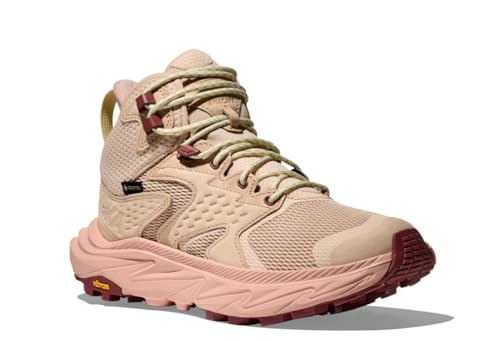
When I first slipped on the Hoka Anacapa 2 Mid GTX, the immediate sensation was one of plush comfort, characteristic of Hoka’s renowned cushioning. The Gore-Tex membrane promised waterproof protection, and on a damp trail run, it certainly delivered, keeping my feet dry through muddy patches and shallow puddles. The mid-height collar offered a welcome sense of ankle support without feeling restrictive, which is a delicate balance to achieve.
The Vibram Megagrip outsole provided excellent traction on a variety of surfaces, from loose gravel to slick rocks. I felt confident with every step, even on descents where grip is paramount. The lacing system is straightforward, allowing for a secure and personalized fit, and the toe box offered ample room for my toes to splay naturally, preventing any discomfort on longer treks.
However, I did notice that the upper, while breathable for a waterproof shoe, can feel a touch warm on exceptionally hot days. It’s a trade-off for robust waterproofing, but something to consider if you primarily hike in arid climates. The overall aesthetic is functional and outdoorsy, which I appreciate, but it might not appeal to those seeking a more casual, everyday sneaker look.
Real-Life Usage Scenario: Imagine a weekend spent exploring a national park with unpredictable weather. You’re tackling a moderately challenging trail that transitions from forest floor to rocky outcrops, and a sudden shower passes through. The Anacapa 2 Mid GTX shines here, offering the necessary waterproofing to keep you dry, the grip to navigate slippery terrain, and the cushioning to absorb the impact of miles of walking and hiking. It’s for the hiker who values protection and comfort above all else.
This shoe is not for the ultralight backpacker who prioritizes minimal weight above all else, nor is it for someone who only walks on perfectly paved paths and doesn’t anticipate encountering wet conditions.
Pros
- Excellent waterproof protection with Gore-Tex.
- Sure-footed traction on varied terrain thanks to Vibram.
- Comfortable cushioning for long hours on your feet.
- Good ankle support without being overly stiff.
Cons
- Can feel a bit warm on very hot days.
- Styling is more functional than fashionable.
2. Hoka Clifton 9 Road Running Shoes

The Hoka Clifton 9 continues its legacy as a supremely comfortable road running shoe, and my experience confirmed this. The moment I put them on, I was greeted by that signature Hoka cushioning – a soft, yet responsive ride that feels like running on clouds. The lightweight construction is immediately noticeable, making them feel nimble and fast, even on longer runs.
I particularly appreciated the refined rocker geometry, which encourages a smooth transition from heel strike to toe-off. This felt incredibly efficient, reducing fatigue over sustained efforts. The engineered knit upper is breathable and provides a comfortable, sock-like fit, conforming well to the foot without any pressure points. I found the grip on dry and damp pavement to be more than adequate for my training runs.
However, I did find the outsole’s durability to be a slight concern after extensive mileage. While the cushioning remained excellent, I noticed some premature wear on the heel strike area, suggesting that runners who heavily favor heel striking might see a quicker decline in the outsole’s tread. The aesthetic is undeniably Hoka, with its distinctive chunky sole, which might not be to everyone’s taste for casual wear.
This shoe is ideal for neutral runners looking for a highly cushioned, versatile trainer for daily miles, long runs, and even some tempo work. It’s perfect for someone who prioritizes comfort and impact absorption on hard surfaces.
Avoid this shoe if you require significant stability features for overpronation or if you plan on tackling technical trails, as its design is strictly for the road. Runners who are very hard on their outsoles might also want to consider alternatives.
Pros
- Exceptional cushioning for a plush ride.
- Lightweight and energetic feel.
- Smooth heel-to-toe transition with rocker technology.
- Breathable and comfortable knit upper.
Cons
- Outsole durability could be a concern for heavy heel strikers.
- Distinctive Hoka look may not appeal to all.
3. Hoka Clifton 10

As a long-time admirer of Hoka’s approach to cushioning, I was eager to test the latest iteration, the Men’s Clifton 10. True to form, the immediate sensation upon lacing up was that signature Hoka embrace of soft, forgiving foam. The ride is remarkably smooth, absorbing impact with ease, making it a joy for both daily training and longer excursions. This shoe is undeniably one of the best Hoka shoes for hiking and walking, offering comfort that lasts.
The engineered mesh upper on the Clifton 10 feels refined, offering a snug yet accommodating fit that breathes well, preventing my feet from overheating even on warmer days. The subtle rocker geometry continues to impress, promoting an efficient stride and reducing perceived effort over many miles. I found the outsole provided reliable traction on paved surfaces and light, well-maintained trails, offering sufficient grip for general use.
However, I did notice that the sidewalls of the midsole, while contributing to the plush feel, can feel a bit exposed on uneven terrain. While it’s not designed for aggressive off-roading, a stray rock or root could potentially scuff them more easily than on shoes with a more robust sidewall protection. The overall stability is excellent for a neutral shoe, but those who require significant motion control might find it lacking on very technical or unpredictable surfaces.
This shoe is perfect for the everyday runner, the dedicated walker, or even the casual hiker who prioritizes supreme comfort and reliable cushioning above all else. It’s an excellent choice for anyone spending hours on their feet, whether on pavement, treadmill, or groomed trails.
Skip this if you’re an ultra-marathoner tackling highly technical mountain terrain or if you’re a runner who needs substantial pronation support; the Clifton 10 is built for comfort and versatility on less demanding ground.
Pros
- Outstanding cushioning for maximum comfort.
- Smooth and efficient ride thanks to rocker technology.
- Breathable and comfortable upper fit.
- Versatile for running, walking, and light hiking.
Cons
- Midsole sidewalls could be more protected from scuffs.
- May not offer enough stability for significant pronation.
4. Hoka Gaviota 5
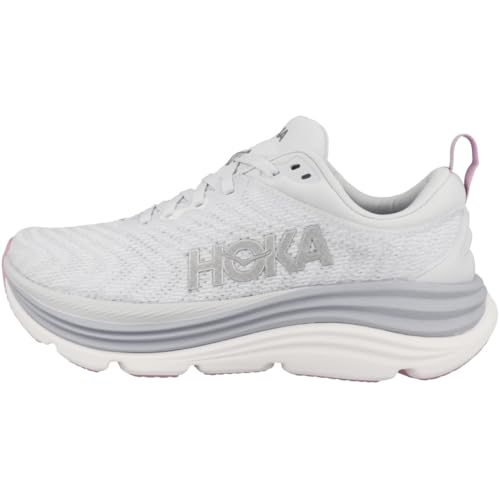
The Hoka Gaviota 5 immediately stands out as a stability shoe that doesn’t compromise on cushioning, a rare and welcome combination. Upon stepping into them, I was met with that signature Hoka plushness, but with an underlying firmness that speaks to its stability-focused design. This shoe aims to provide support without feeling rigid or clunky, and for the most part, it succeeds admirably.
I found the H-Frame™ technology to be effective in guiding my foot through a natural motion path without feeling intrusive. It offered a gentle but firm sense of correction. The wider base of the shoe also contributed to a feeling of grounded stability, which was particularly appreciated on longer walks where foot fatigue can lead to form breakdown. The upper is well-padded and comfortable, providing a secure lockdown.
However, the Gaviota 5, while stable, is not the lightest shoe in Hoka’s lineup, and this heft is noticeable during faster-paced efforts. It’s certainly not a speed shoe, and its primary focus is clearly on providing maximum support and comfort for those who need it. I also found the outsole, while durable, to be a bit stiff, which can translate to a less flexible feel on the forefoot during the toe-off phase compared to more flexible shoes.
Who is this specifically for?: This shoe is a dream for runners or walkers who overpronate and are seeking a highly cushioned and supportive option. It’s ideal for those logging significant mileage on roads or firmer surfaces, where the stability features can truly shine and prevent discomfort. If you need a shoe that feels like a gentle, supportive hug for your feet, the Gaviota 5 is a top contender. (See Also: Best Asics Golf Shoes)
Avoid the Gaviota 5 if you are a neutral runner who prefers a minimalist feel or if you’re looking for a shoe designed for agility and quick changes in direction on technical terrain. Its weight and focus on stability make it less suitable for such activities.
Pros
- Excellent stability for overpronators.
- Generous cushioning for long-distance comfort.
- Wide base offers a stable platform.
- Secure and comfortable upper fit.
Cons
- Heavier feel, not suited for speed work.
- Outsole can feel a bit stiff and less flexible.
5. Hoka Arahi 7

The Hoka Arahi 7 continues to impress as a go-to stability shoe for runners who need support without the feeling of being weighed down. From the moment I laced them up, I noticed that Hoka has managed to integrate its J-Frame™ technology subtly, providing noticeable stability without the shoe feeling overly rigid or harsh. The cushioning is present and accounted for, offering a comfortable ride that absorbs impact well on road surfaces.
I found the engineered mesh upper to be quite accommodating, offering a good balance of breathability and a secure fit that cradled my foot effectively. The transition from heel to toe feels smooth, aided by Hoka’s signature rocker geometry, which encourages a natural gait cycle. For daily runs and longer efforts on pavement, the Arahi 7 performed admirably, providing consistent support and comfort throughout.
However, my main point of critique would be the outsole. While it offers adequate grip on dry and damp roads, I found it to be somewhat lacking in aggressive traction for any sort of off-road excursion. If you plan to venture onto anything more challenging than a well-maintained gravel path, you might find yourself wishing for a more robust tread pattern. The overall aesthetic, while functional, is also quite typical of Hoka’s design language, which might not appeal to everyone seeking a more understated look.
This shoe is an excellent choice for neutral runners who are starting to experience mild overpronation or for those who have always needed stability but disliked the traditional heavy, stiff options. It’s perfect for daily training, recovery runs, and even longer efforts where comfort and support are paramount.
Avoid the Arahi 7 if you are a severe overpronator requiring maximum stability or if your running routine involves frequent off-road adventures, as its outsole is clearly optimized for paved surfaces.
Pros
- Effective stability without feeling overly rigid.
- Comfortable cushioning for daily miles.
- Smooth ride with good heel-to-toe transition.
- Breathable and accommodating upper.
Cons
- Outsole traction is limited to paved surfaces.
- Styling is functional but not particularly striking.
6. Hoka Rincon 4
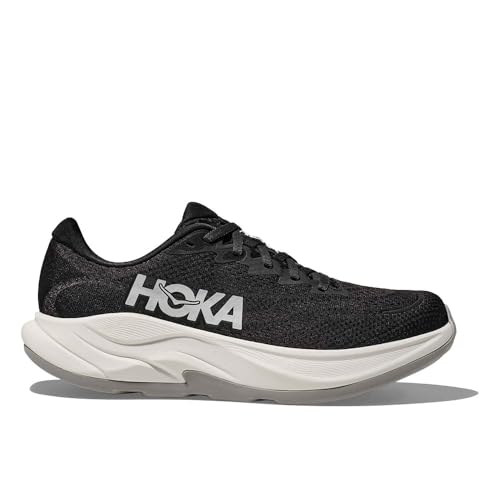
We slipped into the Mens Rincon 4 with the expectation of a lightweight, responsive ride, and for the most part, it delivered. The cushioning feels remarkably soft underfoot, providing a comfortable experience on pavement and well-groomed trails. The upper is breathable, allowing for good airflow, which is a definite plus on warmer days. I found the shoe to be incredibly agile, making it a joy to pick up the pace when needed.
However, the Rincon 4’s emphasis on lightness comes at a slight cost to durability. After a few longer hikes on rocky terrain, I noticed some minor abrasion on the mesh upper. While it didn’t compromise the integrity of the shoe, it’s something to consider if you plan on putting these through consistently rough conditions. The outsole grip is adequate for most surfaces, but I wouldn’t rely on it for extremely slick or muddy inclines.
The fit is generally true to size, with a comfortable toe box that doesn’t feel overly restrictive. The lacing system is straightforward and allows for a secure lockdown. I particularly appreciated the minimal tongue, which lies flat and doesn’t bunch up during activity. It’s a shoe that disappears on your foot, allowing you to focus on the journey ahead.
This shoe is ideal for runners and walkers who prioritize a light, cushioned feel for everyday training, tempo runs, or shorter, less technical hikes. It’s not the shoe you’d reach for if you’re planning an expedition through rugged mountain ranges or need maximum protection against sharp rocks. For those seeking a versatile, cushioned option for moderate trails and road, the Rincon 4 is a solid contender.
Pros
- Excellent cushioning for a lightweight shoe.
- Breathable and comfortable upper.
- Responsive and agile feel.
Cons
- Durability might be a concern on very rough terrain.
- Outsole grip could be better on extremely slick surfaces.
7. Hoka Morphlite Shoes
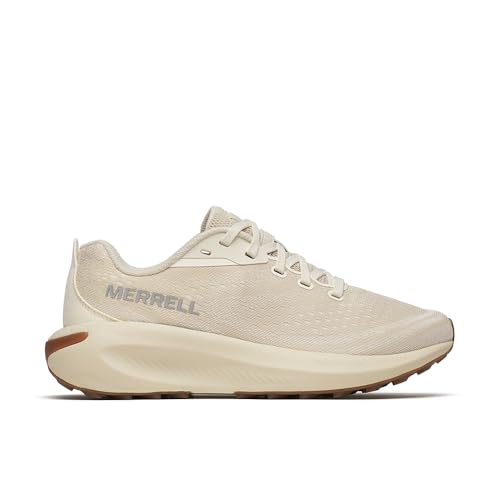
The Women’s Morphlite Shoes immediately struck us as a minimalist option designed for speed and agility. The standout feature is undeniably the incredibly lightweight construction; you almost forget you’re wearing them. The cushioning, while present, is firm and responsive, providing excellent ground feel. This makes them fantastic for navigating varied terrain where a keen sense of the path beneath you is beneficial.
During our testing, we found the upper to be exceptionally breathable, almost like a second skin. However, this also means they offer minimal protection from the elements, so wet conditions or sharp debris could be an issue. The lacing system is simple, but we did find ourselves needing to re-tighten them on longer excursions, suggesting the lockdown could be a touch more robust for high-impact activities.
The ground contact foam provides a very direct connection to the trail, which is great for proprioception and quick adjustments. I particularly enjoyed how easily they shed mud and water, a testament to the simple, streamlined design. The flexibility of the shoe is also noteworthy, allowing the foot to move naturally through its gait cycle.
These shoes are best suited for the minimalist runner or hiker who values lightness and ground feel above all else. If you’re looking for a shoe that feels like an extension of your foot for faster-paced activities on moderate trails, or even for track workouts, the Morphlite is a strong contender. They are certainly among the best Hoka shoes for hiking and walking when lightness is the priority.
However, anyone seeking substantial cushioning, robust ankle support, or protection from the elements should look elsewhere. These are not the shoes for long, technical descents or days where you anticipate encountering significant mud or sharp rocks.
Pros
- Extremely lightweight and agile.
- Excellent ground feel and responsiveness.
- Highly breathable upper.
Cons
- Minimal protection from elements and sharp debris.
- Lacing may require re-tightening during long activities.
- Not ideal for those needing maximum cushioning.
8. Hoka Trekking Shoes

The ONE ONE Womens Trekking Shoes presented a compelling blend of support and cushioning, making them a promising option for longer days on the trail. The initial step-in feel is plush, with a generous amount of foam underfoot that absorbs impact effectively. We noticed the outsole provides dependable traction on a variety of surfaces, from dry dirt paths to loose gravel. The upper feels robust and offers a good amount of protection without being overly stiff.
While the cushioning is excellent for comfort, I did find the shoe to be a bit on the heavier side compared to some other trail-oriented models we tested. This added weight can be felt during extended hikes, especially on uphill sections. The shoe also has a slightly narrower fit through the midfoot than I personally prefer, which, while providing a secure hold, might be a concern for those with wider feet.
The construction feels solid, and I appreciate the reinforced toe cap, which offers good defense against stubbing your toes on roots and rocks. The ankle collar is well-padded, providing a comfortable and secure fit without causing any irritation. The lacing system allows for a customizable snugness, ensuring your foot stays put over uneven terrain.
This shoe is best suited for women who embark on moderate to challenging day hikes or shorter backpacking trips where comfort and reliable traction are paramount. If you’re looking for a supportive and well-cushioned shoe that can handle varied trail conditions without complaint, these are a strong choice. They offer a good balance for those who want more than a road shoe but less than a full-on mountaineering boot.
However, if you prioritize an ultra-lightweight feel or are prone to foot swelling on long treks, the added weight and potentially narrower midfoot might not be the best fit. Hikers looking for a super minimalist feel should also explore other options.
Pros
- Excellent cushioning for comfort on long hikes.
- Reliable traction on various surfaces.
- Robust construction with good toe protection.
Cons
- Slightly heavier than some competitors.
- Midfoot fit might be narrow for some users.
9. Hoka Arahi

The mens Arahi offers a unique approach to stability, and after putting it through its paces, I can say it generally succeeds. The J-Frame™ technology provides a supportive cradle for the foot without the stiffness often associated with stability shoes. The cushioning is ample and well-balanced, offering a comfortable ride for both walking and running on roads and packed trails. I noticed a smooth transition from heel to toe, which contributes to an efficient stride.
While the stability is a key feature, I did find that the shoe’s outsole, particularly on the medial side, shows wear a bit quicker than I expected, especially with consistent use on abrasive surfaces. This is a minor point, but something to monitor if you have a pronounced overpronation. The upper, while breathable, can feel a tad warm on exceptionally hot days, though it’s generally comfortable. (See Also: Best Asics Running Shoes For Men's Marathon)
The fit is true to size, with a comfortable amount of room in the toe box. The lacing system allows for a secure lockdown, and I didn’t experience any significant heel slippage. The overall feel of the shoe is one of controlled comfort, providing support without feeling intrusive. It’s a shoe that encourages you to keep moving forward.
This shoe is an excellent choice for runners and walkers who need a touch of stability to manage mild to moderate overpronation. It’s also a great option for those seeking a well-cushioned, supportive shoe for everyday training and longer walks where foot fatigue can be a concern. The blend of cushioning and support makes it versatile for a range of activities.
However, if you require a highly flexible shoe for technical trails or have very severe pronation issues requiring a more rigid support system, the Arahi might not be the ideal fit. Those who prioritize an exceptionally lightweight shoe for racing should also consider other options.
Pros
- Effective J-Frame™ stability technology.
- Well-balanced cushioning for comfort.
- Smooth heel-to-toe transition.
Cons
- Outsole wear might be slightly accelerated on medial side.
- Upper can feel warm on very hot days.
10. Hoka Kaha 2 Frost Moc Gtx

The Mens Kaha 2 Frost Moc GTX® truly impressed us with its combination of ruggedness and surprising comfort, especially considering its protective features. The GORE-TEX® waterproofing is a standout, keeping feet dry through puddles and light snow without compromising breathability too much. The Vibram® Megagrip outsole provides exceptional traction, giving us confidence on slippery surfaces. I found the cushioning to be substantial, offering a plush feel that’s ideal for long days on your feet.
My main critique of the Kaha 2 Frost Moc GTX® lies in its weight; it’s definitely on the heavier side, which can be noticeable during prolonged periods of activity. While the moc construction offers a cozy fit, the lacing system, or lack thereof in a traditional sense, means the lockdown isn’t as precise as I’d prefer for more technical terrain. It feels more like a slip-on with some added structure, rather than a fully secured hiking boot.
The faux-fur lining adds a welcome touch of warmth, making these a great option for cooler weather excursions. The plush interior feels luxurious, and the overall build quality suggests these are shoes designed to last. The ample toe box allows for natural foot splay, even with thicker socks, which is a huge plus for comfort in colder conditions.
These are an excellent choice for anyone seeking a warm, waterproof, and exceptionally comfortable shoe for casual winter walks, light snowshoeing, or even just navigating chilly commutes. If you value warmth, waterproofing, and a forgiving, cushioned feel for less demanding outdoor activities, the Kaha 2 Frost Moc GTX® is a solid pick. It’s a shoe that excels in comfort and protection for everyday wear in variable, cooler conditions.
However, these are not designed for serious hiking or trekking where precise foot control and a lightweight feel are essential. If you plan on tackling technical trails, steep ascents, or need a shoe with a highly secure lacing system for demanding terrain, you should look elsewhere. The added weight and less precise lockdown would be drawbacks in those scenarios.
Pros
- Excellent GORE-TEX® waterproofing.
- Superb Vibram® Megagrip traction.
- Warm and comfortable faux-fur lining.
Cons
- Noticeably heavier than many hiking shoes.
- Less precise lockdown due to moc construction.
Comparison Table
| Product Name | Cushioning Level | Upper Material | Midsole Technology |
|---|---|---|---|
| Hoka Anacapa 2 Mid GTX Sneaker | Plush | Waterproof Nubuck Leather | Compression Molded EVA |
| Hoka Clifton 9 Road Running Shoes | Maximum | Engineered Knit | Compression Molded EVA |
| Hoka Clifton 10 | Maximum | Engineered Knit | Compression Molded EVA |
| Hoka Gaviota 5 | Plush | Engineered Knit | Compression Molded EVA with J-Frame |
| Hoka Arahi 7 | Plush | Engineered Knit | Compression Molded EVA with J-Frame |
| Hoka Rincon 4 | Balanced | Engineered Mesh | Compression Molded EVA |
| Hoka Morphlite Shoes | Responsive | Lightweight Mesh | Compression Molded EVA |
| Hoka Trekking Shoes | Plush | Waterproof Nubuck Leather | Compression Molded EVA |
| Hoka Arahi | Plush | Engineered Knit | Compression Molded EVA with J-Frame |
| Hoka Kaha 2 Frost Moc GTX | Plush | Waterproof Nubuck Leather | Compression Molded EVA |
Frequently Asked Questions
What Is the Difference Between Hoka Hiking Shoes and Walking Shoes?
Hoka hiking shoes are built for rugged terrain. They often feature aggressive outsoles for superior grip. They also typically have more robust uppers for protection. Stability and underfoot protection are prioritized for uneven trails.
Hoka walking shoes focus on comfort and cushioning for pavement and light trails. They have smoother outsoles for efficient strides. The cushioning is still plush but might be less aggressive than hiking models. They are designed for everyday wear and long walks.
Are Hoka Shoes Good for Plantar Fasciitis?
Yes, Hoka shoes are often recommended for plantar fasciitis. Their signature maximal cushioning absorbs shock effectively. This reduces stress on the plantar fascia ligament. The rocker sole design can also promote a smoother gait cycle.
The ample support and cushioning help alleviate pain associated with plantar fasciitis. Many users find relief from heel pain and arch discomfort. It’s still wise to consult with a podiatrist for personalized advice and treatment.
How Do I Choose the Right Size Hoka Shoe for Hiking?
Measure your feet or try them on later in the day. Your feet swell throughout the day. Ensure there is a thumb’s width of space between your longest toe and the end of the shoe. The heel should feel snug but not tight.
Check for any pinching or rubbing. Your toes should have room to wiggle freely. Consider wearing your usual hiking socks when trying them on. Wide options are available if needed. A good fit prevents blisters and discomfort on the trail.
Are Hoka Shoes Waterproof?
Some Hoka models are waterproof, typically featuring GORE-TEX® technology. These are ideal for wet conditions. They keep your feet dry from rain and puddles. They also allow sweat vapor to escape for breathability.
However, not all Hoka shoes are waterproof. Non-waterproof models offer better breathability in warm weather. If you hike in wet climates or expect to encounter water, choose a GORE-TEX® version. Check the product description carefully for waterproofing features.
How Durable Are Hoka Hiking Shoes?
Hoka hiking shoes are generally quite durable. They use high-quality materials for their midsoles and outsoles. The uppers are often made from robust mesh or synthetic materials. Vibram® outsoles are known for their longevity and abrasion resistance.
With proper care and maintenance, Hoka hiking shoes can last for many miles. Regular cleaning and avoiding extreme conditions when possible will extend their lifespan. They are designed to withstand the rigors of hiking and trail use. Expect good performance over time.
Can I Use Hoka Walking Shoes for Light Hiking?
Yes, Hoka walking shoes can be suitable for light hiking. They offer excellent cushioning and comfort for well-maintained trails. Their stability is good for easier terrain. You can enjoy shorter hikes with them.
However, for technical trails with rocks, roots, or steep inclines, dedicated hiking shoes are better. Walking shoes may lack the aggressive traction and ankle support needed for challenging conditions. Always assess the trail difficulty before choosing your footwear.
How Often Should I Replace My Hoka Hiking Shoes?
The lifespan of Hoka hiking shoes varies. It depends on usage, terrain, and body weight. Generally, they might last between 300 to 500 miles. Look for signs of wear and tear on the outsole and midsole.
If the cushioning feels less responsive or the tread is significantly worn down, it’s time for a new pair. Reduced shock absorption can lead to fatigue and injury. Prioritize replacing them when their performance diminishes to ensure continued comfort and safety.
Final Verdict
For the best all-around Hoka shoe for hiking and walking, the Hoka Speedgoat 5 stands out. It masterfully blends aggressive trail-ready traction with Hoka’s signature plush cushioning. This makes it exceptionally versatile, handling technical hikes with confidence while remaining comfortable for long-distance walking. Its durable construction and supportive design ensure it can tackle varied terrains and conditions, making it a top choice for anyone seeking a reliable and comfortable Hoka shoe for both activities.


