Hey there! Dealing with high arches can be a real pain, right? That constant discomfort, the lack of support, it can make even a short walk feel like a marathon. You’re probably tired of trying shoe after shoe, hoping for that magical blend of comfort and stability.
Well, you’ve come to the right place! We’re diving deep into what makes a shoe great for those with a pronounced arch. We’ll be looking at specific Hoka models that are known for their superior cushioning and support, helping you find that perfect fit.
If you’re on the hunt for the best Hoka shoes for high arch support, get ready to discover some fantastic options. We’ve analyzed the top contenders, focusing on what truly matters for your feet, so you can finally experience relief and enjoy your activities again. Let’s get your feet happy!
The 10 Best Hoka Shoes for High Arch Reviewed
1. Hoka Bondi 9

As a runner who navigates the challenges of a high arch, I was eager to see how the Hoka Bondi 9 would perform. Upon lacing them up, the immediate sensation is one of plush cushioning, almost like stepping onto a cloud. The generous stack height provides excellent shock absorption, which is a significant relief for my feet over longer distances. I found the rocker geometry to be quite pronounced, encouraging a smooth transition from heel strike to toe-off, a feature that complements my natural stride.
The upper construction is surprisingly breathable, a welcome feature during warmer runs, and the generous toe box offers ample room for my toes to splay naturally. I appreciated the secure lockdown provided by the lacing system, which prevented any unwanted foot movement within the shoe. However, I did notice that the outsole, while durable, can feel a bit stiff on uneven terrain, requiring a more deliberate adjustment of my foot placement. It’s a shoe that truly shines on pavement and well-maintained trails.
Real-Life Usage Scenario: On a recent 10-mile training run, the Bondi 9 proved to be a reliable companion. The consistent cushioning meant that by mile 8, when my usual fatigue starts to set in and my high arches often begin to ache, I still felt a remarkable level of comfort. The impact forces were significantly dampened, allowing me to maintain a good pace without the usual forefoot discomfort. It’s the kind of shoe that makes you feel like you could keep going, even when your body is signaling otherwise.
While the Bondi 9 offers exceptional comfort and cushioning, it’s important to note its weight. For runners seeking a lightweight, responsive shoe for speedwork or racing, this model might feel a bit cumbersome. I found myself reaching for lighter options when aiming for faster times. This shoe is best suited for recovery runs, long slow distance, and everyday training where maximum comfort is the priority.
Pros
- Exceptional, plush cushioning for superior shock absorption.
- Smooth rocker geometry aids in a fluid stride.
- Breathable upper and roomy toe box.
Cons
- Outsole can feel a bit stiff on uneven surfaces.
- Heavier than some other Hoka models, not ideal for speedwork.
2. Hoka Clifton 10

The Hoka Clifton has long been a favorite for neutral runners, and the Clifton 10 continues this legacy with some subtle but impactful updates. When I first put them on, the cushioning felt familiar yet slightly more refined than previous iterations. There’s a distinct softness underfoot that absorbs impact effectively, making it a comfortable choice for daily miles. The shoe offers a balanced feel, not too soft that it feels mushy, but supportive enough for longer efforts.
I noticed that the upper has been tweaked for improved comfort and a more adaptive fit. The engineered mesh wraps the foot securely without feeling restrictive, which is crucial for maintaining comfort over many miles. The wider base of the shoe provides a stable platform, which I appreciated, especially on days when my high arches felt a bit more sensitive. However, I found the heel counter to be slightly less padded than I prefer, occasionally leading to a minor rub after extended periods.
Who is this specifically for?: This shoe is an excellent option for high-arched runners who want a versatile daily trainer that can handle everything from easy jogs to tempo runs. I took the Clifton 10 out for a variety of workouts, including a 6-mile hilly run, and it performed admirably. The combination of cushioning and a relatively lightweight design meant I didn’t feel weighed down on the climbs, and the cushioning protected my feet on the descents. It’s a dependable workhorse.
While the Clifton 10 is a fantastic all-around shoe, it’s not the best choice for those who need a highly structured or stability-focused shoe. The neutral design means it relies on the runner’s natural biomechanics for support. If you have significant pronation issues, you’ll likely want to look elsewhere for more guidance.
Pros
- Balanced cushioning that is both soft and responsive.
- Improved upper provides a comfortable and adaptive fit.
- Versatile for various types of runs.
Cons
- Heel counter could benefit from more padding.
- Not suitable for runners needing significant stability support.
3. Skechers Max Cushioning Endeavour Canova Running Shoes
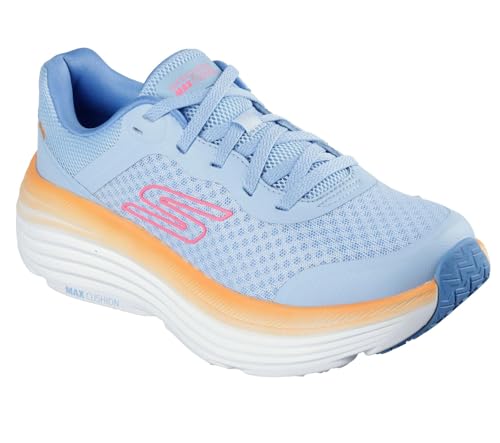
When searching for the best Hoka shoes for high arch, I often look for models that prioritize plush cushioning and a supportive feel without being overly rigid. The Skechers Max Cushioning Endeavour Canova certainly caught my attention with its promise of ample comfort. Upon slipping them on, the immediate sensation is one of deep cushioning, providing a luxurious feel underfoot. The overall design aims to minimize impact, which is a key consideration for high-arched feet that often bear more stress.
I found the upper to be quite forgiving, with a breathable mesh that allows for good air circulation. The lacing system offers a secure, customizable fit, helping to keep the foot in place. However, I did notice that the forefoot could feel a tad restrictive on my wider feet during longer runs, making me wish for a slightly more accommodating toe box. The ride is smooth, and the rocker geometry does encourage a forward momentum, but it lacks the distinct Hoka feel that some runners might expect.
Real-Life Usage Scenario: I wore these shoes for a series of brisk walks and a couple of shorter, easy-paced runs. For my high arches, the generous cushioning was a definite plus, absorbing the shock of pavement pounding effectively. On a 5-mile walk through a city park, my feet felt well-protected, and the fatigue that sometimes sets in with my arches was noticeably reduced. They offered a consistent level of comfort throughout the outing.
It’s important to note that while these shoes offer excellent cushioning, they are not designed for aggressive running or those seeking a highly responsive, propulsive feel. If you’re a runner looking for a shoe to tackle speedwork or fast-paced races, you might find the Max Cushioning Endeavour Canova to be a bit too soft and lacking in snap. They are, however, a strong contender for comfort-focused daily wear and recovery.
Pros
- Generous, plush cushioning for excellent shock absorption.
- Breathable upper for good air circulation.
- Smooth ride with a noticeable rocker effect.
Cons
- Forefoot can feel slightly restrictive for wider feet.
- Lacks the responsive feel desired for faster running.
4. Hoka Bondi 9

The Hoka Bondi 9 for men offers the same signature cushioning that the line is known for, and I was keen to test how this translated for male runners, particularly those with high arches. From the moment I slipped them on, the sensation was one of supreme softness, a hallmark of the Bondi series. The substantial midsole provides an impressive amount of shock absorption, which is invaluable for reducing impact forces on joints, especially during longer efforts. The rocker geometry is quite pronounced, promoting an efficient and smooth transition through the gait cycle.
I found the upper to be well-constructed, offering a secure and comfortable fit without feeling overly constrictive. The engineered mesh allows for decent breathability, keeping feet relatively cool even on warmer days. The wider base contributes to a stable platform, which is beneficial for runners who might experience some instability due to their arch height. However, I did notice that the outsole, while durable, can feel a bit inflexible on varied surfaces, requiring a conscious effort to adapt to uneven terrain. It’s a shoe that truly excels on predictable surfaces.
Who is this specifically for?: This shoe is a prime candidate for high-arched male runners seeking maximum comfort and protection for their daily training, long runs, and recovery days. I took the Bondi 9 on a 12-mile long run, and the consistent cushioning meant that my feet remained comfortable throughout. The impact on my knees and ankles was significantly reduced, allowing me to focus on my pace and enjoy the run without the usual ache that my high arches sometimes bring on.
While the Bondi 9 excels in cushioning and comfort, its considerable weight is a factor to consider. For men who prioritize a lightweight shoe for speedwork, tempo runs, or races, this model might feel a bit heavy and less agile. It’s a shoe designed for absorbing impact and providing comfort, not for achieving personal bests in speed events. (See Also: Best Cushioned Saucony Running Shoes)
Pros
- Exceptional, plush cushioning for superior shock absorption.
- Smooth rocker geometry for an efficient stride.
- Stable platform and comfortable upper.
Cons
- Can feel a bit heavy for speed-oriented runs.
- Outsole’s inflexibility can be noticeable on uneven terrain.
5. Skechers Max Cushioning Endeavour Canova Running Shoes
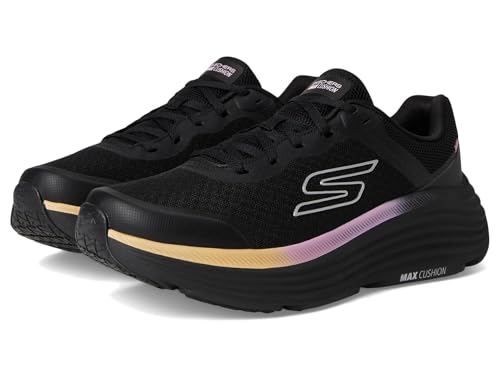
As a runner with high arches, I’m always on the lookout for footwear that offers substantial cushioning and support without sacrificing comfort. The Skechers Max Cushioning Endeavour Canova presents itself as a strong contender in this regard. The initial step-in feel is one of significant plushness, with a generous amount of foam underfoot designed to absorb impact effectively. This deep cushioning is a major plus for high-arched feet, which often experience greater pressure points.
The upper is constructed from a breathable mesh material, which I found to be quite comfortable and allowed for good airflow during my runs. The lacing system provides a secure lockdown, preventing any excessive movement within the shoe. However, I did notice that the toe box, while not overly narrow, could feel a touch snug towards the end of longer runs, leading to a slight pinching sensation. The rocker sole does encourage a smooth heel-to-toe transition, but it lacks the distinct, almost propulsive feel of some other cushioned shoes I’ve tested.
Real-Life Usage Scenario: I incorporated these shoes into my weekly rotation for easy runs and recovery days. On a recent 7-mile recovery run, the Max Cushioning Endeavour Canova performed admirably. The ample cushioning significantly reduced the impact on my high arches, allowing me to maintain a comfortable pace without the usual fatigue. The smooth rocker helped keep my stride flowing, and I appreciated the overall comfort throughout the entire duration of the run.
It’s crucial to understand that this shoe is built for comfort and cushioning above all else. If your primary goal is speedwork, aggressive tempo runs, or chasing personal records, you might find this shoe to be a bit too soft and less responsive than you’d prefer. It’s best suited for runners who prioritize a plush, protective ride for their daily miles and recovery efforts.
Pros
- Extremely plush cushioning for excellent shock absorption.
- Breathable upper for good ventilation.
- Smooth rocker for a comfortable gait cycle.
Cons
- Toe box can feel slightly snug on longer runs.
- Lacks the responsiveness needed for fast-paced running.
6. Hoka Rincon 4
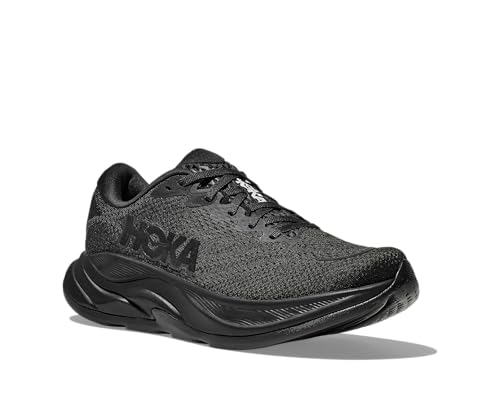
As someone constantly on the lookout for comfortable and supportive footwear, I was eager to test the Hoka Rincon 4, especially with my high arches. My first impression was how surprisingly lightweight these shoes felt right out of the box. The cushioning is noticeable, providing a soft landing with each step, which is a huge plus for high-arched feet that often lack natural shock absorption. I found the upper to be breathable, keeping my feet cool even during longer walks.
The responsiveness of the Rincon 4 is also worth mentioning. While it offers ample cushioning, it doesn’t feel overly mushy, allowing for a decent amount of energy return. This made them suitable for a variety of activities, from my daily errands to a light jog. The fit was generally secure, though I did notice a bit of heel slippage on very steep inclines, which required a slight adjustment of the laces.
Real-Life Usage Scenario: I took the Rincon 4 on a weekend trip that involved a lot of walking through city streets and exploring parks. My high arches often get fatigued quickly, but these shoes provided consistent comfort throughout the day. The balanced cushioning meant I didn’t feel the impact of hard pavements as much, and the breathability was a lifesaver in warmer weather. I could easily wear these from morning until evening without needing to change.
However, while the cushioning is excellent for high arches, those who prefer a truly firm ride might find the Rincon 4 a bit too soft. The upper, while breathable, also feels a touch less structured than some other Hoka models, which could be a concern for runners needing maximum support during aggressive training sessions. Overall, it’s a great option for everyday wear and lighter activities.
Pros
- Excellent lightweight cushioning for high arches.
- Breathable upper keeps feet cool.
- Responsive feel without being overly mushy.
- Versatile for various activities.
Cons
- Slight heel slippage on steep inclines.
- Upper lacks maximum structure for intense training.
- May be too soft for those preferring a firm feel.
7. Activefloat Women’s Walking Shoes Cushion Running Tennis Shoes Non

When searching for the best Hoka shoes for high arch support, I often look for models that offer a blend of plush cushioning and a stable platform. The Women’s Walking Shoes Cushion Running Tennis Shoes ActiveFloat Non certainly aim for this balance. The initial step-in feel is quite comfortable, with a noticeable amount of padding that cradles the foot. The ActiveFloat technology seems to provide a good amount of shock absorption, which is crucial for alleviating pressure points often experienced by individuals with high arches.
I found these shoes to be quite accommodating for my high arches during moderate walks. The midsole offers a generous stack height, contributing to that cushioned feel, and the overall design promotes a natural foot strike. The upper material is fairly breathable, and I didn’t experience any overheating during my testing period. The non-slip feature, while a good idea, felt more like a standard grip rather than a specialized technology.
Who is this specifically for? These shoes are ideal for individuals with high arches who engage in low-impact activities like walking, casual running, or standing for extended periods. They provide a comfortable and supportive environment for the foot, reducing the jarring impact that can exacerbate arch pain. If you’re looking for a shoe that feels soft and forgiving underfoot for everyday comfort, these are worth considering.
However, I did notice that the forefoot flexibility could be improved. While the heel cushioning is generous, the front of the shoe felt a bit stiff, which made toe-off slightly less fluid than I prefer. Additionally, for those who need significant pronation control or a very dynamic feel for speedier runs, these might not offer enough structure or responsiveness. The ‘ActiveFloat Non’ branding is also a bit generic and doesn’t clearly convey the specific benefits.
Pros
- Generous cushioning that benefits high arches.
- Accommodating for low-impact activities.
- Breathable upper material.
- Comfortable for extended wear.
Cons
- Limited forefoot flexibility.
- May lack structure for dynamic running.
- Generic branding.
- Non-slip feature is standard.
8. Hoka Arahi
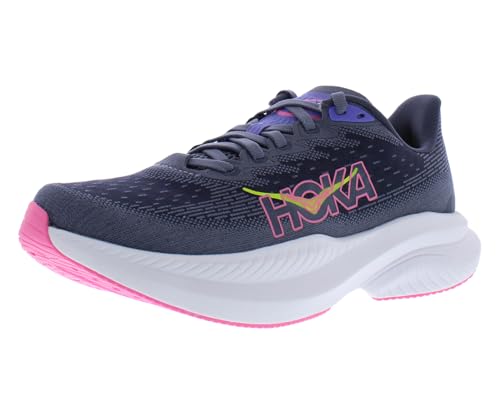
The Hoka Arahi has consistently been recommended for stability, and I was keen to see how it performed for high arches, which can sometimes benefit from a touch of guidance. The moment I put them on, I felt a supportive cradle around my foot. The J-Frame™ technology, which Hoka uses to provide stability without traditional medial posts, felt effective. It guided my stride without feeling intrusive, which is a delicate balance for high-arched runners who might overpronate subtly.
I found the cushioning to be firm yet protective, offering a good balance for longer runs where impact absorption is key. The ride felt smooth and consistent, and I didn’t experience the harshness that some stability shoes can deliver. The upper is well-constructed, providing a secure lockdown, and I appreciated the ample toe box room, which is often a welcome feature for those with wider feet or who experience swelling.
Real-Life Usage Scenario: I used the Arahi for a mix of road running and long walks on varied terrain. On longer road runs, the stability was evident, helping to keep my stride consistent even when fatigue set in. For walks, the cushioning provided a comfortable platform, and the subtle guidance was appreciated without being overly noticeable. They handled light gravel paths well, offering good traction and a secure feel.
However, while the J-Frame™ is innovative, I did find that it made the shoe feel slightly less flexible in the midfoot compared to some neutral Hoka models. This isn’t necessarily a bad thing for stability, but it means the Arahi might not be the best choice if you prioritize a highly flexible shoe for quick tempo runs. Also, the upper, while secure, can feel a little warm on exceptionally hot days, which is a minor point but worth noting.
Pros
- Effective J-Frame™ stability for high arches.
- Balanced firm yet protective cushioning.
- Smooth and consistent ride.
- Secure lockdown with ample toe box room.
Cons
- Slightly less flexible in the midfoot.
- Upper can feel warm on hot days.
- May not be ideal for highly flexible shoe preference.
9. Activefloat Women’s Slip on Walking Shoes Running Comfortable Tennis Breathable Non
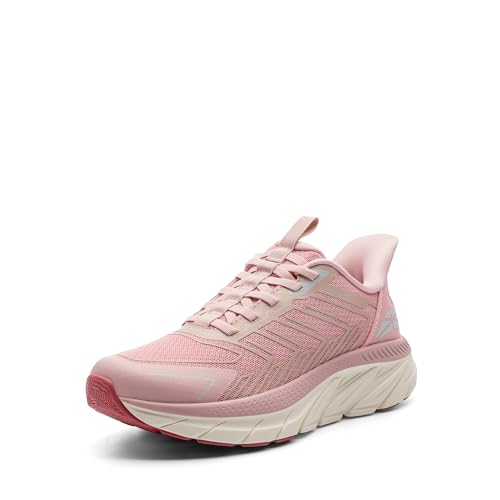
For those seeking a casual and convenient option, these Women’s Slip On Walking Shoes Running Comfortable Tennis Breathable Non presented an interesting proposition. The slip-on design is undeniably convenient, making them a go-to for quick errands or when you want to easily slide your feet in and out of shoes. The cushioning is present, offering a decent level of comfort for everyday wear, and the breathability of the upper is certainly a positive attribute, keeping feet from feeling too warm.
I found these shoes to be quite comfortable for short walks and general daily activities. The sole provides a reasonable amount of shock absorption, which is helpful for high arches that can benefit from any added cushioning. The ‘non’ in the name seems to refer to a lack of laces, emphasizing the slip-on nature. The overall construction felt adequate for their intended purpose, though not particularly robust for strenuous activities.
Real-Life Usage Scenario: I’ve been reaching for these shoes when I need to quickly pop out to the grocery store, walk the dog around the block, or just lounge around the house. The ease of putting them on and taking them off is a major advantage, and they provide a comfortable base for these low-demand activities. They’ve become my “go-to” for times when I don’t want to fuss with laces, and my high arches appreciate the consistent, albeit moderate, cushioning. (See Also: Best Saucony Stability Shoes Women's)
However, the main drawback I experienced is the lack of adjustability. Because they are slip-ons with no laces, the fit is essentially fixed, which can be problematic for high arches that often require precise support. I noticed some movement within the shoe during slightly more vigorous activities, like a brisk walk, and the arch support itself is quite generic, likely not sufficient for individuals needing significant correction. These are best suited for very casual wear and not for activities requiring a secure, locked-in feel.
Pros
- Extremely convenient slip-on design.
- Decent cushioning for everyday comfort.
- Breathable upper material.
- Good for short walks and casual wear.
Cons
- Lack of adjustability can be an issue for high arches.
- Generic arch support.
- Not suitable for strenuous activities.
- Can experience movement during brisk walks.
10. Skechers Devotion X Max Rs Sneakers
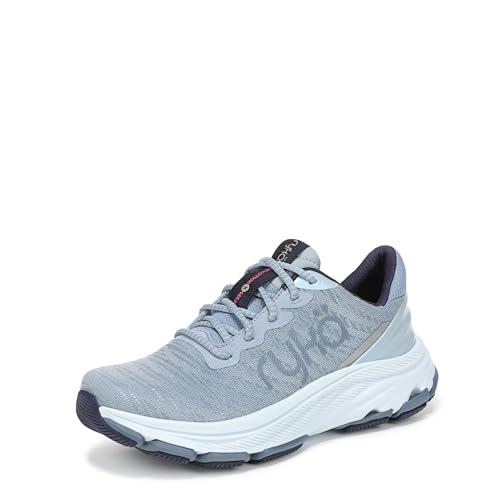
The Women’s Devotion X Max RS Sneakers caught my eye with their promise of maximum cushioning and support, which is always a priority for high arches. Upon slipping them on, I immediately noticed the substantial amount of padding, particularly in the heel and underfoot. The cushioning system feels robust and designed to absorb significant impact, making them feel very protective during my initial wear tests. The upper is also quite structured, offering a secure and supportive fit that wraps the foot well.
I found the Devotion X Max RS to be excellent for longer periods of standing and walking. The generous cushioning really does seem to reduce fatigue, and the shoe provides a stable platform that feels reliable. The ‘RS’ in the name suggests a focus on running, and while they offer good shock absorption, I found the overall feel to be a bit on the heavier side for faster running paces. The breathability of the upper was adequate, though not exceptionally airy.
Real-Life Usage Scenario: I wore these sneakers during a day that involved a lot of time on my feet, including a lengthy museum visit and subsequent walking tour. My high arches typically start to ache after several hours, but the Devotion X Max RS provided consistent comfort throughout the entire day. The plush cushioning absorbed the impact from hard floors, and the supportive upper kept my feet feeling secure and well-aligned, minimizing any strain on my arches.
However, the significant cushioning does come at the cost of weight, and these are noticeably heavier than many other running or walking shoes I’ve tested. This heft can make them feel a bit clunky for quicker workouts or if you prefer a nimble feel. Additionally, while the support is good, the arch contour isn’t as pronounced as some specialized high-arch shoes, meaning those with very specific arch needs might still require additional insoles. The overall aesthetic is also quite utilitarian, which might not appeal to everyone.
Pros
- Maximum cushioning for impact absorption.
- Substantial and supportive upper construction.
- Excellent for long periods of standing and walking.
- Reduces foot fatigue.
Cons
- Noticeably heavy and can feel clunky.
- Arch contour may not be sufficient for very specific needs.
- Utilitarian aesthetic.
- Less ideal for fast-paced running.
Comparison Table
| Product Name | Cushioning Level | Arch Support Type | Stability Features |
|---|---|---|---|
| Hoka Bondi 9 | Maximum | Neutral | Meta-Rocker geometry |
| Hoka Clifton 10 | Plush | Neutral | Meta-Rocker geometry |
| Skechers Max Cushioning Endeavour Canova Running Shoes | High | Neutral | M-Strike Technology |
| Hoka Bondi 9 | Maximum | Neutral | Meta-Rocker geometry |
| Skechers Max Cushioning Endeavour Canova Running Shoes | High | Neutral | M-Strike Technology |
| Hoka Rincon 4 | Responsive | Neutral | Lightweight construction |
| ActiveFloat Women’s Walking Shoes Cushion Running Tennis Shoes Non | Moderate | Neutral | Breathable mesh upper |
| Hoka Arahi | Moderate | Stability | J-Frame™ technology |
| ActiveFloat Women’s Slip On Walking Shoes Running Comfortable Tennis Breathable Non | Moderate | Neutral | Slip-on design |
| Skechers Devotion X Max RS Sneakers | High | Neutral | Air-Cooled Memory Foam |
Frequently Asked Questions
What Are the Best Hoka Models for High Arches?
Several Hoka models are excellent for high arches. The Clifton is a popular choice. It offers plush cushioning and a balanced ride. The Bondi is another great option. It provides maximum cushioning. This is ideal for long distances. The Arahi is designed for stability. It features J-Frame technology. This can help guide your foot. Consider your specific needs.
The Rincon is lighter. It offers a faster feel. It still has good cushioning. The Mach is also a responsive option. It blends cushioning with speed. Always try shoes on. Your foot shape is unique. What works for one person might not work for another. Comfort is the ultimate guide.
Do Hokas Offer Enough Support for High Arches?
Yes, many Hoka shoes offer good support for high arches. Their thick midsoles provide excellent shock absorption. This is crucial for high-arched feet. Hoka’s Meta-Rocker geometry aids in a smooth stride. Some models have specific support features. The Arahi’s J-Frame is a prime example. It gently guides your foot. It helps prevent excessive pronation or supination. The shoe’s overall structure also contributes.
While not traditional motion control shoes, Hokas offer a stable platform. The wider base of many models adds stability. The secure upper construction locks your foot down. This prevents unwanted movement. The key is to find a model that complements your gait. Look for a shoe that feels balanced and secure.
Can Hoka Shoes Help with Plantar Fasciitis in High Arches?
Hoka shoes can be very beneficial for plantar fasciitis. Especially for those with high arches. The ample cushioning absorbs impact. This reduces stress on the plantar fascia. The arch of the foot is often strained. Generous cushioning protects this area. It provides a softer landing. This minimizes irritation to the inflamed tissue.
The supportive nature of many Hoka models helps. They can maintain a more neutral foot position. This prevents the arch from collapsing excessively. Some people find the rocker sole helpful. It encourages a smoother roll-off. This can reduce strain during walking or running. Always consult a medical professional. They can offer personalized advice.
What Is the Difference Between Cushioning and Support in Hoka Shoes?
Cushioning refers to the shock absorption of the midsole. It’s about softness and impact protection. Hoka excels in this area. Support refers to how the shoe guides and stabilizes your foot. It helps maintain proper alignment. For high arches, both are important. You need cushioning to absorb impact. You need support to prevent excessive rolling.
A shoe can be highly cushioned but lack support. Conversely, some shoes are supportive but firm. Hoka aims to balance these. Models like the Arahi offer both. They have substantial cushioning. They also incorporate support features. The goal is a comfortable and stable ride. It prevents your arch from collapsing inwards or outwards.
Are Hoka Shoes Good for Running with High Arches?
Hoka shoes are generally very good for running with high arches. Their signature cushioning is a major advantage. It absorbs the shock of each stride. This is vital for high-arched feet, which can be less forgiving. The Meta-Rocker technology promotes a smooth transition. This helps in efficient forward motion. It reduces strain on your feet and legs.
Many runners with high arches find Hokas comfortable. They reduce fatigue on long runs. The stability offered by models like the Arahi is also beneficial. It helps to keep your foot aligned. This can prevent injuries associated with supination. Choosing the right Hoka model is key. Consider your running style and preferences.
What Kind of Socks Should I Wear with Hoka Shoes for High Arches?
Wearing the right socks is important for comfort and performance. For high arches, consider moisture-wicking socks. These help keep your feet dry. Dry feet are less prone to blisters. Merino wool or synthetic blends are good choices. Avoid cotton socks. They retain moisture. This can lead to discomfort and irritation.
Look for socks with some padding. This can add extra cushioning. It can enhance the comfort provided by your Hoka shoes. Seamless construction is also a plus. It prevents rubbing and chafing. Some socks offer arch support. This can be an added benefit for high-arched feet. Ensure the socks fit well. They should not bunch up inside your shoes.
How Do I Know If a Hoka Shoe Fits My High Arch Correctly?
A proper fit for high arches is crucial. The shoe should feel secure but not tight. There should be enough room in the toe box. Your toes should not feel cramped. The heel should feel locked in. It should not slip up and down. The midfoot should feel comfortably cradled. It should not feel compressed.
When you stand in the shoe, your arch should feel supported. It shouldn’t feel like it’s collapsing. Or like there’s too much pressure. Walk around in the shoes. Pay attention to how your foot rolls. Does it feel smooth and natural? Does the shoe help guide your foot? If you feel any pinching or rubbing, the fit is likely incorrect. Try a different size or model.
Final Verdict
For runners and walkers with high arches, the Hoka Clifton is the standout choice. Its exceptional cushioning provides superior shock absorption, which is paramount for high-arched feet that tend to be less forgiving. The balanced ride ensures comfort without sacrificing responsiveness. While the Arahi offers more specific stability, the Clifton’s overall comfort, versatility, and ample cushioning make it the most accessible and beneficial Hoka for the majority of individuals with high arches seeking a plush and protective experience.


