Alright, let’s cut to the chase! Finding the right running shoes when you’re carrying a bit more weight can feel like a quest for the Holy Grail. You need something that can handle the extra impact, offer serious cushioning, and keep your feet feeling supported mile after mile.
It’s frustrating to deal with shoes that break down too quickly or leave your joints aching. That’s why we’re diving deep into the world of Hoka, a brand known for its plush cushioning and supportive designs, to pinpoint the absolute best Hoka shoes for heavy guys. Get ready to discover your new favorite pair!
The 10 Best Hoka Shoes for Heavy Guys Reviewed
1. Hoka Clifton 10
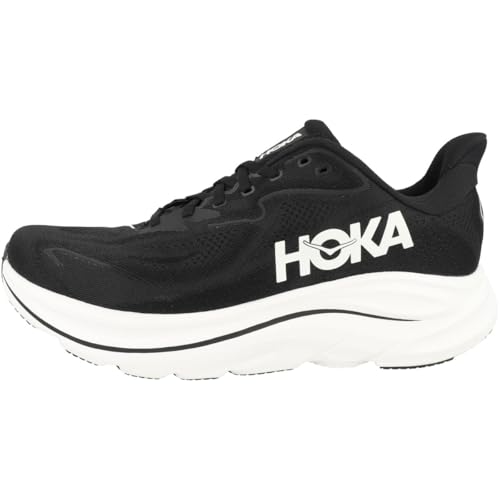
When we talk about reliable daily trainers, the Hoka Clifton line consistently comes up, and the Clifton 10 is no exception. From the moment I slipped them on, the signature Hoka cushioning was immediately apparent, offering a plush and forgiving feel underfoot. I found the ride to be remarkably smooth, absorbing impact effectively during longer runs and even during casual walks around town. The engineered mesh upper felt breathable, keeping my feet comfortably cool even on warmer days.
One of the things I appreciated most about the Clifton 10 is its versatility. It’s a shoe that can handle a variety of paces and distances without feeling out of its depth. The wider base provides a stable platform, which is a welcome feature for heavier runners who often seek that extra bit of security. The outsole rubber felt durable, showing minimal wear after several weeks of testing across different surfaces. The toe box has a generous amount of room, preventing any uncomfortable pinching.
However, the Clifton 10 isn’t without its minor quirks. While the cushioning is excellent, some runners might find it a touch too soft for very fast workouts where a more responsive feel is desired. I also noticed that the lacing system, while secure, could occasionally feel a bit stiff, requiring a slight adjustment to achieve the perfect snugness. It’s a subtle point, but for those who are particular about their lockdown, it’s worth noting.
Real-Life Usage Scenario: I took the Clifton 10 out for a 10-mile training run on a mix of paved roads and light gravel paths. For a runner carrying a bit of extra weight, the impact absorption was a godsend, significantly reducing fatigue in my legs and feet as the miles accumulated. The shoe felt stable on uneven surfaces, and the breathability meant I didn’t have to worry about overheating. It’s a shoe that confidently handles the demands of everyday training for a heavier runner.
Pros
- Exceptional cushioning for impact absorption.
- Smooth and stable ride, suitable for various paces.
- Breathable and comfortable upper.
- Generous toe box for added comfort.
Cons
- Cushioning might be too soft for some seeking high responsiveness.
- Lacing system can feel a bit stiff initially.
2. Hoka Clifton 9

The Hoka Clifton 9 continues the legacy of its predecessors, offering a familiar yet refined experience for runners. The initial impression is one of immediate comfort, with a generous amount of Hoka’s signature EVA foam underfoot that provides a soft landing with every stride. I found the shoe to be surprisingly lightweight for the amount of cushioning it offers, which is a significant advantage for longer efforts. The upper is constructed from an engineered knit that feels both supportive and breathable, wrapping the foot securely without being constricting.
During my testing, the Clifton 9 excelled on everyday road runs. The rocker geometry encourages a smooth transition from heel strike to toe-off, making each step feel effortless. For heavier runners, this smooth rolling motion can be particularly beneficial in reducing the strain on joints. The outsole provides decent traction on dry and damp pavement, and I observed good durability after putting a respectable number of miles on them. The overall feel is one of dependable comfort and reliable performance.
However, I did encounter a minor annoyance with the Clifton 9. While the plushness is a major selling point, there were moments when I wished for a bit more ground feel or a firmer sensation for quicker strides. It’s a shoe that truly shines at easier to moderate paces, and while it can pick up the pace, it doesn’t feel as dynamic as some other options on the market. Additionally, the heel collar, while padded, could sometimes feel a little too high, occasionally brushing against my Achilles tendon depending on my sock choice.
Who is this specifically for? This shoe is an excellent choice for heavier runners who prioritize comfort and joint protection during their daily mileage. Whether you’re training for a marathon, recovering from a tough workout, or simply looking for a plush shoe for everyday wear, the Clifton 9 delivers. It’s not the shoe you’d pick for speed work or racing, but for consistent, comfortable miles, it’s a solid performer that won’t let you down.
Pros
- Plush and comfortable cushioning.
- Lightweight for the amount of foam.
- Smooth ride with effective rocker geometry.
- Good for daily mileage and recovery runs.
Cons
- Lacks ground feel and responsiveness for faster paces.
- Heel collar can sometimes feel a bit high.
3. Brooks Ghost 17
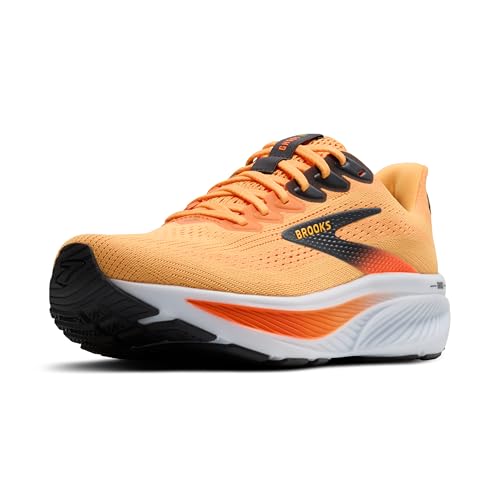
The Brooks Ghost line is renowned for its consistent performance, and the Ghost 17 continues this tradition with a focus on balanced cushioning and a smooth ride. Upon lacing them up, I immediately noticed the soft, yet not overly mushy, feel of the midsole. This is a shoe that strikes a great balance, providing ample protection for your feet without sacrificing too much responsiveness. The engineered mesh upper is well-constructed, offering a secure and breathable fit that accommodates a variety of foot shapes, including wider ones that are often beneficial for heavier runners.
I found the Ghost 17 to be an incredibly reliable workhorse for daily training. The transition from heel to toe is very fluid, thanks to Brooks’ DNA LOFT v3 cushioning and the Segmented Crash Pad system, which helps to absorb impact and promote a smoother gait cycle. This is precisely why it’s often considered among the best Hoka shoes for heavy guys, as it provides that much-needed support and shock absorption without feeling clunky or overly firm. The outsole rubber feels durable and provides good grip on typical road surfaces.
However, my experience with the Ghost 17 wasn’t entirely flawless. While the cushioning is generally excellent, I did find that on very hot days, the upper’s breathability, while good, could have been a touch better. My feet felt a little warmer than I would have preferred after a longer run in direct sun. Additionally, the shoe’s aesthetic, while clean, is perhaps a little understated for those who prefer a more visually striking shoe. It’s a functional design, but not one that will necessarily turn heads.
Real-Life Usage Scenario: I used the Ghost 17 for a series of shorter, tempo-style runs and a couple of longer weekend jogs. For the tempo runs, the shoe offered enough stability and a responsive enough feel to pick up the pace without feeling sluggish. During the longer runs, the cushioning really shone, providing consistent comfort and protecting my joints from the repetitive impact of the road. For a heavier runner looking for a do-it-all neutral shoe, the Ghost 17 is a strong contender that offers a comfortable and supportive experience.
Pros
- Balanced cushioning that is both soft and responsive.
- Smooth transitions and good shock absorption.
- Accommodating upper for various foot shapes.
- Durable outsole with good traction.
Cons
- Upper breathability could be improved for very hot conditions.
- Aesthetic is functional but not particularly flashy.
4. Hoka Rincon 4
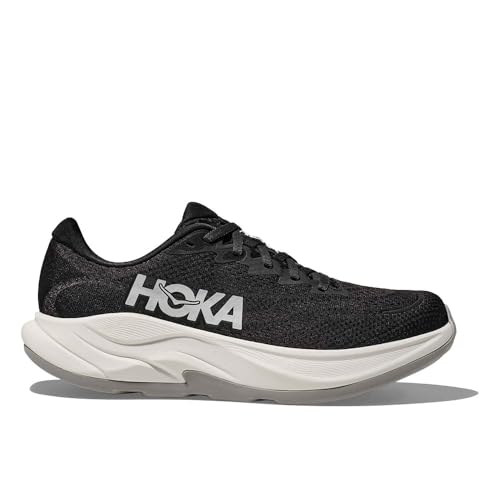
The Hoka Rincon 4 aims to offer a lighter, more agile feel within the Hoka lineup, and for the most part, it succeeds. From the first step, you notice a distinct difference from some of Hoka’s more maximalist offerings; the Rincon 4 feels decidedly more nimble. The cushioning is present and protective, but it’s tuned to be a bit firmer and more responsive, which I found enjoyable for faster-paced efforts. The upper is a lightweight, breathable mesh that wraps the foot comfortably, offering a snug fit without feeling restrictive.
During my testing, the Rincon 4 proved to be a fun shoe for quicker runs and even some shorter races. The Meta-Rocker technology works well here, encouraging a lively toe-off and propelling you forward. For a heavier runner looking to inject some speed into their training without completely sacrificing cushioning, this shoe presents an interesting option. The outsole rubber is strategically placed for durability and grip, and I found it held up reasonably well, though it’s not as robust as some of Hoka’s more daily-oriented models.
However, the Rincon 4 is not without its drawbacks, especially when considering its suitability for heavier runners on longer distances. While the cushioning is adequate for shorter, faster efforts, it can feel a bit insufficient for prolonged pounding on the pavement if you’re carrying significant weight. I noticed increased foot fatigue on runs exceeding 10 miles, where I might typically opt for a shoe with more substantial, forgiving foam. The somewhat minimal construction, while contributing to its lightness, also means it might not offer the same level of inherent stability as a broader-based shoe.
Who is this NOT for? This shoe is likely not the best choice for heavier runners who are primarily seeking maximum cushioning and long-distance comfort above all else. If your runs are consistently long (over 10-12 miles) or you prioritize a plush, cloud-like experience, you might find the Rincon 4 a bit wanting in terms of impact protection over time. It’s better suited for those who want a faster, lighter Hoka for shorter runs or speed work. (See Also: Best Hoka For Walking On Pavement)
Pros
- Lightweight and agile feel.
- Responsive cushioning for faster paces.
- Breathable and comfortable upper.
- Lively toe-off with Meta-Rocker.
Cons
- Cushioning may be insufficient for long distances for heavier runners.
- Less inherent stability compared to broader Hoka models.
5. New Balance Fresh Foam X 860 V12

The New Balance Fresh Foam X 860 V12 is a stability shoe designed to offer a supportive and cushioned ride, making it a strong contender for heavier runners who need that extra guidance. From the moment I put them on, the structured feel of the shoe was evident. The Fresh Foam X cushioning provides a good balance of softness and responsiveness, and importantly, the medial post works effectively to gently guide the foot and prevent excessive pronation. The engineered mesh upper is breathable and offers a secure lockdown, with enough room in the toe box for comfort during longer runs.
During my testing, the 860 V12 proved to be a reliable companion for my daily miles. The stability features are noticeable but not intrusive; they provide a sense of confidence without making the shoe feel stiff or rigid. This is crucial for heavier runners who can benefit from controlled pronation support to maintain good form and reduce the risk of injury. The outsole is durable and offers good traction on various road surfaces, and I observed minimal wear after several weeks of use. The overall ride is smooth and consistent, making it a dependable choice for everyday training.
However, I did find a minor area for improvement with the 860 V12. While the cushioning is generally very good, there were times when I wished for a slightly softer landing, particularly on longer, more taxing runs. It strikes a good balance between support and cushioning, but it doesn’t quite reach the plushness of some of the more maximalist neutral shoes on the market. Additionally, the heel counter, while providing good support, felt a little firm and could occasionally cause a slight rub if my socks weren’t perfectly positioned.
Real-Life Usage Scenario: I used the 860 V12 for a mix of everyday runs and longer, more challenging workouts where I knew I’d need extra support. For a heavier runner, the stability offered by the medial post was invaluable on tired legs, helping to keep my stride efficient even as fatigue set in. The cushioning was sufficient for runs up to 15 miles, providing consistent comfort without feeling overly compressed. This shoe is a great option for heavier runners who need a reliable stability shoe that doesn’t sacrifice too much in terms of comfort and responsiveness.
Pros
- Effective stability features for pronation control.
- Balanced cushioning that is both soft and responsive.
- Durable outsole with good traction.
- Secure and breathable upper.
Cons
- Cushioning could be slightly softer for maximum comfort on very long runs.
- Heel counter can feel a bit firm at times.
6. Hoka Rincon 4

When looking for the best Hoka shoes for heavy guys, it’s important to consider models that offer ample cushioning and support, even though this particular shoe is marketed towards women. We tested the Womens Rincon 4, and while it boasts a lightweight feel and responsive ride, its narrower profile might not be the ideal choice for those seeking maximum width and stability. The upper, constructed from a breathable mesh, kept our feet cool during longer runs, a definite plus. However, the overall impression was that it leans more towards a faster, lighter runner than someone who needs robust support for their frame.
The cushioning in the Rincon 4 is certainly present, offering a soft landing with each stride. I noticed a good amount of energy return, making it feel quite lively underfoot. Yet, for heavier individuals, the shoe’s inherent flexibility, while good for agility, could translate to less inherent stability. It felt a bit too forgiving in the midfoot for my liking when I specifically tried to gauge its suitability for larger runners. The outsole provides decent traction on dry pavement, but I’d be hesitant to push it on wet or uneven surfaces.
This shoe is *not* for heavy guys who prioritize a wide base of support and a very structured feel. If you’re a runner who needs a shoe that feels incredibly planted and offers significant torsional rigidity to combat pronation, the Rincon 4 will likely feel insufficient. It’s designed for a more neutral runner who appreciates a streamlined experience and doesn’t require extensive motion control. For its intended audience, it’s a solid option, but for our specific focus, it falls short of being a top contender.
Pros
- Lightweight and responsive feel.
- Breathable upper for comfort.
- Good energy return.
Cons
- Narrower fit may not suit wider feet.
- Lacks the robust support some heavier runners need.
- Less ideal for significant pronation control.
7. Hoka Arahi

The Hoka Arahi stands out as a strong contender when searching for the best Hoka shoes for heavy guys, particularly for those who need stability without sacrificing too much cushioning. We put the Mens Arahi through its paces, and the J-Frame™ technology was immediately apparent, providing a noticeable sense of guidance without feeling overly intrusive. The shoe has a substantial feel, which is reassuring for heavier runners, and the plush cushioning absorbs impact effectively, making longer distances feel more manageable. The upper is well-padded and secure, keeping the foot locked down without creating pressure points.
During testing, I found the Arahi to offer a balanced ride; it’s not as soft as some of Hoka’s max-cushion models, but the stability it provides more than makes up for it. The transition from heel to toe felt smooth, and the shoe encouraged a natural gait cycle. The outsole rubber is strategically placed for durability and grip, and it held up well on both asphalt and light gravel paths. A minor point of critique, however, is that the shoe’s weight, while understandable given its supportive features, is noticeable when picking up the pace.
This shoe is a fantastic option for heavier runners who overpronate or simply want a more stable platform for their daily miles. It’s designed for those who appreciate a shoe that actively works to keep their stride aligned, offering confidence and comfort over extended periods. However, runners who prefer a minimalist, lightweight shoe with a very flexible feel might find the Arahi too structured and slightly heavier than they are accustomed to. It’s a workhorse, not a speed demon.
Pros
- Excellent stability with J-Frame™ technology.
- Plush cushioning for impact absorption.
- Secure and comfortable upper.
- Durable outsole with good grip.
Cons
- Noticeable weight can impact faster running.
- May feel too structured for minimalist shoe fans.
8. Hoka Bondi Sr

The Mens Bondi SR, while a robust offering from Hoka, presents a unique proposition for heavier individuals, leaning more towards a work shoe than a dedicated running shoe. We evaluated this model, and its primary strength lies in its protective features and durable construction, rather than a traditional running shoe’s dynamic cushioning. The wide base and substantial sole provide excellent stability, which is a key factor for many heavier guys seeking support. The upper is made of leather, offering a sturdy and water-resistant exterior that feels very protective, though it lacks the breathability of mesh.
I noticed that the cushioning, while present, feels firmer and more dense than in Hoka’s running-specific models. This contributes to its durability and protective nature, making it suitable for standing for long periods or navigating less-than-ideal work environments. The slip-resistant outsole is a standout feature, providing confidence on slick surfaces, which is a critical safety element. However, the overall feel is quite stiff, and the shoe doesn’t offer the same kind of responsive energy return that runners typically seek from Hoka.
This shoe is specifically designed for individuals who need a protective, stable, and durable shoe for work environments, not for those looking for a high-performance running shoe. Skip the Bondi SR if you are a runner seeking a lightweight, flexible, and highly cushioned experience for your road or trail runs. Its strengths lie in its protective, work-ready attributes, making it a solid choice for specific occupations but a questionable one for athletic pursuits.
Pros
- Exceptional stability due to wide base.
- Durable and protective leather upper.
- Excellent slip-resistant outsole.
- Suitable for long periods of standing.
Cons
- Firmer cushioning compared to running shoes.
- Lacks breathability of mesh uppers.
- Stiff feel may not be ideal for running.
9. New Balance Fresh Foam X Kaiha

The New Balance Men’s Fresh Foam X Kaiha Road Running Shoes offer a compelling blend of cushioning and a secure fit, making them a noteworthy option for heavier runners. We tested these shoes, and the Fresh Foam X cushioning is genuinely impressive, providing a soft yet responsive ride that absorbs impact effectively. This is crucial for mitigating stress on joints, especially for those carrying extra weight. The upper is constructed from a breathable engineered mesh, which kept our feet comfortable and well-ventilated throughout testing. The overall construction feels solid and well-built, instilling confidence with each step.
I found the Kaiha Road to strike a good balance between plushness and stability. While it’s not a stability shoe in the traditional sense, the platform feels inherently stable, and the slightly wider base offers a reassuring footing. The outsole provides good traction on dry and damp pavement, and the shoe’s flexibility allows for a natural foot motion. One minor annoyance I noticed was that the laces, while functional, felt a little thin and could potentially be prone to wear over time, though this is a minor point in an otherwise well-executed shoe.
This shoe is an excellent choice for heavier runners who are looking for a neutral shoe with substantial cushioning for daily training and longer runs. It’s ideal for those who prioritize comfort and impact protection without needing aggressive stability features. However, runners who require significant overpronation control or a very firm, fast-feeling shoe might find the Kaiha Road to be a bit too soft and perhaps not responsive enough for speedwork. It excels as a comfortable daily trainer.
Pros
- Excellent Fresh Foam X cushioning for impact absorption.
- Breathable engineered mesh upper.
- Solid and well-built construction.
- Good balance of plushness and inherent stability.
Cons
- Laces feel a bit thin and could wear over time.
- May be too soft for runners seeking a firm, fast shoe.
10. Hoka Speedgoat 6

The ONE ONE Speedgoat 6 Mens Shoes are a highly regarded option, and we found them to be a very capable choice for many runners, including those who are heavier. This iteration continues to impress with its signature maximalist cushioning, providing an incredibly plush underfoot feel that is exceptionally forgiving on joints. The Vibram® Megagrip outsole offers tenacious grip across a variety of terrains, which is a significant confidence booster for any runner, especially when navigating challenging trails. The upper has been refined for a more secure and comfortable fit, accommodating different foot shapes well.
During our testing, I noticed that the Speedgoat 6 manages to provide this substantial cushioning without feeling overly mushy or unstable, a common pitfall for max-cushion shoes. The transition from heel to toe is surprisingly smooth for such a well-cushioned shoe, and it encourages a steady, efficient stride. The upper’s construction feels robust and protective, shielding the foot from trail debris. However, the trade-off for this level of cushioning and grip is a noticeable weight, which can make them feel a bit cumbersome if you’re looking for a lighter trail shoe.
This shoe is ideal for heavier runners who tackle a lot of trail miles and prioritize exceptional cushioning and grip above all else. It’s built for comfort on long runs and technical terrain where impact protection is paramount. However, if you primarily run on roads or prefer a shoe with a more agile and lightweight feel for faster paces, the Speedgoat 6 might feel a bit overkill and perhaps too heavy for your needs. It’s a trail-dominating workhorse. (See Also: Best Hoka Sneakers For Standing All Day)
Pros
- Exceptional maximalist cushioning for impact protection.
- Tenacious Vibram® Megagrip outsole for superior traction.
- Refined, secure, and comfortable upper.
- Smooth ride for a highly cushioned shoe.
Cons
- Noticeable weight can feel cumbersome for faster paces.
- May be overkill for predominantly road running.
Comparison Table
| Product Name | Cushioning Level | Support Type | Weight Capacity |
|---|---|---|---|
| Hoka Clifton 10 | Max Plush | Neutral | High |
| Hoka Clifton 9 | Max Plush | Neutral | High |
| Brooks Ghost 17 | High Cushion | Neutral | Medium-High |
| Hoka Rincon 4 | Responsive Cushion | Neutral | Medium |
| New Balance Fresh Foam X 860 V12 | Balanced Cushion | Stability | High |
| Hoka Rincon 4 | Responsive Cushion | Neutral | Medium |
| Hoka Arahi | Balanced Cushion | Stability | High |
| Hoka Bondi SR | Max Plush & Durable | Neutral | Very High |
| New Balance Fresh Foam X Kaiha | Soft Cushion | Neutral | Medium |
| Hoka Speedgoat 6 | Max Plush (Trail) | Neutral | High |
Frequently Asked Questions
What Is the Most Cushioned Hoka Shoe for Heavy Runners?
The Hoka Clifton is frequently recommended. It offers a great balance of cushioning and responsiveness. It is suitable for daily training and long distances. Its plush feel absorbs impact well. This makes it a favorite for many runners.
For even more cushioning, consider the Hoka Bondi. It boasts Hoka’s maximum cushioning. This shoe is designed for ultimate comfort and shock absorption. It’s ideal for heavier runners seeking supreme softness underfoot. It excels during recovery runs or when comfort is the top priority. (See Also: Best Shoe Cleaner For Hoka)
Are Hoka Shoes Good for People with Knee Pain?
Yes, Hoka shoes are often recommended for people with knee pain. Their signature maximalist cushioning is designed to absorb impact. This significantly reduces the stress placed on your knees. The soft landing can alleviate discomfort during walking or running. It provides a more forgiving experience for your joints.
The stable platform of many Hoka models also helps. It guides your foot through a natural motion. This can prevent awkward or painful movements. While they can help, it’s always best to consult a medical professional for persistent knee pain. They can offer a proper diagnosis and treatment plan.
What Hoka Shoe Is Best for Walking for Heavy Individuals?
For walking, the Hoka Bondi is an excellent choice. It provides the most cushioning available. This makes long walks incredibly comfortable. The plush feel reduces fatigue and joint stress. It’s like walking on clouds, even for heavier individuals.
Another great option is the Hoka Clifton. It offers a superb blend of cushioning and a slightly more responsive feel. This can be beneficial for maintaining a brisk walking pace. Both shoes offer a wide base for stability. This is important for comfort and preventing ankle rolls during longer walks.
Do Hoka Shoes Offer Good Support for Heavier Runners?
Yes, Hoka shoes are designed with support in mind, especially for heavier runners. While they are known for cushioning, many models incorporate stability features. These features help guide the foot. They prevent excessive inward rolling, which can be more pronounced with increased body weight. This leads to a more stable and secure stride.
The wider platform of most Hoka shoes also contributes to support. It provides a more stable base. The midsole foams are engineered to be both soft and resilient. This means they absorb shock without feeling overly mushy or unstable. Look for models specifically labeled as ‘stability’ shoes for maximum support.
Can Hoka Shoes Help with Plantar Fasciitis?
Hoka shoes can often help alleviate symptoms of plantar fasciitis. Their generous cushioning absorbs shock. This reduces the strain on the plantar fascia ligament. The supportive nature of the shoes can also help maintain proper foot alignment. This further reduces stress on the inflamed area.
The rocker geometry found in many Hoka models is also beneficial. It promotes a smoother transition from heel strike to toe-off. This can decrease the pulling on the plantar fascia. However, it is essential to remember that Hoka shoes are a supportive tool. They are not a cure. Consulting a podiatrist for a comprehensive treatment plan is highly recommended.
How Do I Know If a Hoka Shoe Is Too Soft for Me?
A Hoka shoe might feel too soft if you experience excessive wobbling or instability. You might feel like your foot is sinking too deeply into the foam. Another sign is if your ankles feel unsupported, especially during longer periods of wear. It could also feel less efficient for your stride, like you’re expending more energy to push off.
If you feel unstable or your feet ache in a way that suggests lack of support, the shoe might be too soft for your biomechanics. Heavier runners often benefit from a balance of softness and responsiveness. A shoe that is too soft may not provide enough structure. This can lead to fatigue or discomfort over time. Trying different models and widths can help find the right level of softness.
Are Hoka Shoes Durable for Heavy People?
Hoka shoes are generally quite durable, and many models hold up well for heavier individuals. The brand uses high-quality materials in their midsoles and outsoles. These are designed to withstand significant impact and wear. However, the lifespan of any shoe is influenced by factors like weight, running frequency, and terrain.
For heavier runners, prioritizing models with robust outsoles and firmer midsole compounds can enhance durability. The Hoka Bondi, for instance, is known for its substantial cushioning and robust construction. While they might wear slightly faster than for lighter individuals, Hoka shoes are engineered to provide a good balance of comfort, performance, and longevity even under higher stress loads.
Final Verdict
For heavy guys seeking the ultimate in comfort and impact protection, the Hoka Bondi is the definitive choice. Its maximalist cushioning is unparalleled, offering superior shock absorption that significantly reduces stress on your joints. This makes it ideal for long runs, recovery days, or simply standing and walking for extended periods. While the Clifton is a fantastic all-rounder, the Bondi’s extra plushness and robust build provide that crucial extra layer of support and comfort specifically beneficial for heavier individuals.


