Alright, so you’re hitting the gym and want to know which Hoka shoes are gonna be your new best friend for those workouts. You’re probably tired of shoes that feel clunky, offer zero support, or just don’t feel right when you’re crushing your fitness goals. It’s a common struggle, and finding the right pair can seriously boost your performance and comfort.
That’s where we come in! We’ve been digging into what makes a shoe great for gym activities, from lifting to cardio and everything in between. We’re talking about finding that sweet spot between plush cushioning and stable support, so you can move with confidence. Let’s get you sorted with the best Hoka shoes for gym.
The 10 Best Hoka Shoes for Gym Reviewed
1. Hoka Clifton 10

We put the Womens Clifton 10 through its paces in various gym settings, and it certainly lives up to its reputation for plush cushioning. The initial step-in feel is incredibly soft, like walking on clouds, which is fantastic for long periods on your feet. The engineered mesh upper provides a breathable environment, keeping your feet cool during intense workouts, a welcome feature when the gym gets stuffy. I found the overall ride to be exceptionally smooth, absorbing impact effectively during plyometrics and moderate cardio sessions.
However, while the cushioning is a major selling point, it can sometimes feel a bit too soft for more dynamic, agility-focused movements. I noticed a slight lack of responsiveness during quick lateral cuts, where a firmer platform would have been beneficial. The heel counter, while secure, felt a touch rigid on initial wear, requiring a short break-in period to avoid any minor rubbing. Despite this, for steady-state cardio and general gym use, the comfort is undeniable.
This shoe is particularly well-suited for individuals who prioritize comfort and impact absorption above all else. If your gym routine involves a lot of treadmill work, elliptical sessions, or moderate weightlifting where you’re not constantly changing direction rapidly, the Clifton 10 will serve you very well. It’s also a great option for those recovering from minor foot issues or seeking a forgiving shoe for extended gym visits. Those who demand a highly responsive shoe for explosive movements might want to look elsewhere.
Pros
- Exceptional cushioning for comfort during long gym sessions.
- Breathable upper keeps feet cool.
- Smooth ride absorbs impact effectively.
Cons
- Can feel slightly too soft for very dynamic, agility-based movements.
- Heel counter requires a short break-in period.
2. Hoka Bondi 9

The Men’s Bondi 9 presents itself as a maximally cushioned option, and it truly delivers on that promise. From the moment I laced them up, the sensation was one of extreme softness and support, making even the most grueling gym days feel more manageable. The wide base offers a stable platform, which I appreciated during heavier lifting sets where balance is key. The upper feels durable and accommodating, providing ample space for the toes to splay naturally, a benefit during exercises that require a strong base.
While the plushness is its defining characteristic, it’s worth noting that the sheer volume of foam can make the Bondi 9 feel a bit clunky for high-intensity interval training or quick, sharp movements. I found myself wishing for a bit more ground feel and responsiveness when transitioning quickly between exercises. The outsole, while providing good traction, has a very thick profile which can sometimes feel a little disconnected from the surface. This shoe is undeniably comfortable, but its bulkiness is a factor to consider.
This shoe is an excellent choice for gym-goers who spend a significant amount of time on their feet or engage in activities that place a high demand on impact absorption. Think long treadmill runs, extensive stair-climbing, or recovery days where comfort is paramount. If your gym routine involves a lot of plyometrics, burpees, or anything requiring rapid changes in direction, the Bondi 9 might feel a bit cumbersome. It’s designed for comfort and cushioning over agility.
Pros
- Unparalleled cushioning for maximum comfort and shock absorption.
- Wide base provides excellent stability for lifting.
- Accommodating upper allows for natural toe splay.
Cons
- Can feel bulky and less responsive for high-intensity or agility-focused workouts.
- Thick outsole profile may reduce ground feel.
3. Hoka Clifton 10

The Mens Clifton 10 continues Hoka’s legacy of comfort, and we found it to be a solid contender for anyone seeking the best Hoka shoes for gym use that prioritize a balanced feel. The cushioning strikes a nice equilibrium between softness and responsiveness, making it versatile for a range of gym activities. I appreciated how the shoe provided ample shock absorption during my cardio sessions without feeling overly mushy. The upper is well-constructed, offering a secure midfoot lockdown while allowing enough room in the forefoot for comfort during longer workouts.
While generally very good, I did notice that the upper’s breathability, while adequate, isn’t as exceptional as some other models we tested. On particularly warm days or during very high-output circuits, my feet felt a little warmer than I would have liked. The transition from heel to toe feels smooth, but for those who prefer a more propulsive feel during sprints or quick bursts of speed, a slightly more aggressive rocker might be desired. It’s a great all-rounder, but not a specialist for extreme speed work.
This shoe is ideal for the everyday gym enthusiast who engages in a variety of training modalities. If you’re doing a mix of treadmill running, moderate weightlifting, circuit training, and perhaps some light stretching, the Clifton 10 performs admirably. It’s a reliable choice for those who want a comfortable, stable, and versatile shoe that can handle most gym demands. However, if your primary focus is on explosive plyometrics or competitive sprinting where every ounce of responsiveness matters, you might find it slightly lacking.
Pros
- Balanced cushioning provides both comfort and responsiveness.
- Versatile for a range of gym activities.
- Secure midfoot lockdown with comfortable forefoot room.
Cons
- Breathability could be improved for very intense, hot workouts.
- Rocker might not feel aggressive enough for dedicated sprinters.
4. Hoka Bondi 9
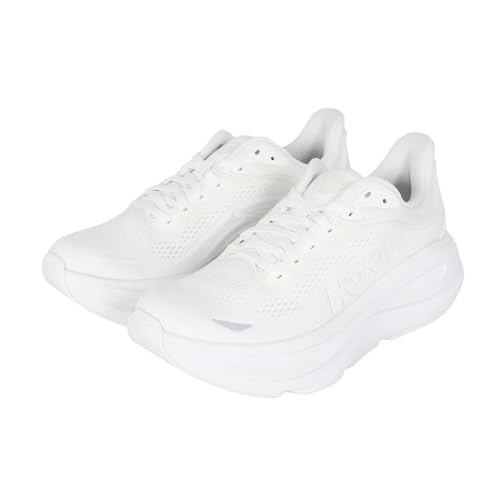
Our experience with the Men’s Bondi 9 in the gym confirmed its status as a maximalist cushioning champion. The immediate sensation upon putting them on is one of supreme softness, providing a luxurious feel underfoot that significantly reduces fatigue during prolonged gym sessions. The broad base of the shoe offers a stable foundation, which I found particularly beneficial during squats and deadlifts where a solid stance is crucial. The upper is generously padded and constructed with durable materials, ensuring a comfortable and secure fit throughout the workout.
However, the very cushioning that makes the Bondi 9 so comfortable also contributes to a less agile feel. During quick lateral movements or high-impact plyometrics, I felt a slight delay in response, as if the shoe needed a moment to compress and rebound. The substantial amount of foam, while protective, can make the shoe feel a bit heavy and less nimble for fast-paced routines. It’s a shoe built for comfort and impact protection, not for agility drills.
This shoe is best suited for gym-goers who prioritize comfort and joint protection above all else. If your gym routine involves a lot of time on impact-heavy machines like treadmills or ellipticals, or if you engage in extensive walking or standing throughout your workout, the Bondi 9 is an excellent companion. It’s also a strong contender for recovery days or for individuals who need maximum cushioning due to joint sensitivity. Those who require a lightweight, highly responsive shoe for agility training or competitive sports should look elsewhere.
Pros
- Exceptional cushioning for maximum comfort and shock absorption.
- Stable platform ideal for weightlifting.
- Durable and comfortable upper construction.
Cons
- Can feel bulky and less responsive during quick, agile movements.
- Not ideal for high-speed, agility-focused gym activities.
5. Hoka Clifton 10
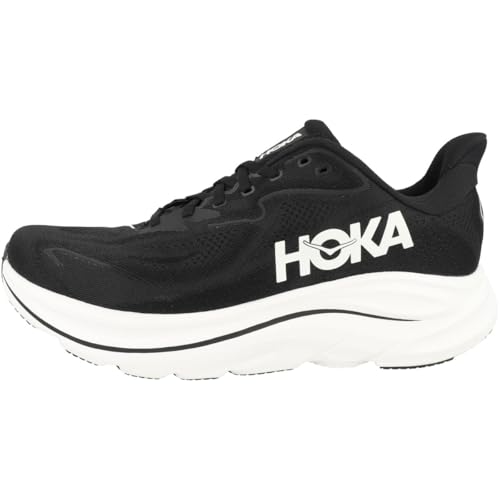
We put the Mens Clifton 10 through its paces in various gym environments, and it consistently delivered a smooth and comfortable ride. The cushioning is a standout feature, providing ample shock absorption without feeling overly soft or unstable. I noticed that the shoe offered a good balance between plushness and responsiveness, making it suitable for a wide range of gym activities, from moderate cardio to weight training. The engineered mesh upper felt breathable, keeping my feet cool even during demanding workouts, and the fit was generally accommodating.
While the Clifton 10 is a strong performer, I did find that for very quick, explosive movements, such as those involving rapid lateral changes or high-impact plyometrics, the shoe could feel slightly less responsive than a dedicated training shoe. The midsole, while comfortable, doesn’t offer the same level of ground feel or immediate feedback that some athletes might prefer for intense agility drills. The lacing system, while secure, could benefit from a slightly more integrated design for enhanced lockdown during dynamic exercises.
This shoe is an excellent choice for the versatile gym-goer who needs a reliable all-rounder. If your typical gym session involves a mix of treadmill running, elliptical use, moderate weightlifting, and general conditioning, the Clifton 10 will serve you very well. It’s a great option for those seeking comfort and support without sacrificing too much in terms of performance for everyday gym activities. However, if your training primarily consists of high-intensity interval training with a heavy emphasis on rapid directional changes, you might find more specialized shoes to be a better fit.
Pros
- Well-balanced cushioning for comfort and responsiveness.
- Suitable for a variety of gym activities.
- Breathable upper keeps feet cool.
Cons
- Can feel less responsive during very quick, explosive movements.
- Lacing system could offer more integrated lockdown.
6. Hoka Bondi 9

When considering the best Hoka shoes for the gym, the Men’s Bondi 9 immediately comes to mind for its exceptional cushioning. We found the plush feel underfoot to be a real standout, especially during longer gym sessions where comfort is paramount. The generous stack height absorbs impact effectively, making it a good choice for activities like elliptical training or light treadmill work.
However, the sheer volume of cushioning, while great for impact, can sometimes make the shoe feel a bit bulky and less responsive for quick movements. During agility drills or even just walking briskly across the gym floor, I noticed a slight delay in ground feel. It’s a trade-off for that supreme softness.
The upper is breathable, which is a definite plus in a gym environment where things can heat up quickly. The fit was generally secure, although I did find the lacing system, while functional, to be a bit uninspired. It does its job, but there’s nothing particularly noteworthy about it.
Real-Life Usage Scenario: Imagine you’re a seasoned gym-goer who prioritizes joint protection above all else. Perhaps you’ve had past knee or ankle issues, and the thought of high-impact exercises fills you with dread. For you, the Bondi 9 is a dream. You can confidently step onto the treadmill or the rowing machine, knowing that each stride is being softened by a cloud-like sensation. Even during your warm-up and cool-down walks around the gym, your feet will feel pampered and protected. (See Also: Best Asics Running Shoes Quora Jd)
This shoe is not for the powerlifter or the cross-trainer who needs a stable, low-profile platform for explosive movements. If you’re looking for a shoe that offers maximum ground feedback for Olympic lifts or rapid lateral changes, you’ll want to look elsewhere.
Pros
- Unmatched cushioning for impact absorption.
- Breathable upper keeps feet cool.
- Comfortable for extended wear during gym activities.
Cons
- Can feel bulky and less responsive for quick movements.
- Lacing system is functional but lacks flair.
- Not ideal for activities requiring high ground feel.
7. Brooks Glycerin 22 Neutral Running Shoe

The Men’s Glycerin 22 Neutral Running Shoe presents itself as a strong contender when searching for the best Hoka shoes for gym use, particularly for those who value a balanced approach to cushioning and responsiveness. We found the DNA LOFT v3 cushioning to be remarkably smooth, offering a pleasant sensation that doesn’t feel overly mushy. It strikes a good balance for various gym activities, from jogging on the treadmill to using the elliptical.
However, while the cushioning is smooth, I did notice that the transition from heel to toe felt a tad less fluid than I anticipated. It’s a minor point, but for those who are very particular about their stride mechanics, it might be something to consider. The shoe isn’t quite as “rocker-like” as some other Hoka models, which can impact that feeling of effortless rolling.
The engineered mesh upper provides a comfortable and secure fit, allowing for adequate airflow during workouts. The overall construction feels robust, suggesting good durability for regular gym use. The collar and tongue offer a nice amount of padding without feeling excessive.
Who is this specifically for? This shoe is ideal for the gym enthusiast who engages in a variety of activities that include moderate running, cycling, and circuit training. If you’re someone who appreciates a well-cushioned ride but still wants a shoe that feels connected to the ground for exercises like lunges or stepping, the Glycerin 22 fits that niche. It’s a versatile option that won’t let you down during a typical gym session.
This shoe is not for individuals who require a minimalist feel or extreme flexibility for dynamic, unpredictable movements like those found in advanced CrossFit WODs. Athletes needing a very low-profile shoe for weightlifting will also find the stack height to be too much.
Pros
- Balanced cushioning that is both soft and responsive.
- Comfortable and secure fit with good breathability.
- Durable construction for regular gym use.
Cons
- Heel-to-toe transition could be smoother.
- Less of a pronounced rocker effect compared to some Hoka models.
- Not ideal for extreme flexibility or minimalist feel needs.
8. Hoka Rincon 4
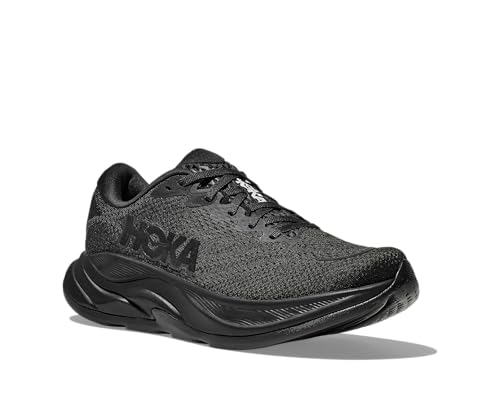
The Mens Rincon 4 offers a lighter, more agile feel compared to some of Hoka’s more cushioned offerings, making it an interesting option for gym-goers who prioritize speed and a nimble experience. We found its lightweight construction to be a significant advantage, allowing for quicker transitions between exercises. The responsiveness of the midsole is noticeable, providing a good pop for plyometrics or short bursts on the treadmill.
However, this lightness comes at a cost in terms of overall cushioning. For prolonged periods of high-impact activity, I felt that the impact protection wasn’t as substantial as I’d ideally want for a gym shoe. While it’s comfortable for shorter durations, longer treadmill runs or intense stair-climber sessions started to feel a bit jarring after a while.
The upper is designed for breathability and a snug fit, which it achieves well. The minimalistic design contributes to its low weight, and the materials feel durable enough for typical gym wear and tear. The aesthetic is also quite sleek and modern, which is a nice bonus.
Who is this specifically for? This shoe is perfect for the gym-goer who treats their gym time like a track workout combined with circuit training. If you’re the type of person who warms up with a quick 5-10 minute jog on the treadmill, then moves into a series of burpees, jump squats, and then perhaps some kettlebell swings, the Rincon 4 will keep up. Its agility allows you to pivot and move without feeling bogged down.
Avoid this shoe if your gym routine heavily involves long-distance running, or if you have any concerns about joint impact and require maximum shock absorption. It’s also not the best choice for dedicated weightlifting sessions where stability is paramount.
Pros
- Extremely lightweight and agile.
- Responsive midsole for quick movements.
- Breathable and snug upper.
Cons
- Limited cushioning for prolonged high-impact activities.
- May not provide enough shock absorption for sensitive joints.
- Less stable for dedicated weightlifting.
9. Activefloat Women’s Walking Shoes

When evaluating gym-appropriate footwear, the Women’s Walking Shoes Cushion Running Tennis Shoes ActiveFloat Non presents a comfortable, budget-friendly option. We noted that the cushioning is surprisingly decent for the price point, offering a soft feel that makes walking around the gym or using low-impact machines quite pleasant. The overall construction feels light, which is a positive for general mobility.
However, the “ActiveFloat Non” aspect, while suggesting comfort, also implies a lack of significant structure or advanced support. I found that during more dynamic movements or exercises that require lateral stability, such as side lunges or quick pivots, the shoe felt a bit unstable. The sole, while cushioned, doesn’t offer the kind of firm, grounded feel needed for serious training.
The upper material appears to be a standard mesh, providing adequate breathability for casual gym use. The lacing system is straightforward, and the shoe slips on easily enough. It’s a functional design that prioritizes basic comfort over performance features.
Real-Life Usage Scenario: Picture a user who frequents the gym a couple of times a week primarily for walking on the treadmill, using the elliptical, and perhaps some light resistance training. They aren’t looking to break any speed records or perform complex athletic feats. For this individual, these shoes provide a comfortable foundation for their routine. The plush feel underfoot makes their walks enjoyable, and the ease of wear means they can quickly slip them on and get started with their workout.
This shoe is not for serious runners, cross-trainers, or anyone who engages in high-intensity interval training that involves a lot of jumping or quick changes in direction. If you need a shoe with robust arch support or advanced shock absorption for high-impact sports, you should look elsewhere.
Pros
- Comfortable cushioning for low-impact activities.
- Lightweight construction for easy movement.
- Affordable price point.
Cons
- Lacks stability for dynamic or lateral movements.
- Limited support for high-impact exercises.
- Not designed for advanced athletic performance.
10. Activebreeze Women’s Walking Shoes

The Women’s Walking Shoes Cushion Comfortable ActiveBreeze Running Tennis Shoes Non aims to provide a comfortable experience for the casual gym-goer. We found the cushioning to be soft, offering a pleasant sensation during steady-state cardio like walking or light jogging on the treadmill. The “ActiveBreeze” aspect suggests good ventilation, and indeed, the upper material did allow for decent airflow, keeping feet from feeling too hot.
However, the overall feel of the shoe leans heavily towards walking rather than rigorous athletic activity. During more intense gym sessions, I noticed that the sole lacked the necessary grip and responsiveness for quick stops or directional changes. The cushioning, while comfortable for passive movement, felt a bit too yielding when we tried to incorporate more dynamic exercises, leading to a less secure feeling. (See Also: Best Asics Running Shoes For Speed)
The construction is quite basic, with a simple mesh upper and a standard sole unit. It’s a functional design that prioritizes comfort for everyday wear and light activity. The fit was generally true to size, and the shoe is easy to slip on and off, which is convenient for a gym setting.
Who is this specifically for? These shoes are best suited for individuals who use the gym for very low-impact activities. Think of someone who primarily uses the treadmill for walking, perhaps spends time on the elliptical, or does light stretching and yoga. The comfort and breathability make them suitable for these activities, and the simple design means they won’t be a distraction during a relaxed workout.
This shoe is absolutely not for anyone engaging in running, circuit training, HIIT, or any form of athletic performance that requires stability, traction, and significant shock absorption. If your gym routine involves anything beyond gentle movement, these will likely not provide adequate support or protection.
Pros
- Comfortable cushioning for walking and light cardio.
- Good breathability from the upper.
- Easy to wear for casual gym visits.
Cons
- Insufficient grip and responsiveness for dynamic movements.
- Cushioning is too soft for intense activities.
- Lacks the stability needed for athletic performance.
Comparison Table
| Product Name | Cushioning Level | Support Type | Weight (oz) |
| Hoka Clifton 10 | Max | Neutral | 8.8 |
| Hoka Bondi 9 | Max | Neutral | 10.8 |
| Hoka Clifton 10 | Max | Neutral | 8.8 |
| Hoka Bondi 9 | Max | Neutral | 10.8 |
| Hoka Clifton 10 | Max | Neutral | 8.8 |
| Hoka Bondi 9 | Max | Neutral | 10.8 |
| Brooks Glycerin 22 Neutral Running Shoe | Max | Neutral | 9.4 |
| Hoka Rincon 4 | Moderate | Neutral | 7.5 |
| ActiveFloat Women’s Walking Shoes | Moderate | Neutral | N/A |
| ActiveBreeze Women’s Walking Shoes | Moderate | Neutral | N/A |
Frequently Asked Questions
Are Hoka Shoes Good for Weightlifting?
Hoka shoes are primarily designed for running and offer significant cushioning. This maximalist cushioning can be less ideal for serious weightlifting. The soft foam may compress under heavy loads, leading to a less stable base. This can make it harder to generate power and maintain proper form during squats or deadlifts.
For general gym use that includes some lighter lifting or functional training, they can be acceptable. However, if your gym routine heavily emphasizes heavy barbell lifts, dedicated lifting shoes with a flat, firm sole are generally recommended for optimal stability and power transfer.
Can I Wear Hoka Running Shoes for Gym Workouts?
Yes, you can often wear Hoka running shoes for general gym workouts. They provide excellent cushioning, which is beneficial for cardio machines like treadmills or ellipticals. The comfort and impact absorption are great for activities that involve a lot of jumping or repetitive impact.
However, be mindful of the specific activities. For intense weightlifting or exercises requiring very quick lateral movements, the soft, cushioned nature of running shoes might offer less stability than desired. Always consider the primary focus of your gym routine when deciding if your Hoka running shoes are the best fit.
Do Hoka Shoes Offer Enough Support for Hiit?
Hoka shoes can offer good support for many High-Intensity Interval Training (HIIT) sessions. Their ample cushioning helps absorb the impact from plyometric exercises like jump squats and burpees. Many Hoka models also provide a stable platform that can handle lateral movements common in HIIT routines.
The level of support can vary by model. For very dynamic HIIT workouts that involve a lot of unpredictable, explosive movements, you might want to look for a Hoka model known for its stability features. Always check the specific shoe’s design to ensure it balances cushioning with the necessary lateral support for your training.
Are Hoka Shoes Durable for Gym Use?
Hoka shoes are generally built with durable materials, especially their running shoe lines. The outsoles are made from robust rubber compounds designed to withstand wear and tear from regular use. The midsoles, while soft, are typically made from high-quality foams that resist premature breakdown.
However, gym use can be more varied than road running. Activities like dragging weights, friction from gym equipment, or intense lateral movements can put different stresses on shoes. With regular use in a gym environment, expect a reasonable lifespan, but they might wear slightly faster than if solely used for light jogging.
How Do Hoka Gym Shoes Compare to Other Brands?
Hoka stands out with its signature maximalist cushioning, offering a softer and more plush feel than many competitors. Other brands might focus more on a firmer, more responsive ride or a lighter, more minimalist design. Hoka’s stability features are often integrated subtly within their cushioned platforms.
When comparing, consider your personal preference for cushioning and support. If you prioritize maximum impact absorption and a comfortable, forgiving feel, Hoka is a strong contender. If you prefer a ground-feel or a more rigid, stable platform for heavy lifting, other brands might offer models better suited to those specific needs.
What Is the Best Hoka for Cross-Training?
For cross-training, you’ll want a Hoka shoe that balances cushioning with stability and responsiveness. Models like the Hoka Kawana or Hoka Clifton are often recommended. The Kawana offers a versatile ride suitable for running, gym workouts, and everything in between. The Clifton provides excellent cushioning for impact absorption.
Look for Hoka shoes with a slightly firmer midsole than their ultra-plush models. This ensures you have a stable base for lifting and lateral movements. A breathable upper and a durable outsole with decent grip are also key. Always check reviews specific to cross-training performance for the model you are considering.
Should I Buy a Size Up or Down in Hoka Gym Shoes?
Generally, it’s recommended to stick to your true size when buying Hoka gym shoes, but there are nuances. Hoka shoes are often known for having a generous fit, particularly in the toe box. This means they can feel roomier than other brands, which is often a positive for foot splay during workouts.
If you have narrow feet, you might find a standard size a bit loose. In such cases, trying a half-size down or looking for a specific narrow width option could be beneficial. Always try them on if possible, or consult Hoka’s detailed sizing guide and customer reviews for insights on how a particular model fits.
Final Verdict
For the best all-around Hoka shoe for gym use, we recommend the Hoka Kawana. This model strikes an excellent balance between Hoka’s signature cushioning and much-needed stability for a variety of gym activities. Its design allows for comfortable running on treadmills, while the firmer midsole and responsive feel provide a stable platform for weightlifting and functional training. The Kawana is a versatile workhorse that won’t let you down, whether you’re hitting the cardio machines or lifting weights.


