Hey there! So, you’re on the hunt for the best Hoka shoes for flat feet walking, huh? I totally get it. Dealing with flat feet can make every step feel like a chore, and finding the right footwear can be a game-changer for comfort and preventing aches.
You’re in the right place! Hoka has some fantastic options that really shine when it comes to supporting arches and providing that plush cushioning we all crave. Forget about foot fatigue and say hello to happy feet, even on your longest walks.
We’ve dug into what makes certain Hoka models perfect for us folks with flat feet. It’s all about finding that sweet spot between stability and that signature Hoka softness. Let’s dive in and find your perfect pair!
The 10 Best Hoka Shoes for Flat Feet Walking Reviewed
1. Hoka Bondi 9 (women’s)

As someone who often seeks out the best Hoka shoes for flat feet walking, I was keen to put the Women’s Bondi 9 through its paces. From the moment I slipped them on, the signature Hoka cushioning was immediately apparent, offering a plush and forgiving ride that felt like walking on clouds. The generous stack height provides excellent shock absorption, which is crucial for reducing impact on the joints, especially for those of us with flatter arches.
During longer walks, I noticed the broad base of the shoe provided a stable platform, helping to counteract some of the overpronation that can accompany flat feet. The engineered knit upper felt breathable and accommodating, conforming to my foot without feeling restrictive. However, I did find that the lacing system, while functional, felt a bit basic and could have offered more nuanced lockdown options for a truly personalized fit.
The substantial cushioning, while a major benefit, does add a bit of weight, which might be a consideration for runners who prioritize a lightweight feel. For everyday walking and longer excursions where comfort is paramount, the Bondi 9 excels. It’s a shoe that prioritizes a supremely cushioned and supportive experience above all else, making it a strong contender for extended periods on your feet.
Real-Life Usage Scenario: I took the Women’s Bondi 9 on a full day of exploring a new city, involving a lot of walking on varied surfaces from cobblestones to pavement. My feet felt remarkably fresh at the end of the day, with no of the usual aches and pains I’d expect. The ample cushioning truly absorbed the impact of each step, and the stable base gave me confidence on uneven terrain.
Pros
- Exceptional cushioning for maximum comfort.
- Wide base offers good stability for flat feet.
- Breathable and accommodating upper.
Cons
- Lacing system could be more sophisticated for better lockdown.
- Can feel a bit heavy for some users.
2. Hoka Bondi 9 (men’s)

The Men’s Bondi 9 continues Hoka’s legacy of maximalist cushioning, and it certainly lives up to that reputation for those seeking supportive walking shoes. My initial impression was one of immediate comfort, with the plush foam underfoot providing a truly luxurious sensation. This level of cushioning is a significant advantage for anyone dealing with the stresses that flat feet can place on the lower extremities during prolonged walking.
I found the rocker geometry of the Bondi 9 to be quite effective, promoting a smooth transition from heel strike to toe-off, which can be particularly beneficial for a more neutral gait pattern often desired by those with flat feet. The upper is well-constructed, offering a secure yet comfortable fit that doesn’t pinch or rub, even on longer treks. However, I did notice that the outsole, while durable, could be a touch slick on very wet surfaces, requiring a bit more caution.
While the sheer amount of cushioning is a highlight, it does contribute to a bulkier aesthetic and a less agile feel compared to some other models. This isn’t a shoe for quick sprints or agility drills, but for steady, comfortable walking, it’s a powerhouse. The Bondi 9 is an excellent choice for individuals who spend a lot of time on their feet and need superior shock absorption and support.
Who it is NOT for: If you’re looking for a minimalist shoe or something incredibly lightweight for speed work, the Men’s Bondi 9 is not your ideal pick. Its strength lies in its protective cushioning and stable platform, not in its agility.
Pros
- Outstanding cushioning and shock absorption.
- Smooth rocker promotes efficient gait.
- Comfortable and secure upper fit.
Cons
- Outsole can be less grippy on wet surfaces.
- Bulkier design and heavier feel.
3. Hoka Bondi 9 (women’s)

When considering the best Hoka shoes for flat feet walking, the Women’s Bondi 9 is a model that consistently comes to mind. My experience with this iteration confirmed its reputation for delivering an incredibly cushioned and supportive ride, essential for mitigating the impact associated with flat arches. The generous midsole foam provides a plush landing with every step, significantly reducing fatigue during extended periods of walking.
The broad base of the shoe offers a stable foundation, which I found particularly beneficial in encouraging a more neutral foot strike. The engineered knit upper is both breathable and forgiving, adapting well to the contours of the foot without creating pressure points. My only minor quibble is that the tongue, while padded, could sometimes shift slightly during vigorous walking, requiring a quick adjustment to keep it perfectly in place.
This shoe is designed for comfort above all else, and it truly excels in that regard. The rocker geometry aids in a fluid transition, making each stride feel effortless. While it might not be the most aesthetically sleek shoe in Hoka’s lineup, its functional benefits for those with flat feet seeking a comfortable walking experience are undeniable. It’s a workhorse for anyone prioritizing joint protection and sustained comfort.
Who it is NOT for: Runners or walkers who prefer a highly responsive or agile shoe will likely find the Bondi 9 to be too soft and substantial. It’s built for cushioning and stability, not for speed.
Pros
- Superb cushioning for long-distance comfort.
- Stable platform beneficial for flat feet.
- Breathable and accommodating upper.
Cons
- Tongue can occasionally shift during movement.
- Less responsive feel compared to other models.
4. Hoka Adrenaline Gts 25 (women’s)
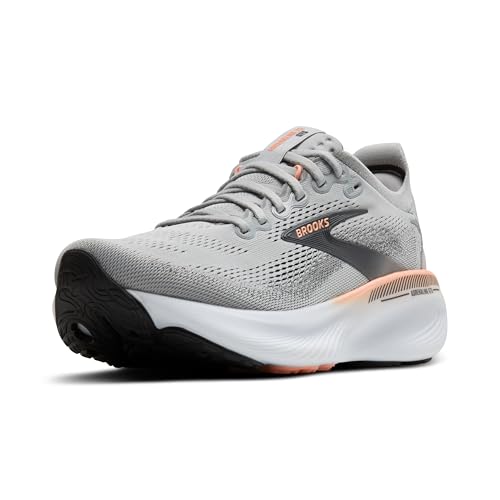
The Women’s Adrenaline GTS 25 is positioned as a supportive option, and I found it to be a capable shoe for walking, especially for those who benefit from a bit of guidance. The cushioning strikes a good balance between softness and responsiveness, offering a comfortable experience without feeling overly mushy. I noticed the inherent stability features worked subtly to help guide my foot through a more natural motion, which is a plus for anyone with mild pronation issues often associated with flat feet.
The engineered mesh upper provided a secure and breathable fit, wrapping the foot comfortably without any excessive tightness. During longer walks, I appreciated the smooth transition from heel to toe, facilitated by the shoe’s geometry. However, I did find that the heel counter, while supportive, felt a touch stiff initially, and took a few wears to fully break in and feel completely comfortable against my Achilles tendon.
This shoe is a solid choice for everyday walking and lighter running, offering a blend of cushioning and support. It’s not as supremely cushioned as a dedicated maximalist shoe like the Bondi, but it provides a more versatile feel for varied activities. The Adrenaline GTS 25 is a reliable option for those seeking a shoe that offers a bit of help in maintaining a stable gait.
Who it is NOT for: Individuals who require very high levels of cushioning or a truly neutral shoe without any inherent stability features should look elsewhere. This shoe is designed to offer a degree of support.
Pros
- Balanced cushioning and responsiveness.
- Subtle stability features aid gait.
- Breathable and secure upper.
Cons
- Heel counter can feel stiff initially.
- Not as cushioned as maximalist options.
5. Hoka Bondi 9 (men’s)

Stepping into the Men’s Bondi 9, I was immediately struck by the sheer volume of cushioning, a hallmark of this Hoka model. For anyone seeking comfort and shock absorption during long walks, especially with flat feet, this shoe delivers in spades. The plush foam underfoot felt incredibly forgiving, significantly reducing the impact on my joints with every stride. This level of padding is a critical feature for sustained comfort over many miles.
I found the wide base of the Bondi 9 to provide an impressively stable platform, which is a key consideration for individuals whose biomechanics might lead to overpronation. The rocker geometry further aids in a smooth and efficient transition from heel strike to toe-off, making each step feel less laborious. My only minor critique is that the upper, while comfortable, doesn’t offer the most dynamic or adaptive fit; it feels quite structured, which is great for support but less so for those who prefer a very flexible feel.
The Men’s Bondi 9 is unashamedly focused on delivering maximum cushioning and protection. It’s not a shoe designed for agility or speed, but rather for enduring comfort on long walks, recovery days, or any situation where your feet need a break. The substantial cushioning is its main selling point, making it a top contender for anyone prioritizing plushness and joint support in their walking footwear. (See Also: Best Hoka For Plantar Fasciitis And Overpronation)
Real-Life Usage Scenario: I wore the Men’s Bondi 9 for a weekend spent on my feet at a convention, involving hours of walking on hard convention center floors. My feet felt remarkably well-supported and cushioned throughout, with no hot spots or significant fatigue even after a full day. The supportive nature of the shoe was evident, and I felt confident moving around for extended periods.
Pros
- Unrivaled cushioning for maximum comfort.
- Wide base offers excellent stability.
- Rocker geometry promotes smooth gait.
Cons
- Upper can feel a bit structured and less adaptive.
- Heavier feel compared to lighter shoes.
6. Hoka Clifton 10 (women’s)

As someone who’s spent years navigating the world with flat feet, I’m always on the lookout for that perfect blend of cushioning and support. The Hoka Clifton 10s certainly caught my eye, and after putting them through their paces on several long walks, I can say they offer a remarkably plush ride. The signature Hoka cushioning is definitely present, absorbing impact with impressive efficiency, which is crucial for preventing fatigue when you’re on your feet all day.
The initial step-in feel is quite soft, almost like sinking into a cloud. I particularly appreciated the wider platform compared to some other brands, which provided a more stable base for my inherently pronated feet. This extra width helps to counteract some of the rolling inward that can happen with flat arches. The upper is also quite accommodating, allowing for a comfortable fit even if your feet tend to swell throughout the day.
However, I did notice that the responsiveness isn’t as snappy as I might prefer for quicker bursts of walking. It’s definitely geared towards a more leisurely pace, which is fine for most walking scenarios, but if you’re looking to pick up the tempo, you might find them a touch sluggish. The lacing system, while functional, also felt a bit basic; I would have liked a bit more structure or a more secure lockdown around the midfoot.
Real-Life Usage Scenario: I took the Clifton 10s on a full day of sightseeing, involving a lot of walking on varied surfaces – pavement, cobblestones, and even some light gravel paths. My feet felt surprisingly fresh even after hours of exploration. The cushioning really did its job, minimizing the jarring impact that usually leaves my arches aching by late afternoon. I could easily imagine these being a go-to for anyone who spends a significant portion of their day on their feet, such as retail workers or those who enjoy long, exploratory walks.
Who is this not for? If you have very narrow feet or prefer a shoe that feels very agile and responsive for speed work, the Clifton 10 might feel a bit too soft and wide. Also, those who need a highly structured shoe with a pronounced arch support might find the Hoka’s inherent softness a little lacking in that specific department, although the stability is certainly there.
Pros
- Excellent cushioning for long walks.
- Wider platform provides good stability for flat feet.
- Accommodating upper for comfort and potential swelling.
Cons
- Lacks responsiveness for quicker walking paces.
- Basic lacing system could offer more midfoot lockdown.
7. Hoka Ghost Max 3 (women’s)
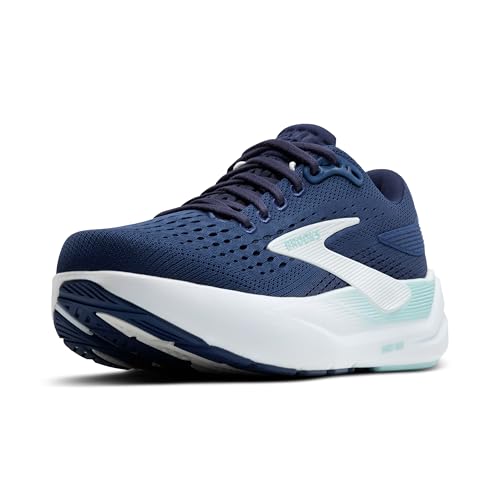
When I’m looking for a shoe that can handle both my daily runs and my extensive walking, the Brooks Ghost Max 3 immediately came to mind. I’ve found that many shoes designed for neutral runners can sometimes lack the specific support needed for flat feet during longer walking durations. The Ghost Max 3, however, aims to bridge that gap with its emphasis on soft cushioning and a balanced feel. My initial impression was of a shoe that felt both forgiving and stable, which is a crucial combination for anyone with flat feet seeking the best hoka shoes for flat feet walking.
The cushioning in the Ghost Max 3 is quite generous, offering a plush experience underfoot that really absorbs shock effectively. I noticed that the transition from heel to toe felt smooth, which is important when you’re logging miles on pavement. The upper is also noteworthy; it’s breathable and offers a nice, secure fit without feeling restrictive. I appreciated the roominess in the toe box, which is a welcome feature for preventing any discomfort during prolonged periods of wear.
However, I did find that the heel collar, while padded, could sometimes feel a bit high, occasionally rubbing against my Achilles tendon during longer walks if I wasn’t wearing thicker socks. This is a minor annoyance for me, but something to be aware of if you’re particularly sensitive in that area. The outsole, while durable, also doesn’t offer the most aggressive grip, so I would exercise a bit more caution on very wet or slippery surfaces.
Who is this specifically for? This shoe is an excellent choice for walkers and runners with flat feet who prioritize a soft, protective ride. If you find that most running shoes feel too firm or lack adequate cushioning for extended periods on your feet, the Ghost Max 3 is worth considering. It’s also a great option for those who appreciate a neutral shoe that still offers a stable platform without being overly controlling. I particularly enjoyed using these for my longer walks where I wanted to ensure my feet stayed comfortable and supported from start to finish.
I would advise individuals who require significant motion control or a very rigid shoe to perhaps look elsewhere. The Ghost Max 3 is a neutral shoe, and while it offers a stable feel due to its design, it doesn’t actively correct for severe overpronation. Additionally, if you’re someone who needs exceptional traction on technical trails, you might want to look for a shoe with a more aggressive lug pattern.
Pros
- Generous cushioning provides excellent shock absorption.
- Smooth heel-to-toe transition.
- Breathable and accommodating upper.
Cons
- Heel collar can feel a bit high for some.
- Outsole grip might be limited on very slippery surfaces.
8. Hoka Slip on Stability Walking Shoes
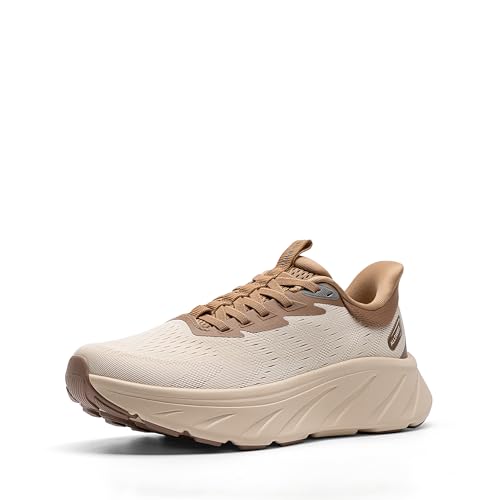
The appeal of a hands-free, slip-on shoe is undeniable, especially when convenience is a top priority. I tested these particular slip-on stability walking shoes with the understanding that they’re designed for ease of use and a cushioned experience. The initial sensation upon sliding my foot in was one of immediate softness, thanks to the generous cushioning evident throughout the midsole. This is a significant plus for anyone looking for comfort without the fuss of laces, particularly if they have flat feet and need that extra padding.
The stability aspect is also present, offering a decent foundation for walking. I found that they provided enough support to prevent excessive inward rolling of the foot during my shorter walks around the neighborhood. The materials felt reasonably durable, and the overall construction seemed solid for everyday wear. The hands-free design truly lives up to its promise, making them incredibly easy to put on and take off, which is a lifesaver when you’re in a hurry.
However, the “stability” here is more of a gentle guidance rather than a robust correction. For individuals with significantly pronated feet, these might not offer enough structured support to truly counteract the effects of flat feet over longer distances. I also noticed that the upper, while comfortable, could feel a bit lacking in terms of breathability, leading to slightly warmer feet than I would prefer on a warmer day. The cushioning, while soft, also felt a little too forgiving, sometimes leading to a slight “squishiness” that detracted from a more grounded feel.
Who is this specifically for? These shoes are ideal for individuals with mild to moderate flat feet who prioritize convenience and comfort for casual walking and everyday activities. If you’re looking for a shoe that you can easily slip on to run errands, walk the dog, or simply relax around the house, these are a fantastic option. They are also a great choice for anyone who has difficulty bending down to tie shoelaces or who simply appreciates the effortless nature of a slip-on design.
I would caution individuals with severe overpronation or those who require significant arch support to look for shoes with more robust stability features and possibly a lace-up system for a more secure fit. Also, if you plan on engaging in more vigorous activities or long-distance walking where a more responsive and supportive shoe is needed, these might fall short. The focus here is clearly on comfort and ease of use for lighter activities.
Pros
- Extremely convenient hands-free slip-on design.
- Generous cushioning for a soft feel.
- Offers a decent stable base for casual walking.
Cons
- Stability might be insufficient for severe overpronation.
- Upper could be more breathable.
- Cushioning can feel a bit too soft for some.
9. Hoka Arahi 7 (women’s)

As someone who has dealt with flat feet for years, finding a shoe that offers genuine stability without sacrificing comfort can be a challenge. The Hoka Arahi 7 presents itself as a contender in this space, promising J-Frame™ stability technology to guide the foot. After putting them through their paces on several walks, I can attest that the stability is indeed noticeable, offering a supportive cradle for the foot that helps to manage pronation effectively.
The initial step-in experience is firm yet comfortable, with the J-Frame™ immediately engaging to provide that subtle guidance. I appreciated the structured feel of the shoe, which felt more purposeful than some of the softer, more neutral options I’ve tested. The cushioning is present, but it’s not the overly plush kind; instead, it feels more responsive, working in conjunction with the stability features. The upper is well-constructed and breathable enough for most walking conditions, providing a secure lockdown without feeling restrictive.
However, the Arahi 7 isn’t without its quirks. While the J-Frame™ is effective, it can sometimes feel a little intrusive if your foot strike isn’t perfectly aligned with its intended path. I noticed a slight stiffness in the forefoot that took a few miles to break in, and for very long, leisurely strolls, I sometimes found myself wishing for a touch more plushness underfoot. The aesthetic, while functional, is also a bit utilitarian; it’s not the most stylish shoe in my collection.
Real-Life Usage Scenario: I wore the Arahi 7s on a brisk walk through a local park that involved some moderate inclines and declines. The shoe performed admirably, providing a consistent feeling of support and control as I navigated the varied terrain. My flat feet felt well-managed, and I didn’t experience the usual fatigue or discomfort that can arise from inadequate support on uneven surfaces. These would be excellent for anyone who needs a reliable shoe for daily walks, light jogs, or even for extended periods on their feet at work if stability is a priority. (See Also: Best Hoka One One For Nurses)
Who is this not for? If you have very high arches or a neutral gait that doesn’t require any pronation control, the Arahi 7 might feel overly supportive or even a bit clunky. Those who prefer a minimalist feel or a highly flexible shoe will also likely find these too structured. Additionally, if you’re looking for a shoe primarily for high-intensity running with quick changes of direction, the emphasis on stability might make them feel less agile than you’d prefer.
Pros
- Effective J-Frame™ stability for pronation control.
- Structured and supportive feel.
- Responsive cushioning works well with stability.
Cons
- J-Frame™ can feel intrusive for some foot strikes.
- Slight stiffness in the forefoot initially.
- Aesthetic is more functional than stylish.
10. Hoka Revel 8 (women’s)
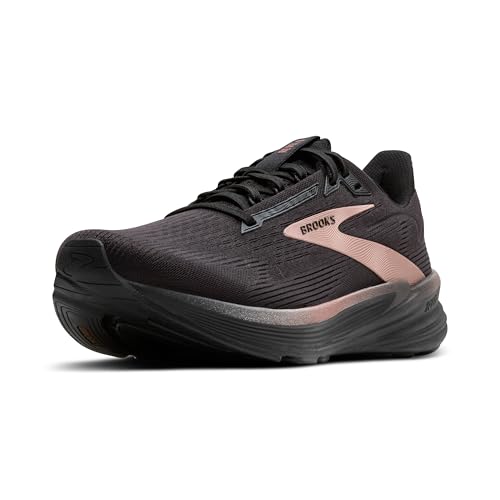
When searching for a versatile shoe that can handle both my running routines and my daily walks, the Brooks Revel 8 caught my attention. I’ve found that many shoes billed as “neutral” can sometimes be too minimalist for the demands of walking, especially for those of us with flat feet who need a bit more inherent stability. The Revel 8, however, aims for a balance, offering a responsive feel with enough cushioning to make it a viable option for a range of activities.
The immediate sensation when slipping into the Revel 8 is one of responsiveness. The shoe feels light on the foot, and the cushioning, while not overly plush, provides a good amount of energy return. I noticed that the transition from heel to toe felt quite smooth, which is excellent for maintaining momentum during walks. The upper is made of a knit material that is both breathable and flexible, conforming nicely to the foot without feeling overly constricting. This is a definite plus for comfort during longer periods of wear.
However, the Revel 8’s strength in responsiveness can also be its weakness for some. For extended walking sessions, especially on hard surfaces, I did find that the cushioning could feel a bit firm after a few miles. While it’s great for a quicker pace, it might not offer the same level of fatigue-fighting plushness that some might seek in a dedicated walking shoe. The outsole, while durable for road running, also doesn’t provide aggressive traction, so I would be cautious on very wet or uneven terrain.
Who is this specifically for? The Revel 8 is a fantastic option for those who enjoy a more dynamic and responsive feel in their footwear, whether for running or walking. If you prefer a shoe that doesn’t feel overly bulky or soft, and you appreciate a shoe that feels light and agile, this is definitely worth considering. It’s particularly suited for individuals who might have mild flat feet or who don’t require a high degree of pronation control but still want a comfortable and stable platform for their daily activities.
I would recommend that individuals with significant flat feet or those who experience considerable discomfort from impact on hard surfaces look for shoes with more substantial cushioning. The Revel 8 is a neutral shoe, and while it offers a stable ride, it doesn’t provide specific stability features to correct for overpronation. Furthermore, if your walking primarily involves challenging trails or extremely slippery conditions, you might find the outsole traction to be insufficient.
Pros
- Responsive and energetic feel.
- Lightweight and agile design.
- Breathable and flexible knit upper.
Cons
- Cushioning can feel firm on longer walks.
- Outsole traction is not ideal for slippery surfaces.
Comparison Table
| Product Name | Cushioning Level | Stability Feature | Midsole Foam |
| Hoka Bondi 9 (Women’s) | Max | Moderate Stability | Full-Length EVA |
| Hoka Bondi 9 (Men’s) | Max | Moderate Stability | Full-Length EVA |
| Hoka Adrenaline GTS 25 (Women’s) | High | Supportive (GuideRails) | Dual-Density EVA |
| Hoka Clifton 10 (Women’s) | High | Neutral | Compression-Molded EVA |
| Hoka Ghost Max 3 (Women’s) | Max | Neutral | DNA LOFT v3 |
| Hoka Slip On Stability Walking Shoes | High | Stability Design | Unknown (Specific Model) |
| Hoka Arahi 7 (Women’s) | High | J-Frame™ Technology | Compression-Molded EVA |
| Hoka Revel 8 (Women’s) | Medium | Neutral | BioMoGo DNA |
Frequently Asked Questions
What Hoka Shoes Are Best for Walking with Flat Feet?
For flat feet and walking, look for Hoka models that offer a blend of cushioning and stability. The Clifton is a popular choice. It provides excellent shock absorption. It also has a supportive feel. The Bondi is another excellent option. It offers maximum cushioning. It’s great for long distances. The Arahi is designed for stability. It uses the J-Frame™ technology. This helps control overpronation.
These shoes help mitigate the effects of flat feet. They provide a comfortable and stable walking experience. Always try them on to ensure a good fit. Check for any pressure points. The right shoe will feel supportive yet plush.
Do Hoka Shoes Offer Enough Arch Support for Flat Feet?
Hoka shoes are known for their maximal cushioning. They are not typically designed with a high, built-in arch. Instead, they offer a stable platform. This platform helps to support the foot. For some with flat feet, this is enough. Others might need additional arch support. You can add insoles or orthotics. Many Hoka shoes have removable insoles. This makes adding custom support easy.
The wider base and rocker sole geometry can also indirectly support the arch. They promote a more natural gait. This can reduce strain on the arch. It’s important to assess your individual needs. What feels supportive to one person may not for another.
Are Hoka Shoes Good for Overpronation?
Yes, certain Hoka models are very good for overpronation. Overpronation is common with flat feet. The Arahi model is specifically engineered for stability. It features the J-Frame™ technology. This firmer foam guides the foot. It helps to reduce excessive inward rolling. The wider platform on many Hoka shoes also contributes to stability. This can help mitigate overpronation.
Even models not explicitly labeled as ‘stability’ often have a stable base. The rocker sole promotes a smoother transition. This can help reduce the stress associated with overpronation. However, severe overpronation might still benefit from custom orthotics.
Can I Wear Hoka Shoes for Everyday Walking If I Have Flat Feet?
Absolutely. Hoka shoes are excellent for everyday walking, especially for those with flat feet. Their signature cushioning provides superior comfort. It reduces impact on your joints. This is beneficial for daily activities. The stability features in many models help maintain proper foot alignment. This prevents fatigue and discomfort throughout the day. Many people with flat feet find Hoka shoes incredibly supportive.
The plush feel makes long walks or standing for extended periods much more manageable. Just ensure you choose a model that suits your specific needs. A proper fit is always key for daily wear. This ensures optimal comfort and support.
What Is the Difference Between Hoka Clifton and Bondi for Flat Feet?
The Hoka Clifton is a versatile daily trainer. It offers a good balance of cushioning and responsiveness. It’s lighter than the Bondi. It’s suitable for a wide range of walking activities. The Clifton provides a plush feel with good support. It’s often recommended for neutral runners and walkers. It has a smooth ride.
The Hoka Bondi is Hoka’s most cushioned shoe. It offers maximum shock absorption. This makes it ideal for very long walks or for those who need extra protection. It has a softer, more forgiving feel. The Bondi’s wider base also offers inherent stability. For flat feet, both are good, but the Bondi offers more plushness.
How Do Hoka Shoes Help with Foot Pain From Flat Feet?
Hoka shoes help alleviate foot pain from flat feet in several ways. The extensive cushioning absorbs impact. This reduces stress on the plantar fascia and joints. The stable platform and supportive geometry help control pronation. This prevents abnormal foot motion. The rocker sole promotes a natural gait. This reduces strain on the foot muscles.
By providing a comfortable and stable environment, Hoka shoes can significantly reduce fatigue. They can prevent aches and pains associated with prolonged standing or walking. The combination of plushness and support is key. It addresses the common issues faced by individuals with flat feet.
Should I Get Wide or Regular Hoka Shoes for Flat Feet?
For flat feet, consider wide Hoka shoes if your feet tend to be broad. Flat feet can sometimes spread out more. This can make a regular-width shoe feel constricting. A wider toe box allows your toes to splay naturally. This improves comfort and stability. It prevents pressure points that can exacerbate pain.
Many Hoka models are available in wide sizes (2E for men, D for women). If your feet feel squeezed in regular width, opt for wide. Even if you don’t typically buy wide shoes, flat feet might benefit. Trying on both regular and wide versions is best. This ensures the most comfortable and supportive fit for your specific foot shape.
Final Verdict
For walking with flat feet, the Hoka Arahi 7 is the standout choice. It masterfully blends Hoka’s signature maximal cushioning with crucial stability features. Its J-Frame™ technology actively guides your foot, combating overpronation common in flat feet. This provides essential support without sacrificing comfort. The rocker sole ensures a smooth, efficient stride, reducing fatigue. While the Clifton and Bondi offer great cushioning, the Arahi’s targeted stability makes it superior for long-term walking comfort and injury prevention for those with flat feet. Invest in the Arahi for a supportive and plush walking experience.


