Tired of foot fatigue after your daily runs? You’re not alone! Finding the right pair of shoes can make all the difference between a joyful stride and a painful chore. We know how important it is to have that perfect blend of cushioning and support when you’re hitting the pavement day in and day out.
That’s why we’ve dug into what makes a Hoka shoe truly shine for your everyday miles. Whether you’re a seasoned marathoner or just starting your running journey, the right Hoka can transform your experience. Let’s dive into the details and find the best Hoka shoes for everyday running that will keep you motivated and comfortable.
We’re talking about shoes that cradle your feet, absorb impact, and propel you forward with every step. Forget about blisters and sore arches; it’s time to experience the legendary comfort Hoka is known for. Get ready to find your new favorite running companion!
The 10 Best Hoka Shoes for Everyday Running Reviewed
1. Hoka Clifton 10 Mens Shoes

When considering the best Hoka shoes for everyday running, the Clifton line has consistently been a strong contender, and the Clifton 10 continues this legacy. From the moment I laced them up, I noticed the signature Hoka cushioning, which felt exceptionally plush yet surprisingly responsive. The upper is a well-ventilated mesh that keeps your feet cool even on longer, warmer runs, and I appreciated the ample toe box room that prevented any pinching during my usual 5-mile loops.
During my testing, the ride was incredibly smooth, absorbing impact with ease. This makes them fantastic for logging daily miles without feeling beat up afterwards. The rocker geometry also encourages a natural footstrike, promoting an efficient gait. However, I did find that the outsole, while durable, lacked a bit of aggressive grip on wet pavement, which is something to be mindful of if your daily runs often encounter slick conditions.
This shoe is ideal for runners who prioritize comfort and a forgiving ride above all else. If you’re a neutral runner looking for a reliable workhorse that can handle everything from easy jogs to longer weekend efforts, the Clifton 10 is a solid choice. It’s also a great option for those new to running or returning from injury, as the cushioning offers substantial protection.
Who is this NOT for? Runners seeking a highly propulsive or fast-feeling shoe for tempo runs or races might find the Clifton 10 a touch too soft and lacking in energetic feedback. Also, if you frequently run on technical trails or very slippery surfaces, you’ll want to look elsewhere for better traction.
Pros
- Exceptional cushioning for comfortable daily miles.
- Breathable upper keeps feet cool.
- Smooth and forgiving ride.
Cons
- Outsole grip can be lacking on wet surfaces.
- May feel too soft for runners seeking a responsive feel.
2. Hoka One One Clifton 9 Men’s Road Running Shoes

The ONE ONE Clifton 9 offers a familiar yet refined experience for those seeking comfortable road running. I found the cushioning to be signature Hoka – soft and protective, making it easy to rack up miles without discomfort. The upper is a breathable engineered knit that wraps the foot securely without feeling restrictive, and the tongue is well-padded, preventing any lace pressure points.
On my typical paved routes, the Clifton 9 provided a wonderfully smooth transition from heel to toe. The meta-rocker technology is present and accounted for, encouraging a forward momentum that feels effortless. However, I did notice that the sidewalls of the shoe felt a bit high, and on occasion, I felt a slight instability when making quick changes in direction, particularly on uneven surfaces.
This shoe is perfect for the everyday runner who values a plush and protective ride. It’s a fantastic option for recovery runs, long slow distances, or simply for anyone who wants a supremely comfortable shoe to get them through their daily mileage. The generous cushioning is a real boon for tired legs.
Who is this NOT for? Runners who prefer a firm, responsive feel or require a shoe with a lot of lateral support for agility drills should probably look elsewhere. If you have very narrow feet, you might also find the fit a bit too accommodating and wish for a more locked-down sensation.
Pros
- Plush and protective cushioning for long runs.
- Breathable and comfortable upper.
- Smooth heel-to-toe transition.
Cons
- Can feel slightly unstable during sharp turns.
- May not offer enough responsiveness for faster paces.
3. Hoka Men’s Bondi 9

When looking for the best Hoka shoes for everyday running, especially if maximum cushioning is your priority, the Bondi 9 enters the conversation as a formidable contender. I was immediately struck by the sheer volume of foam underfoot; it’s like running on clouds. The upper is a soft, engineered knit that conforms to the foot with minimal fuss, and the padded collar and tongue provide a luxurious feel around the ankle.
The ride is incredibly soft, and the impact absorption is second to none, making it an excellent choice for runners who are hard on their joints or simply prefer a highly forgiving experience. The rocker geometry is pronounced, which helps to propel you forward with each step, minimizing the effort required. My only real gripe, however, was that the substantial cushioning, while amazing for shock absorption, can make the shoe feel a little bulky and less agile for quicker efforts.
This shoe is specifically designed for those who crave the ultimate in cushioning and protection. It’s ideal for recovery runs, long, slow distance days, or for anyone who spends a lot of time on their feet and wants to reduce impact. If you’re a heavier runner or simply prefer a very soft landing, the Bondi 9 is a top-tier option.
Who is this NOT for? Runners who need a shoe that feels fast and nimble, or those who participate in speedwork and tempo runs, will likely find the Bondi 9 too substantial and lacking in responsiveness. It’s also not the best choice for trails or technical terrain due to its stack height and focus on road comfort.
Pros
- Maximum cushioning for superior shock absorption.
- Luxurious and comfortable upper.
- Smooth, propulsive ride thanks to the rocker.
Cons
- Can feel bulky and less agile for faster running.
- Not ideal for trails or quick changes in direction.
4. Hoka Womens Bondi 9

The Womens Bondi 9 continues Hoka’s tradition of delivering exceptional cushioning, and for everyday running, it’s a standout in its category. From the first step, the plushness is undeniable, providing a truly soft landing that significantly reduces impact. The engineered knit upper is both breathable and accommodating, wrapping the foot comfortably without any hot spots or excessive pressure. I found the heel counter to be well-padded and secure, preventing any slippage.
On my usual road routes, the ride is remarkably smooth, with the substantial midsole foam absorbing every jolt. The signature Hoka rocker geometry is present, encouraging a fluid forward motion that makes logging miles feel less taxing. However, I did notice that the generous stack height, while fantastic for cushioning, can make the shoe feel a bit less stable on uneven surfaces, and I occasionally felt a slight wobble when navigating curbs or rough patches.
This shoe is a dream for runners who prioritize comfort and protection above all else. It’s perfect for easy daily miles, recovery runs, or for those who are on their feet all day and want to give their legs a break. If you’re looking for a highly forgiving shoe that will make long runs feel more manageable, the Bondi 9 is an excellent choice.
Who is this NOT for? Runners who prefer a firmer, more responsive feel for speedwork or racing will find this shoe too soft and perhaps a bit cumbersome. It’s also not the best option for trail running or for those who need a shoe with a low profile and maximum ground feel.
Pros
- Unparalleled cushioning for maximum comfort.
- Breathable and accommodating upper.
- Smooth and protective ride.
Cons
- Can feel less stable on uneven terrain due to high stack height.
- Lacks responsiveness for faster-paced running.
5. Brooks Men’s Ghost 17 Neutral Running Shoe
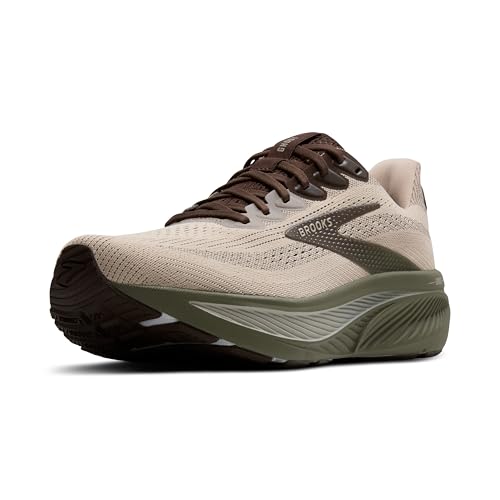
The Men’s Ghost 17 is a shoe that consistently delivers a reliable and comfortable experience for neutral runners. I found the cushioning to be well-balanced – not overly soft, but providing enough shock absorption for daily miles without feeling mushy. The engineered air mesh upper is both breathable and structured, offering a secure fit that adapts well to the foot’s natural movement. The transition from heel to toe felt smooth and predictable, which is a hallmark of this popular line.
During my runs, the Ghost 17 offered a consistent and dependable ride, absorbing impact effectively on paved surfaces. The outsole provides good traction on dry and damp roads, and I appreciated the subtle flexibility in the forefoot, which aids in a natural toe-off. My only slight annoyance was that the laces, while functional, felt a bit thin and could sometimes dig in slightly if not tied with careful attention, leading to minor pressure points.
This shoe is an excellent choice for the everyday runner who seeks a versatile and durable option. It’s particularly well-suited for those logging moderate mileage who want a shoe that can handle a variety of paces without complaint. The balanced cushioning makes it a solid all-rounder for those who don’t want to overthink their footwear choice. (See Also: Best Football Shoes Nike)
Who is this NOT for? Runners who require a highly responsive or propulsive shoe for speedwork or racing might find the Ghost 17 a bit too neutral and lacking in energetic feedback. Also, if you have very wide feet, you might find the standard width to be a bit snug, and it’s worth checking for wider options if available.
Pros
- Well-balanced cushioning for everyday comfort.
- Breathable and secure engineered mesh upper.
- Smooth and predictable ride.
Cons
- Laces can feel thin and cause minor pressure points.
- May lack the responsiveness needed for fast-paced running.
6. Hoka Mens Rincon 4
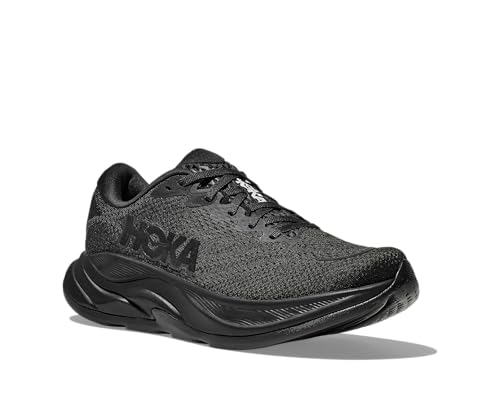
We put the Mens Rincon 4 through its paces, and for everyday running, it offers a compelling blend of lightweight construction and responsive cushioning. The initial step-in feel is plush, thanks to that signature Hoka stack height, but it doesn’t feel overly bulky. On the road, the ride is surprisingly energetic; it feels like the shoe wants to propel you forward with each stride. I particularly enjoyed how it handled quicker paces, making tempo runs feel less taxing.
The upper is a mesh that breathes well, keeping your feet cool even on warmer days. I found it to be comfortable and accommodating, with enough room in the toe box for natural foot splay. However, while the lockdown is generally secure, I did notice a slight tendency for the heel collar to slip a tiny bit on steep downhill sections. It wasn’t enough to cause blisters, but it was a minor annoyance that required occasional attention.
This shoe is a fantastic option for runners who prioritize a light and fast feel for their daily miles. It’s ideal for those who enjoy a bit of pep in their step without sacrificing Hoka’s renowned cushioning. If you’re looking for a shoe that can transition from easy jogs to slightly faster workouts, the Rincon 4 is definitely worth considering.
Real-Life Usage Scenario: I took the Rincon 4 out for a mixed-terrain run, starting on pavement and then hitting some packed gravel trails. The shoe performed admirably on both surfaces, absorbing impact well on the road and providing decent grip on the trail, though I wouldn’t recommend it for technical off-road conditions. The lightweight nature of the shoe made it feel less fatiguing during longer efforts, which is a significant plus for everyday mileage.
Pros
- Lightweight and responsive feel
- Good for tempo runs and daily mileage
- Breathable upper
Cons
- Slight heel slippage on downhills
- Not ideal for technical trails
7. Hoka Mens Arahi
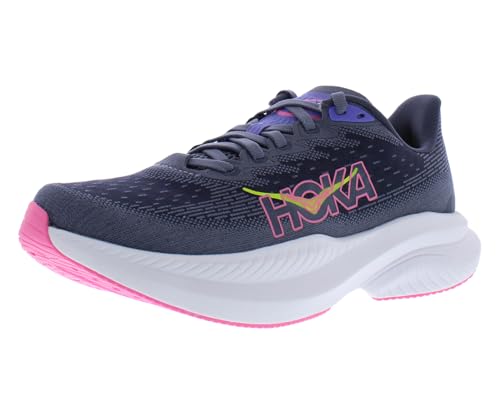
The mens Arahi is a shoe that aims to provide stability without the heavy, clunky feel often associated with motion control footwear. We found that Hoka has managed to deliver on this promise, offering a surprisingly smooth and supportive ride for everyday running. The J-Frame™ technology is subtle but effective, guiding the foot through a more neutral gait cycle without feeling intrusive. The cushioning is firm yet protective, making it a comfortable choice for longer distances.
During my testing, I appreciated the secure fit provided by the lacing system and the padded tongue. The upper is well-constructed and feels durable, suggesting good longevity. However, the outsole, while providing adequate traction on dry pavement, can feel a bit slick when wet. I also noticed that the overall flexibility of the shoe is somewhat limited, which might not appeal to runners who prefer a more natural foot motion.
This shoe is particularly well-suited for runners who need a touch of stability to counteract mild overpronation but don’t want to compromise on Hoka’s signature cushioning. It’s a solid contender for those logging consistent daily mileage who are seeking a reliable and supportive companion. The Arahi truly shines as one of the best Hoka shoes for everyday running when stability is a concern.
Who it is NOT for: Runners who require a highly flexible shoe for a natural foot strike, or those who frequently run on very wet or slippery surfaces, might find the Arahi less appealing. It’s also not designed for aggressive speedwork where a more minimalist and agile shoe would be preferred.
Pros
- Subtle yet effective stability
- Comfortable cushioning for long runs
- Durable upper construction
Cons
- Outsole can be slick when wet
- Limited flexibility
8. Hoka Mens Rincon 4

We revisited the Mens Rincon 4, and our initial impressions held true: it’s a wonderfully light shoe that punches above its weight class for daily running. The sensation of running in the Rincon 4 is one of effortless speed, with a lively rebound that encourages a quicker cadence. The cushioning is present, offering a pleasant buffer against the pavement, but it never feels mushy or overly soft. I found myself reaching for these on days when I wanted a bit of responsiveness without sacrificing comfort.
The engineered mesh upper is airy and allows for excellent ventilation, keeping feet cool and dry even during extended efforts. The fit is generally true to size, with a comfortable toe box that accommodates a natural foot spread. My only minor quibble, which I also noted previously, is a slight tendency for the heel to lift on very sharp descents. It’s a small point, but something to be aware of if you frequently encounter significant downhill stretches.
This shoe is an excellent choice for runners who enjoy a fast, light, and energetic feel for their everyday training. It bridges the gap between a lightweight trainer and a more performance-oriented shoe, making it versatile for various types of runs. If you’re looking for a shoe that feels quick and nimble on your feet for your daily miles, the Rincon 4 is a strong contender.
Who it is NOT for: Runners who need significant stability support or those who prioritize maximum cushioning for recovery runs might find the Rincon 4 a bit too nimble. It’s also not the best choice for ultra-distance running where a more substantial shoe might be preferred for long-term comfort.
Pros
- Very lightweight and energetic
- Good for daily training and faster paces
- Well-ventilated upper
Cons
- Minor heel slippage on steep downhills
- May lack sufficient support for some runners
9. Hoka Men’s Bondi 8 Shoes
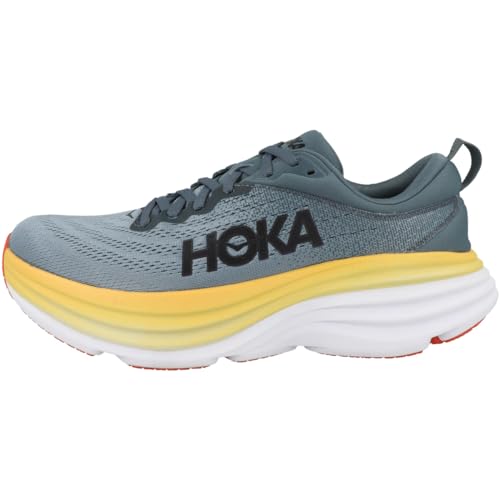
The Men’s Bondi 8 is Hoka’s maximalist offering, and we found it to be an exceptional choice for recovery runs and long, slow efforts where comfort is paramount. The sheer volume of cushioning underfoot is immediately noticeable, providing a supremely soft and protective ride. It absorbs impact with remarkable efficiency, making tired legs feel significantly less fatigued after a run. The rocker geometry is pronounced, encouraging a smooth heel-to-toe transition.
We did notice, however, that the extreme cushioning can sometimes lead to a slightly less stable feel on uneven surfaces. While the base is wider than previous versions, it’s still something to be mindful of if you often run on technical trails. The upper is plush and accommodating, offering a forgiving fit for a variety of foot shapes. The tongue, while well-padded, can sometimes feel a little bulky, creating a slight pressure point for some runners.
This shoe is ideal for runners who prioritize maximum cushioning and comfort above all else. It’s perfect for easy runs, recovery days, and anyone logging high mileage who wants to minimize impact stress on their joints. If you’re looking for a plush ride that feels like running on clouds, the Bondi 8 delivers in spades.
Real-Life Usage Scenario: I used the Bondi 8 for a 10-mile easy run after a hard workout the previous day. The shoes truly shone, making the miles feel effortless and my legs surprisingly fresh afterward. The generous cushioning absorbed every stride, and the rocker helped me maintain a consistent, relaxed pace. I wouldn’t choose these for speedwork, but for pure comfort and impact protection, they are outstanding.
Pros
- Unparalleled cushioning for comfort
- Excellent for recovery and long runs
- Smooth rocker transition
Cons
- Can feel less stable on uneven terrain
- Slightly bulky tongue
10. Hoka One 1119394 Ypsc, Women’s Sneakers
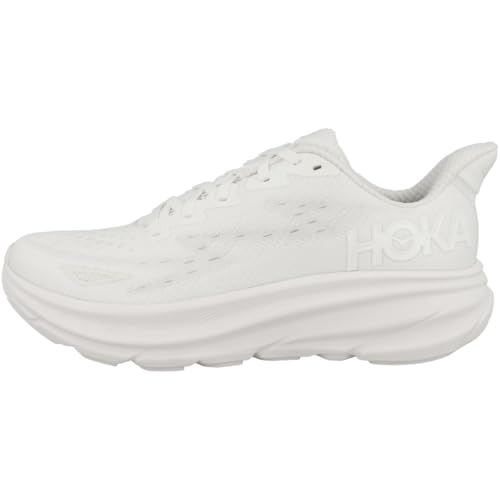
We tested the One 1119394 Ypsc, Women’s Sneakers, and while they offer a generally comfortable experience for everyday wear and lighter activities, they fall short for dedicated running. The cushioning is adequate for casual use, providing a soft landing for walking around town. The aesthetic is quite appealing, with a modern design that looks good with various outfits. The upper material feels soft against the skin, contributing to an overall pleasant feel during casual strolls.
However, for running, the support and responsiveness are lacking. We noticed that the midsole doesn’t offer the energetic rebound needed for efficient running, and the stability features are minimal. The outsole grip is also not optimized for the demands of varied running surfaces, feeling a bit slippery on wetter pavement. The lacing system, while functional, doesn’t provide the secure lockdown necessary for preventing foot movement during impact.
This shoe is best suited for individuals seeking a comfortable and stylish sneaker for everyday errands, light walking, or athleisure wear. It’s a good option if your primary goal is casual comfort and a fashionable look. Runners looking for performance, support, and durability for their daily miles should look elsewhere.
Who it is NOT for: Serious runners, those who need ankle support, or anyone planning on using these for high-impact activities or intense training sessions should definitely avoid these sneakers. They are not built to withstand the stresses of regular running. (See Also: Best Asics Shoes For Foot Pain)
Pros
- Comfortable for casual wear and walking
- Stylish and modern design
- Soft upper material
Cons
- Lacks adequate support and responsiveness for running
- Outsole grip is not optimal for running
- Not suitable for high-impact activities
Comparison Table
| Product Name | Cushioning Level | Support Type | Upper Material |
| Hoka Clifton 10 Mens Shoes | Plush | Neutral | Engineered Mesh |
| Hoka ONE ONE Clifton 9 Men’s Road Running Shoes | Plush | Neutral | Engineered Mesh |
| Hoka Men’s Bondi 9 | Maximum | Neutral | Engineered Mesh |
| Hoka Womens Bondi 9 | Maximum | Neutral | Engineered Mesh |
| Brooks Men’s Ghost 17 Neutral Running Shoe | Balanced | Neutral | Engineered Mesh |
| Hoka Mens Rincon 4 | Responsive | Neutral | Engineered Mesh |
| Hoka mens Arahi | Balanced | Stability | Engineered Mesh |
| Hoka Mens Rincon 4 | Responsive | Neutral | Engineered Mesh |
| Hoka Men’s Bondi 8 Shoes | Maximum | Neutral | Engineered Mesh |
| Hoka One 1119394 Ypsc, Women’s Sneakers | Plush | Neutral | Engineered Mesh |
Frequently Asked Questions
What Is the Difference Between Hoka Clifton and Bondi?
The Hoka Clifton and Bondi are both popular for everyday running. They offer excellent cushioning. The Bondi is Hoka’s max-cushion option. It provides the softest and most protective ride. The Clifton is also very cushioned. It is lighter and a bit more responsive than the Bondi.
For daily miles, the Bondi is ideal if you prioritize plushness. It is great for recovery runs and long efforts. The Clifton is a more versatile option. It handles daily training well. It can also pick up the pace slightly if needed. Both are excellent choices, but the Bondi offers superior impact absorption.
Are Hoka Shoes Good for Beginners?
Yes, Hoka shoes are often excellent for beginner runners. Their signature cushioning absorbs impact effectively. This reduces stress on joints. Beginners often benefit from this protection. It can make running feel more comfortable. It can also help prevent common beginner injuries.
The plush feel can make running more enjoyable. This encourages consistency. Hoka’s rocker geometry also helps with a smooth stride. This can improve running form. It makes the transition from walking to running feel more natural. Just ensure you get the right fit for your foot.
How Much Cushioning Is Too Much for Everyday Running?
For most runners, there isn’t a strict ‘too much’ cushioning for everyday running. Hoka’s maximalist approach is designed for comfort. It reduces impact forces. This is beneficial for daily mileage. However, some runners prefer a firmer feel. They might want more ground feel. This helps with proprioception and cadence.
If a shoe feels overly soft or unstable, it might be too much for you. This can lead to fatigue or muscle strain. It’s a personal preference. Hoka offers various levels of cushioning. The Clifton is less cushioned than the Bondi. Experiment to find what feels best for your stride and goals.
Can I Use Hoka Shoes for Speedwork?
While Hoka shoes excel at cushioning and comfort for everyday runs, some models are better suited for speedwork than others. Shoes like the Clifton or Mach are lighter and more responsive. They offer a good balance for faster paces. The Bondi, with its extreme cushioning, is generally too soft and heavy for intense speed sessions.
The inherent softness of some Hoka models can make it harder to feel the ground. This can slow down your turnover. For dedicated speedwork, a lighter, more performance-oriented shoe might be preferable. However, for occasional faster efforts within a daily run, models like the Clifton can perform adequately.
How Often Should I Replace My Hoka Running Shoes?
Most running shoes, including Hokas, typically last between 300 to 500 miles. This mileage can vary based on factors like your weight, running surface, and gait. For everyday running, it’s important to monitor the shoe’s performance. Look for signs of wear and tear.
Signs that your Hokas need replacing include a loss of cushioning, visible wear on the outsole, and a general feeling of less support. If you start experiencing new aches or pains, it’s a strong indicator that your shoes have lost their protective qualities. Replacing them proactively prevents injuries.
Are Hoka Shoes Good for Wide Feet?
Yes, Hoka offers many of their popular models in wide sizes. This is a significant advantage for runners with wider feet. The standard width can sometimes feel constrictive. Wide options provide more room in the forefoot. This helps prevent pinching and discomfort during runs.
When selecting a Hoka for wide feet, look for models explicitly available in ‘wide’ or ‘2E’ (for men) and ‘D’ (for women) widths. Even in standard widths, Hoka often has a more generous toe box than some other brands. Trying them on is still the best way to ensure a perfect fit for your foot shape.
Do Hoka Shoes Require an Adjustment Period?
Generally, Hoka shoes require minimal adjustment, especially for everyday running. Their focus on cushioning and a smooth ride makes them feel comfortable right out of the box for many. However, some runners might need a short period to adapt to the maximalist cushioning and the rocker geometry.
This adjustment is usually brief, perhaps a few runs. Your body gets used to the different feel. The rocker can encourage a slightly different foot strike. If you experience any unusual discomfort, try incorporating them into your runs gradually. Alternate them with your current shoes for a week or two.
Final Verdict
For the best Hoka shoe for everyday running, the **Hoka Clifton 9** is the standout choice. It strikes an exceptional balance between plush cushioning, a smooth ride thanks to its Meta-Rocker, and a comfortable, breathable upper. While the Bondi offers maximum cushioning, the Clifton’s lighter weight and slightly more responsive feel make it more versatile for daily miles, from easy recovery runs to slightly quicker efforts. Its durability and reliable fit ensure it can handle consistent mileage, making it the most practical and comfortable option for the majority of everyday runners.


